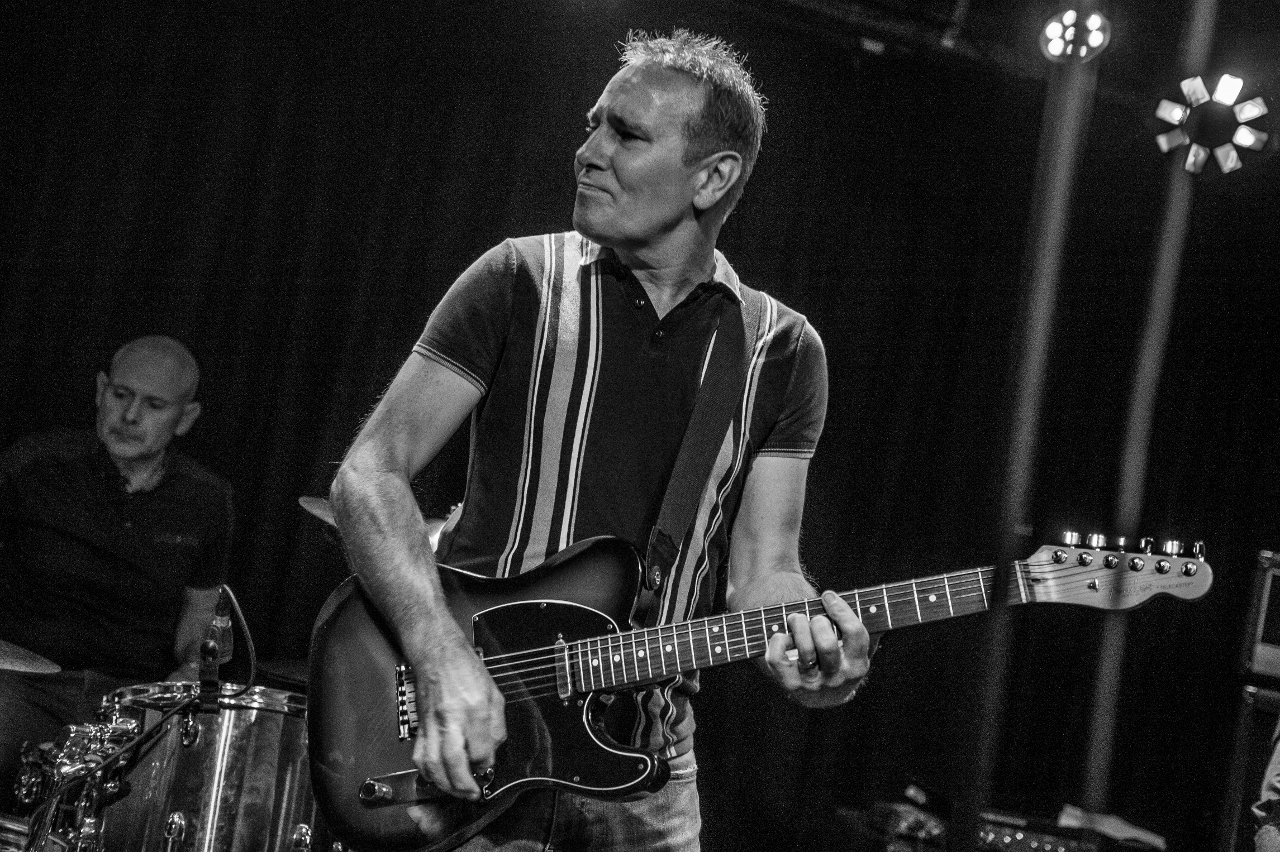
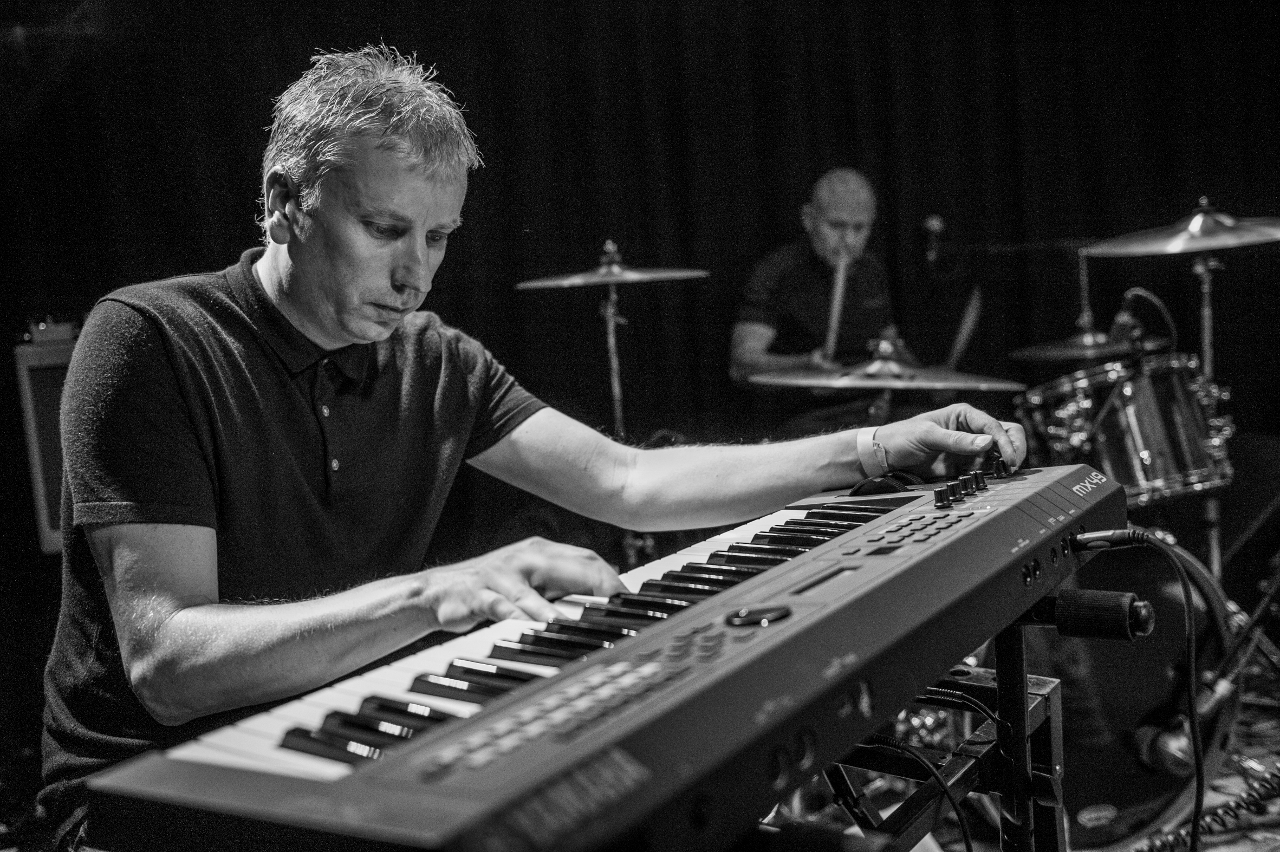
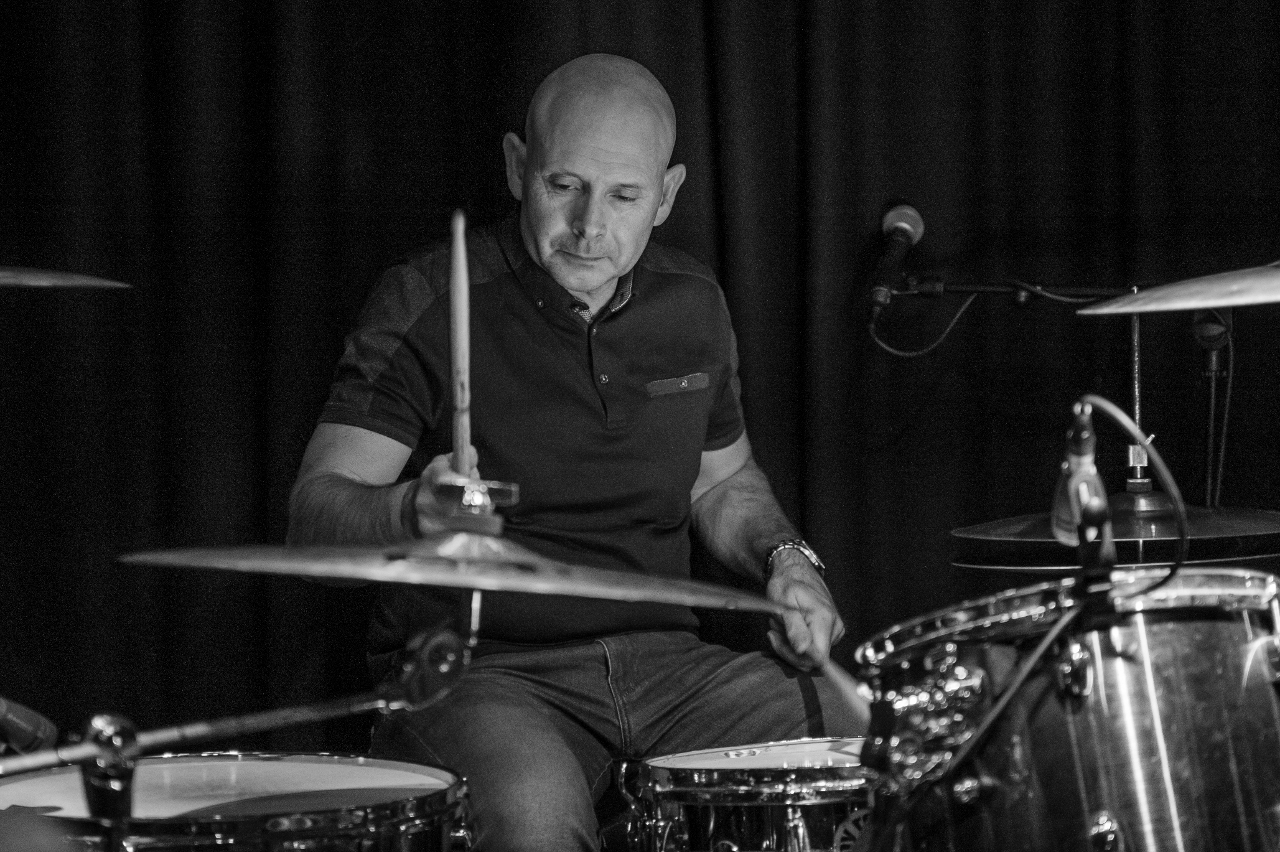
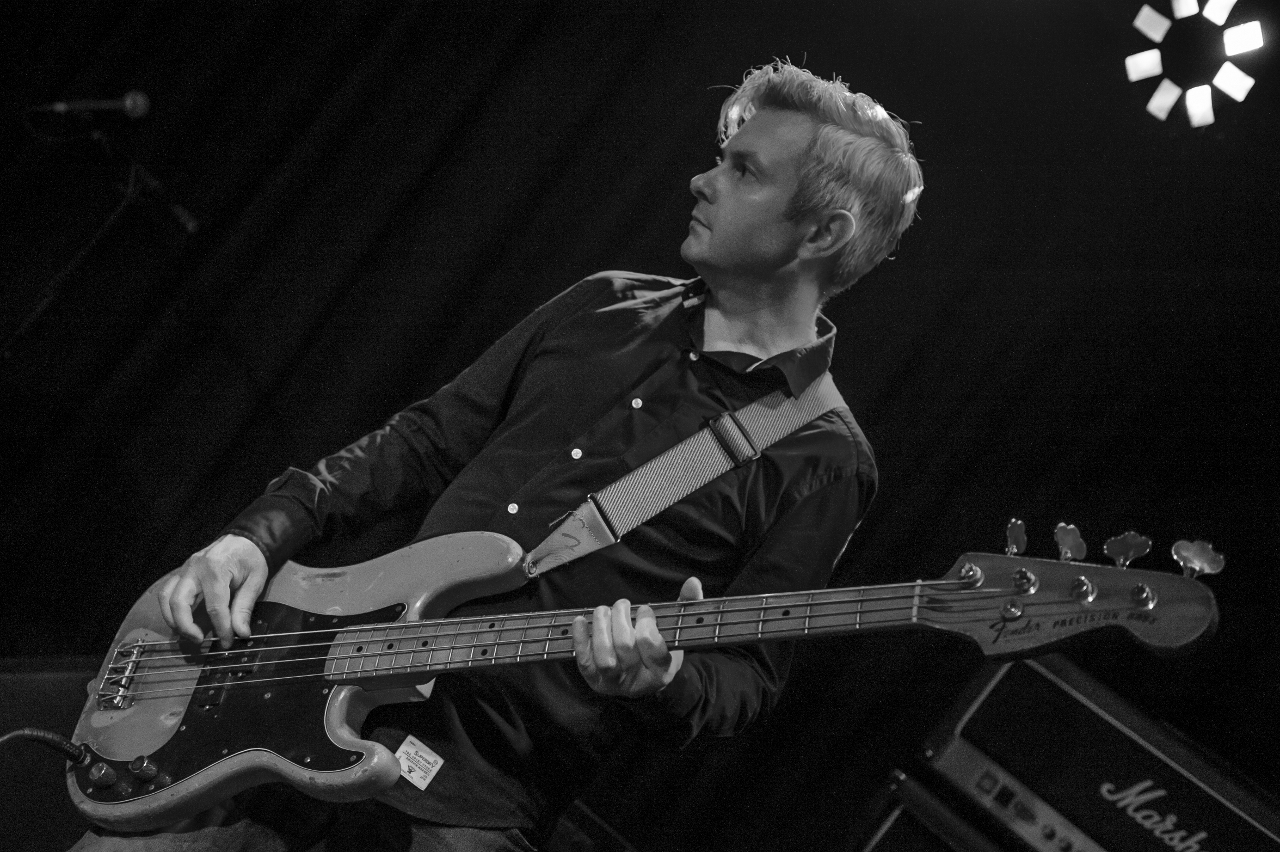
Gretchen Peters / Kim Richey – Royal Northern College of Music, Manchester

Touring Troubadour: Gretchen Peters, out and about and Dancing with the Beast.

“Hi Gretchen, it’s Malcolm. I did an interview with you a while back. I know. It seems an age ago. I seem to recall we talked about how the weather in Nashville was pretty much like we’d expect in Manchester. I know. It’s been gorgeous today, hasn’t it? And it’s lovely to finally meet face to face. All five of you were on top form tonight.

“I probably said too much back then about relating to ‘Love that Makes a Cup of Tea’, and how I was heading back up the motorway from my Mum’s funeral when I heard that for a third time, truly listening for the first time. I wrote in her eulogy, ‘She was always there for us, however far away we lived, and on returning there’d be a home-cooked meal on the table and home-baked cake in the tin. She’d be at the end of the phone too, offering help and advice, whatever the problem. And there would be offers of cash, however well you thought you were doing. We also learned what a great listener she was.’ Consequently, that chorus reduced me to tears … happy tears.

“I’ve just spoken briefly to Kim, but think I babbled somewhat, so please let her know her short set was pretty much perfect. And the harmonies between you, Barry and Kim were spot on. I told her how much she’ll enjoy your trip to Shetland, even though I’ve never been. I think she realised though. A look passed between us, me silently saying, ‘I’m talking out of my arse here, please excuse me’, her politely responding, ‘I know, but it’s okay. That’s how it goes in these situations.’

“We particularly liked her song about boxes, smoke and mirrors, and how when you get to know people better, you realise they’re not who you thought they were. ‘Chinese Boxes’? That’s it, with a real Suzanne Vega vibe. And whether she’s singing about driving down the interstate (‘Those Words We Said’) or rivers running dry (‘Every River Runs Dry’), I can equate with that. We have roads and waterways here too. Oh, you knew. You’re probably better travelled around here than most Brits.

“Kim mentioned how the poignant ‘Pin a Rose’ was written with Chuck Prophet, taking me back to first hearing bands like Green on Red, REM and The Long Ryders, realising that gap across the Atlantic wasn’t as wide as I imagined. Sticking with her Edgeland material, I’ve never actually got to ‘Chase Wild Horses’, but understand the sentiment. We’ve all done spur-of-the-moment stuff, some ‘we ain’t proud of’. It’s all part of what makes us who we are. And the fact that I’d never considered until the wistful ‘Your Dear John’ that there might be bargemen in Ohio just shows my ignorance of the true America. Music’s always been an education though.

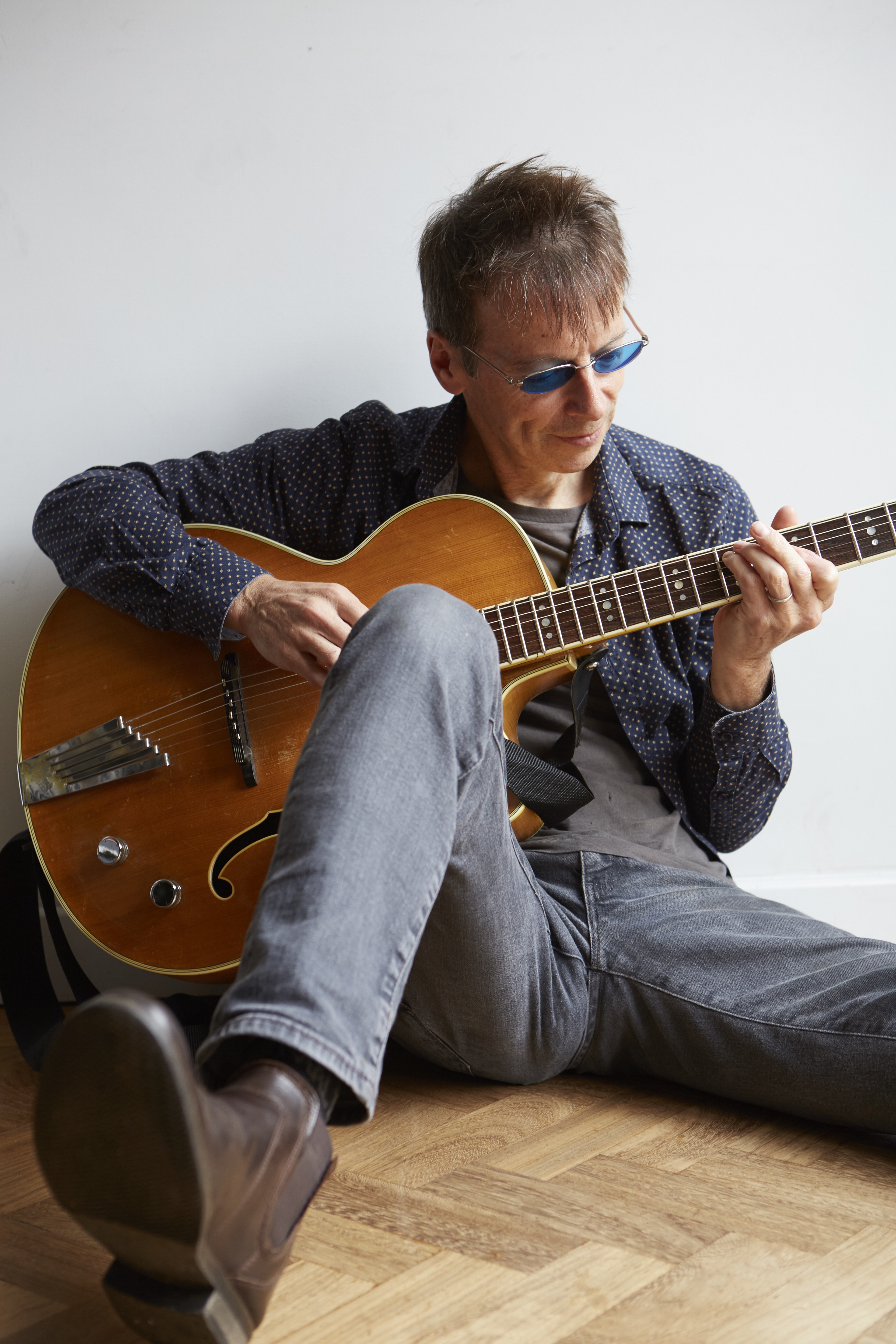
Collage Education: Kim Richey, supporting Gretchen Peters throughout the UK (Photo: http://kimrichey.com/)

“Finally, that song about counting on me and crooked miles was exquisite, not least those chord sequences. It‘s always nice to go somewhere you weren’t expecting. ‘Straight as the Crow Flies’? Right. I could hear Joni Mitchell’s ‘Both Sides Now’, but shades of Nick Drake too. A winning combination.

“I loved your intro, that wondrous voice cutting the air in the darkness. The power in that almost-whispered introduction defied belief. Simple, stripped down, evocative, you name it. I had a lump in the throat as you sang, ‘I get lost in my hometown …’ It’s beautiful on record, and tonight all the more so. I may have mentioned, but the imagery in ‘Arguing With Ghosts’ and right across this new album is really something. And here was the proof.

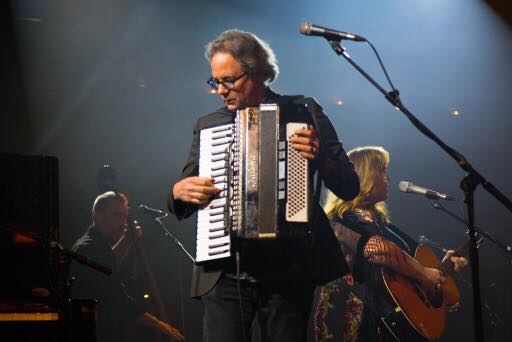
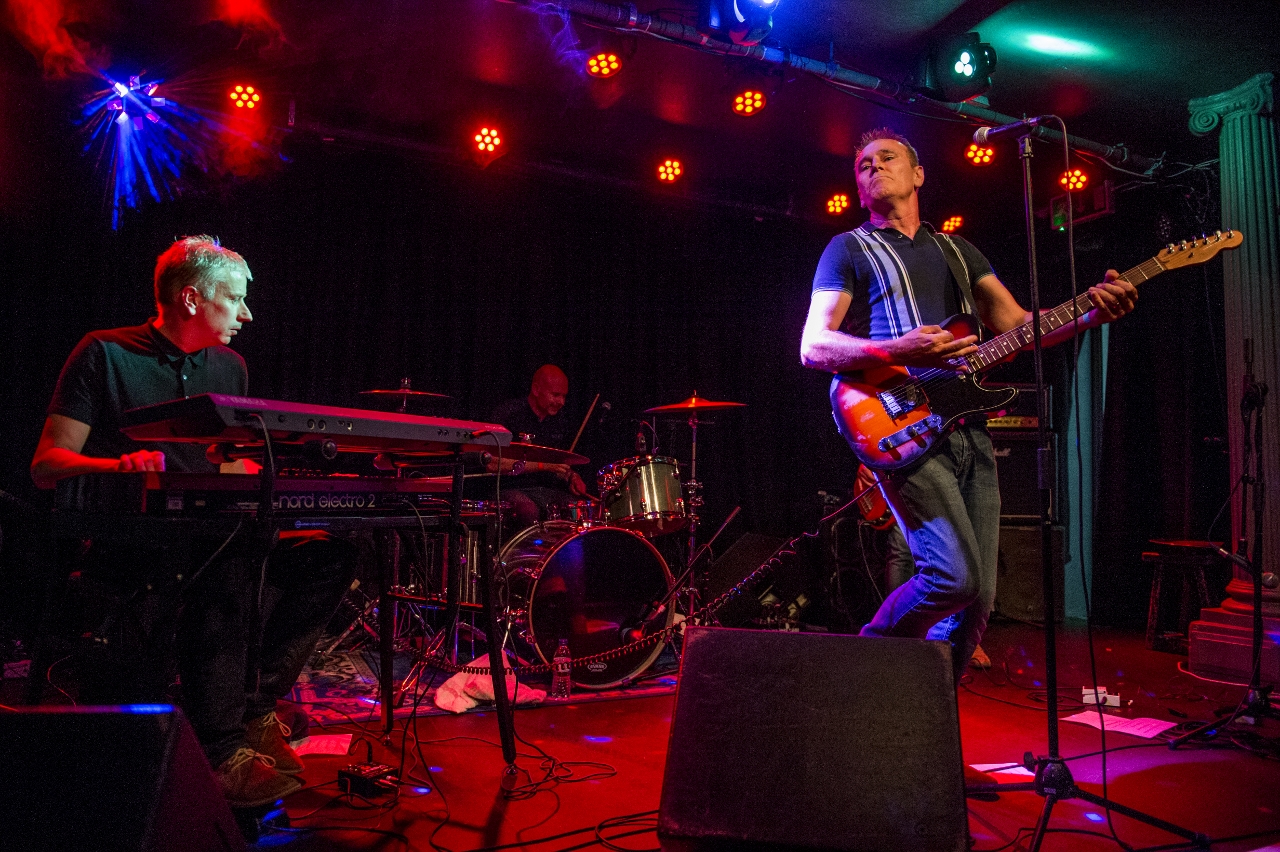
“I see ‘Wichita’ is your new single. Good choice. Say hello to Barry for me, by the way. I’ll probably rudely interrupt his conversation and shakes hands before darting off in a few minutes. I’m sure he’ll be very gracious, while thinking, ‘Who was that guy?’ He’s amazing on piano and accordion, isn’t he? I really enjoyed ‘The Matador’, again truly brought to life here, not least through Conor McCreanor’s double bass. The sound was amazing too. Hats off to the technicians. I was here exactly a year ago to see Canada’s Ron Sexsmith and Lori Cullen, and similarly impressed.

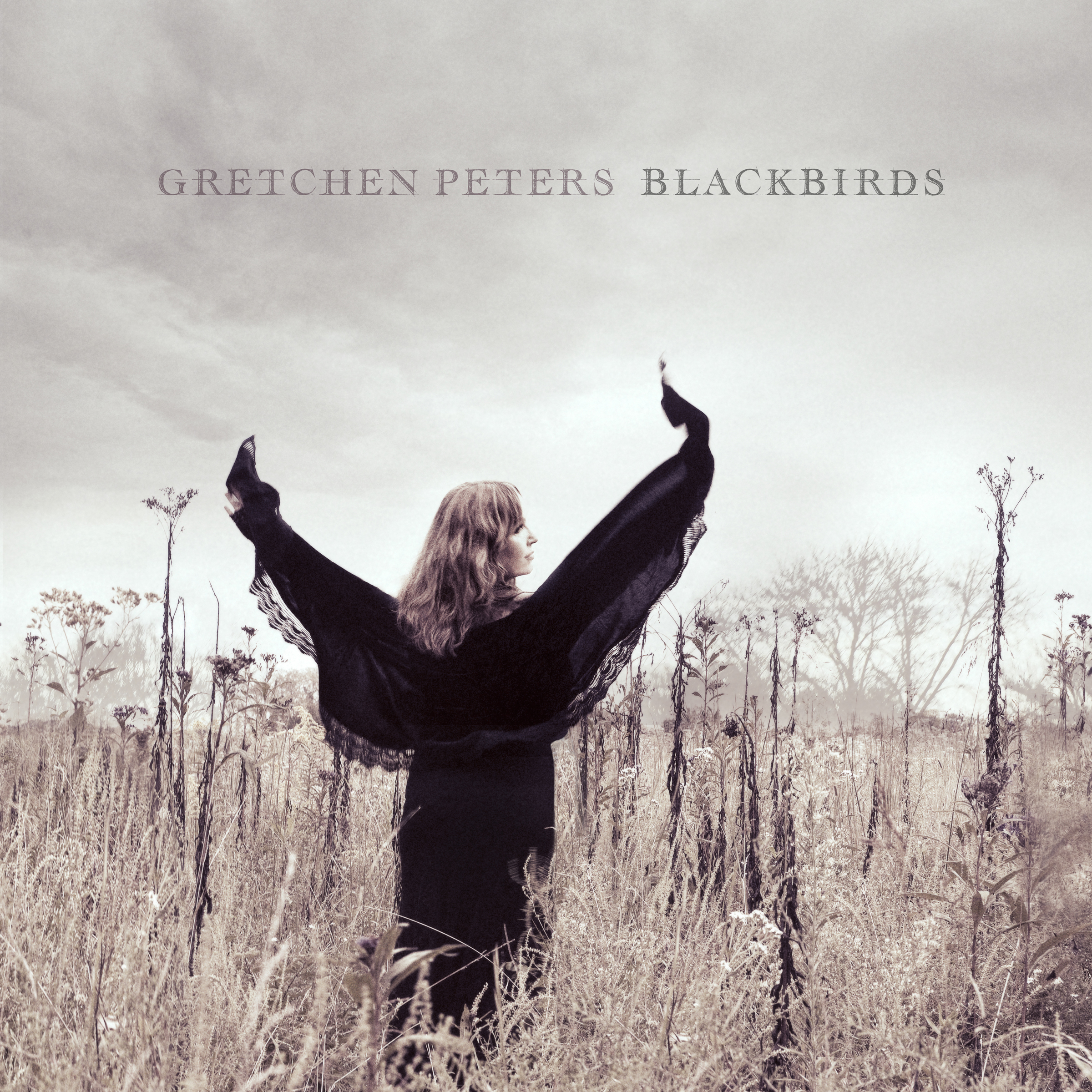
“And ‘Blackbirds’? I listened to that album coming into Manchester rather than the new LP, which I’ve been playing a lot lately. And on that track there’s a real kind of Steve Earle and latter-day Johnny Cash edge. When you finally addressed the crowd, I can’t speak for the rest, but like to think we were all with you when you mentioned these defining moments back home over the last couple of years, and how none were for the better.

“Similarly, ‘Truckstop Angel’ follows that ‘Blackbirds’ formula, again to great effect, your Belfast lad, Colm McClean, coming into his own on lead guitar. ‘Knopfler-esque’, I wrote. That whole dynamic between you and him reminded me of Mark and Emmylou Harris on All This Roadrunning.

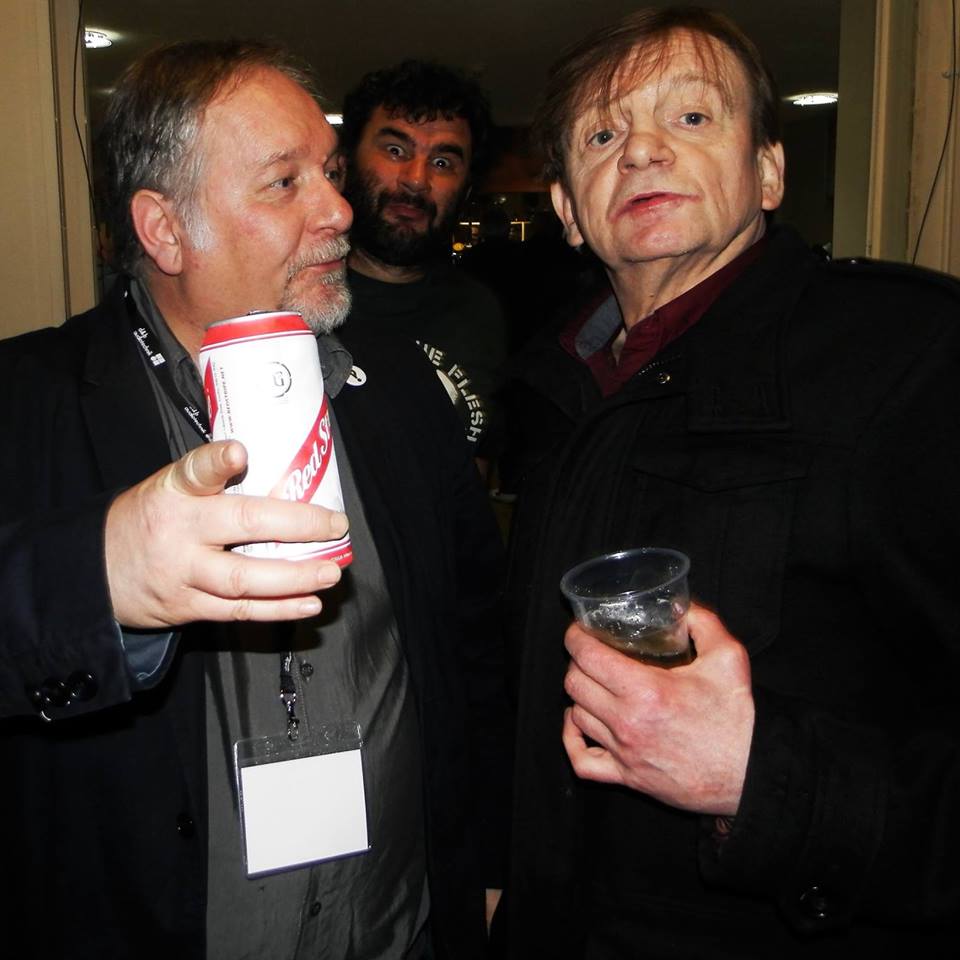
Meet’n’Greet: Note to self – always ensure flash is turned back on when grabbing sneaky pic with headliner

“My second ‘hairs-on-the-back-of-my-neck’ moment came with ‘The Boy From Rye’. I guess it’s written about a US location, but could easily relate to a pebble beach setting on our South Coast. There’s the power of great songwriting in a nutshell – that ability to ensure the listener empathises with the subject. And so beautifully delivered. I wrote ‘bare and tender’. I think I know what I meant. And again … that imagery.

“You talked some more about your homeland, and that call to your Mum after Trump was elected. I know how that conversation goes. I felt it over here after this Government somehow got in again, and after the Brexit vote. I too struggle to recognise my country sometimes. But for all our concerns, it seems all the worse there. How the hell can people be so blind and deaf to all that? What made them think it would be a good idea to elect such an arse?

“You mentioned wondering if that’s how it felt for your folks in 1939, ‘54 and ‘68, searching for assurances when sometimes there can’t be any. Yet we have to stay positive. If nothing else, this past year’s reawakening makes me believe better days are ahead. People seem to recognise what they’ve unwittingly unleashed. Here’s to a wind of change. Take Ireland this last week, for example.

“Never mind ‘arguing with ghosts’, I think you exorcised a few with ‘Lowlands’. There was anger and bitterness, and grief and concern for the future, but all wonderfully measured. That line about the neighbour with the sticker on his bumper making you see him in a whole new light really resonates. I could feel the energy and feeling you put in back in row J. And those harmonies on ‘Say Grace’, and the guitars complementing each other.

“I could say the same about ‘Dancing with the Beast’. I heard you talk about that on the radio. I saw it as a song about an abuser. It hadn’t occurred to me that the beast might be depression, making the line, ‘He don’t like my friends or my family’ all the more sublime.

“I’ve said before I don’t do country, and ‘Disappearing Act’ has the hallmarks, yet it’s the right side of country. I’ll stick with the Americana label. And seeing the Queen of Country Noir live, those more earthy qualities shine through. If anything, it’s more blues, which is alright by me. Besides, Barry’s New Orleans piano touches, Conor’s bass, and Colm’s guitar underline that.

Own Accordion: Barry Walsh, London’s Union Chapel, November 2017 (Photo: Philip Ford))

“Tom Russell’s ‘Guadalupe’ is so evocative, like taking ‘Help Me Make It Through the Night’ to the Baja California peninsula. Barry’s accordion flourishes are glorious, and again the vocal interplay is stunning. In contrast, ‘When All You Got is a Hammer’ saw you all really let rip. It should have seen the audience on their feet, but it wasn’t the right venue or crowd for that. I won’t dwell on that, but a few of us were bringing the average age down. I’m not being rude. A lot of those assembled probably had more youth in them than audiences half their age, but there was little chance of Springsteen-like stage-diving.

“Much as I’ve heard ‘On a Bus to St Cloud’, it grabbed me more than ever. Perhaps live, I understand the structure better, your County Down bandmate reverting to double bass. I was reminded of Boo Hewerdine’s songcraft. You have that same ability to write and deliver such great songs. ‘Five Minutes’ was another that truly came to life, the characterisation so real that we could really empathise, my better half and I thinking ahead to our eldest daughter heading to uni later this year, dwelling on past arguments with loved ones over the years, and how everything can change in next to no time.

“I see ‘Idlewild’ in the ‘Lowlands’ bracket. So powerful. You tell us you’re not a protest singer, but the punch packed with your stories is so strong. This is personal-political. ‘The day JFK was killed’ recollections are rarely as moving all these years on. Although I know it’s coming, the N-word still makes me flinch, but truly conveys the horror. Again, there’s that sense that we just don’t learn from our mistakes.

“When you returned, after all those wondrous sad songs, your Mickey Newbury cover, ‘Why You Been Gone So Long?’, was nothing short of a celebration, the band truly letting their hair down. Again I felt a need to get up and dance, joining the honky-tonk carnival.

“And after that joyful, bonding moment, we had the most delicate of encores, your solo, unamplified take on ‘Love That Makes a Cup of Tea’.

‘And there is love that makes a cup of tea,

Asks you how you’re doing, and listens quietly.

Slips you twenty dollars when your rent’s behind

That’s the kind of love I hope you find.’

“You stood there with acoustic guitar in the heart of the first two rows. Personal, intimate, heartfelt, emotional … all the above. Thanks Gretchen, that was a truly special night.”

Dedicated to anyone who ever stood in line to talk to the main act after a show, not quite conveying what was on their mind, instead talking gibberish, the moment soon gone, leaving you kicking yourselves for a missed opportunity.

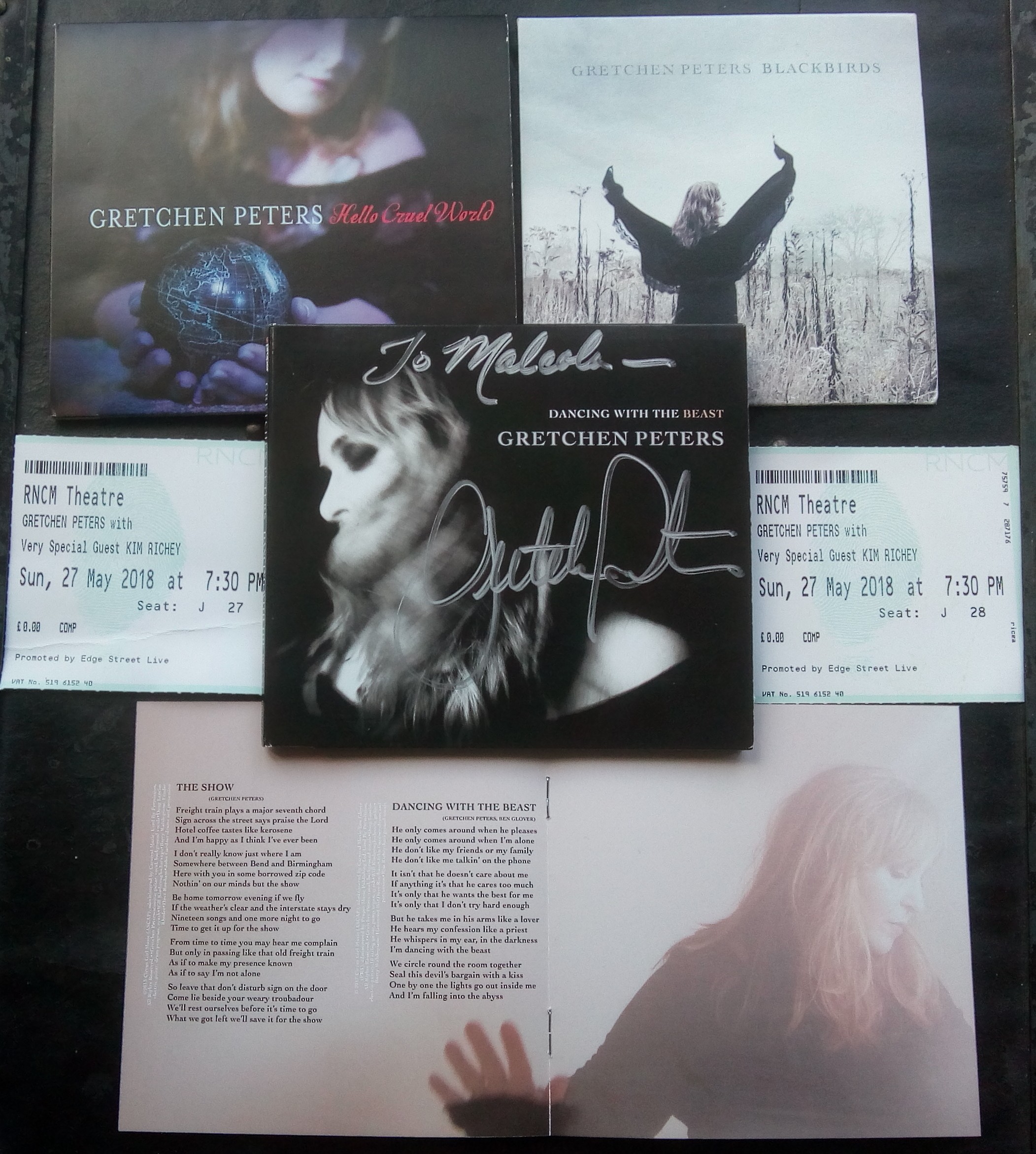
Signed Up: Mementos of a Manchester RNCM visit (Photo: Malcolm Wyatt)

For my Alternative Nashville Skyline feature/interview with Gretchen, from May 4th, head here

To snap up tickets for the remaining dates on the UK tour, with support from Kim Richey, and various festival dates, try this Facebook link. You can also keep in touch via Twitter. To order Dancing with the Beast, try this Proper Records link. To find out more about Kim Richey’s new LP, Edgeland, and her back-catalogue, try her BandcampFacebookTwitter and website pages.


Posted in Books Films, TV & Radio, Music | Tagged , , , , , , , , , , , , | Leave a comment

Digging that Ocean Colour Scene – the Simon Fowler interview

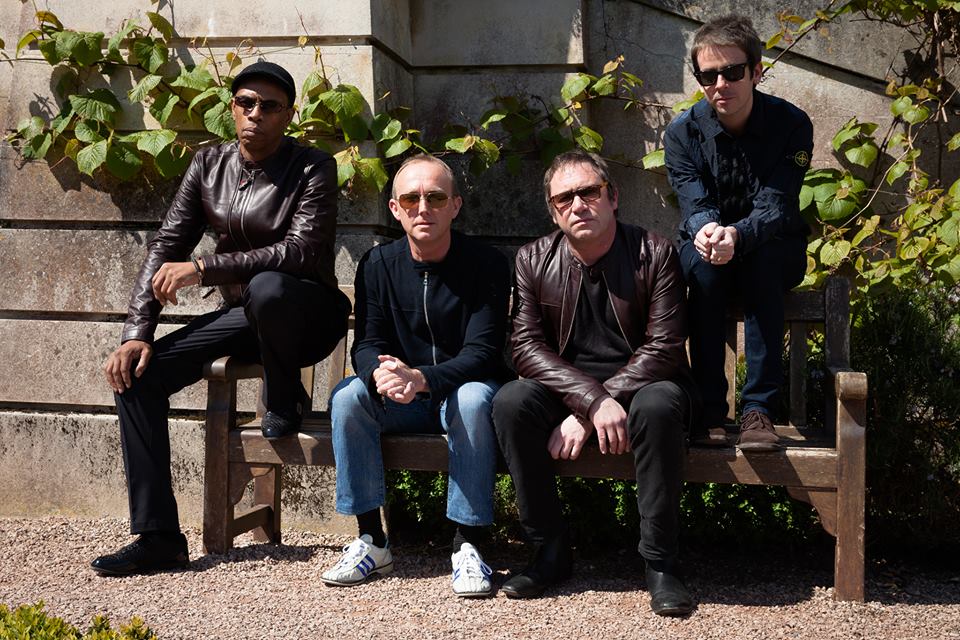
Scene Stealers: Ocean Colour Scene, taking the al fresco approach in 2018 (Photo: http://oceancolourscene.com/)

Simon Fowler was walking Cooper the cockapoo down by the river at Stratford-upon-Avon when I called, a day and a half after Ocean Colour Scene headlined Lancaster’s Highest Point festival.

That Shakespearean link seemed apt, seeing as I associate festival venue Williamson Park with summer performances of the Bard’s plays. But Simon’s merry band were hardly promenading. There was no following the players between locations in the shadow of the Ashton Memorial. For a start, that PA gear would take some shifting.

“Ha! You could have a moving stage, I suppose … or play on the back of an artic like the Rolling Stones.”

Now there’s an idea. The spirit of the Fifth Avenue flatbed truck happening in New York City in 1975, transported to North Lancashire.

“It was really good though, a spectacular place, and we had some old mates there, like John (past writewyattuk interviewee John Power) from Cast. We go a long way back, and a young band called Stillia, who toured with us in Australia and New Zealand last year. The crowd was really good, and we stayed and rehearsed in Clitheroe, a town I’d never been to. Really nice.

“I’ve always quite liked playing outdoors … although, Christ, it was cold. I could barely move my fingers to play some of the chords … and I’ve only just learned them! It had been a lovely day, but we didn’t go on until half nine. But we’ll be back for Kendal Calling next, in late July, and that gives us time to learn all the words!”

Simon, aka Foxy, also previously involved with his Merrymouth side-project, lives in rural Warwickshire these days, but spent his early years in Moseley, the south Birmingham suburb referenced by Ocean Colour Scene’s best-selling album, a play on legendary US studio, Muscle Shoals, later becoming the name of the band’s recording studio. In fact, that album was the first of five top-10 LPs, also including their sole No.1 in 1997 with follow-up Marchin’ Already. They’ve also achieved 17 top-40 singles, six reaching the top-10. But these days, OCS meets are comparatively rare, bandmates living further apart.

“We practically lived together and were in the studio every day at Moseley Shoals. Now we’re scattered around the country, with Steve (Cradock, guitar) in Devon, Oscar (Harrison, drums) in Birmingham, me in Stratford, and the two other guys who play with us in Glasgow.”

I’m guessing that at least keeps it all fresh for you.

“Quite frankly, it’s a bit like riding a bicycle. As long as we get together a few hours, we’re alright. And the idea is to start writing a new album now.”

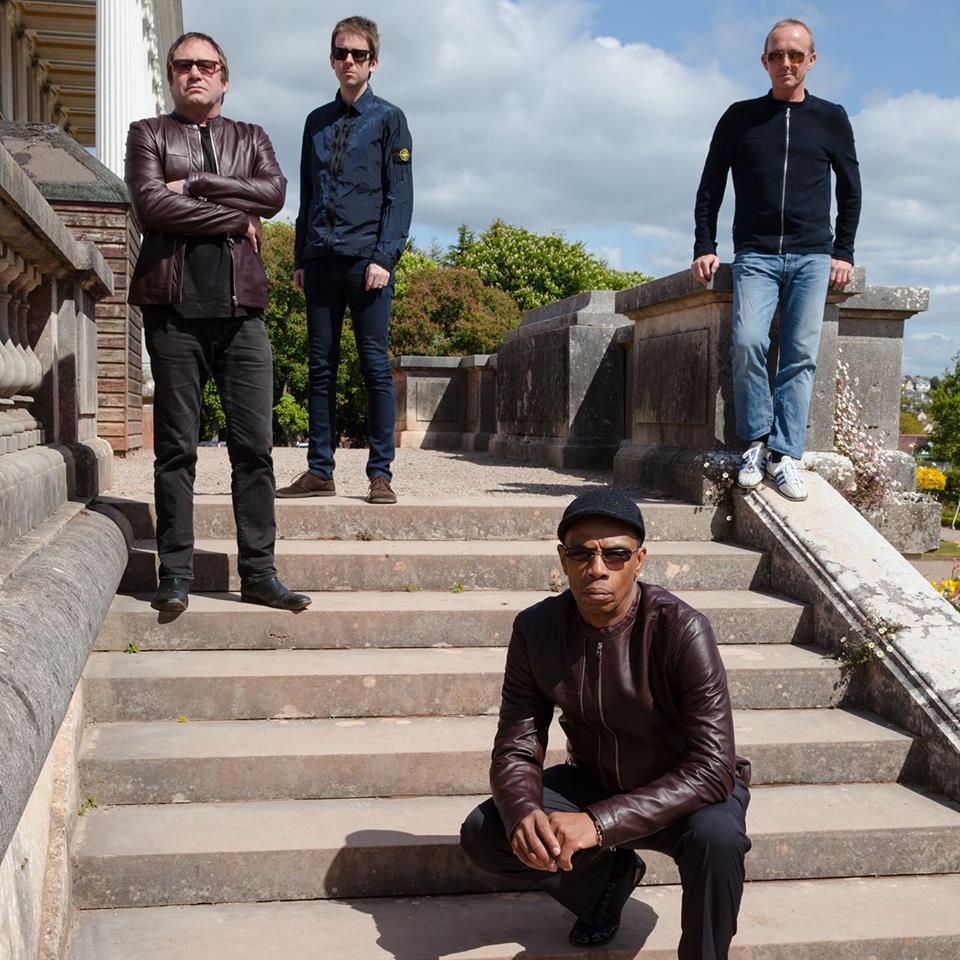
Taking Steps: Ocean Colour Scene, about to start work on a new album (Photo: http://oceancolourscene.com/)

It’s been five years since their last LP, Painting. But they have a big year ahead of them in 2019, marking their 30th anniversary next October.

“It will be. Do you think we could get parole?”

And how’s the writing going for studio album No.11?

“It’s going slowly at the moment, but I suspect it’s going to speed up soon.”

You made a fair bit of your 21st anniversary, so it makes sense to make some fuss over this, right?

“I don’t think so. But that’s frightening. I remember recording that, and it’s nearly nine years ago now. Jesus Christ!”

When you meet up with the band these days, is it like a class reunion?

“Absolutely. It’s like we’ve just been with one another five minutes before.”

Was there ever a time when you were rubbing against each other up the wrong way?

“No. We’ve always been close. And in the ’90s we were working so hard and had a lot of fun. We always had a laugh. Now, we’re practically all teetotallers. We’re sort of … all grown up.”

As if to prove the point, Foxy was set to celebrate a birthday this weekend – incidentally, he was born on Paul Weller’s seventh birthday – with absolutely no indication that it might end up with a Rolls Royce being driven into a swimming pool.

“I’ve just spoken to my Mum, and I’m going ‘round Mum and Dad’s for a sandwich to mark my 53rd birthday.”

That’s in Solihull, where the Fowler family moved in 1974, when Simon was nine. It would be another 15 years before the Ocean Colour Scene story began, Foxy having initially been in a group called The Fanatics, bandmates including fellow OCS co-founders Oscar Harrison (who also featured with Echo Base) and bass player Damon Minchella (a key component of the band until 2003). That said, it took a while before the new outfit were hanging out with the likes of Oasis and Paul Weller, at the heart of the BritPop scene.

Foxy Frontman: Simon Fowler in live action with Ocean Colour Scene (Photo: http://oceancolourscene.com/)

Speaking of which, they play Cool Britannia on September 2nd at Knebworth Park, 24 years after a major support date to Oasis there. Apparently, more than 2.6m people applied for tickets on that occasion, the largest demand for concert tickets in UK history, the event attracting a combined audience of more than 250,000. It must have been a bit mad looking out from the stage at all those faces, I suggest.

“It was terrifying, the only time I’ve almost frozen on stage. Chris Cradock – Steve’s Dad – was our manager then, and was holding a cine camera. I asked how it worked and he said, ‘Just push that button.’ I walked out with it, up to the crowd, they reacted, and my nerve just melted, looking at 125,000 people.”

That reminds me of my first writewyattuk interview with Squeeze’s Glenn Tilbrook (link here), when he told me about the day he froze on stage during one of his best-known songs, wondering if he’d left the grill on after having cheese on toast just before leaving.

“I do that all the time, making words up. Ha! Actually, next time you speak to Glenn, ask if he remembers nearly getting arrested with me and Steve in a Glasgow hotel …”

Intriguing. When was that?

“God knows how long ago. The manager banged on the door – he didn’t like the smell emanating from the room. I don’t know why. You’ve never seen Steve and me move so quickly. But I was there playing ‘Up the Junction’ with him that night.”

That was the song he mentioned. Not one you’d expect him to forget the words to.

“Well, I’ve forgotten the words to ‘The Riverboat Song’ before now, singing the second verse first, then singing that verse again, knowing I’ve made a prat of yourself and that song is now officially ruined!”

At least when it’s a big hit, you can always put the mic. out to the crowd, let them help you out.

“Yes! It is funny though, when you’re singing, a hundred thoughts sometimes go through your mind. You can still be singing the words, not knowing how you’ve done that. It’s almost like an automatic thing. It’s incredible. The best thing is to be in the moment – like a zen thing. But you’re not. You’re back there with the cheese on toast!”

Highest Point: Ocean Colour Scene in action at Lancaster’s Williamson Park (Photo: http://oceancolourscene.com/)

I suppose it’s like querying a computer password. Type it in automatically and you’re ok, but the moment you over-think it …

“Well, I’ve never used a computer in my life. I’m probably the only person in Britain who hasn’t. And I don’t intend to.”

That’s interesting, because when One From the Modern came out in 1999, I read a review somewhere where the typeface suggested it was actually One From the Modem. I didn’t realise until I’d bought my copy that it wasn’t the OCS response to Radiohead’s OK Computer.

But I digress. Among all the band’s festival appearances this summer, I see there’s at least one indoor gig scheduled – at Brixton Academy on September 29th …

“Is there?”

Well, I was going to ask, ‘what’s the occasion?’ But it seems that you’re not sure.

“I’ve got no idea … then again, I don’t have a computer! I just get in the van, asking, ‘Where are we going?’ Brixton Academy? Great. I haven’t played there for a long time.”

It’s 22 years since the rather marvelous Moseley Shoals broke, yet all those festival headlines and recent Australian, New Zealand and Japan dates suggest major interest remains. Not a bad way for a Brummie lad to see the world, eh?

“No, it’s not. We went business class to Australia last time. What a wonderful experience that is, compared to fucking ‘cattle class’! At our age, we should never go economy again. I know we’re from Birmingham, and we’re not snobs, but I want to be able to feel my feet when I get off the plane. It’s such a sod of a journey. You really need to be comfortable and see if you can sleep. Otherwise you arrive for a fortnight in Australia and by the time you’re coming home you’re just getting back to normal. Sounds like I’m joking, but I’m not. It’s horrendous.”

First-world problems, I suggest, but he’s not taking me up on that, and I change the subject, reminding him that he was a journalist long before I was. In fact, I was starting sixth-form when he was at the Birmingham Post, just starting to write my fanzine. How long was he there?

“I did four years. You see, my hero was John Motson. He was the reason I became a journalist. I wanted to be a football commentator and my uncle was picture editor of the Birmingham Post and Mail. His first job was in Norwich as a photographer, and ‘Motty’ was a reporter. Uncle Trevor told me how John Motson had started, so that was my plan.

“By the time I became a journalist, within a fortnight I realised I’d made the biggest mistake of my life. I didn’t like being shouted at by middle-aged, balding, short blokes … especially when they were so much better than me at their job and I had no recourse for complaint.”

Should I look out the ‘Suburban Love Songs’ EP you made with The Fanatics in ’89? Has that stood the test of time?

“Oh, goodness me … on Chapter 22? Good God! Have you got a copy? Apparently, they’re worth a bloody fortune – something like £250.”

I haven’t, I’m afraid. Did you keep a copy?

“No! I didn’t!”

Soon, The Fanatics were behind Simon, Damon and Oscar, and they were joining forces with Steve, fresh from The Boys. That said, OCS were together eight years before their first No.1. Was there a day when they felt they might have … erm, missed the train?

“I can’t remember, to be honest. The first album proved a complete damp squib and took about three years and four producers to make. It was complete nonsense. But we did get to work with Jimmy Miller … or more to the point, we got to drink with Jimmy Miller!”

Their first single, ‘Sway’, was released in September 1990, but soon their label, Phfftt Records, was swallowed up by larger company Phonogram and their eponymous LP was remixed against the band’s wishes, given more of the trending ‘Madchester’ baggy feel.

In dispute with their label, the band were soon back on the dole, still writing but with no recording outlet. Fast forward a bit to the Britpop explosion though, and it was a case of right place, right time. A lot of bands around at the time somehow missed out, despite having helped pave the way for all that, somehow not getting the kudos. But OCS kind of clicked, right?

“Yes, we did. Oasis basically kicked open the door. When we started, you almost had to justify liking bands like The Beatles. Journalists saw two ‘year zeros’ really – one in ’63 with The Beatles, the other in ’76 with the (Sex) Pistols, and the ‘76 crew looked down on the other lot. But when Oasis came along and got trendy, we’d been telling them all that for the last seven years.”

Getting back to Moseley Shoals, Steve’s love of 60s’ music shines through on that LP. How about Simon? Were his influences similar? Did they all bring something different to the party?

“Yeah, my background was The Beatles and the Stones and The Who, Motown, Small Faces. But I guess I also bought my infatuation with Neil Young, Bob Dylan and Joni Mitchell, added a bit later by Fairport Convention and Pentangle influences. Oscar bought the reggae stuff, while Damon had a sort of jazz thing going, and hip-hop, so it kind of all mixed together on certain tracks.”

That broad church certainly comes through. And does he recall much about that first fateful meeting with the Gallagher brothers down his Moseley local?

“I do, yeah. That was brilliant. I’d never met anyone like Liam in my life … and still haven’t. I met Noel prior to that, during a Paul Weller video shoot for ‘Hung Up’, at a hotel in Oxford.

“That poor girl from The Cranberries (the late Dolores O’Riordan, who died earlier this year, aged just 46) was there too. I asked, ‘Where are you playing in Brum?’ They told us The Jug of Ale. They were supporting Whiteout on one of those tours when they swapped over each night. Whiteout were a bunch of scallies from Greenock who we met when they supported us. We went down to see them as much as Oasis.

“I was sitting in the changing room and remember some arm came around and threw a small piece of paper at Liam, folded up. I reckon it was a note from his Mum. Liam just caught it mid-air and I thought, ‘I wanna be like you!’ Ha ha! He was so fucking cool!”

There was clearly a bond from the start with Paul Weller too.

“Oh, there was. We were proper partners in crime, and it was us who introduced Noel to ‘Commander’ Paul. Funny thing was, I think Liam was a bit resentful in a way. Suddenly, instead of wearing trainers, Noel was wearing penny loafers, so Liam starts going (he tries a Manc accent), ‘Eh, Weller fella!’ The irony of course is Pretty Green (the fashion brand founded by Liam in 2009). Ha ha!”

While bandmate Steve Cradock’s been a regular in Weller’s band for a quarter of a century now, Simon also contributed to the wondrous Wild Wood album in 1993, adding backing vocals on ‘The Weaver’, while Steve chipped in guitar on the same track. Simon also made a ‘little cameo’ on the promo video of ‘Hung Up’, although he adds, ‘I think I was flying, to be quite honest. But weren’t we all!’

Inevitably, OCS record sales fell off a bit come the millennium, even though the band have kept busy and made several more albums. Is it frustrating at times playing the festival circuit and being expected to just play the older hits?

“I don’t find it frustrating, because a concert is for the crowd. You experiment as a band and forge different sounds in the studio, but when you look at the Stones, what do the crowd want to see? They want the ones they know. That’s why they’ve gone.

Modern Times: OCS around the time of 1999’s One From the Modern (Photo: http://oceancolourscene.com/).

“About a year ago though, we did the Moseley Shoals album in full, live, and that was one of our most successful tours since 1998. You realise how important that album was to so many people. We kind of missed that as we were working so hard. I don’t think we quite understood the significance of that record to that generation.”

Throughout our conversation, I get updates on what Simon’s eight-month-old pooch is up to by the riverside – ‘this is live … Cooper, live in print,’ he tells me – and I ask how he ended up getting named after an Australian ale.

“We were at the airport in Adelaide, in a Cooper’s Ale House, when I was told I was getting a dog, which was a real surprise. I went up to the bar to get a drink, probably in shock, and on the counter was a piece of cardboard – now at the side of my bed – which read, ‘Cooper’s – the new addition to the family.’ I thought, ‘Oh, my God, this is fate!’ I then flew to New Zealand, put the telly on in the hotel, and Quadrophenia was on, and Jimmy (the main character, played by Phil Daniels) in that is actually Jimmy Cooper. So Cooper he is!”

Finally, with Russia and the 2018 World Cup in mind this summer, will Simon be back in touch with the Bunnymen, Space, and the Spice Girls for an England Reunited project, 20 years on from their collaboration for France ’98?

“Ha! No, to be honest, I don’t think we should be going. And it was an absolute farce that they got it. And where are we going after that? Qatar? What a load of nonsense. An absolute disgrace.

“But I’d love to do something with Ian (McCulloch) again though. He’s a great chap. Another partner in crime … big time. Christ almighty, we had fun!”

Wild Woodland: Ocean Colour Scene take a welcome breather http://oceancolourscene.com/).

For full details of this year’s Kendal Calling (July 26/29), head hereAnd to see where else Ocean Colour Scene are playing this year, check out their website and keep in touch via Facebook and Twitter.


Posted in Books Films, TV & Radio, Music | Tagged , , , , , , , , , , , , , , , , , , , , , | 2 Comments

Something to Hold On to – out on the floor with The Sha La La’s

Anyone who truly loves ‘60s Soul understands the thrill of flipping over a single and finding a lesser-known gem on the B-side. Whether it was Atlantic, Stax, Tamla Motown, or a Northern Soul rarity, there was something special about making that discovery, then spreading the word about a number that stopped you in your tracks.

The golden age of vinyl, despite a recent revival, is long behind us, and in my case I only started buying singles from that era in the ‘80s. But now and again a 45 takes me right back. And the latest to drop on to the writewyattuk dansette is by an, erm, Modern outfit with true ‘60s soul acumen – The Sha La La’s.

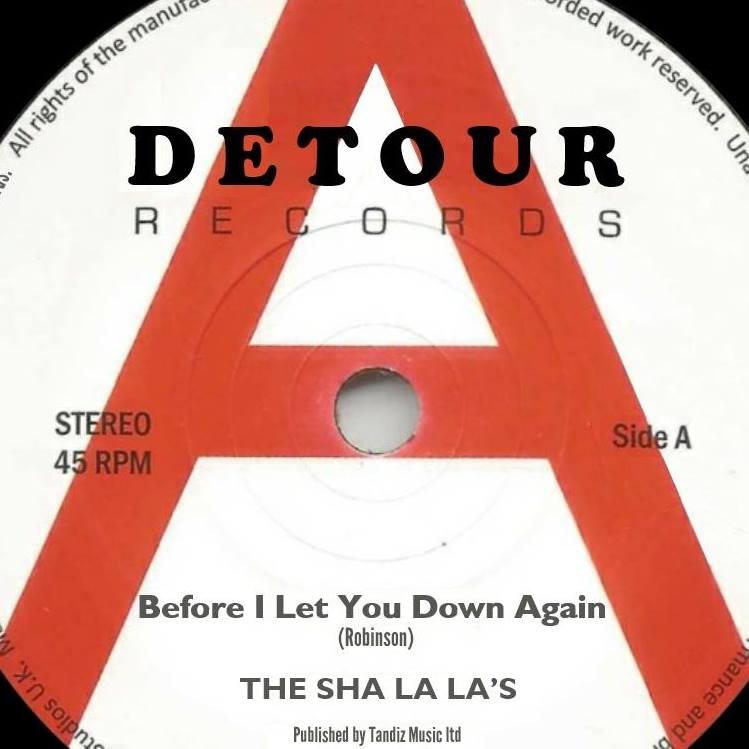
We’re not talking Hitsville USA, Detroit, MI; Soulsville USA, Memphis, TN; or even Muscle Shoals, Sheffield, AL; but in this case something straight outta Big Noise, Rochford, Essex, UK; coupling masterful floor-filler ‘Before I Let You Down Again’ with inspirational flip-side ‘Hold On’.

Similarly, The Sha La La’s front-man, Darron Robinson, hails not from Barnwell, SC; Clarksdale, MS; or Dawson, GA; but can be found in Fleet, Hampshire. That said, a little happenstance recently drew his band to Southend. Perhaps the call of Britain’s own Missisippi delta – through an appreciation of early Dr Feelgood – proved too strong.

It was fellow South-East outfit The Jam that initially woke Darron up to the best of ‘60s music, his band’s DNA incorporating more than a little love for everyone from The Kinks and Small Faces through to Arthur Conley, Curtis Mayfield, James Brown, Otis Redding and Wilson Pickett.

And for me their latest 45 offers listeners an old school Northern Soul and Stax masterclass, as visitors to the band’s single release party at the Hand in Hand in Brixton, SW2, recently found out first-hand.

Yeah, I know, a bit late to tell you about that now, but if you missed out – and I was a 450-mile round-trip away – there’s the Hope and Anchor, Islington, on June 9th, the Music Mania Festival in Brighton on July 6th, and a date on Darron’s doorstep at Fleet Festival on July 14th. I gather they’re also heading to Blackpool in December, a little closer to me, for the Beat Generation’s Mod Christmas Ball. But don’t feel you have to wait that long.

As discussed before on this website, The Sha La La’s and myself go back a fair while, to when Darron (vocals, guitar) and John Piccirillo (drums) were in A Month of Sundays with my Captains Log fanzine co-conspirator Malcolm Smith. They even pitched up at my Guildford secondary school at a supposed ‘folk evening’ in October ’82, 12 days before my 15th birthday. I can’t recall a right lot about that, but between May ‘86 and February ’89 I saw them at least 17 more times around London and the South East, including dates at Hammersmith Clarendon, Harlesden Mean Fiddler, Kentish Town Hype, and Fulham Greyhound.

If that sounds excessive, this wasn’t about blind loyalty. I always felt the band were on the cusp of fame. I probably would have distanced myself a little when that arrived, but felt they were really going somewhere. It never quite happened though, and a name and personnel change followed. As Sweet Life, with the addition of bass player Billy Adam, I saw them four more times, first with a better turnout than The Beatles managed at Aldershot Palace in the summer of 1990, co-headlining with similarly-inspirational Jim Jiminee spin-off The Deep Season.

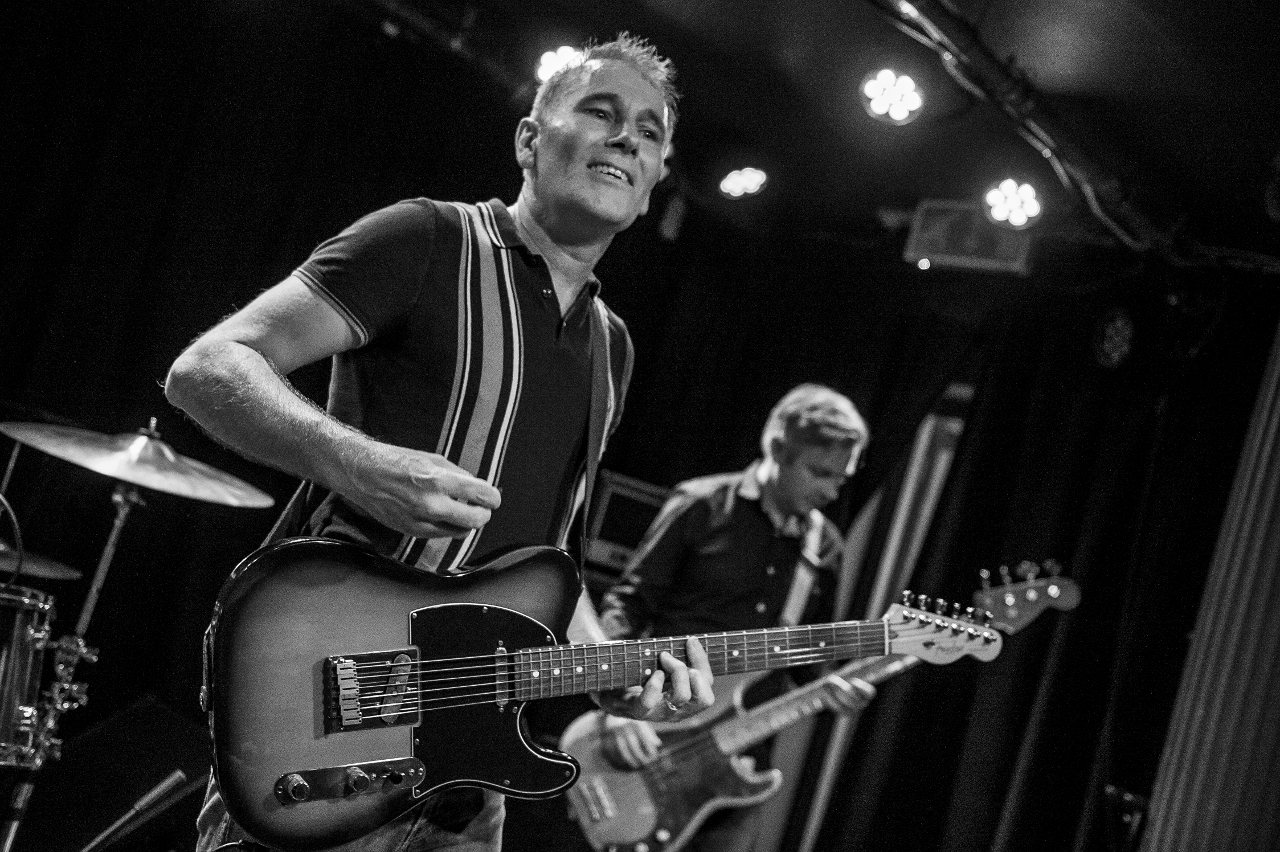
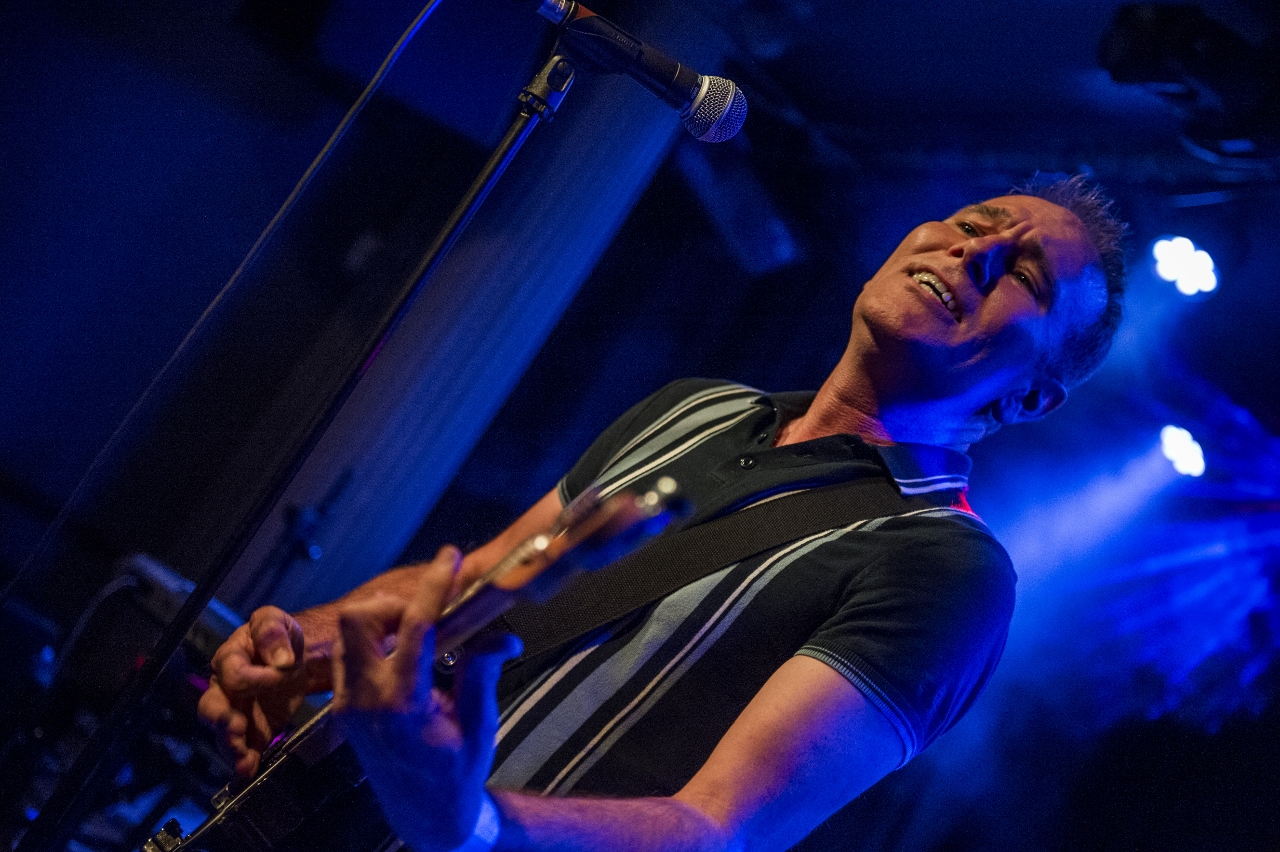
Holding On: Darron robinson, out front with The Sha La La’s (Photograph courtesy of Derek D’Souza at http://www.blinkandyoumissit.com)

By the time I departed for my world travels, their big break still hadn’t happened, but they realigned and I saw them next in the summer of ’93 at a little pub in Ash Vale as Fools like Us. Perhaps the size of that latter venue tells its own story. By then, Blur had truly broken, concluding Modern Life is Rubbish. As Britpop ascended, it appeared that another band that had carried the torch had been left by the wayside. When their ship finally came in, Darron and co. were waiting at the railway station. I was gutted for them that they never truly made it, but in a sense it’s all part of what The Sha La La’s, the band that followed, are today. Besides, Darron’s never been one to be brow-beaten for too long. Cliché alert, but he brushed himself down and just got on with it a few years down the line.

But before we get to that, I take him right back to my first real memory of A Month of Sundays, in May ’86 at Fetcham’s Riverside Club, just outside Leatherhead in Surrey’s sweet suburbia.

“That’s where we got our publishing contract. A guy recommended us to this publisher, who also signed The Blow Monkeys. We were the support band. He was the type, if you know what I mean, with the ‘80s haircut and that. He walked in and stood at the back, and you could tell it was him. He stayed for about … not even three songs, and I thought, ‘Oh, bugger!’ But about a week later I got a call saying. ‘I saw you at the Riverside and I’d like to sign you’. That’s where it all started. I told him I saw him leave early, and he said, ‘That’s all I needed to see.’”

Or perhaps I slopped beer down him, heading back from the bar. I remember seeing A Month of Sundays more at the Chertsey Galleon though, on the west side of the bridge.

“That’s right. On the opposite side there was The Cricketers, which we played as well. It was a crazy time. They liked us down there, and we used to cause a bit of mayhem, with all that youthful energy. I’d get told off for my language … I still do!”

One that always sticks in my mind was at the King’s Head, Ash, next to a police station. The pub and cop-shop have long gone now. There weren’t that many punters in, and they were more interested in a chat with their mates than hearing some mouthy socialist talking between songs. There were only about half a dozen of us there to see you. I thought we were going to get our heads kicked in. You were rather surly, I seem to recall.

“Nothing changes, Malc.”

Fast forward a bit and – 25 years ago – that July ‘93 date at The George, Ash Vale, as Fools Like Us. Not as if I readily recall the difference between that line-up and the previous one.

“Neither can I, Malc. It’s all a bit of a blur. I don’t listen to the old stuff, but recently found a four-track demo. I’ve gone back ‘old school’ after working digitally. I’ve got so many cassettes, you wouldn’t believe it. But I’ve only got to hear three seconds and instantly can tell you everything about it.”

Get Organised: John Lee in action with The Sha La La’s (Photograph courtesy of Derek D’Souza at http://www.blinkandyoumissit.com)

Among the many demo recordings that came my way, I remember a Sweet Life track called Cry that I thought was great, but over-produced. I always got the impression they never truly got the real you in the studio. It wasn’t half as powerful as the song I heard played live.

“You’re absolutely right. Being that young and always very conscientious, I took on advice from all these people that were older than me in the business. I felt they must know more than me, this little gobshite from Camberley.

“Only material can teach you that, give you that strength to follow on that vision you have in your head. You can ruin anything, even the greatest song ever written. Can you imagine Imagine done by George Michael? I trusted those people, but the only way you can learn is to go through all that, and realise you were actually right. And you eventually get to a point where you know how to tell people what to do without winding them up!”

Will there be an analogue reimagining of all those past songs at some point? There’s at least a box-set of lost recordings there.

“You’re probably right. Occasionally I do go back to old lyrics. It’s always in a folder at the back of my mind, thinking ‘There’s a good line, but the song’s rubbish.’

“Unfortunately, we suffered – like everyone else around then – in that we started to make music around the mid- to late-‘80s when digital technology was coming in. Everyone went mental for CDs. Even then, I could hear the difference, this fizz I didn’t like that didn’t suit the music I was listening to, which was more organic.”

That takes us nicely on to today, because I have to say this latest Sha La La’s single is the best yet.

“Ah, thanks, mate.”

But first, let’s fill in a few gaps since my initial Introducing the Sha La La’s piece in January 2013 and subsequent Feelin’ Real album review that October. At first, Darron and co-founder John Piccirillo were solely joined by Lou Lucano (guitar, vocals), as heard on their first four-track EP for Royale Records, but John Lee (keyboards) was on board in time for the debut LP.

Drum Major: John Piccirillo leads from the rear with The Sha La La’s (Photograph courtesy of Derek D’Souza at http://www.blinkandyoumissit.com)

Things were on the up, and in 2015 we had the ‘Your Blind Soul’ EP, its assured title-track featuring plenty of Small Faces/Weller-esque urgency, while fellow stand-outs ‘Always There’ and ‘Do Whatcha Wanna’ showed how the band had retained high ground, Signor Piccirillo absolutely flying from the rear. Then, the following year there was another corker, ‘Soul of the Nation’, a guitar-fuelled, piano-driven, foot-stompin’, hand-clappin’ statement of intent, drenched in horns, Hammond, and bags of attitude. Was this the track that would finally announce their late arrival at the top table?

As it turned out, no, and soon everything changed, the band reborn as the Sonic Keys, as introduced by 2016 Soul Mule Records single ‘Ain’t It Time’, suggesting a departure into early ‘70s Mayfield and Gaye territory, built around a solid-loop groove, more Blaxploitation than Stax rotation. Yet before we knew it, The Sha La La’s were back, this time with Lou replaced by Vere Osborne. So, go on then, Darron – explain yourself.

“I’ve explained to people that the Sonic Keys had a bit of a moment, shall we say. When The Sha La La’s put out ‘Your Blind Soul’, I thought that was going to do it. And after ‘Soul of the Nation’, which I thought was brilliant, did really well, I was disappointed with the reaction.

“We were doing some really good gigs, like those at Guildford G Live and The Cavern, Liverpool, then it went a bit flat. We were also having problems with the personnel of the band, so I stopped the Sha La La’s, got in another couple of people. It was a bit cathartic, that whole process.

“It’s a fault of mine – my wife says I’ve got honesty issues! – but I stripped everything out of The Sha La La’s at that moment and focused on that. Some of it was pretty good, some of it a waste of time, but I had to do it. At the time I was writing a lot of loop-based grooves. Ultimately, it was a good thing, as it led me to start song-writing again.

“I love singing, playing, gigs, and recording, but the thing I love most is the writing. Keith Richards said, ‘A painter’s got a canvas. The writer’s got reams of empty paper. A musician has silence.’ I absolutely love that … although some people would prefer the silence, I’m sure! I love that challenge, that something that’s just in your head. The skill is getting it out of your head into other people’s heads.”

The new single is such a breath of fresh air. It’s kind of 1967 and 2018 at the same time. Built on a similar riff to The Style Council’s ‘Council Meetin’, but horn-led, the rasping quality of Darron’s vocal on ‘Before I Let You Down Again’ gives it classic soul 45 appeal, and I was hooked from the moment that brass blasted in. Think benchmark Dexy’s, with that nod to all that came before. I could hear Maxine Brown tackling this with the same conviction. Then on the other side there’s ‘Hold On’. I understand why it’s on the flip, as the track features – albeit in a radically-different version – on the album. But what a B-side. The album version is more gospel-like, and I love it, but this time it’s built on JP’s powerhouse drumming and Vere’s roaming bass, and while I could hear Sam and Dave duelling on there, there’s clearly a Stax vibe first and foremost, as that giveaway Otis Redding-like ‘Fa-fa-fa-fa!’ intro suggests.

“Unashamedly, yeah!”

The brass is something else, not least that last section that inspires you to kick out with that, ‘I don’t know about you, I need something to hold on to!’ line. So tell me about that horn section. They can’t be easy to come by these days.

Bass Instinct: Vere Osborne sets the tone for The Sha La La’s (Photograph courtesy of Derek D’Souza at http://www.blinkandyoumissit.com)

“Both that and the A-side came out of a song on the album called ‘Sorrow’. You always have one song when you’re writing an album that you nurture that little bit more, and I’m always on the look-out for what I call charm. That was the case with ‘Sorrow’. I was convinced it was going to be the best song.”

Well, that track certainly holds Northern Soul power.

“Absolutely. I don’t want to make it sound like I work on songs. They come to you. But it’s that ‘one per cent inspiration, 99 per cent perspiration’ thing, and with ‘Sorrow’ I saw the reaction after the album came out, particularly after gigs, people saying about that song, as proof that I was right.

“With horn parts, I can write them, even if I can’t play them. Fortunately, at the studio where we did everything we’ve recorded in the last year or so in Southend, we found what we wanted.”

That’s the afore-mentioned Big Noise Recording Studios, with Simon ‘Sting Ray’ Davies at the controls. How did that all come about?

“I bought the Hot Funky & Sweaty compilation album (Acid Jazz, 2005) about 10 years ago, with Sharon Jones and the Dap-Kings, and Lefties’ Soul Connection on there, and a band called The Organites that I assumed were Black Americans …. probably all dead. I thought it must have been recorded in 1964. It was so good. But then I stumbled across something on the internet a couple of years ago, with that band playing a gig in Camden. I thought, ‘That can’t be right!’

“Then I spotted it was recorded in Southend, so did a bit more digging and ended up phoning the studio. We were talking about Northern Soul, Stax and Motown, and just before we finished I asked about The Organites, and the guy said, ‘Yeah, that’s me. It was all done in this studio.’”

It’s not so obvious on this last album as your first, but it seems apt that you’ve ended up recording not so far from Canvey Island. There’s still an air of Dr Feelgood spirit on this record.

“Definitely, yeah. And I was working with ‘Sting Ray’, or just me with an engineer, and it was all done straight to tape. That was all part of that sound. He also plays trombone, and through working with him we had the chance to work on this next single, using those melodies I could write, explaining them to him so he could score them properly, then source a brilliant trumpet player and a fantastic sax player.

“After all these years you get fewer surprises, but when you hear a part you’ve written become that, and when you can stand just four feet in front of them recording it … it almost brought a tear to my eyes.”

That took us on to The Rumour Brass section and three-quarter version, The Irish Horns, as featured on The Clash’s classic London Calling album, plus of course that early, phenomenal Dexy’s sound. I’ve always been a sucker for a great horn section … even Joey ‘The Lips’ Fagan in The Commitments. And there’s a great sound on these tracks.

“It’s brilliant, and what I love about it is, you can’t just say brass, it had to be that sound. Certain parts are in unison, others in harmony, sometimes they’re chordal, but when we were putting the parts down on paper was when it started sounding like Arthur Conley, like ‘Let’s Go Steady’, the B-side of ‘Sweet Soul Music’, which is beautiful.”

Well, there’s another great example. And how I loved those days when you’d flip over a single and find a couple of minutes of solid gold you felt no one else knew about but somehow ended up there. And that’s what you’ve done with ‘Hold On’.

“Yeah, and that was the plan! Because the version on the album, which I love, with all the hand-claps, has more of a gospel feel.”

The very word I used in my notes.

“Well, yeah, and for an atheist like me, that’s not bad! It’s about the spirit, and you can feel that. Even when we played Paris at the end of the summer, we had the audience clapping along for the Reverend Robinson!”

I guess that’s something the many incarnations of your bands over the years had in common. If you’ve got a unique selling point it involves creating songs of hope and inspiration, with an over-riding aspiration to improve your lot, in the tradition of Curtis Mayfield or Al Green.

“Yeah, and I’m glad you say that. I’ve had a few people saying that. When John (Lee), our keyboard player, joined, his Mum told him, after listening to the album, ‘That singer must have had a hard life’!

“If there’s a theme running through everything I write, it’s about that hope and that optimism. I’m not going to just sing, ‘Come on everybody, let’s dance.’ It’s more, ‘This is a load of shit, but we will win!’

“‘Hold On’ has that. It came out of Brexit and Trump; the UK referendum and the US election, talking to my kids. I don’t tell them how to think. They’re clued up, but what I got from talking to them and their friends was this, ‘What’s the point?’ negativity – ‘They lie and they win’. But I was saying, ‘You’ve got to hold on. We will get through it.’

“When I was their age, we had apartheid. I know things aren’t perfect now in South Africa, but it’s difficult to look back and see a system there that even Hitler couldn’t achieve. But good eventually wins. Not only that, but, ‘You’re not going to drag me down to your level of hatred and intolerance – we’re going to fa-fa-fa-fa-fa, all the way through!’”

Well said, Reverend Robinson. And now I’ll take us on from ‘Fa-fa-fa-fa-fa’ to ‘Sha-La-La-La-Lee (yeah)’, name-checking the Small Faces in honour of the band’s Hammond organist and Wurlitzer pianist, John Lee, who augments Darron and JP’s contributions so well.

“He’s brilliant. I love him to bits. When he plays the Wurlitzer, he’s so … only occasionally do you see a musician who becomes ‘as one’ with their instrument. He’s an absolute star.’

Then there’s Vere Osborne on bass, who joined when The Sha La La’s returned in early 2017.

“He’s another one who’s really enthusiastic and keen, and we’re making a really good din. When you strip away any kind of soul music, back to the brass, the singers and strings, what you’ve effectively got is bass, drums, guitar and Hammond organ. That’s the groove, which is the Small Faces really. Those instrumentals they did, like ‘Grow Your Own’, and all the rest of that. They were Booker T and the MG’s, but they were from Stepney!”

There’s definitely an MG’s feel on a few songs on the album, although I feel they’ve nailed that sound all the more on the new single. And returning to ‘Hold on’, I can see Otis or James Brown performing that live, Vere and JP’s underlying bass and drum throbbing and pounding as the guest front-man makes a theatrical meal of leaving the stage, stretching it out for anything up to 10 minutes, coming off then sneaking back on, whipping the crowd into a frenzy. Is Darron up to recreating that vision?

“Maybe we should hire a cape!”

Do you use that for a show-closer? You ought to.

“We don’t, but in the second half of last year we did it as it is on the album. Yet all along I knew at some point we would kick in with this more Stax-like version. Now we’ll be playing that version live – the first half gospel, then in that middle section you’re talking about, you’re into 10 minutes of that maybe!”

Now we’ve cleared up the personnel changes, how about the label switch? The first singles were with Royale, then there was Soul Mule. Was Detour just a better fit for you?

“That was an odd one. I hadn’t expected that. All I wanted to do was get writing again. Then Royale contacted me, told me they were setting up this record company and could we put an EP out. I said, ‘Absolutely!’ We put out a four-track CD which went on to sell 500 copies, which was like, ‘What the fuck!’

“It was only then that Detour Records – also a record shop – contacted us, asking for copies. We told them they’d all gone, so I think they decided they wanted a bit of that, asking if we wanted to do an album. That’s really how the whole thing started. And that’s what I need – I’m writing all the time but always need that reason.”

Inspirational Souls: Darron and Vere lead the line for The Sha La La’s (Photograph courtesy of Derek D’Souza at http://www.blinkandyoumissit.com)

The previous single, during your Sonic Keys stage, ‘Ain’t It Time’, had a deeper ‘70s soul feel. I liked it, but can’t help thinking that this current sound is where you’re really at.

“I think you’re right. To me, it’s always been about soul music that has that urgency. It’s almost punk. It’s as good as a smack in the mouth!”

As not so many have discover the second album yet, I’ll offer a track-by-track introduction of that 37-minbute wonder here, with a little help from the man who wrote the songs.

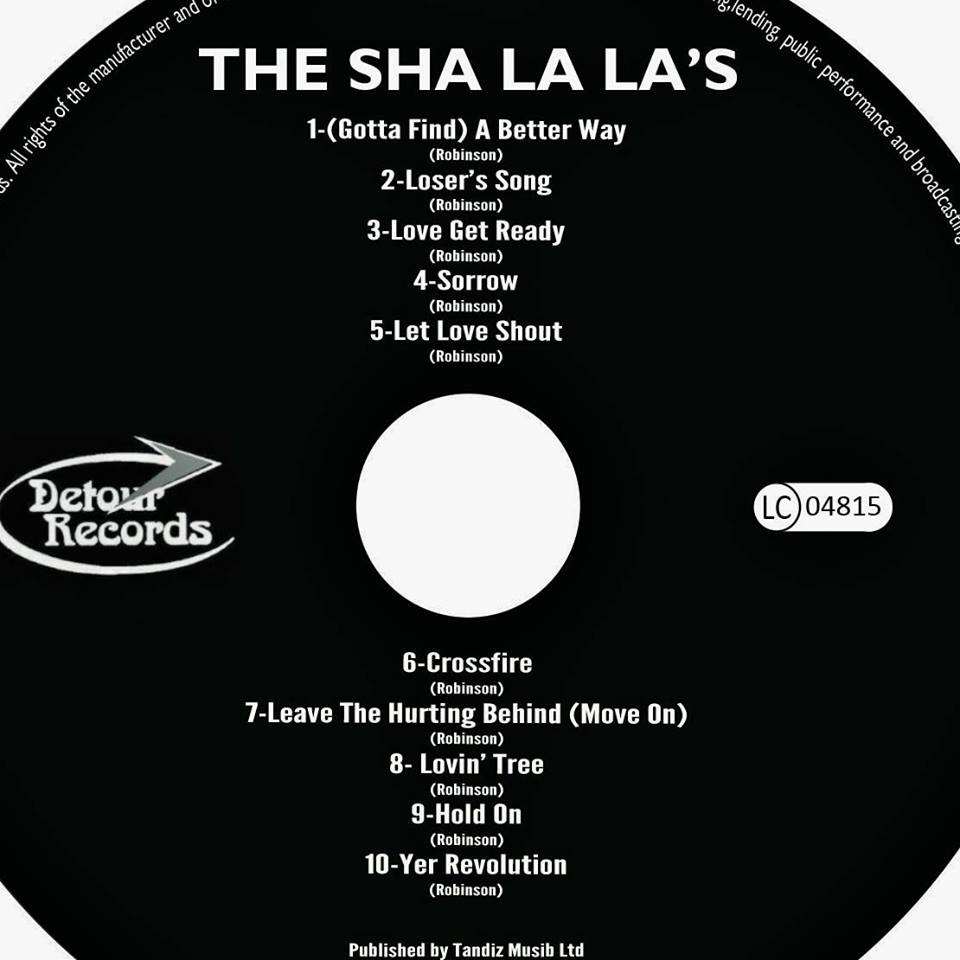
Title track ‘(Gotta Find) A Better Way’ leads the way perfectly, the curious punter enticed away from the bar as the band set out their stall, leaning in, head-first, the Hammond already to the fore, setting us up nicely for ‘Loser’s Song’, JP’s drumming and those hand-claps ensuring we stay out on the floor, the band offering echoes of Café Bleu era Style Council, a mighty influence on Darron around the time I first met him. And while it’s not a single, it’s clearly a neatly-crafted song.

“I was pleased with that, ‘cos it’s quite ‘chordy’, if you know what I mean. A bit like The Style Council, with all those major sevenths. I really liked the title too. I wanted to confuse people as to whose song it was. Is the loser the guy writing the song? Is it a song only losers write? Or is he saying, I’m glad that relationship’s over? ‘Cos every time I hear it, I think of you.’”

I guess the more ambiguous a song can be, the wider cross-section it appeals to. Meanwhile, track three, the slow-building Let Love Shout, seems to have a little of Jr. Walker and the All Stars ‘Cleo‘s Mood’ as its bluesy foundation, with Steve Cropper-like guitar touches.

“Definitely, and when I brought that, I knew straight away that was going to be guitar and Wurlitzer piano rather than a band thing. I sat in front of John on keyboards and told him, ‘Think of Wilko Johnson playing The Staple Singers’. It’s got that spikiness of the guitar and constant groove, although it’s another that could maybe benefit being re-recorded.’

Now he mentions it, I’m getting The Staple Singers too. I could see Mavis tackle this, or maybe even Duffy, and John Lee’s keyboard touches suggests early Doors era Ray Manzarek.

We mentioned the wondrous ‘Sorrow’, with that classic Northern Soul feel, that feel accentuated by those bell-like vibes from ‘Sting Ray’ Davies. A floor-filler for sure, seemingly straight off an obscure Kent compilation. And then there’s side one closer, ‘Leave the Hurting Behind (Move On)’, again a track I might have heard at a 100 Club all-nighter back in the mid-‘80s, complete with understated guitar licks and Vere’s bass throb.

Leaning Back: Darron Robinson takes Wilson Pickett’s advice and lets his backbone slip (Photograph courtesy of Derek D’Souza at http://www.blinkandyoumissit.com)

Side two starting point ‘Crossfire’ is an out-and-out instrumental, full of funky bass and looped percussive touches. Give the drummer some, eh. Come to think of it, there’s more than a tilt of the titfer to the might of James Brown’s Famous Flames for this gripped listener.

“Yeah, and do you know what? It’s actually quite complex.”

I suppose so, but surely The Famous Flames had to be, with their bandmaster.

“Yeah, and you have to be very good musicians to play simple. Funnily enough, I wrote that on Boxing Day last year. I get bored – I’m not very good at doing nothing! I went to my little room, came out with that riff, and didn’t stop playing. I record everything I do, and as you hear it, that’s as long as it took me to write it.”

How about ‘Loving Tree’? Darron’s bands have always had this ability to take you to another level, and here we have a track first aired in more experimental form during the Sonic Keys era, that this time around has been reworked into perhaps the album’s most commercial moment … in a good way. There’s a great hook, and shades of something I couldn’t quite place, until I wondered if it might be a slowed-down version of ‘It Ain’t Over Til It’s Over’, arguably Lenny Kravitz’s finest single.

“Oh, OK … yeah.”

I can tell he’s not convinced if that’s a good thing.

“Well, he did kind of have that whole retro thing going on, I suppose. He could have done well to head down to the Muscle Shoals recording studio to add a little grit though. As Aretha called it, ‘Greazy’.

That got us on to that legendary Alabama studio and Aretha nailing ‘I Never Loved a Man (The Way I Love You)’ there.

“It doesn’t get any better than that opening piano riff from Spooner Oldham. I got the impression that they were kicking that song around for a few hours and couldn’t make it work, then he kicked in with that riff. It has absolutely everything going for it. I’ve got hairs rising on the back of my neck just talking about it.”

Then we have another reinterpreted Sonic Keys track, ‘Love Get Ready’. I’m not sure if we were ever off the floor, but this has us back out there again. What’s more, it leaves a mighty Impression, you could say, with an inspirational Curtis Mayfield vibe going on.

“Definitely. Very simple, keeping that groove going, and with lyrics full of optimism and hope, against that whole climate of fear and intolerance. It takes a lot of strength to love. It’s a weakness to hate and to want to hurt people. It’s about showing tolerance and understanding.”

We’ve talked a bit about ‘Hold On’, particularly the reworked version on the new single, and this take is somewhat pared back and yet oozing with an inspirational gospel feel. I believe. In fact, after discovering the Stax-like remake, I think I appreciate it all the more.

“I wrote four or five songs that I didn’t complete, and I tell my youngest son, a budding songwriter, that most songs you throw away. Then I stumbled across those chords and that opening phrase, and thought, ‘Do it gospel! Do it the way you would if you only had a few minutes in the studio. And going back to The Style Council and the Café Bleu album, I remember being really impressed by the piano version of ‘My Ever Changing Moods’, as opposed to the full-on single version.”

And now The Sha La La’s have taken that similar approach of reinvention, both tracks definitely standing up to close inspection. But where to go from that higher ground? Well, that leads us neatly on to a nicely-honed finale.

When I saw the title, ‘Yer Revolution’, I wonder if there was a nod to John Lennon – kind of part ‘Yer Blues’ and part ‘Revolution’. But it’s more like Sly and the Family Stone or ‘Me and Baby Brother’ era War, right?

“Yeah, with that Sly and the Family Stone and Parliament-like solid groove all the way through.”

I can see this as a show closer too, at least before the inevitable encore. It’s almost a military tattoo, seeing us away. And there’s a real album feel across these 10 tracks.

“Well, the first album was more a collection of songs, already written and then recorded, picking the best 10, whereas this was about writing specifically for an album. And it was really exciting seeing the track-listing take place, working out what would end side one, and ‘Yer Revolution’ was clearly to be the last number, although ’Hold On’ was the last song I wrote.”

So there you have my verdict, and a few insights from Darron. But don’t just settle for that. Do yourself a favour – catch The Sha La La’s live, kneel at the altar of the Reverend Robinson and experience first-hand his ministry of sound. Come and join the congregation.

Faith Healers: The Sha La La’s in live action (Photograph courtesy of ©Derek D’Souza at http://www.blinkandyoumissit.com)

For more details about The Sha La La’s and how to go about tracking down new single ‘Before I Let You Down again’ b/w ‘Hold On’ – available in all formats, including limited edition 7” vinyl – and both albums, head to the band’s Facebook page. You can also keep in touch via Twitter


Posted in Books Films, TV & Radio, Music | Tagged , , , , , , , , , , , , , , , , , , , , | 2 Comments

Playing the mind guerilla – back in touch with Wilko Johnson

Five years after being diagnosed with terminal pancreatic cancer, R’n’B guitar legend Wilko Johnson is still very much with us, in the form of his life, and more than happy to talk about the power of rock’n’roll and survival against all odds.

In fact, Canvey Island’s six-string master is celebrating the release of his first LP of new material in three decades, Blow Your Mind, ‘the album I never thought I’d get to write,’ with his latest short UK tour, even though – as he put it – ‘I’m supposed to be dead!’

You may know the background story. A second medical opinion led to pioneering life-saving surgery on a supposedly ‘inoperable’ tumour, Wilko eventually declared cancer-free, and losing none of his lust for life, stage presence or studio flair under the knife.

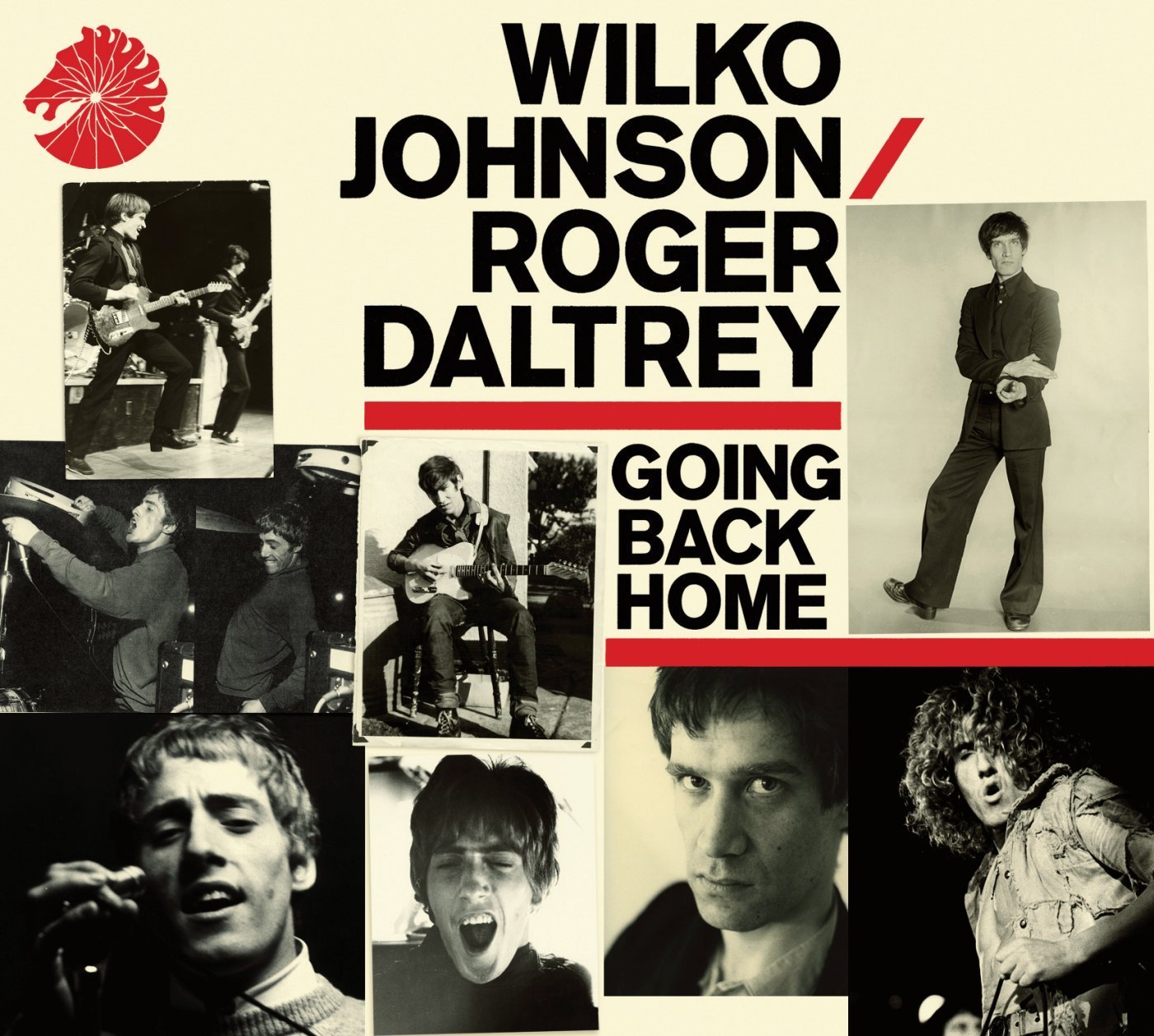
The Dr Feelgood founder member, born John Wilkinson and rightly renowned for that distinctive chop-guitar style, last wowed us on record in 2014 alongside legendary front-man Roger Daltrey on Going Back Home, including various inspired reworkings of R’n’B numbers, many his own (he did after all write 20 of the songs on the Feelgoods’ first three studio albums). But for all the adulation of Wilko’s stagecraft and songwriting over the years, wasn’t his inner teenager a little over-awed, recording with the lead singer of The Who?

“Well, of course! That whole thing … I’d been given 10 months to live when I was diagnosed with cancer, and in fact we did the Roger album in the 11th month! I was thinking, ‘This is it – this is the last thing I ever do.’ I didn’t expect to see the album released even. But I had a year that made me think a lot. I remember working in the studio and sometimes I’d step out into the darkness and walk around and you kind of think, ‘I’m gonna die’, and you can’t believe it. But looking at it all, I’ve had a pretty good life, and to end up making an album with Roger Daltrey, a hero to me when I was a teenager, it was like, ‘Well, you can’t complain!’

Still performing with bass legend Norman Watt-Roy (the prime reason for him joining Ian Dury and the Blockheads at the turn of the ’80s) and acclaimed drummer Dylan Howe (son of Yes guitar legend Steve Howe), last September Wilko celebrated his 70th birthday with a sell-out at London’s iconic Royal Albert Hall. Another career highlight?

“Ha ha! Yeah! It did turn out to be a good thing. My birthday means nothing, that was in the summer and more of a, ‘Well done, you’ve reached 70!’ A few people didn’t even expect me to reach 37! But the Albert Hall was great, with that obvious symbolic significance of the venue itself.

“We’d not played in London during that year, so we could get the audience in. It was quite worrying – you want to fill it up. You don’t want it half-empty. But it was selling quite well, and then we got John Cooper Clarke on the bill, and I think that tipped the balance. And it was an absolutely great night, a very varied show, with something that everybody there could enjoy.”

But we’re clearly not talking retirement here. Within a couple of months of that show, his band laid down their new LP, and now they’re treading the boards – or in Wilko’s case, seemingly gliding across them – promoting that new set of songs.

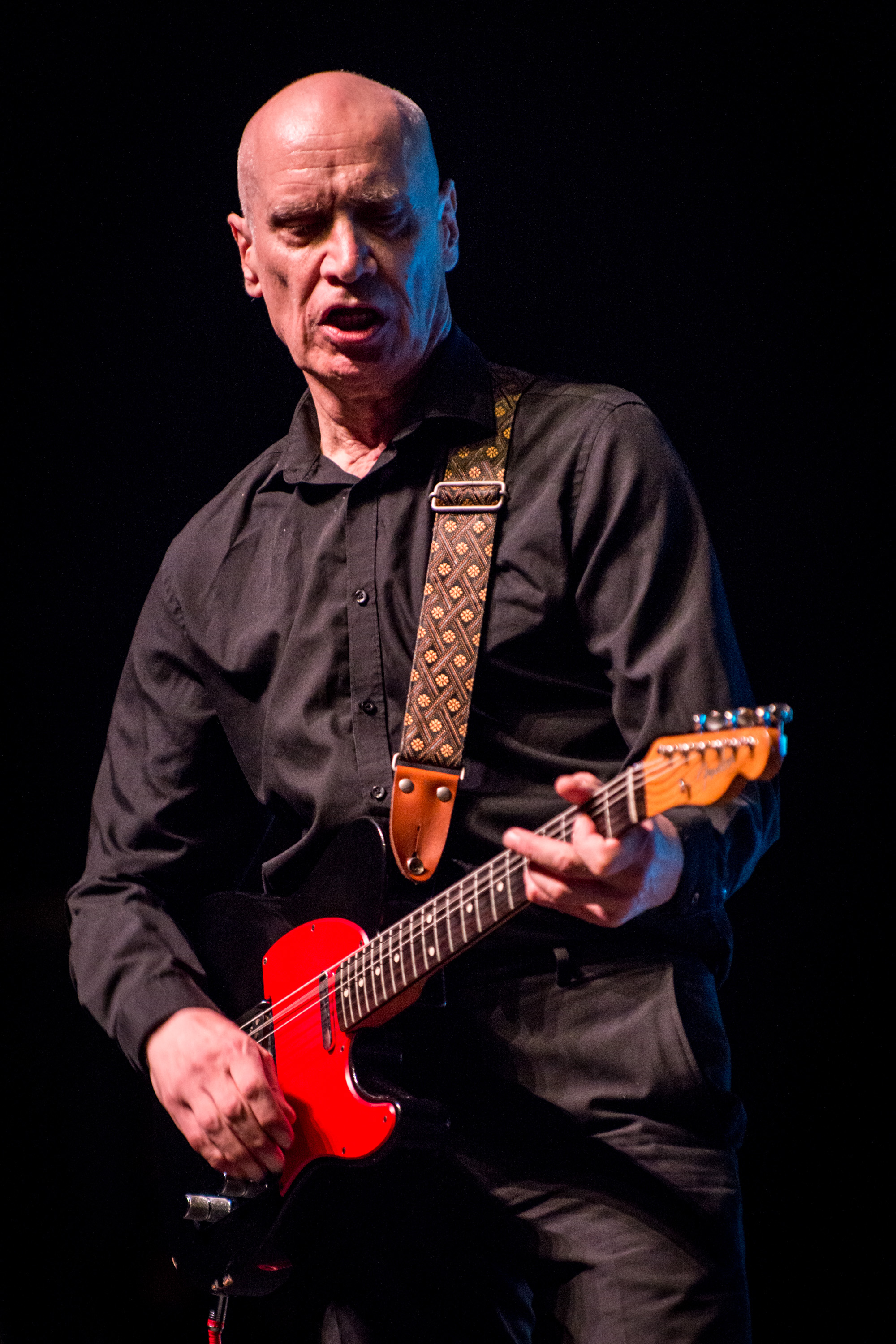
Solid Fender: Wilko Johnson doing what Wilko Johnson does best (Photo: Laurence Harvey)

Wilko was half an hour from Oxford Academy when I called, en route with his bandmates to that night’s show. I told him I was enjoying new single Marijuana before I picked up the phone, and was really looking forward to hearing the full album and catching his band live again.

“Yeah, we’ve just toured Finland, working in new numbers from the album, and it went down well. We played last night in Bath and that did too. So we’re quite pleased with all that.”

The new album, like the last, features Wilko, Dylan and Norman, plus Steve Weston on harmonica and ex-Style Council keyboard player Mick Talbot, with Dave Eringa producing.

“We did it very, very quick, in about two weeks in November. I just hope it does as well.”

I still play Going Back Home fairly regularly, probably as much as I do those wondrous early Feelgood LPs. And those albums never fail to fire me up.

“Yeah, I think a lot of that is to the credit of Dave Eringa’s production, although that album was done under peculiar circumstances. I didn’t actually expect to see it released when we were recording it. We really thought it was going to be the last thing I ever did, so I was quite keen for it to be good. And it’s probably the best thing I’ve done.”

Well, there was certainly magic on there, and it sounded naturally good. If this new album took a fortnight to record, what was the timescale with the Roger Daltrey album?

“It was even less. I think we had eight day, other than a couple of tweaks later. And I really honestly think that with rock’n’roll – or certainly the kind of thing I do – that’s absolutely the best way to do it. You go in and play it, and don’t sit there analyzing it and trying to improve this or tweak that. Go in, get a good feel, and if you’ve got a good producer and engineer, they will record that. That’s the way to do it.”

After Oxford there were visits to Norwich, then Bishops Stortford, and this weekend it’s Leeds Stylus (Thursday, May 10th), Glasgow ABC (Friday, May 10th) and then this Saturday, May 12th, Wilko calls at Manchester Academy 1 (doors 4.30pm, show starts at 5pm, with tickets £25 in advance via the box office on 0161 832 1111 or via this link), my excuse for speaking to him, his band backed on the night by former Stranglers frontman Hugh Cornwell and his own band, Mike Sweeney and the Salford Jets, and Mollie Marriott, daughter of Small Faces legend Steve Marriott. Sounds like a proper charabanc package tour, Wilko.

“Yeah yeah! I love to put on a good show, varied, something that’s gonna be entertaining for the whole show for the audience. That’s what I aim for.”

What with your Chess label imprint, I’m guessing you’re all travelling on a clapped-out old 1950s’ coach, right?

“Ha! No, we’re riding along in a nice Mercedes. It’s a Mercedes of a certain age, but it’s a Mercedes!”

Did you ever do a bit of that label ‘package tour’ thing back in the day?

“Yeah, the first proper tour we did with Dr Feelgood featured us, Kokomo, and Chilli Willi and the Red Hot Peppers, alternating the headline each night … although I do have to say that half-way through the tour it was obvious that Dr Feelgood was the big attraction, so we ended up closing the show.”

None of that pulling the leads on the other bands malarkey going on, was there?

“No! It’s just like … y’know, rock’n’roll.”

Seeing as Hugh Cornwell will be featuring with you on this tour, did you ever get to play with The Stranglers in those earlier days?

“I have on occasions over the years, and got to be great friends with Jean-Jacques Burnel.”

Of course, you famously shared a London flat with him at one stage.

“That’s right. And once or twice I got up and had a twang with them.”

And is Hugh a good man to share a dressing room with?

“Well …we just started, but I’m certain that he is!”

I saw him at the heart of his own impressive trio at Preston’s 53 Degrees five years back, and there’s something so powerful about that three-piece set-up – as proved by yourself, The Jam, Cream, and so many others. Ever tried to analyse why? Is it just that you can’t hide in a three-piece?

“I don’t know. The thing I’ve always liked about the three-piece is that it’s as basic as you can get. And it does require that each member is strong in his own department and also you can lock in together – not always easy. But if you get the right people, when it clicks together … I love a three-piece because it’s very … I don’t know … free! You can play around with the arrangements but only have to look at each other and follow where you’re going. You don’t have to have everything strictly arranged. You get more spontaneity.”

When I think back to all those kids who came along and saw you and got that thrill from Dr Feelgood, using a bit of that for their own ends when punk exploded, did you have any idea how much of an influence you were on the likes of The Jam, The Clash, The Sex Pistols, The Stranglers, and all those others? Were you aware of how good you were and how inspirational you must be?

“Well, when we were making our name, you’re just doing what you’re doing. You don’t know who’s down in the audience. In fact, in that audience, there were many of those people who went on the next year to create the punk thing. So yes, I think we can claim we had quite a bit to do with the instigation of that era. But when we were doing it, we didn’t know we were doing it. That only came later. It’s not about huge light shows, multi-keyboards, and all that – it’s simplicity and energy. That’s the thing we instigated.”

Did you ever play on the same bill as Joe Strummer’s pre-Clash outfit, The 101’ers in those days?

“The closest I got to playing with The 101’ers was actually after Joe sadly died. We had a memorial gig and I played with the other guys. But I first met Joe after I got dropped out of the Feelgoods. I bumped into him on Oxford Street and he started talking to me. He was quite an enthusiast for the Feelgoods and was asking what I was going to do next. I made friends with them then (The Clash). In fact, most of the punk bands – the Pistols, The Damned, you name them – became friends during that year, hanging out in my flat with JJ – we’d have all these punks of various varieties coming in.”

Going back a little further, seeing as Mollie Marriott’s with you on this tour, did you ever get to see her dad perform live?

“I never did. I tell you another thing – I never met Steve Marriott, really weird, because for so many years we were going around playing the same gigs, and were obviously closely related by the music. But sadly, I never did meet the guy. So that was a shame. And the Small Faces was a really seminal band. But we did a tour with Mollie last year.”

All these years on, Wilko still has the ability to – as the new LP suggests –Blow Your Mind via those electric live performances and songs, giving us an ultimate celebration of life affirmation after his … erm, health scare (to put it mildly). Clearly the specialist who operated on him didn’t steal his mojo.

“Ha ha! D’you know, it’s been a very strange five years for me. The band was succeeding more and more – we came out of the slough of despond of the ‘80s, travelling all around Europe playing small clubs and that. We started to really get somewhere. Then, suddenly, getting cancer … yeah, y’know, it’s a bit of a drag.

“But people have asked me, ‘Did I exploit that?’ And somehow that got into the mainstream press. I don’t know. In many ways, we ended up doing a farewell tour, and that was fantastic. It was very emotional – the audience just knew my time had come and they probably wouldn’t be seeing me again. You walk on stage and you can’t really go wrong. And we didn’t go wrong. People have a genuine affection for you, and that’s really touching and also gave me strength while I was going through that.”

In no way am I playing all that down, but I think I was even more worried for you when you did that open-air gig at the old BBC Broadcasting House with Madness in the Spring of 2013.

“Oh dear, oh dear. You were quite right to be worried! I tell you what, man, I did that gig, and what did I do? One number? Two numbers? And we were in the teeth of this driving rain, coming straight towards us. It was terrible, and I was standing there, thinking, ‘These guys have been standing on stage for an hour.” I had a bad chest and cold for a week after that. It made me really ill, so the Madness guys are either super-human strong or they’ve got thicker skin.”

Maybe they just had a better rider than you.

“Ha ha!”

This new album is your first album of new material in 30 years. That’s worth celebrating in itself. So are these all Wilko ditties or proper band compositions?

“Some are my songs, but a good part of the album was written together with the band. And this band is absolutely the best band I’ve ever had. Norman and Dylan are just great musicians, and we all fit together and take advantage of playing in a three-piece – free. We ain’t flash, man. We play rock’n’roll … but we do it pretty well.”

Is there anyone you still want to work with who you haven’t managed to get into a studio yet?

“I don’t know. The Roger Daltrey thing happened because of all these things – this, that, and the other. And it all just came together and worked perfectly. I think if you planned to make such an album it wouldn’t have been half as good. So if someone else pops up and unusual circumstances occur, why not.  But I haven’t got any schemes in mind.”

Seeing as many people out there know you chiefly as the king’s mute executioner, Ilyn Payne, in the first two series of HBO fantasy blockbnuster, Game of Thrones (the show’s production team hired him after seeing Julien Temple’s wondrous Dr Feelgood documentary Oil City Confidential), have you been offered any more acting roles of late?

“Ha ha! I had to go up to London recently, to do an interview. They’re making a documentary about Game of Thrones, now it’s coming to an end. I was sticking in my two pen’north. But I’ve got to say, I’ve never done any other acting before, ever, and absolutely loved that. It was so much fun that if a similar role comes along for an actor who’s got no tongue, so I don’t have to learn any lines, yeah … I could have a go!”

Last time we spoke, this former English teacher told me he was reading Thomas Middleton’s The Revenger’s Tragedy. Has he read any good books or plays lately? What passes for tour reading on this tour?

“Actually, last night I was reading Hermann Hesse’s Steppenwolf. So you never know what I’m going to be reading!”

Live Wires: Dylan Howe, Wilko Johnson and Norman Watt-Roy give it some (Photo copyright: Leif Laaksonen)

This website’s first Wilko Johnson feature was five years ago, with a link here. That was followed by my first interview with the man himself, from mid-August 2016, with a link here. For details of his 2018 live itinerary, the new album, and all the latest from Wilko, head to his website or keep in touch via his Facebook and Twitter links.

Update: In June 2018, Wilko is set for several in-store signings for Blow Your Mind, including visits to Fives Records in Leigh-on-Sea and HMV’s 363 Oxford Street store in London W1C (15th), Resident Brighton on the South Coast (18th), David’s Book Shop in Letchworth (19th), Southsea’s Pie and Vinyl and Marlborough’s Sound Knowledge (20th), and Rough Trade, Nottingham (23rd). For details head here

Posted in Books Films, TV & Radio, Music | Tagged , , , , , , , , , , , , , , , , , , , , | 5 Comments

Alternative Nashville Skyline – back in touch with Gretchen Peters

Dance Partner: Gretchen Peters, back in the UK to mark the release of Dancing with the Beast (Photo: Gina Binkley)

Gretchen Peters knows how to make you feel at home when you’re calling, in my case quickly dispelling my glamorous image of her adopted hometown, suggesting Nashville’s like any other city I might know.

“It’s looking a bit like England actually – it’s grey and raining right now. It’s a good day to get work done though.”

The Tennessee state capital is her nerve centre, but don’t get the wrong impression. We’re not talking Stetsons, cowboy boots and redneck country. Come to think of it, that’s probably more my perception than yours anyway. I always had a distrust of country, put off by the Grand Ole Opry, lingering notions of the Marlboro Man, and that bar in The Blues Brothers where they play both kinds of music – country and western.

For me it took Emmylou Harris’ winning 1995 Daniel Lanois-produced LP, Wrecking Ball, to realise there was plenty of good country around. That was my gateway album, this elder stateswoman of country on top form amid guest collaborations from the likes of Neil Young, Steve Earle, the McGarrigle sisters, and Lucinda Williams.

And she was a profound influence on Gretchen, a decade younger and still finding her feet in the recording world at the time. The following year she recorded her debut LP, The Secret of Life, including contributions from Ms Harris, Mr Earle, and the man who later became her husband, keyboard player Barry Walsh. Yet while that record was well thought of, she reckons her turning point came a decade later with her Burnt Toast and Offerings LP.

Born in Bronxville, New York, and raised in Boulder, Colorado, Gretchen re-settled in Nashville in the late ‘80s, composing hits for Bryan Adams, Neil Diamond, Etta James, Shania Twain, and Trisha Yearwood, among others. She was soon making her own records too, her reputation slowly growing via high-profile covers from the likes of Faith Hill and Martina McBride, Gretchen finally inducted to Nashville’s Songwriters Hall of Fame in 2014.

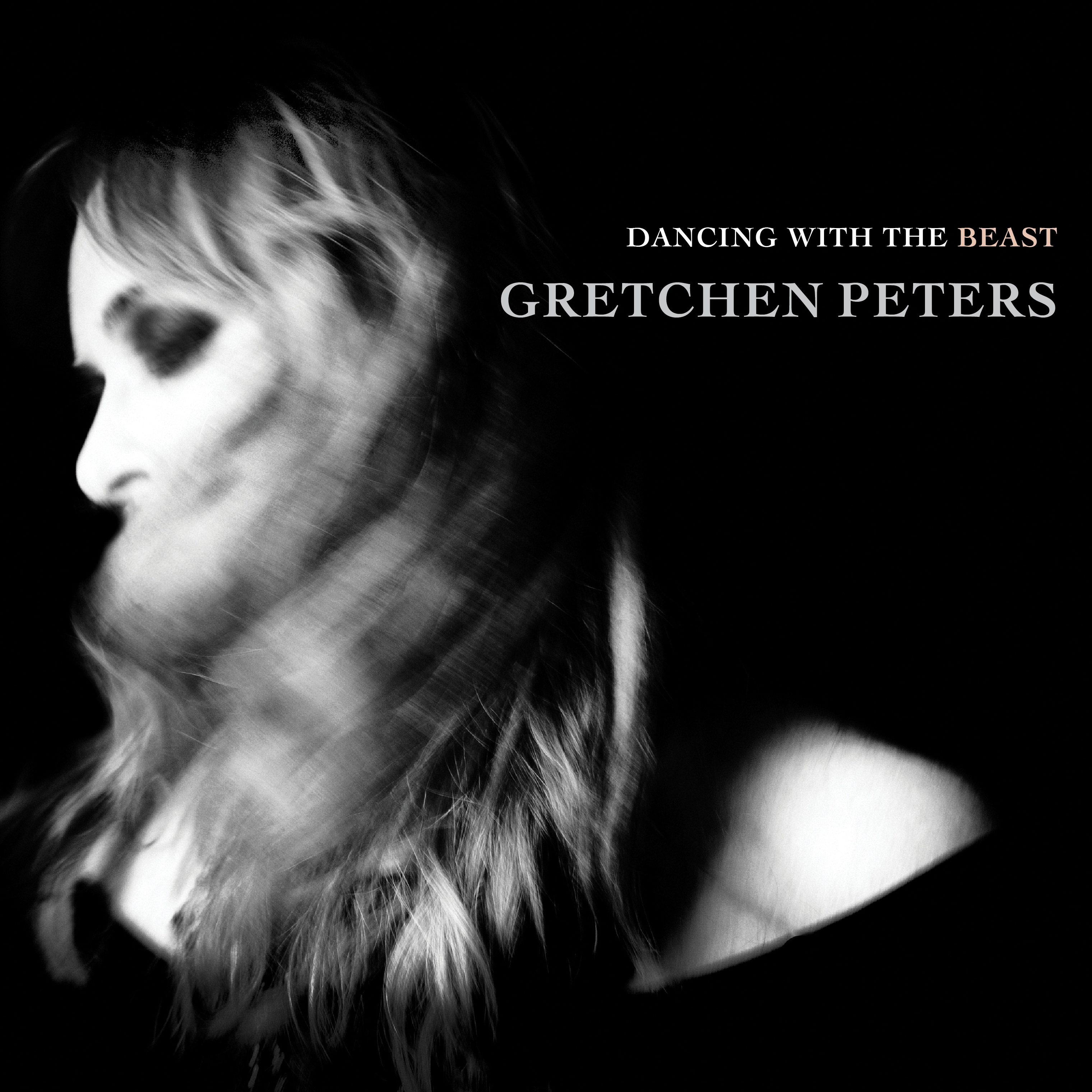
If 2015 album Blackbirds saw her reputation grow all the more outside America, she’s now proved that career high was no one-off on the strength of powerful new offering, Dancing with the Beast. So where does she tend to work these days – at home or in the studio?

“I work in the studio in spurts. If I’m on a recording project, I’m living there. But I go long periods without being in the studio. It’s one of my favourite places to be though. I feel there’s something magic about it. The world kind of melts away and you’re just in this little space making stuff with your friends.

“I love it, and I’ve spent a fair amount of time lately working on another project, but most of what I’m doing right now is getting ready for this album to come out and to go out on tour, doing all the things you need to do to make sure you can survive for a month or so away from home.”

Have you got dates lined up stateside before leaving for the UK?

“We don’t have tour dates so much as a lot of album promotions, including radio shows, Facebook live, and so on. The first time we really get a chance to stretch our legs is going to be when we get over there.”

That UK agenda starts with a date in Stamford Corn Exchange on May 19th, her itinerary including a return to my North-West patch for dates at The Atkinson in Southport (May 26th), and the Royal Northern College of Music, Manchester (May 27th) en route to a tour finale at London’s Cadogan Hall on June 13th. And as it turns out, my Queen of Country Noir has been lined up for a few festival dates too, including ones in Beverley (June 15), Wadebridge and Shrewsbury in late August, plus three Irish dates in early September.

“That’s right. And I quite like that title, by the way – I may have to steal that from you!”

By all means. I did mention a similar handle on the strength of your last album, and now have no doubt as to your elevation to regal status.

“Well, I like it!”

When I caught up with Gretchen, I was barely two listens into Dancing with the Beast, driving around with it playing in my car, but already hooked. And subsequent plays have only made me love it all the more. She’s on great form again, I venture.

“Thank you so much. That makes me feel so great on a rainy day!”

While there was no need to prove yourself, this latest record suggests you’ve retained that high ground reached by Blackbirds.

“Well, I really appreciate that. One of the things about Blackbirds was that it was a wonderful thing but also a bit daunting to come back and make another record. But we must! So that’s wonderful to hear.”

I got the feeling your Blackbirds period marked recognition for a self-confessed late bloomer as a leading artist, and this LP suggests you remain there, the songs seemingly effortlessly good.

“Well, thank you for that, but they’re definitely not effortless! Nothing in the realm of writing for me has ever been effortless. I work really hard at it. But it’s a double-edge sword having success. Blackbirds felt like a big step forward. But having that kind of success did give me a sense of confidence, I guess, about what I’ve been doing for the last 20 years.

“The other side to that coin is that you feel you’ve set the bar and have to reach there every time. But I think that’s just the way it goes in a creative career. You earn your craft a little more each time, the bar gets higher, and then you aim higher.”

Be home tomorrow evening if we fly, if the weather’s clear and the interstate stays dry.’ (The Show)

Three years ago, you mentioned to me how Burnt Toast and Offerings was a career turning point. Somehow that’s 11 years ago, to me suggesting you’ve been on that higher creative plane more than a decade now, hard as it must have been at times to keep up that heavy touring profile.

“Wow, 11 years ago? I quite agree with that though. I felt like I had a fire inside of me from that album on – to do better and better work and be a more and more honest and vulnerable in my songwriting, and to dig deeper, I guess.

“I look back at that 11-year period and it makes me a little dizzy, because there’s so much touring and so much work involved. But one of the things that my husband – my now-husband, because he wasn’t my husband at the time – said to me around that time when we made that album was that the way you get better is by doing it over and over and over again.

“I hadn’t really been touring regularly the way I have for the last 10 years, and there was so much wisdom in that. It was so true. A lot of it is just doing the thing over and over and over again, and I think I developed more confidence and more of a sense of knowing where I was going from constant touring rather than anything else.”

We’ve talked about Emmylou Harris’s influence before, and and there seem to be similar production qualities on this album to her Wrecking Ball outing with Daniel Lanois, thanks to yourself, the hubby, and Doug Lancio (who Gretchen has worked with since that Burnt Toast and Offerings LP).

“Yes, I think so. The thing I instinctively knew about Doug was that he’d push me slightly past my comfort zone. He does that, and continues to do that, and that’s why I love working with him. I know I need that and know it’s a very strong element of the production team Doug and Barry and I have put together. And Doug’s kind of a ‘vibe whisperer’ … much in the same way as Daniel Lanois, although I’ve never worked with him before in the studio.

“Doug is very unobtrusive. He never comes up and says, ‘Do this, do that.’ He’s more about creating the stage for magic things to happen. I just cannot overstate how much I love working with him.”

Dark Angel: Gretchen Peters, shining a little light amid the darkness (Photo: Gina Binkley)

Dark Angel: Gretchen Peters, shining a little light amid the darkness (Photo: Gina Binkley)

I guess what made me think of Daniel Lanois was the slow-build qualities of songs like the title track, Dancing with the Beast, and Lowlands, both of which have a kind of U2 feel. I could hear Bono tackle them.

“Yes, definitely. We really wanted to have that – no peaks and valleys, just one big build, and to have a bit of a menacing feel, because that’s really what’s in the lyrics. Doug really shines at that, with part of that coming from his guitar-centric play. There’s so much about tone and a lot of the guitar carries that. So yes, that’s absolutely what we were hoping for.”

Ever since he put that sticker on his bumper, I just turn out the lights and lock the doors.‘ (Lowlands)

For some, an out-and-out attack on the Trumps of this world would work, but the power in your work is in that more intricate attention to detail, on Lowlands and elsewhere, be it addressing disrespect of the individual, objectification of women, casual racism, any of that. And as things stand politically, perhaps it’s all the more important for someone with your strong character and sense of right and wrong to come over here and remind the world that the fella with the orange day-glo tan doesn’t represent the America we felt we knew and loved.

“I feel strongly about trying to impart that message. I know people in the UK know he doesn’t represent all of us, or even most of us, but after what happened in 2016 I just feel it’s not possible or not morally right to remain silent.

“I thought long and hard about this when I was writing the songs for this album, because I’m not a protest songwriter. I’m a storyteller. I talked to my friend Mary Gauthier at great lengths about how we write in this time, and came to the conclusion that if you’re a storyteller, the most effective thing you can do is tell very small stories about people, the hardships they face and the things they come up against, and how it’s affected in this world – how they’re affected by this kind of harsh and brutal world we’re living in. So that was what came out.”

‘And I’ll know them when they come, and I’ll rise above the neon above the trailer park, and fly like a truckstop angel with an arrow through my heart.‘ (Truckstop Angel)

Strong women are at the heart of this record, little vignettes of other people’s lives written so believably. Has that always been your stance, or are you getting more radical as the years pass, forced into confronting it all?

“Ha! Well, they say you either get more radical or you get more conservative. something’s gonna happen! I wasn’t so much radicalised as I was energised by what happened in the election, and as far as the women characters go, my approach to writing has never really changed.

“I listen for characters, I listen for voices, I listen for titles, and the voices that were the loudest in my head when I was writing these songs were these girls and women, so those were the stories I chose to write. But when I look back on it, I’ve been doing that for 25 to 30 years, going back to Independence Day and probably going back further.

“I think the reason I don’t really care to analyse it too much is that there’s a little bit of magic in that. But I think the basic reason is that those characters inspire me. They’re heroic. These women I’ve written about, some of them almost feel like my best friends, my guardian angels. They’re heroic in very quiet, almost stoic ways, but they capture my imagination. That’s why they stay in my head and that’s why their songs get written.”

Of course, none of the above would be worth listening to unless you knew how to write a great lyric and a cracking song too, and the imagery on this record is so sharp, from Arguing with Ghosts right through, not least on Wichita and Truckstop Angel. You have a skill for writing tales so personally. Is there a lot of you in the characters you sing about? Or are you just a seasoned people-watcher?

“I’ve thought a lot about this, and I think there’s more of me than I even want. But what it really boils down to and what I’m always trying to do is to find the empathy. If I’m writing a song, I have to find the empathy I have with that character.

“So it’s not so much about her being like me or that she is me, it’s that I’m finding that commonality, and I think the reason that works is that’s what songs do and I think that’s what art does – it holds up this mirror and says, ‘This person doesn’t look anything like you, but look – you’re alike, look how alike you are!’

“I think it’s a mixture of the things I’m feeling and thinking about coming out in those characters and there’s a bit of me in them. But there’s also just that empathy for another human being, and if you can feel that empathy as a songwriter, you can make your audience feel it too.”

You told me last time we spoke how much you enjoyed writing songs with Ben Glover, and he features a lot on this album too. There’s Matraca Berg too. Any closer to that dream duets album we’ve talked about before now?

“Oh, I would love that! I have another project in the works for next time, but maybe that should go after that. And I do love working with Ben. He’s one of the only co-writers I have, and he’s fantastic.”

I get lost in my hometown since they tore the drive-in down.’ (Arguing with Ghosts)

On the last album we had the wondrous Nashville, you covering David Mead’s song, with him guesting, and this time you’re back on the theme of your adopted hometown with Matraca and Ben, telling us you’re not quite recognising what they’re doing to the place on lead track, Arguing With Ghosts.

“That’s how that song started. Matraca is a Nashville native – and they’re very rare here. We were talking about how Nashville’s changed and she literally said, ‘I get lost in my hometown,’ and we all looked at each other and knew we had our opening line.

“But it’s changing so rapidly. I was driving with my husband a couple of days ago in town and we got completely disoriented and turned around, because we didn’t recognise where we were. That’s how crazy it is … and we both started singing that opening line!”

Speaking of Nashville, last time we spoke I hadn’t realised an indirect link, an old friend from my South of England hometown, talented ex-Ben Folds, Supermodel, Deep Season and Jim Jiminee drummer Lindsay Jamieson, based there quite some time now and in a band called Elle Macho with a certain David Mead.

“Wow. Well, David’s just such a creative genius and has done so many things. And it’s almost a truism nowadays that all roads lead to Nashville!”

I think I need to lay low for a while, stare at the Gulf of Mexico for a while.’ (Lay Low)

I get the impression from what you’ve spoken about so far regarding this album, that it came out of a hard place, and not just because of the current political landscape, but for personal reasons too, following a difficult period in your life. Is this the power of music as therapy?

“I think it is, but I don’t really want to reduce it to therapy. If it were just therapy, everyone would … From my own point of view, I was taking a year off which didn’t turn out to look anything like the year off I pictured in my head. I was picturing restoration, rest, sitting in a lotus position, and instead the election happened and I lost my mum about a month after that, then I lost two very dear friends, one of them being Jimmy LaFave.

“It was an onslaught. I’d really intended to not write or do anything, to just be, but about halfway through 2017 I was bathing in grief, wallowing in it, and just thought, ‘My way through this had always been to write, so dammit, I’m gonna write!’ And that was what I needed to do. I needed the downtime, I needed to get away from touring, as I’d worn myself out physically, but stopping being creative was not the answer, as hard as writing is for me.”

But there is love that makes a cup of tea, asks you how you’re doing and listens quietly; slips you twenty dollars when your rent’s behind, that’s the kind of love I hope you find.’ (Love That Makes a Cup of Tea)

I know I was feeling that while listening to the album on my way back up the motorway after my Mum’s funeral, most startlingly on Love That Makes a Cup of Tea, some of the words almost echoing the eulogy I wrote about her. That song’s clearly extremely personal to you, but translates perfectly to me and no doubt many others.

“Oh, well I’m so sorry to hear about that, but at the same time I’m so glad that song affected you that way, because – as you say – it was very personal to me.

“She gave me the title in a dream! And I just thought, ‘I have to write that! I have no idea what it’ll mean to anyone else, but I have to write it.’ So I’m really heartened to hear that.”

It’s a perfect way to end the album. A little light at the end of the tunnel, you could say.

“Well, on my albums, we need that!”

And I guess there will always be those highs again if we can learn from the lows, right?

“Absolutely. It’s all shades of light and dark.”

So leave that ‘don’t disturb’ sign on the door, come lie beside your weary troubadour.’ (The Show)

Meanwhile, I understand that as well as truly appreciating the power of a good song, you’re a fan of the whole package, not least a continuing love for the vinyl long player.

“Oh, I’m so happy that vinyl has come back. I think one of the things that makes me happiest about it is that when we sell vinyl on the road, it’s no one particular group of people – it’s young people, it’s older people, it’s everybody. I love that. It’s not just a cool thing for kids. I think everybody misses that warm sonic hug you get from vinyl.”

Reappearing Act: Gretchen Peters, heading to a town near you (Photo: Gina Binkley)

Reappearing Act: Gretchen Peters, heading to a town near you (Photo: Gina Binkley)

For a link back to Gretchen Peters’ last writewyattuk interview, from February 2015, head here.

To snap up tickets for Gretchen’s 2018 UK tour, with support from Kim Richey, and various festival dates, try this Facebook link. You can also keep in touch via Twitter

And to pre-order Dancing with the Beast, out on May 18th, visit this Proper Records link. 

In 2015, I reviewed Gretchen’s Blackbirds album for this site, but this time  happened to chance upon an album review by my friend Niall Brannigan for The Afterword, and felt he said much of what I wanted to add. Follow this link to find his online take on Dancing with the Beast

Posted in Books Films, TV & Radio, Music | Tagged , , , , , , , , , , , , , , | 3 Comments

A question of life balance – the Justin Hayward interview

Justin Time: Moody Blues’ frontman Justin Hayward, heading back to the UK for an In Concert tour.

If I made Justin Hayward feel old right from the outset of our conversation, he had the good grace to laugh and carry on talking to me. My genuine respect for his back-catalogue probably helped, mind.

I was telling him that while I’ve not long since hit 50, I worked out that his first LP with The Moody Blues, Days of Future Passed, was released when I was just a fortnight old. The album that spawned Nights in White Satin has certainly stood the test of time though.

“I suppose it has. Do you know, I get more interest in that album now. It’s surprising the amount of young songwriters that speak to me about that album. I think it’s maybe because it didn’t have any kind of commercial pretension or wasn’t made to try to sell anything.”

In fact, it was the album that had the lowest chart placing of 13 studio LPs they released up to 1988, that tally including UK No.1s with On the Threshold of a Dream (1969), A Question of Balance (1970) and Every Good Boy Deserves Favour (1971). But what do the buying public know? It came from the right place.

“I think so. We were very lucky. And none of us had any commercial aspirations, in truth.”

I spoke to Justin on the 50th anniversary of The Zombies’ Odessey and Oracle album’s release date (with a link to our January 2016 interview with Colin Blunstone here), and told him I saw that LP in a similar light – the right mix of experimentation, good songs and strong musical ideas.

“That’s right. Yes, so do I. Absolutely.”

That whole period for me was just such a creative time for music – everything from The Beatles and The Beach Boys trying to outdo each other, through to The Kinks.

“Well, it really was, and I think we all considered ourselves lucky to happen to be in London when that was really all going on. Then we were lucky enough to be brought to America by Bill Graham in ’68, introducing us to a whole new audience. yeah, The Beatles were the leaders, opening the door for the rest of us.”

Days of Future Passed is often cited as a prog-rock prototype album, not least through including classical elements. Was that a happy accident or something you set out to do?

“You have to give the credit to Decca. They had a special products division with a wonderful man called Michael Dacre-Barclay, whose idea was to do a record to demonstrate stereo for rock’n’roll. They had a consumer division and were trying to sell their stereo units but were confined really to the classical market. And they had the second-largest classical market in the world. It was their idea. They called on us – we actually owed them money.”

So they gave you a blank canvas, in a way.

“Yes, and it was the great days when record companies gave you lousy royalties but had lots of studio time and big studios. They said, ‘Just get on with it, do what you want to do, there’s the studio and engineer.’ That’s how it worked for us.”

Justin was in Surrey when he called, dropping in on his sister from his European base ahead of a flight the next day to the Netherlands and a date in Utrecht, the opener on his latest tour. His home is ‘near the Italian border’, and he’s a partner in a studio in Genoa, where he’s been working ‘the best part of 20 years now,’ with much of his solo material and work with The Moody Blues – the Moodies as he refers to them – recorded there.

I hear traces of his Swindon, Wiltshire – the former GWR works town that also gave us XTC – upbringing when he says ‘years’, and Justin’s retained a strong West Country affiliation, spending lots of time in West Cornwall, where he had a home for many years, and where his daughter still lives and works.

That gave me a chance to reminisce about my own regular trips to Lelant, just outside St Ives, a village we have in common, both visiting that area for the first time in the early ‘70s – when I was barely six, and Justin was 27. In his case it involved a holiday with wife Ann Marie, a short break after his band’s work on 1972 album, Seventh Sojourn – their last studio album before a six-year hiatus, released the year his daughter Doremi was born – that became much more.

“My daughter still lives there. She’s a cranial-sacral osteopathist with a little practice in Penzance, and works out of her home as well.”

That’s easy for him to say, I suggest.

“I do so miss it down there. What a magical part of the world. It still is. It’s gorgeous, and there’s something about that. I can remember when big steamers were coming in there, and a power station opposite that they took down in almost one day. We were at the Ferryhouse, right on the beach, terribly impractical, with a beach café opposite. We had to haul everything across the golf course. We then moved up the hill. When my daughter got married, it became her home, and I’m so pleased she’s down there.”

Were the Moodies still in Birmingham when you first hooked up with them in 1966?

“They were actually not far from where I am right now in Claygate. I came up to Paddington Station and met Mike (Pinder) first and we went for a coffee then to his place, somewhere around New Malden. A couple of weeks later I met the other guys in Esher, where they were not paying the rent, hiding from the milkman … They’d left Birmingham by the time Go Now was a hit (a UK No.1 in 1964).”

Idyllic as your home base must be, do you miss the UK?

“Well, I come back when I can, but home is over there by the Mediterranean now, where all my music is. In truth, recording became so expensive in London and England. I honestly couldn’t afford it. But I had a holiday home in the South of France and met a lot of backing musicians there, some for Johnny Hallyday, and other French and Italian artists who liked English rock’n’roll. There’s a whole community down there. I started writing, found this studio. I just want to be where the music is now, and that’s where it is for me.”

Justin’s currently looking forward to his live return to the UK, backed by virtuoso guitarist Mike Dawes and vocalist Julie Ragins.

“Mike’s an unbelievable guitar player. My guitar-tech, Chris, and I one night at a soundcheck said, ‘Can we just stand really close and watch you play and see if we can work it out? He said okay, so we stood about two feet away. When he finished playing, Chris said, ‘No, I still don’t get it’. And nor did I. I don’t know how it’s done. And then there’s Julie, who has the voice of an angel. She just loves these songs, and we’ve been working together for a long time now.

“We’re just a small crew and it’s mostly acoustic, with just a little bit of electric, but no drums. I like to hear every nuance. I’m doing these songs as they were written, like the original demos I made, and hopefully some of the stories behind them are interesting. The Moodies’ shows are big productions, with two drummers, lots of amplifiers, very loud. There are lots of those songs that just don’t work in that context. But I get to do things in my solo show complemented by that way of doing it. I get to do Forever Autumn as well, which is always nice.”

We’ll come back to that 1978 hit later. Does it tend to just be you and a guitar when you write?

“It is, a couple of old guitars, a couple of newer ones, and a bit of programming. Even way back in the ’80s I started doing things to time-code. Tony Visconti was very much into that when we started working. I could do that on my own tape recorders, then bring them into the studio. But yes, I’d usually start with a couple of guitars. And there’s a whole world of imagination inside a guitar.”

While I and many more knew Nights in White Satin well (making the UK top-10 on its release in 1972), I admit I knew your work on Jeff Wayne’s musical adaptation of The War of the Worlds before I knew great singles like 1973’s Question (No.2 in the UK). So what had changed in between Days of Future Passed and the A Question of Balance LP in 1970, approach-wise?

“We were very insecure about a lot of our recordings and it started to dawn on us that there might be something in it. We made an album called On the Threshold of a Dream in early ’69 which did very well, getting to the top of the charts in this country. And everyone knew it in America.

“Then we followed that with an album that was completely obscure and self-absorbed, To Our Children’s Children’s Children, and got to a stage where we couldn’t play the songs on stage – the overdubbing was so impossible, so much, and overlaid.

“With Question, the song, recorded before the album, there’s no double-tracking, just echo and a big old 12-string guitar. We learned to play that the old-fashioned way and just recorded it one Saturday. It was a deliberate attempt to try and pull back to something more real.”

And it remains powerful, to this day.

“I hope so. It was a great time for us, with the Isle of Wight Festival and all that kind of stuff going on. It carried us along, Question. The whole album did.”

One name that seems to have popped up on your CV more than any other over the years is bandmate John Lodge, and not just with the Moodies. Are you still in regular touch?

“Yes, we were together only last weekend, with Graham (Edge) and Mike Pinder, as we were inducted into the Rock and Roll Hall of Fame.”

That was in Cleveland, Ohio, with the band inducted alongside Bon Jovi, The Cars, Dire Straits, Nina Simone and Sister Rosetta Tharpe. Quite a coup for the band.

“We played together, and there were a few days of events and Q&As, with school kids, lots of press, and so on. It was a big deal, and for the American fans it validated the music they loved … at last.”

There must have been elements of, ‘Why only now?’

“There were, and it’s very different when you’re not in the Rock and Roll Hall of Fame, but when you are, the world seems a different place. But when they asked who I thought should be in there now, I said, ‘Well, you could start with Cliff (Richard) and the Shadows, even Johnny Halliday. If you really want to tell the story of rock’n’roll throughout the world, not just through American eyes. But it’s great to be part of and I’m very pleased. It’s kind of a temple to all the stuff I’ve ever loved.”

Justin’s first Moodies’ single was 1966’s Fly Me High, just after he was brought in to replace Denny Laine.

“Yes, it wasn’t the first we did on stage, but it was the first released with the band.”

At this point I admit to Justin I was first aware of Ambrose Slade’s version on 1969 debut album Beginnings, before that band dropped the first half of their name and went on to mega-success. As it turned out, Justin was unaware of that cover.

“Really? I’m going to Google that right now. Wow!”

Watching and Waiting: Justin Hayward, out on the road with Mike Dawes and Julie Ragins in 2018

He does too, and was set up to listen when I finally got off the phone and left him in peace. I wonder what he made of it. I like both versions, for the record.

You mention Mike Pinder, of whom you’ve said before, ‘Mike and the Mellotron made my songs work.’ I know he’s been out of the band for 40 years, but it appears that you keep in touch with all of the first line-up you were part of.

“Well, Ray (Thomas) sadly passed away earlier this year, a great tragedy. And Tony Clark had some time before, so that really brought things home. But I’d seen Mike five or six years ago when we played in Northern California. He came to a gig with his sons. He’s got such a beautiful family. And to see him at the Rock and Roll Hall of Fame was absolutely great, walking up there together. We had a long talk. When Bon Jovi were up there doing 85 minutes, Mike’s wife said, ‘Do you think there’s somewhere we can all go?’ We found a little room round the back. That was really lovely.”

Things like losing Ray must make you realise time’s not guaranteed.

“Yes, that’s why I’m doing it now and I’m going to sing while I can. I don’t know what the future holds. I haven’t really got any plans except to make new music, and that’s what I’m going to do next year. I’m working on the road now, I’ll keep my little crew together – with Mike and Julie, my front of house guy and my guitar tech – and that suits me just fine.”

There have been plenty of Moody Blues reunions over the years, and then there’s your solo career, including eight studio albums from 1975’s Blue Jays with bandmate John Lodge through to 2013’s Spirits of the Western Sky. Ever feel the need to remind the wider world that, far from it, you haven’t been quiet since The War of the Worlds?

“Ha ha! Erm … well, fortunately, some people have been paying attention! For me, I’ve never been a celebrity or anything like that. What’s important is that I’ve done what I think is right. I’ve been prepared to make mistakes and I take responsibility for that.”

Bearing in mind my Surrey roots, and your link to November 2014 writewyattuk interviewee Jeff Wayne’s musical adaptation of The War of the Worlds, with H.G. Wells’ story set on my old family patch around Woking, I wonder if you read the book when you were growing up.

“Yes, as a matter of fact all of that series was given to me by a dear friend of mine, Lionel Bart, who wrote Oliver! He gave them to me as a present one birthday, in the late ‘60s – the whole works of H.G. Wells. And The War of the Worlds was the one I’d read and really resonated, not least as I knew this part of the world from when I first came to London.”

Knowing the geography makes the story that little bit more real, doesn’t it?

“It does.”

Was your The War of the Worlds experience a happy period?

“Oh, what a lucky break, getting that call from Jeff! I wasn’t going to do it, but there just happened to be a chap round my house that day from the Moodies’ record shop in Cobham. We had a shop connected to our office, where our roadies were. Someone came over for me to sign some papers and was listening to this demo Jeff sent round. When it finished he said, ‘You ought to do that, mate! It’s perfect for you!’ So I thought, ‘Why not’, went down to meet Jeff and did Forever Autumn. Then they called me back a couple of days later to do another song, Eve of the War, which also had some success. And it was a great time for me, being on Top of the Pops, and all that.”

Did you get to work with David Essex, Phil Lynott, and Richard Burton, or were you just recording your own parts?

“I knew all the others involved. Funnily enough, the person we had in common and who had something to do with bringing me to Jeff was Ken Freeman, a keyboard player who I worked with on my album, Songwriter. Ken also wrote that wonderful theme to the TV show,  Casualty.”

At this point, Justin gives me a rendition of that distinctive theme tune, in many ways the sound of Saturday night for a couple of generations.

“I knew all the others, like Phil (Lynott), because he was on the same label, while David (Essex) was an acquaintance. But Richard Burton did his pieces down in Ibiza somewhere. I was his ‘song thoughts’ though, which I thought was a bit bizarre but I was very happy to do.”

I still listen to that album now and again, sometimes in the car, which is probably not the greatest idea, to be honest.

“It’s quite heavy, isn’t it. A powerful album.”

My eldest daughter was telling me there’s a new film or at least a mini-series on its way, featuring Eleanor Tomlinson, of Poldark fame. I’m intrigued by that.

“Oh yeah. That’ll be great. I did the stage show for five or six years, starting around 2006, going to Australia and New Zealand, but then I stepped aside. I thought, to be respectful, it’s a part for a younger man. But that music will go on … and doing Forever Autumn in my solo show is great.”

Do you miss your family when you’re out on the road? Or does Ann Marie travel with you?

“If it’s somewhere of interest she’ll come, and she did when we played Days of Future Passed with the LA Symphony at the Hollywood Bowl. But otherwise I think that would be like having the wife at the office. She’s got her own life and her own pals. That’s the way it should be.”

You’ve been married a long time (47 years and counting).

“Yes … well, I’ve been away a lot, you see! Ha ha! Even though it looks like I’ve been married for nearly 50 years, I’ve only actually been home for about eight years!”

Finally, for those who’ve missed out over the years and maybe just know the big hits, where should they start on the Justin Hayward back-catalogue? Do we start with Spirits of the Western Sky and head back?

“I think … it started for me with Blue Guitar, recorded when the Moodies were still together, when Decca didn’t want to release any solo thing. The original version was recorded with the guys from 10cc. I have a compilation album out now called All the Way, and the original version is on that record.

“That was the version that was released, but it was remixed by Decca, with an orchestra put on it. The record actually was me and Eric Stewart, recorded at Strawberry Studios in Stockport, where I was a director for many years, with Graham Gouldman on bass, Lol Crème on gismo, and Kevin Godley on drums.

“Then there was Blue Jays and Songwriter, the album on which I really focused on writing and expressing what was in my heart.”

So what you’re really saying at this point is that we should catch up with the whole of the back-catalogue, right?

“Ha! If you can find it!”

The Songwriter: Justin Hayward, out and about and In Concert around the UK

Justin Hayward’s May/June 2018 In Concert tour, with support on all dates from Mike Dawes, visits Bristol Colston Hall (May 27, £37.50), Norwich Theatre Royal (May 28, £37.50), New Brighton Floral Pavilion (May 29, £37.50), Eastleigh Concorde Club (May 31, £60 non-members, £55 members), Stockport Plaza (June 1, £37.50), Christchurch Regent Centre (June 2, £44.50), and St Albans Arena (June 3, £39/£37.50). Tickets are available via Ticketline.co.uk, Ticketmaster.co.uk, or direct from the venues. Booking fees may apply. To keep in touch with Justin, head to his Facebook and Twitter pages or head to www.justinhayward.com


Posted in Books Films, TV & Radio, Comedy & Theatre, Music | Tagged , , , , , , , , , , , , , , , , , , | 10 Comments

Back with a Special Beat Service – the Dave Wakeling interview

Bathroom Idol: The Beat’s Mirror Man, Dave Wakeling, reflects on his past and looks to the future

It gets a tad confusing with a few of the bands doing the rounds again all these years on, not least when original members have gone their separate ways, starting their own versions of the same group.

Take The Beat, for example, their co-front-men leading their own bands under the old banner. What’s more, there’s further confusion as they were always known as The English Beat elsewhere, to avoid legal issues across the Atlantic. But according to Dave Wakeling, there’s certainly no animosity with his old pal Ranking Roger.

“We seem really good friends. I went to his house, we had a pot of tea together and a lovely talk, and there’s some chance we may work together next year with the 2 Tone 40th anniversary.

“Music’s a bit like farts. You like the smell of your own, and we both like our own Beat a bit better than the other one’s!”

Too much information maybe, but it’s a fair point. And I guess that was always the case. As with fellow Beat bandmates David Steele and Andy Cox, who went off to form Fine Young Cannibals when they formed General Public. In retrospect, they were all pulling in different directions, a split almost inevitable.

“I think so. The wonderful thing is that we ended up making songs people can still be bothered about today. That’s tremendous. You don’t really know that at the time you’d have songs that people would cover. You go into a bar and a band will be doing your song. That really knocks you sideways.

“First, you get a couple of songs in the charts and you don’t have to get another job, so that’s good, then you get wealthy and get all the fame and the cars and all that. But to have one of your songs still mean something after nearly 40 years … you can’t pay for that really. It’s the most wonderful gift a troubadour can ever have.”

There was a spell away from music at one point for this California-based singer-songwriter, although between spells with General Public he was still working on music-related projects for Greenpeace and film director John Hughes. But then Dave was coaxed back into performing by Elvis Costello, and since then there have been two combos – The Beat featuring Ranking Roger, and The English Beat starring Dave Wakeling, the latter of whom have played an estimated 1,000 shows, mostly in North America.

One thing led to another, Dave adding new songs to his live set, fans then asking for those on the merch stand, the idea of a new LP beginning to come together.

“That started the ball rolling. I wouldn’t have wanted to have done a vanity record – I would’ve been just as happy to keep the songs in my head rather than go to the bother of making a record if no-one was interesting.”

And the success of a subsequent Pledge Music album campaign suggested those fans at the live shows weren’t the only ones ready for another Beat album.

“Yes. People started asking, ‘Can I get a copy of the CD with that new one on?’ So we felt we better make one. The pledge thing took a while to start up, raising a little money before starting to record, but it’s worked out incredibly well and just went over 200% of its target.”

You may recall lead single How Can You Stand There? being aired on Jools Holland’s Hootenanny as part of the BBC’s New Year celebrations. And it’s been around a while, as I was reminded, seeing Dave play that on a filmed radio show in St Louis in 2014.

“That would have been exactly the same time I first contacted the Pledge people, so it didn’t really start until the middle of 2015, recording towards the end of that year.”

I think first and foremost of all the bands The Beat came on the scene with and their primary ska and reggae credentials, but – reappraising them – there’s an early rock’n’roll, Buddy Holly feel to that new single in its bare form. I guess those influences were always there. Maybe I chose not to hear them.

“I think so. I liked an equal balance of on-beats and off-beats – so it’s either Buddy Holly or Bo Diddley. And on the other side you’d have a Toots and the Maytals, Desmond Dekker and Bob Marley sort of feel. And for most of my songs, you can play them as pop songs or reggae. They transpose pretty easy.”

Similarly, I get a Who vibe when I revisit a performance of Save it for Later for American radio in 2011, not least that guitar sound, again putting him in a different light. Or was that just because I know Pete Townshend (as well as Pearl Jam) had covered it?

“Yeah. Mind you, when I see a video of him playing that song – he can really play guitar! I’ve been practising that one for nearly 40 years, but boy … he can stretch his fingers to 11 frets, I reckon. It’s stunning, and I’d love – if I could ever get the chance – to sing the song with him and Eddie Vedder. That would be lovely. They both covered it a few times, and I’ve enjoyed their music a lot.

“Pete Townshend was one of the reasons I wanted to be in a group in the first place and I was lucky enough to meet Eddie Vedder early on in his career, when he was feeling the strain of being a social spokesperson band, with the weight of Paul Weller – a spokesperson for a generation. But we had some good chats back in the day, and I’ve been very pleased with the way he’s used his fame for lots of really great causes, brought to people’s attention. And I’d love for the three of us to play Save it For Later on three acoustic guitars.”

Well, you heard it here first … possibly. In the meantime though, we have the new album, Here We Go Love, out on May 11th, with Dave backed by his regular seven-piece band on the first Beat studio album since 1982’s Special Beat Service. And as his record company put it, it’s ‘a brand-new collection of 13 vital songs that have their feet in the here and now, but lose none of the fire and frenzy of those timeless immediate classics that made the band’s name.’

What’s more, Dave remains as engaged and switched on as ever judging by our conversation and what I’ve heard of the LP so far, its lyrics typically drawn from observing life and tumultuous recent events, as you’d expect from the man who co-wrote timeless hits Hands Off She’s Mine, Mirror in the Bathroom, Best Friend/Stand Down Margaret, Too Nice To Talk To and the afore-mentioned Save it for Later, while helping put a winning spin on old classics Tears of a Clown and Can’t Get Used to Losing You.

There were those three previous great albums too, not least my personal favourite, their stunning May 1980 debut, I Just Can’t Stop It, which along with follow-up Wha’ppen reached No. 3 in the UK album charts, before Special Beat Service proved to be the last for the original line-up.

The new LP was largely crafted over two years in breaks from touring, Dave still creating quality pop hooks with an occasional political edge, plenty of wit and wisdom, and lots of ska, punk, soul, reggae and pop moments.

When the Birmingham sextet first hit the charts in 1979, Ranking Roger was just 16, while legendary saxophonist Saxa, who previously played with the likes of Desmond Dekker and Prince Buster, was pushing 50, and along with The Specials’ trombonist Rico Rodriguez was already a ska icon.

“The shocking thing is that when Saxa died (May 2017) we realised some of us were the same age now as when we’d first met him … when he was the old legend. Whenever we went out with him, he’d call us, ‘You young boys.’”

Dave missed Saxa’s funeral, struggling after hernia surgery, adding, “The combination of travelling 6,000 miles and then crying your bum off when you get there would sting a bit!

“But I found out what pub they were using straight after and arranged to put £500 behind the bar. Whenever you asked Saxa if he wanted a drink, he’d say, ‘Yes, get me two beers,’ so when the funeral crowd came into the bar I had someone shout out, ‘Get me two beers!’”

And the man himself was involved with the album, despite a tendon injury.

“That was lovely. I played some of the songs to him as they were developing, and he had a bad finger so couldn’t play the flat notes on his saxophone anymore, but was still in great form, and hummed some melodies for me and I put what I remembered of them on there.

“And it sounds just like him. He gave me some starters for melodies, and they were that good that they were easy to remember. Our sax player learned that and it sounds just like Saxa. It’s just a pity he’s not here to hear it.”

He’s not the only … erm, Special guest, so to speak. There’s also recent writewyattuk interviewee Roddy ‘Radiation’ Byers, these days fronting The Skabilly Rebels.

“Yeah, I love Roddy, and he plays on If Killing Works. And there’s a cartoon drawing of him on the record sleeve – he’s the tiny guitarist who looks like a Teddy Boy!”

Roddy came from a band that fused punk and ska together, so how about Dave’s own entry system to the music business – did he grow up listening to all that music later reflected in his work?

“We were very lucky in that Birmingham and Coventry were very industrial cities which had seen a huge influx of all sorts of different people and all sorts of different music. You’d hear ska, bluebeat and rocksteady coming out of houses and at your fingertips, and also played at football grounds because of all the skinheads – to keep them quiet at half time!

”I didn’t realise until I came to live in America what a jewel Radio One had been for us – music was quite separated over here into black and white music, whereas we only had Top of the Pops, Radio 1 and Radio Luxembourg. So you had the best of The Rolling Stones, Diana Ross and the Supremes, The Kinks, The Four Tops, and we were lucky to grow up in that late ‘60s and early 70s period where we didn’t realise there was anything special about that. We were so lucky to get that musical education.”

Also featured on the album is Train guitarist Luis Maldonado, and backing vocalists Durga McBroom, Kevin Williams and Jelani Jones. And didn’t I spot former Specials singer Rhoda Dakar and former Belle stars vocalist Jennie Matthias with his band on Jools Holland’s show?

“Yes, and they’ve always been really lovely. And there was something really nice about 2 Tone – there wasn’t the same kind of competitive drive you’d see in other music scenes, and so many of us were from a bit of a backwater of the Midlands, and there was a lot of camaraderie that stuck us together.”

As it happens, Dave returns to his old Midlands stomping ground when his band play Birmingham Academy on June 2nd, one of 17 UK and Irish dates lined up, right through to Brighton’s Concorde 2 on June 17th, the tour starting at Manchester’s Club Academy on Friday, May 25th.

“Yeah, and the day after we’re up to Scotland (Scone Palace, Perth) for the BBC’s Biggest Weekend, so the Manchester show, really, is going to be our warm-up for that.”

That promises to be a relatively-intimate affair, as opposed to a few of the bigger Academy-type venues.

“Yeah, they can be a bit cavernous, but that one’s quite good. We were there last September and it went very nicely, so I’m looking forward to returning. We’ve only got a half-hour set in Scotland so I’m wondering about putting that set in the same order at Manchester, giving it a dress rehearsal … we might even tell the crowd!”

Did Dave spot a recent Facebook post featuring The Beat playing Stand Down Margaret on ITV’s Tiswas spin-off OTT back in the spring of 1982?

“I shared it on my own page, and remember that show very well. It was a good accident, I suppose – it was filmed in Birmingham and happening the same time as us. We’d done Tiswas quite a lot, so it was a natural extension.

“And I suppose I can tell you now – it’s been long enough – we were the band who played Mole in a Hole for Lenny Henry. We were his backing band for that single. In fact, that was probably one of the finest versions of Mole in a Hole that’s ever been recorded!”

The band’s OTT appearance came two years after Stand Down Margaret’s initial release, and it seemed that the message was starting to get through, even though we had another eight and a half years of Thatcher’s premiership to endure. I asked Dave how much of an influence that rather direct political approach might have had on The Specials recording Free Nelson Mandela in 1984.

“Well, you’ve got to be sensitive, because your shoes don’t fit everybody, so there’s no reason why your views should. But I liked that we went down as making the politest protest song ever. I think it says ‘please’ over 30 times. That was very English of us.

“What else is interesting – and also I suppose a bit sad – is that a lot of those issues being dealt with in the late ‘70s and early ‘80s seem to have come back, whether it’s the spectre of nuclear war, fear of immigrants, or of people struggling to make ends meet. We’ve got some striking similarities.”

Speaking of which, the day I spoke to Dave marked the 50th anniversary of West Midlands-based politician Enoch Powell’s infamous, highly-inflammatory ‘Rivers of Blood’ speech.

“Ooh … at the Midland Hotel in Birmingham. You know how everyone’s got very keen on these ancestry websites and the need to meet relatives? Well, one of mine sent a scrap of a newspaper for Smethwick, Enoch Powell’s constituency, mentioning how a by-election was being called, the candidates not in place yet. They were working on the Conservative candidate, and the party organiser for that area was Mr F.D. Wakeling. We don’t know if that was my Dad or my Grandad, but one of those bastards got Enoch Powell in! I think it must have been a DNA crime.”

Ah, the perils of digging too deep into your family history. Although – on a less contentious note – Dave told me how one of his 18th century relatives, James Wakeling, possibly the first to move to Birmingham, was a mechanical beer-pump maker, and how, ‘Dad joked that we’ve had the suds in our blood ever since.’

Despite that earlier possible link to Enoch Powell, I pointed out to Dave that he should be proud he was part of a band that played a role – along with the likes of fellow Midlands outfits The Specials, The Selecter, and UB40 – in promoting a far more positive view of race integration and inclusion. As he put it himself in an earlier interview, The Beat were ‘an incongruous set of people from all different cultures and upbringings.’ They certainly proved a great example of the more positive aspects of a multicultural Britain.

“I think so, and I still see elements of that, although it is a shame the money wasn’t put into helping develop that side of our society, while money could be found for other things, like blowing people up.

“Take the example of Canada, where people who came to live there were given all sorts of opportunities and even a radio station in their language, and a lot of different things to help them integrate and feel they were part of that country. I don’t think that happened so much in the UK. People were brought over for cheap labour and kind of ridiculed, and separate societies developed in some ways. And we haven’t entirely overcome that.

“But when I go home I’m proud in many ways to see that people – whatever colour, whatever religion they are – the thing they are most proud of is that they’re Brummies. That’s a nice feeling. So you can see that the race is on. There is a chance that everybody could get on and give their kids a bit more luck than what they had. Or we could just tear each other to bits with the same energy. And this record is the soundtrack to that race.”

Absolutely, and you’re probably still asking ‘please’.

“A little bit, although I have become the old bloke in the corner saying what he bloody likes because it doesn’t matter what people think!”

Speaking of which, on the new LP, The One and Only tackles Trump’s America. Is that his Stand Down Donald anthem?

Wakeling Up: The Beat, starring Dave Wakeling, are heading your way.

“That song’s really about the Trump in all of us. It’s a bit easy to point fingers but a lot of people voted for Trump out of fear in the same way I would think people voted for Brexit out of fear. It’s hard to take ownership of those sort of decisions afterwards, and it’s hard to make things work sometimes.

“We’ve got to get past the blame game, even though you can see some people who deserve a bucketful of it. Despite all that, we’ve got to try and find a way we can all get along, or we’re all going to sink or swim. It’s as clear as day really. Children of Men was a good film, but I think it’s best left as a film.”

In a similar vein, The Selecter’s Daylight album last year suggested Pauline Black had retained the fire of those earlier records, but – like Dave – was insistent on remaining relevant and tackling real issues.

“Well, we’re very lucky we were popular in the past. But you can’t get stuck there. If you sit on your laurels for too long they get squashed. And like The Selecter and The Specials and Roger’s version of The Beat, it’s striking that some of the things we’re singing about are things that are becoming – more and more – issues to people again.

“It’s like the end of a conversation that started a while ago. And I don’t think that conversation can be put off for much longer. It has to be sorted one way or another. We can aspire to our better angels or be the mammals we are and just bite each other’s throats. We’re capable of both. My biggest fear is what would happen if my record went to No.1 and then it was the end of the world and I never get paid!”

The new LP was recorded at NRG, Los Angeles, with mixing veteran Jay Baumgardner and producer Kyle Hoffmann, Dave building a vocal booth in his home rather than travelling into the city, recording vocals as the mood took him, a swim or a spot of gardening occasionally reinvigorating him.

He’s spent ‘just over half my life’ in America now. Is he still based in San Fernando?

“Yeah, I’m still in the Valley, although it’s getting too hot. I may head back to Redondo, where I was living before, a bit closer to the ocean, with a bit more of a breeze.”

What does he miss most about England and Birmingham?

“Sarcasm. As with Manchester, Liverpool, and any other English city everyone’s been packed together there for so long, so you have to watch your manners, but because of that word play is important, and I like the way that in Birmingham someone can say something and because of the way they’ve pulled their face everyone knows they mean the exact opposite.

“We don’t have as much of that here. It’s available on the East coast and in New England, but it’s a bit more literal in the rest of the States. I do miss a good dose of sardonic wit and sarcasm with a grudge!”

After The Beat split, Dave and Roger’s next project General Public, initially featuring The Clash’s Mick Jones, The Specials’ Horace Panter, and Dexy’s Midnight Runners’ Micky Billingham and Andy ‘Stoker’ Growcott, saw success with their 1984 debut LP, All The Rage, in America, particularly with the single, Tenderness.

A decade later, in their second spell, they had their biggest US hit covering The Staple Singers’ l’ll Take You There, used by both Bill Clinton and Barack Obama in successful presidential campaigns. Has Dave got good memories of his General Public days?

“It was a very big deal over here. In some ways – and it was the same with Fine Young Cannibals – we carried on from The Beat and it got bigger and bigger in the States, with stadium shows and all that. It was lovely having the chance to play with people from The Specials and Dexy’s and write some hits with a whole new line-up. And I always dreamt that one day it would be fun to have a Beat, General Public and Fine Young Cannibals tour.”

That sounds great … and could still happen, yeah?

“We’ll see, y’know, it would be like pulling teeth, but …”

Do you Keep in touch with Mick Jones?

“I haven’t, but I’d like to. I was looking at old photographs from then on Facebook recently. I liked him very much. He had a lovely quiet way about him … until he got on the guitar – then he was a monster!”

Going back to those initial days for The Beat, Dave recently proclaimed, “When we started, everything we did by accident just went right. Even when it seemed like a tragedy, it worked out great.” He illustrates that point by referring to a show at which they opened for legendary broadcaster John Peel at Aston University. After playing their set, Peelie described them as ‘the best band in the world apart from The Undertones,’ the band inviting their new friend out for a curry to thank him for his support.

“We were sitting there with John, just so full of ourselves, and a car came around the corner and smashed into our blue van. That put a dampener on things, but he said, ‘I’d better give you a Peel Session to pay for that.’”

Lighting Up: Mr Wakeling cadges a light from a fellow David

That recording, in turn, was passed on to Simon Potts, who signed them to Arista Records. I love that story, I tell Dave, not least as a huge fan of the Undertones.

“Well, I was a big Undertones fan too, and for me The Undertones and the Buzzcocks were a sign that you didn’t have to have a lot of equipment – you just needed a good idea and a couple of guitars and you could do it. You didn’t have to have a huge producer in line, or a record company or a video.

“The Buzzcocks and The Undertones, for me, spelled that out most clearly, and that’s what I wanted to do. I wanted to be in a group like them, with three-minute songs that everyone wanted to keep singing after they faded out.”

Was there ever a day-job outside music?

“I was a fireman at one point, but my lungs would be in dreadful state if I’d carried that on, so I’m glad I missed that one.”

He’s 62 now, and in certain jobs would have been pensioned off by now. It doesn’t work like that with music though. But he seems to still have the hunger for it all.

“Yeah, and it keeps me young. I feel younger and fresher when I’m on tour than if I’m loafing about. It’s a good aerobic workout and it does you no harm at all to travel around and for people telling you you’re great. That cheers you up and you get paid for it. I enjoy all that.”

Finally, if he could pick a couple of key moments with The Beat that really made him feel proud, what would they be?

“I think it would be being everybody’s favourite support band., Everybody wanted us to be the opening band, because we created a party for them to swim in to. And the list of bands, which I never guessed when I was fan at the Virgin Records shop – The Pretenders, Talking Heads, The Police, The Clash, David Bowie … they all said we were the best opening band they ever had at the time.

“The second one would be meeting people after shows, when they shake your hand, sometimes even calling you Mr Wakeling, which was a bit worrying, because you think it’s your Dad. You have to look over your shoulder! That would be weird, because he’s been gone for ages.

“But they just want to say, ‘Thank you for everything you’ve given me’. And these are the people who’ve paid for everything you’ve eaten in the last 40 years … and your kids and grandkids even. They get to meet you outside a show, with what hair they’ve got left stuck to their head, just wanting to thank you.”

Maybe it was because you said ‘please’ in the first place.

“That’s right. Be nice and be good-mannered, because you never know how far it might take you!”

For details of The Beat’s pledge music campaign for Here We Go Love, head here. And to keep up to date with Dave Wakeling and the band, you can follow this Facebook page and check out the official website.  

Posted in Books Films, TV & Radio, Music | Tagged , , , , , , , , , , , , , , , , , , , , | 3 Comments

Return to Deeply Vale – in conversation with festival pioneer Chris Hewitt

Crowd Control: Into the throng at Deeply Vale Festival, 1978

Forty years ago, an estimated 20,000 punters congregated in the North West of England for the third of the legendary if somewhat quirky Deeply Vale free festivals, just two years after 300 attended the first.

Those looking on and duly inspired included future TV/radio presenter Andy Kershaw and musicians Ian Brown (The Stone Roses), Andy Rourke (The Smiths), David Gedge (The Wedding Present), Boff Whalley (Chumbawamba), and Jimi Goodwin (Doves).  Furthermore, legendary radio and Old Grey Whistle Test presenter Bob Harris is quoted as saying, “Deeply Vale has a place in rock history … the best loved and silliest rock festivals of all time.”

Headlining in 1978 was Canterbury-based Steve Hillage, best known for involvement with prog-rockers Gong, at an event that inspired many more bands to form, not least The Fall and The Ruts, who also played that year, the bill further including Hawkwind’s Nik Turner and Gong spin-off Here and Now, with Tony Wilson as a compere.

In fact, Deeply Vale was credited as the first free-fest to include punk bands – following the inclusion of The Drones and Physical Wrecks in ’77 – for an event initially taking place, according to co-organiser and this week’s interviewee Chris Hewitt, ‘kind of near Bury, kind of near Rochdale’, although two further – and more lower-key – events were switched closer to further Lancashire mill town Darwen in the early ‘80s.

These days Chris – recently described by BBC 6 Music as a ‘musical archaeologist’ – runs CH Vintage Audio, hiring out ‘60s/‘70s sound equipment, having amassed an impressive collection over the last few years, his recent clients including the crews for Morrissey – for the film, England is Mine – and Freddie Mercury film projects, supplying equipment. And  last September his team rebuilt 10cc’s Strawberry Studios for two weekends in its original building in Stockport, recreating its control room as it was.

Chris is a fascinating bloke, and I barely scraped the surface of his story when we talked earlier this week. There’s a fair bit more on a documentary interview, When Analogue Ruled Rock, linked here, not least a flavour of his dealings with Ian Dury and more recently working alongside recent writewyattuk interviewee Peter Hook. But for all his dabblings, last October he found time to produce a lovingly-designed triple-DVD/ hardback book combo marking Deeply Vale’s 40th anniversary reunion, including around 12 hours’ footage from a weekend show at Heywood Civic Hall (around a mile and a half from the original site) featuring many of the artists involved in the early festivals, plus interviews with performers and his fellow organisers, that venture following on from a 2015 six-LP/book boxset on the same subject.

The original catalyst for Deeply Vale Festival was Rochdale hippy David Smith, based in a commune on Oldham Road at the time, his interest in free festivals elsewhere leading him to Chris’ nearby music/PA hire shop.

Chris, whose CV included sound duties for Ian Dury’s early band, Kilburn and the High Roads, was also a past associate of DJ John Peel – whose first job was at a Rochdale cotton mill – the pair both fans of cult band, Tractor.

Festival Appearance: Chris Hewitt on stage at Deeply Vale in 1978 (Photo: Chris Hewitt)

Taking on board David’s premise of bringing more free festivals to the North, Chris was hired (for £60 apparently) to provide equipment and use his contacts to book some bands, having previously worked with Jeremy Beadle on Bickershaw Festival, near Wigan (having also produced a book and boxset on that event), and more recently inspired by a Rivington Pike event, also during that long hot summer of ’76.

All these years on, Chris remains amazed by interest in Deeply Vale Festival, telling me he’s still selling merchandise ‘all the time, all over the world – badges, t-shirts, LPs …’ and having staged successful reunions in 2015 and 2016, the likes of Steve Hillage and Nik Turner coming back to play. With those reunions under his belt, might there be another, at least as something of a convention for Gong fans, in honour of Steve Hillage’s initial involvement and recent return?

“I was trying to convince Steve to do a Gong jam with Steffe Sharpstrings (Stephan Lewry) and Mike Howlett, who also both played the reunion, and asked what chance there was of another. Unfortunately, the last event happened just after Daevid Allen’s death. Both reunions took place around the time Daevid (March 2015) and Gilli Smyth (August 2016) from the band died.”

Chris was only 22 in 1976, but was booking bands as social secretary at Rochdale College six years earlier, around the time Tractor were signed to John Peel’s Dandelion label for their second album.

“They played the college, we hooked up, and I became their road manager. I was very much into hippy and leftfield promotions and community music. We had bands like the Pink Fairies and Skin Alley, also running a coach trip to Hawkwind’s Space Ritual show at Blackburn (King George’s Hall, late 1972), and putting Quintessence on.”

I was intrigued about your link with John Peel back in those days.

“Well, the thing a lot of people don’t realise is that John actually worked at Townhead Mill in Rochdale, as his father was a cotton broker and got him the job. In fact, we did a Tractor album called The Road from Townhead Mill in recent years. And the other interesting link is that next to where that mill was, Andy Kershaw later went to a nursery, about 300 yards away.”

Of course, at the turn of the ’70s, Peelie was still close to Marc Bolan, which takes me on to Tyrannosaurus Rex appearing at Glastonbury in the iconic festival’s early days. Did Chris ever get down there in that era?

“I didn’t, but one of the things that egged me on was buying the Revelations triple-LP, with tracks by Marc Bolan, David Bowie, Pete Townshend, and The Grateful Dead, with art by Barney Bubbles. And working at Bickershaw, seeing the fence come down, and being part of that wider Pink Fairies and Hawkwind community, I felt that was the direction festivals should go in.”

Now Then: Chris Hewitt, here and now, so to speak (Photo: Chris Hewitt)

Did Chris ever play in a band?

“I bought a guitar, fitted a pickup, but started experimenting with amps, messing with equipment. Then, when Tractor’s guitarist got married and had a baby, he decided to jack it in, so I went off to London to work for Kilburn and the High Roads and Carol Grimes. At that time, Carol was with Neil Hubbard from Kokomo, and along with Henry McCulloch from The Grease Band they slept on the floor above a fruit shop in Ladbroke Grove, while I was living with my parents nearby, having moved from Rochdale to Surrey. I was driving all over London, working for a PA firm in Willesden.”

So who was Deeply Vale’s prize booking as far as you’re concerned?

“I think the Steve Hillage booking was a real coup at the time, when Gong were playing the Apollos and paid summer festivals. We got him straight from Finland’s Festival of the Midnight Sun.”

Chris also managed Nik Turner for a while (’which was no mean feat’). Is that right he turned up at Deeply Vale with his own mini-pyramid stage-set attached to a van, with about 25 passengers?

“That’s right, and he had an Alsatian dog called, Tree, who only ate brown rice – a vegan dog!”

Did the reunion gigs take some organising, getting so many of the original artists back on board?

“We did a mock run in 2015, for one night, with about 12 bands, Steve Hillage headlining. That went well so we decided to do another, which took around a year to plan.”

Looking back on those ealry shows, Steve Hillage said, ‘Deeply Vale was slightly ahead of the Southern festivals, as it introduced the fusion between the classic psychedelic festival movement and the new New Wave music.’ It’s a fair point. And it was a rather ground-breaking move, inviting punk bands to join the fray.

“Yeah, The Ruts were formed there, The Fall met Here and Now and Grant Showbiz there. The Fall played three years of the festival and went on anarchic hippy tours with Here and Now and Graham Massey’s (later of 808 State) Danny and The Dressmakers. That brought that sort of punk/hippy crossover on the free festival and free gig circuit. Here and Now would hire halls and tell people to put what they wanted on a bucket.”

Of course, the public perception is that those genres didn’t mix, but I seem to recall influential early punks like Mick Jones of The Clash were into the Pink Fairies back in the day, in his impressionable Roundhouse dancing days.

“I think that was much more a London thing, perhaps more around the King’s Road with Malcolm McLaren. But the likes of John Lydon were into King Crimson and all that.”

Fall Guys: Tony Wilson compering The Fall for Chris Hewitt in 1978, with Marc Riley and Una baines also in the line-up (Photo: Chris Hewitt)

Chris got to know Mark E. Smith – ‘Manchester’s answer to Captain Beefheart’, as he described him – well, and was hired in recent years ‘to make sure he arrived on stage on time and played a full set’. And as The Fall’s recently-departed front-man put it, ‘Deeply Vale was great to play, It was just up the road for us. I don’t like festivals but I loved Deeply Vale.’

Meanwhile, Graham Massey said, “I’m always sort of harking back to Deeply Vale as the blueprint for a festival. For me it just had that sort of made-up-for-the-people vibe. The thing about Deeply Vale is that it felt like local action.”

So will there ever be another Deeply Vale Festival, Chris?

“We had this discussion the other day. I was talking to Glenn Povey, who wrote the guide book for the Pink Floyd V&A exhibition, and who put Canterbury Festival on for a couple of years, taking over from members of Caravan. We were discussing the nightmares of putting festivals on … indoor and out. For one thing, there are too many now, and secondly, I think the legislation has killed it.”

Free festival or not back then, here’s the million-dollar question – was any money made or lost back in those days?

“Erm … we always ended up with bills afterwards for stuff that got lost or damaged.”

But it was all worth it really, yeah?

”Oh yeah, I think so. At that point in time I think I was living in a rented cottage costing me £3 a week. Later, you get into the several hundred pounds a month mortgage situation, where the chance of going out and working six days for free or for expenses are gone. I’m still at that stage now. I’m dealing with heritage events and museums, and it’s always, ‘We’d love you to do it, but there’s no budget.’”

Vale Royalty: Mark E. Smith, with Rochdale’s Dave Hopwood at Deeply Vale’s 2015 reunion (Photo: Chris Hewitt)

One of the original performers who returned for the reunion, local Baptist minister, the Reverend Mike Huck – of whom it was said, he ‘preached his best sermon ever the Sunday evening after performing at Deeply Vale Festival in the afternoon, having apparently innocently eaten some interesting cake after his set with Movement Banned’ – said those early shows were reminiscent of Woodstock. Is that about right?

“It was. That was the vibe! In a further example I went to see Pink Floyd at Knebworth in the 70s and then went there again with my sons to see Oasis and the move from sitting there peacefully in a big space with a beer tent half a mile away which nobody could be bothered to go to, to it now being right by the stage and people constantly off to get pints – beer drinking had become a huge part of the financing and the whole event.

“Even at Brit Floyd at the Bridgewater Hall recently, people are getting up all the time to take selfies, talk, go to the bar, getting the whole row up in the number of a really good number … it’s just not the same vibe.”

You mention your lads – have they caught the festival bug from you? Would they do something along the same lines – as mad as Deeply Vale?

“Probably not. People don’t have the drive. And I don’t like festivals with more than one stage … although Nik Turner had his own late at night when the others ended! But we just had one, where everyone played, rather than smaller bands playing a little tent somewhere at the back, 59 bands down the bill.

“And how it was done without mobile phones or the internet, people still turning up, is unbelievable really.”

A triple-DVD boxset encased in a 24-page hardback colour book, including 12 hours’ footage from the Deeply Vale Festival 40th anniversary weekend show at Heywood Civic Hall, featuring several artists involved in the early festivals – including Steve Hillage, Miquette Giraudy, System 7, Segs (The Ruts), Graham Massey (808 State), Nik Turner, The Drones, George Borowski, Mike Howlett, Graham Clark (Magick Brothers) and many more – is available via Action Records in Preston, Lancashire, and other good record shops. You can also order it direct by mail or telephone, priced £29, plus £3.50 UK P&P. Any profits will help fund a future Deeply Vale event. To order call 01565 734066, 07970 219701, email ozitrecords@which.net or send to Recordrange, PO Box 116, Northwich, Cheshire, CW9 5UG.

Into the Vale: Looking out on the assembled at Deeply Vale (Photo: Chris Hewitt)

Posted in Books Films, TV & Radio, Music | Tagged , , , , , , , , , , , , , , , | 1 Comment

Refit, Revise, Reprise by Damian O’Neill and the Monotones – a writewyattuk appreciation

Revise Guy: Damian O’Neill at the Dirty Water Club (Photo: Kate Greaves)

The term ‘reluctant frontman’ seems to neatly describe unassuming Undertones guitar hero and songwriter Damian O’Neill.

Whatever bands he’s featured with over the years – not least fellow notables That Petrol Emotion and The Everlasting Yeah – he’s always been more than happy to let someone else take centre-stage, while he just gets on with doing his thing, be that with guitar, bass or keyboards.

Of course, he’s not alone in that reluctance to step forward. It seems to run in the family, judging by older brother John, also seemingly content just to write great songs then get someone else to belt them out (in his case including The Undertones’ entire late-’70s single output and seven of the first eight TPE singles before he left). And those are just the O’Neill brothers who went public (one of the other two, Vinny, was an Undertone before Damian, but opted to knuckle down to O-levels while his bandmates marvelled at wonderkid bro Dee – then 15 – actually owning an electric guitar, albeit a £14 Woolworth’s one, inviting him to join).

Between them they’ve come up with so many great songs, Damian’s best-known ditties not only including those memorable openers on the first two albums, Family Entertainment and More Songs About Chocolate and Girls, but also three singles co-written with Mickey Bradley – the band’s biggest hit, My Perfect Cousin, then It’s Gonna Happen and The Love Parade. And I’ll get back to the latter two shortly.

Busy as he’s been with The Undertones and The Everlasting Yeah this last decade, it seems we’ve not seen many of Damian’s songs aired, other than 2013 Record Store Day single, Much Too Late, for the former act, and the following year’s splendid solo 45, Trapped in a Cage/Love Makes the World Go Around (it wasn’t a AA-side, but both tracks deserve mentions). But a few months without shows of late have at last allowed Dee the chance to … erm, ‘Sit down, relax, and cancel all other engagements,’ putting heart and soul into a solo album … of sorts.

I say ‘of sorts’ because the sleeve title on this Dimple Discs wonder reads, ‘Damian O’Neill and the Monotones’ – something of a nod to Dee’s past live shows with brother John and Paul McLoone as The Semitones, apparently – and there’s a real band feel here. The multi-talented Sean O’Hagan (piano, backing vocals), Kev Hopper (electric saw),  Brendan Kelly (Dee’s That Petrol Emotion and Everlasting Yeah bandmate, on additional bass) and Dave Hattee (drums, percussion, piano), are among those also featured, but it’s your main-man supplying all the guitar parts and doing the singing, while adding bass, organ, vibraphone, percussion, bells, toy glockenspiel and even Stylophone – all to great effect, on an album he co-produces with Stereolab’s Andy Ramsay (with extra mixing by Paul Tipler and mastering by Noel Summerville).

He’s not the only family member involved either, his daughter Rosa providing backing vocals as well as sleeve photography. And what a great LP cover it is, although Damian did come clean in a quality ‘retrosonic podcast’ with Steve Worrall at RetroMan Blog and reveal the design – put together by Bruce and Mary Brown at Arthole – was based on a 1967 easy-listening bestseller, channeling the spirit of a certain Waterford crooner on the wonderfully-titled Val Doonican Rocks, But Gently.

In some cases, it was a case of Damian cleaning up old demos at home in his loft in Peckham, South-East London, with the help of his GarageBand Apple Mac program on his laptop, at others cycling over to his co-producer’s Press Play studio in nearby Bermondsey.

The songs themselves are the accumulation of a few years’ work between other projects – spanning all his main groups in recent years, hence the Refit, Revise, Reprise title – and include reworked versions of five songs originally aired with The Undertones and That Petrol Emotion. That’s not to say there aren’t plenty more great Dee O’Neill songs still waiting to see the light of day, but these will do more than nicely for starters.
Master Class: Damian mastering the LP in Peckham with, from left, Noel Summerville, Paul Tipler and Andy Ramsay

As the blurb on his Pledge Music page has it – with a nod to Slade, I like to think – ‘There’s some old, new, borrowed and blue on this record. You’ll hear new songs and instrumental tracks guaranteed to thrill and melt your heart, plus Damian’s delved into his musical past and revamped selected self-penned Undertones/That Petrol Emotion songs too. It’s glam/stomp/dreamy pop, with a cascade of guitars, vibes, organ, bells and whistles.’

When I spoke to Damian, the album was about to be shipped out to the first ‘pledgers’, myself included …. not as if I hadn’t had a sneaky listen to the downloads first. And I was already loving it. Had that been the over-riding reaction?

“Yeah, most people who’ve heard it … although not many have so far. It’s early days. This week is pivotal. Most pledgers will be getting it, and then … fingers crossed. Let’s hope I’ll be getting positive reactions.”

A typical response, out of step with the hyperbole afforded by those of us who got in there quick. But I let that go. It seems, i suggest, that a lot of musicians are still trying to get their heads around the idea of Pledge Music and other crowd-funding platforms.

“Well, yeah, but as the Everlasting Yeah we did it to good effect. Raymond Gorman dealt with all that, and we raised £12,000, a little over our target figure. That was amazing. My thing’s not about targets though. It’s more about pre-sales. That’s why I’m not offering guitar lessons and all that.”

You’ve probably still got a few pledges to meet from last time, I suppose.

“Well, three years later, we still need to take people out for a curry. Isn’t that mad?”

We soon got on to another crowd-funded project I recently shelled out on, Pete Wylie’s impressive, superbly-named LP, Pete Sounds. Watch this space for something on that. In the meantime, though, talking of the seminal 1966 LP that inspired that title, there’s more than a hint of Dee’s appreciation of Brian Wilson on his own release.

“I guess you’re right, especially Angels in Tyrconnell Street and Everlasting Breath, both of which date from the ’90s.”

We’ll come to those fine numbers and the other 10 that grace Refit Revise Reprise right now, in a track by track appreciation of the album, running alongside Dee’s thoughts and explanations for tackling those compositions, starting with a re-imagining of the lead single from the Sharkey-era Undertones’ The Sin of Pride, an album which still divides fans 35 years after its release.
There’s no dipping your toes in when it comes to this LP, old Undertones fans like me plunged in head first with Damian’s fresh take on The Love Parade as the opener, sounding more like an outtake from Lenny Kaye’s feted Nuggets compilation of the first wave of US garage and psychedelica, from its Who-like guitar intro right through, including plenty of super-charged organ, Dee’s breath-of-fresh-air lead and backing vocals, and buzzing bass touches. Is this how you originally envisaged the song when you first shared it with the band in the early ‘80s?

“That track was written before The Undertones did it, written for The Wesleys, which was me, Mickey Bradley and Ciaran McLaughlin in this short-lived, ‘60s spoof band in 1982, when we weren’t doing much. We only played three or four shows. I was playing organ and we had these great names. I was Leslie Wesley, Ciaran was Elvis Wesley, and Mickey was Wesley Hunter. I recorded our shows on a crappy recorder. We played this pub in Derry twice, then the Orchard art gallery. I always loved that version – it’s faster, more snappy than The Undertones’ version, which I felt took away from the tune. I decluttered it, sped it up, and it’s more or less like The Wesleys’ version.”

It works really well. And much as I love 1983’s The Sin of Pride – an important stepping stone for me in musical terms, turning me on to so much more, not least The Isley Brothers and The Miracles from your choice of covers – I think the time’s come for you to go back and re-record the whole thing. Take out the ‘kitchen sink’ production, as you’ve described it, and try once more with songs like cast-aside bonus track Bittersweet.

“Well, remix it, yeah, get rid of all the … You’re right, strip it down … we could do, as well. If we really had that attention, a bit of money maybe to go into the studio, do it really quickly, spend maybe a week on it …”

Now there’s food for thought. And there’s not a duff track on that LP for my liking, including your songs. You just need to somehow bring the soul out a little more – forget the Celtic Soul Brothers, concentrate on the Derry City Soul Brothers. But I digress. I love the tremolo guitar touches on this version.

“Ah, that’s new, and it really works, as it does on Sweet ’n’ Sour. I always loved tremolo guitar. It’s there on Angels in Tyrconnell Street too. You can’t beat it.”

There are certainly some nice electric guitar flourishes on the mid-tempo, stomping  Sweet ’n’ Sour, which I really love, with some glorious late-Petrols-like six-string moments in the closing stages.

“Yeah, some nice little guitar hooks, and that was all done up here in the loft, on my GarageBand program on my laptop, with cheap mic’s. When we got to the studio we made it a little better, but a lot of the album was done on the laptop. Instead of re-recording everything I wanted to keep as much of the originals as I could.”

So how close is Andy Ramsey’s studio to you?

“Ah, really close. He’s in South Bermondsey and I’m in Peckham. I’d cycle in every day. It only takes 20 minutes to get there.”

Damian first met Andy when he released his Trapped in a Cage single in 2013, The Everlasting Yeah doing their Anima Rising album in the same studio.

“It’s taken me two years really to put this all together, and it was very piecemeal. I’d be in for a few days then there’d be a few month’s gap, and so on. It’s very frustrating that it’s taken me so long.”

There’s also a delightful psychedelic middle-eight on Sweet ‘n’ Sour, further reminding me of this album’s Nuggets-like feel in places.

“Definitely, yeah. It’s got this sort of stompy thing going on.”

And you were a big glam-rock fan, weren’t you?

“Of course! All The Undertones were. Looking back at old interviews, we were always talking about T-Rex and Sweet and stuff in our formative years, listening to all those great singles.”

You’re in good company too. Listening to Bedazzler, the first single by Stag, Steve Mack’s band out in Seattle, I get the impression it’s time for a glam revival.

“Do you know, I didn’t even know about that until I made the video of the single and put it up on YouTube. Someone said, ‘It’s just like that Stag song. I thought, ‘What?’ I looked it up, and they were right – it’s really glam as well.”

Well, I suppose it makes sense. For one thing, you’re blokes of a certain age. Face facts.

“Yeah, I guess!”

There’s a nice video too, shot in a tunnel between Hastings and St Leonards-on-Sea, East Sussex. If you haven’t seen that, try this link.
The first of the former That Petrol Emotion songs reimagined here is Gnaw Mark, which seems less frenetic, more brooding, and definitely shorter than the 1990 version.

“Yeah, it was my song, and again I went back to the source and listened to the original four-track version of me doing that. It’s much slower and more like The Jesus and Mary Chain, with the tune kind of nicked from Sidewalking. But it’s much more sinister, my four-track version. When I listen to the Chemicrazy version I find it far too fast, and the key’s brought up for Steve’s voice. But what dates it most is the talking sample that goes on through it. It’s kind of like a Big Audio Dynamite, late-‘80s, early-‘90s thing.”

I have to say, I’m a fan of that version too. Perhaps I’m just a little time-dated. But your stripped-down version, including atmospheric one-note piano touches, is closer to 1986 TPE track, Mine, your somewhat quirky co-write with Steve Mack, tucked away on the It’s a Good Thing 12″. Did you write those tracks around the same time?

Gnaw Mark was written in 1989, but Mine is a great track. I always loved that. There’s another thing – funny you should mention that – I’ve got the original four-track demo of that, and might do something with that as well.”

Well, you can’t beat a nice bit of wonky guitar and keyboard.

“Yeah! Raymond plays guitar on Mine, but it was my part. On the original there’s a lovely feel. The Petrols’ version is great though – I don’t think you could better it. It was an instrumental first, then Steve added the words, hence the co-credit.”

On my first listen to Someone Like YouI wrote on my notepad, ‘Understated rock’n’roll rumble,’ and when I tell Damian this, he laughs. I also mention that, despite the added vibes, bells and TPE menace, there’s a rather retro Eddie Cochran, Gene Vincent or Johnny Kidd feel to the song.

“Yeah, it’s got that kind of lovely slap-bang guitar and rockabilly sound.”

And there are some neat, trademark Sympathy for the Devil-like ‘woo-woos’ late on, which I think you’ll find you’re legally obliged to provide now and again. We’ve written them into your rock’n’roll contract.

“Yeah, it’s very Petrols-y at the end, isn’t it.”

Maybe he should recruit Undertones fan Richard Hawley (who guested with the band on a couple of tracks in Sheffield last year) for his live band, I suggest. It would be right up his street. And when I suggest this, he tells me he should get a copy of the album to him via their mutual friend, fellow Belfast-born Candida Doyle, of Pulp fame.
So what about that further ‘Beach Boys at their most inventive’ number I mentioned earlier? The first thing I wrote down after hearing the delightful Everlasting Breath – other than a note about Stump star Kev Hopper’s impressive contribution on the saw – was ‘Brian Wilson’. But at the same time I can hear something of Ciaran McLaughlin’s equally-gorgeous Everything’s Beautiful from Anima Rising. I’m surprised in retrospect, I add, that he didn’t do the song with The Everlasting Yeah.

“I didn’t really even think about that. Perhaps there were just too many ‘everlastings’! But it was actually a demo from the Petrols days, and came out when Fireproof got re-released, as an extra bonus track, but just a demo.”

That was for the 2000 reissue of the band’s 1993 final LP, incidentally.

“We did record it for Fireproof, having various attempts, with Steve Mack singing, but it never really came out well, and it was always in the back of my mind to go back to it. I always knew it was one of my best songs. I had to do it again, and this time with just me singing.”

It’s interesting you say that. I really like your voice on this album, and particuarly on this track, but there are three or four songs where I can almost hear Steve singing and three or four others where I could potentially hear a female vocal. I get the idea you remain a reluctant frontman.

“Oh, definitely! Everyone’s been asking me about playing the album live, and I keep hesitating!”

Well, I think you should.

“I know, everyone’s saying that.”

At least get a band together to try and hide behind.

“Well, that’s what I’m going to try – get a band together, do rehearsals, at least attempt it. But it takes a lot of balls … even singing in the studio! This album, and singing in the studio, has made me realise just how difficult it is to be a singer and pull that off to make it good.”

Getting back to the song in question, I could also see Mickey Dolenz covering this on a follow-up to The Monkees’ lovely 2016 comeback LP, Good Times! And Sean O’Hagan’s atmospheric piano brings to mind Mickey Gallagher’s dreamy tinklings on Ian Dury and the Blockheads’ You’ll See Glimpses.

Talking of dreamy, we have a further ’60s-like instrumental delight next in Mundanian Dream before the needle reaches the middle and we’re turning over for part two. Softly lilting throughout, yet chock-full of emotion and reflection. Time flies, and it’s somehow been 17 years since Damian’s A Quiet Revolution LP for Alan McGee’s Poptones label, a fascinating collection of sample-led tracks, very filmic. There was also his No Flies on Frank EP three years earlier, with the track Moon Tide being picked up for 2000’s film adaptation of Hamlet, with a stellar cast led by Ethan Hawke in the title role, Damian rubbing shoulders on the soundtrack with The Birthday Party, Bob Dylan, Morcheeba, Primal Scream, Brahms, Liszt, Mahler and Tchaikovsky.

Which is all a very long way around of me saying that side one closer Mundanian Dream would sit very nicely on a film soundtrack.

“Well, it would be great for someone to pick up on one of the instrumentals, for instance.”

Who knows, maybe recognition could follow for a new genre, Film Noirs. And I’m guessing that’s Dee’s toy glockenspiel on there again.

“It is indeed, and that’s personally my favourite track on the record.”

Again, there’s that kind of Brian Wilson feel.

“There is, and I never get bored with that one. I love it. Again, that’s mainly all from the GarageBand program, but enhanced with the toy glock and that. It was always going to be an instrumental. And the actual guitar riff – I remember coming up with it, then thinking, ‘This must be me copying something or plagiarising somebody’. But for the life of me, to this day, I can’t place it.”

Answers on a postcard, pop kids. Meanwhile, there are some distinctive touches on this track and Everlasting Breath from guest artist Sean O’Hagan. I seem to recall seeing his breakthrough act, Microdisney – and what a band they were – supporting That Petrol Emotion at some stage in the late ’80s. Did you get to know him well then?

“I didn’t really know Sean too well, other than to say hello. It wasn’t really until I moved to the East Dulwich and Peckham area that we got to know each other better.”

For no apparent reason, it’s taken me a while to properly catch up with his next band, The High Llamas, but – albeit a little late – I’m loving their material. And I shouldn’t be surprised, judging by my appreciation of all those glorious Microdisney tunes and hooks.

“The High Llamas were really under-rated, and Sean’s a musician’s musician. He’s so good, great for harmonies and arrangements, and great to have around in the studio to help out. He puts me to shame with chords and musical knowledge.”
Dee’s Inspiration: Gently did it for Val Doonican

Starting side two in style we have Just Wanna Be With You, which to me is nothing short of glorious, and relatively-simple, three-minute pop, with searing guitars, gorgeous harmonies and a melody to marvel at.

“Yeah, and that’s the most Undertones-like song, I guess.”

I hadn’t really thought about that, but yes. And your voice works really well on there.

“That’s good! I agonised for months and months over that and kept changing the tune to the verse. The chorus is great and really uplifting, but the words were really trite and I kept changing them, and was never happy until finally I had a deadline and had to do it. I still think it could have been better, but …”

Funny you should say that. I think Damian O’Neill of say 20 or 30 years ago may have worked a bit too hard there, ensuring there was deeper political meaning behind the track.

“Maybe.”

But the best songs are sometimes just the less cluttered ones.

“Well, exactly. With this one I knew it was a good tune for a long time, but … I nearly brought it in for The Undertones to do, actually, for a new Record Store Day song, then decided to keep it for myself.”

There’s no reason why it couldn’t be slotted into the band’s set. In fact, that’s the case for a couple of these songs, not least your version of The Love Parade.

“We actually do a mean version of The Love Parade now, compared to what it was.”

I agree, but it would be nice to give Paul a rest, let him shake a tambourine while you sing it. And while the glock and vibes suggest more poppy ’60s moments from The Velvet Underground (Lou Reed would have made a good fist of this too, I reckon),  it’s also  something I heard from mid- to late-’80s indie-pop bands like The Primitives. Actually, it brings to mind one of my favourite tracks by them, 1988’s Carry Me Home, sung by their guitarist, PJ Court. But back to Damian, and if you’re looking for a second single for the album, I’m recommending this (to paraphrase that Michael Bradley fella).

Seeing as he mentioned The Undertones there, Much Too Late is a song I’ve heard live from them a few times, and was released to mark Record Store Day in 2014. But once again, his version here suggests a little more of that garage/underground ‘60s psychedelic feel.

“Again, it was a case of going back to the original demo, slightly slower with a more shuffly, rockabilly feel about it. I was listening to a lot of Holly Golightly ‘90s material, and wanted a song like that. And I really like the words.”

And who could resist those bells? Lovely. But hang on – two minutes and it’s all over, short and succinct. I’m all for that, yet felt it was a false ending and was just waiting for him to come back … if only for another couple of bars.

“Do you know what – that’s funny, I should have! I regret it now.”
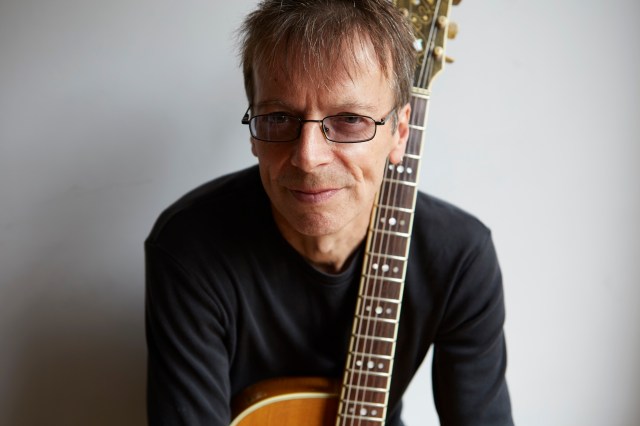
Dee Notes: Damian O Neill, for whom there’s no time like the Noir time (Photo: Rosa O’Neill)

I’m guessing No Time like the Noir Time was borne out of your time with the rock’n’roll band you were planning to play shows with when we spoke back in November 2014 (with a link to that feature here).

“That’s exactly it. You got it in a nutshell – you know more about it than me! I had that as an instrumental when I tried to get The Noirs together, which didn’t actually happen. But I still felt that was a great name for a band, so used it as a title instead. And there’s a song on the Nuggets compilation called No Time Like the Right Time (by The Blues Project).”

There’s a nice Stranglers-like feel too (and not just because of Dee’s approximation of Dave Greenfield on stylophone, but also his Hugh Cornwell-like low vocal hum), maybe again borne out of that appreciation of a Joe Meek kind of sound. And for me, there’s also an element of ‘show opener’ about the track. It’s as if the band are announcing their arrival and waiting for the lead singer to step out on stage, only realising a couple of minutes in that he’s already there, and just happens to be hiding behind his guitar.

”Do you know, I even thought about putting that up as the first track on the record. I was so close to doing that, But Brendan persuaded me to do The Love Parade instead.”

I can see that both ways, but still ssee this as the song that would draw people away from the bar and get them down the front.

“Well, if I do get this band together and play it live, I’ll definitely do that first. It would make sense to get the sound right, give the sound-man time to adjust volumes. I think that’s a great idea.”

So how about Angels in Tyrconnell Street, a thing of great beauty and another highlight for me on this impressive album. And it’s really evocative of …. well, something. Tell us more, Damian.   

“I did an instrumental demo of that track in the mid-‘90s, giving it to Raymond (Gorman) during his Wavewalkers era. He added a melody and we called it Higher Grace. We demo’d it but never put it out, so it kind of languished for a bit.

“Then I re-did it for another project I was involved with, X.Valdez, a short-lived project with an English girl singer. We went to Paris with this French producer and did that and Everlasting Breath. It did actually get a release on a small label, but not many people know about it.

“About a year ago, when I was recording the new songs and some old stuff, I thought I’d listen back and felt if I enhanced it and took away the added melody completely … I always loved the harmonies and the feel of it, so we copied it over from the original, and it was all there, basically. All I added was a wee bit of guitar, while some friends who happened to be there in the studio did a bit of piano and I added toy glockenspiel. That seemed to give it a new lease of life.”

And the title? The song suggests some form of spiritual awakening, but it also seems rather geographically-specific. I did a little research and see that address is part-way between your old family home and Undertones base and Derry City FC’s Brandywell home.

“Basically, it’s the street where I grew up, before we moved to Beechwood Avenue. I was born in Belfast but we moved back to Derry in around 1966 and lived in Tyrconnell street until 1970. I just loved the name. Tyrconnell was an Irish kingdom, and I wanted something Irish in the record, and there’s that ethereal feel of the angels … It’s about going back to your childhood.”

High Octane: That Petrol Emotion Mk.I, from the left, Ciaran, John, Steve, Damian, Raymond

Then we have one more contrast with penultimate track, Don’t Let Me Down, a far more frantic yet slow-building, broody number, as close as we get to krautrock here, I guess, and yet also including some lovely harmonies, so perhaps more Sparks-like – and it seems to be you harmonising with yourself.

“It is. And yes, that song’s different from anything else on the record.”

I wasn’t sure where you were going with it at first, but that kind of adds to the sense of anticipation, the song borne out of that deceivingly-monotonous beginning section, darkness seemingly leading to light and ultimate inspiration, with more than a few swirling moments of electronica en route.

“That’s true. And I think you can definitely hear Wire in the middle section … and a bit of Buzzcocks, with the bass.”

Yep. I hadn’t thought of that, but spot-on. And what’s not to love there? Furthermore, that’s clearly Damian on bass. Having seen him live many times in the early days of That Petrol Emotion, it seems to be a distinctive style. Brendan Kelly was involved on two tracks here, but that’s clearly Dee. And it would make for a perfect last song once he gets this band together as a live act.

Finally, Compulsion is another reimagining of a song previously tackled by That Petrol Emotion in 1990, and a fitting, rather reflective way to end the album.

“Yes. Compulsion on Chemicrazy is really, really good, but I borrowed John’s old four-track and was playing some old cassettes when that original demo came on, and felt, ‘Wow!’

This one seems to be more pared-down than the recorded version, but I kind of like that whole raw quality, Damian’s arguably-stretched, top-of-range vocal really working.

“It was, and it was just before we went to the masters stage and I felt I wanted to put this on. It was a bit hissy, but we cleaned it up a little, keeping the original guitar and vocals, which are a wee bit out of tune, but it doesn’t matter – if I redid the vocals it would have ruined it. So we kept it as it was, and there’s a lovely innocence and charm …”

But that’s not quite everything. There’s an added extra on the vinyl version’s play-out that Undertones fans will love – a snippet of Damian introducing  It’s Gonna Happen to his bandmates for the first time.

“Yes, and get this, that was 1980 or 1981. It was supposed to be on the LP and CD, but didn’t end up on the CD, as our mastering engineer thought I didn’t want it on there. So I’m afraid you have to buy the vinyl!”

Oddly enough, hearing that took me back to my own garage band days. In my case, we never actually left the garage, but made a couple of rough demos, and listening to that I get the impression we weren’t so far off. No offence, but it’s pretty rudimentary. And I almost sense your embarrassment at introducing the song for the first time to your bandmates.

“And that’s what it was like back then. For me it was always a case of, ‘Will they like this?’  But it’s a lovely little thing for Undertones fans.”

Band Substance: The Undertones – Billy Doherty, Paul McLoone, John O’Neill, Damian O’Neill, Mickey Bradley.

So there you go, and will Damian be playing live with The Undertones again soon?

“We’re having a bit of a sabbatical. Billy (Doherty, drums) wasn’t well over Christmas, and is still recovering now. We were due to do some European shows in May but have rescheduled them for autumn. We were also set to do a UK tour at that stage, but that’s been postponed to the following year. We’re at the mercy of Billy really.

“But that at least gives me the chance to completely concentrate on this … so I’ve no excuse not to do it live!”

Meanwhile, while you’ve taken a break from touring, love for The Undertones remains strong, and BBC Four marked the St Patrick’s Day weekend by re-screening the wonderful 2012 Chris Wilson/BBC Northern Ireland documentary on the band (if you’re quick enough and in the right area you should still find it on the BBC iPlayer).

“Yeah, that was great. I hadn’t seen that since we made it. I watched it with my family, and I’d forgotten how good it was.”

Well, there aren’t so many bands from that late -’70s era who can boast two great documentary films about them, bringing into consideration Vinny Cunningham’s equally-exquisite Teenage Kicks – The Story of The Undertones documentary film from 2001.

“Exactly – two great films!”

You mentioned Billy Doherty (get well soon, Billy), while Paul McLoone and Michael Bradley remain busy with radio commitments between live engagements. But what about brother John? What’s he up to right now?

“John’s actually working on another project at home in Derry … well, it’s been on-going for some years now. He’s back with Locky Morris, as with Rare.”

Ah, now we must be due a new album there. The only one I’ve got is 1998’s peoplefreak (including guitar from Damian on one track).

“It’s similar, but this time Locky’s mostly singing, and they’re set to play live in Derry … and that’s a big deal. They haven’t played live in … But they still haven’t come up with a decent name. They need a good project band name!”

Again, I add, answers on a postcard please.
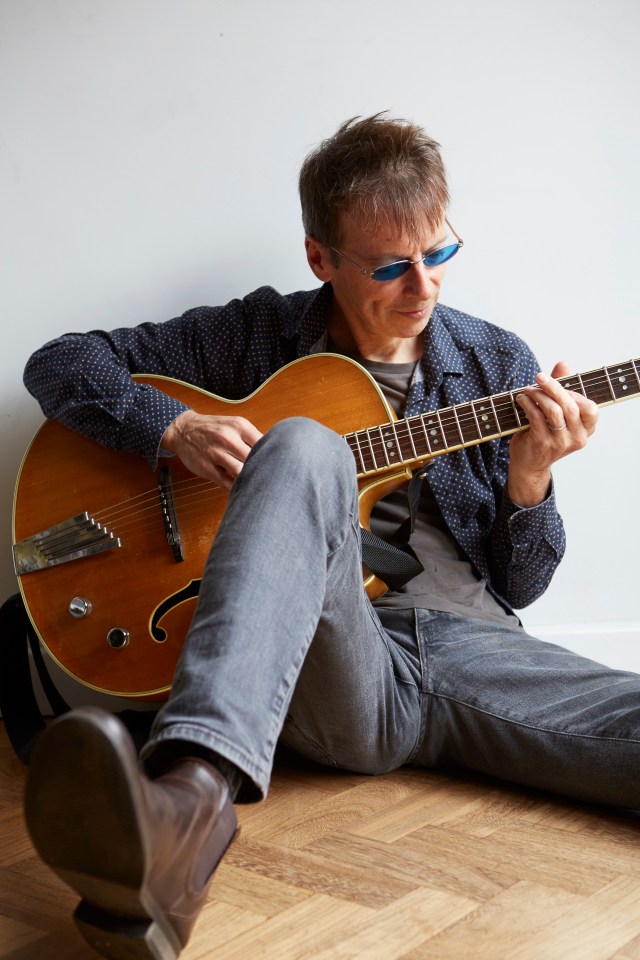
Reprise Asset: Damian O’Neill, on the record with The Monotones (Photo: Rosa O’Neill)

To find out more about Damian O’Neill and the Monotones’ Refit, Revise, Reprise, and how to order a copy, follow this link. Furthermore, Damian has now secured a distribution deal with independent label Shellshock to give the album a later, wider release, making it available in certain record shops.

Posted in Books Films, TV & Radio, Music | Tagged , , , , , , , , , , , , , , , , | 8 Comments

Studying the big Interrobang‽ theory – in conversation with Dunstan Bruce

Bang On: Griff, Dunstan and Harry, collectively known as Interrobang‽

By the time I picked up the phone to reach Dunstan Bruce, I’d given the eponymous LP by his new band Interrobang‽ nigh on three listens, and was loving it. In the words of the mighty Stump – somewhat channeling dolphins in late-80s cult indie hit, Buffalo – ‘Exclamation mark, click-click-click …’

I say nearly three listens because our agreed time-slot crept up on me like mid-life itself (tick-tock, tick-tock) before I could get to the album’s climax, hitting pause and dialling his number after blasting out track 12 of 14, Billingham, a love letter of sorts to his County Durham hometown. It’s not obviously a love letter. The chorus makes that plain. As he puts it on the record, ‘We’ll never see eye to eye, oh Billingham,’ adding, ‘You don’t even know where you are!’

It’s been a while since my last visit to that part of Teesside, getting on for 15 years, taking me back to my newspaper days, reporting on an FA Cup preliminary-round tie between Billingham Synthonia and Chorley in August 2003. To paraphrase yer man, ‘I’ve never seen ICI’ since, but liked the Synners’ Central Avenue base well enough, and folk were definitely friendly. I guess it’s different if it’s the place you spent difficult formative years though. Maybe it’s just kind of complicated.

“It is, yeah. Well, you know what it’s like, the place you’re from … how that relationship is.”

I won’t say much more, hoping you find out for yourselves, but Billingham is one of many highlights on a blisteringly-delivered debut LP, with vocalist Dunstan, drummer Harry ‘Daz’ Hamer (who served alongside ‘Dunst’ in Chumbawamba throughout the band’s 1982-2004 period) and guitarist Stephen ‘Griff’ Griffin (ex-Regular Fries) on top form. Does Brighton-based Dunstan still regularly revisit his North-East roots?

“I do. My Mum and sister live there. I pop up and see them every now and again.”

When I called he was at home on the South coast, ‘folding lyric booklets for the tour’. And I mentioned how he came up in my recent interview with fellow Brighton-based frontman Mark Chadwick, of The Levellers, for whom he made 2012 documentary film A Curious Life.

“Chumbawamba played with The Levellers back in the ‘90s, so I knew them from way back. We had a lot in common, both with something to say in our music and vilified by the music press for one reason or another. We were fighting in the same corner, I suppose. I later had the opportunity to do some work with them, turning that into a documentary.”

How did he get involved in films?

“My partner, Daisy Asquith, is a filmmaker, and we set up a production company about 10 years ago. I started helping her produce films, then got an opportunity to go to China with Sham 69, the first thing I directed.”

Ah, I was intrigued by that project, This Band Is So Gorgeous, following the group as they became ‘the first British punk band to tour China’.

“That you cannot see! There are now two Sham 69s, one of whom owns the music and the other of whom don’t. I was stopped from releasing the film because Jimmy Pursey didn’t want it to come out, as it wasn’t about his Sham 69. There’s now an official and original Sham 69, and I got caught in the middle … through no fault of my own.”

It all gets a bit messy with these outfits sometimes, and doesn’t always end with big hugs all around, seemingly getting messier on the scale from The Beat through to UB40 …

“Yeah … and Buck’s Fizz.”

Well, they were always going to be next on my list, I suggested. Getting back on subject though, there’s a feature-length history of Chumbawamba out there too, the splendidly-titled, Well Done, Now Sod Off, having gone down well at Leeds’ International Film Festival in 2000, winning an audience prize. And true to the band’s ethos, it was self-released and sold via their own website, the group opting for DVD-R rather than a silver, factory-pressed DVD. But I’m trying to avoid mentioning Chumbawamba too early in the conversation.

Am I right in thinking Dunst was also involved with Sound It Out, the acclaimed 2011 documentary about the ‘last surviving vinyl record store in his native Teesside’?

“I had a very small involvement, but Jeanie Finlay, who made it, very kindly gave me an executive producer credit.”

His film-making empire is no longer based at The Levellers’ Metway HQ in Brighton, but he’s still nearby, although there’s a link more in line with Chumbawamba’s Yorkshire roots with his new band.

“I’m in Brighton while Griff and Harry are in Leeds, and I used to live there, so I’ve got good reason to go back.”

Do they tend to send music files to each other via the internet then?

“That’s how we started. Griff was sending musical ideas and I was putting vocals over the top, cut it up then send it back, then he’d re-record and so on. Then we got into a room and developed it from there.”

Dunstan, Griff and Harry describe themselves as ‘hard-faced macho dandies shouting about the intellectual’s mid-life crisis, irrelevance with relevance, and that relentless dream of revolution!’ In so doing, ‘Dunstan’s laid-bare confessional of sorts is perfectly accompanied by Griff’s sharp-staccato guitar loops and Harry’s tight as a squirrel’s ass drums.’ And altogether it’s deemed, ‘Perfect stuff for any self-respecting chin-stoking-pogo-er with a relentless tendency for reflection and revolution’.

The frontman himself adds, “We came together as Interrobang‽ with a clear vision to create something that is current and relevant; something that speaks to our generation who grew up in the shadow of punk, with hopes and dreams, full of rebellion. What happened to that spark? How do we express our anger now? How relevant are we? How do we make ourselves heard and where do we fit in now? This isn’t comfortable or retro; we reject wholeheartedly the idea of nostalgia, we refuse to live in the past, there’s no misty-eyed looking back; this is all forward, forward motion.”

That certainly comes across on their explosive first album, which grips you from the moment they launch into the introductory Here Now – with Dunstan’s spoken-word delivery as sharp as his suits throughout – and The Inclement Weather, his body clock frantically ticking away on this life journey. This is poetry as a life-force, the sound of the words and his enunciation perfectly complemented by Griff and Harry’s backing vox and instrumentation, each integral to a fulsome sonic experience.

On Asking for a Friend our frontman sounds like Salford poet Mike Garry fronting The Blue Aeroplanes, getting with the programme as he asks, ‘I haven’t actually checked, but is this trending yet?‘ Then, for Are You Ready, People? we change direction around the minute-mark, the call-and-response shouty vocals keeping the energy levels topped up.

Another gear is found on Mad as Hell, our man venting his spleen dramatically, forcefully proclaiming, ‘I’m sick to death of being asked to keep calm,’ over Diggle and Shelley-like guitar. But if that’s about Dunst being ‘angry, still angry’, there’s a surprising calmness to Curmudgeon, for all its underlying tension. It’s more reflective than you’d expect, but all the more powerful for it, our host exuding understanding as he paints a picture of, ‘A grumpy curmudgeon in a state of high dudgeon.’

For Music of the Gross, Griff is back to the fore with a wondrous six-string assault on the senses, on the album’s most Fall-like song. And by the time I reach Taciturn I realise they never overstay their welcome, another track done and dusted before three minutes are up. Then, on Do You Remember? Dunstan takes us all back again, this time borrowing from The Mekons’ mighty ’78 moment, Where Were You?

For Love It All, we get more Cooper Clarkesque one-liners, DB telling us, ‘I’ve got to tell you at this point, I never craved to be an astronaut. I was always too down to earth (for what it’s worth).’ And while we’re talking word mastery, Harry’s insistent beat sets up an echo of the Buzzcocks’ Everybody’s Happy Nowadays on Based on a True Story, Dunst confiding, ‘I’m not too scared to admit I think about my own obituary. I contemplate its contents consistently, it comes with the territory. There’s a playlist written in my head, says all there is to be said about me. Poignant, pithy, full of prose, that will bring this life to a close, precisely.‘ Genius.

It’s at that point that we head off to Billingham, the cry going out, ‘Man overboard, abandon hope!‘ And then we’re away on two more high-points, the spirit of the concept at this album’s heart there on Breathe, Dunstan soul-searching, asking, ‘If it’s a question of curiosity, what’s gonna happen when I hit 60? Will I still be hungry? Will I still be angry? And will I still have the energy?‘ Then, Griff and Harry are tight as hell as we depart in style in punk rock riff regality on Am I Invisible Yet? But before he becomes a memory, our man poignantly points out, ‘This is someone who was someone once‘.
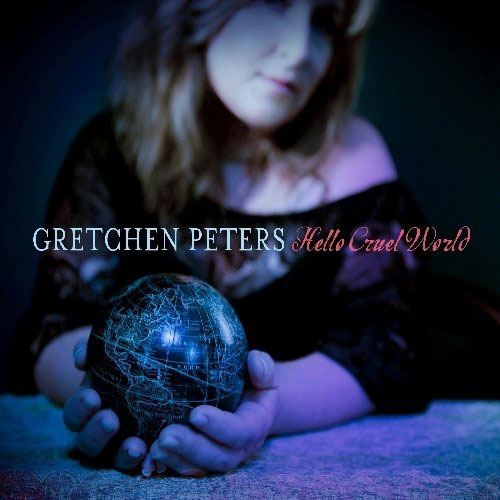
On their website, the band mention a ‘mood-board’ of influences. and I tell my interviewee I’m not surprised to find Wire, Dr Feelgood and The Fall hanging there. What’s more, I tell him I hear late ‘70s Pete Shelley on something like Mad as Hell, and the afore-mentioned John Cooper Clarke there and thereabouts.

“Oh wow, well, that’s what I grew up with.”

He adds to that initial list names like Gang of Four, Grinderman, Sonic Youth, Art Brut, MC5, Fugazi, and ‘that sort of thing’. Meanwhile, I mention those Mekons signposts on Do You Remember? and ask how aware he was of chenneling that band – another with Leeds roots. His response? “Oh, of course. I rip that line off! I make no denial of that. We have Mekons connections, and Interrobang‽ played Mekonville, while Jon Langford’s a fan of what we’re doing.”

Getting back to those band descriptions, they also call themselves an ‘angry motorik loop-driven post-punk rock three-piece,’ creating their ‘very own agit-punk-funkstorm,’ citing an ‘angular, taut, urgent, pulsating and intense’ vibe, ‘tight, terse and to the point’. I should try adding my own description, but they put it so well.

I can see all that, I tell him, but will he allow me to let on to the world that this is – for all intents and purposes – a concept album?

“Yes, of course. It is, weirdly, a concept album. You’re totally right – you busted me!”

While the concept in this case is the midlife crisis, it’s a far more pro-active one. Don’t expect Dunstan to go out and get a tattoo, buy a Harley Davidson, or embark on some extra-marital affair. For him, it seems to be more about frustration that – for all those youthful ideals – things haven’t really moved on, politically, with this performer clearly not yet willing to slip into middle-age.

“What happened was that I started writing this around about when I turned 50, thinking about how I fitted into the world, what my role was, and what you could possibly achieve as a 50-something Dad and what you’re doing with your life. Do you still have a voice? And are you relevant? Songs like Am I Invisible Yet? are about trying to deal with becoming less and less relevant as you get older.”

Well, I’ve just hit 50, and I certainly get it. But when he talks about his inner Curmudgeon, ‘not much of a talker,’ is that really him?

“That’s about my Dad, and what I might have inherited from him. I’ve spent a lifetime battling that and now I’ve reached a point where … basically, that song’s about my dad dying and what happened then.

“It was quite a cathartic thing and helped bring a little bit of closure to my relationship with him. He died in the ‘90s, and that made me think about my relationship with him, and how he was from another generation and all he was doing was trying his best. He had a hard childhood and was of an age where Dads were not that pleasant … and he felt incredibly guilty about that.”

Dunstan, whose father was a fireman in Billingham, has teenage children of his own these days, aged 13 and 15, who he reckons are, ‘happy but suitably unimpressed with what I’m doing!’

Well, I reckon they’ll appreciate his worth soon enough, and while I’m at it, there are some neat post-punk style riffs here. How do they write though, so far apart? What comes first?

“I started writing when me and Griff had the idea, him thinking he’d do the music,  providing me with the sounds. I told him what I wanted and he really wanted to engage with it and concentrate on that. We’ve always given each other freedom – he never questions what I write, and I don’t question what he comes up with. We both have a respect for each other’s creativity. The hard bit is getting it all together.”

Cafe Society: Dunstan, Harry and Griff take a break from their labours,

You were working on a spoken-word existential project before, I believe.

“Yeah, I did that because Interrobang‽ couldn’t necessarily play all the time, so I had that outlet, a different way of presenting it – the same sort of thing but done a different way, which I think nowadays you can sort of do. I didn’t feel restricted by the band line-up.”

It certainly works in this form too, and while I’ve already mentioned JCC or fellow Salfordian performance poet Mike Garry guesting with The Blue Aeroplanes, elsewhere it could be Mark E. Smith fronting Dr Feelgood. In short, it’s right up my street. I love the name too, and can’t believe that was still on the shelf, as it were.

“Well, we had to use it with the symbol at the end. We do occasionally get messages for a rap band from Liverpool and possibly another in America, something I hadn’t realised at the time.”

So is it having the interrobang at the end of the interrobang that defines you?

“Yeah! And I love that symbol. It was that, graphically, that attracted me in the first place, the idea of seeing that everywhere. Then, finding the dictionary definition – the combination of the question mark and exclamation mark just seemed perfect for what we were trying to do, being appalled by, and at the same time questioning, the state of the world. It’s the perfect combination and works really well for what we’re doing and what I’m saying.”

That definition, by the way, is of a ‘non-standard punctuation mark used in various written languages and intended to combine the functions of the question mark and exclamation mark (known in printers’ and programmers’ jargon as the ‘bang’). A sentence ending with an interrobang asks a question in an excited manner, expresses excitement or disbelief in the form of a question, or asks a rhetorical question. For example: What‽ What the fuck‽’

While Dunstan has made it clear he’s not one to dwell on the past, almost inevitably I ask about his past in Chumbawamba, a band described in the Interrobang‽ blurb as an ‘anarcho-pop-cabaret troupe’. Besides, it is him sharing vocals on 1997 hit, Tubthumping.

“I totally embrace that, and I’m proud of that. It allowed us to do a lot of things as a band that we’d always dreamed of doing, having that platform, being able to say something in the mainstream media. It was a wonderful opportunity and led on to other things. That was about songs we wrote in our 20s, while we’re trying to talk to this generation, although a lot of those people grew up in the shadow of punk. A lot of our references are from the past, but what we’re saying is contemporary.”

There’s a quote from Interrobang‽ saying, ‘We all know by now that just singing a politically-righteous song isn’t going to change the world. In fact, as some band back in the ’80’s once said, ‘The music is not a threat; action that music inspires can be a threat.’ With that in mind, it seems that this LP is on some levels an extension of Tubthumping. If that was about the resilience of the ordinary man, perhaps this album is about hitting back, not just putting up with constant knocks.

“That’s a good way of looking at it. A nice connection. I like that idea.”

Lining Up: Dunstan, Griff and Harry take their places and move on up

And how does this compare his pre-Chumbawamba existence in Men in a Suitcase?

“Ha! That was just about being inspired by punk and that whole idea that anybody could be in a band, anyone can do it – stop being impressed by musicianship and the fact that there’s a distance between bands and audience, get up there and do it yourself. Men in a Suitcase was really just one of my first fumbling attempts to get up on a stage, that desire to get up there and create something.”

What’s more, how does it work live, if he’s not playing an instrument? There’s no doubting the power of the voices, but most trios of note at least involve guitar, bass and drums.

“Well, the backing vocals are equally important. There’s no bassist – Griff is doing the thing with loops – putting guitars on top of guitars. We did try rehearsing with a bassist a couple of times and it just didn’t work. It wasn’t right. We were so used to not having a bassist that we couldn’t get it to feel comfortable. We knew the sound we wanted, and it would have been pointless to muddy it up with other instruments.”

My main excuse for talking to Dunstan was his band’s show at The Yorkshire House in Parliament Street, Lancaster, on Wednesday, April 4th, profits going to the Imagine Independence mental health charity (for tickets and more details follow this Facebook link). In fact, there’s a charity aspect to all the Spring tour dates, mostly for homeless projects. And as Lancaster show organiser Malika Mezeli put it, mental health issues are ‘often a prerequisite for being homeless.’

So, an obvious question maybe, but why the link to homeless charities?

“I do a lot of stuff down in Brighton, outreach work, out on the streets, especially in cold weather, handing out food and drink to homeless people. I’ve been doing that quite a while, and although it’s great to be in a band, going around playing rock’n’roll, It felt like it could be something more than that.

“Once upon a time I’d be up on a stage in front of thousands, or on television where millions would be watching. Now I could be playing in a pub to 50 people somewhere but it’s just as important to use that opportunity.

“Gigs are a place where people come together and have this feeling of communality, and that can be just as important as actually watching a band, having that experience. So it’s a good opportunity to actually say something that’s a bit more than just playing rock’n’roll.”

Support at Lancaster is from four-piece Year of Birds, featuring Oli Heffernan and Danielle Johnson, both also with Anglo-Dutch outfit King Champion Sounds, a band cherished by this blogger (with a review of their March 2017 show at The Continental in Preston here).

”They’re doing three or four of the Northern gigs. I really wanted to not have gigs that were just men on stage. We wanted women visible. We’re an all-male outfit and I didn’t want every gig to be awash with men. And I think Danielle’s a complete and utter inspiration. I love her attitude towards the industry and what she’s doing. It’s great.”

While Dunstan’s former band met on the West Leeds squatting scene in the early ‘80s, there’s a strong East Lancs link too, founder-members Allan ‘Boff’ Whalley and Nigel Hunter, aka Danbert Nobacon (also remembered for tipping an ice bucket over Deputy Prime Minister John Prescott at the 1998 Brit Awards) coming from Burnley, as was the case with fellow early recruits Lou Watts and Alice Nutter. And that’s kind of relevant seeing as the Interrobang‽ tour opens in nearby Todmorden, supported by Liines, just across the county border.

As it was, Dunstan, Harry, Alice and Danbert left Chumbawamba in 2004, although the outfit continued until 2012, reaching 30 years together. Is Dunstan still in touch with them all?

“Yes, in fact, one of the successes of Chumbawamba is that we’re still really good friends and we all still have projects that maybe overlap, working in the same sort of world.”

And I guess I shouldn’t really be surprised that members of the band ended up deeply ensconced in the arts – as film-makers, in art, acting, playwrights, novels, and so on.

“Exactly that, yeah.”

Last I heard of, Boff (interviewed for these pages back in January 2014, with a link to that feature here) had pulled out – along with Nadine Shah – of an appearance at this summer’s Great Exhibition of the North on Tyneside, being staged with £5m from the Government’s Northern Powerhouse fund, with his Commoners’ Choir, protesting at event sponsorship from BAe Systems, unhappy with the firm’s latest arms deal with Saudi Arabia. It seems that they all still have that same campaigning edge, as I put it to Dunstan.

“Yeah, and Danbert’s over in America, with his own world of politics, activism, music and art. It’s great seeing people fighting their own battles with their own organisations, whatever they’re doing.

“And it’s important to be creative in the midst of all the shit. That’s a really powerful thing.”

Three’s Company: Interrobang‽ could well be coming to a town near you this Spring.

The 14-track self-titled Interrobang‽ debut album is out on March 30 in a trifold digipak CD with eight-page booklet. You can also order a limited-edition deluxe LP with gatefold sleeve and coloured vinyl via independent record stores, with a small amount available on the Spring tour. The LP is also digitally available from regular download and streaming platforms.

Interrobang‽ UK Spring tour dates: Fri March 30 – Todmorden Golden LionSat March 31 – Wellingborough Horseshoe InnSun April 1 – Newport Le PubMon April 2 – Bristol LouisianaTue April 3 – Leeds BrudenellWed April 4 – Lancaster The Yorkshire HouseThu April 5 – Newcastle Cluny 2Fri April 6 – Nottingham MazeSat April 7 – Middlesbrough WestgarthSun April 8 – Birmingham CentralaMon April 9 – Manchester Jimmy’sTue April 10 – Milton Keynes Crauford ArmsWed April 11 – Brighton Prince AlbertThu April 12 – London The IslingtonFri April 13 – Ramsgate Music HallSat April 14 – Scunthorpe Cafe IndependentFor more info head to the official band website and keep in touch via Facebook and Twitter.  


Posted in Books Films, TV & Radio, Music | Tagged , , , , , , , , , , , , , , | 1 Comment