Lisbee Stainton / Glyn Shipman – Ribchester Village Hall

1613986_10152071206851943_2702678048275280904_n

Having fallen foul of weekend gridlock on English motorways many times between the South-East and North-West, my heart went out to Lisbee Stainton on Friday night.

After an eight-hour stop-start drive from London to rural Lancashire, she had barely half an hour to spare before facing a small but appreciative audience at Ribchester Village Hall.

Lisbee was topping the latest Hollow Horse bill, Carl Barrow’s inspired idea bringing acclaimed musical acts to under-used community venues in the Ribble Valley.

Behind the friendly welcome, the promoter appeared a little anxious about his star attraction’s delay. But thankfully, special guest Glyn Shipman was playing a blinder, adding a few songs to his set – a half-hour slot becoming much more.

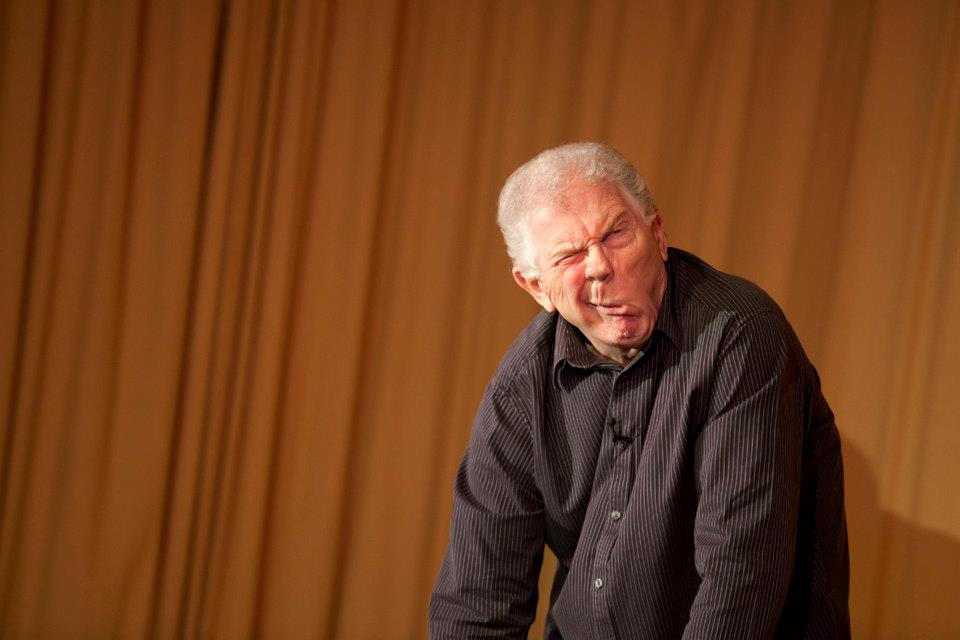
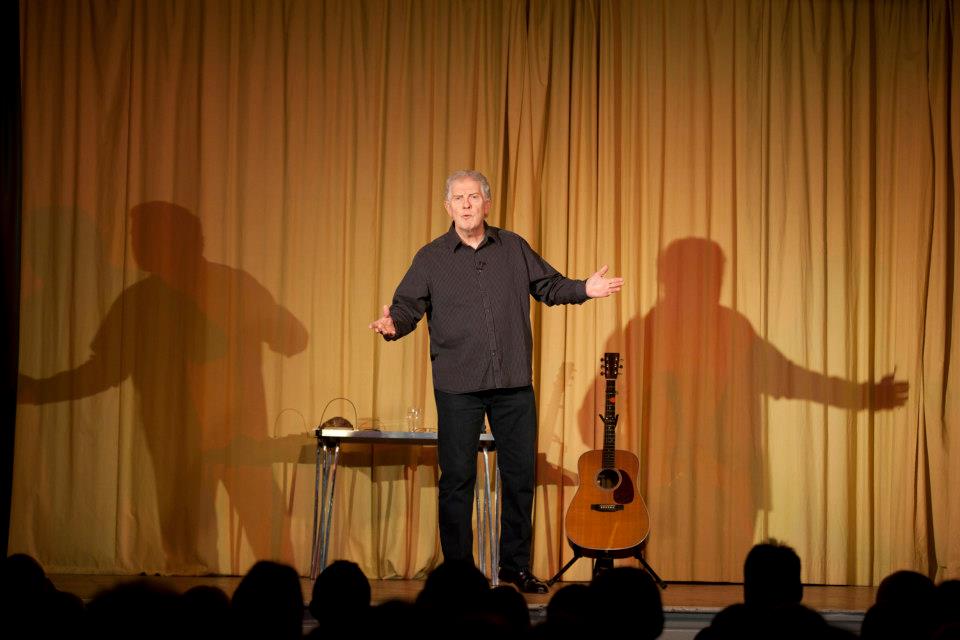
Special Guest: Glyn Shipman played a key role (Photo: Malcolm Wyatt)

Special Guest: Glyn Shipman played a key role ahead of Lisbee’s Ribchester visit (Photo: Malcolm Wyatt)

Glyn’s Ian Broudie-like acoustic guitar and harmonica delivery was nicely augmented by nervous but personable between-song chat with a crowd that was always on his side.

His songs are as personal as they are pensive, and while he was eventually looking at his watch and set-list, working out what to try next, he was willing to try a couple for the first time in public.

Then there was ‘growing old’ song Woke Up This Morning and story songs tackling everything from Jack Ruby to displays of love on motorway bridges and a zoo-bound monkey with a plan.

We were also treated to a poignant WW1 tale about his Grandad, Maple Gardens, and one about his father’s enthralling conjuring tricks, My Dad’s Magic, the audience wondering if the whole family were going to be name-checked before Lisbee arrived.

We weren’t to be disappointed though, this critically-acclaimed Hampshire talent appearing red-faced and nervous but quickly ready to roll. And 17 songs later she’d made a lot of friends in this tucked-away pocket of Lancashire.

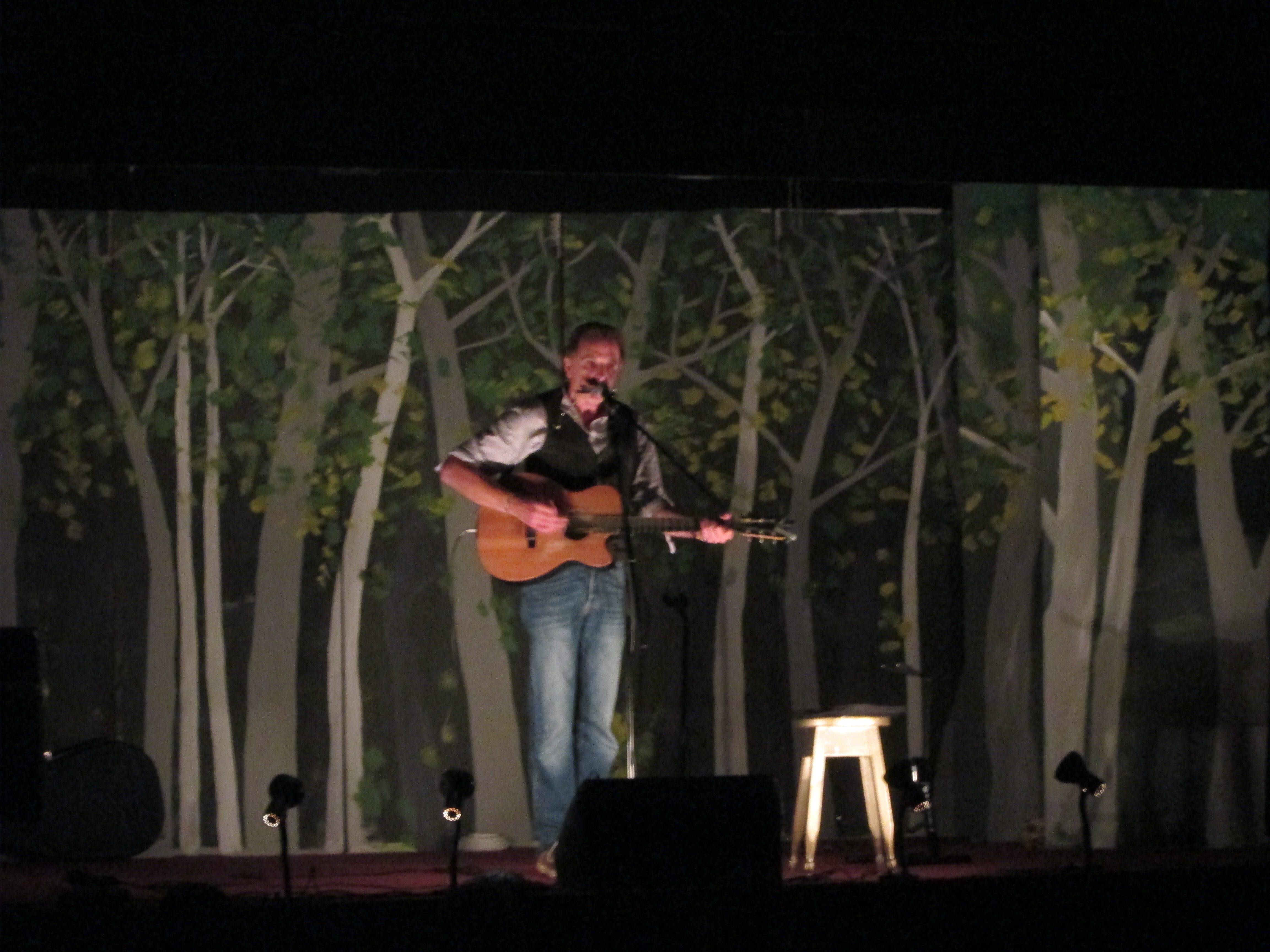
Woodland Setting: Lisbee Stainton, live at Ribchester Village Hall (Photo: Malcolm Wyatt)

Woodland Setting: Lisbee Stainton, live at Ribchester Village Hall (Photo: Malcolm Wyatt)

If taken aback by the pantomime woodland backdrop at this near-perfect setting, Lisbee never let on, and from the Joni Mitchell-like opener Is Whispering, she was away.

All that time on the road (sorry) in her own right and as part of Seth Lakeman’s band has clearly ensured a consummate performer, one at the top of her game too.

Wrench was next, from 2011, the twang of the low strings beguiling, then the title song of 2010’s Girl on an Unmade Bed, covering this young artist’s future prospects, written while still at uni, no less strong without the LP version’s glorious harmonies.

Eloise was the first of several fine cuts from current album Word Games, Lisbee soon reminiscing about a night supporting Joan Armatrading in Europe when traffic woes  meant she was even later – arriving on stage 15 minutes before showtime.

She’s clearly big on audience participation, something perhaps honed from all those living room gigs in recent years, and split us into three sections to sing along on third album Go’s title track, again with those inventive chord sequences to the fore.

We were given a choice of ‘sexy’ or ‘dark’ next, and not surprisingly the gigging folk of Ribchester went for the former and were treated to the sensuous Dance with Me, one of at least two songs taking me back to Judie Tzuke.

Perfect Venue: Ribchester Village Hall

Perfect Venue: Ribchester Village Hall

Powerfully-brooding Word Games track The Poppy followed, one of several with horticultural links, part-homage to Lisbee’s mum’s background as a garden designer.

Our ‘English Rose with the eight-string guitar’ was soon among us, happily talking tuning techniques and traffic nightmares during a break, then returning for an assured second set.

She re-started with songs from each of her four albums, first requesting us to stomp and clap along in lieu of percussive backing on Navigating, before the upbeat Just Like Me and more pensive The Author kept up the high standard.

The latter was delivered with a haunting vocal bringing to mind Cocteau Twins’ Elizabeth Fraser or The Sundays’ Harriet Wheeler, while one of the tracks that launched her, the beguiling Red from 2006 debut Firefly, offered a further example of Lisbee’s ‘plant music’, her audience increasingly engrossed.

When she introduced the gorgeous Sundays-esque We Don’t Believe in Monsters, one female audience member responded with a matter of fact ‘We do!’ – a further example of the laidback heckling at this intimate soiree.

Our would-be holiday camp entertainer then led a sing-along on Red Dog Running, the catchy Word Games opener, an impressed Lisbee subsequently asking if this talented audience could join her tour. There was a major take-up, although someone added a stern ‘as long as you’re on time’, bringing audible gasps from elsewhere.

wordgames500From there we had the laidback crossover pop of Never Quite An Angel, then the new album’s title track Word Games, a slow-builder that again went down a storm.

It was never in doubt that we were getting an encore, and Lisbee obliged with two delicious cuts from Go, starting with the wonderfully-optimistic Sidekick – telling us about its accompanying ‘on the cheap’ video, filmed in central London.

Then there was Find Me Here, a gem of a finale, neatly rounding off a great night’s entertainment.

Lisbee’s star is ever-rising, but at least for now we can enjoy her on a more intimate level, whether guesting with others, playing with her own band, or on her tod.

And those who experienced her live at Ribchester certainly won’t forget her.

For an interview with Lisbee Stainton on this blog, and further links to find out where you can catch her on tour, head here.

With thanks to Carl Barrow, with more details about his forthcoming Hollow Horse shows to be found here.

Posted in Music | Tagged , , , , , , , , , | 1 Comment

Northern Soul icon back and raring to go – Judy Street’s UK return

10620694_637491583016850_6151549973924304440_nFour months ago, it was announced that Judy Street – the subject of a feature on this blog barely a week earlier – had been turned back on arrival at Manchester Airport ‘due to an inadequate work permit’.

That scuppered a planned five-date visit for the Nashville-based Northern Soul cult legend, the promoters of her Preston’s Got Soul special appearance apologising for a situation they said was ‘out of Judy’s and our control’.

The singer and music teacher was devastated by that turn of events, although moves were soon afoot to rearrange part of that visit for later in the year.

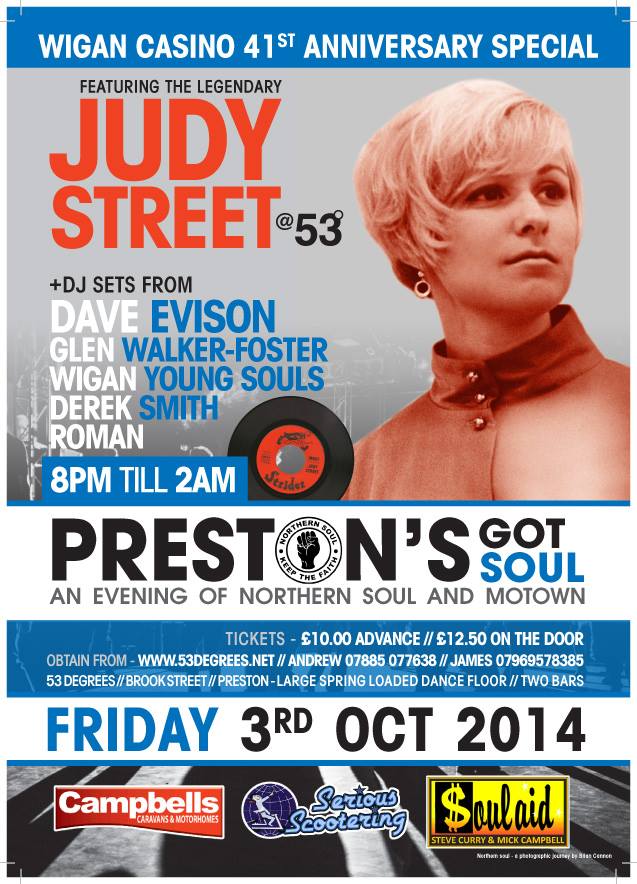
That has now become a reality, with the performer set to headline the next Preston’s Got Soul show at 53 Degrees on Friday, October 3.

Judy remains something of a cult hero on the scene after recording one of Northern Soul’s most-coveted tracks of all time 45 years ago.

The Tennessee resident only recorded two songs in the 1960s, yet passed into the annals of soul history thanks to Hollywood-based songwriting legend HB Barnum.

Cult 45: You Turn Me On/What, the original 1968 pressing

Cult 45: You Turn Me On/What, the original 1968 pressing

As a sweet teen – just turned 19 – she delivered slow-burner You Turn Me On and seminal dance track What in 1968, the flip-side of the single going on to catch the imagination on Wigan Casino’s legendary all-nighter scene around five years later.

That B-side has never been out of fashion since, and although only 1,000 copies were initially pressed, it is rated among Northern Soul’s finest moments.

Judy was born in Indiana, discovered in Arizona and recorded in California before settling in Nashville, Tennessee, where I caught up with her before her re-arranged UK trip.

So Judy, everything went a little awry last time you turned up in England. You wrote a bit about it on your website, but if the memories aren’t too painful, try and tell us what happened and why you were refused entry.

“I guess I have told this story 1,000 times already. Here is the short version!

“In all my negotiations for singing at five venues in England and Scotland in May, not one person – myself included – thought about asking if I needed a work permit for these engagements. So I did not have one when I arrived at customs in Manchester.

“After a six-and-a-half-hour delay in a small room, interrogation, searching, finger-printing and being treated like I was a criminal, they allowed me to go all the way to Preston to stay for one night.

“But that was on the strict understanding that I would return the very next morning at 7am for my deportation back on Delta Airlines to the US.

“I was not allowed to have my passport back until I touched down on American soil the next day. I was just sick to my stomach over this.”

But there was a little light at the end of the tunnel, and it came shortly after you arrived back on American soil.

“Well, as soon as I touched down in Nashville back in May, I was at the baggage carousel when my phone rang.

“The display suggested it was my son, so I answered, ‘Hi honey!’ And this voice said, ‘This is not your honey, it’s Russ Winstanley!’”

I’m guessing that’s Russ Winstanley, the famed Northern Soul promoter and DJ?

“Yes! He said, ‘I would like to invite you to sing at one of the largest Northern Soul weekenders in England this year, in September. Would you consider doing that?’”

A plan quickly formed, and that’s where Judy is now, with a trip to Skegness in Lincolnshire sketched in, and the original Preston date back on the cards too.

10418204_619559498143392_7194916139502732847_nThere was a big reaction via social media and your website to that customs nightmare at the time, suggesting the strength of your UK fan-base today – all these years after recording the Northern Soul anthem that made your name.

“My fans were wonderful in all their support during that time.”

I take it everything’s in order this time around, and you’re raring to go.

“If you mean do I have a work permit number … yes, I do!”

Your eldest son was at your side last time. Is he coming over with you this time?

“Since things were so crazy last time, I don’t want to put anyone in that position again, and I am coming alone this time.

“My son is all out of time off work for this year. Maybe next time, but that is getting ahead of things.”

What’s your itinerary? Will there be time for a little sight-seeing while you’re over? Is there anywhere in particular you want to see?

“Yes, I do have the weekdays off, and plan on doing some sight-seeing. Pretty much like in May – to Wigan, Liverpool, Preston …”

What will you be up to in Skegness? The Butlin’s bill looks impressive for Northern Soul fans.

Esteemed Company: Judy with HB Barnum in 2012 (Photo: Judy Street)

Esteemed Company: Judy with HB Barnum in 2012 (Photo: Judy Street)

“The Butlin’s Northern Soul weekender is pretty much the bee’s knees – so cool! I will be the opening act on Friday night of that event, just before Archie Bell and the Drells.

“Make sure you get there early, so you don’t miss me. I’ll be singing with Diane Shaw’s band. What a privilege that will be!”

Do you think you’ll finally get to learn first-hand that Preston’s Got Soul the following weekend? And will you be singing live?

“Yes! That following weekend I will get to do a ‘re-do’ of my Preston’s Got Soul date.

“It will be me singing with my tracks, like I had planned in May. Two sets, two changes of outfits. This girl is happy!”

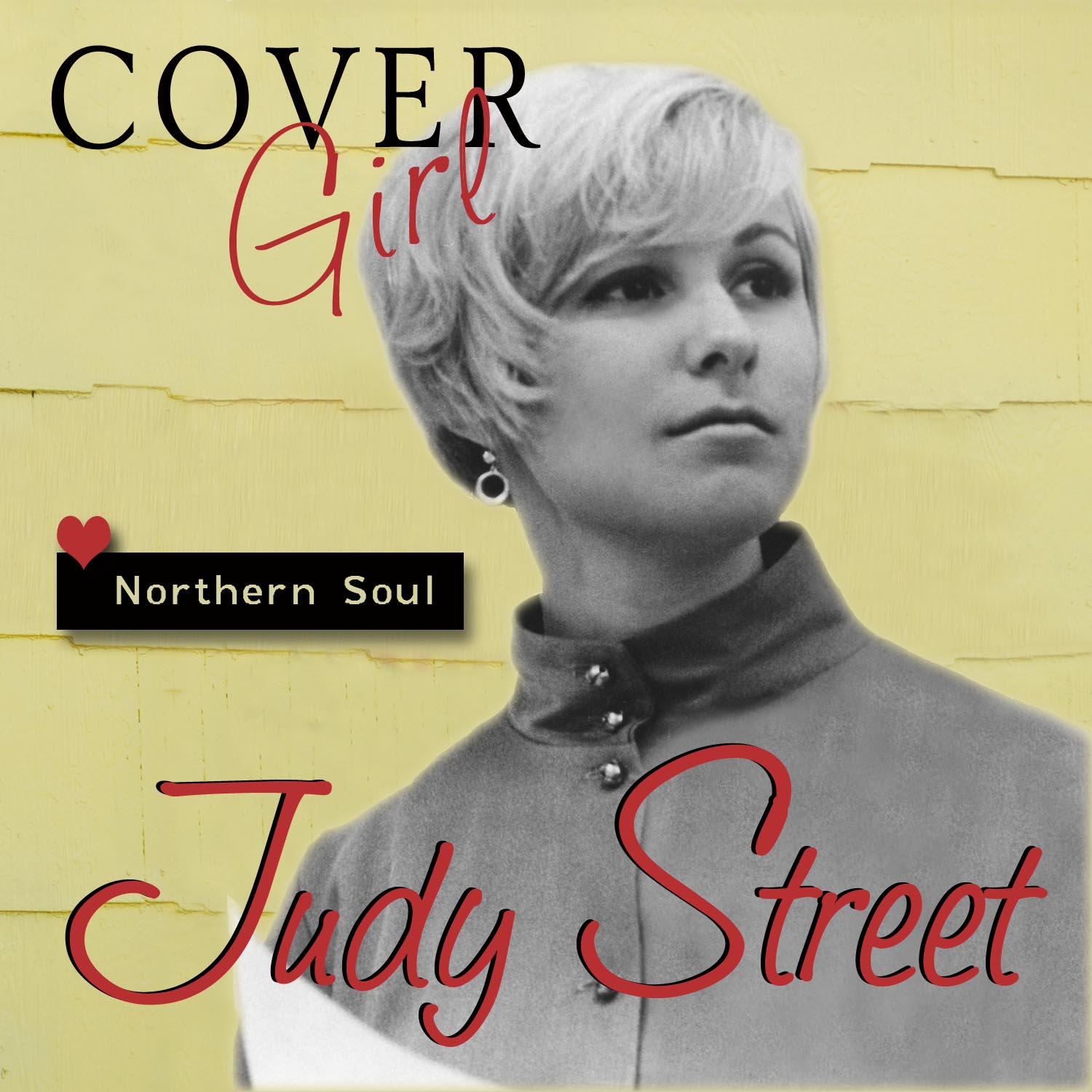
While back in the UK, Judy also aims to promote her new Cover Girl CD, a collection of original songs and much-loved Northern Soul tracks.

That latest recording includes new versions of Northern Soul classics like Do I Love You (Indeed I Do), Long After Tonight Is All Over, Sunny, and Tainted Love.

Judy cover yellow FINAL (1)Will we be able to get our hands on a copy during your visit?

“As far as Cover Girl is concerned, we decided to hold out for its release until I can perform it live.

“So yes, September 26 to 28 in Skegness and then October 3 in Preston it will be available to purchase!”

Judy was also set to make public appearances in Wigan, Edinburgh, Manchester and Bolton last time around. Will she be coming back to do more UK shows soon?

“Now I know all about how my work permit works, I plan on being able to come back many times in the near future. And I’ve already been asked to come back to Scotland.”

For the original Judy Street feature on these pages, head here

Judy’s Preston’s Got Soul headline appearance is part of a Wigan Casino 41st Anniversary Special at Preston’s 53 Degrees, featuring the best in Motown and Northern Soul and also including DJ sets from Dave Evison, Glen Walker-Foster, Wigan Young Souls, Derek Smith, and Roman.

For ticket information go to http://www.53degrees.net/ or https://www.facebook.com/PrestonsGotSoul.

The Butlin’s Skegness Northern Soul Survivors Weekender runs from September 26 to 29, headlined by Archie Bell and the Drells and also featuring – along with Judy Street – Dean Parrish, Tommy Hunt, Chuck Jackson, the Flirtations, The Diane Shaw Band, Johnny Boy and The Wigan Young Souls Dancers. For more details head here.

Alternatively, check out Judy’s own website for her own updates and information here.

This is a revised and expanded version of a Malcolm Wyatt feature for the Lancashire Evening Post. For the original online version, head here


Posted in Music | Tagged , , , , , , , , , , | Leave a comment

Phil Cool, John Foxx and the Swing Park Incident

To coincide with my recent John Foxx and Phil Cool interviews on this blog, here’s the part of the jigsaw that links those features – the true story of that broken nose incident, or at least Phil Cool’s version of the tale.

941573_534869166554237_732577278_n

My Version: Phil Cool puts it his way

Heard the one about the rubber-faced funnyman and future electronic music star who had their first hit on a Lancashire swing park?

It’s been 30-odd years since Chorley schoolmates Dennis Leigh and Phil Martin met, but a recent feature on this blog and in the Lancashire Evening Post may well have re-opened the lines of communication.

Not recognise the names? Well, try their stage names instead – the former having made his name as musician John Foxx and the latter as comic Phil Cool.

An interview with the ex-Ultravox frontman in late July, marking his honorary doctorate from Edge Hill University, included a few lines about his school-days with Phil.

John, arguably best known for solo hit Underpass and his pioneering career in art and music, told me at the time: “We knew each other very well at school and after.

“He broke my nose on St Mary’s Rec and says it’s one of his greatest achievements!

“Later on, I sometimes used to go with him to club gigs at Horwich Loco and Wigan Labour Club. He did about 20 years of that. No wonder he’s good.”

As it turned out, Phil read those words and felt the need to tell me more, to cast more light on that infamous incident.

The Chorley-born and bred impressionist was at St Augustine’s Secondary Modern School with John, who was then known as Dennis.

Park Survivor: John Foxx has never looked back since (Photo: Edge Hill University)

Park Survivor: John Foxx has never looked back since (Photo: Edge Hill University)

That seat of learning later amalgamated with a girls’ school and became Holy Cross High School. But that’s another story.

Phil said: “It was nice to hear about my old mate again. I haven’t seen him for 30 years. We both had a contract with Virgin Records at one stage.

“Last time I saw him was in London while doing a video shoot. We might have spoken a few times on the phone since, but it would be nice to talk again.”

Phil’s own Virgin deal was for the album, Not Just a Pretty Face, and he added: “They wanted a single to go with it, so I took up this suggestion to do Bridge Over Troubled Water in a Rolf Harris style.

“That was something I’d done a snippet of on my BBC television series at the time, but was trying to get gags in between the lines. In retrospect it was a real mess!

“It’s probably the worst single that’s ever been made, although it was good fun to do at the time.

“They made a video of it as well, with me in a recording studio and lots of kangaroos working the faders and knobs in the control room.”

I’m not so sure it would be getting too much airplay these days, not least in light of Harris’s recent court case.

Phil added, in a deadpan style: “I don’t think you’ll find it anyway. It’s only me that’s got a copy … and I’m going to burn it!”

philcnjapf1033926232810So is that right about giving John a broken nose on Chorley Rec?

“Yes, it just sounded more romantic than it actually was. As if I’d been in a fight with him.

“He must have been about 11 at the time. Like a stupid kid I more or less invented this silly game, which I’d just tested myself, and said to him, ‘Try this, Dennis.’

“We were kneeling down with our eyes level with this swing – the old sort on chains, with a wooden base rather than rubber like today – then throwing it as hard as we could away from us.

“Then, when it swings back and it’s about to hit you, move away. I’d done it myself a couple of times, then he tried but didn’t get away quick enough.

“The damn thing hit him straight in the bridge of the nose. There was blood all over the place, and an ambulance came and took him away.

“I felt really stupid and guilty for being so daft. I turned up at his house the next day, knocked on the door, it opened and he stood there like a mummy, his head wrapped in bandages.

“His mother was stood at the side of him. He couldn’t talk, but she said: “Our Dennis has broke his nose and he’s not coming to school today.”

Did she know of your involvement?

“I suppose he hadn’t had chance to tell her by then, because he couldn’t talk!

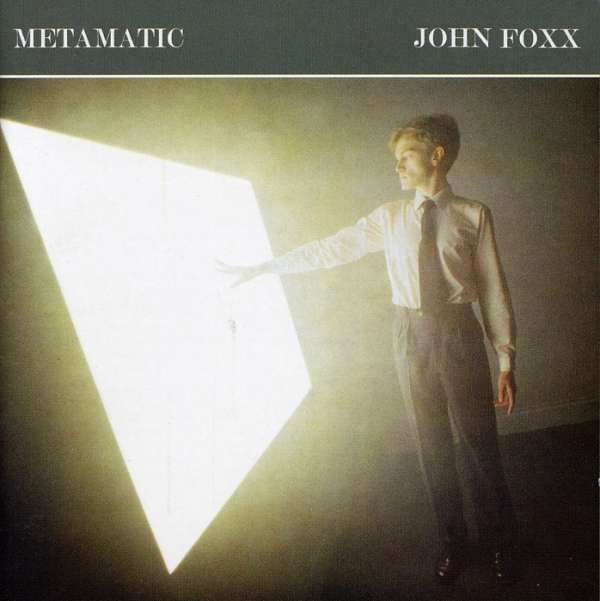
john_foxx-metamatic“I’ve often thought of that and how horrible it was. But I guess it was just lads mucking about, daring each other to do things.

”Besides, in the photograph you used, his nose seems alright. So whoever patched his nose up did a good job.

“And when we met again in our mid-30s he looked fine to me then too.”

Phil mentions more about his Chorley childhood and early work-days in a cotton mill and as an electrician in his autobiography, Phil Cool – Stand Up Chameleon.

He said: “I was at that school from around 1959 to when I was 15 in 1963. It was a horrible time. I hated it. But Dennis and I were in a class together for a short while.

“He was nearly 12 months younger, but a really good artist and used to get lots of pictures up on the wall, as I did with my own.

“There was another good artist actually – a fella called Psychedelic Sid, also known as Michael Kavanagh. He was from Brinscall. A real character, and a good friend too.”

For a full interview with the ‘stand-up chameleon’ – including more anecdotes about his Lancashire upbringing, his TV days, his past health struggles and farewell live shows, head here.

And if you missed the John Foxx feature that prompted this feature, try this link.

Posted in Books Films, TV & Radio, Comedy & Theatre, Music | Tagged , , , , | 2 Comments

End of an impressionable era – the Phil Cool interview

25331_106785422695949_2601037_nForty years after swapping the electrical trade for the comedy circuit, Phil Cool is all set for his final shows back in his native Lancashire.

And it’s perhaps rather apt that there’s been no great fuss about the former TV regular’s retirement.

I found a cutting recently of my last Phil Cool live review, from when I was a reporter for the Chorley and Leyland Guardian. The date was missing, but the only record I could find online suggested my last chat with the Chorley-born comic – carried out around a week before – was in October 1999.

Rather poignantly I recalled how this down-to-earth entertainer seemed genuinely surprised that the audience at that Chorley Town Hall show had stuck around for the second part of his set.

That seemed to sum him up. There was nothing ‘showbusiness’ about this performer. He just happens to have that ability to make people laugh, and not just because of that ridiculously rubbery face he uses to such good effect.

I was genuinely surprised recently when he called me, via the Lancashire Evening Post.

321369_534869203220900_1468068715_nHe really only wanted a number for his old pal, John Foxx, the original Ultravox front-man I’d just interviewed. But there and then we arranged a proper chat, not least on account of the fact that his farewell shows were approaching.

In 2013 he’d set out on his ‘last tour’, having grown tired of all the the travelling between his home in Lancashire’s Ribble Valley and the UK comedy circuit, while celebrating his new-found status as a pensioner.

Now we have what look like being his last-ever gigs, one in Chorley, the other in nearby Ormskirk.

When I mentioned our last interview 15 years before and my cutting from that Town Hall show, the 66-year-old replied, typically deadpan, ‘It’ll be faded now, won’t it?’

Pretty soon, we’d travelled back another 15 years, recalling Phil’s pre-TV period at Chorley’s Royal Oak Hotel.

“I had a comedy club there in the cellar bar, then called Clouseau’s. It was a really good venue.

“When you go down steps I always think you’re going to get value for money when it comes to comedy.

“The guy that ran the Royal Oak, now based over Ramsbottom, was Steve Taylor. We met under strange circumstances.

“I told him I used to be a patron of the Royal Oak. In other words, I drank there! I went and had a look, and when I saw that cellar I said, ‘this is just the place’.

524570_534869546554199_2058422285_n“My comedy club at the time was at the cricket club on Fox Lane, Leyland, called The Laughing Gas. So I asked Steve if I could switch it to the Royal Oak.

“He said yeah, and when I told him I was getting fed up of booking acts, he said he’d sort all that out. So I let him do all that and just came and did my stuff.

“I didn’t get paid for it, but I was just limbering up for my TV show then. That was in 1985. I was doing my Young Ones routines and that. They were all worked out at the Cellar Bar.”

Phil soon hit the big time, finding national fame through the success of his BBC series, Cool It, which ran for three series and led to tie-in album, book and video releases.

The story of that rise to fame is told in his autobiography, Stand Up Chameleon, alternatively titled, Phil Cool Died Here (And Lived to Tell the Tale).

“I’ve written it for my family, really, so they’ll know in time to come how their Dad and their Grandad made it, and just how it was in those days.”

That autobiography starts in 1985, with the entertainer about to go on stage at Leeds Grand Theatre to a crowd of more than 1,500.

“That was the first big theatre I did, the pinnacle of my career at a time when I wanted to escape working men’s clubs, the nightclubs, the strip-joints, and all that rubbish.

“I wanted to be like Billy Connolly, Mike Harding and Jasper Carrott.”

946419_534869313220889_288452403_nPhil goes on to cover his formative years in the book, including those at Chorley’s St Augustine’s Secondary Modern School in Chorley.

That includes him pulling faces in class and getting his first laughs, the front cover featuring Phil pulling his famed Quasimodo face, one he tried out on his schoolmates.

“I got in real trouble for doing it, getting the cane.”

Those school days weren’t happy ones for young Phil Martin, as he was known then, despite his friendship with people like Dennis Leigh, the slightly younger lad who would also go on to become a star in his own right as John Foxx.

I get on to that Cool/Foxx friendship in more detail in a further piece on this blog here, but they were clearly defining times, as was his spell as a young warehouseman in a cotton mill near Harpers Lane, Chorley.

“I was there nine months. My mother knew it was a dead-end job, as did I, so she asked an electrician in the main street at Chorley, and I moved to his firm.”

A lot of great material followed, as detailed in the autobiog, including Phil’s tale of the day he dropped his toolbox as he was getting off the bus one morning, its contents scattering across the road.

Then there was the time he got into big trouble when left on his own to finish a job on a big house in Chorley.

30873_113417178699440_5687381_n

“It was the most frightening thing in my life at the time. I hit a gas pipe, and there was a fire on in the house. Mercifully, the house didn’t blow up.

“There are lots of stories like that. It’s not just showbusiness. It’s me telling how I made that transition.”

Having always had a hankering for art and music, Phil started writing songs, but didn’t take to the stage for a few years yet.

“I was just struggling day to day, and when I was about 26 I’d done electrical jobs all around the country for big firms.

“There was one at Pembroke Power Station with about 1,000 guys on that job. It was like being paid for being in jail really. I hated it so much.

“Getting up on stage and singing songs, telling funny stories and doing impressions was my ticket out of there.”

Impressionists like Mike Yarwood, Aiden J Harvey and Fogwell Flax were cited as influences, but Phil said he ‘always wanted to do it differently’.

“I’ve never been an act that wanted to do summer seasons, pantomimes or all that nightclub stuff. I’ve always been more of a musician’s comic really.”

“I really admired styles of folk club acts, those who didn’t particularly tell jokes but told stories, like Billy Connolly, Max Boyce and Mike Harding.

“Mike was instrumental in me getting a break. Then there were other local acts like Bernard Wrigley and Bob Williamson.

“I thought, I’d love to do what they do. I just kept doing it gradually, and got good at it after about 10 years.

30873_113417228699435_4833416_n“I always like those who told a story then sang a funny song at the end, finishing the story off.

“I was just doing a few songs and impressions in between, but it was quite disjointed. I knew I had to remedy it, make it a little more palatable for the audience.

“Actually, I wanted to be a singer-songwriter, like my son is now. I’m hoping he’s going to reach the places I wanted to but never did, having got side-lined with comedy.”

In fact, father and son – Joe Martin – are about to join forces for Phil’s forthcoming retirement gigs.

“Because I’ve retired I’m not taking any money, but Joe’s got to pay the taxpayer back for lending him money to go to university.”

Phil’s career started to turn when, influenced by Mike Harding, he wrote a song about his car, a Morris Minor Traveller – The Deadwood Morris.

“It was to the same tune as The Deadwood Stage, as sung by Doris Day in Calamity Jane. It was a song about meeting this copper, having had too much to drink.

“This was back in the days before the breathalyser. I thought I’d get away with it because only nuns and little old ladies drove those cars usually. But I got pulled up.

“This story was born, went in my first TV series, and got me talking to the audience rather than at them.

“And from that moment on, I became Billy Connolly, Mike Harding and God knows who else all rolled into one.”

Another prime influence was Birmingham comic Jasper Carrott, who produced his early TV series, the pair going on to tour in the early ‘90s as Carrott and Cool.

“He was one of my heroes, and got in touch with my agency back in 1980, after I’d been on Yorkshire TV’s Rock with Laughter.”

Big Fan: Jasper Carrott

Big Fan: Jasper Carrott

I was just about to mention that. Wasn’t that your first small screen experience?

“Yes, and it was a dreadful show! But I stood out among the other acts. I looked different and acted different, I suppose.

“I had denims on and a Yates’s Wine Lodge t-shirt. Everyone else had a shiny jacket and dickie bow. I stuck out like a sore thumb.

“Bev Bevan from ELO apparently taped everything at the time. When he saw me on TV he called his mate Jasper and said, ‘You’ve got to see this Phil Cool fella’.

“Jasper got in touch, saying, ‘Can we meet up?’ He wanted to see if I could write for him and we met at the Apollo in Manchester after he did a fabulous show, supported by Telephone Bill and the Smooth Operators.

“After everyone else had gone home I was invited backstage. We had a sandwich, a laugh and a cup of tea, then a bit of wine.

“When I came back on stage I looked out at all those empty seats – nearly 3,000 – and asked Jasper how the hell he made contact with all those people.

“It seemed such an awesome task to get through to them. But he said (in Phil’s best Brummie accent), ‘Ah, one day, Phil. You’ll see, you’ll be doing it yourself.

“He planted the seed then that I was going to make it, and helped me along the way.”

One of Jasper’s associates, Les Ward, ran a rough and ready folk club in Solihull, The Boggery, and asked Phil to do a show.

30873_113416338699524_941541_n“I went there, did a set and really tore the place apart. A year or so passed and my association with Jasper and Les got stronger, and when my five-year contract with a guy in Wigan ran out, I switched over.

“By that time the break I desperately wanted had come, doing Pebble Mill at One.”

Fame followed, but did Phil ever get time to enjoy his success in those days?

“I did, and the great enjoyment came from the fact that I was going out to gigs without a twisted knot in my stomach.

“People were paying to come and see me, were all facing the right way and in the right mood! I wasn’t up against hostile audiences like for the last 10 years.

“I could relax and just go around touring, sometimes doing three nights in a place, sometimes a week. It was great!”

I take it you were happier doing repeat nights rather than playing enormous venues, as became the case in the years to come with some comedians.

“I see these arena gigs by some of the bigger comics today, and don’t think I’d have enjoyed that. What I do is quite intimate really, with the facial and visual stuff.

“The big screens are not the same, and there’s no atmosphere in those places. The only time I’ve played a massive place was when I did a charity show for Jasper.

“That was at the NEC in Birmingham, with 12,000-plus in there. I did 10 or 15 minutes, but don’t think I’d have liked to have done two hours.”

30873_113417142032777_3814729_nIt’s now 25 years since that last Cool It series, after which Phil swapped the BBC for ITV’s Cool Head.

“Yeah, and the first series will be 30 years ago next year. It doesn’t seem that long ago really though.”

When I saw Phil at the end of the ’90s, it wasn’t just the songs and stories, and I mentioned how ‘it’s not every comic can pull off an impression of a seahorse’.

He did though, along with octopuses and bottle-nosed dolphins meeting David Attenborough at the water’s edge.

Then there was the famed Rolf Harris impression, something I’m guessing we won’t see this time around, and his surprisingly accurate version of Nick Park’s cartoon favourite Wallace.

He was at his best talking about his Chorley childhood, in a typical down to earth style, not least reminiscing about the days when youths wore balaclavas to shield themselves against cold Lancashire winters and ‘looked like midget terrorists’.

And it all ended up with a bizarre Bob Dylan/George Formby medley. Now that’s what I call North Country folk music.

30873_113417152032776_7168490_n

Not long after that comeback, Phil had a major run-in with his health though, including eight days in hospital with a heart problem.

“It wasn’t technically a heart attack, just a big scare, but by 2011 my specialist said ‘go and get it done’, so I went on to Blackpool and had a quadruple bypass.”

I tell Phil that sounds scary, or at least a little sobering. His response is typically deadpan.

“I wouldn’t recommend it. Although the chap that did it must have done a good job, because I feel good now.

“I had angina pain when I set off walking, or heading up a hill. They call it ‘warm-up’ angina. If you keep going it disappears. But now I don’t get that.”

Something like that must have given you a fresh focus, making you think about where you’re going with your life and just what’s important.

“Yeah, and career-wise I knew I wasn’t going to go on much longer though. I decided when I was 65 I’d pack it in, not least because I was fed up of the travelling.

“If I could just snap my fingers and arrive at a venue, it would be fine. I love the actual getting up there and making people laugh. It’s just getting there and back.”

Phil’s lived in Chipping for 27 years now, and loves life in rural Lancashire.

“It’s very good here, way out in the country, with lots of farmers muck-spreading and what-not.”

Is it a bit different from growing up in Chorley?

“Not that different. When I was there I was on the edge of Cabbage Hall Fields, just off Harpers Lane, where the River Chor ran though. A magical place for kids.

“There was countryside, a canal, lots of trees, ponds, catapults, bows and arrows, swings, camp fires and all that stuff health and safety would hate.

“It was brilliant. But now that’s all gone, and that area is just an industrial estate.”

30873_113416342032857_1832479_nIt’s rather fitting that one of his final live dates is at Chorley Little Theatre, not least as he was one of a small band of comics who helped resurrect that town venue.

“Yes. The chap that runs it – Ian Robinson – seems to have done a great job. At one stage it was just amateur dramatics and they weren’t making anything of it.

“He thought, ‘Let’s just do the place up and get some acts on that will fill the place’.

“John Bishop was on recently, warming up for his next tour, and I managed to see Jeremy Hardy and Anthony McGowan, who previously saw me at Redditch.”

Anthony McGowan? Now there’s someone with whom I’m guessing you share a mutual respect.

“Yeah, very much so. I think he’s great. And he’s been very good to me in the past, mentioning me on shows like Steve Wright on Radio 2.”

Despite his farewell gigs, I get the impression (sorry) if an offer comes up, Phil might yet be tempted to do more shows.

“Well, it would have to be something near by. I’m through with going to Norfolk, the South Coast, Scotland and all that.

“But if someone offers me something in Preston, Blackburn or Lancaster …”

Phil Cool and Joe Martin play Chorley Little Theatre on Saturday, September 27 and Edge Hill University’s Rose Theatre, Ormskirk, on Saturday, November 22. For more details contact the venues via the above links.

If you missed it first time around, the John Foxx feature that prompted Phil Cool to get in touch can be found here.

Meanwhile, Phil Cool – Stand-Up Chameleon is available as an e-book via http://www.philcool.co.uk.

This is a revised and expanded version of a Malcolm Wyatt feature first published in the Lancashire Evening Post on September 18th, 2014. For the original online version, head here.

Posted in Books Films, TV & Radio, Comedy & Theatre, Music | Tagged , , , , , , , , , | 5 Comments

alt-J – This Is All Yours – a writewyattuk album review

Alt-J - LPFrom the spiralling choral introduction that sees us on our way, we’re clearly back in alt-J country on This is All Yours. But that’s not to say this is An Awesome Wave pt. II.

The celebrated quartet – who won 2012’s Mercury Prize with their impressive debut LP – pared down to a trio earlier this year, but all the same suggest a harder edge in places here.

It’s first hinted at around the two-and-a-half minute mark, suggesting a rockier path, Intro building steadily while aurally painting another soundscape to savour.

Like many of the finer listening experiences, This is All Yours becomes all the more powerful around the third play, Joe, Gus and Thom perhaps redefining the band’s path.

Second track Arrival in Nara – the first of a trilogy name-checking the Japanese city, and perhaps indicative of a sense of creative freedom within this work – is a more likely starting point.

Its almost-wistful arrangement of simple piano and guitar proves vivid, the vocals only arriving a couple of minutes in.

The ensuing harmonies bring to mind an other-worldly Simon and Garfunkel, although arguably more Art than Paul.

That leads us to Nara itself, and it’s as if Fleet Foxes were tackling the band’s heroes, Radiohead.

And pretty soon it’s like someone’s turned the power on, the piano suddenly having to work harder, Gus battling away amid those swirling melodies.

Alt-J - New 3The overall musical storyboard proves alluring, with Peter Gabriel-style World Music sensibilities to the fore, the album’s new dynamic by now well and truly established.

That sonic capture of the senses continues with the more bluesy Every Other Freckle. Think 21st-century John Lee Hooker with telling dashes of Gomez and XTC-like invention as the backdrop, and you’re not far off.

The lyrics certainly throw off the band’s old geek label. There are Mumford & Sons touches too, but the neo-folk is always secondary to the down and dirty r’n’b.

That’s also the case on Left Hand Free, although whether this was just a jam that took hold or the trio’s new direction remains to be seen. Either way, I hear echoes of early-’70s Free.

There were a few hints of all that on the first LP of course, not least on Fitzpleasure, but they’ve moved it on a few notches here.

The pastoral Olde Englishe mood resurfaces on the Garden of England recorder interlude, and it strikes me that perhaps we’ve finally found an Andy Partridge and Colin Moulding for the new generation.

We’re back to the ethereal again on Choice Kingdom, floating above the clouds, those soaring harmonies again sensuously under-pinned.

For many of us, The Hunger of the Pines was a first indication of the band’s new material, and it remains as strong many more listens later, mesmerising and chock-full of imagery.

I’ve said it before, but I’m surprised this track hasn’t been commissioned for the latest Hunger Games film, seemingly a perfect vehicle for fictional ‘female rebel’ Katniss Everdeen, even before we hear that Miley Cyrus sample.

There’s a folk-pop quality to the Iris Murdoch-inspired Warm Foothills, the band going off at a tangent again yet somehow staying on track, with the duelling harmonies sublime and the song highly atmospheric.

It also brings to mind Noah and the Whale and a spirit of sunshine after the rain. In the old days, I might have nodded sagely and claimed ‘single’, but I’m not sure that means much to the alt-J download generation.

The Gospel of John Hurt is a further departure, again slowly building, heading from the monosyllabic to the polyphonic, the band truly ‘coming out of the woodwork’.

After that claustrophobic outbreak and release, there’s a chance to breathe again with the searing yet subtle Pusher, as we gather strength again for the album’s climax.

Alt-J - New 2The brass on Bloodflood pt. II – carrying on from the first album offering that gave us its title – brings to mind fellow Mercury Prize winner Badly Drawn Boy’s The Shining.

But again it’s unmistakably alt-J, and the deep bass rumble that duly arrives around 100 seconds in pushes us on to the finale, the overall feel reminiscent of Athlete’s Wires.

It’s as if there was unfinished business last time around. But this time they’ve duly nailed it, the album closing with an ‘as we were’ moment, Leaving Nara our celebratory reprise.

If ever a band didn’t need videos to promote their music, this is them. For alt-J already offer sonic visuals to the nth degree.

In short, This is All Yours is a near-perfect second offering that lives up to the inevitable hype, cleverly showcasing a pared-down outfit on a creative high.

And I’d go as far to say that pound for pound it’s even better than that first album.

Alt-J - New 1For this site’s feature/interview with alt-J’s Gus Unger-Hamilton, first published on August 14, head here.

This Is All Yours is available to pre-order in the UK, and will be released on September 22, 2014, via Infectious Music on CD, digital and double-vinyl editions, released in North America on the same date via Canvasback.

The band’s European eight-date tour starts at Glasgow Academy on Thursday, September 18, and is followed by a major North American tour in October and November. For more details head to their website here

Posted in Music | Tagged , , , , , , , , , , , , , | Leave a comment

From unmade beds to living room word games – the Lisbee Stainton interview

Lisbee_StaintonRising singer-songwriter Lisbee Stainton is going places, even if that list of locations still involves the odd living room and village hall.

This ‘English rose with the eight-string guitar’ is barely 26 but already has four albums behind her and is attracting plenty of critical acclaim, not least through her work with award-winning folk artist Seth Lakeman.

But while she’s turning heads on the road and on record with her innovative guitar sound and sweet vocals, you’d struggle to easily categorise her.

Of the music media, Mojo have talked about Lisbee’s ‘slowly revolving rhythms, wistful English melancholy with a soul undertow, and a sweet folk-pop voice’.

Meanwhile, Maverick suggest ‘a unique genre-less artist who is slowly but surely making her global mark’. So is that fair praise?

“I don’t know, to be honest. I’ve had so many problems trying to describe my music.”

As a young female regularly mentioned in folk circles, I guess Lisbee gets compared to Kate Rusby a fair bit too.

wordgames500And after playing her latest album Word Games a few times, I have to say my first impressions might include Judie Tzuke in places too, not least on the sensuous Dance With Me.

Tracks like Pulse, Madron’s Well and the building finale – the title track itself – certainly show true maturity as a songwriter, while the harmonies on Make Me Stay are sublime.

I might even add a couple of more mainstream references from across the pond, like the Dixie Chicks or even Taylor Swift, surely a sign that Lisbee can really take off soon. What does she think?

“Joni Mitchell comes up a bit. I don’t see it personally, but I’m a huge fan of hers, so if that influence comes through, I’m very pleased with that.

“Usually, it’s people I love who are compared me to, those I listen to a lot, like Fleetwood Mac and Joan Baez.

“It’s lovely being compared to these artists. You could say nothing’s original in music, but you do strive to find something.”

Among those who mentioned Joni Mitchell was Paul Carrack, the former Ace and Squeeze vocalist taking Lisbee on tour with him in 2011.

But whoever she’s compared to, Lisbee’s certainly on the rise, with fans and critics alike truly sitting up and taking notice.

“Yeah, it seems so. We’ve been gigging and writing, and it’s all really good.”

The ‘we’ suggests it’s not just Lisbee, and as well as solo appearances, like those at Ribchester Village Hall – the latest from Carl Barrow’s Hollow Horse Events – on September 19, there are band gigs too, like another on Lancashire soil two days after that, at Ramsbottom Festival.

Seth_Lakeman_WOM_Cover-1024x1024Then there’s the work with Seth Lakeman, including her involvement on his latest album Word of Mouth and her key part in his touring band.

Hampshire-born Lisbee has been singing since she was five and writing songs since she was nine. Is there still space in the set for some of those formative efforts?

“Not the very first ones! They’re probably not good enough to be aired publically. But there are a couple I play which I wrote when I was 16 or so.”

Lisbee graduated in 2009 from Goldsmiths College, part of the University of London, with a degree in popular music, by which time she’d released her first album, Firefly.

Two years earlier, at the age of 17, she became the first unsigned singer-songwriter to play London’s O2 Arena, performing two shows to 30,000 people.

“It was a big variety show. I knew the producer, who said he was putting something together at the Millennium Dome and had one of my songs in mind.

“He said he would love me to come along and play it. It was a song called Follow, which I wrote when I was around 15.”

When new wave icon turned BBC 6Music presenter Tom Robinson asked Lisbee for a copy of her single Red after hearing it on her MySpace page, the ball really started rolling.

51T2z0PlC0LHe described her on air as ‘a serious young talent’, with Red then play-listed by BBC Radio 2 and followed by the release of second album Girl On An Unmade Bed, produced by Rupert Christie – known for past collaborations with U2, Green Day, Echo & the Bunnymen, and Lou Reed – and recorded at Abbey Road Studios.

A second single, Never Quite An Angel, was also play-listed by Radio 2, with the third, Just Like Me, BBC 6Music’s Radcliffe & Maconie Show’s record of the week.

Lisbee was soon brought to the attention of Joan Armatrading, who personally chose her as the main support act for an extensive UK and mainland Europe tour, including a sell-out at The Royal Albert Hall.

“That tour was amazing. It was the first I ever did, doing 76 dates with her around the UK, Europe and Scandinavia.

“She’s a fantastic performer, and seasoned too – she knows what she’s doing. I learned a lot over those four months.”

Shortly after, Lisbee featured on BBC Radio 2’s In Concert before a 44-date headline European tour, and further supports with Tom Dice and The Mavericks’ Raul Malo.

In early 2011, Paul Carrack invited her to be the main support for his European tour, and her third album, Go, also received national acclaim, word spreading about Lisbee and her eight-string guitar sound.

Eight Strings: Lisbee Stainton with her custom-made guitar (Photograph copyright: Eleanor Doughty)

Eight Strings: Lisbee Stainton with her custom-made guitar (Photograph copyright: Eleanor Doughty)

So what’s the story with the guitar?

“I got it hand-made by a guy called Joe White, down in Ash Vale, Surrey, who’d been sorting out my guitars for years.

“In my final year of university I’d been saving up for him to make me a 12-strong guitar. I turned up in his workshop and had a play around with a draft of the sort of eight-string I play now.

“He’d been looking for a suitable guinea pig, I guess, who would suit the guitar and be interested in it. Because I’m a picky kind of player, it works really well. I’ve been playing it ever since, and it’s brilliant.”

And pretty soon, Lisbee joined Seth Lakeman’s band as a special guest, singing and playing banjo, harmonium, guitar and harmonica, winning a whole new audience.

So how did the link with Mercury Music Prize nominee Seth come about?

“I supported him in Germany in 2012. I’d been a fan since I was about 17 and he emailed me to ask if I fancied doing a couple of harmonies on the tour.

“I thought that was putting rather a lot of faith in someone he’d never met, but I knew the songs already, so I said, ‘No problem!’”

Those songs were Changes, from 2010’s Hearts & Minds, and King and Country, from 2006’s Freedom Fields.

“We still do King and Country on tour now. And having got on stage with him, it just really worked. Something just clicked.

“He approached me at the end of the tour and asked if I would like to be involved with a big tour. From then on I kind of ended up being in the band!”

Word Up: Lisbee on stage with Seth Lakeman's band (Photo: http://folkall.blogspot.co.uk/)

Word Up: Lisbee on stage with Seth Lakeman’s band (Photo: http://folkall.blogspot.co.uk/)

Lisbee features on Seth’s latest album, Word of Mouth, including harmonies and backing vocals. Was that a learning experience?

“Every album is different and every recording process is different, so it’s always interesting to see how other artists work.

“He loves the concept of organic spaces, and the church where we recorded – in North Tamerton, Cornwall – was great. It was a lot of fun but a challenge to record in – getting it all right.”

Furthermore, Seth makes an couple of appearances on Lisbee’s Word Games, contributing vocals – notably on Pulse – as well as viola and bouzouki, and co-wrote a couple of songs, not least the wondrous Madron’s Well.

Eleanor McEvoy, Lisbee’s own special guest on the album tour, also chips in, as do Rupert Christie and her guitarist Simon Johnson.

Word Games was recorded at Monnow Valley Studios in South Wales and released last November, produced by fellow Goldsmiths graduate Mikko Gordon, who previously worked with Lana Del Ray and Chris Difford, and Rupert Christie again.

And again the reception has been very good.

“There’s been a really lovely reaction, especially from live audiences. People have really taken to it.”

lisbee-439932

Flower Girl: Lisbee Stainton (Photo copyright: Tom Griffiths)

Her music has evolved a little over the course of those first four albums too.

“Definitely. You always need each album to be a step up from the last in every respect, so I’m constantly trying to make sure I’m pushing myself, not only as a songwriter but as a performer in terms of arrangements and the musicians you’ve got, the details, the spaces you’re in …”

Beyond her current solo shows, Lisbee’s joining Seth Lakeman’s main album tour in October, before a few more of her own dates, continuing to promote Word Games.

The Seth Lakeman dates include celebrated venues like Shepherd’s Bush Empire, The Lowry in Salford, Birmingham Town Hall, Edinburgh Queen’s Hall and Gateshead The Sage. But she sees little difference.

“I play anywhere and everywhere, and even in the last few months I’ve done the most bizarre locations. But I enjoy that, and it keeps things interesting.

“If you’re in the same theatres all the time, I’d imagine you’d get lazy. I was recently in Devon playing an art gallery, then a little club in Ascot. I like that variety.”

So are the solo dates a continuation of your Word Games tour?

“Pretty much. I’ve been touring this album on and off all year, and will continue to do so until the next. There are just so many people to reach and so many places to go.

“If you’re a massive artist, you can do one big tour and everybody will turn up. When you’re on my level you’ve got to keep plugging away to reach people where you can.”

Turning Leaves: Lisbee Stainton (Photo copyright: Tom Griffiths)

Turning Leaves: Lisbee Stainton (Photo copyright: Tom Griffiths)

What’s the set-up when I get to see you up in the North-West?

“I come in various guises! At Ribchester it’s just me, then at Ramsbottom it’ll be a full band – me and three others. Occasionally I’ll go out with just a drummer too.”

The day I spoke to Lisbee, she was heading to Dudley in the West Midlands for a house gig, but this is an artist who completed a series of intimate ‘living room’ concerts – including one aboard nuclear submarine HMS Vigilant – for the Go tour.

Several big festival appearances have followed Lisbee’s initial success too, including Glastonbury, Cropredy and Beautiful Days.

That said, there’s also footage of her performing in her hometown, Basingstoke, with a lot of talking in the background. Is that the bane of all semi-acoustic musicians?

“It depends on the gig really. Generally people are very quiet. That’s the etiquette, but if you’re in a club you can’t stop people talking.”

True. I wasn’t actually suggesting you launch yourself into the crowd and test how sturdy your custom-built guitar is.

“Well, performers have ways to getting people to shut up!”

Does she tend to rock out a bit more when she’s got a full band with her?

“It’s just a different vibe, to be honest. I love playing both ways, but with the band you can dig into the arrangements a lot.

“I love taking a bit more of a back seat in terms of the guitar and really enjoying the vocal side.

31668-4992167-MMS_SingleConcept_6“That way I can bring out parts of the album I couldn’t do on my own, lacking the number of limbs needed!

“I also work with some brilliant musicians, so love hearing their musicality and character come through in live performance.”

For full details of Lisbee’s forthcoming solo shows, appearances with Seth Lakeman’s band, and much more, head to her website here.

* This is a revised and expanded version of a Malcolm Wyatt feature first published in the Lancashire Evening Post on September 11, 2014. 

Posted in Music | Tagged , , , , , , , , , , | 2 Comments

From Mary, Mel and Sue to motorbikes and binned Baked Alaskas – the Paul Hollywood interview

British Baking Tour imageGrown women get excited at the mere mention of his name, and it’s fair to say this island nation has risen to the charms of celebrated master baker Paul Hollywood these past few years.

The one-time sculpture student from the Wirral has certainly made his name alongside national treasure Mary Berry on BBC One ratings hit The Great British Bake Off.

He’s also proved a live success, and is set for another big tour this autumn, British Baking Live, having played to more than 30,000 fans across the UK with his first tour, Get Your Bake On.

Paul’s latest 20-date itinerary sees the twinkly-eyed celebrity chef and housewives’ choice promising an evening of baking, comedy and fun, demonstrating recipes and talking about some of his favourite regional baking.

He also aims to reveal some of his kitchen secrets, while taking his audience on a culinary tour of the UK, showcasing some of the country’s best-loved regional specialities, the evening culminating in four randomly-chosen audience members invited up on stage to bake with him.

Paul also recounts the story of how his father persuaded him to ditch his path as a trained sculptor and join the family baking business, including tales of his time as head baker at some of the world’s most exclusive hotels.

get-your-bake-onAnd the 47-year-old, acclaimed as one of the country’s finest artisan bakers, will demonstrate a few favourite recipes too, and field questions from his audience.

It’s something he was certainly sounded fired up about when I spoke to him earlier this week, despite a mountain of media interviews to get through.

It’s now been four years since BBC One first aired The Great British Bake Off. That’s five series now. Has that time flown?

“It has actually. You look back and think, ‘Wow, that was 2009 when I was approached! It’s gone very, very quick.”

Have you taken to being recognised in public?

“Yeah, you sort of get used to it. It’s a slow creeper really. The first year a few people, the second a few more, the third year … bang!

“It still makes me nervous. If I’m with the family, or with my lad, I tend to shy away. But elsewhere, there’s no problem.”

The media love to categorise their talent show judges. Do you find you’re expected to be the Simon Cowell or Craig Revel-Horwood of the catering world?

“I suppose so, but I’m probably not as cruel as them. I only critique what’s on the plate, rather than the person or the style.

“And it’s constructive criticism, not destructive if something’s gone wrong. I even give them hints when I’m going around, asking ‘Why are you doing that?’ or ‘What are you doing that for?’ So I give them a chance to rectify it.”

Awesome Foursome: Sue Perkins, Mary Berry, Paul Hollywood and Mel Giedroyc (Photo: BBC)

Awesome Foursome: Sue Perkins, Mary Berry, Paul Hollywood and Mel Giedroyc (Photo: BBC)

He’s in good company too, with fellow judge Mary Berry hugely popular, and the show expertly anchored by comedy duo Mel Giedroyc and Sue Perkins.

Has Paul ever analysed why the series works so well? Only it seems to me that – as opposed to some of those other shows – it’s not easy to take a dislike to you or Mary.

“I think it comes down to nostalgia. We’re a nation of bakers, and based on that fact people like The Great British Bake Off.

“I think people have started baking because of watching the programme. The sale of the books and bakeware has rocketed these last few years, and I think that proves people are really into baking.

“All we’ve done is put it in a tent, give it a load of bakers, and stick Mel and Sue in front.”

Have you been known to go for a swift beverage with Mary, Mel and Sue after the show?

“Oh yeah, all the time. When we’re filming we always have a meal together, have some wine and have a chat. We always unwind together at the end of a show.

“We all get on really well. We’re good friends, so it works out quite well.”

Tell us one thing we perhaps don’t know about Mary Berry?

“Err …. all she drinks is water on set. Warm or hot water, normally.”

His TV work has also included Paul Hollywood’s Bread and Paul Hollywood’s Pies and Puds, and work alongside fellow celebrity chef James Martin. So does he ever socialise with fellow TV chefs and bakers?

Top Mate: Tom Kerridge (Photo: BBC)

Top Mate: Tom Kerridge (Photo: BBC)

“I tend not to. I see a bit of Tom Kerridge, and he’s a good lad. I see Tony Tobin, who used to work on Ready Steady Cook, and see James Martin occasionally when I’m doing demos. But it’s Tom I probably see more than most.”

Is there ever a chance that he might don the leathers and join the Hairy Bakers, aka my hirsute celeb chef favourites Dave Myers and Si King, on the road?

“I don leathers, sure, but I ride sports bikes and they ride quite different ones!”

The photographs of Paul out there posing on his Ducati seem to back that up. I couldn’t quite see them mixing in the same circles. But I’m sure it would be entertaining all the same.

Do you find time to get in the kitchen for pleasure these days, alongside all your other business and media commitments?

“It’s difficult nowadays, very tricky, but if I have a quiet time I’ll duck in the kitchen and my lad will join me, and we’ll bake something together.

“I’ll normally give him a book and say ‘Which one do you want to do?’ Then we’ll do it together. We do enjoy that.

“I don’t mind cooking when I get the time, but nowadays it is quite difficult.”

Did you have to work hard to learn the skill of delegation? I can’t imagine you being anything other than ‘hands on’.

“That’s been part of the problem. I closed my business down last year because I just wasn’t there … at all. And it was purely that – I couldn’t delegate.

“They were good lads but they wouldn’t do what I do, and you can’t run a business like that. It’s just a shame. I’ll probably do it again in the future, but not yet.”

Can we all become bakers in your eyes, with a little application and professional advice?

“Yes. Of course you can. It all comes down to whether you want to do it. Do you enjoy doing it? Then use that little bit of artistic flair and passion. When you’re in love with something, it’s beautiful.

“But always bake something you want to eat, rather than just because everyone else wants you to do it. Do something you want and you’ll get more enjoyment out of it.”

TV Legend: Keith Floyd

TV Legend: Keith Floyd

I remember late great TV chef Keith Floyd talking about a guilty passion for beans on toast while he’s away from home. Do you have a simple secret craving in food terms?

“Err … probably … I’ve got a penchant for doughnuts. I love doughnuts. If I see a doughnut or a sausage roll, I’m on it like a rat! Or a pork pie, actually. I’ll have a pork pie for breakfast!”

Is that the Northerner in you?

“Yeah, it is!”

You seem to be taking to the Paul Hollywood on the road experience well.

“I enjoy it. It’s great meeting people, and a real privilege getting out there, meeting the general public.

“They’ve been very kind to me on the tour. We’ve had a right laugh together, and very supportive. I love that part of the job. It’s great.”

There are some big audience numbers. Do you get nervous before you get on stage? Only that wasn’t what you set out to do when you baked you first loaf, was it?

“Not at all. It’s something I got used to, and quite quickly. It was incredible the response I got. But it was enjoyable.

“I knew they were enjoying it, so likewise it put me at ease and I could just carry on with what I do.”

Has it ever gone wrong on stage or on TV? Has your loaf ever failed to rise to the occasion, so to speak?

“No, it hasn’t!”

Dream Team: Paul Hollywood and Mary Berry

Dream Team: Paul Hollywood and Mary Berry

There are 30 dates altogether this time. That’s quite a slog, isn’t it? I’m guessing you’ll be ready for a Christmas break beyond that commitment.

“I definitely will be. I’ll try and get away ski-ing again, as quickly as possible. I’m straight into other filming after, so don’t have much of a break until January. But oh well … I’ll take the work while it’s here.”

Paul’s based in Kent these days, not far from Canterbury. So will it be nice to return to his native North-West and catch up with old friends?

“Yes, I’m going to Liverpool as well, so that’ll be nice. I did Manchester on the previous tour, the closest I got to home, and that was great as well.

“I’m looking forward to travelling around. I’ve got a lot of friends up in the North-West, as far as Lancaster, so it will be nice to see everyone again.”

One of Paul’s several-times-great-grandfathers was a head baker at the Adelphi Hotel in Liverpool, and that love of cookery has clearly continued, with his parents big influences on his career.

“My Dad was a baker, my uncles are bakers, my brother’s a baker, so I’ve grown up in a family of bakers.

“My mum taught me the pastry side of things, cakes, while Dad was more pies and bread. So I became a hybrid of both.”

Could he ever have made his living as a sculptor?

“I don’t know, I still sort of sculpt now, with sugar paste and dough, create mediums to create a shape, so I’m still sort of doing it. It’s just slightly different, because you cook it and eat it!”

Donned Leathers: Dave Myers and Si King, waiting on a ride-out with Paul Hollywood

Donned Leathers: Dave Myers and Si King, waiting on a ride-out with Paul Hollywood

Do your ever get back to the Wirral and to Wallasey?

“I do, and not long ago met up with my brother and we went on a bike ride over to North Wales to the Horseshoe Pass, where all the bikers meet on the top.

“There were six of us, and we had a lovely ride-out. Great fun.”

Do you still have lots of family that way?

“Yeah, all living in the Wirral, lots of them.”

Finally, it was time to ask the big question on the nation’s lips this past couple of weeks, the one involving bearded Belfast construction engineer Iain Watters, 70-year-old fellow contestant Diana Beard, and the dumped pudding that led to a headline-grabbing walk-out by the former on The Great British Bake Off.

And if he’d already answered it a few times, you wouldn’t have noticed. In fact, there was no stopping him.

So what really happened with Iain, Diana and the soggy bottom-of-the-bin Baked Alaska?

“Well, at the end of the day, it was Iain’s fault, and he never ever blamed Diana for what happened but Diana apologised to him. He shouldn’t have put it in that freezer, anyway, but that’s by-the-by.

Soggy Bottom: Iain Watters paid the penalty (Photo: BBC)

Soggy Bottom: Iain Watters paid the penalty (Photo: BBC)

“It comes down to the fact that he’d lost it before that happened. He was never going to freeze that ice cream in time anyway, and shouldn’t have thrown it away.

“He lost his rag, threw it away. He’s a great baker, Iain, but in the heat of the moment, he threw it away, and we need to judge something.

“You can’t bring nothing and expect to get by. That’s not on! It wasn’t Diana’s fault, it was his fault, and 40 seconds doesn’t quantify melting ice cream, so whichever way you cut it, it was Iain’s fault.”

He hasn’t finished yet either. He’s still mulling it over.

“A lot of kids watch that programme, and you can’t let someone bring nothing and get by. That’s not a good example.

“You keep calm, carry on, bring up what you’ve got, and we’ll look at it. Everyone else is in the same position.”

Tickets for Paul Hollywood’s British Baking Live tour, including limited VIP packages, are available from the venue box offices, select ticket agents, a 24-hour ticket hotline on 0844 871 8803, or via www.paulhollywood.com.  

You can also try via http://kililive.seetickets.com/go/paulhollywood,

www.theticketfactory.com/paulhollywood or   

www.ticketmaster.co.uk/paulhollywood.  

Meanwhile, Paul Hollywood’s British Baking is published by Bloomsbury, and priced £25.

This is a revised and slightly-expanded version of a Malcolm Wyatt interview/feature published in the Lancashire Evening Post on September 4th, 2014. For the original, head here.

Posted in Books Films, TV & Radio, Comedy & Theatre | Tagged , , , , , , , , , , , | Leave a comment

Thirty years in the business – the David Gedge interview

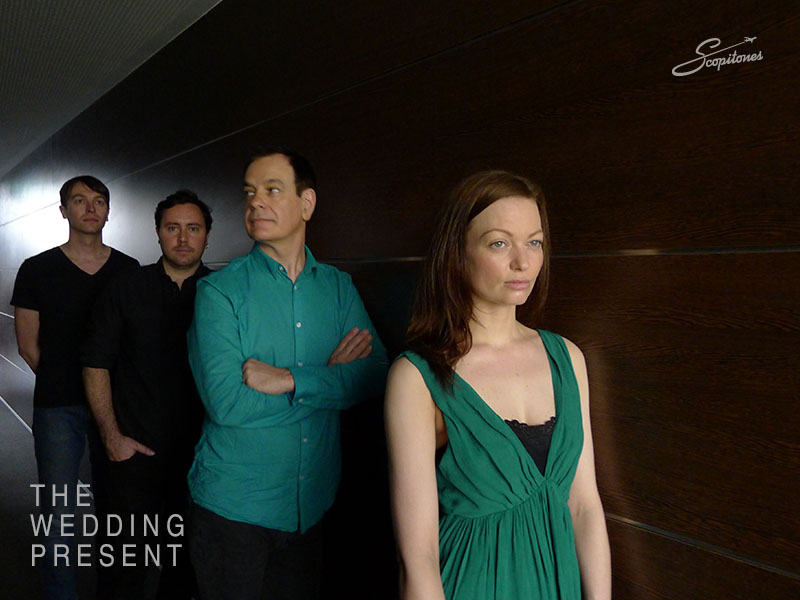
In Touch; The Wedding Present, 2014 (Photo: http://www.scopitones.co.uk/)

In Touch; The Wedding Present, 2014 (Photo: http://www.scopitones.co.uk/)

It’s never easy preparing to interview someone whose music has played such a big part of your life. It was a similar tale with my recent That Petrol Emotion three-parter. Sometimes you know too much and overlook the obvious questions.

By the time I felt I was ready for David Gedge, the inspiration and main-man behind The Wedding Present and Cinerama, I realised most of my questions were really just statements. There wasn’t a great deal he could get his teeth into.

I re-drafted a few times before heading across the Pennines for a pre-gig meet in West Yorkshire, and when I arrived it didn’t help that I couldn’t properly see my notes, the light poor to the side of the Hebden Bridge Trades Club dance-floor where David was set up.

Then there was an added dilemma, with support act The Treated set to sound-check. As it was we managed half an hour before we got to shouting at each other, and by then I was more or less done, albeit going round the houses with my quizzing.

Hopefully it works though, and David was – as I suspected – always forthcoming and never less than the true pro and top bloke he’s always appeared to be.

We met on a hot evening in late July, before the first of two consecutive Weddoes dates at the Trades Club, with The Boy Gedge (© John Peel) on a high after the previous evening at one of his favourite venues, Sheffield’s Leadmill.

It was his 18th show at the Leadmill, and this would be The Wedding Present’s first at the Trades Club in 20 years, which quickly took us on to the comprehensive gig list on David’s website, this blogger putting a spanner in the works by suggesting he’d missed at least one.
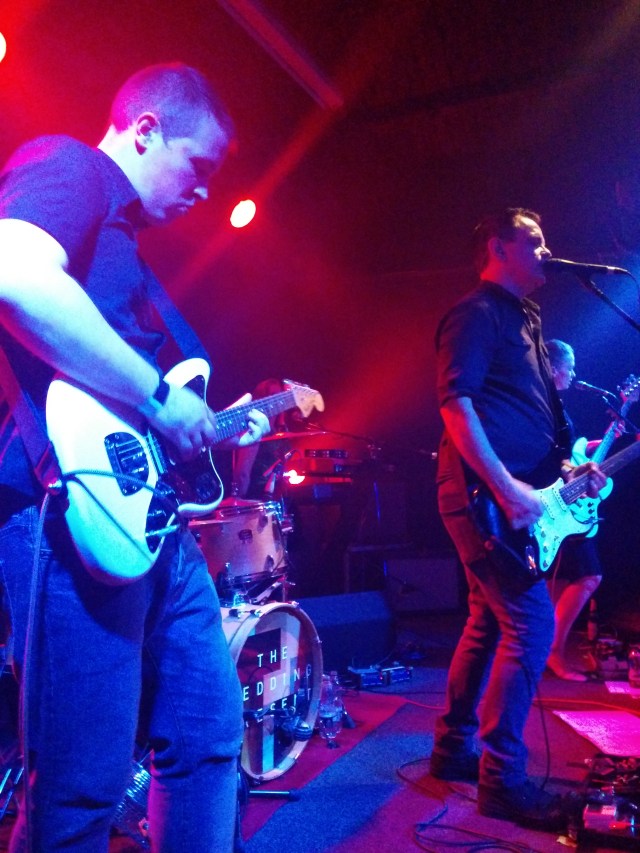
To The Bridge: The Trades Club in Hebden Bridge, with on-loan Sam, left, joining David, centre, on guitar

To The Bridge: The Trades Club in Hebden Bridge, with on-loan Sam, left, joining David, centre, on guitar (Photo: Tee H)

I was referring to a slight gap in the itinerary which should have included the Weddoes’ 1987 assault on Glastonbury. David wasn’t convinced I had the right year, but reached for his notebook all the same, and I’ve since noticed it’s now on the list.

That was one of four TWP gigs I saw that year – also including my first at Reading Majestic in late February and two more at the University of London Union, the second marking the launch of seminal debut LP George Best.

Great days, of course, and better described in an earlier appreciation of the band on this blog, with a link here.

Whether challenging David on his database was the best way to start this interview is debatable. He had after all described himself as ‘quite anal’ in respect of band stats. But once I got that out of the way I felt we could properly start, after a brief chat about those formative dates.

“I kept a lot of records from those early days, with scrapbooks of all the reviews, but didn’t really list all the concerts, so had to go back through old diaries. Sometimes I wrote in a venue we were offered but might not have played in the end.”

That took me on to what should have been my first TWP outing, at Fetcham Riverside Club in Surrey in July, 1986, the night we showed up to find a hand-written note from the band apologising that the venue had double-booked them, deciding to pull out accordingly.

“It wasn’t us – it was them! We turned up for the sound-check and they said, ‘What are you doing here?’”

Were there a few nights like that?

“No, that was the only one, thankfully.”

I’m sure it all must run together in the mind, though, keeping track of those gigs.

“It is quite hard to remember, but now I’m more meticulous.”

Is the Trades Club a venue you know well from over the years? It’s not too far from your old Leeds Uni patch, or even your youth in Middleton.

“I came to Hebden Bridge here loads of times as a kid too, but think the last time was when we last played the Trades Club. I used to cycle here from Manchester. A bit of a trek.”
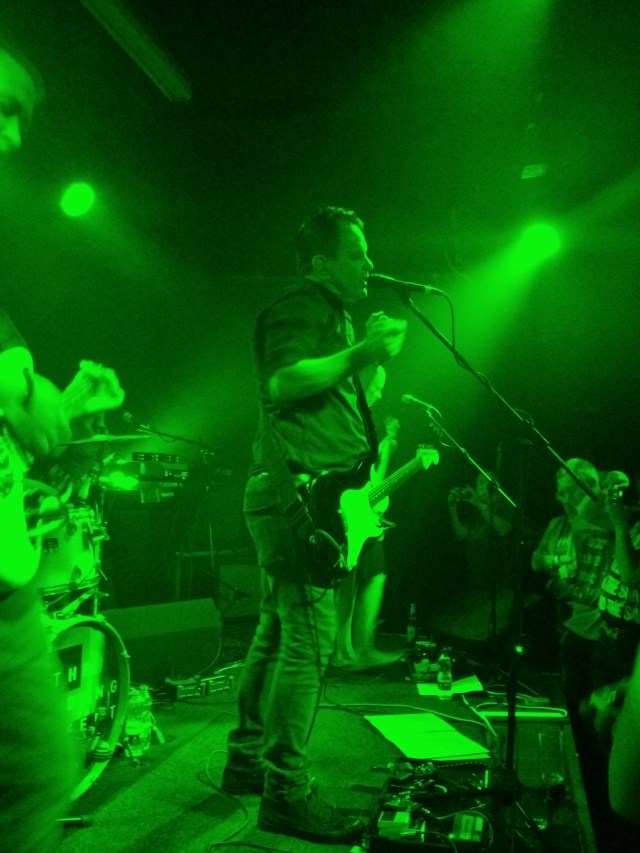
Green Scene: David Gedge in action at Hebden Bridge Trades Club

Green Scene: David Gedge at Hebden Bridge Trades Club (Photo: Tee H)

You spent a fair bit of time in Yorkshire, so it must all be pretty familiar.

“I lived in student accommodation in Leeds while at university, and then bought a house in Otley.”

David’s become an adopted Southerner since, having lived away from the North for the last 10 years or so, the last couple of those in Brighton. Does he miss Yorkshire?

“I do. It’s a very beautiful part of the world and it’s nice to be in a place where people talk like me! There’s a cultural thing too – it feels like you’ve come home to a certain extent. All the same, I don’t miss the weather.”

I mention how it had proved a cracking summer, but to a bloke fresh from mixing tracks in southern Spain for a new Cinerama album and having visited America again this year, perhaps that didn’t wash.

So when’s that new Cinerama album out?

“To be honest, that’s not a priority because I’m busy doing quite a lot of other stuff, so it’s been more like a side-project that we fit in as and when we get the time.

“We recorded the vocals in Los Angeles in January, and the band was recorded in Asturias, Spain, last summer, yet last week was the first time our schedules allowed us a week to mix it.

“Now I’m looking at the mastering and the artwork, and imagining next Spring.”

You seem to be busy gearing up instead for the Edsel Records TWP reissues at the moment.

“That’s it, and there’s also another Cinerama album – a third compilation featuring various b-sides and so on, which has also been a long time in the pipeline.”

As someone earning less money now than all the time you’ve been making records, the initial response to news of the Edsel deluxe editions was ‘Not more Weddoes product I’ve got to buy!’ So you better give me the sales pitch and tell me what’s different this time.
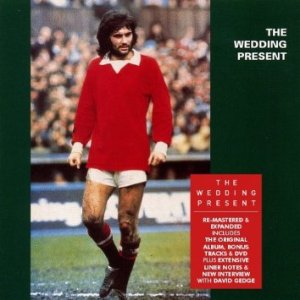
Ultimate Product: The latest TWP re-packages are on their way

Ultimate Product: The latest TWP re-packages are on their way

“Well, they are pretty cheap! It’s the definitive Wedding Present product after all, with everything you can get your hands on – all the albums, extra tracks, John Peel and other radio sessions, all the videos and live tracks.

“For each release there’s three CDs and loads of sleeve notes.

“Actually, we first had a meeting about this over a year ago when Demon and Edsel Records pitched the idea to me.

“They were saying what a fantastic idea it was. But while they were all raving, I was just thinking, ‘This is so much work!’

“It sounds weird, but I’m the only one who can do it. Everyone else chips in and helps but sometimes people will get it wrong and I’ll step in and put them right, say ‘No, that track was not on that album’, and so on.

“Then I’m being asked, ‘David, have you got the master-tape for this Swedish radio session?’ So I’ll go to my storage unit, where I’ve got tons of boxes …”

I imagine you’re not too good at delegating.

“Well, as I say, I’m very meticulous, and there are so many times where you just say, ‘You can go and find it’, and they’ll come back with the wrong thing. So I’ll just do it myself. But it takes time.

“So I’ve got mixed feelings about it really, and it’s been quite stressful … but it’s going to be great!”
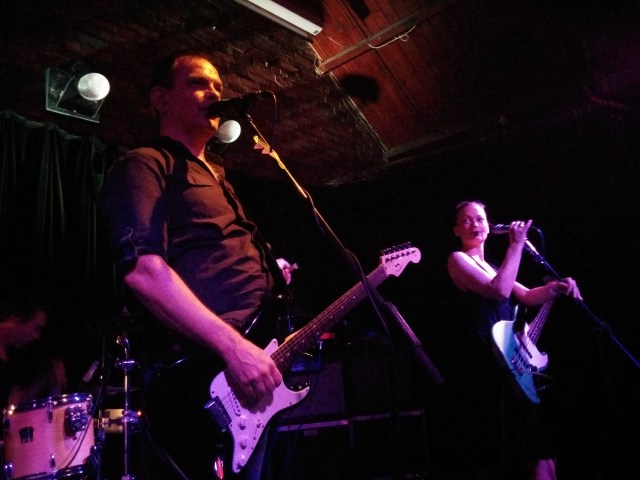
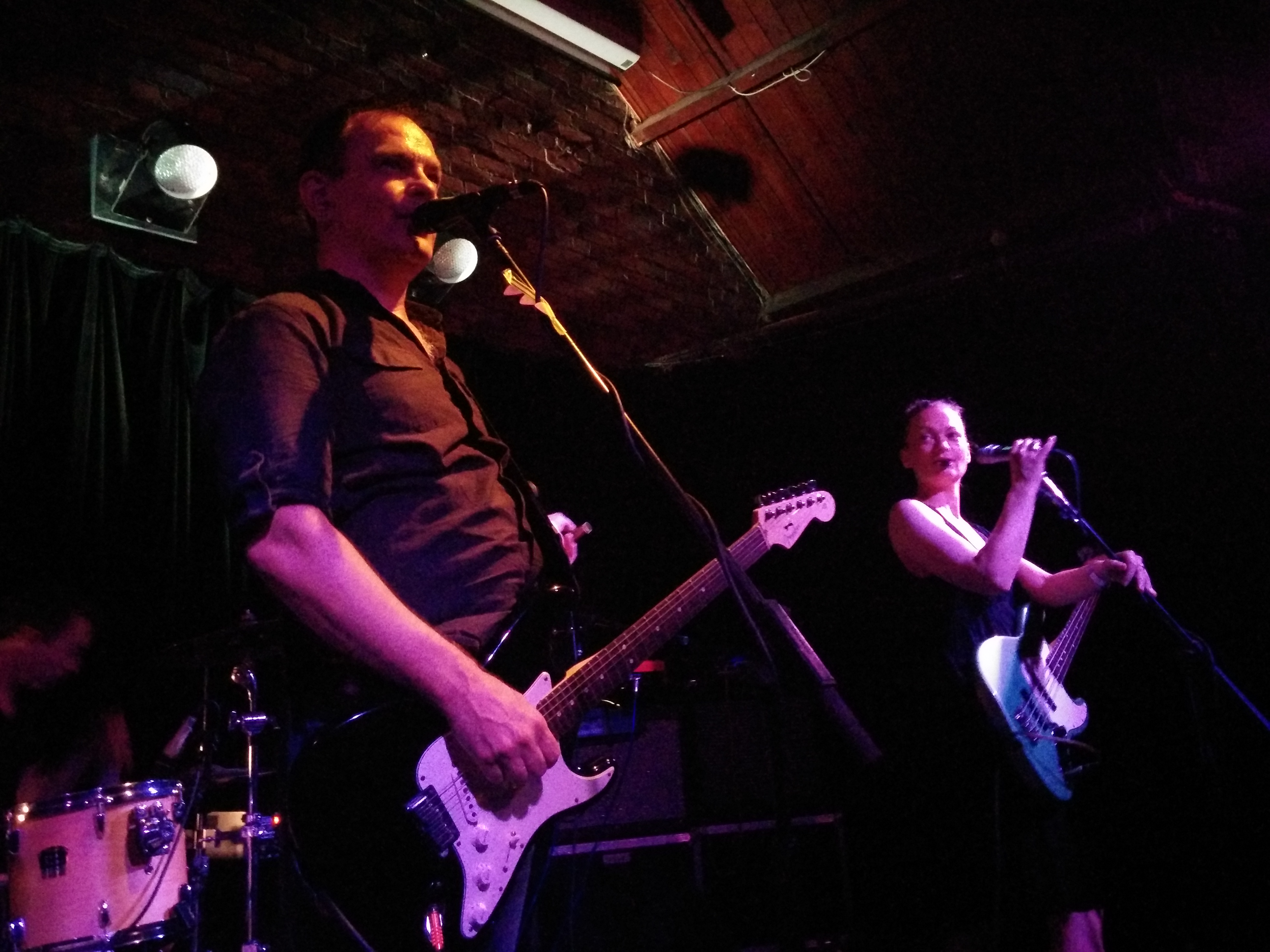
Present Arms: David and Katharine at the Trades Club

Present Arms: David and Katharine at the Trades Club (Photo: Tee H) 

That took us on to Watusi, the subject of the band’s forthcoming 20th anniversary tour. In fact, I pointed out how I was listening to the album – one that met a mixed response from Weddoes fans, supposedly – while driving over the moors from Lancashire, and how it remains a bit of a favourite.

“Well, Watusi’s not actually been out before, as it got deleted fairly quickly first time around.

“It’s one of my favourite albums actually, but we left Island pretty soon afterwards, so they didn’t bother re-pressing it.”

Can you understand all this talk of that being your ‘Marmite’ album? I don’t get that – what’s not to love?

“Well, it did seem to alienate a lot of people …”

Maybe you were just ahead of your time in certain respects with that lo-fi Seattle underground sound.

“I just think a certain type of fan expects that high-velocity loud guitar, jangly, with Steve Albini distortion, and it’s obviously a long way from that.

“With some of the other albums they think. ‘I quite like that’, but with Watusi they just didn’t understand what we were doing, asking why there’s piano and acoustic guitars on it. I think really big fans like it, but …”

Is it just that you like Marmite, perhaps?

David laughs. “Yeah, I love Marmite!”

Either way, by the time of the Hebden Bridge gig, David was already filtering some of the songs from Watusi into his live set, in readiness for the autumn tour.

I go on to confess that I was singing along – way too loud – to Click Click on the way over.

“You see, I love that song! I’m not blowing my own trumpet but it’s a great idea to have that layered vocal. It just sounds great, and I get shivers down the spine when we do that.”

This whole LP anniversary malarkey has been going on a while, and it seems an age since the big countdown by the on-stage bunny for the George Best celebration gig, a big moment for me back in my days seeing you at the Hop & Grape in Manchester.
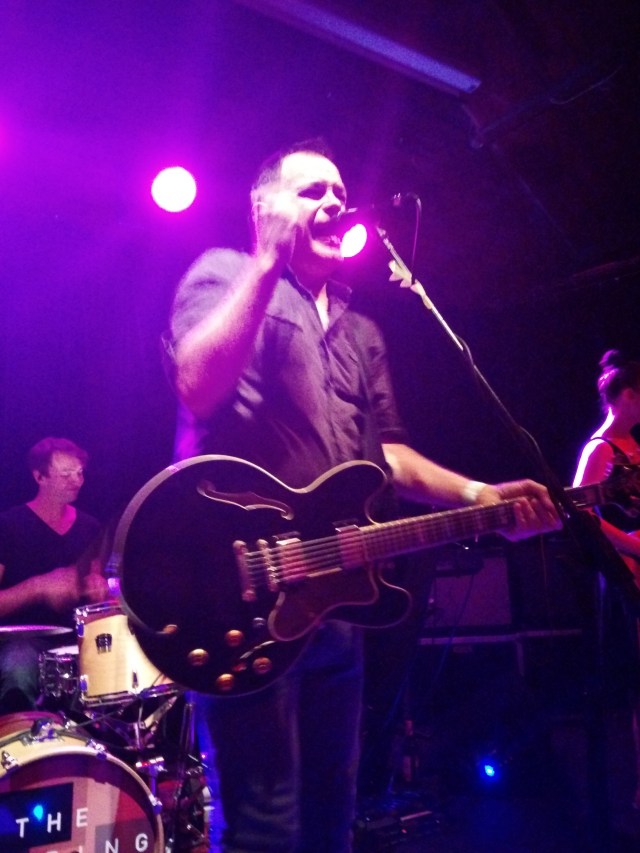
The Boy Gedge: Live in Hebden Bridge

The Boy Gedge: David Gedge, live in Hebden Bridge, flanked by Charles Layton and Katharine Wallinger (Photo: Tee H)

Now you’re up to Watusi. Is there a danger of you being all anniversary’d out?

“Yeah. To be honest, I’m thinking … if we’re doing Watusi this year, then we’ll do Saturnalia next, but I’m not really sure if I want to go on to that at this point.

“We don’t want to be known as this band that plays their old albums all the time, even though I do actually like the concept.

“Half of me wants to do it, the other half wants to get away from all that.”

Where do you draw the line? Besides, there’s another big anniversary coming up next year –it being 30 years since Go Out and Get ‘Em Boy started The Wedding Present recording story.

“True. The longer you go, the more anniversaries there will be. And someone asked the other day what we’re going to do with the Cinerama anniversaries!”

On the band’s second night at Hebden Bridge, they were set to play the automobile-themed Mini album in full, the six-track release between Watusi and Saturnalia.

Has David ever thought of expanding that album with a few more car-related songs? Perhaps you could call it Maxi.

David laughs at this, but clearly it’s not on the cards.

“I did think I was stretching it a little with that. They’re not really car songs anyway, to be fair.”

Bass Instinct: Katharine Wallinger in action at the Trades Club

Bass Instinct: Katharine Wallinger in action at the Trades Club (Photo: Tee H)

Its been another busy year for David, the Hebden Bridge gigs followed by appearances at Camp Bestival, his own curated festival in Brighton, At the Edge of the Sea, which started back in 2009, the re-release project, the Cinerama work, then November’s Watusi 20th anniversary tour, with plenty more live dates. All go, eh?

“There is a little time off though. Well, when I say time off, that’s when we’re actually writing new songs, hopefully.”

Is there plenty of new material in the offing?

“Yeah, loads, but again it’s just finding the time. This was supposed to be a quiet year! We knew about the reissues but I thought we’d do that and a few festivals, then write lots of songs. But those gaps soon filled up with the Cinerama work.

“I can’t really blame anyone but myself. But I want to get back to writing songs again now.”

You’ve never really stood still over the years – maybe that’s why you’ve survived while so many other mid-’80s contemporaries fell by the wayside.

For example, rather than write George Best part two back in 1988 you came up with Bizarro, then moved on again with Seamonsters.

Then there was the Ukrainian project, the Cinerama albums, the year of hit singles, Watusi, Mini, and so on – all the way through to Valentina and beyond.

We never really know what we’re going to get next, but normally end up loving it all the same. Not bad for a band whose songs supposedly ‘all sound the same’.

“I think some people appreciate it but at the same time you do lose fans, and there’s a certain section of the audience who don’t want to change.
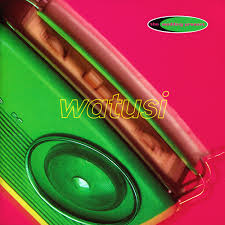
download (15)“I’ve compared it in the past to breakfast cereals, how if you buy Kellogg’s Corn Flakes you don’t expect them to taste like Weetabix.

“Possibly, we’d have become more commercially successful had we established a certain formula, like Oasis or REM. You knew what you were getting with them.

“But in the Wedding Present, we’ve always deliberately set out to change what we do – hence Cinerama, The Ukrainians, and all that.

“And once you’ve done an album one way, my personal feeling is ‘what else can we do?’ rather than ‘let’s do that again!’”

Similarly, we quickly realised it wasn’t just a case of the Weddoes for the lads, and Cinerama for the couples. The lines were increasingly blurred.

Sometimes I get the feeling both sets of songs would cross over fairly easily. And by the time of the third and fourth Cinerama albums, those guitars had definitely encroached!

“Well, again it was like a natural progression really. I started Cinerama on my own really and was trying to get away from the guitar really.

“But then my chief co-writer Simon Cleave came in and was a guitar player, and we shared that love of the twangy guitar.

“So in time it became more like The Wedding Present. I didn’t really plan it like that, but these things happen sometimes.”

You’ve always struck me as fiercely independent, someone who knows what he wants and won’t settle for second-best.

Not a bad philosophy in what appears to have become an increasingly cut-throat business. Is that why you’re still out there?

“Well, there are two ways of doing it. You either play the game a little bit more, something that might lead to more commercial success, or you can just be a bit more immune to all that.

“Everyone’s got to find their own comfort level. I’m quite happy with the success I’ve had, given that I know I’ve not been forced into doing anything, and not ruled by business people asking me to change this and that.”

Valentina Days: From the left - Pepe le Moko, David Gedge, Charles Layton, Graeme Ramsay (Photo: http://www.scopitones.co.uk/)

Valentina Days: From the left – Pepe le Moko, David Gedge, Charles Layton, Graeme Ramsay (Photo: http://www.scopitones.co.uk/)

It soon became clear that this was your band, rather than a collective. Or at least that’s the perception.

“Well, you say that, but I don’t think it is really. I can see why people would think that, and I’m obviously the main songwriter and the person who gets interviewed, but it’s always been a bit more democratic than that.

“I’ve always said that the sound of The Wedding Present is the sound of the people in the band at that time. I think that’s one reason why we have changed over the albums, with totally different styles and influences.”

That said, it doesn’t seem to be a job for life, being in the Wedding Present … unless you’re David Gedge.

“Yeah … I suppose so. But that’s just the way it’s happened really.”

In Mark Hodkinson’s 1990 biography of the band, Thank Yer, Very Glad, there’s quite a bit about Shaun Charman’s sacking, the first of many departures over the years, and I guess perhaps the one that went down least well.

In fact, sometimes I get the feeling that you introducing a new band member on stage is part of your live set.

51a4-3u7paL._SY300_“It’s different every time really, because people come and go for different reasons. Some just decide they’ve had enough, some aren’t fitting in, some are missing being away from home, so it’s hard to generalise.

“With Shaun, it sounded like there was a lot of animosity but (a) we were a lot younger then, 20-somethings squabbling about stuff, and (b) Shaun’s one of my best friends now. He lives in Brighton, so of all the ex-band members he’s the one I see most of all.

“Sometimes it’s just not meant to be, and he would probably accept that now, even though he didn’t want to get kicked out of the band.”

‘You should always keep in touch with your friends’, as someone wise once said.

I haven’t got time to go through all those old members, but do you ever hear from fellow originals members Keith Gregory and Pete Solowka?

“Keith lives in Australia, so that makes it a bit difficult. But I don’t see any of them to be honest, apart from Shaun, but primarily because I’m not in the country much myself.

“Being in this career, if you like, it’s hard to maintain a social network, because you just don’t have the time.

“That’s one of the reasons people leave. At first they might think, ‘Great, I get to travel the world, play music and make records’. It’s exciting. But at the same time you can be away for nine months of the year.”

I was thinking back to those early days and your ‘Status Quo – 25 years in the business’ homage with Pete during Take Me, on the Bizarro tour. I hate to point it out, but you’re up to nearly 30 years in the business yourself now, aren’t you?

67254276-the-wedding-prese

Ukrainian Days: TWP’s Eastern European rebirth, with Peter Solowka a central figure

“Well, funny you should say that, because another band member – Darren Belk – was at Sheffield last night, and he mentioned that.

“It was never a criticism of Status Quo though, but more of a celebration if it, albeit a jokey one. And now we’re in exactly the same position, the joke’s on me!”

A quick jot-up suggests 17 full members over the years plus the four of you currently involved. Then there’s Sally and the many others on the Cinerama side of the operation.

I always loved the ‘Bramley, Gateshead, Hassocks, Middleton’ logo in the early days. Ever wish you’d kept that up through all the line-ups? Maybe you could have created a graphic for the stage that flicks through all the permutations.

“That would be an interesting geographical tool … and a visual one.”

It would be very educational too. I could see people asking, ‘where the hell’s Hassocks?’

“It was interesting that some people actually thought we had offices in all those places! We’d have people getting in touch, saying, I’m actually quite close to your Hassocks office, and …”

All those line-up changes suggest this affable bloke we hear chatting between songs or to fans before and after gigs has a harder streak – are you a Gordon Ramsay character behind the scenes? Are you a secret tyrant?
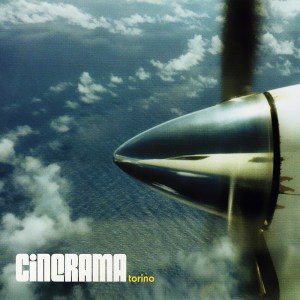
torino-5227ab64e2d67“No.”

Are you still just a bit shy then?

“I think I’m that. I’m obviously the leader, but it’s definitely not a dictatorship, by any stretch of the imagination. And I’d be a bit stupid to try and insist on that.

“We definitely benefit from individuals coming in and changing the dynamics of the group, so I kind of thrive on that.

“I do feel like I’ve been in about six different bands over the years, and think that’s a good thing. I don’t want this to be The David Gedge Band.

“That was never my intention, even with Cinerama. That was obviously a solo project at first, and people said, ‘Just call it David Gedge’. But no, again I just wanted it to be a band and to have people involved, the way it went really.”

Have The Lost Pandas – the band featuring David and Keith that preceded the Weddoes – been found yet? I believe the other two members went to New York. Do you think there will be a time when you let the world hear those early recordings?

“I’ve not decided about that, because in some ways there’s a lot of interest from the fans. On the other hand, it’s not The Wedding Present.

“It’s me learning how to be in a band, really. I’m not sure the standard’s too great, but I think one day I should go back and get all the tapes out and see if there’s enough musical value in it.”

The story of The Lost Pandas is also covered in the comic David’s working on, another of his many side-lines. Is that the closest he’ll get to an autobiography?

“Well, that’s my plan, because I don’t really want to do an autobiography. To me, that seems a little bit pompous. Who wants to read about my life?

“At the same time, I’m a massive comic book fan and really enjoy that aspect. It’s not biographical so much as little stories covering the history, and just seems more appropriate to me for some reason.

“Don’t get me wrong, if some publisher offers me a million pounds, I’d probably write an autobiography! But I’m not planning to.”

First Footing: The debut release from The Wedding Present, from 1986

First Footing: The debut release from The Wedding Present, from 1986

It’s odd to think that your old friend and broadcasting hero John Peel would have been 75 at the end of August. In that Mark Hodkinson book you said you quite liked the idea of replacing him on the nation’s airwaves one day. There’s been a fair bit of DJ-ing for you since. Still fancy the job?

“I think I’d definitely be interested in doing that, but again it’s just time. There’s a radio station in Brighton where I’ve been told, ‘Anytime you want a show, come and do it down here, and we’ll sort it out.’”

There seem to be a lot more internet shows as well now, broadcasting from America or to America and the world over.

“Well that’s it, you can do a little radio show on a small station in Brighton and get thousands of listeners across the world, which in some ways I’d love to do.

“At the same time I know if I did do it, I’d want to do it really well, and an hour show would take at least a day a week to prepare, choose my music, make sure it works, and so on.

“That would just detract from all the other things I do. I’ve bitten off more than I can chew, really. If I was three people I could do all these things, but it’s just kind of juggling stuff really.”

It’s now been almost 10 years since John’s passing, with quite a few commemorative gigs based around that in recent times. Then there are the C86 anniversary events and recent expanded CD reissue. There’s certainly a taste for indie nostalgia at present.

“I’ve never actually done any of those events. It’s always something where we’ve been invited to play but have always been unavailable because of other commitments.

“But the C86 project was an interesting celebration, not least as it was said it was marking a scene that wasn’t really a scene. I can see that in a way.”
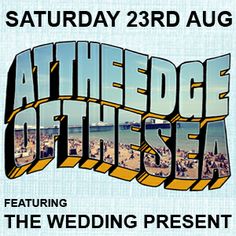
69a7bf2e03ec4c9a46da06e9fcf3bca0Then there was the BBC Big Band Celebration project in 2001, and what with that, the annual At the Edge of the Sea festivals, the Scopitones label and other releases, the DJ-ing, the comic book biographies, and the two bands on the go, you remain a busy man. Does that just keep it all fresh for you?

“It’s not so much that as the fact that I just have all these ideas, and like to see them all to fruition!”

At this point the support band start sound-checking and we can hardly hear each other, but I just add one more question. On behalf of my friend Collette, an ex-Gedge gig regular along with her hubby Jon – a fellow frequent flyer in our Hop and Grape era – I ask David ‘whether he’s EVER been lucky in love’.

“Of course I have! It’s not all doom and gloom!”

I thought that might be the case, but suggested that if he’d poured all those positive moments into his songs The Wedding Present might have sounded more like The Lighthouse Family instead.

David laughs at this, albeit over the sound of The Treated bass player, Stephanie, testing her levels.

But who knows, maybe he’ll reflect on that, and the Weddoes will incorporate Lifted in their set pretty soon. I think Radio 2’s Ken Bruce might appreciate that. And who knows, maybe the subsequent airplay will open up a whole new market.

If you missed it first time around, there’s a review of The Wedding Present at Hebden Bridge Trades Club on this blog, with a link here

For more about the Edsel Records deluxe version repackaging of classic TWP material, and the very latest from the world of David Gedge, head to the Scopitones website here

Further details of the Watusi anniversary tour in November – preceded by a live Marc Riley session for BBC Radio 6 and including dates in England, Scotland, Ireland, Belgium and France – can be found on the same website.

* With thanks to David Gedge for his time, Mal Campbell at the Hebden Bridge Trades Club, Mike Middleton for acting as my Happy Valley go-between, and Tee H for the Trades Club live pics. Much obliged.


Posted in Music | Tagged , , , , , , , , , , , , | 11 Comments

Beyond the fringe – the Roger McGuinn interview

03Press_Photo_B&W

Guitar Hero: Roger McGuinn is all set for his latest UK tour

I feel those of us who spent our teenage years watching guitar bands owe something of a debt to Roger McGuinn.

My arrival on the London gig circuit properly came in the mid-’80s, amid a plethora (or a plectra, maybe?) of ‘jingle-jangle’ indie bands. Some stood the test of time, others soon foundered, but it was a healthy scene all the same.

There were a host of influences offered up, and alongside those frequent Velvet Underground mentions there was also a nod to The Byrds.

The Long Ryders were part of the stateside variation on the theme – on the so-called Paisley Underground scene – that caught my imagination, and pretty soon Sid Griffin’s band led me to investigate further the work of McGuinn’s outfit.

I already liked radio staple Mr Tambourine Man, but there were many more great songs I was soon switched on to.

The inspiration behind the band was even-name-checked in Orange Juice’s Consolation Prize, Edwyn Collins’ glorious take on unrequited love informing us:

“I wore my fringe like Roger McGuinn’s, I was hoping to impress.

So frightfully camp, it made you laugh, tomorrow I’ll buy myself a dress (how ludicrous)”

6100XXBiqJLI soon shelled out for the 1985 CBS vinyl reissue of their 1967 11-track Greatest Hits, comprising some of the bigger numbers from those first four albums, and was hooked.

A 20-track Columbia CD compilation followed that into my collection in the early ’90s, culled from a new boxed set.

And in more recent times came the shabbily-packaged original album classics five-CD box featured material up to the country-tinged The Notorious Byrd Brothers.

From that you’ll gather I’m no completist, but this is still a band that mean a lot to me, from those glorious harmonies to the Rickenbacker sound that triumphantly announced the arrival of folk-rock.

And although I value Bob Dylan as a songwriter and have a great love for the albums he made when he went electric – notably 1965/66 offerings Bringing It All Back Home, Highway 61 Revisited and Blonde on Blonde – The Byrds’ covers spoke more to me.

Now you know where I’m coming from I’ll carry on, and while – admittedly – I haven’t studied Roger’s solo output greatly, he remains something of a musical hero.

And I’m pleased to say he’s still hard at it all these years on, not least through his work with the Folk Den project these past 20 years, recording a different folk song each month.

Of course, he was plain Jim McGuinn before he was Roger, his adopted name coming out of a flirtation with Subud spiritualism.

Word has it that he changed his name in 1967 after Subud’s founder told him it would better ‘vibrate with the universe’.

Apparently, he was given an ‘R’ and asked to send back 10 names starting with that letter. A fascination with airplanes, gadgets and all things science fiction ensured his list included names like Rocket, Retro and Ramjet, but it was the term used during two-way radio conversations in aviation that won out. Roger that. By the late ’70s, Roger and his new wife Camilla had turned to Christianity, something that still looms large in his life. But the name stuck.

Sea Fare: Roger's 2011 collection of sea shanties, CCD, a further twist on his folk   appreciation

Sea Fare: Roger’s 2011 collection of sea shanties, CCD, a further twist on his folk appreciation

And this American guitar icon who fused folk and 1960s beat music with the help of his trusty 12-string is now back visiting the UK, giving me an excuse to catch up with him while publicising two North-West dates this November.

I was still on my holiday at the time of his press commitments, and accordingly had to make the call to his temporary London base from my big sister’s house down on the Surrey/Hants border. But it was worth the diversion.

As it turned out, the 72-year-old was not a big talker. At least it seemed that way. Perhaps he felt uncomfortable having someone talk so fervently about those mid-’60s glory days. It’s all a long time ago now, after all.

But while succinct and rarely opening the door to introspection, he was nothing short of polite, courteous, helpful and honest.

Chicago-born Roger – who along with Gene Clark, Michael Clarke, David Crosby and Chris Hillman helped open up a new world of musical possibilities with The Byrds – was no doubt a busy man when I caught up with him.

With just a short time-frame available, it proved something of a whistle-stop Q&A. But we covered a fair bit of ground, and a learned a little more along the way.

Roger6I started at the beginning, back to his Illinois roots, asking if writing – music and words – was always a passion, not least as his parents had journalism backgrounds.

Furthermore, to this day he contributes to literacy charities – something he clearly feels strongly about.

“Yes, I tour with the Rock Bottom Remainders sometimes, doing charity work for literacy. They’re award-winning authors who’ve always wanted to be in a rock band.

“They get their dream come true, and I get to play with them and hang out. And it’s a pleasure to be with them and be in their company – they’re all so bright and witty.”

Incidentally, it’s quite a line-up too, past and present members including Stephen King, Amy Tan, Scott Turow, Matt Groening, Greg Iles and Maya Angelou, while fellow guests have included Bruce Springsteen and Warren Zevon.

So was that enjoyment of books and music around you while you grew up in Chicago?

“Yes, my parents were very much into that, and all their friends were in the arts and theatre. When I decided to become a professional musician they were all for it.”

I gather you heard Elvis Presley’s Heartbreak Hotel when it came out, and something clicked.

Heartbreak

Lightbulb Moment: Roger heard Elvis, and everything changed

“Exactly. I had a transistor radio – like the smart-phone of its day back in the ’50s – and heard Elvis come over on that. It was what made me want to play music.”

In fact, Elvis returned the compliment between songs on his NBC TV Comeback Special in 1968, talking about the modern bands he appreciated, name-checking ‘The Beatles and The Beards’. And who am I to correct The King?

Has Roger ever contemplated what he might done with his life if it wasn’t for your music?

“Well, I was interested in broadcasting, so I might have become a broadcaster or technician, something like that.”

Having grown up with country music and rock ‘n’roll, then discovering folk music, Roger perfected his guitar skills and played five-string banjo in the late ‘50s.

In fact, when one of his folk heroes passed away at the turn of the year, Roger remarked: “Pete Seeger was the person who inspired me to play five-string banjo, 12-string guitar and to achieve my life long dream of becoming a troubadour.

“It was his guitar and banjo style that I carried over into the instrumental sound of the Byrds.”

Roger – then known as Jim – made his name on the folk circuit and moved to California, where his big break soon followed.

The_Byrds-Mr_Tambourine_Man-Frontal

First Footing: The Byrds’ debut album

So was that West Coast move what you needed? It was certainly an exciting era. And was meeting fellow Byrd Gene Clark a big turning point?

“Yeah, it was serendipitous. I was living in Greenwich Village and working in the Brill Building, a studio musician at night. Once I got the gig in California, everything kind of fell together.”

It was work with singer, songwriter and actor Bobby Darin that opened that door, with Roger taken on as a writer alongside the likes of Gerry Goffin and Carole King.

Something of that story was told a while ago in a BBC 4 documentary, Troubadours: The Rise of the Singer-Songwriter, concentrating on Carole King and James Taylor but also including contributions from Roger McGuinn and David Crosby.

As it was, Roger soon discovered the music of a certain Liverpool band – and applied this new spin on all he’d learned from the folk circuit, with the help of his fellow band-mates.

How important do you think it was that you had that ‘apprenticeship’, playing in bands and writing for people like Bobby Darin?

“The Brill Building was a great foundation, for having the discipline to know how to write songs properly.”

The_Byrds_LogoYou paid your dues too. It didn’t just happen overnight. Did that competitive atmosphere help you raise your game, creatively?

“I think so – there’s a saying that as iron sharpens iron, so one man sharpens another, and that was definitely true in the Brill Building.”

It’s now 50 years since The Byrds formed. Are those early band days still fresh? Only the music certainly remains so.

“It is still fresh, and I have fond memories of getting The Byrds together. It was sort of organically grown, with Gene Clark and David Crosby then Michael Clarke and Chris Hillman joining.

“Then we got a record deal, and it was all sort of magical. We went from literally starving on the streets to number one in the charts.”

Before I called Roger, I was playing The Byrds’ She Don’t Care About Time, something written two years before I was born but a track that really resonates.

For me, it works in the same way that perhaps The Beatles’ Rain – released a year later – does. Both were mere b-sides, yet so evocative of that special mid-‘60s era. And I think Roger agrees.

“I always loved She Don’t Care About Time, I thought that was one of Gene’s best compositions. I have fond memories of recording it too – because George Harrison was in the studio when we put that together.”

Turn-Turn-TurnThat was new to me at the time, although when I looked back at the sleevenotes for second Byrds LP Turn! Turn! Turn! I saw that George Harrison and Paul McCartney’s visit to the recording studio was mentioned.

You have such a wealth of material you worked on over the years. Is there an album or track you’re most proud of?

“Well, I always liked Turn! Turn! Turn! I love the melody and it’s sort of a reassuring text.”

That was a Pete Seeger cover of course, The Byrds’ powerful version of his inspirational take on words from the Book of Ecclesiastes, serving as another nod to Roger’s religious beliefs.

The original band, after a few fall-outs over the years in between, put aside their differences to appear together at the Waldorf-Astoria Hotel in New York City for their induction into the Rock’n’Roll Hall of Fame in 1991 – what turned out o be their first outing as a five-piece in 18 years.

They performed Turn! Turn! Turn! then Mr Tambourine Man and I’ll Feel A Whole Lot Better. But as it turned out, Gene Clark and Michael Clarke had both died by the time 1993 was out.

Does Roger see anything of fellow surviving band-mates David Crosby or Chris Hillman these days?

“No, but you’re calling on David’s 73rd birthday, and I plan to email him, wish him a happy birthday.”

the-byrds-fifth-dimensionThis coming UK tour includes dates in Liverpool and Manchester – my excuse for speaking to Roger – and I put it to him that he’d already hinted that North-West England’s musical legacy was important to his work.

“Absolutely, and the Mersey Beat prompted The Byrds to make Mr Tambourine Man what it was. Before that it was in folky two-four time – so we borrowed that beat!”

America may have shown the way as a nation with the Blues, Elvis and all that, but the UK then took the initiative on through bands like The Beatles and The Rolling Stones. Did that drive you on?

“Oh yeah! You could see the influences of Chuck Berry and the Everly Brothers in The Beatles, and all kinds of influences. But they blended them together in such a unique way, and we just loved it.”

I always felt you made Bob Dylan’s songs sound even better – from Mr Tambourine Man through to My Back Pages. Are you proud of that legacy?

“Well, yeah. It was definitely a time to experiment, and mixing Bob Dylan’s lyrics with a rock’n’roll beat was a real pleasure to do.

“I don’t know if it’s better or worse, but it’s certainly different! It also made it more commercial, I guess.”

The_Byrds-Younger_Than_Yesterday-FrontalAre you still in touch with the former Robert Zimmerman?

“I haven’t seen Bob in a long time. He’s always on the road, and …”

Roger tails off at that point, and after a brief lull I move on to how I felt various indie guitar bands from the ’80s onwards still acknowledge a debt to him. So is it nice to still be properly appreciated?

“It’s a very nice feeling.”

Talent goes with hard work though, and I’m sure you spend a lot of unsocial hours perfecting your guitar craft. Do you still have to keep your hand in?

“I do. I practise an hour a day.”

The Byrds, by then with Gram Parsons on board, also opened the door to country rock and that whole new strain of alt country still with us today.

byrds“Yes, outlaw country came up after The Byrds and it was fun to do and be pioneers. When we did it, people didn’t really appreciate it, but years later it became very well appreciated.”

Moving on to today, you’ve been critical of downloads and contractual loopholes over royalties etc. Yet you’ve also embraced the internet through your Folk Den project and even blogging.

“I’ve always liked the internet, and I wasn’t really against downloads so much as the business of streaming, not paying people whose work was recorded prior to 1971. We came out against that.

“But I think the internet is wonderful and a levelling thing. It’s great for all kinds, and when I want to hear something I just go to YouTube – it’s always there.”

Can you properly switch off from music after all these years? And have these past seven decades flown?

treasuresfromthefolkden_1210hyp“I play music every day, and that’s a definite part of my life. As for being 72, that’s like being 17. It’s just an age. I don’t feel any different really.

“The thing about time is it progresses at a very steady rate. The earth revolves on its axis and goes around the sun, there’s the atomic clock and decay of the caesium atom.

“There’s a very specific science about it. It doesn’t go faster or slower, but our perception of time changes as we get older.

“I can go back 70 years in a flash, so it seems like those seven decades took a flash … but it’s an illusion.”

It seems that Roger really opens up on this theme, and I put it to him that he clearly remains spiritual in the way he looks at life. So how important is his Christian faith and the love of his wife – and fellow blogger – Camilla?

“Camilla and I read the bible every morning, and that’s a good foundation for the rest of the day.”

You have a healthy family life as well, don’t you?

“Oh yes. Camilla and I travel a lot together, but I’m in touch with my kids, and everything’s cool.”

Solo Debut: 1973's Roger McGuinn, post-Byrds

Solo Debut: 1973’s Roger McGuinn, post-Byrds

Does that reach to grand-children as well now?

“It does. I’ve got three grandchildren, aged 18, 14 and then seven.”

Any of those looking to follow in your footsteps as a musician?

“Well, they play music, yeah.”

It can’t be easy to get a set-list together these days, with such a vast back-catalogue. Is your Stories, Songs & Friends live format your way of addressing that?

“Yes. It’s kind of a one-man auto-biographical play. I do that in concert, although the set-list might vary.

“The formula is to feature some Byrds hits, songs from my solo career, and some of the Folk Den tunes as well.”

Is that what we can expect on this tour? I take it that you make the most of having that luxury of changing things as you go?

The Fringe: Roger's early look

The Fringe: Roger’s early look

“That’s exactly what I’ll be doing, although I can’t say what songs. I go by how the audience is reacting. For instance, if I do a country song and they really love it, I’ll do a couple more. If they don’t, I won’t. It’s variable.”

And I’m guessing that when you get all these interviews done, you’re looking forward to getting going and back out there again?

“Absolutely … chomping at the bit!”

Roger McGuinn’s latest UK tour starts with four dates in late September at Bristol St George’s Hall (25th), London Cadogan Hall (26th), Leeds City Varieties (28th) and Gateshead The Sage (29th).

He’s then back for eight more in early November at Milton Keynes The Stables (1st),  Birmingham Glee Club (2nd), Cardiff Glee Club (4th), Brighton St George’s Church (5th), Manchester Royal Northern College of Music (7th), Liverpool Capstone Theatre (8th), Nottingham Glee Club (10th) and Cheltenham Town Hall (11th).

All shows are on sale now through the venues or Ticketmaster (0844 847 1616).

* With thanks to Andy Kettle at CMP Entertainment

Posted in Books Films, TV & Radio, Music | Tagged , , , , , , , , , , , , | 3 Comments

Back to basics with UB40 – the Brian Travers interview

Present Army: And then there were six ... the current UB40 line-up

Present Army: And then there were six … the current UB40 line-up, further augmented by Martin Meredith, Tony Mullings and Laurence Parry

Picture the scene. It’s another hot, sunny afternoon and the back garden beckons. But it’s my turn to make tea. Oddly enough, I can’t cook without some good sounds for company, and today I’ve chosen an old favourite, in honour of the fella I’m interviewing the next day.

The man in question is Brian Travers, sax player and songwriter with UB40, and the album I have in mind – soon blasting out of my kitchen, with the back door wide open – is that band’s 1980 debut, Signing Off.

It’s so evocative, and all these years on has certainly stood the test of time. A good honest, homegrown reggae blend. And while I was still two months off reaching teen-dom when it came out, it’s appeal remains three and a half decades later.

And I’m pleased to report from that next day’s conversation that Brian still has youth on his side too, enjoying a new lease of life in the latest incarnation of this Birmingham outfit, having recently rediscovered the joy of the smaller gig – at least by UB40 mega-standards.

Following a sell-out UK spring tour, the band are embarking on a second leg later this year, and Brian is understandably keen to put to one side some of the murkier aspects of UB40’s public and often caustic fall-out, one that has led to an ongoing legal dispute with former vocalist and front-man Ali Campbell.

Ali quit in 2008 in order to pursue a solo career, and was replaced by brother Duncan Campbell, a brewing situation coming to a head when the original singer reunited with Mickey Virtue and Astro and looked to tour under the UB40 name.

But while clearly upset by the feud and unable to say much during those proceedings, Brian is more than happy to talk about the past, present and future of the band – 34 years after their first hit.

Eight Mates: The original UB40 line-up

Eight Mates: The original UB40 line-up

And with fellow founding members Jimmy Brown, Ali’s older brother Robin Campbell, Earl Falconer and Norman Hassan also still on board, he feels he’s still at the heart of it all.

I put it to Brian that few of us would have lasted quite so long living in the pockets of old school-mates. The fact that five of the original eight still play together is quite something.

“Well, not all of us made it, but funnily enough all the songwriters made it. We split everything though – you won’t see a credit other than ‘UB40’ on all our records.

“All those royalties were shared, and guys who never wrote a single note or word earned exactly the same.”

Do you foresee a time when you can pick up the phone to Ali, chat about the good days and start again?

“I’m not so sure really. We’ve just carried on what we’re doing amid some very underhand stuff.

“I forgive them though, if you’re asking me, in a hippy sense – yeah. As for trust and some of the terrible stuff that’s gone down …

“Good luck to them though – I wish them No.1s and so much success they won’t have time to think about us, and we can just get on with it. I’d love that.”

The issue at the heart of the dispute is brand ownership, not least with the departed trio announcing their intention to ‘reform’, record a new album and perform live under the old band-name, something the original five-piece see as an attempted ‘hijack’ of their 35-year career.

Meanwhile, Brian’s more than happy with how things are going on the recording and live front, not least as they’re playing smaller venues – re-discovering a little intimacy.

They played 14 sell-out gigs earlier this year, and have another 22 planned, and it’s proved to be something of an eye-opener.

“Yep, venues on the street, where you can get a cab from your house or a local bus to the gig, rather than have to drive to the outskirts of town to some arena then get a bus from the car park and get past 75 lines of security.

Storm Breakers: UB40 today

Storm Breakers: UB40 today – Norman Hassan, Earl Falconer, Jimmy Brown, Robin Campbell, Brian Travers and Duncan Campbell

“In towns, with a chip shop next door and a local bar, so you can have a beer before and after the gig. That for me is what I find exciting!

“We wouldn’t have got those gigs for the last 25 years. Promoters simply wouldn’t be able to resist the lure of filthy lucre, saying ‘I can sell 20,000 tickets rather than 2,000’.

“That forgot completely what it was really about, and we were trapped in that for many years. As a result a lot of little venues disappeared – lots of little clubs you could play.

“Now we’re on to the 02s and Academy venues – not the greatest places to work in, but better for the audiences I think.”

What’s more, Brian is proud of his recent creative output, not least latest LP Getting over the Storm – a reggae-tinged tribute to country music roots, its name no doubt a nod to those court battles.

After selling a phenomenal 70 million records, becoming one of the most commercially–successful reggae acts ever, which album or tracks are you most proud of from the last three and a half decades?

“Probably the latest stuff, because by the time you’ve recorded songs, smashed them to bits mixing them, rehearsing them into the ground and taking them out on the road, you’re ready to make a new record.

UB40Getting_Over_The_Storm“So I’m most proud of Getting over the Storm, and we’ve always had a soft spot for country.

“That’s not only from touring in the States, where the radio stations change as you head up the highway, genres change and you know you’re somewhere new. But reggae’s always had a tight relationship with country.”

I suppose you’re right, thinking of records in my older sister’s collection when I was growing up, like those covers by Ken Boothe and John Holt.

“Absolutely – they all covered proper country songs, a lot of Jim Reeves songs as well.

“I wrote five original songs for this album, which was a great experience – writing country songs, bringing them to the band and them changing them into reggae tunes.

“We all stretch out a bit and find ourselves a bit more. And as you can imagine, it’s impossible for us to grow up. There are guys in the band who still think they’re 14 and I’m 13!”

So is that the key to a long and successful career – being in UB40?

“Maybe. A couple of the guys have gone over the years, and Ali wanted to start a solo career, so he’s gone off and done that. Maybe he had to grow a bit.”

Brian says this without any malice, but then laughs when he realises how it came out. A cue for me to move on.

Does it surprise you when people like me talk about it being 34 years and counting?

“It surprises me how fast that time’s gone and how quick the time is that we have, all of us, and to do what we aim to do.

“But then, if I start thinking about it, we’ve done such a lot, so it makes sense.”

It’s a mighty back-catalogue too, with the first 12 albums – up to 1998 – going either silver, gold or platinum, and 34 top-40 hits in their first two decades. Of those, 15 made the top 10 and three got to number one. And that’s just in the UK.

Heading back to the beginning though, I tell Brian how I equate that debut album, Signing Off, with so many good memories. Does that LP reflect a happy time in your life?

“Absolutely! Everything was starting to go right for us. We’d left school and there was no work in Birmingham or anywhere from around 1976 onwards, so we were at the tail-end of all that. It was a nightmare.

Signing_Off“But it was a happy time for us, and we were travelling for the first time in our lives. We were all school-friends, and we’d never really been anywhere or done anything.

“These were the only songs we could play, all coming together by virtue of the fact that we’d all been in a room and that’s what we’d learned to play.”

Maybe that’s why it works, because it still sounds so fresh after all these years.

“I think you’ve got it there. We didn’t know the keys, what the right passing chords were, what a bridge was … there’s a lot to be said for knowing nothing about pop music!”

Thinking back – for a lad like me, born in the late ’60s – it was bands like UB40, The Beat, Madness and The Specials that opened up a love of ska, regaae, lovers rock and all that.

They also made me realise it could be home-grown, rather than just an overseas music from artists like Bob Marley and others from Jamaica. So how did this white boy from Birmingham get introduced to reggae?

“Good question! I’m 55 now, so have about 10 years on you, and in my early teens we’d already had the original Blue Beat thing going on. Not on the radio, but because we lived in a neighbourhood called Balsall Heath.

“We were right in the middle of Birmingham, by Moseley, with Handsworth over the other side of the city centre.

“It was a car city – with all those factories in Birmingham and a lot of West Indian people, so our youth club music was generally the records my mates had, their big brothers had brought over, or their Mums and Dads owned, or had sent over from Jamaica.

“We got the Blue Beat rock-steady thing, the original skinhead thing. It wasn’t fascist – it was about fashion and youth culture. We were part of that first wave.

“By the time The Specials – and those guys are my mates, I play in bands with most of them now – were doing that kind of punky, rock-steady Blue Beat thing, which everybody called ska, we were into reggae.

download (12)“We had Bob Marley, Dennis Brown and Gregory Isaacs, and thought we were a bit ahead of the curve.

“We weren’t in the black and white check outfits. We were just into youth culture and the clothes that were in fashion then.”

It’s fair to say bands like UB40 gave this lad from the South-East a positive understanding of how multi-culturalism was a positive thing, despite the general Thatcher era ‘I’m all right, Jack’ ethos. And the band were ambassadors for their home city’s diversity too.

“We were just teenagers and all a bit political, and had to be unless there was something wrong with us. We were all socialist.

“We thought we could change the world and put to right what was wrong. It was exciting, it was cool.

“I think it was more by luck that people caught on to what we were doing. We were only the same as every other kid at that time.

“It just so happened that we were in a pop group, talking to the NME and on the telly. We were probably among the more normal pop stars that had ever been out there.

“There were no aspirations for Ferraris and all that. We had more interest in girls!”

Well yeah, and in many respects you were the lads next door really.

“I suppose so, and now we’ve had a really long musical career. We were very proud of all that, and still are.

“I’m still living in Birmingham and still take part in the life of the city, playing in half a dozen bands here. Some of those can hardly play, being innocent, naive and groovy, but that’s nice too.”

Are you a gun for hire in that sense?

“I suppose in some ways, because I’m old … but I try not to be. And I try to let them find their feet. And let’s face it, there’s only 12 notes.”

That’s one thing that clearly comes over with Brian. He’s down-to earth to a point of being self-deprecating. And that’s a breath of fresh air.

When I say about his band being the boys next door though, I don’t reckon I would have got much sleep if UB40 really were my neighbours, what with all that stonking reggae bass.

“Well, we were the polite ones as well, to be honest. We weren’t bad lads, we were making music, we weren’t making hell for anyone.”

UB40_first_gigThinking back to those original jam sessions and that first-ever gig in King’s Heath …

“That’s right, in a place called the Hare and Hounds, which is my local pub now.”

Well, there you go. And I believe there’s a plaque outside now.

“There is, thanks to the Performing Rights Society, an initiative which recognises where bands first played. I imagine they’re still doing that, and I hope so.

“I think that could be encouraging for young musicians in that environment where we are now, and it’s the hardest business to get into.

“If you’re not prepared to be an X-Factor guinea pig, and get humiliated – and there’s no winners in all that, are there.

“It’s about encouraging kids to have belief in their own self-expression. It’s an odd time for music. I feel for young kids trying to get into it now.”

The days where the record company might have bank-rolled you, seem to have gone.

“You’re right. You have one chance. You have a hit with your first record, and you might not get a second chance.

“If Bob Marley had needed to have a hit with his first record, we would never have heard of him. He made four albums before he ever got on the radio.

“That was the power of Chris Blackwell and Island Records. There were great labels and great music men and great promoters helping make music, and it’s all going by the wayside now.

“I can see music becoming a kind of hobby, and the people who have hits have got to have dresses made of sausages.”

That stopped me in my tracks, until I realised Brian was talking about a certain controversial New Yorker born Stefani Germanotta. He hadn’t finished yet though.

“I’m not putting down Lady Gaga or anyone else. Music’s not about putting people down. It’s led by freedom of choice, and the most abstract of all the art forms.

“You can’t see it and you’ can’t touch it, but it touches us and can make us feel powerful, sad or sexy. But it seems you’ve got to make a dress made out of sausages now.”

Sax Appeal: Brian Travers   (Photo: Martin Porter)

Sax Appeal: Brian Travers, centre (Photo: Martin Porter)

Well put, Brian. So did you have a clear goal of what you wanted to achieve when you started out?

“Me and Earl (Falconer) lived in a bed-sit in Trafalgar Road in Moseley, and it had a cellar which you could get to from outside, full of leaves and rubbish.

“We claimed it as our rehearsal room and lived over the top. We wrote all over the walls, and because we were on the dole we were in there every day rehearsing.

“If we weren’t there on time you got in trouble from the rest of us, for not taking it seriously. And we figured we had more chance of having a hit record than a proper job.

“Many years after we moved out, ITV’s World in Action made a programme about us and asked if we could get back in this cellar.

“We went down and got it all opened up, where it was boarded up. We’d written on the walls, practising our autographs, and had written this list of goals – to have a hit record, go on Top of the Pops, go on The Johnny Carson Show, which I guess was seen as the biggest show in the world at that point, and play Madison Square Gardens.

“When we went back, we’d done all that. I think they were our impossible dreams, things that were never likely to happen. As it turned out, we only really needed to have a hit record, and the rest fell into place.

“Now all those things are done, we really couldn’t care about having a hit record, going on a TV show or playing an ‘enormodome’ where you’re 47ft away from the audience and can’t see the whites of their eyes.

“That’s why when we come back this October and November we’re playing what I call real venues, for a couple of thousand people at most.”

Ever calculated just how many gigs you might have played over the years?

“I don’t know, but it’s more than The Rolling Stones, because I remember Bill Wyman being a bit anal about all that. When they’d played 2,000 or so gigs, some fans of our band who collect such facts calculated our own rolling figure.

“We’ve never stopped playing, and we’ve always seen it as an enormous privilege to play a gig. People get baby-sitters before they get tickets, buy them for birthday presents or spend their wages to come to see you.

“It’s such a great thing to be part of, and music never hurt anyone. If you don’t like it, turn it off. It’s really that simple.”

Roxy Brass: Andy Mackay

Roxy Brass: Andy Mackay

When I think of my love of the humble sax, there might be a little nod to Roxy Music’s Andy Mackay and the E-Street Band’s Clarence Clemons ….

“Well, of course. Hey listen – you’re talking to a guy who plays in a Roxy Music covers band for the soul purpose of playing Andy Mackay licks!”

Well, there you go! But what I was going to say was that it’s yourself, The Beat’s Saxa and Madness’ Lee Thompson I think of first. So who were Brian’s sax heroes (and now I already know Andy Mackay’s one!)?

“Well … I had pretensions of being a jazz player, listening to the likes of Charlie Parker and John Coltrane, because I thought that’s what you were supposed to say …”

Sonny Rollins would probably sit comfortably on that list too?

“Oh yeah … Sonny’s great! But I like melodies and tunes you can whistle in your head. Bebop’s great … but it’s not something you can sing down the pub!”

Did you pick up any other instrument before the saxophone?

“No. Saxophone was my first instrument. We never had classes. We picked instruments before we formed the band, believe it or not.

“It was a great luxury of course, and it took us a year to get the instruments together.

“These days I play a bit of guitar and piano for composing, but only for chords and stuff. I can’t really express myself on anything else but a saxophone.”

Did you hear a certain Blue Beat track or single and think, ‘That’s what I want to play!’?

tommy mccook - real cool (1966 -67).......)“A million of them! I used to love Earl Bostik and Tommy McCook, the old reggae guys. But I only know their names now, because they weren’t on those white label pre-releases. No names were on them.

“Also, I always liked the idea of an instrument which didn’t need any electricity! You just take it out of the box and it works!”

Talking of electricity, ever think you could have stuck it out as an electrician, after your early days as an electical apprentice?

“Not in a million years. I wasn’t made for that kind of toil and hardship. The building site is a brutal environment. If you showed a millionth of an ounce of sensitivity, you were fucked!”

So where is home these days? Do you spend much time back among the old haunts around Birmingham?

“We lived in the countryside for many years, mostly to protect our kids. It can’t be easy to be the kids of people you see on Top of the Pops.

“They’d often get told, ‘It’s alright for you, your Dad’s a millionaire!’ It was unfair on them, so we moved out to the country.

“But now the chickens have come home to roost. We live back in the city, and we’re happier.”

What age are your children now?

“They’re in their 30s. We were Dads in our teens, like a lot of inner city kids. Not because of some kind of deprivation, but if you’re living in a little two-up two-down with six of you there, move out and are left to your own devices, you soon become Mummies and Daddies.”

There have been money issues in recent years, bankruptcy proceedings and all that, but that’s not why you keep playing live and bringing out new material, is it?

Live Renaissance: UB40 in concert, with Duncan Campbell out front (Photo: Martin Porter)

Live Renaissance: UB40 in concert, with Duncan and Robin Campbell out front (Photo: Martin Porter)

“I’ll be honest with you – we all made millions of pounds, and did incredibly well for ourselves.

“But it seems to be a tradition in the music business – you never get ripped off when you’re a kid, because you haven’t made any money. But when you get to our level where you’re earning money all around the world …

“That happened to us. I lost my house, a 10 million quid house in the country. Maybe it’s just karma and the way it should be. But it wasn’t easy.”

In a perverse way, do you think all the court battles (and I realise there’s not a lot you can say about all that) have brought the rest of you closer?

“I suppose it has in a way. It’s made us look a little closer to evaluate what it is that we do.”

On a more positive front, you’ve generally had a good reaction to Getting Over the Storm.
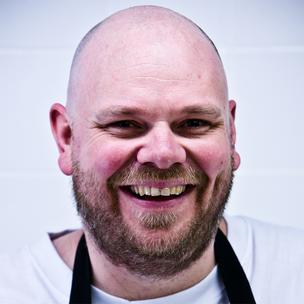
“We have, and I couldn’t be happier. That’s what gets me up in the morning.”

Will you be playing quite a few of the new songs on this leg of the tour, or is it a greatest hits package?

“Maybe three or four from the latest album, but we’ve had around 40 top-20 hits. If we just played them we could be on stage three hours!

“We’ll be playing new stuff, old stuff, stuff people aren’t expecting, keeping it a little eclectic, trying to take people as far as we think they can go.

“We have a lot of unspoken stuff on stage, because we’ve been together for so long. We use our ears when we’re playing – listening for each other.”

You must be very tight on stage after all these years.

“Oh God, yeah. Devastatingly handsome as well. Put that in your article. Lock up your daughters – put that in too. We’re musical geniuses, basically. That’s what we are!”

For ticket details for the autumn leg of the UB40 tour, and all the latest from the band, head here

UB40 logoWith thanks to Dave Clarke of Planet Earth Publicity for helping me get in touch with Brian and talking over some of the legal issues. 

This is a revised and expanded version of a Malcolm Wyatt feature for the Lancashire Evening Post. For the online version of that, head here.


Posted in Music | Tagged , , , , , , , , , , , , , , , , , , | 1 Comment