In which author/writer Malcolm Wyatt jealously guards his own corner of web hyperspace, regular feature-interviews, reviews and rants involving big names from across the world of music, comedy, literature, film, TV, the arts, and sport.
The Don: Slade legend Don Powell with his copy of Wild! Wild! Wild! A People’s History of Slade
If you follow my social media, you’ll know I’ve become a little distracted across 2023, not least through completing Wild! Wild! Wild! A People’s History of Slade (available direct from the publisher via this link). And while this may sound a bit ‘arse about face’ – seeing as it only recently struck me that I haven’t written about that on this website since my request for people to share Slade-related memories, sightings and appreciations of the Black Country’s finest – today’s 77th birthday for Bilston-born drumming legend Don Powell is as good an excuse as any to give you a taster here, sharing part of the afterword.
It was in late May this year that Don took time out from a bank holiday weekend with his family in Silkeborg, Denmark, to talk to me. Don being Don, he was more than happy to help out, as was the case with previous conversations that led to feature/interviews here in December 2017, December 2020, and December 2022. And we started our Zoom call with me revealing how for several weeks I’d been back in a Slade zone, surrounded by their CDs, DVDs, vinyl, online resources, and past publications.
“Is that good or bad?” asked my interviewee, a mischievous grin on his face, but – as ever – genuinely questioning me, never one to assume public interest remained out there for his former band, despite all the evidence pointing to an enduring love for all things Slade. So I told him it was a very good thing, letting on that I’d been inundated with fans’ memories, memorabilia, photographs and tributes.
He’d not long since released his Don and the Dreamers LP, backed by a Danish band, that followed by The ‘N Betweens’ cracking comeback single, ‘The Train Kept a-Rollin”, when he joined forces with the one and only Jim Lea and fellow ’60s bandmates John Howells and Mick Marson.
“Yeah, and BMG have done a great package on all the old catalogue.”
It was also great to get not only Sweet legend Andy Scott but also the pair’s QSP bandmate Suzi Quatro involved with the book, I pointed out, each supplying cracking forewords.
“Ah, Suzi’s a good gal, and when we all did that tour together in Australia, we had a great time. And doing the album together was great fun.”
Thinking of that love out there for Slade, all these years on, when would you say was the first time you realised you had something of a fanbase? Was that in the days of The Vendors or The ‘N Betweens? When did you realise people were coming back each week to see you again?
“The vivid thing I remember was when it was myself, Johnny Howells and Mick Marson, playing youth clubs and birthday parties, when we first got together. Only Mick was on the telephone then, and John came back from somewhere and said, ‘We’ve got a booking at the town hall in Bilston and we’re getting paid for it. That was a total revelation for me! We got £6, so we got £1 each and could put the rest together and have chicken and chips that night from the chicken bar across the road from Johnny’s house.
“In those days, Mick and John would play through the same amp, I had my small kit, and we carried it round to the town hall, just around the corner. And if we were playing a youth club a few miles away, you could take it on the bus, and there’d be a luggage compartment underneath the stairs. Wonderful memories, when you think!”
There are some great resources online these days, the likes of Slade historian Chris Selby having done a grand job, after decades of research. I highly recommend his online pages (linked here), as well as Don’s official site (linked here). For instance, I recently discovered that on the day I was born in late October 1967, you were playing a pub called The Greenway in Baddeley Green, Stoke-on-Trent.
“Baddeley Green – yeah! We used to do a lot of gigs in Stoke-on-Trent. Pub gigs. We had a van then. We thought we were big time! We paid 90 quid for an Austin J2, put a partition in halfway through, so the equipment could go in the back and we could sit in the front. Stoke-on-Trent was about 30 minutes from us, and we’d feel like we were travelling to the other end of the world when we did that!”
I guess that was a very different Staffordshire in those days.
“Exactly. And blimey, I haven’t heard that for a long time – ‘Staffordshire’! That’s all gone now. Stoke brings back a lot of fond memories. We used to play there a lot. There was a pub there called the Golden Torch in Burslem. We played a lot of pubs around there.”
I recall you saying The ‘N Betweens’ ‘You Better Run’ was a No.1 hit locally…
“In Wolverhampton, yeah!”
Did you feel you’d made it then?
“Oh yeah, we were big time then! John used to announce it as ‘our No.1 record.’ Great fun!”
Drum Major: Don Powell suggests ‘Let’s call it sticks!’ amid a 2023 video shoot
The Slade story is one which suggests it takes several years to become an ‘overnight success’.
“That’s it! We kept going, thinking, ‘This is the big time now – we’ve done it now. Our gig money went from £20 or £30 to £50. This was incredible. We couldn’t believe it. Through meeting {US producer} Kim Fowley we were with the Derek Block agency.”
When was the first time you experienced anything that suggested scenes of ‘Slademania’?
“Oh, I think that was in Margate, a big ballroom right on the seafront {Dreamland}. When we got there, there was a huge queue round the block. At first, we were thinking, ‘Who else is on tonight then?’ We hadn’t got a clue, and never thought of ourselves as anything like that. That was at the time of ‘Get Down and Get With It’ becoming a hit. We already had a great reputation for live work anyway, before the hit records. That really helped, especially that single.”
(Records suggest that was early June 1972, a year later than Don recalls, with ‘Take Me Bak ‘Ome’ on its way to becoming Slade’s fourth hit and second UK No.1, that Dreamland date colourfully recalled by Roy Tappenden in the book.)
“In those days, ‘Get Down and Get With It’ was considered a bit too rowdy for radio plays. But they had a lot of live sessions on Radio One then, and we always used to play that. That was the only way we could get it played on radio… until it went into the charts. I remember it being a nail-biting time. It was No.32 in the charts, and you had to be in the top 30 to get on Top of the Pops. We felt, ‘Great, next week!’ But the following week it was at No.32 again! Nooo! But the following week, luckily, it went to No.29 and we got on Top of the Pops, and that was the programme in those days.”
That single went on to reach No.16. Slade were finally on their way. They had appeared on Top of the Pops before though.
“Yes, we had! With a song called ‘Shape of Things To Come’ {released in early 1970}, written by Barry Mann and Cynthia Weil, apparently the theme tune for a film, one only released in America {Wild in the Streets, 1968}. In those days they had a new release slot, and we got that, which was unbelievable. That was in the main BBC studios in Shepherd’s Bush, London. We’ll always have fond memories of that, because they had a great canteen! We weren’t earning much money, but you could get a great meal for just a few bob. We’d stuff our faces!”
‘N Betweeners: Don and Jim, 2023. Photo: John Barker, Slade Are For Life, Not Just For Christmas
Interesting you say that, as legendary photographer Gered Mankowitz (who worked very closely with the band and also features in the book) told me you Slade boys turned up early and more or less polished off the fresh-cooked turkey and sausages at one of his Christmas parties.
“Yeah, free food! I saw Gered a couple of years ago when I was working with Andy Scott and Suzi Quatro, and he did the photographs then too. We have lots of memories with him, like when we became skinheads and things like that. He did all those early album covers, and he was the photographer for Jimi Hendrix and in the early days did a lot of work for the Rolling Stones. And his Christmas parties were fantastic. We were always first in! There was him and his partner, Red, who looked like a mad Viking with his red hair, and they made these incredible big vats of punch. We’d go straight to the food and booze table!”
I also talked to Bob Young and Ray Laidlaw regarding (respectively) Status Quo and Lindisfarne’s parts in your package tour to Australia in early ’73.
“Ah, brilliant! That was a great tour, with us, Quo, Lindisfarne and Caravan, about three weeks. That was the first time we’d properly got together with them, although our first UK tour was with Quo, when – would you believe it – the ticket price was 50p! We’ve been mates with Quo ever since, and that tour of Australia was mayhem – we ended up having police escorts on the plane with us. We were just school kids really, fooling around and stuff like that, being silly. Great fun though.”
I also talked to Quo drummer John Coghlan for the book (the pair had a ‘talking’ gig last month on John’s adopted rural Oxfordshire patch, hosted by former BBC Radio 1 DJ Mike Read, these days best known for Talking Pictures TV and radio’s Heritage Chart Show), asking for his memories.
“Ah, about 25 to 30 of us musicians, actors and writers still get together for a lunch in London, putting about £30 in each and just eating and drinking all afternoon. Perfect. And me and John often sit together, reminiscing, and Bob Young’s there as well.
“I must tell you this. Back in the ’60s there was a band called The Tornados, and Clem Cattini, the drummer – another who attends these events – was telling us how after that band, he went into session work, and he’s played drums on over 200 hit records. I think it’s like 65 No.1s. That’s a hero, there! He once did two No.1s in one day. He never knew where he was going. He did ‘Lily The Pink’ in the morning, for The Scaffold, got his £36 – £12 an hour – packed his drums up and made his way to another studio, and did ‘It’s Not Unusual’ for Tom Jones. So he got £72 that day. A fantastic day.
“He’s got some great stories, and Bruce Welch from The Shadows is always there, another lovely bloke, telling us about when Cliff and the Shadows toured America in the Sixties – no private plane, but on a Greyhound bus, playing with Dion and the Belmonts, Frankie Avalon, people like that. Lovely stories.”
Drummers’ Union: Don Powell with a good friend, Status Quo legend John Coghlan
Talking of America, the official line is that Slade never made it in America, but there must have been times where it felt like you were on the verge of success there, picking up a following.
“Yes, when MTV started in the ’80s, and we got booked to do a tour with Ozzy Osbourne… but that got knocked on the head because Jim Lea went down with hepatitis. But we stayed over, Jim staying in his hotel room and being seen by a doctor every day while Nod, Dave and myself were doing promotion in Los Angeles, lots of radio interviews. ‘Run Runaway’ was the big record, and went Top 20 in ‘84. We never went back though. That’s when we should have done the tour with Ozzy.”
You were more of a studio outfit by then, weren’t you?
“I suppose we were. Nod didn’t particular want to tour anymore.”
Going back a little further, I wanted to touch on the ‘wilderness years’, after you returned from that huge spell in America in ’77 and found yourself at rock bottom. The audience had largely deserted you, but there were loyal fans who stuck by you and ultimately saw you through to that next big opportunity. I know it’s complicated by your memory issues, but by the time you were on that ‘chicken in a basket’ club circuit you must have started to recognise familiar faces out front, and I get the impression you were more or less one big family by then- the band and the fans.
“I tell you what, Malc, it never deterred us. We were still giving them the same show. We were down in the dumps, and it was hard to get gigs, so we started doing those particular kinds of clubs. But we wanted to work, and still wanted to play shows. That was it, really. And it wasn’t until the Reading Festival {1980} came up that…
“I remember Nod calling me. We hadn’t worked together for a couple of months, I think, but he told me we’d been offered Reading Festival, and we were killing ourselves laughing over the phone! But we felt we’d got nothing to lose. We got our gear together, with our equipment in the school room where we used to rehearse in Wolverhampton – just a classroom in a disused school. It was the local vicar who ran it, loaning the classrooms out for bands to rehearse in. I think it was about £4 or £5. We called him Holy Joe. He’d get his fiver, then he’d be up the pub on the corner, about 50 yards away. If you needed him to lock up, you’d find him in the pub!
“That’s what we did when we were offered Reading. We just had a couple of rehearsals. And we didn’t really have any passes. We were walking through with the punters, everyone saying, ‘What are you lot doing here?’ And we said, ‘Well, we’re playing tonight!’”
One contributor to the book mentions how he was at that festival when he started hearing rumours about you playing, but it was only he saw Swinn {Slade road manager Graham Swinnerton} walking around that they knew it was actually happening.
“Yeah, my best schoolmate, Swinn! It worked great for us, and as it was being recorded, we bought the tapes and released them.”
By then, Dave Hill was looking at setting himself up in a wedding car business, hiring out his gold Rolls-Royce and offering his services as a rock ‘n’ roll chauffeur – not so much ‘Get Down And Get With It’ as ‘Get Me To The Church On Time’. How about you? You must have had your own doubts and fears regarding a possible split, pre-Reading Festival.
“I did. I was in no man’s land. I was living in London then, and me and Nod used to see each other when he came to London, have a drink together. I was basically doing nothing. I’d helped a couple of guys out in the studio, did some drums for them. That was quite nice.”
Was that a bad place for you – having so much time on your hands, at a time when you were – let’s face it – hitting the bottle.
“I was a bit over the top on the old ‘falling down water’. Yeah, and when I think back to those years, I can’t believe I’m still here. Unbelievable.”
But it was the likes of (fan club revivalist) Dave Kemp and those loyal fans who kept you going until that late August 1980 revival, standing by you, knowing full well you could still knock them dead every night.
“It was wonderful. It’s amazing. Those people were always there. In those days, I still had a place in Wolverhampton, and from North London I could get in my car and get on the M1 pretty quickly if I was going back. But as it happened, when I lived in West Hampstead, I lived around the corner from Dave Kemp. And we owe a lot to those guys. They stood by us through thick and thin.”
Great Pals: Don Powell with Dave Kemp, the pair close friends for many years
Judging by where you’re at these days, into the second half of your seventies, appreciating your adopted home and loving family in Denmark but also getting back to the UK regularly for some or other project, you clearly still get that buzz performing and reminiscing about Slade.
“Oh, yeah, I love it. I’ve always said, as soon as I stop enjoying it, I’m getting out. But I’m having a great time. I’ve been recording with those Danish musicians. Henrik, the keyboard player, approached me, and I thought it was great. I didn’t know these guys in The Dreamers, but my wife Hanne did, saying they’d all been in big bands around Denmark through the years. And it was great – just like the old days – no machines, we just went in and played as a band in the studio. I forgot what that was like! If anybody made a mistake, you stopped and started all over again. No messing around with computers.”
Talking of mainland European links, any specific memories spring to mind of your time in Dortmund with the band that would become Slade, back in 1965?
“Oh, blimey, Dortmund! Would you believe it, we were on £12 or £13 a week each, and I always remember after playing eight or so hours at night, going to the local railway station, where there was always a caravan where we could get chicken and chips. This was November and we stayed in this farmhouse, all of us in one room. I don’t think I had a bath for a month – there was no hot water. But it didn’t matter, we were just five kids having a great time.”
I guess that’s where the bond came from which saw you all through so much, as was the case with your late ’60s Bahamas residency.
“Definitely. And I think that’s what bands are missing today. Like you say, that bond, sharing bags of chips and things like that. Great memories.”
Finally, I mentioned it before, but this is a people’s history of Slade, and it’s clear that there was always a close bond between the band and the loyal fans – it was two-way traffic. Just to reiterate what we were saying, those supporters pulled you through at key times. However strong a band you were, there were people out there who kept catching you live and being there for you.
“Yeah, we’d see that little group of people down the front at every gig, some of them even travelling to Europe, if we had a gig there. An incredible mainstay, they were. We owe a lot to them. They were fantastic. And we’ve always been a band that have appreciated people who have given us help. We’ve never forgot it, because we were the same as lots of struggling bands still trying to do it. So I still keep in touch and still speak to a lot of people who helped us along the way. It’s been fantastic, mate, and I really appreciate it.”
Visiting Time: Don Powell, outside Suzi Quatro’s dressing room at the Royal Albert Hall
To order a copy of Wild! Wild! Wild! A People’s History of Slade by Malcolm Wyatt (Spenwood books, 2023), follow this link.
A new Swansea Sound album? What’s not to love? Hue Williams reunited on record with Amelia Fletcher, 35 years beyond their initial Pooh Sticks collaborations, joined by Rob Pursey (Amelia’s co-rider from Talulah Gosh and Heavenly days through to The Catenary Wires), Ian Button (Death in Vegas, Louis Philippe, Pete Astor, Papernut Cambridge), Bob Collins (The Dentists, The Treasures of Mexico), Bill Brewer, Jan Stewer, Peter Gurney, Peter Davy, Dan’l Whiddon, Harry Hawke, Uncle Tom Cobley and all on second long player, Twentieth Century.
I might have added a few more band members there, unless they’re the ‘Seven in the Car’ on track two, or those asked to ‘Pack the Van’ on the closing number of this delightful 12-song opus, bringing it all to a fitting sandy end. Besides, we’ve had ‘Route 66’, then Billy Bragg’s Essex alternative, ‘A13 (Trunk Road to the Sea)’, so a hymn to the less celebrated A4067 coast road from Swansea to Oystermouth and the Mumbles is alright by me.
And it’s a record every bit as appealing as debut Swansea Sound LP Live at the Rum Puncheon, released in 2021 to considerable acclaim, from a pandemically-formed outfit that came about mid-lockdown, recording their first three singles without even meeting – ‘Corporate Indie Band’ appearing as a cassette on the Lavender Sweep label, getting lots of airplay, the next releases on 7” vinyl, including ‘Indies of the World’, which reached the UK vinyl top 10.
The new record, out on Rob and Amelia’s Skep Wax Records (SKEPWAX016) this Friday, September 8th on vinyl LP, CD, and digitally, lands in a month when the band are also set to play live on BBC 6 Music’s Marc Riley and Gideon Coe show and have been named as Huw Stephens’ album of the week on BBC Wales. What’s more, they’re touring the UK, with plans to play in the US and Japan in 2024.
So what do we get this time? ‘An album of sparkling pop-punk tunes from these lovable veterans of the indie scene… deploying their fuzzed-up guitars and melodic wiles in a set of loud, energetic pop songs… containing self-deprecating critiques of everything that was supposed to be great about the alternative culture of the 20th century, and of the way that culture left its adherents totally ill-equipped to deal with the reality of the 21st.’ And I can’t argue with any of that.
‘Paradise got digitised, lithium and cyanide.’
Taking a closer listen, we start on side one, track one with ‘Paradise’, where ‘old-school futuristic synth-bleeps accompany Hue as he tries to establish some kind of relationship with a woman who only really exists on his screen,’ and ‘like an early ‘80s Gary Numan aficionado, he spends most of his life in digital isolation.’ Meanwhile, ‘thousands of miles away in a coltan mine, using their bare hands to dig out the precious ore that will provide the raw materials for the manufacture of Hue’s smartphone, impoverished workers lose their lives,’ the woman Hue hopes to communicate with remaining as elusive as ever.
Starting an LP with a song of the same name as the lead track on 1979’s A Different Kind of Tension is a brave thing to do for a band who openly love the Buzzcocks. But 44 years on, we know better than ever that ‘everything’s fake, nothing’s real’, and the added surf harmonies work well, on an album where many times I’m caught between enthusing about what I’m hearing and wondering if I’ve heard that melody somewhere before. No bad thing, for the record, so to speak.
‘Seven in the Car’ for me is a celebration of past nights out, in the case of myself and the band in question to see some indie outfit or other in the late ‘80s. While I never caught the shambolic live wonder of The Rosehips, I know exactly where the writer’s coming from, and feel I may well have been in that motor. Not sure if you could legally fit seven in the Allegro on the band t-shirt, mind.
‘Keep your head on, cos they will do anything to gaslight you.’
‘Keep Your Head On’ was the first single from this LP, and it’s something of an understated treasure for these ears, the band digging into the kind of ’60s underground roots Primal Scream once toyed with. And while I don’t often mention promo videos, the one for this is a thing of wonder (as linked here). Hats off to Amelia and Rob. An evening class act, you could say.
‘Click It and Pay’offers ‘another cracked duet’, Hue the ‘stressed-out home-worker doing some online shopping’, Amelia ‘the girl in some distant hyper-warehouse who fulfils his requirements.’ They’ll never meet, but bond through CDs by The Police and Primal Scream that form part of his shopping list, as ‘21st century romance amounts to no more than the purchase of music reissued from the 20th’. The result is rather awesome Wire-esque fare that’d have me up the front in a heartbeat, a collision between Nuggets-style psych pop and indie punk, the sort of breathtaking number Graham Coxon was delivering in the mid-2000s.
And seeing as I’m down the front, I’ll stick around for dancefloor thriller ‘I Don’t Like Men in Uniform’, which tells a tale of frustration, the subject ‘still angry, still seething with pain’ but ‘no longer robust enough to sink his fists or his teeth into the authority figures he hates.’ As for the music, maybe it’s the missing link between Sparks, Buzzcocks and The Wedding Present.
‘Our clothes were black our amps were heavy, but were the population ready?’
Regarding killer riffs, they don’t come much bigger or more urgent than that driving wondrous title track and second single ‘Twentieth Century’, the tale of‘a pseudo-punk singer in fatigues, a purveyor of radical anthems, cushioned by a major label deal, who wonders why he’s lost contact with his once-devoted fans’ and ‘can’t tell whether he cares more about his integrity or his record sales.’ And that chugging Mekons-like guitar and glorious vocal jostling between Hue and Amelia is somewhat sublime. Oh, and another honorary mention for the inventive promo video (linked here).
When I say The Mekons, you realise I mean ‘Where Were You?’ I was going to say this is their 21st century take on that, but that would only confuse, going by the title. What’s more, they’re not content to just rest on the laurels of that ‘insistent, infectious guitar riff’, the middle-eight taking us elsewhere, in a ‘Townshend at his best’ kind of way. And you probably know me well enough by now to realise at least once a year I’ll write about a single deserving to top any number of charts, adding ‘it won’t be a hit in this day and age, but it bloody well should be…’ or words to that effect.
‘I Made a Work of Art’ sees a return to the bandmates’ indie past, I’d say. And do you know what? They not only pull it off all these years on, but I reckon they’re doing it better than ever. There’s power in an indie art punk union, it seems. And while we’re on the high points, ‘Markin’ It Down’ is next, and while we’ve had a few great songs about record shops – Jeffrey Lewis & the Voltage’s lo-fi indie classic ‘LPs’ for starters – this is a different spin, you could say, pitched somewhere between The Modern Lovers, Lou Reed, and Robert Foster. Complete with its own sonic nudges, nay respectful nods to Kleenex, Can, and The Fall. Marvellous.
‘Sitting in his easy chair, he runs his hands through greying hair And contemplates his country estate.’
On ‘Punish the Young’, we have ‘an ageing rock icon and sometime rule-breaker’ who ‘curses the young people of 2023 who couldn’t care less about his heroic past,’ despising them ‘because they don’t want to work for shit wages on the trout farm that he bought with his royalties back in the 1980s.’ Roger to that, eh. A little more guitar-driven, this, but with that ‘60s underground DNA apparent, The Kinks and Teenage Fanclub in there, those surf harmonies returning.
As for ‘Far Far Away’ (first, the Buzzcocks, now Slade, eh?), their ‘love song to Pete Shelley, a tribute to a true 20th century hero,’ I feel I should know that guitar vibe in the chorus. The Banshees or Magazine, perhaps? Anyway, I can envisage rock’n’roll animals Hue and Amelia heading off stage to start on the rider while their guitar god and rhythm buddies in the band deliver an extended jam on this number. Yeah, right.
For ‘Greatest Hits Radio’ – a real builder, I feel, and not necessarily like Wendy’s mate Bob, with Amelia’s added vocal making me think of Girls at our Best – the band focus on both ‘the brutal 19th century slate mines of North Wales’ and ‘digital corporations of the 21st, extracting as much profit as they can from two things people need: shelter and entertainment.’ Is this the band’s title song revisited? A ’Swansea Sound (Pt.2)’, that song’s grim take on radio broadcasting once more examined? Well, within we hear the voice of a ‘young girl forced to work in the contemporary coltan mine – as downtrodden and as abused as the kids who toiled underground in Blaenau Ffestiniog to extract the slate 200 years ago.’
So where is the hope? Well, the music – as ever – is joyful, guaranteed to ‘put a smile on your silly indie face’, not least closing number ‘Pack the Van’, where ‘the band make fleeting contact with the pure idealism of their early teenage years, remembering the beautiful beach on the South Wales coast that provided the backdrop to their passionate youth.’ And as they put it, ‘maybe if we could access that optimism again, we might find a way forward…’
‘So if we pack the van, maybe we’ll find the coast road. And where it turns to sand, the sky will still be gold.’
I’m getting the wistful positivity of It’s Immaterial’s ‘Driving Away from Home’, or maybe Neil Finn’s ‘Taking the Rest of the Day Off’. There’s also – probably because of the title – a reminder of lost BOB classic, ‘Another Crow’, my favourite song about touring {‘We travelled around but we didn’t see nothing new. In the back of the Transit, I wrote a song for you. Another motorway, another crow, and I’m afraid I forgot how your song goes.’)
And that brings me to another tour song, having talked to Ian Hunter about Mott the Hoople’s ‘Saturday Gigs’, mentioning ‘sehnsucht’, the German word meaning nostalgia for a place or time you’ve never visited. I felt that way about those early ‘70s Mott shows in Croydon, somehow sad I wasn’t there… and the same goes for Hue and co.’s coastal road trip. However, as is the case elsewhere on this record, it’s as much about anywhere as there, the Go-Betweens-style feel making me think it could as easily be about taking the road north or south from Brisbane or Sydney. Such is the power of a great song.
I like the fact that they never pretend to be anything other than creatures of the last century, happy to ‘celebrate the joy of cramming into a car with loads of mates to see a gig at a crappy indie venue in the small town where they live’, as is the case on ‘Seven in the Car’. And ‘they don’t see why that kind of joy needs to stop: in fact, it may be one of the important things we’ve got left.’ True, that. Here’s to future spot-on political and social observations, cracking songs, and wistful thinking, Swansea Sound style.
Swansea Sound are playing a number of live dates this Autumn, their September 9th Rough Trade East album launch in Brick Lane, London E1 (tickets) followed by visits to Manchester, The Talleyrand, September 14 (tickets); Cardiff, Moon Club, September 15 (tickets), Carmarthen, Cwrw, September 15 (tickets); Bristol, Rough Trade, September 17 (tickets); St Leonards, The Piper, September 29 (tickets); Paris, Popfest, September 30 (tickets); Leeds, Wharf Chambers, October 13 (tickets); Newcastle-upon-Tyne, Cumberland Arms, October 14 (tickets); Brighton/Hove, The Brunswick, October 27 (tickets); and London, The Water Rats, October 28 (tickets).
For the latest from Swansea Sound, check out their Facebook, Instagram and Twitter accounts, and also keep in touch via the Skep Wax Records website and their Bandcamp pages.
For this website’s December 2022 feature/interview with Rob Pursey of Swansea Sound, head here.For November 2021’s feature/interview with Hue Williams, head here. And for June 2021’s featuyre/interview with Amelia and Rob, marking the release of The Catenary Wires’ Birling Gap LP, head here.
Leisureland Lord: Wreckless Eric has delivered a mighty new album, and is set to tour. Photo: Bert Eke
When I told Eric Goulden, the artist best known as Wreckless Eric, where I was calling from, he pondered over the geography until I mentioned it was a few miles south of Preston, Lancashire.
“Oh, I know Preston. I’ve had the windscreen wipers torn off my van in Preston. I have a friend who always puts, whenever I announce any dates, ‘But you’re not playing in Preston.’”
Maybe it’s too late to add a date this time, but if you squeezed one in, I could aways bring some windscreen wipers along, just in case.
“What, you’d tear off your own windscreen wipers? Y’now, ‘For a bit extra I’ll rip your car aerial off and replace it with a coat-hanger.”
Ah, those were the days. Not so common with these new-fangled motors, of course.
“No, you don’t see that thing with the coat-hanger anymore.”
I had an elderly neighbour a few doors down who fashioned something similar at his place, so he could watch telly upstairs in bed. I felt that was a bit of a throwback.
“Marvellous! And when you get to a certain age, you can really freak people out if they give you a ride anywhere. As you get out the car, you say, ‘Oh, don’t worry about that. That will soon dry off.’ Ha! Or as you get in the car, look at the seat, put a newspaper down, and say, ‘I see you’ve had that Mr. Braithwaite in the car again.’”
Fantastic. And where do I find this much-loved musician, artist, writer, recording engineer and producer today?
“Oh, I’m in Cromer, in Norfolk.”
In your head or in real life?
“No, I mean in real life… really!”
The reason I ask is that in the press for his new LP, the rather splendid Leisureland, he suggests there’s a bit of Cromer in there.
Explaining the idea behind the LP’s theme, he says, ‘Standing Water is a British seaside town – amusement arcades, crazy golf, stagnant boating lake, unemployment… People flock in, spend money, but the locals don’t get rich, they get pushed out. They end up on the Brownfield Estate, tucked away behind the out-of-town supermarket, where local children play on grassed-over landfills that seep methane gas.
‘The derelict interior of the Majestic cinema: broken seats, rotting red velvet, fallen, gilt-covered plaster mouldings… the screen, ripped and lurching. It could be the theme for a budget TV soap. The music plays, the credits roll, mugshots of the cast of everyday characters loom and disappear – Mr Braithwaite played by a well-loved British character actor in his 80s with disquietingly perfect teeth; a genial young policeman, all sticky-out ears and Brillianteened quiff; an old sea salt; an antique dealer; a brace of lady dog breeders… Normal folk just like you and me.’
That sets the scene perfectly. With Cromer just one real-life example.
“There is a bit of Cromer in there. But there’s a bit of every seaside town I’ve ever investigated in any way. It’s not all about seaside towns, though, and I don’t know if ‘about’ is the right word, anyway, but there’s a lot of seasideness about it, and a lot of Englishness about it.”
He’s certainly nailed that. Is this his dog-eared love letter to the old Blighty he left behind?
“Well… yeah, my last three records were written and conceived, if you like, in America, and were pretty American. Not me. I’m still very English, but they dealt with much more American matters, so I really did have a conscious thing in my head that I’d do something that was more about England.
“I never want to lose that. I say England because I’m much more English, I think, than British. I think Scotland’s the best part of the British Isles in so many ways, but I’m not Scottish, and neither am I Irish. I’m probably one of the only people in America who doesn’t think they’re Irish!
“We’re actually working on moving back to England now, to live.”
When he says ‘we’, that’s him and long-time partner, Amy Rigby, an acclaimed singer-songwriter in her own right. And where might they settle?
“Well, you know… Norfolk… Cromer. We love the area. There are places that will be more convenient, in a way, ‘cos it’s a bit cut off, but we don’t like ‘em as much.”
Those most recent LPs mentioned were 2015’s amERICa, 2018’s Construction Timeand Demolition, and 2019’s Transience, widely praised as his best, from an artist looking to encapsulate ‘pop, bubblegum, garage trash and psychedelia – lyrical and sonic journeys, pop explosions, epic voyages, Polaroid snapshots.’ And then came covid, with Eric left at death’s door, his ultimate recovery leading to a whole load of introspection.
“Before the pandemic I used to tour all the time. It was almost as though I was addicted to it – new places, new people. During the lockdown I couldn’t go anywhere. I think that’s why I started to invent a place.
“Covid hit me hard, damaged my lungs, gave me a heart attack – I almost died in the emergency room. I began to feel extremely… mortal. I began to look at where I’ve been and where I come from. Maybe to get my mind off the ultimate destination.”
Accordingly, Leisureland sees him return to a more ramshackle world of recording – ‘guitars and temperamentally unpredictable analogue keyboards, beatboxes and loops,’ in conjunction with a real drummer, Sam Shepherd, who he met in a coffee shop in Catskill, New York, delighted to find he lived around the corner and could easily drop by to put drums on newly-recorded tracks. And while the recording methodology may be contemporary American, the subject matter is almost entirely from his home nation. It also contains more instrumentals than any of his previous albums.
He’s certainly captured the seaside feel he was after on this record, and that sense of Englishness. For me, there are elements of everything from The Beatles, The Kinks, and The Who – which I guess are all deeply woven into his musical DNA, not least those McCartney and Entwistle-esque bass guitar flourishes – through to Mott the Hoople and onwards. I’m even getting a bit of Tommy… or even David Essex in That’ll be the Day. Eric’s inner Tommy Walker… or perhaps his Jim MacLaine.
“Oh, that’s a very underrated film {That’ll be the Day}, an incredible document from that time. You know, you can’t find it anywhere anymore. I thought that was a great film. That was the generation just before mine, but there are so many overlaps. I could relate to it – that post-war austerity was still lingering when I was growing up. But I didn’t want {this album} to be nostalgic. It is contemporary, I think.
“My viewpoint is contemporary. I mean, the seaside is a fantastic thing. You have these places, and they have a grimy, darker side which is like, what you see is people enjoying themselves, middle-aged men taking their shirts off, their wives thinking, ‘You can carry this off, Mick!’ and they’re going, ‘Yeah, I can. I’ve taken my shirt off. Deal with it!’ I miss that kind of belligerence of the British holidaymaker. Ha!
“But most people are really nice, and there’s something really sweet about people being on holiday and having a great time. You see all that, but behind there’s a whole world of everyday life. There’s seasonal employment, there’s minimum wage employment, there’s a lack of decent places for people to live because everywhere’s rented out for holiday accommodation and the odious AirBnB. And what you get with that is drug problems, and you get a town like Great Yarmouth.
“Y’know, when everyone was going abroad for their holidays, those towns got incredibly run down, so you get asylum seekers there. ‘We’ll put them where nobody else wants to go.’ And it builds this hell on earth sometimes. It’s a strange dichotomy – on one hand you’ve got this jollity and joyful seaside experience, then you’ve got this awful, dark, other side to it. And to me, the thing that would really sum it up is the stagnant boating lake.”
One of so many poignant themes explored.
“They’ve actually filled in the stagnant boating lake in Cromer, made it into a crazy golf {course}.”
Casino Royale: Wreckless Eric on the way to Leisureland and a town near you, real soon. Photo: Bert Eke
That will lead to an inevitable backlash, cries of, ‘That’s health and safety gone mad. If we choose to drown in these places, that’s our prerogative!’
“Mmm, I nearly drowned in Torquay when I was a child. I was about three and managed to fall into the boating lake. They spent all week keeping me out of that, and on the last night I managed to fall in! But my grandfather fished me out, saved my life.”
There’s almost a parallel there with your old friend, Ian Dury. In his case though, there was no such saviour, polio contracted from a holiday swimming pool leading to a life of disability.
“It’s not really that much of a parallel. All I did was nearly drown in a boating like. He got polio from a swimming pool in Southend. I don’t know. I never quite got the story straight as to what happened with him.”
So sad, but something that defined him, I guess. But back to this wonderful new Wreckless Eric album, one I’ve been playing back-to-back since my first preview…
“You like it? Wow!”
I certainly do. And I think you may be teasing. I can’t imagine anyone of taste hearing a preview and not loving it.
“No, everyone seems to. I was thinking, ‘I hope people find a place for this.’ I’m never sure. I never know what to make of the work that I do. I just hope for the best.”
You’re too close to it, maybe.
“Well, you are really, when you do it. And I never really want to assume everything’s gonna be just great and it’s a God-given thing, because it never really is.”
Those neat segues between songs remind me of Paul Weller’s 22 Dreams in a sense, in this case breathing space between evocative sonic postcards from the old homeland. Did you go into the studio with that in mind, or was that something that happened along the way?
“I didn’t think, ‘I’ve written all the songs, now I need to book some studio time.’ I record all the time – we have a studio in the house. I’m a pioneer of home recording, I suppose. I spend a lot of time recording and sometimes, you know, I do it for a purpose. Sometimes I’ll think, ‘I’ve got this track, I’m gonna record it,’ and sometimes I’ve got bits of songs and record those. I never really make demos. I don’t like to think in terms of, ‘I’ll make a demo, then I’ll make the real version.’ I just start doing it and things get patched up and cut together. I’m more of a collage-ist than a songwriter. I kind of make it all up as I go along, see what happens.”
I like the way you come back to recurring themes, such as mentions of your John, Paul, George and Alan characters. I don’t like to suggest it’s a concept album, but there’s a bit of that.
“Sort of, yeah. I did think of making a concept album and was going to call it Standing Water. It was going to be 12 tawdry tales or something, but honestly, I couldn’t do it and then I had all these other bits of songs like ‘Radium Girls’. That’s actually American. It doesn’t fit, but it kind of fits… and I don’t know how. It may be just that I made it fit by saying, ‘Yeah, l made it fit. I’ve taken my shirt off too’!”
He’s off again.
“I don’t think men should be allowed to take their shirts off in public after a certain age. But anyway, ‘Radium Girls’ fits because I say that it fits, you know. Ha ha!”
It’s not all been a smooth ride, Eric previously putting on record he didn’t like either the music business, the mechanics of fame, or the name he’d been given to hide behind, so he ‘crawled out of the spotlight and disappeared into the underground’. He went on to release ‘20-something albums in 40-something years’ under various names – The Len Bright Combo, Le Beat Group Electrique, The Donovan of Trash, The Hitsville House Band, and with his wife as Wreckless Eric & Amy Rigby, finally realising he was stuck with that original stage name.
When we spoke, he was still a couple of weeks off his LP launch at London’s Rough Trade West (Friday, August 25th), ‘playing for 30 minutes or whatever it is.’ He also let on that he’d been asked to headline across town at Clerkenwell Festival (Sunday, August 27th), after Chris Difford pulled out through illness, ‘which is a shame – he’s a lovely man.’
I told him I felt he and Chris had a bit in common, but maybe I was back to musical DNA – the pair the products of everything they’d come from and listened to in their formative years.
“Well, yeah, we grew up at the same time. I don’t know if he’s a bit older than me. I can’t figure it out.”
Actually, they were born the same year – 1954 – albeit 55 miles apart, with Eric in Newhaven on the south coast, a few months older, Greenwich-born Chris yet to hit his 69th birthday.
Eric talked a little about his own beginnings in the press release with the album, dwelling on his East Sussex seaside roots.
“I thought of my birthplace. My parents hated it – they couldn’t wait to leave. They’d moved there because of my dad’s job. I was born there and even though it might be a dump, it was where I came from, and for a young boy it was paradise – docks, cranes, cargo ships, fishing boats, a Victorian swing bridge, a steam locomotive rolling through the town centre… And the ferry service to France. I could see it, from the cliffs alongside the dull bungalow suburb where we moved when advancement made home ownership possible – the old Versailles steaming out of the harbour mouth, disappearing over the horizon to a distant somewhere else.
“Growing up in South-East England I didn’t know how the world was laid out, though I had a pretty good idea that it was fucked-up. But my parameters were narrow – I lived an enclosed life. A walk to the end of the road, a bus ride, a train, a short walk to the school gates at the other end. Always the same bus, the same train, and the same walk. I got a bicycle and the possibilities widened – ride away from home for half a day, spend the other half riding back. Then I learned to hitchhike, I hitched rides to Brighton to see rock bands who sometimes came from America.
“I understood that the world was bigger than I first thought, but still hadn’t been much further than the end of the road. I was dumb, but in my defence the information that might help me to become less dumb was not readily available – Peacehaven Public Library didn’t carry books by Jack Kerouac, and it never occurred to me to look at a map or seek out a forward-facing independent book shop because, as I said, I was dumb. I was also stoned, detached, confused, and waging a battle with the ancient neolithic settlement that lived under our house and threatened to climb on top of me most nights and crush the life out of me. I was a weird kid. We slept with our heads facing north.
“When I was 17, I gave up on trying to tunnel my way out. I learned to drive – it was easy, I was a natural. Since then, I’ve driven all over the place and driven the length and breadth of the United States numerous times. I’ve been everywhere, man. I can tell you exactly how fucked-up it is. “
Talking of travel, Eric has a handful of dates back in the States (The Depot, Cambridge, New York, September 22nd;The Avalon Lounge, Catskill, New York,September 28th;Elkton Music Hall, Elkton, Maryland, September 29th; Moorestown Music Collective, Moorestown, New Jersey, September 30th) before a UK return, his main tour opening – after his latest BBC 6 Music radio session, for Marc Riley and Gideon Coe (Wednesday, October 11th) – at Gravesend’s LV 21 (Saturday, October 14th), including some interesting stop-offs. And as someone with a passion for Cornwall, I had to ask how come he’s included The Bush Inn at Morwenstow (Sunday, October 29th). Not a venue you tend to see on the circuit.
“I think I’ve played there three times. I was doing a few gigs down that way, and this guy got in touch, said, ‘I’d love you to come and play the back room of my pub. We do put things on. I could get an audience.’ I was a bit worried about this, but had a day I couldn’t fill, so said okay, and when I got there he’d printed out song lyrics from all different parts of … I thought, ‘Take the Cash’ or ‘Whole Wide World’, fair enough, but he had song lyrics from all over. He said, ‘You know that song you did on this album…?’ I realised, ‘Oh, he’s actually a real fan.’
“He owns this pub, run with his son or daughter and son-in-law. He’s really good, and I’ve got a soft spot for it. And there’s an intelligence kind of thing, like Jodrell Bank, nearby.”
That’ll be GCHQ Bude, at Cleave Camp, a couple of miles away.
“Yeah, a very, very strange area in some way.”
Also on the list is Hull (The Wrecking Ball, Friday, November 3rd), an important location for Eric over the years. Back to his art school days, but also with his beloved, Amy.
“Yes, I went to art college in Hull and wrote ‘(I’d Go the) Whole Wide World’ when I was there, and first played it there. Years and years later, I was going to play Hull and the promoter said, ‘Can you come up a day early? I’d like you to be the guest DJ at this gig by Amy Rigby. You’ll like her. She does ‘Whole Wide World’.” I said, ‘Oh yeah, I’ve heard of her.’ And she played the place where I first played ‘Whole Wide World’, having just written it. That’s where we first met. It’s funny. I could have stayed in the pub! I wrote this song saying, ‘I’ll go the whole wide world just to find you,’ and could have just stayed where I was, really, couldn’t I!
”I remember watching her playing, thinking, ‘She’s great, a bit like Chrissie Hynde. Really good at this, but she’s out of my league… and probably neurotic anyway. I had all these kinds of ideas. I would never have thought we’d be married, you know.”
He’s packed a fair bit in down the years, and in 1998 wrote his autobiography, A Dysfunctional Success – The Wreckless Eric Manual, covering his life in England in the punk rock years and the music industry, ending at his departure for France in 1989, having remained across the Continent for that previous decade.
As for his relationship with Amy, the pair having moved to upstate New York in late 2011, they’ve been an item for a fair few years now, releasing the first of their three LPs together in 2008, their liaison perfectly documented in the song, ‘Do You Remember That?’
“Yes, and it’s true, that – everything in that song. The one-way street mentioned was in Edinburgh. I did drive the wrong way down a one-way street. I can remember that. She’s going, ‘Do you always drive like this?’ There was a quick U-turn, all these people going, ‘What did you just do?’”
Going right back, is that right that while based in Hull you took a trip over to Oldham to see Kilburn and the High Roads, in what turned out to be a big turning point, shaping your own journey?
“No, some of my family come from Oldham, but I never went there to see Kilburn and the High Roads.”
Oh dear, seems I may have fallen foul of the rule concerning using unverified Wikipedia trivia.
“Oh, fucking hell! I don’t know how to start with Wikipedia. You know, a few years ago me and my daughter used to get on the Elvis Costello Wikipedia page and change things… because we could! It was a despicable thing to do.”
Maybe Costello was doing it to you too.
“No, I think he’s got better things to do. I hope he has. I feel it was awful to do that, but we wanted to see if we could. Anyone can write any crap. It’s the most spurious… I tried to change some of mine, but it wouldn’t let me because it wouldn’t believe I was me. I had no authority!”
All the same, I’m guessing there was a sea change when you saw a band of that ilk.
“No… actually, I saw The Pink Floyd when they were still cosmic and weird. I saw bands like Procol Harum. I used to go and see them a lot, because they had a Hammond organ, and found that so emotional. I saw a band called Stone the Crows, with Les Harvey – Alex Harvey’s brother – the guitar player, and that was an epiphany in a way. But every band I ever saw was like an epiphany… the Pretty Things… Kevin Ayers… a band called Patto with a guitar player called Ollie Halsall… you know, ‘How are these people doing this? How does this work?’ Kilburn and the High Roads were just another one of those, really.”
I didn’t realise, until I looked him up, Ollie Halsall’s link to The Rutles, having played many of the instruments and provided lead and backing vocals on their 1978 self-titled album. But Eric Idle was cast in his place in the film, Ollie – who died in 1992 – instead in a minor cameo role as Leppo, the legendary fifth Rutle who got lost in Hamburg.
Incidentally, John ‘Barry Wom’ Halsey wrote of him, ‘Ollie may not have been the world’s best guitarist, but he was certainly among the top two,’ while XTC’s Andy Partridge cited him as one of his top three influences, with Bill Nelson (Be-Bop Deluxe) and Alvin Lee (Ten Years After) also fans. But let’s get back to the other Eric and those formative Stiff Records days with Ian Dury and co.
“What I did like about Ian {Dury}, was that he was very, very English about it. At a time when it was assumed that we would sing with cod American accents. I was always questioning that. Ray Davies sang more with an English accent, and Kevin Ayers did, but it wasn’t the general thing.
“You definitely didn’t want to sound English. But I always wanted it to be truthful. I always wanted to have some kind of honesty. I never wrote about Mississippi, being out on the West Coast, or driving down I-95 or something, until I actually knew about those places and had been there.”
I’d say ‘Semaphore Signals’, not least with its ‘Messages of love to the green belt, from a semaphore lover on the hill’ is just one such very English line from your back catalogue. But there are of course many who would rather just keep asking about another song from that era (‘the first song I wrote that was any good’), and I get the impression – although it was Eric who brought it up in this conversation – he gets a bit tired of that.
“Well, it’s always difficult. ‘Whole Wide World’ is an enduring hit, and when you’re a kid you might dream of that. It’s a great thing, but then you get it, and … so often, people have that and the next thing, they go, ‘Well, I’m not all about that, y’know, I’ve got all this other stuff. Why do you have to always bring that up?’ And it’s like, ‘Because it’s a fucking hit! Didn’t you want one of those?’ So I prefer to be grateful. But yes, carry on.”
Among those who have since recorded ‘Whole Wide World’ are The Monkees and Green Day’s Billie Joe Armstrong. Meanwhile, Eric’s version featured in a 2022 travel ad, while a Cage the Elephant version is the new theme tune for the Smartless podcast. It sure has a long shelf life. Quite right too.
Anyway, I was going to ask where he reckons his new converts from that world should head. Do they start with Leisureland and work their way back through his impressive body of work? Or start at the beginning with the self-titled debut LP and work forward?
“Oh, it’d take years to start from the beginning. I always thought when they teach history in school, they’ll start with the Etruscans or something, but you think, ‘Who the bloody hell are they? I don’t know any Etruscans.’ But if they started off from now and took you back, that would give you a true sense of history. You know, ‘We live in the 21st century and we have this, this and this, but there was a time when they didn’t have the internet. And apparently, before that they didn’t have cars, and they didn’t have electricity…’ Work your way back, and maybe, if you’re extremely unlucky, you’ll get right back to the Etruscans and really understand history.
“So I’d say, start with the here and now and if you’re really interested, go back. Some of the super-fans will say, and they’re very kind, ‘Whole Wide World’ isn’t my best song. I really like that, and I’ll say, ‘Thank you,’ as it’s a kind gesture. But I don’t know if it is or how you measure that. It must be pretty good, because it seems to speak to a lot of people.”
Well, he should be extremely proud of that, and we could leave it at that, not go in too deep as to why that’s resonated so widely. As it is, I was only born in 1967 so I’m a bit younger than his original core fanbase, but my older brother had good taste and through him I got to hear ‘Reconnez Cherie’ and ‘Semaphore Signals’ on a cassette version of Live Stiffs (that I have to this day), so was always aware that he had more than one great song.
And back then, you had a hell of a band, Eric, joined as you were by Denise Roudette, Davey Payne, and a drummer by the name of Dury.
“Erm… that was a strange band. I mean, it was my band, but Ian was in charge.”
I can’t imagine a scenario when he wasn’t in charge.
“He was extremely bossy in those days. But while he knew about rhythm, he didn’t know about the rest of music, really. He didn’t know about melody lines or chords or anything. I remember an excruciating moment, playing a demo for somebody we were trying to screw some money out of. I said to Ian, ‘What do we do with this instrument?’ because he was producing the demo. He said, ‘What key is it in?’ I said, ‘It’s in E.’ He said, ‘Well, just play E for 32 bars and we’ll put something in there.’ It was a version of ‘Reconnez Cherie’ with 32 bars of ‘jing, jing, jing.’ We’re all playing the E chord and nothing’s happening. We sat in this meeting, trying to get some development money out of Dave Robinson at Stiff Records, and these 32 bars of E just went on for a year. It was excruciating!
“Davey was a freeform sax player, really – he was awesome – and knew when to start and stop. But he was also somewhat psychotic, inclined to violent outbursts. And then Ian stole him for The Blockheads. I told Ian, years later, ‘I could thank you for that. You saved me years of grief.’ And he said, ‘Yeah, I know I fucking did!’
“Even on his deathbed, although Ian was smiling when he told me, he said, ‘You sacked me, you fucking cunt!’ He’d always say that. ‘You sacked me, I’ll never forgive you for that!’ He’d say, ‘We had a real good Bohemian thing going on before you fucked it up!’ But I’d say, ‘No, you fucked it up – you got the gold record.’ I was trying to do my thing, but everyone was looking past me, trying to get a glimpse of the drummer hiding behind five great big cymbals, because he’s got a gold record. It’s not a good look!
“But yeah, it was a good band for a while. Denise was fantastic. I mean, she always wore like a party frock, and we thought that was really funny. You’ve got to make an effort.”
Have you still got that badge with ‘I’m a mess’ on it, as worn on the sleeve of the debut LP? And are you still?
“No, not really… well, everyone is, in some way. You’ve got too many photos on your phone, or you don’t know where the important documents are, or whatever it is.”
How does he see himself? Artist, musician, or both? Well, he suggests on his website, “I was an art student – four years in British art colleges in Bristol and Hull. I became a momentary pop star, though I thought of myself as an artist, and became a musician by virtue of standing behind a guitar and playing it for years and years. If you do something often enough, you’ll probably get good at it. The other option is to stop, but I’m not a quitter.
“I also play the bass guitar. I think I’m a good bass player, but I can’t be sure because people rarely say what they really think. Unless it gets to crisis point, and then it all comes out. It hasn’t reached crisis point with regard to my bass playing as yet, so I think I must be quite good.
“I play the piano too, but my piano playing is rudimentary to a point that stops just short of embarrassingly bad. I could describe myself as a multi-instrumentalist, because I also play the harmonica quite well, but I’m not so sure. Multi-instrumentalist is a fashionable term these days, I think it actually means the person in question owns a bass guitar.
“I’m known as a songwriter, though I’ve never really felt that I was born to it. I wrote songs because I was in a band in the early ‘70s that played covers – everyone played cover versions in those days unless they were either famous or pretentious. I didn’t want to be pretentious, but I thought the band needed a cohesive identity, and as no one else thought they could write songs I had no choice.
“And okay, I was a pretentious fucker too.”
But what would 1977’s Wreckless Eric make of 2023’s Eric Goulden, do you think?
“I don’t know. I can’t imagine that. God, wouldn’t it be weird if you could meet yourself? I think if I met him, I’d have a fucking good talking to him, and he’d go, ‘Yeah, yeah, whatever…’
I’m thinking he probably wouldn’t listen too hard.
“No, and I’d probably give him a clip round the ear. Ha ha!”
If you were to stumble upon Addis and the Flip Flops playing live today, what would you make of them?
“The Flip Tops! Not the Flip Flops. We weren’t a beach band! Addis and the Flip Tops were thoroughly appalling, but we must have had something, because we had our following at the time. People used to stand in front of us, and once I threw a box of ball bearings onto the dance floor. Whoops! There was always something that got us banned from somewhere else.”
Can you remember where the ball bearing incident was?
“I can’t, actually. Some Hull venue, with unpleasantness in car parks. There were people who hated us, but there always were people who hated you. There was this kid I went to school with – unfortunately, he died – and he was a guitar player and used to slag me off in his blogs and stuff. But I thought, actually, it’s okay. I wish we could get together and talk about stuff, because we actually agreed on so much… but he didn’t know that.”
Do you remember much about those late ’77 John Peel sessions you recorded? Was that a key experience? You said you don’t tend to think in terms of ‘this is the demo version’ or ‘this is the real thing.’ So that must have been a good way to try out songs.
“I remember on the first Peel session we played, I wanted to do the vocals live and do it all live, while a lot of people did it like they were making an album. They did it on an eight-track. We tried the whole thing live, but had to put the vocals on afterwards, because to do a live vocal for something that’s going to be listened to more than once, you’ve got to be really good… and in those days I wasn’t good enough to do that, really. Who knows if I am now.
“I had to replace the vocals afterwards, but I remember being adamant that we did it as live as possible. Years later, I would go into the studio and do it straight to two-track, and the engineers love that purity.
“I’ve done loads of {BBC 6 Music} sessions for Mark Riley, and when they were first doing those sessions, it was really gung ho. I remember doing one with two microphones in front of me, sitting on my amplifier. Those are really live, and I think there’s a purity to those. I’m always scared to listen back to them!”
Well, I’m pleased you’re still making fantastic music, and I better let you go now, but it’s been a real pleasure chatting with you.
“Thank you, and yeah, come to the gig in Manchester, at Gullivers. You’re probably having some rain up there now, yeah?”
I’m actually looking at clear blue sky from my window.
“No! That’s ungodly. Lancashire doesn’t have blue skies. Surely not! You best put your sunblock on. See you later!”
Pier Pressure: Wreckless Eric, out and about in old Blighty again this autumn. Photo: Bert Eke
Wreckless Eric’s Autumn 2023 UK live dates: LV21, Gravesend, October 14th (tickets); Holy Trinity Church, Folkestone; Rock ‘n’ Roll Brewhouse, Birmingham, October 19th (tickets); The Prince Albert, Brighton, October 26th (tickets); The Lexington, Islington, London, October 27th (tickets); The Moon, Cardiff, October 28th (tickets); The Bush Inn, Morwenstow, October 29th (tickets); Hen & Chicken, Bristol, October 30th (tickets); Gullivers, Manchester, November 2nd (tickets); The Wrecking Ball, Hull, November 3rd (tickets); Music & Arts Centre, Barnoldswick, November 5th (tickets); Swiss Cottage, Winchester, November 10th (two shows, later performance sold out, tickets); Voewood, Holt, November 11th; 50rpm, Coatbridge, November 12th; Voodoo Rooms, Edinburgh, November 13th (tickets); Rum Shack, Glasgow, November 14th (tickets); Claypath Delicatessen, Durham, November 16th (tickets); Brudenell, Leeds, November 17th (tickets); Guildhall, Gloucester, November 18th (tickets); Just Dropped In, Coventry, November 19th (tickets). And those dates are followed by half a dozen more in Germany and Austria before November is out. For full details and all the latest from Wreckless Eric, head to https://www.wrecklesseric.com/.
Travelling Man: Andy Sharrocks, out on the road, delivering his particular brand of ‘durty’ blues
It’s not often you get records brought straight to your front door by the artists who made them. It’s happened to me a few times, but that’s when it’s from personal friends. Yet when Andy Sharrocks turned up at WriteWyattUK HQ clutching a hot-off-the-presses copy of his impressive new triple album, I was kind of caught out.
Andy could be perceived as an imposing figure when he crosses your path, my better half working in the garden on a scorching summer’s day when he introduced himself and was shown through, a mutual friend having helped seek me out, my unexpected visitor en route between deepest Cheshire and his current Fylde coast base at the time.
But I’m glad he made the effort, coming over from the outset as a really genuine bloke rather than someone just playing the PR game, and leaving me with 36 fine tracks on six sides of glorious vinyl.
If the name doesn’t ring a bell, I should tell you a bit more about my mystery caller. Andy goes back some way, it’s fair to say. He started playing in groups and writing songs in 1976, covering Rolling Stones, New York Dolls, Velvet Underground, Doors and Stooges numbers and ‘other preachers of the dark side of life.’
He soon created a band as a vehicle for his material, coinciding with the advent of punk, following that path, self-financed singles with Accident on the East Lancs, ‘We Want It Legalised’ / ’Tell Me What Ya Mean’ and ‘Back End Of Nowhere’ / ’Rat Race’ released on his Roach Records label, the Shotguns and Hotshots album following on Cargo Records, recorded at Rochdale’s famed studio of the same name, those songs holding up to this day, their Dolls meets the Stones with traces of early Clash feel there for all to hear.
Apparently, those singles are now ‘fetching stupid money on the collectors’ market’, as he put it, and have been re-released, as has the LP, numerous times on different labels (Record Collector’s list of the 100 most collectable punk singles included ‘We Want It Legalised’ at No.43). His band played many free festivals too, including three appearances at the legendary Deeply Vale, Andy’s friendship with organiser Chris Hewitt – who tipped him off as to my whereabouts – continuing to this day.
Accident on the East Lancs also supported The Fall, Tractor, Here and Now, and Crass, but by 1982, Andy felt he’d missed the boat and decided he should go it alone, two years later signing a one-single deal for London’s Vibes and Vibes Record, releasing ‘I Believe in Love’, a ‘funky Prince/Bo Diddly-type ditty’ in ‘85.
Refusing to compromise and settle for covers, he struggled to make a living doing his own material, soon moving on again, a new-found appreciation of alt country and Americana – inspired by Steve Earle, Dwight Yoakam and Lyle Lovett – convincing him where his heart and soul lay musically.
He went on the road as a tour manager, meeting Hilly Briggs, who went on to produce and co-write Andy’s first solo album in 2004, for Lanta Records, Walking in Familiar Footsteps featuring former Stones guitarist Mick Taylor (who co-wrote two songs), Manfreds frontman/harp player extraordinare Paul Jones (who co-wrote another track), and Jeff and Tommy Vee, sons of the late Bobby Vee.
By then London-based, Andy gigged regularly on his own or with a revolving circle of musicians, under the name Andy Sharrocks & the Smokin’ Jackets, going on to play more than 500 gigs across the capital and around the UK, including supports for Mick Taylor, Buddy Whittington, Steve Gibbons, The Strawbs, Curved Air and John Mayall, opening for the latter on a nationwide tour and twice playing Camden’s Jazz Café with the former Bluesbreakers frontman.
He also featured at the Hells Angels’ Bulldog Bash three times, Skegness’ Rock ’n’ Blues festival, Belgium’s Herelbeke Blues festival, and Colne Blues festival. And in 2009 he made a second record for Lanta, Dirt receiving plenty of acclaim.
Fast forward another 14 years and he’s back in the North West, many of those initial influences still floating his boat, adding to that list Bob Dylan, Bruce Springsteen, Tom Waits, Townes Van Zandt, Warren Zevon, Howlin’ Wolf, Muddy Waters, Son House, Johnny Cash, Patti Smith, Lou Reed, Iggy Pop, and Johnny Thunders, having written more than 400 songs down the years, many yet to see the light of day.
Singing songs about ‘friends on the wrong side of the law, living and dying on drugs, child abuse, not being able to make ends meet, alcoholism, drug addiction, no-hope desperados fighting life and all that brings’ clearly still resonate, and ‘if he does write of love, it has usually gone wrong, although not always,’ forever drawing on his ‘life experience, and people who have passed through it.’
Latest Roach Records release Country Rock ’n’ Roll ‘n’ Durty Blues is a prime example of that approach, its 36 original songs described as a UK Americana collection, but to these ears far more than that, developed at Shabby Road Studio, Whalley Range, Manchester, and recorded live at The Edge Studio in Alderley Edge, Cheshire, over eight days, with a few overdubs.
Studio Tan: Andy Sharrocks at The Edge, putting down tracks in rural Cheshire
Andy’s in good company on the new record too, collaborating with Danny Bourassa (electric, slide, acoustic, Spanish and faux mandolin guitars, vibra-slap, whistle, tambourine) from Rhythm Conspiracy and Mentalist, having managed the former band in the mid-’90s, when he got to know how strong a player Danny was, his old pal co-writing nine of these songs here.
There’s also Phil Watts, who drummed with Manchester’s The Out and The Tunes and, going way back, featured on Graham Fellows’ self-titled ‘Jilted John’ single, and toured the world with Gloria Gaynor. And it turns out that Andy and Phil have known each other since childhood, albeit not featuring in the same band until now, other than Phil’s contributions to Andy’s Walking in Familiar Footsteps 19 years ago. And then there’s Phil Cawsey (electric and upright bass), recommended by the drummer, having played in many blues and folks combos over the years, the two Phils creating a powerful rhythm unit here, with accompaniment from Mr Wilson’s Second Liners brass section on four tracks, and strings on a few numbers too.
And the result? Well, Andy calls it’s ‘a smorgasbord of country blues, electric blues, alt country, cajun, rock ‘n’ roll, soul, and world music… unashamedly derivative… original unoriginal music… not groundbreaking… not at the cutting edge of new music’ nor ‘in the zeitgeist of some new musical movement’, instead ‘reaching out to an older demographic, the type of person who liked songs like these first time around, when they were possibly part of an exciting new counter-culture.’
Care to enlarge on any of that, Andy?
“I’m aware that some songs may borrow a swagger from the Stones, a pinch from Tom Waits, a sprinkling from Steve Earle, some crumbs from Bob Dylan, even some fairy dust from artists I possibly don’t even know about, having been a sponge for great music for the last 60 years… and this is the product of the sponge being wrung dry.”
I can concur from my own exposure to the new record, this scribe invested from the start through opening number ‘Little Boogaloo’, Andy channelling Lee Brilleaux and David Johansen, delivery-wise, a heady mix of ‘70s Stones, pub rock and punk fused together, a later guitar break capturing the spirit of the early Undertones as well as the Dolls and the Pistols. So it seems you can’t take the old punk out of the ‘durty blues’ player.
And across these six sides Andy and his collaborators explore many musical worlds, Helen Hill adding flute and Chris Hill cello on the pensive ‘Late September Night’, while ‘Muddy Waters Blues’, as the cover art of this fine record suggests, does what it says on the tin, the spirit of Mississippi’s bluesmen smoked, infused and transported to North-West England’s lesser-known delta regions (well, it sure does rain a lot up here).
Band Substance: Andy Sharrocks and co., in the studio, laying down six solid sides
As for ‘Demons’, there’s something of a Jagger delivery there, complemented by Henry Botham’s Hammond organ, that late-night blues number leading us to ‘Old Leather Coat’, Andy’s nod to Tom Waits, Henry’s piano and Chris Hill’s cello welcome additions, on a number carrying a little Springsteen spirit too.
As we turn over for the first time, ‘Christopher Cullingham’ has a Joe Strummer feel, somewhere between his 101’ers beginnings and late-door Mescaleros’ meanderings, while ‘Mississippi Beautiful’ is more Dylan meets Earle, Helen Hill’s trad folky vocal making it. And at times, with ‘How Could You Ever Marry An Actor’ a fine example, it’s like he’s got The Band back together, perhaps sharing studio space with Ronnie Lane’s Slim Chance, with cameos from Dylan, Earle and Strummer.
More to the point, they sound like they had a lot of fun making this record, so by rights wouldn’t really bother what I might make of it. And ‘Work Work Work’ is arguably a celebration of that spirit, or at least the fact that Andy – seemingly happy low in the mix – has outlived both Elvis Presley and Brian Jones. And seeing as I mentioned Strummer, perhaps this is Andy’s own Sandinista. Like that triple LP, it will split listeners, but there’s a lot of great stuff here.
‘Storm Coming Down’ is almost Primal Scream reinventing the Stones and The Doors, Andy the actor out on loan, riding that storm on a track that builds, builds, builds. A showstopper if ever there was one. Like Sandinista, it could be cut back, a wonderful double-LP crafted from within, but I kind of like it as it is. Not everyone will dig Andy’s vocals, but he kind of lives inside these songs, every bit the soul of the music, ‘Demons’ and its gruff ‘No you ain’t!’ declarations a case in point. And then you get ‘Where You Gonna Run To’, straight-up ‘70s crossover pub pop rock, wondering if Dave Edmunds and Nick Lowe have popped in to join this mighty jam. Another with ‘old school 45’ written large on it.
He’s certainly not tucked away all the best stuff on the first two sides either, ‘Deadman Walking’ providing a blistering start to record two, a punk rock ‘n’ roll gem that would have us draining pints and heading up the front to join the throng, Andy retaining that youthful vigour. And it’s timely that I’ve been listening to Wreckless Eric lately. I could see Andy on the Live Stiffs tour back in the day, arguably having little in common with many of that entourage, but part of the bigger picture.
He’s back in Springsteen meets Waits territory, with accompaniment from Henry on piano again, on ‘Jane’s Blues’, that title reminding me that Ian McNabb could have an interesting take on this number. Then comes the LP’s title song, evoking the spirit written across these 36 tracks. There’s no doubt that Andy’s lived that life, ‘travelling the world in his worn-out shoes, playing country rock’ n’ roll and dirty blues.’ And as mission statements go, that’s not a bad ‘un.
‘This Heart’s on Fire now’ offers breathing space, Danny’s slide guitar helping enable something of a ‘Rainy Day Women #12 & 35’ quality, albeit maybe more hungover, as Andy’s pared-back vocal suggests. And ‘You Gotta Get It While You Can’ carries Stones and late Beatles airs, its ‘gotta treat every day like it’s your last’ sentiment an antidote to Jagger and Richards’ ‘You Can’t Always Get What You Want’, tenor and bass sax, trombone piano, trumpet and Michelle Turnbull’s vocal bringing the party.
‘Hard Life’ offers a little contemplation before we turn over again, where we find ‘Crash and Burn’, another that bursts from the deck, a cracking punk rock guitar riff rather than owt overcomplicated, even if Danny’s slide six-string adds another dimension, the fourth side off to a fine start before ‘Get Some Distance’ and ‘Silver Tongued Phantom Lady’ give us chance to get our breath back, blues dripping off the frets.
Strings attached: Andy Sharrocks, all those years after the Accident on the East Lancs
There are echoes of the rock ‘n’ roll era on ‘Everytime I Get Drunk’, conjuring up for me the image of a band and their four-piece brass section travelling by bus between Stateside engagements, reaching another remote town on another sweltering night, tearing down the ‘Whites Only’ signs en route, Steve Earle then back in the room for ‘Cornbread and Wine’, banjo and extra voices well placed. And ‘Feel a Little Lowdown’ brings side four to a glorious finish, an out ‘n’ out rocker, almost AC/DC-like boogie-woogie in places. I can certainly imagine Bon Scott guesting, the ghost of Paul Kossoff rampant on the frets as we reach a blues-rock climax.
Then we’re on to record three, and ZZ Top would be proud of ‘Where’s All the Love Gone’, while Tim Marris’ fiddle carries the out West air (be that America, Ireland or Lancashire – you decide) of ‘George’s Blues’, while ‘Freeport’ is another great example of neatly constructed but deceptively simple crossover blues-pop Americana.
Danny’s Spanish guitar and Andy’s Waitsy menace then accentuate ‘Do You Still Think of Me’ as we enter a somewhat seedy saloon on our twist and crawl. And talking of twists, on ‘What Did You Say’ we have an off-the-chest, clear-the-air duet, Michelle Turnbull’s subtle vocal – bringing to mind Cornershop’s ‘Good to be Back on the Road Again’ – complementing Andy’s blues growl.
I mentioned Wreckless Eric, and he comes to mind as ‘Whole Wide World’-like chugging guitar underpins ‘You’re the Only One I Trust’. And Mr Goulden would be happy with that ‘Well, I left my car on the roadside, baby, it just broke down, like me’ opening line. Come to think of it, the song title makes me wonder if this is ‘You’re the One That I Want’ for modern times, John Travolta’s Danny left high and dry, 45 years on, soberly reminiscing about his Sandy.
Then we’re on for a ‘once more round’ lap of honour, ‘Soul Sister’ – the brass section on form on a Stax-like footstomper – setting us up neatly for ‘Oh Mama’, its beat dictated by Howard‘s darbuka, taking us to the mystical East (yes, even further west than Rochdale), and while Andy’s no Bob Plant, it kind of works, the ‘durt’ in those blues all-encompassing.
The brass quartet return one more time for ‘Saucier Man’, and suddenly it’s mardi gras blues time, the carnival not quite over for Lancashire’s answer to Dr John (in equal parts Captain Beefheart at times), before more honest rock ‘n’ roll guitar blues on ‘Too Much Time’, the end in sight, Andy confessing ‘too much time propping up the bar.’
Then we’re back on the blues train for ‘Welcome to the Real World’, Dr Feelgood dispensing more down-to-earth wisdom, Danny letting loose on electric guitar, heart on his strings, before – another 12 bars ticked off – we’re away on ‘Lay Your Hands Off My Banjo’, final guest Nick Pimbert doing the honours on a lo-fi send-off, Andy adding guitar and washboard and Phil Cawsey’s plodding bass steadying us towards the exit, one final blues holler catching me out late doors.
But don’t take my word for it. Check Country Rock ’n’ Roll ‘n’ Durty Blues out for yourself. I can’t promise Andy will hand-deliver your copy, but you’ll feel you know him by the time the tonearm returns six sides later.
Andy’s previous solo LPs,Walking in Familiar Footsteps and Dirt are available on CD and as downloads, while Shotguns and Hotshots is available on purple vinyl with a bonus live album via OzitMorpheus Records. For more details of those releases and new triple-album Country Rock ’n’ Roll ‘n’ Durty Blues, head to www.andysharrocks.net. You can also follow Andy at https://www.facebook.com/andysharrocksmusic.
Palm Springs: The Nightingales. From left – Fliss Kitson, Robert Lloyd, Andreas Schmid, James Smith
She’s not likely to say it, so I’ll state (arguably somewhat obviously) that Fliss Kitson has made a mighty impact on The Nightingales’ machine since joining this cherished indie outfit’s ranks in late 2010, not least through her ongoing promotion of these great post-punk survivors.
Her enthusiasm (and she’s not really the pushy sort, I’d venture – it’s perhaps more a charm offensive) is apparent to all those who have dealt with the ‘Gales in recent times, and as band founder and kingpin Robert Lloyd put it to me in March 2021, on joining ‘she started helping out and proved far more enthusiastic and better at it… booking gigs and what-have-you, and tons of incidental stuff.’
Alongside her studio craft and stage presence, Fliss is behind much of the cracking sleeve art we’ve seen from these Midlands-based stalwarts in recent times, and as Robert added in our interview, ‘As well as being a really nice, fun person and an excellent drummer, she’s also turned out to be a right grafter. There are things like social media that we wouldn’t have {dealt with} otherwise.’
And that’s where we started our recent conversation, me suggesting social media is a necessary evil these days for any band looking to be properly heard.
“Oh, God, yeah, it is, and I am kind of shameless. This is what I do, and if you can’t toot your horn, why should anybody else?’ I want to spread the word, and there’s nothing wrong with that, so I’ll take that on board.”
That way, Rob can instead put all his energy into the music and, erm, be perceived as a bit curmudgeonly, yeah?
“Ha! Exactly. I’ll say, ‘Can we take a photo?’ and he’ll be like, ‘Ugh, oh God.’ But he rolls with it, and that’s why we work well together.”
Do you feel as a unit you’re still riding the wave of a resurgent interest in light of the cult success of Stewart Lee’s wonderful 2020 King Rocker documentary?
“Yeah, it’s amazing, really, for a band going four decades to get that tiny step up. We’re still really not that popular, but to even get some interest, it’s really difficult when you’ve been going that long. It was everything I’ve ever wanted, and I’m so pleased for Rob as well.
“But this year, we’ve taken a little break from touring, giving ourselves a little breathing space in the UK. Because you can just over-saturate it. We don’t want, for example, to play Birmingham every week, in case people decide to see us next week instead.”
It can be a bit of a tightrope, money too tight to mention Mick Hucknall and all that.
“Yeah, you just want to make it special, and for those tours to be special. It takes so much work to put them together, and it’s really disheartening if people get complacent about it. But I don’t know, next year if we tour, we might just become unpopular again!”
Is that the team goal?
“Ha! It might be Robert’s goal. He’s more destructive than me! It’s definitely not my goal. We shall see. But we’ve just come off tour with The Damned, so that might have spurred some people on.”
Indeed, and what did The Damned and their loyal fan-base make of The Nightingales on that April tour?
“That’s the question I should be asking! But it went exactly how I wanted it to go. We bamboozled a lot of people, and that’s good – I think it would be really weird if we didn’t. That’s just what we’re like. It’s not super-easy listening, but we won quite a lot of people over, and that was really nice.
“It’s the first time we’d ever done a tour support while I’ve been in the band, and quite a few years before that. It was an amazing experience, and I really loved it. Also, going on early and being looked after… it’s kind of a different world playing with The Damned, and at those venues… we were quite overwhelmed by it all, not very used to that.”
Did The Damned come over well?
“Oh, they were so lovely. They really looked after us. They hung out with us and watched us from the side of the stage most nights. Paul Gray, especially, watched us most evenings, and the general consensus was that we were their favourite tour support they’d had in recent times.
Bouquet Corral: The Nightingales say it with flowers, and much more
“I think it’s because we weren’t just the kind of straightforward punk band. Not that there’s anything wrong with that. I think also because they were playing their new album in full they were also challenging the audience, so we kind of warmed the audience up for a challenge rather than a punk rock party!”
You didn’t feel the need to throw in a Nightingales take on ‘New Rose’ or even ‘Eloise’ any night then?
“That would have been great! I really wanted Rob to come out in a beret and white glasses on the last night, but he wasn’t up for it.
“Actually, one of our songs, ‘Little Lambs’, starts with the same drum beat as ‘New Rose’, and we added that to the set, which I thought was quite funny. That was our little homage, you know.”
It would have been interesting to see the surge away from the bar for that, casual punters thinking the headliners were already on.
The Nightingales have been out on the circuit for longer than Robert Lloyd would probably care to remember, formed out of the remnants of Birmingham’s original punk group The Prefects, who were part of The Clash’s 1977 ‘White Riot’ tour and recorded two sessions for legendary BBC Radio 1 presenter John Peel.
Described by John Robb in post-punk compendium Death To Trad Rock as ‘the misfits’ misfits’ and comprising an ever-fluctuating line-up based around lyricist/singer Robert Lloyd, the ‘Gales enjoyed cult status in the early ’80s and were championed by Peel, who said, ‘Their performances will serve to confirm their excellence when we are far enough distanced from the 1980s to look at the period rationally and other, infinitely better known, bands stand revealed as charlatans.’
They recorded several critically acclaimed singles – many becoming ‘Single of the Week’ in the music press – and three albums, alongside eight Peel sessions between 1980/86, while regularly touring the UK and Northern Europe.
In the late ‘80s, they stopped working, but finally re-grouped in 2004, in time – after ‘fucking about with various part-timers, starry-eyed wastrels, precious sorts and mercenaries’ – arriving at what has proved to be their longest-standing line up, Robert now accompanied by my interviewee, Fliss, plus Andreas Schmid (ex-Faust) on bass and James Smith on guitar, the latter headhunted after being spotted by Robert playing with Damo Suzuki.
In their second coming the group have certainly proved far more productive – releasing eight 7′′ vinyl singles, a 10” EP, two six-song mini-albums and eight full-length studio albums, continuing to regularly tour the UK and mainland Europe and also the USA, while appearing at various festivals and recording many radio sessions, and they’ve been ‘going steady’ with the Tiny Global Productions label since 2017.
Feature-length Nightingales documentary film, King Rocker, written and presented by stand-up comedian Stewart Lee and directed by Michael Cumming, also proved a game-changer. And beyond that there was May 2020’s Four Against Fate, largely seen as their best album to date. An accompanying UK tour was postponed several times due to the coronavirus pandemic, but the film’s TV premiere on Sky Arts in early 2021 was hugely well received by the public and critics alike.
Since then, a wealth of produce has included a deluxe double-LP reissue of debut album, Pigs On Purpose, the first of a series of expanded, remastered reissues of the earlier catalogue, then September 2021’s Four Against Fate LP and its four-times-rearranged, largely sold-out UK tour, a special package soundtrack album to King Rocker, and October 2022’s The Last Laugh, recorded in Spain the previous September, its tie-in short run of UK dates in Spring 2022 featuring an increased seven-piece line-up, a year before those Damned support dates.
And my excuse for calling Fliss is a date on the horizon on my adopted patch in Lancashire, The Nightingales playing The Continental in Preston (see ticket link at the foot of this feature/interview), handy for an appearance at Blackpool’s Rebellion Festival and at a venue the band know well. Not as if they’ve played there for a while… despite their best intentions.
“I hate to bring this up, but we were supposed to play there during lockdown, then it got cancelled, booked again, booked again, then it fell through. So it’s been ages since we’ve been. We have a nice crowd there normally, so hopefully they’ll trust us – that we are going to turn up this time, and it is going to happen.”
Have you seen Uhr, your support band on the night?
“I haven’t, but I’ve been following them for a bit. And I’ve met Jack {Harkins}. He’s really nice. I’ve met the drummer as well.”
“Exactly, and I’ve listened to their music and videos, really like it, and it seems fun. And for me it was a good pairing.”
Inspirational Carpets: The Nightingales cut a rug on stage these days, as they always did
As it is, next year marks 20 years since Robert reconvened The Nightingales. Will there be tie-in celebrations for that looming landmark?
“Well, we have some planning to do, because next year we want to do a lot more… and do things differently. On our last UK run we just did four dates and did it with a bigger band – with horns and brass. That was real fun, mixing it up. But yeah, 20 years, wow! That’s amazing.”
I’m not sure if this is an original thought or if I heard something similar elsewhere, but I see The Nightingales in the same realm as the likes of The Membranes in that you’re both somewhat cherished in post-punk circles but a relatively high proportion of those who like you couldn’t easily name too many of your songs.
“I was thinking about this earlier, about the popularity of bands that mainly have songs that you could sing along to. But when people come and see us, they’re not really waiting for a song at all. And I guess that’s quite strange. I was thinking, I wonder what bands I could compare that to. There’d always be a couple of songs that I’d want to hear, but… we don’t have any hits!”
I discussed that notion with John Robb about The Membranes and he gave it a positive spin, suggesting it gave him more freedom when it came to choosing setlists, not being encumbered by a fixed number of songs he felt they had to perform on any given night.
“Oh God, yeah, that is amazing, and that’s what Robert would say. He really enjoys curating sets, because there’s so much to pick from, and it’s all quite enjoyable to play for us… and we just want to have a good time. Otherwise, it wouldn’t be worth doing. We’re not in it for the money.”
I think that’s fairly clear. And despite saying that as a band you should be blowing your own trumpet or horn as nobody else will, I get the feeling you’d be reticent to admit your own impact on the ‘Gales, on and off stage. And I love the way your voice works with Rob’s. It sounds a bit obvious to come up with a list of acts that do something similar, featuring female vocalists – from The B-52’s to Girls at our Best – but you give us something slightly off the wall that proves rather special.
“Thank you. That’s really nice. I do enjoy it. It took me a while to feel confident with that, like, ‘What is this female voice doing over the top of our beloved Rob? But I think I’ve warmed to that, and really do enjoy it. I think we go well together. Our voices do add a different dimension really.”
I love the quirky nature of the way the ‘Gales head one way in a song then suddenly veer off elsewhere. For instance, on ‘I Needed Money at the Time’ – towards the end it’s almost becomes Buzzcocks-esque.
“Yeah. That’s how we write, and often, we have these bits and then just stick them together.”
Well, if it was good enough for The Beatles… on Abbey Road, for instance.
“Well, there you go! And it’s always fun.”
Your most recent LP, The Last Laugh, carried on, for my money, where you left off with Four Against Fate, the album that arguably paved a way for the renewed interest, brilliantly timed in that respect, in light of King Rocker and all that.
“Oh, thank you, yeah, that was a really… it seems ages ago since we put it out, yet we’ve hardly really played it. We played it on the tour with a big band, but only did those four gigs then. But it was a really great album to write, and I took on the role of writing a lot of that album, which was real fun.
“That’s where the brass came in, because I found the brass section on GarageBand and just got very excited about it. I can’t actually play any other instrument apart from drums. But GarageBand kind of lets you express yourself differently.”
The bigger live band mentioned included recent WriteWyattUK interviewee and brass session legend, Terry Edwards, who has his own links with Fliss’ old patch in Norwich, through his time with The Higsons while studying at the University of East Anglia.
In fact, it seems that Terry {tenor/soprano sax, trumpet, maracas}has populated around 25 per cent of my recent interviews through his many contributions to records and live shows. And he definitely adds so much to the two songs he features on for The Last Laugh.
“Oh God, yeah. What an honour! Also, him and Beth{Hopkins, alto sax, clarinet, guitar} wrote their own parts for those songs. And we recorded one of those gigs, in Birmingham, and we’re releasing that as a live album soon.
“Live albums can be a bit hit or miss… and often miss, so we didn’t record it to be like, ‘We’re gonna release this.’ But Andy, our bass player, worked his magic on it in the studio, and it really does capture that. Terry, Beth, and Natalie {Mason, viola, keys}, are outstanding. It was such an honour to hear those songs recreated like that.”
That live LP is set to land in September via this Bandcamp link or the band’s live shows, and the following month the ‘Gales are due to travel to mainland Europe (with details of that tour announced soon), no doubt a little easier for Germany-based Andreas Schmid (bass). And while we’re talking geographical conundrums, with Andy overseas, Norfolk born and bred Fliss and James Smith (guitar) based in Birmingham, and Rob in Telford, how does it work these days?
“We all meet in Wolverhampton, kind of in the middle, and practise most weeks, just us three… though it obviously doesn’t sound as great without Andy’s magical bass. But he doesn’t need as much practice as we do, because he’s a proper pro. We need to oil ourselves up a bit before.
“We’ll get back to that then hopefully do some songwriting again. It’s been ages. There’s a house in Wolverhampton where our road manager, who does our merch and has been part of the Nightingales family forever, is, so we all stay at his when we can.”
The most recent album was recorded in Valencia. Was that a working holiday, away from it all?
“It was lovely. Our label, Tiny Global, is based there, so he was able to put us up, which was amazing, and found a really great studio. Rob really likes swimming, so every morning he – and some of us, if we were up – would go in the sea, a really nice start.
“Then we’d go to the studio, and because Spain is kind of closed in the afternoons, we’d get to do all our work in the day and have fun at night, have some good food. It was great, we had a really good time, and it was really productive. I’d love to do that again.”
How did this 37-year-old, originally from Dereham, end up with a legendary post-punk outfit from the Midlands led by a 64-year-old? And tell us more about your East Anglian roots.
“When I was growing up there, in my late teens when I started playing music and drums, it was really inspiring to be in Norwich, because there were so many women in music. I didn’t know that wasn’t that common. My first drum teacher was female. Only later did I realise that’s not really the reality of it. But it was very inspiring.”
I have a soft spot for that part of the world, maybe stemming from a love of The Farmer’s Boys, The Higsons and Serious Drinking in the days when John Peel featured them all regularly. Then there were my visits there in formative years (plus the fact that my Wyatt ancestors go right back to the Suffolk side of the border).
“It is gorgeous. I love going back. I just don’t want to live there. But that’s the same as most people where they grow up – you don’t want to bump into everyone they know all the time.”
Was that where your previous band, Violet Violet, hailed from?
“Yeah, that was Norwich. That was amazing, some of the best times ever. We were at sixth form and there was a battle of the bands’ competition. There were some boys that started a band to take part in it and we wanted to just beat the boys, so we started a band.
“I was already having drum lessons, and a couple of my friends started to play the bass and guitar and stuff. We didn’t really know what we were doing. We were just having lots of fun. We didn’t win, but we did beat the boys! And we decided to carry on.
“Some of the girls weren’t as passionate about it or didn’t want to spend that much time making music. They had other stuff they wanted to do. They went off and it was kind of me and Cheri {Amour}, and we carried on. We had an amazing time… and that’s how I met The Nightingales.
“We got to support them and travelled around Europe and America and the UK with the ‘Gales. It was so much fun. We just loved it.”
Gales Force: The Nightingales, caught in live action. Photo: Jeff Pitcher
Incidentally, Cheri Amour, Fliss’ former bandmate from Violet Violet, these days presents The Other Womxn show on Soho Radio. Were the girls aware of The Nightingales when they first supported them?
“No. Robert contacted us on MySpace, when that was in fashion, and said, ‘Do you want to support The Nightingales on tour?’ And honestly, we just replied, ‘Why?’ We kind of looked at them and thought, ‘This bunch of blokes want us to join them on tour… a bit odd.’ But then we did some research and were like, ‘Oh, okay, actually this band seem kind of cool.’
“That’s where my kind of post-punk era started, and where I got into all that, at 18 or 19… maybe a bit older. That’s how we got to know and love them. And honestly, the most fun of touring with The Nightingales was watching them every night. We were singing along to every song, and I was in awe of Daren {Garratt} – his drumming was so inspiring.”
I see another band he’s associated with, Pram, are also on your Void Artists live band roster (as are New Zealand’s The Chills and recent Fall alumnus collective House of All, among many more).
“Yeah, and I really enjoyed watching Daren play. A great time.”
Did he put a word in when he was set to leave the ‘Gales?
“Err.. well, Daren and Rob tell this story of the first time they saw Violet Violet, years before I joined The Nightingales, when Daren went up to Rob and said, ‘I suppose I’m sacked, chief.’ I think Rob said, ‘If there ever becomes a shift in the line-up, I’ll ask Fliss.’ And that of course did happen.”
For this website’s March 2021 feature/interview with Robert Lloyd of The Nightingales, head here.And for all the latest from The Nightingales, visit their website. You can also follow them via Facebook, Instagram and Twitter.
The Nightingales, with support from Uhr, visit The Continental in Preston on Friday, August 4th, with doors at 8pm and tickets £17 in advance via this link.
Reaching Out: Jim Bob, continuing that rich vein of form in 2023, with live dates on the horizon
I started this interview by apologising for dialling in late, having not felt ready to try Jim Bob’s number until the outro to the title track of new LP, Thanks for Reaching Out faded out following my latest listen through. And it’s that kind of album. Best served in full.
It’s another winner, the former Carter the Unstoppable Sex Machine frontman and long-since established singer-songwriter carrying on where he left off with 2020’s rightly acclaimed Pop Up Jim Bob and 2021’s Who Do We Hate Today, having crafted a quality modern-day trilogy.
James Neil Morrison has been making records under his own steam beyond his successful spell with Les ‘Fruitbat’ Carter since the turn of the century, that pair having initially joined forces after an earlier assault on indie stardom with Jamie Wednesday between 1984/87 (also featuring BOB/One Eyed Wayne drummer Dean Leggett), a dozen top-40 singles and seven top-40 LPs then scored between 1991 and 1995, including a No.1 with 1992 – The Love Album.
They toured the world and even headlined Glastonbury Festival (in 1992), breaking up five years later, returning a decade later for a series of huge, sell-out shows, then ending it again in 2014. Not as if that stops us from asking about that stage of his career of course.
Jim’s latest press release suggests he’s ‘one oil painting exhibition short of being Britain’s greatest living renaissance man’, and away from Carter USM, he’s released 12 solo albums, written songs for Ian Dury and a Barbican production of Mark Ravenhill’s Dick Whittington & His Cat. He also made his Edinburgh Fringe debut in Gutted, A Revenger’s Musical in 2010, playing a washed-up wedding singer and the ghost of Helen George from Call the Midwife’s fictional dad. Naturally.
He’s an accomplished author too, with six novels published – Storage Stories, Driving Jarvis Ham, The Extra Ordinary Life of Frank Derrick, Age 81, Frank Derrick’s Holiday of a Lifetime, A Godawful Small Affair and Harvey King Unboxes His Family. As for his memoirs, Goodnight Jim Bob – On the Road With Carter The Unstoppable Sex Machine and sequel Jim Bob from Carter, they were both critical and commercial successes.
But now he’s focusing on music again, and when his manager, Marc Ollington, heard his new album, he messaged Jim, ‘I bet this is how Tony Defries felt when Bowie sent him Ziggy Stardust.’ That said, 10 minutes later he sent another message: ‘Make sure you don’t muck it up in the studio’. Or words to that effect.
Thankfully Jim Bob didn’t muck it up, and Thanks for Reaching Out comprises 38 minutes of pop, punk, moving ballads, and rousing numbers, proving ‘more topical than an episode of Newsnight’, its subject matter including songs about Putin (‘The Day of Reckoning’), the Taliban (‘This is End Times’) and whoever ‘Billionaire in Space’ might be about. I wonder.
It’s certainly not all doom and gloom though, ‘Sebastian’s Gone On A Ridelaong’ a ‘hilarious psychobilly romp’ and the pre-coronation written ‘The Prince of Wales’bringing up the rear ‘like a pub lock-in’ and ‘Bowie’s ‘Kooks’ for older people.’
Recorded with the same band as his previous LPs – Jim (vocals, guitars, synths) joined by Ben Murray (drums), Jen Macro (guitars), Lindsey Scott (bass), Chris Thorpe-Tracey (piano), and Jon Clayton (organ, synths, and much more); everyone bar Jon joins in with the backing vocals and handclaps, and there are also contributions from esteemed go-to session brass player and recent WriteWyattUK interviewee Terry Edwards and violinist Kate Arnold.
And as Jim himself puts it, “When I listen to this record, I get flavours of Buzzcocks and Dexys, with notes of Teardrop Explodes and Slade. It’s big and bold, bright and crispy, earthy and buttery, with a bouquet of barbed wire and an aftertaste of your life somehow never ever quite being the same again.”
Well, what’s not to love there? And talking of influences – intentional or otherwise – the title track that opens the album reminds me – at least song structure-wise – of a certain Boomtown Rats No.1, albeit delivered in Mott the Hoople fashion, to the point that maybe he could have called it (by way of a response to Bob Geldof), ‘I Do Like Mondays’.
“I didn’t notice that when we were doing it, but we also did some cover versions for the {additional} CD, and ‘I Don’t Like Mondays’ was one of those we were going to do. If we had, that would have been a giveaway, wouldn’t it! But we didn’t have enough time.”
I hadn’t got as far as seven-track bonus CD, This Is My Mixtape when we spoke (I have since, and it’s great). But I must say, ‘mixtape’ sounds very American. I always said ‘compilation’ when I was doing my own C90 cassettes back in the day. Am I being a snob?
“I don’t know. What do I say? I don’t think I ever said ‘mixtape’. I would have said compilation, I think. Yeah… and it’s definitely not a playlist!”
In this case, the source is the third verse of that title track, Jim Bob singing,
‘This is my mixtape, my romantic gesture,
A dozen red roses left on your doorstep
This is my balcony scene, my drunken tattoo
My heart-shaped balloon, my graffiti on a factory wall’
Is that Jim Bob style irony in the same way that the LP title uses the dreaded term that lazy PR-type people use in addressing me in unsolicited emails? Well, we’ll get on to that.
But first, I see the bonus CD – alongside further inspired takes on tracks by Tubeway Army, The Damned, Elton John, The Psychedelic Furs, Squeeze, and Dexys Midnight Runners – includes a cover of Steve Harley’s ‘Sebastian’. And that’s rather timely, Steve already on my mind following our most recent interview, which gave me the excuse to revisit his latest LP, Uncovered, where he does his own interpretations of various songs. In fact, perhaps there could be an Uncovered Volume II, including a Carter USM or Jim Bob cover.
As it was, before I saw the track listing for Jim’s latest ‘mixtape’, I was thinking how song three of the main album, ‘Bernadette (Hasn’t Found Anyone Yet)’ reminded me of Cockney Rebel’s ’Judy Teen’. It carries a similar vibe, I suggested.
“Wow, yeah, and ‘Bernadette’ was the one that, when we were mixing it, it started to sound like Slade… so we tried to make it sound more like Slade rather than think, ‘How can we disguise this?’ The thing is, when I do things like that, what you end up with doesn’t sound like the thing you think it sounded like!”
He’d previously revealed how his band added a military type snare drum and a violin to that track when they realised it sounded a bit like ‘Coz I Luv U’, adding, ‘We even talked about putting a microphone in the dance studio upstairs to record the kids’ dance class stamping along with the bass drum.’ But he still takes on board my suggestion regarding that Harley feel.
“I loved Cockney Rebel, and the {1977} live album, Face to Face, is one of my most played albums of all time, often to the detriment of a lot of the original recordings, because he sings them so differently.”
Funny you should say that. I said to Steve how his version on his latest LP of Hot Chocolate’s ‘Emma’ could almost be an early ‘70s David Essex song. So maybe with that interpretation and your ‘Bernadette’, you’ve both subconsciously re-entered an early ‘70s mind frame.
“Possibly, yes. I’ve always been almost subconsciously striving to be more like David Essex – that’s not left me since I was 13. I wanted to be Jim MacLaine in Stardust. I was obsessed with that film when it came out.”
I should add that I’d previously corresponded with Jim ahead of this interview regarding his wonderful contribution to Wild! Wild! Wild!A People’s History of Slade, where we got on to his appreciation from an early age of Slade and David Essex, more of which you’ll find in print when the book’s out this autumn, Jim telling me he always felt back then that fellow Jims, Lea (Slade) and the fictional MacLaine (first portrayed in 1973’s That’ll be the Day) encouraged him to think ‘bass players seemed like the coolest band members’.
As for Slade in Flame, released barely three months after Stardust (released in late ’74), did he get that {now considered cult) film straight away, or was it a slow burner for him?
“Maybe I was so young that I didn’t think that deeply about it.”
It gets better every time I see it.
“I haven’t seen it for a long time. I obviously need to! Sometimes those old films can’t survive the modern world almost. Like comedies of the time.”
The odd thing is that it’s supposed to be set in the late ‘60s, around the time Slade were finding their own feet on the live circuit. And yet it looks a very 1970s film for my eyes.
“It’s weird to think, looking back, that the glam rock period was so obsessed with the ‘50s, all rock ‘n’ roll based, like Alvin Stardust and Mud – they all wanted to be Elvis.”
Getting back to the new record, last time we talked about Who Do We Hate Today, and with regard to the songs ‘#PrayForTony’ and ‘Where’s the Back Door, Steve’, I suggested your ‘inner Mick Jones’ came through. As for this album, ‘The Day of Reckoning’ also carries a Clash/Jonesy vibe.
“I was definitely aware of that, even just the sound of that song. I wasn’t just copying everyone for all the songs, but early on, I remember saying to Ben {Murray}, who plays drums, ‘Play it like ‘My Perfect Cousin’.’ Those chord progressions are very kind of basic punk. I find that I rewrite not only other people’s song but rewrite my own songs. So they sound completely different, but then maybe when I do them live with the band, one of them will point out, ‘We’re already doing this song. It’s got a different melody and lyrics, but it’s exactly the same!’”
I would venture that the inspirational title track is this LP’s equivalent of the last one’s ‘You’re So Vain’ antithesis ‘Song for the Unsung {You’re So Modest You’ll Never Think This Song Is About You)’. But I’m guessing you don’t think, ‘Right, we need something chirpier now.’
“But you’re right. With that song It started out a lot darker than it ended up. It’s almost a straightforward love song in a time of adversity. That kind of thing that in hard times, appreciate your loved ones.”
Absolutely. And it’s only recently that I interviewed Terry Edwards, so it was nice to hear his wonderful contributions on that and the brooding but heartfelt masterpiece that is ‘goesaroundcomesaround’.
“He was amazing when he came down to record. Half the band knew him, and he’d worked with Jon Clayton, who co-produces everything with me. In fact, he’d been recording in the same studio as Terry’s Near Jazz Experience, with Mark Bedford from Madness.
“I was aware of Terry from all the other people he’s played with, like PJ Harvey and Tom Waits… and I always wanted to play with somebody who played with Tom Waits! And his Wikipedia page is just insane. When he came to the studio, I said, ‘I don’t think we’ve met before,’ and he said, ‘We have – when Carter supported Madness.’ So we looked at each other with a sort of understanding nod, because those weren’t the happiest gigs for us.”
Out of interest, when I was listening to ‘Bernadette (Hasn’t Found Anyone Yet)’, I scribbled down an extra line that isn’t there – expecting you to deliver, in a salute to The Four Tops regarding that song’s title, ‘Levi stubs out his cigarette.’ Perhaps I was just channeling my inner Jim Bob.
“Ah yes… that is something I would do. Ha! I like something that has a layered meaning… it sort of goes back. Billy Bragg as well, isn’t it.”
Yes, and I was probably in that mindset because of the LP’s Thanks for Reaching Out title. I’m one of these who turns up his nose in disgust, regularly railing against received press releases where PR types say they’re ‘reaching out’. There are at least two LinkedIn requests waiting in my in-box because senders chose to use that tired phrase. Unless it’s a personal message from the wonderful Duke Fakir, sole survivor of The Four Tops, asking me to ‘Reach Out (I’ll Be There)’, I’m not interested.
“When we announced the album, we did a search for it on Twitter to see how few people were talking about it. And it was just tons and tons of tweets from companies using it to react to complaints! ‘Thanks for reaching out, sorry your gas is not working…’ That sort of thing.
Well, you’ve clearly captured the pervading zeitgeist there. As for ‘Toxic Man’, I would venture that there are elements of the art (or maybe art nouveau) punk of Blur’s Graham Coxon, someone else we mentioned last time I called.
“Yeah, I loved Blur, but now I’m just kind of jealous – they get too much publicity! But Jen Macro, who plays guitar on everything I do, used to be in Graham’s band, so there are times when she’ll play something and I’ll say, ‘That’s almost too much like Graham Coxon’, and she’ll change it. So that’s probably rubbed off on her. She’s a bit like me, she’ll play things then say, ‘That sounds very familiar,’ and we’ll work out why. We did a song on the first album that sounded so much like INXS, because of her guitar. So we changed it… and then it sounded like Bowie’s ‘Let’s Dance’!”
I suppose there are only so many chord progressions to go around.
“Yeah, it’s that trick of doing things that sound familiar in a good way, not just copying stuff. “
Talking of Jen, is that her gorgeous vocal alongside yours on ‘We Need to Try Harder (We Need To Do Better)’?
“It is, yeah. Isn’t that amazing. She did a similar thing on Pop Up Jim Bob on ‘Truce’. She doesn’t think she’s as good as she clearly is, so you have to sort of say, ‘Will you do this?’ and she’ll reluctantly do it. The same with that song as ‘Truce’, she just did it once, and it was perfect. She said, ‘Can I do it properly?’ and we said, ‘No, you’re never going to get it as good.’ There’s a sort of fragile thing about it. She also sings a verse on one of the covers we did, Squeeze’s ‘Labelled with Love’. I want to do a whole album with her… but I haven’t broken that to her!”
You use the word fragile, and ‘We Need to Try Harder’ is another highlight here, perhaps the song with the most direct link to Jim’s Carter USM past, carrying the air of something post-apocalyptic or at least post-pandemic. Think of it as a new take on ‘The Impossible Dream’ for the 2020s.
“Yeah… that’s good. Use that quote!”
You know, ‘No matter how hopeless, no matter how far.’ That kind of feeling.
“Yeah.”
‘Billionaire in Space’ speaks for itself, I’m thinking, but how about ‘This is End Times’, one of my highlights on this record – what prompted that? Is that what we’re living through right now?
“It’s probably less obvious than it seems. Once you know what it’s about … the time when we kind of abandoned everybody in Afghanistan, left them to the Taliban. I wrote it quite quickly, almost like a kneejerk reaction. I’ve done this before with songs – almost anti-men songs. And with this, it’s the way they’re so terrified of women that they’re covered up, hidden away, and they don’t go to school or have jobs.
“Why? What’s the big fear? I don’t think it’s religious. It might be an excuse for it, but they need the power. I wrote it about that but at the same time stuff started to happen in Iran, and it’s a similar story – these places are potentially beautiful but destroyed by awful people.”
Back to Terry Edwards and ‘goesaroundcomesaround’, and I get the feeling he’s Davey Payne to your Ian Dury. And I know you’ve got past links, but you’ve becoming something of a modern-day Dury.
“Yeah, although I’m less… err… there are things I haven’t got in common with him! I think when I’m gone, less people are going to say I was… what’s the phrase, when people are kind of both lovely and awful?”
He did seem to be that guy. After reading so much about him, I’m left with the impression, ‘What an amazing fella… but I wouldn’t have wanted to live with him.’
“Yeah, we spent a few days with him in different countries, and he was all extremes – hilarious, entertaining, but also incredibly angry, and that’s quite a destructive thing. But he’s always been one of my lyrical heroes.”
I’d say you have that ability with the way you write songs and how you turn a phrase and paint a picture with words. In the same way I’d cite someone like Ray Davies, for example.
“With Ian Dury… and Ray Davies as well, it’s using not necessarily obvious words. A lot of it is rhyming, isn’t it? Some people write songs that don’t rhyme, and that’s fine. If you’re going to use rhyme in songs, there are so many options available, but people invariably go for the simplest. I watched a documentary about Ian Dury showing his process of writing songs. He was just finding great rhymes, then working out what the songs are about later. And if you listen to something by Ray Davies, like ‘Village Green Preservation Society’, those lyrics are amazing for a pop song. It’s way too clever.”
Getting back to Mick Jones, and ‘The Day of Reckoning’, if he brought that out as a single tomorrow, I reckon it would be a nailed-on hit, festooned with lavish praise, the music press suggesting he’s back and at his best. I’m not suggesting that won’t happen with you, but…
“Well, maybe it will happen with me and Mick Jones! I don’t know him, but…”
There’s an idea, like his duet with Roddy Frame on ‘Good Morning Britain’ maybe.
“He went to school with Fruitbat. I think they were in the same class.”
That’s surprising – that’s two generations to me.
“Yeah, I mean, they don’t know each other. But they did know each other. And Tim Roth was at the same school.”
Every day’s a learning day. And how is Les?
“He’s fine, yeah. I heard from him earlier. He’s doing gigs with his band.”
Of course, you do realise I’m contractually obliged to ask if you have anything in the diary together?
“No… nothing like that anyway. We might go to the pub.”
Fair enough. That’s a good idea.
“That’s less stressful!”
As we were talking about Ian Dury, and you mentioned less obvious rhymes, he came to mind when I read the words to ‘We Need To Try Harder (We Need To Do Better), where you give us, ‘In the deserts of Sudan, and the gardens of Japan…’ I was waiting for Yucatan to come in there. But it didn’t quite happen.
“I know! That’s outrageous, isn’t it! But it’s that kind of thing that people don’t notice. Obviously, I thought of that when I was doing it and I was just kind of naming different parts of the world. Then I thought, this would work well. Then it goes in and luckily, because it’s not some massive band, we don’t get sued.”
The stand-out tracks continue, and not long before I called, on the inspirational ‘Befriend the Police’ the line, ‘If you’re Malcolm, then I’m Martin’ jumped out at me for some reason. I’m guessing it’s X and Luther King we’re talking about.
“It is. When I was writing that, I physically remember being in a pub. I went to see some friends, and Chris T-T {Thorpe-Tracey, bandmate} was there. I remember asking, ‘Can I get away with this line?’ Because there’s the mere suggestion that I am Martin Luther King, somehow. And in the same song there’s, ‘I saw it on a wall, you’re John, I’m Paul.”
Surely no one in their right mind would infer from that, ‘He thinks he’s Martin Luther King now!’
“It feels like the riskiest song I’ve ever written. If anybody wanted to misunderstand what I’m trying to say…”
You’ve had that in the past. You should be thick-skinned about it by now.
“That’s true. I just don’t know whether you can… If I was Taylor Swift and I released a song called ‘Befriend the Police’, I imagine there’d be an uproar. And I’d have to try and explain it.”
Speaking of which, another line I love from that song is the rather inspired, ‘Bring on the dancing nurses’…
“Yeah, I’m quite pleased with that. I think that might be another one that passes people by. It’s not like the original line was obscure – it was an Echo & the Bunnymen hit – but…”
And back to Mick Jones, I feel there’s a ‘Stay Free’ vibe to the glorious ‘The Prince of Wales’, as if that’s the next pub up the road from The Crown. And there’s a line on your press release which I thought was just perfect, suggesting that song’s like a pub lock-in.
“Yeah, and ‘Stay Free’ is another good example of that kind of song. But I was thinking of ‘Kooks’ and that idea that, ‘It doesn’t matter what happens, we’ve got each other.’ I always liked that, Bowie telling his kid, ‘If it comes to, we’ll just leave, we’ll walk. If you don’t like school, you can just leave. We’ll just set fire to the books,’ that sort of thing. In an adult way, if you’re having a bad day, it’s, ‘Let’s just go for a drink, forget about it for a bit.”
It’s a wonderful way to end the album… and your live sets too, I imagine. And do you see this as part three of an album trilogy opening with Pop Up Jim Bob?
“I think so. Because I’ve said that a few times, I’ve started to believe that’s the case. I don’t know how I’ll follow it. I can’t just do another exactly the same. I said this to someone the other day and said it more as a tongue-in-cheek thing, but it sounds sort of arrogant – if Pop Up Jim Bob was Ziggy Stardust and the second one was Aladdin Sane, this one’s Diamond Dogs… and then it’s Young Americans.”
You best tell your better half you’ll both be moving to Berlin in a few years.
“Well, we’ll be off to New York for Young Americans first. Berlin’s later! First, I’m off to search for my own Luther Vandross.”
Wonderful, and to go full circle from our last chat in August 2021, quoting 2019’s Jim Bob from Carter – In the Shadow of my Former Self, ‘I still haven’t written a new song since 2013. But now that I’ve nearly finished writing this, perhaps the songs will come flooding out of me’. That certainly proved to be the case. Is the inspiration tap still fully on?
“I did think after this one, ‘That’s gonna be it for a while,’ but since then I’ve thought of three potential titles, and those sort of suggest the songs they’d be. The worst thing about all this is the costs of things. Sales are obviously not what they used to be, so to do things the way you want them to sound, whatever it is, obviously costs more money and takes longer, and you end up having to decide how much of a vanity project you want your work to be.”
Talking of your rather inspired song titles, many moons ago I’d enjoy going through record shop racks, looking at vinyl, and among the LPs I loved the titles of the songs on were those by Half Man Half Biscuit. Even before I heard them, I’d have a smile on my face. And you’ve got that quality too.
“I thought that when we first put the album together and started trying to do press releases. I remember when The Jam would release an album or Morrissey, where you’d get the album title and be quite excited about it, thinking, ‘Oh, what’s this about?’… even if it turned out with Morrissey they were all about something awful! For instance, ‘National Front Disco’. Whatever it turned out to be about, it was quite exciting to see that as a title rather than a lot of bands where songs might be called ‘Tomorrow’ or ‘Another Time’.
“And I’d want to know what ‘Sebastian’s Gone on a Ridealong’ is about. Or ‘Befriend the Police’ – what could that possibly be about?”
As you’ve also covered Steve Harley’s ‘Sebastian’, I should ask if there’s a correlation there. Because I’ve never tried to think about what that song might be about.
“I’ve got no idea!”
So you’ve covered it and still don’t know?
“I’ve no idea what any of his songs are about! He’s somebody that I think wrote great lyrics, but it’s very unclear what they’re about. Which is okay. Like Shaun Ryder wrote great lyrics for Happy Mondays. They sound like gibberish, but they’re just good lyrics. And Ian Dury… just hearing those unusual words.”
Well, you’ve nailed it again, and despite it just saying ‘Jim Bob’ on the sleeve, yours is a proper band too.
“You’ve got to keep some sort of order, haven’t you!”
For this website’s last feature/interview with Jim Bob, published in August 2021, head here.And for a link to Jim Bob’s May 2019 WriteWyattUK feature/interview, head here.
Jim Bob’s Thanks for Reaching Out is out this weekend via Cherry Red Records on purple vinyl (in a gatefold sleeve with a 2024 calendar), CD (including a second disc, This is My Mixtape, comprising cover versions recorded especially), cassette, and on digital platforms. The cover illustration is by Mark Reynolds, with design by Keith Davey, the songs recorded and mixed by Jon Clayton at One Cat Studios, Crystal Palace, the audio mastered by Nick Watson at Fluid.
Mick’s Up: Mick Talbot with Stone Foundation at the Piece Hall, Halifax. Photo: Simon Cullingworth
Mick Talbot was at home when I called, ‘learning stuff, swotting up on homework.’ And four decades after truly making his name with Paul Weller in The Style Council, he tells me he still has ‘various things going on, no two days alike.’
Homework in this case involved learning a set for revered soul band Stone Foundation, having played on their most recent albums, covering for keyboard player Ian Arnold at two shows where the Midlands outfit supported Madness at The Piece Hall in Halifax (last weekend).
“I know quite a lot of this stuff, and a lot they’re putting in the set I played on anyway, having known them for a little and having jumped up at a few of their gigs, playing the odd one or two things… but I’ve not done a full set with them. That’ll probably be quite a laugh, and helpfully they’ve chosen a set-list which incorporates a lot of songs I played on anyway.”
As well as his key role, so to speak, in The Style Council, the band Paul created after breaking up The Jam in late 1982, Mick has also featured over two stints as a member of Dexys Midnight Runners and also with their off-shoot The Bureau, having initially earned his introduction to the music industry with Beggars Banquet-signed Mod revivalist four-piece The Merton Parkas, their name alluding to their South London suburban manor.
And it seems that Mick, 64, remains busy, his CV of live and studio work down the years also including engagements with Candi Staton, Galliano, Jools Holland, Wilko Johnson, Roger Daltrey and Pete Townshend. And then there are the collaborations with former-TSC bandmate Steve White and Ocean colour Scene’s Damon Minchella, while also featuring on various Weller LPs.
We started out by chatting about my last sighting of Stone Foundation, with The Jam co-founder Steve Brookes supporting at the Boileroom in Guildford, a cracking venue but one where this eight-piece band struggled to all fit on the small stage, understandably ruling out the chance to head back up a tight spiral suitcase to return to the dressing room before any encore.
“Well, that can be a bit of a pantomime. The Jazz Café at Camden was a bit like that. They’ve converted it now, so the dressing rooms are on the same level as the stage, but that used to be such a palaver. If the act did want to go off, they had to go up, through the restaurant and the balcony, all the way around the back.
“Those places are intimate, but you know, people are so aware of you and at times you can feel like, ‘Hang on, this is a charade. Are these the rules we have to play by, these ornate showbiz rules?’
I know. It’s perhaps the antithesis of the Spinal Tap search for the stage, lost in a huge venue, trying to find the way out.
Lining Up: Mick Talbot with Stone Foundation at the Piece Hall, Halifax. Photo: Stone Foundation
“I suppose so. Even writing a setlist, it’s a bit presumptuous, when you see them assume, ‘Right, first encore, two numbers…’ Maybe wait to see if they like us, first!
It is all a bit music hall, isn’t it.
“Well yeah, you could be running off, rotten tomatoes thrown at you, only getting two numbers out, let alone two in the encore!”
In contrast, I think of the late ‘90s idea of front-loading albums so you have all the potential hits at the start, rather negatively assuming your market won’t have the staying power or commitment to listen to a whole album. That’s not how we fell in love with music, was it?
“No, but a lot of that’s changed drastically.”
As we mentioned Stone Foundation, Lee Cogswell made a film with them recently, as was the case with you and Paul for rather splendid 2020 documentary film, Long Hot Summers – The Story of The Style Council, which certainly inspired me to dip back into all those records once again. And although Cafe Bleu and Our Favourite Shop have never been far from my record player, the cassette player in my car, or the CD player since, there were others I went back to for the first time in a long while, including The Cost of Loving, which took me right back to early ’87, aged 19, the world ahead of me.
As it was, I think I probably tried too hard to like it at the time, struggled a little, then got into it, but life was changing so much, and I soon moved on to the next thing. But it was lovely to go back, hear it afresh, appreciate it for what it was. And I don’t need to tell you this, but music has that power to transport you back to a time and a place.
“Yeah, well, that documentary has done a lot of good like that, reminding people who were around about certain bits that they might have overlooked or people that might not have even considered us at the time. Also, in recent times I’ve been at a few family do’s and been quite surprised at people under 30 and their knowledge of it, and that’s only come about in the last couple of years. And that documentary opened it up to a lot of people.
“And that’s the thing now, I suppose with the internet, so much is available to people that if you want to pursue something from the past, it’s a lot easier. It’s not such hard work. I remember as a kid liking records that were made before I was born, taking them as an influence, but it was a bit of a quest sometimes, to find things.”
That does add to it, mind, making the effort worthwhile. In those days you felt like you were part of a select band who had taken the trouble to find a certain record or book or film.
“Oh yeah! With the internet it seems that everyone knows everything about everything. But do they necessarily care about it? Sometimes, if you had a passion for a certain thing and it was a little leftfield or niche, it was true passion and you had to work at it. But now I guess people that click the mouse can have intimate knowledge of something which they’re not that bothered about!”
Whereas in our case that knowledge would be the key to forging friendships with like-minded souls that might last a lifetime.
“Yeah, and I suppose you sort of develop tribes. But I don’t want to sound like a dinosaur. I think it might have made people more broad-minded and accepting of things that they don’t think is their thing. And I don’t think youth culture is quite so tribal and compartmentalised. You don’t think, ‘He’s a goth,’ or ‘He’s a heavy metal geezer,’ or, ‘He’s a rude boy.’ I don’t think it’s quite like that anymore. My son’s not embarrassed about liking certain records that I think I couldn’t even admit to liking back then! And he’s got quite good taste. He’ll say, ‘What’s your hang-up? It’s just music.’ But as a musician, you’re probably the snobbiest of all about those things.”
At that point, carrying on that line, I asked Mick what he made about Slade in his formative years, by way of an example of past tribalism and the like (the result of which you’ll find in Wild! Wild! Wild! A People’s History of Slade, set for publication in late summer), and that got us on to bands he saw in his formative years (having caught Slade at Hammersmith Odeon, most likely mid-May 1974, when he was 15). Did he see a lot of acts around then?
“Well, I’d tag along with friends, get tickets, and see a lot of people at Hammersmith Odeon and loved going up to The Roundhouse at Camden on a Sunday. They used to have about five bands on, and they’d all be from different tribes. I remember seeing a line-up where the top of the bill was The Kursaal Flyers, who I suppose were sort of pub rock, somewhere in the middle was Crazy Cavan and the Rhythm Rockers, who were Welsh rockabillies, and the bottom of the bill was a five-piece band called The Clash. That was about six months before they made a record, with Keith Levene from Public Image in there. It was really odd. I mean, they certainly had a presence, but I couldn’t really say much about the music – their amp blew up on the second number! Then Joe Strummer started having a go at someone in the crowd, and they were off, and I thought, ‘Well, that was a bit mad!’
“Not really. They were just on the bill. And in that way, I saw a lot of bands that I wouldn’t have gone out of my way to see. I’d see people like Gong, just some mad sort of… they had flying teapots as part of their act. All sorts of mad hippie bands, like Hawkwind and Pink Fairies. At the same time, I might be going there because Graham Parker was on the bill. They used to mix it up such a lot there.
“You were getting the beginnings or leading up to what was going to be called punk. But you still had the sort of tail end of, I suppose, the late ‘60s and the whole hippie movement at The Roundhouse.”
As you mentioned The Clash, I recall the young Mick Jones was there a lot in that previous era, taking all those bands in. And it’s interesting that you mention Graham Parker. That’s someone who for me doesn’t get the kudos he deserves. He was always there or thereabouts.
“Yeah, I guess people lumped him in with Costello, but Elvis was a bit more variety in the way he put things across. I also think Elvis was ambitious, and I’ve got to know Graham a little bit – I worked with him in the early ‘90s and I’ve bumped into him a few times when he’s been collaborating with Stone Foundation. He’s very much his own man. I remember that documentary with Dave Robinson {Stiff Records co-founder} saying a lot of people ask him to compare them, and he said Elvis Costello had no problem about taking on that name as it would get him attention, but if he’d have told Graham Parker to change his name – a lot of people said his name was too similar to Gram Parsons and maybe he should do something about it – he’d have just told him me to sod off, like it or lump it. And that’s the difference between them.”
I always felt that GP, like Van Morrison, embraced and took a new slant on soul music that made you look at all that in a different way.
“Oh, that first album, definitely. Even to the title {of early single} ‘Soul Shoes’. That’s why he really worked for me and a few of my friends when he came through. I didn’t know so much about Van Morrison, but I liked bits and pieces of Dylan, and Springsteen was starting to make inroads, but then he came along, certain tracks having an influence from people like Solomon Burke, but it seemed very current as well – he had that energy coming out of pub rock, I suppose. Pre-punk.
“But like a lot of acts then, he got a bit of attention in America, went out there for a long time, and when he came back, punk had exploded, and it was almost like it was decreed he might have become yesterday’s man overnight.”
That’s true, and I guess that may explain why he was often on the fringes, more underground.
“Yeah, but people that care about him do care about him. I know that Joe Jackson, when he broke, a lot of people said, ‘Oh, you’re a bit like Costello,’ and he said, ‘I’ve got more time for Graham Parker.’ I remember him saying that in an interview at the time.”
I’ve only got to see him once, at the Town and Country Club (now The Venue) in Kentish Town, touring The Mona Lisa’s Sister, a great record, in early November ’88.
“I played on the album {not long} after that, Burning Questions.”
Did you stay in touch?
“I hadn’t seen him for a very long time, but then the Stone Foundation made a connection, because he often supports them when they’re in London. In fact, the last time I saw Stone Foundation at Koko – the old Camden Palace or Music Machine – I’d found something in my loft when I was clearing out, the string quartet score to one of the songs, ‘Long Stem Rose’, took a picture of it on my phone, and thought if I bumped into Graham backstage, I’d show him, all the way back from ‘92.
Style Icons: Paul Weller and Mick Talbot, back together in 2020. Photo: Mono Media Films
“When I showed him, he went, ‘Oh, my God!’ That was a weird one. He had a string quartet arrangement done by somebody in New York, it was faxed over, and he didn’t have anyone in the studio with him that could read music. He asked if I could. I said, ‘I did once, a very long time ago, but not much.’ He went, ‘If I give you this overnight, can you have a look, because I’m not gonna know. See how far you get.’ I could kind of work out what it was supposed to be. He was more impressed than he should have been. I said, ‘Don’t send me out with a baton though!’
Going right back to your music roots, did you have piano lessons at school? Was anyone else in the family already playing music?
“We lived with my Nan and she played the piano. It was always essential to her. I remember, when we moved, she was a bit upset we couldn’t take the piano with us. We’d only been in this new place for a matter of days and a piano arrived, hired. She just felt every house should have one – more essential than hot water or central heating! I guess in her childhood that may have been, pre-telly and radio, the most compelling form of entertainment in the room.
“She’d play by ear and I asked her to show me some things. She tried to, but said that because that was just from instinct, ‘I don’t know how much more I can show you.’ So she got me piano lessons. I didn’t really like the idea of that. I just went ‘no, I like it when it’s just magic.’
“I could play a little bit by ear, but I did go to lessons for two or three years. It always felt like an interference to me. I was more focused on playing football than going to lessons, but most of it went in… so I’m a bit of a mixture, really.”
Was that Merton Park or somewhere around there?
“Yeah, we were in Tooting when we left the old piano behind, about three stops up the Northern Line.”
Was there plenty of music on the radio at home?
“Yeah, my mum listened to the pirate stations in the ‘60s, because they were playing the most soul, I suppose. She liked Tamla and all that.”
You clearly came from a cultured background, music-wise.
“Well, she liked all the bands around then. I seem to remember her liking The Searchers quite a bit, things like that. And my dad was always into modern jazz, a sort of music I didn’t really understand until I got older and could then make some sort of connection… when funk started embracing it, as an offshoot of soul. My dad would hear me listening to funk records and say, ‘That’s a bit like modern jazz,’ and you’d think, yeah, there is a thin line on some of it. Then he played me a few things he thought I’d like. I sort of understood it more and saw that it was all the same thing really.
“I was trying to adapt. I wanted to play piano to music I wanted to play, and I think a key moment was getting a K-Tel rock ‘n’ roll compilation. I was aware of The Beatles, but this was, ‘Hang on, this has got lots of people they’re always talking about on it, like Little Richard, the Everly Brothers, Chuck Berry…’ Their roots, so you’re focusing on it because of them. And my dad said, ‘You know that rock ‘n’ roll is just blues? And 12 bar blues is just three chords, so once you know the key…’ I was like, ‘Blimey, why didn’t someone tell me this ages ago? This is the key to the universe!’ I started jamming along to all those things, that opened up a lot of things.”
Was it always piano, or were you picking up a guitar?
“My dad had a guitar and my brother played it a bit. I can play guitar, but never owned one. I know where the chords are, but wouldn’t say I could play it very well. I don’t know why, but I like the piano – it’s just that thing, thinking my nan had that magic! I think the fact that she said, ‘I don’t know, it just comes into my head,’ intrigued me even more. I never quite got over that. That stuck with me.”
What’s the age difference between yourself and younger brother, Danny, the Merton Parkas singer and guitarist?
“He’s two and a half years younger.”
The Merton Parkas, for those not up to speed on that era, had one minor hit with ‘You Need Wheels’, making a few singles and one LP, Face in the Crowd. Was that more of a family thing at first, I asked Mick, or was it always the four of you?
“I was in a band with some others, the guitarist left, Danny had started singing with a band, and we were just doing working men’s clubs, mainly around Colliers Wood, but not exclusively there. It seemed to be about four or five clubs around there, one Fry’s Metals Foundry Club by the river Wandle. We had a regular gig there and at constitutional clubs and British Legions. We’d go all over London and suburbia, playing them sort of places.
“It was a varied line-up, but usually the same drummer and bass player. Danny started singing with us a bit, then the guitarist left, and Danny could play guitar and we decided to see if he could fill in for a couple of gigs, bluff his way through. And he seemed alright at it, so he carried on.”
As for Mick’s own family, he has a son, telling me, ‘He’s a big man now, 37!’ Has he followed him down this career path?
“He likes music, but I guess he’s seen the ups and downs of it. It can look like you’re always busy and omnipresent, but it’s not always like that. But he appreciates it. I showed him a few things, and at one point he fancied being a drummer, but then realised that was a bit more difficult than people might think. I sometimes think kids think drums was the easy one. It’s not at all!
“Then he started playing harmonica, and he quite liked that. I was happy to encourage him and show him things, but wouldn’t want to force him to do things, because I wasn’t forced to. It was something I was drawn to, much as I didn’t like my piano lessons. I did like being able to play the piano though.”
On the subject of The Merton Parkas, did that deal with high-profile indie label Beggars Banquet come about fairly quickly?
“I think we’d been going a fairly long time, under a few different names. Then we broke away from playing working men’s clubs, where you’re pretty much expected to play things people know. Which is fine for a while, but if you want to try and develop something… we used to look forward to playing in pubs. They paid about half as well as working men’s clubs, but didn’t mind you playing your own material. We tried to sort of cross over to that, and that led us to get in places where we’d be seen more. Then we got in with an agent before we got a deal, who might put us on as a support at The Marquee, and then you’re touching people that have more influence or may want to take you on. We were fortunate that we had a residency in a pub in Clapham…”
Was that the venue where you were ‘discovered’ by music journalist Alan Anger?
“Yeah, there was a couple of guys that were friends with The Jam. One of them, Walt Davidson, did photography and shot some of the live shots on the first single. And his mate, Alan Anger, wrote for Zigzag magazine and had a fanzine. They’d both come down and see us. They were friends with a few bands. They knew The Lurkers, and they were on Beggars Banquet. So I think Alan and Walt probably mentioned us to The Lurkers or someone at Beggars Banquet, making that connection.”
“Oh yeah, I saw them before the first single came out, very early ‘77. They did a month’s residency at a pub in Hammersmith, The Red Cow. My friend Clive went the first week and we went to the second and went there twice or three times. That second week, there was a queue around the block. I think they’d already been signed, but nothing had come out. They had badges, one with ‘In the City’ on it. And we just knew that was a song in the set, but I don’t think that come out until later.”
Didn’t Paul’s initial badge say, ‘In the city there’s a thousand things I want to say to you’?
“It might have. Ha! I think they played that twice in the set. They didn’t have very many of their own tunes in there. What was good about it was that they played a lot of songs I knew, some of which I played in our bands. And as much as it was that nihilistic sort of punk sound, they were still playing ‘In the Midnight Hour’ and ‘Sweet Soul Music’, or whatever, in a way that I imagined The Who would, that sort of power trio way.”
I’m guessing ‘Slow Down’ was in there too.
“I think that was in the set, and one track from the first Who album. Not a single. ‘Much Too Much’. I had the first two albums, and I knew that and just thought, ‘I wonder how many other people know this.’ They could have played ‘My Generation’ or ‘Substitute’, but that was quite subtle really.”
Did you get to talk to them?
“No, I didn’t meet them until a lot later – in ’79. Paul rang me up and said he’d heard the B-side of our single, a piano thing, and said, ‘I want something in that style.’ He wasn’t too specific, he just went, ‘I like what you did on that, can you do something like that on this? It’s gonna be the last track on the album. Do you know ‘Heatwave’? ‘What, the Martha Reeves one?’ ‘That’s it, yeah.’”
Did you feel you were stalling somewhat with The Merton Parkas at the time?
“Not at the time, not when I did that. It was the summer of 1980 that I think we ceased to be. We got signed in May ’79, had a year of it and then got dropped by our label. And it transpired that it would be difficult to get signed again. You’d run your course and that was that. Most of the band still wanted to do things in music, but I think we realised that to carry it on it was already a bit tainted.
“I think my brother was offered a few things that he was thinking about, then I got sounded out by Dexys and ended up joining them. It’s not like I got fed up with it. The world got fed up with us! One door shuts, another opens. It wasn’t a calculated thing, and it was very fortunate.
“Dexy’s supported us a year before and a few of the guys remembered me at the soundcheck. We had a talk about music and a chat about Geno Washington, and they didn’t even have the song ‘Geno’ then. But something about the arrangements of two of their songs and the way they put them together, I said, ‘That’s really like that live album by Geno Washington,’ and Kevin went, ‘Yeah, well, JB used to be in his band. So maybe that’s where we got that sort of vibe from.’
“And {later} they just remembered me, and Kevin said, ‘Your name came up. Our keyboard player’s left {Pete Saunders} and we haven’t got very long – I think it was five or six days – until we go out to Europe on tour. Come down and have a play with us, we’ll see how it goes.’
“Then they just went, ‘Yeah, I think that’s alright. Do you reckon you can learn the set and come back in five days and go to Sweden?’ or wherever we were starting. So it was a bit of a mad week!”
And what an album to learn, Searching for the Young Soul Rebels. A classic. In and around my all-time top-10 since I first heard it as a young teenager.
“Yeah, it was a shame not to play on it, but it was nice to reflect that in a live set. That’s my favourite album by them, and I think that’s the result of a team. Having got to know all of them and the background to it all, I don’t know if the credits always reflect what a team effort that was.”
It certainly wasn’t just the Kevin Rowland Band.
“No, but I do think after that, it sort of did become so. But that band had been together three years, working really hard towards that. It was a result of so many different things. Even the youngest, Stoker on drums and Pete {Williams} on bass, contributed quite a lot. Pete was quite… I think in retrospect, he was quite naive, only about 18, but he contributed quite a lot to ‘Geno’, having lots of strong ideas about the arrangements. I just thought it was a really good album, and it was really refreshing that it was so influenced by American soul but at the same time it didn’t seem like one of these sort of Blues Brothers bands or the Q-Tips or any of them. And it had its own thing, lyrically.”
It’s clearly stood the test of time. It still sounds so fresh when you put it on. But was it a case of bad timing on your part that the Dexys you joined was kind of over before you knew it?
“Well, yeah, I think there were cracks there when I turned up. I don’t know if it was a power struggle or whatever. It’s hard keeping a band together when there’s only four of you, but there’s eight of them. That’s a tall order.”
You did some stuff in the studio with them that first time though.
“I did. We did ‘One Way Love’ and ‘Keep It’… although there were three or four of them! And a few others which may have seen the light of day on boxsets since. I might have ended up on the B-side of the official release of ‘Keep It’. Kevin kept re-recording that, I don’t know what happened. Yeah, it was a funny time to come into it. But out of that…”
… came The Bureau.
“Yeah, which didn’t last that long, but that was a hard band to put across really. We were endlessly criticised in the press for sounding too much like Dexys. But… that’s a bit like telling people to not sound like themselves!”
As for The Merton Parkas, Danny Talbot moved on to work in the travel business. As for Mick, after The Bureau came that fateful reunion with Paul Weller. Had they become mates socially? Or was it a bit of a surprise when he mentioned a new project once The Jam were done and dusted?
“After I did ‘Heatwave’, I played live with them at The Rainbow when that album {Setting Sons} came out, but I didn’t see them for around six months, and then he said, ‘We’re going to hire a Hammond organ and want to do three or four soul tunes near the end of the set, and can you do a couple of other tunes that have got organ on them?’ I played about half a dozen songs with them for a couple of nights, again at The Rainbow, probably 1980, just for the London dates, then didn’t hear from Paul for probably 18 months…
“Until the summer of ’82 when he got in touch and said, ‘Look, you’ve got to keep this under your hat but I’m wrapping up The Jam and I’ve got a few ideas, are you interested?’ At that time, it seemed full of potential but I wasn’t quite sure how lasting or what it exactly would be, but it sounded like a good prospect.”
What strikes me now, in retrospect, is the fact that, for me, maybe The Style Council were arguably far closer to the meaning of the term Mod than either The Jam or The Merton Parkas – regarding that spirit of adventure, a leftfield move away from the numbers, so to speak.
“Possibly, I think it was important for Paul to know you had some background in it. We were quite surprised at how many books we had in common and things outside music that influenced us growing up, so that helped us well – you didn’t have to sort of explain things to each other. And I was already aware of Colin MacInnes. My dad had some of those books from that trilogy. Paul surprised me with his depth of knowledge about stuff. It was almost like we were playing a game of chess, taking an examination on Nell Dunn, Ken Loach, French New Wave…”
I get the impression it was something of a release for him, away from the pressure, at least for a while. But how about you? Did you feel under pressure in such company? He’d been there, done it, and he’s always been a grafter.
“Kind of, but he was the one taking the risk, really. I sort of had nothing to lose, and had to reflect on the past three years. I’d done a normal job until I was 20, ended up in a band that got signed, that lasted a year, then joined another band that folded in about four months, got dropped by their original label, then I was in another band that lasted a year, and got dropped by their label. So there I was at 23, and maybe I needed to go back to the real world. Maybe this escape with the circus was coming to a conclusion… and then Paul rang me.
“The funny thing is, in the same week Paul rang me up, Kevin Rowland’s manager rang me to try and get me back on board. But the thing is, Paul rang me personally, while Kevin got his manager to ring me, and that might have influenced the way I felt about it. I did meet his manager, but he said Kevin was a bit anxious about meeting me – he thought he might have let me down with the thing that happened a few years before… even though I wasn’t part of the original band and I didn’t hold any grudge. But I just thought, you know what, when I met Paul, he’s about four months older than me, all our reference points were very similar, and his background and family seemed to have lots of parallels with mine. I had more in common with him, even outside of music.”
It was very much a family. I get the impression you joined the family when you joined Paul – John, Ann, Nicky…
“Oh, yeah, and that was quite refreshing as well, because even though I’d only had three years proper in the business – it’s a cliché but it’s true – it was quite refreshing that Paul’s set-up seemed like a family business. You might not have known it was in the music business. John could have been running a building company or greengrocer’s or something. It just felt like a family business, and there was none of that sort of superficial facade. It might sound corny, but it just felt more honest and what you saw was what you’d get. And there’s a lot of posers in the world of music, and quite a lot of people that just wing it, with more confidence that ability.”
In time of course, he would return to the Dexys fold, on board again from 2003 to 2013, including key contributions to comeback album, One Day I’m Going to Soar, a truly worthy successor to those three first albums. But that’s a story for another time maybe.
And now it’s somehow 40 years since The Style Council adventure truly started. The filming of the ‘Speak Like a Child’ video was really early on. It looked bloody cold that day on the top deck of that open-top double-decker.
“It was very cold! The film crew said they’d bought us all these thermals, but we thought, ‘We won’t need that.’ Then we went there and thought, ‘Bloody hell, we will!’”
Was that on the South Downs?
“Yeah, I can’t remember exactly where. They do spring water there.”
Not Peckham?
“No! Ha! It was a long time ago!”
It’s certainly an iconic video, one of many such quality promos you made.
Yeah, I think it just embraced that thing. Like you said, a lot of pressure lifted for Paul. On the other hand, a lot was expected of him, but he didn’t seem concerned with that. He just seemed concerned with doing what he wanted to do, pleasing himself and being a bit more in control of things. And the first 18 months saw us not being focused on specifically having to do an album, doing a lot of singles, a lot of different things, and not going on tour that first year…
“Someone said the other day, we put out about 18 or 19 tracks before we even got to our first album. That’s only four or five singles, but there were different versions of different songs, B-sides, unique tracks, 12-inch versions and all sorts of different things. We were allowed to experiment and develop ideas and not have one eye on, ‘Will this work live?’ or ‘Is this part of an album?’”
Last night, I found myself rewatching the Goldiggers nightclub performance from Chippenham for BBC’s Sight & Sound in Concert in March ‘84, which I hadn’t seen for a long time. One thing that came over to me was that with your Hammond touches and everything else about the band, you avoid the dating aspect of the production that so much pop from that era now suffers from in that era. And that was the first UK Council Meeting, wasn’t it?
“It was, and it was a bit mad, really! Quite a young band, our first gig, and it was televised!”
You look really together, all the same.
“I can’t remember the chronological order. We may have been to Europe, but it was certainly the first day of a UK tour. We’d had a bit of a break, and I just thought, ‘Anything could happen here.’ Usually, you’d get a bit of a run-in and be about six dates in when you’re doing the telly, so everyone should be together. But we just did it.”
I’d kind of forgotten that it was a pre-Brand New Heavies era Jaye Ella-Ruth, then known as Jaye Williamson, singing out front, rather than Dee C. Lee, and on fine form too.
“Yeah, I think Dee wanted to do it, but she’d just signed to CBS and was too busy. She was keen to come back, and did come back. She had to speak to her management and say, ‘I want to try and make both these things work.’ It wasn’t impossible, but in the early days, it was a bit of a problem.”
I’ve undergone my own Style Council revival of late, reminding myself of a golden period in the history of classic pop fused with so many more sub-genres, embraced by a happening collective at their creative peak, with Paul and Mick at the helm and kudos due to Steve White, Dee C. Lee and all those involved with them to some degree or other on that epic journey. Such a great run of singles for starters, and the first two albums in particular resonate with me to this day.
Take by way of example the sheer joie de vivre of 1984’s Cafe Bleu, a wonderfully diverse collection of songs aptly bookended by ‘Mick’s Blessing’ and ‘Council Meetin’, not just for the hits, but the amazing scope of influences within, personal ‘rediscovered’ favourites of late including ‘Here’s the One That Got Away’. And then came ’85’s Our Favourite Shop, a near-perfect example of politics meets pop that nailed that whole era yet sounds just as sharp and relevant today. I was sold on its worth long before turning over to side two.
So many of those songs played a key part in my youth and those of countless others, and I could talk about many more numbers, but as someone with strong Woking links – family and football – I’ll get onto ‘A Solid Bond in Your Heart’, the promo video filmed at Kingfield, one of those moments I take pride in, as I do when I see Paul walking the back alleys of the town my dad and grandparents grew up in ‘Uh Huh Oh Yeah’. They both take me back to a time and place.
“Yes, and Nicky Weller’s running an event there, and said to me it looks the same from outside but it’s totally different inside.”
Indeed. And will you be there in your porkpie hat, DJ-ing, on this occasion?
“Ha! No, I don’t think so. But I think I’ll be chatting to some DJs! They’re having a weekend of events, and I think there’s a couple of guys focusing on the Cafe Bleu album, so that’s going to be the framework, playing snatches from every track, asking me to reflect on them. And I’ve a feeling there’s going to be a panel as well. I think Camelle Hinds and Jaye are involved. And Stewart Prosser, who was part of our horn section. A four-part panel chaired by Dan Jennings, who does the Desperately Seeking Paul podcast. And he’s really good.”
That he is, with more details and ticket information about the Here Comes the Weekend two-day event at Woking Football Club (this Saturday June 24th and Sunday June 25th) at the end of this feature/interview. And was that storyline in the video for ‘A Solid Bond in Your Heart’ something of an amalgam of yours and Paul’s youth club days?
“Ha! I always think that’s the people we would have liked to have been or looked up to when we were about 12. There was no way I had a Ford Cortina when I was 12!”
Fair point, well made.
“But they’re probably fictionalised versions of older people that we looked up to in around 1970.”
When was the last time you watched The Style Council’s 1987 film, Jerusalem?
“Ha! I haven’t seen it for a long time, but sometimes people might show me a clip and ask, ‘What’s all this about?’”
You could probably ask them the same.
“I was at a birthday party at the 100 Club when somebody asked me what it was about. God, how many times do I get asked this question? My mate said, ‘Come on, don’t shy off, tell him what it’s about.’ And I just went, ‘It’s about 35 minutes.’ That was the best way of getting out of it. But on reflection there’s lots of salient points made about society that still stand up. It doesn’t really hang together that great, but in a ham-fisted way we were trying to make some points about things.”
Ancient Times: On the set of Jerusalem, the 1987 short film from The Style Council
It at least makes more sense than The Beatles’ Magical Mystery Tour.
“Ha ha!”
What was more fun, those early Council Meetings, Brockwell Park for the CND benefit, Live Aid, the Royal Albert Hall finale in early July ’89… or is there another date that jumps out above all others?
“Well, I suppose Live Aid was just such a one-off, and that does stay with you. That was a bit sort of unknown and something to remember. I do remember other gigs, but what helps me with these things is when somebody tells you about the gig that you are at, and you think, ‘Oh, I forgot that’. I bumped into someone from Glasgow and he reminded me we played the very last gig at the Apollo and it was going to be knocked down, everyone taking souvenirs at the end of the gig, ripping up the seats and taking a part of the theatre with them, because they knew they were just waiting to get the wrecking ball on it.
“We even got the crowd singing, ‘It’s coming down on Tuesday,’ chanting en masse, which is quite something with a full house of Glaswegians!”
That’s certainly sounds more advanced than those cries of ‘We are the Mods’ you hear on the Goldiggers footage.
“Yeah! I met a guy in Soho who was from Glasgow, and he remembered that fondly, saying, ‘I can’t believe you got the whole crowd singing that!”
Fantastic. And ‘Headstart for Happiness’, ‘My Ever Changing Moods’… there’s so much joy in those songs. I particularly love that whole era and Our Favourite Shop. You’ve mentioned before how much work you put into that sleeve cover, all those influences represented. And I was just another punter who loved looking at that detail, wondering, ‘What’s that in the corner?’ That’s what I call legacy.
“Yeah, it does draw people in. And I know there are people that have tried to source everything in that. People come up to you and go, ‘Was that Hancock book yours?’ I go, ‘Yeah, that was mine,’ and they say, ‘I’ve got that, but they’ve changed the cover. I can’t get it!”
Well, that takes it to a different level.
“I know. I mean, there’s some things that are in it that you can’t actually see in the picture. But I can kind of remember they were there. So I just think, ‘Well, even if you think you’ve got everything in it, there’s things on the counter that didn’t appear but I know were there!’”
Can you give us an example?
“Oh, I don’t know!”
Go on, the internet could go mad when this goes live, with E-Bay bids everywhere.
“Ha! I think I probably had a membership card to Wimbledon Tiffany’s or something like that, with Mecca written on it and ‘Michael Talbot No.479’ or something.”
Fantastic. And if you count from the day Steve Brookes left The Jam in the summer of 1975 with the adoption of those Jam suits and them trying to break that London scene, heading towards the Polydor deal, the punk scene and fame, through to the break-up in late 1982, it’s a similar timeframe to that of The Style Council, which stretched from the start of ‘83 to Summer 89. Is that about right for the shelf life of a young and happening band, do you think?
“Well, maybe it is. I don’t know if we kind of exhausted people’s patience. The thing is, the liberation and freedom that existed within The Style Council to just try things…”
… and right to the end.
“Yeah, we always had the same sort of mantra and idea about the way we approached things. It was a game of two halves, and the first three years were more readily accepted than the second, I guess. And in a way, we were just fortunate that people did like it.
“The great thing about a record is that it is that – a record of what you did, and it stands there. I can find something that was recorded 100 years ago that I’ve never heard of, but I will have to play every day for the next fortnight. And that music is just enduring and if it’s been captured on some form of recording, that’s the magic – yep, I’m back to that sort of magic of it all. It’s enchanting.”
And that can include the whole look of it, the record sleeve and so on.
“Yeah, even that. And even at our very worst there was something worth checking out. I’ve encountered people that have just got the album that didn’t get released originally, saying, ‘I understood it, I got it!’ But I’m like, ‘Did ya? I don’t even know if I did!’ But then people are so engaged in something that’s gone on in the past that it’s really quite nice that people can have a personal connection to something that is true, regardless of when it came out.”
People often talk about you personally, your sense of humour and down-to-earth nature. I’m thinking you’ve always had those qualities. I can’t imagine you ever getting above your station and becoming a rock star.
“Well, y’know, there could be stories out there! I sometimes think when you’re in a band and you’ve got a real successful thing going and you’re on a high, there’s a kind of collective arrogance. Which probably doesn’t necessarily reflect me personally. It’s almost like a professional thing of confidence in what you’re doing, regardless. And if people talk to me about that sort of golden age and say, ‘We met you at so-and-so,’ I’ll say, ‘I hope we were nice to you!’ Because sometimes the world’s spinning so fast, when you’re at a certain sort of trajectory of your career that you can be seen as being like that… but I’ve never striven to be aloof!”
When you first got sight of the Paul Weller Movement in late 1990 or heard that self-titled debut solo LP in 1992, was there a hint of regret for you that you weren’t involved in this exciting new chapter in your pal’s life and career?
“Erm, not really. There was a bit of an overlap for me. There was a song that we co-wrote that was on his first album, ‘Strange Museum’, which was still kicking around, and then I played on the second and third album. Not that many tracks. So there was a sort of connection there. But no, I enjoyed it, even though sometimes you hear things and think, ‘Oh, that’s right up my street, and I might have done something a bit different on that.’
“But what really engaged me about Paul’s early solo career was the fact that he had the confidence to play keyboards. He used to do little bits and pieces on some of our things, but quite often if he’d written a song at the piano, I was always wanting him to play the piano. I know that sounds a bit mad, like you’re talking yourself out of a job. But there’s something pure about the composer and singer playing the piano and singing, in a way where you don’t have to be Liberace or anything.
“To me, it’s like when I hear Neil Young play piano, or John Lennon play piano. Even though John Lennon had Nicky Hopkins on board, the piano on ‘Imagine’ – the song, not the album – is John, even though he had one of the best keyboard players sat there in the studio while he did it. It’s something pure that sort of connects to the voice. Which you try to do if you’re accompanying someone.
“When we did the piano version of ‘My Ever Changing Moods’, which is just me and Paul, I was trying to get into his head – you’re trying to sort of become one. But when it’s one person, it’s got something really good about it, like ‘You Do Something To Me’. I thought, ‘I’m so glad he’s done that. I imagine if he’d knocked that out about 10 years earlier, he’d say, ‘I’m not that great on piano, can you play something similar to what I’ve done here?’ And I’d say, ‘But you sound alright!’
“So I was pleased that he’d got to that point, because I think some of his strongest stuff involves him on the piano, leading it, like ‘Stanley Road’, the track.”
You’ve continued to play with Paul on his solo material, you’ve released albums with Steve White as Talbot/White, and alongside Steve and Damon in jazz/funk outfit The Players. You also returned to Dexys, all those years on, you’ve worked with Jools Holland’s band and Stone Foundation. And there’s so much more, from work with Dexys/Bureau pal Pete Williams to Galliano, touring with Candi Staton, guesting with The Young Disciples… You’ve clearly still got that hunger. And like Paul, you still seem to be discovering and falling in love with new and old records alike. Do you have long-term plans or is it just a case of answering that phone now and again, then on to the next project?
“It’s just whatever comes up really. I don’t know if I’m fiercely ambitious. I just like playing music, and sometimes it can be with two mates in a room above a pub with a borrowed keyboard. I had one week, 20-plus years ago, where I played the Blue Posts, a pub around the block from the 100 Club, upstairs at an open mic night – three tunes with my mates, one on ukulele, one on acoustic guitar, and me on electric piano. That same week, I played the Royal Albert Hall, one of four keyboard players at a Hal David and Burt Bacharach charity gala in the year 2000, with Dionne Warwick, Petula Clark, Sacha Distel, and all sorts of names. Then, about five days later, I played Glastonbury with Ocean Colour Scene. That’s not necessarily a typical week, but…
“And probably the best gig was the one in the room above the pub! And we weren’t paid for that. We just got a free drink.”
There must have been some ‘pinch me’ moments along the way, such as working with Wilko Johnson and Roger Daltrey in 2014 on the Going Back Home album, and also with Daltrey and Pete Townshend on a single that year.
“That was amazing to get asked to do that. And it’s sad to think Wilko’s gone now, but he was supposedly ill then, and that’s nearly 10 years ago, so he confronted that disease and overcame it for such a long while. We all thought he was invincible.
“He was a complete one-off, and very important to the whole scene. And when I first clapped eyes on The Jam, I just thought, ‘This is the junior Feelgoods really,’ in a visual way. I think Wilko had just left Dr Feelgood, my favourite live band at the time, but I thought, ‘This is the new lot. This is the next step on.’”
Here Comes the Weekend is a two-day event being held at Woking Football Club on Saturday June 24th and Sunday June 25th – celebrating the music and influence of local hero, Paul Weller, and his groups, The Jam and The Style Council, co-curated by Paul’s sister Nicky Weller and Stuart Deabill.
As well as Q&As with bandmates, designers and photographers who have worked with The Jam, The Style Council and Paul – also including esteemed photographer Lawrence Watson, art director Bill Smith, and The Jam/Loose Ends brass supremo Steve Nichol – there will be a track-by-track discussion on The Jam’s All Mod Cons as well as Café Bleu, with Stuart and Joe Dwyer from The Perpetual Motion Radio Show.
There’s also music from tribute act The Style Councillors and up and coming outfit The Molotovs, DJs Sonny and Suited and Booted, the afore-mentioned Dan Jennings, MC for the weekend and main interviewer. And there will also be stalls selling clothing, records, books and other merchandise, a scooter ride-out, plus a sold-out Tufty tour each day before the gates open, lifelong friend Steve ‘Tufty’ Carver, taking in local haunts and hangouts from his and Paul’s formative years. For more info and last-minute tickets, try this Facebook event information page and ticket link.
With extra thanks to perennial Boy About Town Mark ‘Bax’ Baxter for the introduction to Mick.
Good Shape: The charismatic Steve Harley in live action in 2022. Photo: Naomi Dryden-Smith
Steve Harley is deep into a set of Spring and Summer live dates with his acoustic band, a fair few ‘sold out’ signs outside venues before his arrival, having recently celebrated the 50th anniversary of the band that helped make his name, Cockney Rebel.
This stalwart singer-songwriter continues to make new music and take fresh approaches to his craft, and as his latest press release suggests, ‘For Steve, life on the road is more than just a job: it is almost his life’s blood.’
This time around, he’s joined on stage by long-standing bandmate, violinist/guitarist Barry Wickens, plus Oli Hayhurst on double bass, and Dave Delarre on lead guitar. And as the main man insists, five decades of live performance down the line, the thrill of another night in another place to another audience has not dimmed.
“I still get a buzz when boarding the tour bus, like I did all those years ago. There’s still that magical feeling. It has not diminished at all.”
Steve’s acoustic sets on this tour include songs from 2020’s Uncovered, his sixth solo studio album – comprising re-recordings of a couple of his songs plus nine others he always wanted to perform. As he put it, ‘selected from those I have performed and sung privately at home for many years and wished I had written.’
There will also be a selection from the vast and eclectic Harley songbook, most likely including 1975 hits, ‘Mr Raffles (Man It Was Mean)’ and ‘Make Me Smile (Come Up and See Me)’, the latter seen by The Times as ‘one of the most beloved songs of the modern age’, 1974 top-10 hits ‘Judy Teen’ and ‘Mr Soft’, and the previous year’s epic ‘Sebastian’.
And all the songs are reproduced in acoustic style on what promises to be an intimate night in the presence of a great and still impassioned musician, one that Rod Stewart, who covered Steve’s ‘A Friend for Life’, described as ‘One of the finest lyricists Britain has produced’.
Besides, as Mojo wrote, ‘Harley creates rock songs that are proud, lyrical and full of yearning,’ and Record Collector added, ‘Harley’s eloquent, on-the-edge shows never fail to impress,’ this Acoustic Festival of Britain lifetime achievement award-winner and British Academy of Composers and Songwriters gold badge of merit holder remaining busy, rarely off the road it seems.
“Yes, that’s about right. We work a lot, and when I work, loads of people work. The theatre works, the staff work. Otherwise, theatres are dark, and no one’s got the job. And when the musicians work, the crew work… I love all that. I’m at a stage of life where I can afford to share and give a lot of it away, as it were. And that’s satisfying.”
The last time I saw you was at The Platform in Morecambe in April 2019…
“We’re coming back there too {tonight, Thursday June 15th}. We’re also playing Blackburn’s King George’s Hall, which was added late, and we’ve just come back from seven completely sold-out shows – raving, wonderful times.
“But people are buying late. I think with inflation and all the other worries, they’re kind of looking at the bank statement, I think, and thinking, ‘We can do it after all.’ That’s what it appears. We’ve sold a lot of late tickets in the last few weeks.”
Last time I saw you, it was just a trio, yourself and Barry Wickens joined by keyboard player James Lascelles. Is it a case of putting the calls out and seeing who’s available?
“No, this is the quartet – without keyboards. It’s nothing against my dear friend, James, or keyboards. It’s a case of… I can’t stay in a rut. We made a record, the new album – well, I’m calling it new, it was released three years ago, but the pandemic hit, the door slamming about three weeks after it was released, so we never promoted it for nearly two years. But I’m very proud of it…”
Quite right too. Uncovered. I went back to it last night, and I wanted to mention the opening track, ‘Compared To You (Your Eyes Don’t Seem to Age)’, a new take on one of your own songs, reminding me what a fine song ‘(Love) Compared To You’ is. And there’s a rather poignant third verse there now.
“Yes, the third verse at last! Ha! We went to Rockfield {Studios, Monmouthshire, South Wales} to record that, and it’s just strings – guitars, violin, viola, double bass, and a string quartet. No keyboards at all, no electric notes. And that’s how I’m touring, plugging this album, playing four or five songs from it. And the songs evolve, they develop, it’s really thrilling, and the band are such great players.
“It’s funny how the muse comes and sits on your shoulder for inspiration. You can wait years. And with that third verse, I’d been trying to write it for many, many years, and then I was down at Rockfield in the sunshine at the beginning of July 2019, and I went out into the meadow. My dad died two weeks earlier, and he was being cremated at 8.30 in Bury St Edmunds, about 250 miles from where I was. I was in the meadow while someone was cooking breakfast, looking at the horses and the trees and just enjoying nature, thinking about my dad.
“And when I walked back in at nine o’clock I said to my engineer and friend Matt Butler, who had been hassling me to write it, ‘I’ve got it. I’ve done it. What do you think of this?’ And he just said, ‘Spot on, well done.’ Very weird. My dad was passing through, yeah.
“It needed a third verse. It was a bit of a cheap shot, just two verses and repeating one of them. What happened there?”
Incidentally, when I came to The Platform (with my review here), we were late turning up and you were playing ‘(Love) Compared to You’ as we arrived.
“Ah… I think the set’s going to be quite different this time.’
Back to Uncovered, and your version of ‘Absolute Beginners’. I feel that’s a David Bowie song that’s not often celebrated, but so powerful all the same. Perhaps because it didn’t really fit in with a lot of his other material.
Harley Street: Steve Harley, caught in portrait in 2015. Photo: Mike Callow
“It is a bit standalone, isn’t it. I mean, he was committed to write the music for that film, which wasn’t much cop.”
Agreed, but the soundtrack’s not bad, is it.
“That’s right. I said on stage the other night it’s the best five minutes of a very mediocre film. It’s a good song, and it’s got some lovely chords.”
There is some lovely stuff on that soundtrack, from Sade and Working Week to Ray Davies and The Style Council. But it was a waste of a good book, really.
“Yes, indeed, there you are. Different art forms… But I’d known the song forever and was playing it for many years on the guitar at home, while practising, and it’s got some lovely chord changes that musicians like.”
As for ‘Emma’, don’t take this the wrong way, but I get the feeling you’re covering David Essex rather than Hot Chocolate there. Perhaps it’s an early ‘70s thing. It’s got the vibe of ‘Gonna Make You a Star’ and ‘Stardust’, maybe. And both acts take me back to a happy childhood in rural Surrey.
“Well, I wouldn’t have noticed that. The whole point of that album is that my engineer Matt said to me, ‘How do you want it to sound?’ and I said, ‘Look, these songs have got to sound like I wrote them.’”
I get that, I just wonder if you’d put yourself back in the moment of when that song was made, subconsciously or not.
“Not at all, I was just being me. Absolutely, just me. I just wanted them to sound like I’d written them. That’s why we don’t call them covers. We call them interpretations. I tried to make them my own, Malc. I don’t see the point of a cover song if it’s almost the same as the original.”
We were chatting last time about The Wedding Present’s take on ‘Make Me Smile’, and that’s a great example. Anyone who covers a classic song and doesn’t bring anything new, that’s just lazy really. What’s the point? Just shifting more units.
“Yeah, that’s right, and the Weddoes really made it their own.”
Your interpretation of Cat Stevens’ ‘How Can I Tell you’ works so well too, and you definitely make that yours. That’s one of my two contenders for favourite song on the album.
“Yeah, What a wonderful song. We sent it to him, and he wrote back to me the kindest words. It’s hard to know what to say, but he’s a very eloquent man, I’ve known him a long time, and he just said he couldn’t have imagined it being interpreted that way, with the string quartet and the way I’m stabbing at his lyrics. He said, ‘You got to the heart of it.’ That meant the world to me. I knew exactly what he meant. It’s a great song and it deserves not to be ruined. Ha ha!”
Taking you back to around the time you broke through, were you more a Pin-Ups or a These Foolish Things covers LP fan? Bowie or Bryan Ferry? Or was there something else along those lines around then that inspired you?
“I don’t remember Pin-Ups at all. ‘Friday on my Mind’, I remember. I like that a lot. But I really do plough my own furrow, Malc. I don’t get influenced very easily. I don’t listen to much. I really live in my own private world, to be honest. You know, I’m on a tour bus with five guys, and they all mix in the business, mixing with musicians all the time. But I don’t, I come home, I’m way out of the music industry when I’m not playing on that stage.”
Well, that’s a good place to be.
“Yeah, and I just wanted to perform songs I wish I’d written, and it may not sound like I did. Which is an exercise in instrumentation, totally acoustic and with strings.”
One more example, on that front, The Beatles’ ‘I’ve Just Seen a Face’. I think if Paul McCartney did a version of that again now, it would be more like your version than the original.
“Well, he does it on stage now… and after he’d heard mine. I sent it to him, and I know he got it. He didn’t respond yet. That’s fine. I don’t expect that. I sent copies to all the writers, to show them I’ve done this nod in their direction. And to my knowledge, I can’t speak for him but I understand Paul’s heard it, then suddenly it pops up in his live set, which is a bit of a nice nod to me, I think.”
That’s great, and it’s an inspired interpretation. Were you listening back to Help, or was it something stuck in the back of your mind that resurfaced while noodling around on guitar?
“It’s one of those songs, like all of them – plus about 20 others that were not on the album – that I play a lot at home, to keep the fingers in shape and keep the skin nice and hard. It was just another song I used to sing to my grandson when he was 18 months old and started dancing. I’d sing it and used to make him laugh and jump, and I realised what a clever lyric it is. It’s not as slight as some people think it is. It’s very clever, full of serendipity.
“When he sings, ‘Had it been another day, I might have looked the other way and I’d have never been aware, but as it is I’ll dream of her tonight’… you see, serendipity, chance.”
And it’s genius to make something sound simple when it’s perhaps not.
“Yeah, McCartney was also the master of narrative. I write narrative. Not many people do. He was the master. Listen to ‘Lady Madonna’ and ‘Paperback Writer’ for instance. Just brilliant narrative work, and this is too. It’s the story of falling in love with Jane Asher in 1965, and we turned it into a ye high kind of jig.”
And it works so well. Does that song take you back to a certain time and place? Are you back there in 1965 when you first heard that?
“Well, yeah, that’s when I first heard Help! And Rubber Soul, and Revolver. I got them all on the day they were released, the same as all the Dylan albums, the moment they were released. Funnily enough, another song on the album, which at the moment we’re ending set one with, because the whole audience sings, ‘Baby, baby, baby, you’re out of time.’ You can’t help yourself, it’s a magnetic chorus, and that’s ’66, that song No.1 from Chris Farlowe when England were winning the World Cup.”
A Jagger-Richards classic for sure, in your case with a neat ‘Honky Tonk Women’-flavoured intro. And that UK singles chart was so strong at that moment in time.
“God, yeah, classics!”
Born in 1951 in South-East London, Steve was the second of five children to a milkman and a semi-professional jazz singer, started out in journalism in 1968 at the age of 17, this Daily Express trainee accountant going on to become a reporter, training with Essex County Newspapers, working on various Essex titles before a stint at the East London Advertiser. But I’m guessing you felt inspired by all that going on around you in the capital to write songs and become a performer. Was that you on your way, hearing all that?
“Yeah, when I was 15 and 16 at the times you’re talking about, I was always going to be a reporter. That was my big dream from the age of about 12. I fulfilled that, I did four years, three years training. As a news reporter, I didn’t cover reviews and music as people like to think I did. And then I started to play in the folk clubs a bit, with these songs I was writing that went on The Human Menagerie.
“And yeah, I was drawn inexorably towards the spotlight. Couldn’t explain it. I even changed my name, my real name being Nice. I changed it because when I was on stage, I realised early on when a light was on me anywhere, I wasn’t Mrs Nice’s little boy anymore. I was taking on a different persona as I was singing those weird songs. I thought, ‘I’m not Steve Nice anymore. Not at that moment. I’m very proud to be Mrs Nice’s little boy and I’m very proud of my background and who I am, but professionally, I just needed to get a new persona.”
Did the Small Faces have an influence on veering away from the real name too? Hearing them singing ‘Here Comes the Nice’?
“Oh no, ha ha!”
You mentioned The Human Menagerie and those early sounds from the street, as The Jam later put it, first performed on the folk and busking scenes. And then, barely eight years after ‘65 and hearing Help! you’re in the studio working on an album of your own with Geoff Emerick in the control room.
“You got it. That’s weird. I mean, I was only 22 and we’re working with The Beatles’ engineer. And he was a genius, Geoff, the sounds he made for us. I had written and was busking ‘Sebastian’, and it’s just three chords. But it’s dramatic and the producer at the time, Neal Harrison, the EMI staff producer, got EMI… I don’t know how he did it… to give him a blank cheque, so we had a 40-piece orchestra come in, and a choir, with Andrew Powell arranging it.
“It opened a lot of doors to people. Andrew had never worked like that before, but then went on to work with Kate Bush straight after me. Yeah, it was an amazing period.”
There were two tracks on that album using the orchestra, I seem to recall (the other being majestic finale, ‘Death Trip’)..
“Yeah, but it was expensive… certainly for a debut album without a hit single on it. EMI had a lot of faith in my writing, and the band.”
I got the impression at that at stage there were a few styles incorporated, as if you were trying to find your own direction. For instance, ‘What Ruthy Said’ sounds like you’d been listening to Roxy Music coming through, and there’s a real mix of stuff on that album.
“Again though, I never was influenced by Roxy Music. I only ever really got ‘Virginia Plain’. What you’re finding, I think, with all these references, Malc, is that we were all of our time. And there are certain instruments… the synthesiser had just become polyphonic. We were all twiddling and making noises like Brian Eno was. We were at Air Studios for most of The Human Menagerie, and in the studio behind Geoff’s back was George Martin’s synthesiser, which was like a telephone exchange. And that’s the one he used on ‘Here Comes the Sun’ and other tracks on Abbey Road. So we were all of our time, I suppose slightly theatrical.”
Returning to the Uncovered album, there’s also a duet with past WriteWyattUK interviewee Eddi Reader on ‘Star of Belle Isle’, and then there’s ‘Lost Myself’, my other contender for favourite track, how did you stumble upon Longpigs? Was it through discovering Richard Hawley and going backwards?
“Interestingly, the first show that Richard ever went to was to see me at Sheffield Leadmill. He told me that. He didn’t write that song though, that was written by Crispin Hunt, ‘Lost Myself’. They had a hit single with it in the mid-‘90s and were on Top of the Pops on a vid. I saw that twice and thought, when I was breaking the lyrics down, there’s more to this than just this punk thrash that they’re doing. Richard plays a wild guitar solo, and they’re kind of new wave/post-punk, and I just thought the song was something else.
“I sent it to Crispin, he got the mp3 and went on a plane to go to New York with his son for a few days. He wrote straight back to me, said, ‘Steve, I’m on a plane. I’ll hear it when I get to my hotel room later tonight.’ And then he wrote back in tears, saying, ‘I can’t believe what you’ve done to my song. It’s wonderful. How did you see all that in it?’
“I say that on stage some nights if we do it. I’ll say, this is the most heartbreaking story I’ve ever sung of Crispin’s. It’s about heroin addiction, it’s a terrible picture, but maybe he got around the madness of his imagery, probably with a true story, by giving a thrash rock feel. But I toned it back down, using a string quartet.”
Live Presence: Steve Harley, still living the best years of his life, five decades after his career change
You exposed it.
“Yeah, that’s what I wanted to do, to expose it to show the world what he’d really written.”
Here’s a bit of a quiz for you. After ‘Make Me Smile (Come Up and See Me) topped the UK charts for a fortnight in 1975, do you remember what replaced it at the top?
“Oh God, how can I ever forget? It was a nightmare. I mean, without that bloody piece of rubbish, that novelty record by an actor, I’d have had four weeks at No.1. We were No.2, out-selling everything else for a couple more weeks. Yeah, that silly Telly Savalas nonsense got played on the radio, and people bought it. I wasn’t happy. Ha ha!”
As it was, Telly Savalas’ ‘If’ was then followed by six weeks at the top for the Bay City Rollers’ ‘Bye Bye Baby’.
“Yeah… but we got our No.1, and they can’t take that away. So that’s alright. I’m not bothered.”
Well, I never tire of hearing that song. And it’s one of those songs that comes up on the radio more than I play it these days, much as I also love The Best Years of Our Lives album it features on. And that’s another LP that takes me back to a time and place.
“You were a very young man then, weren’t you?”
I’ve got older brothers and sisters, the oldest born in 1956, the youngest five and half years ahead of me in 1962. And there was always good music around the house.
“Much the same for a lot of us. In the late ‘50s, I would only have been eight or nine years old, but I was mad on Buddy Holly. I had cousins that I used to visit a lot along the road. They were older than me and actually buying the 45s – they were buying Buddy Holly, Cliff Richard and the Shadows, and Elvis. And I was loving all that American music as well as Cliff at that time.”
We talked some more at that point about other chart acts of the time of his mid-‘70s commercial pomp (not least with me talking Slade, while working on the final stages of my book about the band (set for publication in late September) but I got a similar response to before.
“You’ve got to understand, as I said earlier about ploughing my own furrow… I’m sociable – if someone comes and knocks on my dressing room door, they’re welcomed in and I’m absolutely fine to have some small talk or mutual backscratching. But I didn’t go around knocking on doors. I didn’t mix. I mixed with my people. I would have been doing the Telegraph crossword or something like that to kill the time or read the racing pages. That’s what I’ve always done.
“So I don’t really know anybody. Although I did meet Les McKeown a couple of times. We shared a couple of women in Los Angeles when I was living there in ‘79. And we met up again a few years ago, because a female friend of mine – my friend’s wife – was a huge Tartan Army type. Les and his band were in town where they lived in Cheshire, and I said, ‘I’m coming up for a photo session in Cheshire. I can take Judy, my friend, to see Les. She can meet him.’
“It blew her mind! She met her childhood teenage hero. And Les was wonderful with her, so kind, and he was fine with anything she wanted to talk about. She was overwhelmed. He was a lovely guy. I’m so sorry for his loss.”
I find time and again – not just with ‘60s and ‘70s breakthrough acts, but beyond that too – the competitive music business rubbish is out of the way for artists now, who see each other on the circuit and realise they had so much in common. There can still be competition, but it seems far healthier.
“I think if you meet guys that have been around as long as you have yourself, the longevity speaks volumes! You do have things in common if you’re still doing it.”
I hate to bring it up, but now you’re 72, is that just a number? Are you still 22 when you get up on that stage?
“Yeah, I’m still 35 on that stage. Nothing else crosses your mind. You get into the zone, and it’s a special place to be, I can promise you. And when they keep saying, ‘Are you going to give it up?’ I could afford to – I don’t need to do it for money – but as I said, when I work, other people work, and they’re good people. I like a bit of the craic, Malc.”
I can tell, and at The Platform I felt you were quite quiet at first, but by the halfway stage you were really into it, chatting away, with some great tales.
“Well, all things in good measure. Yeah, I don’t prepare stories or anything, but this is an intimate show and people expect at their age – having known me for 50 years professionally, some of them – they’re very happy to sit there and spend three minutes while I reminisce or tell them something that they didn’t expect me to tell them.
“And I’m letting cats out of the bag now, because I’m just old enough not to care very much! It’s easier than it ever was, to be honest.”
For this website’s previous Steve Harley feature/interview, from March 2019, head here.
Ska Survivor; Dave Wakeling, out and about around the UK again, on loan from San Fernando
Ahead of my catch-up with The Beat co-founder Dave Wakeling, I dug out an interview he did with Adrian Thrills for the NME, alongside the sorely missed Ranking Roger when the pair were at the helm of The General Public, supporting Queen on The Works tour in Dublin in late August 1984.
“Oh, my heavens! We were thinking it was the Queen that had just done the song with David Bowie, kind of hip and dancy, so thought, ‘It’s a stretch but should be alright.’ But for the live show it was very much the heavy metal fans’ ‘let’s pretend he’s not gay’ show, which always stunned me. So we didn’t really go down that well. I think we went down a bit better in Dublin than other places, but even Birmingham was tough work.
“And at the end of the English run, I said, ‘We really can’t do any more, we’re going down terrible, they’re shouting at us, we’re not even doing our job warming the crowd up, because we’re not their flavour. I said I didn’t want to do the European part of the tour… and we didn’t – we got fired by the agency instead, U2’s agents too. I think it had been done as a favour, some bloke at Virgin was the brother-in-law of the drummer of Queen, although it didn’t really fit together and everybody knew that. But when the obvious became obvious and people were waving ‘fuck off’ fingers at us, I did what I thought was the decent thing, and I’m afraid we got punished for the favour.
“But Adrian Thrills was a lovely chap. We had great conversations over the years, great interviews, and I was always particularly pleased when he got to review the albums, because he’d got a deft touch of picking out the lyrics that were meant to be the most important ones. I was always proud of him for that. Anybody who compliments you in the right way, that’s alright by me!”
A couple of quotes from that interview stand out, including one where Roger said, ‘One of the reasons The Beat split up was that we weren’t hungry anymore. I’m always hungry.’ With the benefit of 40 years’ hindsight, that was a big move to make, The Beat splitting at that point (1983), restarting with a fresh venture after three great albums in as many years.
“At the time, there wasn’t much of an alternative. It wasn’t such great bravery. A couple of the other lads wanted two years off, and were quite adamant about it, and we were trying to do a record deal with Virgin, who became aware of this. And they {bass player David Steele and guitarist Andy Cox} had good reason, they said it was ‘more planes than buses’ and just wanted to go shopping, not be recognised, buy some food, cook it and go back to bed, live a real life. They were worried we’d start writing songs about being on Rock ‘n’ Roll Boulevard, believing the lifestyle to the point it would become our reality and we’d be singing songs about it.
“But me and Roger had just started having babies and the money up to that point had been split equally amongst the band, so everybody had done okay but nobody had really got enough to not do anything for a couple of years… so we didn’t really have much option.
“It had been dying on the vine. You couldn’t get anything done. What had been spontaneous and enthusiastic was now torturous and hard to do. Now the only thing I’ve learned in the last 40 years is that maybe I just badgered them to death, and they were just sick of it. Ha! So you do learn some things in retrospect.
“I was called down to Virgin Records – just me – and the bloke said, ‘The Beat don’t want to do a record deal. We know, we’ve been trying, and every time we get close you think of something else. Now we hear the group wants two years off. You’re pissing us about.’ I said, ‘There’s differences of opinion and we’re trying to work out the best way to go forward.’ And he said, ‘The Beat’s over, finished. Do you want a record deal with Virgin?’ I said, ‘I could do with one. I just got a kid.’
“He said, ‘Is there anybody you’d bring with you?’ I said, ‘Well, David Steele’s the genius, but it’s him who wants two years off.’ He said, ‘What about Roger?’ I said, ‘Me and Roger still get on great. We’re still roommates.’ He said, ‘Well, Virgin think you and Roger have still got some juice in you, and we’d be willing to give it a go.’
“I went down in history as the executioner of The Beat – I gave birth to it and killed it. But it wasn’t really that simple. I was more like the undertaker who had to come in and clean up the mess! The Beat had been dead on its feet for a while. We weren’t going anywhere, we weren’t doing anything. We thought it was just to do with exhaustion and musical issues, but looking back over the decades, parts of each of us got tired of parts of the others.”
I guess that was the case with your General Public bandmates too, Horace {Panter} from The Specials, and Stoker {Andrew Growcott} and Mickey {Billingham} from Dexy’s.
“Well, we found ourselves in this situation, and thought, ‘What should we do? We should get a group,’ then all of a sudden we were in a different position, and our friend from The Specials who played the bass was looking for a gig, and our friend who played the drums in Dexy’s was looking for a gig, as was his mate, the piano player. It went from, ‘Let’s look around locally for musicians,’ to creating a new wave Humble Pie, a sort of blue ribbon, transatlantic rock, the Blind Faith of the ‘80s.”
At that point, Dave is side-tracked, turning back the clock to the Summer of ’69 and London’s 1968/71 series of free concerts in Hyde Park.
“I hitchhiked from Birmingham to Hyde Park to watch that first Blind Faith show {June 7th, 1969}. Stevie Winwood was a Brummie, so we went down to support him, see how well Eric Clapton could do with one of our heroes. Ha! It wasn’t the greatest show I ever hitchhiked to Hyde Park for, but it was alright…”
There were some memorable shows there around then, not least what served as the Rolling Stones’ Brian Jones memorial show, four weeks later.
“That was the best one, but hitchhiking as a young teenager was the bit that was most exciting to me. You could pretend you were in an American film, barrelling to places with very exotic names. When I look back, it’s remarkable that we did have a society where 14/15-year-olds could hitchhike… and probably most of them got there and back!”
After that time-travelling segue, we’re back on track, with our first proper mention of Dave’s 2023 take on The Beat (stylised The English Beat across the Atlantic) and their 20-date UK tour, Annabella Lwin’s latest line-up of Bow Wow Wow supporting, as was the case with The General Public 40 years ago this very month.
Go Feat: Dave Wakeling, still selling out venues, 40 years after The Beat initially folded
I should have had this interview online a while ago, but life took over and they’re already some way into the itinerary. However, there are still plenty of chances to catch them, a schedule starting on May 26th at the De La Warr Pavilion in Bexhill including Monday night’s hometown show for Dave at the Town Hall in Birmingham (June 12th), a visit to Chalk Farm’s iconic Roundhouse four days later, and concluding at Cardiff’s Great Hall on June 30th.
This latest tour followslast year’s sold-out run for The Beat, Dave’s overriding message of ‘two tone love and unity’ clearly bringing in the numbers amid ‘testing times’ where ‘connection and community are a great comfort.’
When we spoke, he was still at his adopted base in the San Fernando Valley in California, looking forward to his latest trip over.
“I’m coming back to England in a couple of days, and it’s always exciting. I get trepidatious, build up my expectations beyond reason, but it usually works out fine. I’m at that phase in my life though, where if things have changed in Birmingham and I frankly don’t know where I am, it reminds me of my dad. When I got to be a pop star, I bought him a car. Not a brand new one, because he’d not driven, but a Cortina because he was a Ford bloke. I thought he’d enjoy tootling around town. But I noticed when I went to visit, the car didn’t look like it had moved. I asked if it was running alright, and he said, ‘Oh, ah, I turned it over yesterday.’ I said, ‘You’re not using it much then?’ ‘Nah, not so much.’ I said, ‘I thought you’d be enjoying it.’ His voice cracked a bit and he said, ‘Dave, last time I couldn’t find me bleeding way ‘ome! It’s all changed. I don’t recognise the roads.’ He’d gone uptown, and there was a new set of islands and ring roads.”
I know the feeling. An M6 closure on my way back from Surrey to Lancashire recently saw me exit at Sutton Coldfield, trying to skirt the city to get back on at Walsall. I failed and ended up re-joining the motorway after experiencing Sunday afternoon queues near Aston. All that spaghetti, a bit confusing for mere mortals from out of town.
“In some cities they do that on purpose. Boston, for example, was designed convolutedly so only the natives would know their way round, and directions are more a suggestion! There’s any number of poor ways you can get from one place to another, but that means any invading army would have just as much difficulty getting to the centre.”
We last spoke in April 2018, and it’s fair to say a lot’s happened since, whether we’re talking the UK, your adopted homeland, or wherever.
“A lot of things, almost as if the pandemic was a full stop, a turning point or something. It made all the things that were great about our society better, people helping each other, and everything that’s bad about our society way worse, with anybody who wasn’t in on the team getting as greedy as they could, stripping the assets while everybody was struggling. It brought out the best and the worst, didn’t it.”
There was certainly polarisation, whether we’re talking Brexit Britain or Trump’s America.
“Very similar. It’s interesting. When things get scary, people who in the past screamed about the importance of their independence start gravitating towards authoritarian figures. ‘We need you to tell us how to be free!’ Whilst that’s a contradiction and it would be easy to ridicule, you have to understand that the working class particularly do this out of fear. When things get bad, we start to look around for a strong man.
“It’s happened endless times, it never works, they never get what they want from this, but it gives them an outlet for their anger. They’re angry at the world they’re in, and you’ll do! It’s like the drunk in the pub. ‘I’ve no problem with you, but you’ll do.’ And it starts to spread hate amongst anybody that’s different from them, as if somehow they’ve decided they’re the norm – what everyone else has to be judged against. There’s your first problem, innit, mate!”
What does Dave miss most about Birmingham, as a long-time US citizen? A pie and a pint perhaps?
“Sadly, not the pint. I’ve missed them a bit too much in my past, so have to keep away, and I’ve put on a lot of weight. Fish and chips are quite important, although I’ve become like my mum – I don’t need many chips. It’s awful when you hear your mum and dad’s sayings coming back! Pies and Jamaican patties are quite important.
“I like the clouds, puffy white cotton wool clouds, which you don’t see much here in California, so that seems very English to me. And all those 50 shades of grey clouds, making you think the world had already ended and you didn’t have to worry about that – it had already happened.
“Irony. I miss irony. We don’t have as much here. I do enjoy it when English people say the exact opposite of what they mean, pull a certain face, and you know exactly that they mean the opposite of what they’ve just said. Sadly, if you do that over here, people tend to take it literally. ‘That’s a nice shirt on you, did you buy it yourself?’ ‘Oh, wow, you like it? That’s cool.’ I found that particularly difficult when I was a youth soccer coach. Irony, I thought would be very useful with younger players who sometimes got confused about what colour shirt your team was wearing and played a beautiful pass to one of the others. But if you tried to use irony there, it completely missed.
“I do follow British politics… from an amused difference. I feel I did my bit. I sang ‘Stand Down Margaret’ and wrote down exactly what was going to happen if they went down that path. Now, 40 very odd years later, you’ve got Brexit, shit in the rivers, and yes, we have no tomatoes. Billionaires are picking the carcass. It’s exactly what you could see was going to happen if we followed trickle-down.
“It’s post-capitalist now. They know very little is going to happen to them if they get caught. It’ll get bound up in some inquiry. It’s become brazen, but just because somebody gets away with it doesn’t mean it doesn’t break the fragile sacred bonds of society.”
We could have carried on down that road, Broken Brexit Britain Avenue, but it was time to return to the main gist, and I brought up how his latest publicity material suggests the band formed in 1979, the first single – a memorable take on Motown classic ‘Tears of a Clown’ – having hit the charts that December, the first of five UK top-10 hits over the next three and a half years. Surely it all came together the previous year though, 45 years ago.
“That’s right. In fact, we started meeting up in the summer of ‘77. That’s when we met David Steele. And in 1978, we moved back to Birmingham. Me and Andy thought we’d escaped Birmingham, but David Steele insisted we had to go back to Birmingham to form the band because there wasn’t enough of a pool of musicians nor gigs to play on the Isle of Wight.”
I should break in and explain that David Steele hailed from Cowes on the Isle of Wight, his namesake working on the island when they met, making solar panels in Blackgang (where the ‘Mirror in the Bathroom’ was written, I believe). Back to the two Davids’ tale though…
“Being of punk purity, David Steele said one gig is worth 1,000 rehearsals, because you’ve got to be real in front of people. You can’t practise pretence. So we went back to Birmingham in ’78, started practising – Tuesday nights, once a week – and got jobs that kind of supported it so we could buy gear, and we found Everett {Morton}, our drummer. By the end of ‘78, we were ready, according to David Steele, because we’d got eight songs – that’s all you needed. If you needed more, you were lying!
“We started up there at the end of March ’79, the same weekend as the Three Mile Island nuclear meltdown incident in Pennsylvania. At the time, nobody was quite sure how it was going to end up. It was ongoing, they’d never put one out like this before and wondered, would it burn a hole all the way through to the centre of the Earth? Accordingly, we were introduced as the hottest thing since the Pennsylvania meltdown. So it was a case of, ‘This lot are going to be political.’ Born on an auspicious day.”
There’s another parallel with The Clash, Joe Strummer moved to write ‘London Calling’ as a result of that incident, The Beat having toured with them too, and Mick Jones having featured extensively on The General Public’s All the Rage.
“I was a huge fan of The Clash. I knew it wasn’t pure punk, but I enjoyed the rock ‘n’ roll cartoon of it, and I thought they did the American rock ‘n’ roll, ‘Oh, look, my shirt’s not done up’ fantastically. Ha! I really liked it – the songs and the lyrics. Then, as if in a dream, The Beat were opening for The Clash for a week in Paris, in a theatre closing down that week – the crowd allowed to destroy the theatre.
“So then they were my mates, and then we were on tour in America, and we played the Us Festival together, where I stood at the side of the stage next to Digby, their famous guitar roadie, watching Mick Jones from a few feet away, one of my guitar heroes – who eventually played lead guitar on many General Public songs – not knowing I was watching the very last Clash show. And I don’t think any of us knew!
“Very odd – from just being in the crowd, thinking they were fantastic, and I’d never be good enough to be in a group, I then became their mate. Not as much as Roger. They liked having their picture taken with him… and he liked it, too. But I did manage to creep into a few photos, and it always looked like – in a photograph with The Clash – you were discussing how to solve the last few remaining problems in the world! It was that serious, and weighted – spokespeople for a generation. Although all you were doing was having a cup of tea and a cigarette! But when it’s a black and white photograph by Pennie Smith, it’s, ‘Ooh, I bet they’re talking about something serious!’”
Conversely, when The Undertones look back on their live travels with The Clash, they say they felt more like giggling, star-struck fan kids in their company.
“Yeah! ‘Look, we’re in a group!’ We took a lot of that attitude from The Undertones and Buzzcocks though, like Slade before them, they didn’t forget where they came from, wore the same clothes as the fans, which you could buy in shops (they weren’t designed especially), and you could find them at the bar, having a fag and a pint with the fans after the show. We appreciated that, and they were two of the best examples of perfect two-minute punk singles. They could be that sharp and adroit, but they could still hang with people from where they came from. We liked that and often used it as an example of how we tried to be, always making ourselves accessible to fans, never charging for meet and greets, for example. But if you want a fag out the back, we’ll be there in about 20 minutes!”
I Confess: Dave Wakeling tells it how it is, 45 years after The Beat first got it together
At this point we’re off on another meander off the subject – my fault for mentioning how when it came to editing a book on Bruce Springsteen, I loved the early tales of Asbury Park, the Stone Pony, and his New Jersey roots, but couldn’t get excited by the 21st century tales of corporate sponsorship meet and greet situations with The Boss in record stores and large stadia.
“Oh, I adore that place! I go there a lot. We use Asbury Park as our East Coast base when playing around New York, because – especially off-season – you can still get hotels for $140 a night, and it’s quite deserted, although it’s picking up now it’s become a gay centre, with a lot more restaurants. It’s starting to pick up, but in winter it’s still quite desolate and deserted.
“I like Southside Johnny better. I saw the first Bruce Springsteen tour when he came. We’d heard a live tape from the Bottom Line in New York, 1974, and it was like, ‘Let’s see if he can do it in Birmingham, at the Odeon, and the opening band came on with a big brass section, and I was like, this is going to take some following. Then Bruce came on, and was okay, but wasn’t quite as on fire as the cassette we’d been listening to. It didn’t resonate. It didn’t seem as real to me as Southside Johnny. It seemed a pretence. It was good, but I felt this bloke’s pretending that he’s barrelling down Misfortune Boulevard, whereas Southside Johnny sang like he’d been through a rough period! And I loved the brass. I did go on to like Springsteen, but when I walk the boardwalk I’m more likely to reach for the Asbury Dukes than the E-Street Band on iTunes.”
And back to those meet and greets…
“It might be akin to the same feelings we’ve expressed about the political situation, when something becomes overtly corrupt or overtly maximising the profit potential of this experience, you walk in there more as a target than a human being. You’ve been marketed to that point. I’ve done a few meets and greets, because sadly, sometimes concerts insist on it – they’ve already sold the tickets. But I feel embarrassed, so try and do them as differently as possible.
“I won’t sit behind the table, I’ll walk round the crowd, let them take their own photographs, not in front of the corporate logos. They say thank you, but I can see they’re seething at me and I end up with most of the ‘meeters’ and ‘greeters’ talking their heads off with me because I’m just being real, as if I was having a fag round the back, whereas those that have been sold a meet and greet, the people who sold them that ticket do not care whether they get meeted or greeted. All that matters is they get a photograph that makes it look like they have. Sometimes they never get to speak to the person they paid to meet and greet. They just get shoved, photographed, then moved along. I rail against it like a socialist in the 1940s! And when I leave, they all go, ‘Bloody prima donna!’
I like to think that’s your punk DIY spirit coming through after all these years.
“I do have some of that still, and it fits sometimes even less into this co-opted corporate society. And the price of some tickets now is even worse with some sites over here – you can buy a ticket and put it straight on the auction block. People are using concert tickets as short-term investments, turning over a ticket. ‘I bought two at $100. I got $500 for one, $700 for the other.’”
In the early days of their success, The Beat formed toured alongside The Specials, Madness and The Selecter, going on to release three hit albums.
Smiles Apart: Dave Wakeling loves his long-haul returns to his UK roots
They went on to tour the world with The Clash, The Police, The Specials, The Pretenders, REM, Talking Heads, and David Bowie, that initial hit with ‘Tears of a Clown’ their first of eight top-40 UK singles, including fellow top-10s ‘Mirror In The Bathroom’, ‘Can’t Get Used To Losing You’, ‘Hands Off… She’s Mine’ and ‘Too Nice To Talk To’, while the band defined an era with ‘Stand Down Margaret’.
As for sublime debut LP, I Just Can’t Stop It, released in late May 1980 (the first of two that reached No.3 in the UK), they seemed so tight even then, I suggested, despite having not spent a lot of time together in relative terms. But I suppose there was an array of ages and levels of experience within the ranks, older hands Everett Morton (drums) and Saxa (sax) aged 29 and 50 respectively (the latter with added pedigree from playing with Prince Buster, Laurel Aitken and Desmond Dekker), Roger barely 17, David Steele 19, and my interviewee and Andy both 24. Perhaps a fair bit of credit for that early polish needs to go to producer Bob Sargeant (who was involved with all three LPs), but they already seemed fully formed.
“We’d done a lot of shows, but we’d only got what was on the album. We hadn’t any other songs. We had over a year just playing them, then got to open for The Selecter and started to do bigger shows. The songs were clearly going down very well, and ‘Tears of a Clown’ being a hit made us think we knew it all. Luckily, Everett had been playing in groups for 12 years, he could keep his head, and he managed to put down not just a steady beat, but a steady and enthusiastic beat. For him, it was like, ‘I never thought I’d get a bloody chance to do this. I thought that bus had gone.’ He’d played in soul bands, but he’d spun kettles at the Swan factory for 12 years, so it was a dream come true.
“For Roger, he just thought that’s what life was like. ‘I just have to think I’m going to be in a pop group, and I will!’ As for David Steele, he believed he was ordained as the Mozart of the ‘80s… and he was right. I still haven’t heard a bassline like ‘Mirror in the Bathroom’. Nobody else has given us a bassline in 2-2 timing, and danced to it. And me and Andy were already kind of disillusioned hippies, clinging on to the beginning of punk at the last moment.
“It did seem very vibrant times for music and more excitingly, because of punk, you could have social commentary in songs, it didn’t have to be about broken hearts or chasing skirt. The record companies were so numb from what had just happened with punk, much of which they missed until afterwards, that they were terribly eager to have whatever it looked like the kids were into. If you could fill a concert hall, the record companies wanted you, and didn’t ask about lyrics or politics, they just didn’t want to miss the next punk train.”
How did Saxa fit into that?
“He was a very experienced musician, playing 30-plus years by then, and had developed this gentle grandfatherly, sozzled – embalmed in vodka and over-proof rum over the years – vibe, and would say very wise things in an odd way. It was like the Oracle at Delphi. He’d say things that would just sound daft, then you’d realise the utter wisdom. If there was friction in the band, you’d hear him go, ‘One hand wash the other’ – unless we pull together, we’re all fucked!
“On our first Top of the Pops, he’d got this really psychedelic, yellow lady’s beach hat, which he insisted on wearing, pulled down so far over his face that you could kind of see his glasses, beard and saxophone under the hat. All the way through the filming, I was like, ‘Saxa, pull your hat back!’ But he was like, ‘No, man, good gimmick!’ We were then driving back in the blue van to Birmingham afterwards, and he said, ‘Yes, David, me think this band will do it.’ I said, ‘Really?’ ‘Yes, I’ll sign off the dole next Thursday.’ ‘Is that why you had your hat pulled over your face?’ ‘Yes, me wasn’t sure, but now me am!’ He was hedging his bets, but he wasn’t going to wait until it was shown on the TV. He was now convinced that The Beat was a good enough bet that he’d come off the dole. Ha!”
I don’t want to be maudlin, but while Saxa was a grand age (87). we lost him in 2017, Roger in 2019 (just 56), and Everett in 2021 (70)…
“Black lives matter, eh? I know it’s different countries, but I’m sure there are similarities – a disproportion in the availability of healthcare and the availability of healthcare that’s delivered to you that appears culturally appropriate. Blokes don’t like going to the doctor too much, and if they’re not made welcome, they’ll find a way to not go. But Saxa liked it, he was up the doctor’s all the time, and beat prostate cancer into remission in his late 80s. That’s very rare, isn’t it? He was so full of life and spirit. His daughter told me {regarding} the outpatients’ oncology department, ‘It’s ever so sad in that room, nobody’s looking that thrilled, but he’d start doing soft shoe shuffles along the line of chairs. ‘Come on now, cheer up!’ and start singing and dancing.’
Beat Route: Dave Wakeling in live action with The Beat. Photo: Ruth Preston Photography
“But he actually beat it, I went around his house. congratulating him, and he said, ‘One thing, David, you have to see…’ He opened his shirt and he’d got breasts, from the hormones and chemo, and said, ‘I think me must have liked them too much in the past, me grown my own now!’ Ha! That was something I didn’t need to see. But he had that amazing spirit about him that helped when you were young and depressed and confused.”
Balancing out what I said before, it’s great to see the likes of Pauline Black and Gaps Hendrickson still out there with The Selecter, touring and recording, as is the case with Rhoda Dakar, and Buster Bloodvessel with Bad Manners, and the Madness boys, and Roddy Byers with his band, all still carrying the 2 Tone torch. And I could say the same about you.
“Yes, that’s right. But it was such a shame about Terry Hall. I liked Terry, very much. He was always incredibly kind to me. He seemed to go out of his way to be kind to me. I always appreciated that, tried to return the favour. I took his lead. And it wasn’t really until he died that I found out the whole story of his tortured youth, being molested or worse, being put on tablets because of it – then, all of a sudden, his stage persona made perfect sense. You knew it was an affectation, but I didn’t know what the source was. I thought Morrissey got it from him a bit – this notion that you could be the loneliest person in the world whilst everybody in the room is riveted, looking at you. Quite a trick to pull off.
“I was talking to Jerry Dammers about this, wondering what was it that made us at certain points in our teenage years decide we wanted to take a step back and start writing bloody poetry about it! For me, I think about the struggles I went through as a teenager, then how those struggles developed into my adult years, and it’s the same kind of drive. Always looking, always searching for paradise, not being able to realise it’s always right here, right now if you just stop and look properly.
“But I’m learning. I compartmentalise now. We lost one of our dogs on Thursday. Kidneys. On Friday we had to say goodbye in the garden, then I had to go and do two festival concerts. ‘Hey everybody, how you doing?’ Thousands of people, happy, and it’s not their fault I lost my dog, so you have to compartmentalise – try not to think, else you’ll cry. And that’s what life’s always like.
“I’ve been looking forward to coming to England for about nine months, but this is the wrong week. I need to be here with the other two dogs, because we’re going through something at the minute. If I sod off now, they’re gonna think I’ve gone as well.”
Sorry to hear that, Dave. What sort of dog?
“An Alsatian, mixed with Chow. They’re all Chow mixes. A particular challenge. The others are a Boxer-Chow and a Retriever-Chow. I can’t really walk those two. With the other one, I managed, she was a little smaller. With the others, if they decide they’ve seen something across the road, you find yourself walking sideways. There’s no point saying anything. It’s like walking a carthorse!”
I can sense my reactive rescue Labrador-cross getting anxious just hearing that. She barks at the mere sight of an Alsatian on the other side of the road.
“Well, Chows has been born to bark for 4,000 years and they’re really proud of how well they bark for you. ‘Did a good job, eh?’ ‘Oh, thanks a lot. That really helped!’ But nobody’s got in the house yet! Most people don’t come within 5ft of the front door, because it’s vibrating from the barking that’s going on. It’s like a Tibetan temple!”
Hand’s Off: Dave Wakeling in live action with The Beat. Photo: Ruth Preston Photography
As for California, you’ve been there a while now, haven’t you?
“That’s correct. Coming on five/six years, two different spots after living the life – Malibu, Palisades, Dana Point, and adjacent to Oceanview. At least there’s a breeze there though, which we don’t get here, it goes up to 120 degrees. You can’t think straight, it’s a bit much. But they have a lovely joke in LA – ‘How do you get to the Valley? Marry a musician.’ And the musicians say, ‘Marry an actor.’ But I have a swimming pool in the backyard and wouldn’t be able to even afford a garden closer to town. And I don’t need to commute anywhere. I’ve sometimes thought of moving out entirely, but I’ve a set of friends and family, and wouldn’t see them as often. There are other places that are prettier and cheaper, and because most of my business is on the road, I could live anywhere, but I’m sort of settled and know how the lifestyle works.
“This part of California is probably one of the politest places you could ever want to be. Everybody says sir or ma’am, ‘Have a nice day’ or ‘Have a good one.’ It’s always very smooth, calm, rarely any hostility. And everybody knows if something does crack off, there’s a good chance that half the people in the room have a gun, and whoever starts it won’t be the one who gets to finish it.
“I actually feel safer than I do walking around Birmingham. There’s less chance of violence here. You can go and find it, of course, but you could go to certain areas of Birmingham and find it. I’m not pro-gun at all, I’m pro-civic behaviour! We’ve already got enough differences, we don’t need to rub each other’s noses in it. I like the idea that people from all sorts of different cultures should be able to get along together, determined by their basic humanity.
“And today, Los Angeles City Council has made it English Beat Day! They gave me a proclamation thanking us for various work we’ve done – about racial inclusion, against nuclear waste, and various things we’ve championed over the years. I couldn’t really be prouder. When I moved here in the late ‘80s, Los Angeles was the city with the most languages spoken and most religions practised ever, in the history of the world. The Super League of diversity!
“I was really excited to be a part of that, and still am, even though, under the road tunnels, the homeless tents break your heart, and we’re failing in that, although they’ve just put one and a half billion dollars towards it that might make a dent.
“In terms of diversity, if Iran and Iraq go to war with each other, for example, there’s probably close on half a million of both sides here. But they never start anything over it, because they’ve got more important things to do. It’s like, ‘Are you kidding? I’m in a BMW, getting my kid to school, who’s going to college. I’ve no time for throwing hand grenades.’
“They say the roads are a nightmare or the traffic’s terrible, but then you realise some of them barely speak English, there’s 14 million cars on the road, but most of them get there and back every day. It’s not a nightmare. It’s a miracle!”
You mentioned David and Andy going off to do their own thing – and that led to major success with Fine Young Cannibals. I got a feeling there might have been a little frostiness, or did you just accept it was time to go your own ways?
“I don’t think they were happy, but they got to do exactly what they wanted, including Two Men, a Drum Machine and a Trumpet. And oddly enough, it was almost exactly two years when Fine Young Cannibals were announced. There was some frostiness, but that seems to have dissipated over the years. In fact, we’ve had a few lively email chats over a new potential record deal.
“And as you get older, different things start to become important, and we’ve managed to discuss some of the past and some of the present – where we are in life now and what our priorities are.”
Well, we mentioned all those people we lost from that initial scene – that must have an impact, giving you a more positive focus, perhaps. None of us are here forever.
“I think so. You could say, it’s a bit too late for that, isn’t it? And with this drive for a new record deal, there seems to be a sense of pride in the legacy of the music, and that’s helped us forgive or at least tape over some of the past and see the good in it more than the bad. And I’ve had to accept my role in it – a livewire! Unbearable! It happened after The Beat too, and in personal relationships. I can be too much – too much enthusiasm, and then the moment it goes wrong, I’ll just fuck off.
“Fight or flight. I wasn’t even aware of it until quite recently, but it’s a genetic thing that’s gone on for a few generations. And it turns out that we have quite a lot of Neanderthal alleles – hence my wide hands or hobbit feet, as my sister called them! The big, broad chest, short in height, and all that. They’re four times stronger than homosapiens, but also have a very highly-tuned fight or flight response, and it turns out my grandad, my father and me, displayed that kind of behaviour endless times during our lives. It’s not through any ill will, we just misperceive things and see things much more acutely than perhaps they actually are.
“I think that helped me greatly in the songwriting, because it allowed me to see things deeply. I could sit there for 18 hours thinking about one line in a song till there it was, so in some ways that kind of intensity can be very helpful. It’s just not always that helpful when you’re dealing with other human beings, it turns out!
“I think it’s even a Wakeling thing, because I met somebody associated with another ‘80s group who had been married to a distant cousin, and she couldn’t help but come and meet up and tell me the story and go, ‘Er, you’re a bunch of livewires, aren’t you.’ I thought it was just me! Sadly, in essence, I’d always dreamed of being Thor, and it turned out I was Stig of the Dump!”
I mentioned Pauline Black and Rhoda Dakar, and talking of strong, creative female survivors in the business, you have Annabella Lwin’s 2023 line-up of Bow Wow Wow on this tour, a band created by Sex Pistols manager Malcolm McLaren in 1980, members of Adam & the Ants backing Annabella, then in her teens, their cherished hits including ‘C-30, C60, C-90, Go’ and top-10s, ‘Go Wild in the Country’ and ‘I Want Candy’. Did they know each other back in the day?
“Even weirder than that, we did some shows last year, it went well, so I said, ‘Would you like to do a tour in England?’ So we arranged it, and once the dates were set, she got in touch and said, ‘Do you realise it’s exactly the 40th anniversary of the tour we did in California?’ They opened for us then, 40 years ago to the month – May/June 1983. So that was a good accident, I thought that was auspicious.”
They made some cracking records.
“Fantastic, with a gentle, optimistic revolutionary zeal about them. There was a happiness involved in their revolution – the world wasn’t worth saving unless everybody could be happy. No point getting everybody to march in time in sombre uniforms – it was more apocalypso!”
Wow Factor: Annabella Lwin goes back a long way with Dave Wakeling. Photo: Dano Perez
More a case of Go Wild in the Country with Livewires this time, then?
“Yes, while you can! We thought we were changing the world. Now. It turns out 40 years later, it’s like, ‘Oh, dear!’ The idea at the time was that they’d hear ‘Stand Down Margaret’ and change government policy. ‘There’s some young lads in Birmingham, ma’am, they’ve made a very good point.’ Of course, social change doesn’t work like that. But now, I think it will, because the degradation, the horrors … it started with the miners’ strike, blokes on horses cracking heads, and it’s ending with members of the Royal Family visiting food banks to encourage the great work going on. I don’t need to be ironic!”
Perhaps we’re in a post-ironic phase of society.
“Yes! Luckily, I’m out of here soon. I used to be anti-war, my whole life. But now I’m thinking, compared to spending four months in an American hospital slowly dying with loads of drips in me, not knowing what’s going on, I wouldn’t mind a nuclear war! At least it gets you out in the open air, and it’ll all be over pretty quick!”
And with that and a quick chorus of ‘Always Look on the Bright Side of Life’ with accompanying whistle, he’s off out to seize the day, California style, adding, ‘That’s cheered me up about the dog, thanks!’
For WriteWyattUK‘s April 2018 feature/interview with Dave Wakeling, head here.
The Beat Skavival Tour 2023, also featuring special guests Bow Wow Wow, continues this week, with the remaining dates (all June) listed here:: Mon 12th – Town Hall, Birmingham; Wed 14th – O2 Academy, Bournemouth; Fri 16th – Roundhouse, London; Mon 19th – Roadmender, Northampton; Wed 21st – Junction, Cambridge; Thu 22nd – HMV Empire, Coventry; Fri 23rd – Rock City, Nottingham; Wed 28th – G Live, Guildford; Thu 29th – The Forum, Bath; Fri 30 – The Great Hall, Cardiff. For full details, head to https://www.seetickets.com/tour/the-beat-bow-wow-wow.And for more information about Annabella Lwin and Bow Wow Wow, head here.
Roxy Music at 1972’s Bardney Festival, as featured in Chris’ latest book. Photo: Chris Hewitt Music Archive
In the last three years alone, Chris Hewitt has published four mighty tomes neatly summing up his rather niche love of, and involvement with, live sound systems and outdoor music events down the decades.
Regular readers may already know the back story of this veteran promoter and vintage PA sound system archivist and collector, described on air at BBC 6 Music as a ‘musical archaeologist’, Chris by day running CH Vintage Audio, hiring out 1960s and 1970s sound equipment, having amassed an impressive collection over the years.
His CV includes involvement in recreating authentic sets for Danny Boyle’s TV miniseries Pistol, based on Sex Pistols guitarist Steve Jones’ memoir; work on Elton John biopic, Rocketman; Freddie Mercury biopic, Bohemian Rhapsody; Morrissey drama England is Mine; and Steve Coogan-fronted Jimmy Savile drama, The Reckoning.
Chris’ team also rebuilt 10cc’s legendary Stockport studio Strawberry Studios in its original building, recreating its control room, and recreated Pink Floyd’s legendary Pompeii set back home in rural Cheshire. And when he has a few moments to himself, away from the day-job, it turns out that he’s writing on related subjects too.
A year ago, we chatted about a 50th anniversary edition of his rather splendid book on 1972’s Bickershaw Festival (linked here), when a Wigan pit village was given over to major acts such as Captain Beefheart, Dr John, The Grateful Dead, The Kinks, Donovan, Hawkwind, and Al Stewart, one wet weekend in Lancashire.
Chris was a music promoter at Rochdale College back then, but his involvement helping promote Jeremy Beadle’s ground-breaking event ultimately inspired his own future direction in the industry.
And now we have the third part of his book series celebrating the development of rock sound systems. But before you can say ‘trilogy’, I should add that it’s highly likely there will be at least a fourth volume. He’s said so himself.
“When I first wrote, collated and published Volume 1 in 2020 it was to try and record the history of the PA industry and the companies that grew up as the demand for larger sound systems for larger festivals and larger indoor gigs increased.
“Volume 2 was released to celebrate 50 years since the Pink Floyd at Pompeii film, which must have inspired many musicians and sound engineers to want to build a large sound system. By then I was researching chapters on particular companies in the pro audio industry and on particular vintage PA systems like the Led Zeppelin and the Pink Floyd Pompeii WEM systems.
“Working on the Pistols’ Disney TV series recreations of classic Sex Pistols gigs in 2021 with various PAs brought me into researching Bowie/Ziggy and Ground Control at the Hammersmith Odeon in 1973, as that system had to be recreated for the film, so that led to the Bowie/Ground Control/Turner chapters.
“When PA systems first started being toured as hire systems and used for festivals, it was an industry of mavericks, often described by people who were doing it as pirates setting sail on a ship and not really knowing where they were going.
“Hire companies and manufacturers came and went or got taken over, bought out and reinvented. Sometimes the hire companies were set up by bands wanting to get their equipment used when not on the road, like Colac Hire (Colosseum) and Britannia Row (Pink Floyd).
“It usually started with someone building some bass bins and horns in their garage or building a mixer in their garden shed, and developed from there.”
When I initially spoke to Northwich-based Chris for this website in 2018 (with that feature/interview linked here), we focused on his triple-DVD/ hardback book combo marking Deeply Vale’s 40th anniversary reunion and links with legendary broadcaster John Peel, all his publications carrying the Dandelion Records brand, commemorating the underground label they were both involved with.
Ziggy Frenzy: David Bowie live, as featured in Chris’ latest publication. Photo: Chris Hewitt Music Archive
And talking of friends of Peel, broadcaster Mark Radcliffe recently described the latest volume of Chris’ impressive (and fittingly rather large) series of books as ’a further meticulously catalogued account of one man’s obsession with the architecturally huge audio systems that soundtracked some of the most historic rock ‘n’ roll gigs ever staged. And this time, there’s plenty of fascinating Bowie information to delve into for the uber-fan like myself.’
That’s true enough, with plenty to get the teeth into for fans of the likes of Led Zeppelin, Pink Floyd, Thin Lizzy, and 10cc too. And as Mark concludes, ‘Not everybody needs to know all this stuff, but for those who are interested, Chris knows more than anyone else I can think of.’ I’m thinking the author will take that as a badge of honour too.
Volume 1 started out by covering in depth the story of Watkins Electric Music, best known as WEM, its origins in founder Charlie Watkins mounting what he recalls was a ‘disastrous publicity tour’ with US legends The Byrds in 1966. Struggling to get his PA system louder than the new and very loud instrument amplifiers they were using, led him to join forces with a Belgian engineer and a French entrepreneur to attempt to build a hugely powerful PA using transformer-less transistor amplifiers.
And for the same reason that I have very little idea of how my TV, kettle and other appliances work around, I’ll step back from any in-depth description there. Besides, Chris tells you all you need to know (and more) through his retelling of that story and many others, with the help of interviews with key personnel involved and his own considerable insider knowledge.
In short, revolutionary new PA systems were introduced by the time I was born in 1967, transforming a scene that WEM suggested in their company publicity was until then ‘hampered with the old PA problems of feedback, lack of presence, distortion and downright unreliability.’
As it turned out, that particular firm never looked back, early field tests at the National Jazz Festivals, The Royal Albert Hall, and up and down the country in small clubs, churches, ice rinks, hotels, small venues and mammoth halls, and ‘once even in a zoo’, leading to so much more.
Soon enough, WEM’s clientele included The Who, Soho’s famed Ronnie Scott’s jazz club, Marc Bolan’s Tyrannosaurus Rex, Small Faces, The Nice, King Crimson, Jethro Tull, The Move, The Crazy World of Arthur Brown, and the afore-mentioned Pink Floyd. Meanwhile, its systems were used at those iconic Hyde Park open-air shows for Blind Faith, Donovan, Fleetwood Mac and the Rolling Stones.
PA Veteran: Chris Hewitt with his 50th anniversary edition of the 1972 Bickershaw Festival celebration book
There’s plenty about all of that, but it’s the human interest stories that Chris has researched and collated and the interviews he’s set up that grab me, and you can take for example Charlie Watkins’ revelation (at least to me) that David Bowie wrote much of ‘Space Oddity’ in his office.
Charlie is quoted as saying, “David was always nice and respectful to me, never offered me a joint or anything, appreciated what I was trying to do with live sound in that period, which was absolutely bloody primitive. I didn’t mind him eating his fish and chips off my desk, but I did have to tell him to take his bloody feet off my desk!”
Chris soon brings Charlie’s Balham near-neighbour John Thompson and Fleetwood Mac soundman ‘Dinky’ Dawson into the story, the company’s factory soon receiving regular visits from big name acts, WEM going on to play a major part in the 1969/70 Isle of Wight Festivals, and Chris intriguingly letting on that Fleetwood Mac and the Rolling Stones wanted ‘large sexual objects incorporated into their stage designs, inspired by Charlie’s large parabolic dishes.’
Meanwhile, we learn – with pictorial evidence – that legendary Who drummer Keith Moon soon had WEM garden speakers at his bungalow, the company’s work also involving major Led Zeppelin shows. As for Pink Floyd, the technical tale of their 1971 outdoor show at Pompeii is told in great detail, road manager Peter Watts recalling, “The sound had a sort of echo to it, not a dry sound like in a studio. The Romans who built the amphitheatre thought not only about the structure but also of the acoustic qualities.”
The limited-edition 500-copy first volume alone carried nearly 200 rare photos alongside Chris’ words and interviews, including some great shots of Jimi Hendrix on stage at the Isle of Wight Festival, while he also told of Floyd’s transition to Martin Audio from their WEM days.
Then, Volume 2 covered not just the development of the sound system in the ‘70s, but also the increasing quality and size of vans used from the ‘60s through to the ‘80s, and detailed not only Pink Floyd’s WEM gear at Pompeii in 1971 – including interviews with filmmaker Adrian Maben – but also that reconstruction of Floyd’s complete sound system from Pompeii in Cheshire 50 years later.
And as well as detail on Led Zeppelin’s WEM system, his chapter on the evolution of the band van includes some rather evocative photos of The Beatles’ Commer and the Rolling Stones’ Bedford CA vans, The Who’s and Status Quo’s Ford Thames vans, and the Ford Transit Mk.1s used by Black Sabbath, Brian Poole and the Tremeloes, Brinsley Schwartz, Camel, and Small Faces, the former snapped outside Tony Iommi’s terraced house in one of my favourite shots.
Chris also looks at companies in the ‘70s that hired equipment, some of the biggest equipment manufacturers, and his own personal journey into large PAs and festivals, with plenty about the sound systems used at the Deeply Vale Festivals and at Manchester’s Alexandra Park for the August ’81 CND event (including photos of The Damned and John Cooper Clarke), among others.
As for Volume 3, we get insight from the likes of Robin Mayhew on David Bowie’s highly influential Ziggy Stardust shows, details of Pink Floyd’s sound system from their Dark Side of the Moon era in ’73 through to 1977, and details of his company’s involvement with the Australian Pink Floyd tribute act in more recent times, a request to show the band’s UK-based Stephen McElroy his collection of WEM and Pink Floyd gear leading to Steve buying various vintage cabinets and Chris’ firm recreating the Pompeii sound system for the 50th anniversary in 2021 with Steve’s friends, including members of the band.
Then there’s a look at the California Jam (’54,000 watts of audio power… 105db spl at one mile… 200,000 satisfied rock fans’), a 12-hour event headlined by Emerson, Lake and Palmer in Ontario Motor Speedway, 40 miles east of Los Angeles), and more on the Great Western Festival in Bardney, Lincolnshire in May ’72, including some wonderful shots of the likes of Atomic Rooster, Genesis, Humble Pie, Roxy Music, Status Quo, Vinegar Joe, and Wishbone Ash.
Chris also profiles sound system companies such as Midas Mixers, Colac (Colosseum Acoustics), Wigwam, and MEH Tasco (The American Sound Company), the latter’s clientele including everyone from Bad Company and Black Sabbath to Frank Sinatra, including The Jackson Five at Wembley’s Empire Pool in ’72, Elton John at Watford FC’s Vicarage Road base in ’74, and The Who for their 1976 outdoor show at Charlton Athletic FC’s The Valley. And then there are tales from the ‘70s from Thin Lizzy’s roadcrew, and detail of 10cc’s sound systems and Strawberry Studios from that era.
As to those Lizzy live stories, by way of example there’s mention of a hair-raising episode involving road crew member Charlie McPherson, of whom we learn, ‘Charlie is from the Highlands of Scotland, and a good few years on the road has hardened his slim frame to the extent that he feels confident to deal with most minor disturbances.’ We then hear from Charlie how, “I remember a time in Devizes. There was this Hell’s Angel who had been drinking heavily. He lurched towards the stage and managed to lift the whole front part up with the boys still playing on top of it. In the end though, he just collapsed through the booze. In general, there’s very little trouble to deal with.”’
And then elsewhere we have Robin Mayhew, who worked on the Ziggy Stardust shows from March ’72 (‘to 200 people tops at Bristol University’) through to Hammersmith Odeon, before going on to work with Lou Reed, The Clash, The Stranglers, Blondie, David Essex, and Mott the Hoople, recalling, “All the Ziggy shows were fantastic. I remember one night David jumped off part of the PA stack and twisted his ankle, so he was unable to do much moving about on stage. He actually got off the stage and came out to join me at the mixer, sang the rest of the show from there, moving amongst the nearby audience.”
All in all, it’s fair to say there’s plenty to savour across all three volumes, the latest carrying on where Chris left off last time around, albeit coming in at a weighty 316 pages of A4 this time, as opposed to 148 and 182 packed pages respectively for the first two. Hats off to a master of his trade.
Van Man: Mark Radcliffe behind the wheel of Chris Hewitt’s Ford Transit. Photo: Chris Hewitt Music Archive
The CH Vintage Audio collection is available for viewing by personal appointment, based in rural Cheshire, half an hour from Manchester, theChris Hewitt Museum of Rock seen as ‘the country’s best collection of rock ‘n’ roll sound equipment.’
And for details about how to purchase Chris Hewitt’s The Development of Large Rock Systems, Volumes 1, 2 and 3, head to https://www.deeplyvale.com/wem-pa-book. Chris would also welcome ideas and photos for Volume 4 via enquiries @chvintageaudio.uk





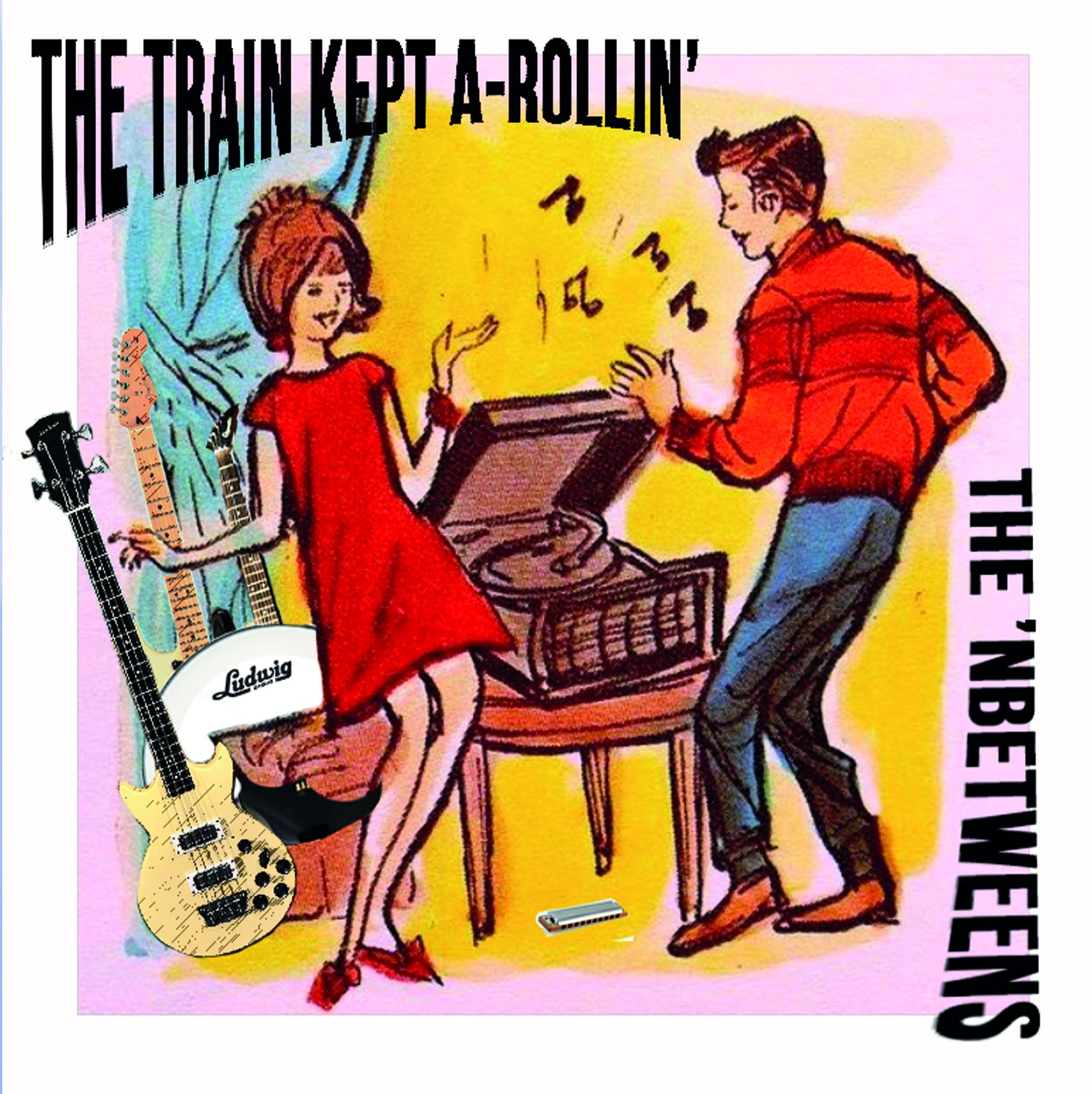


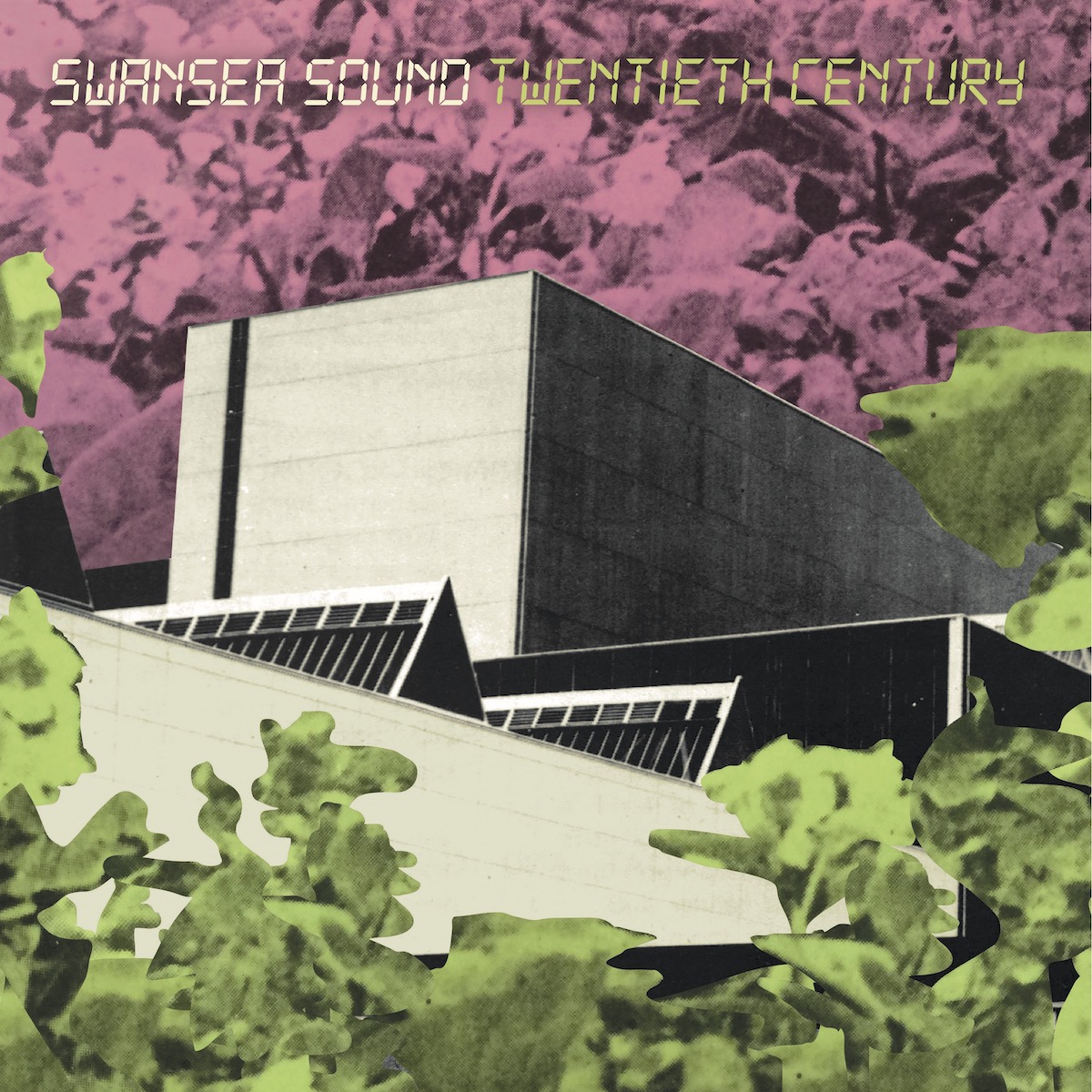
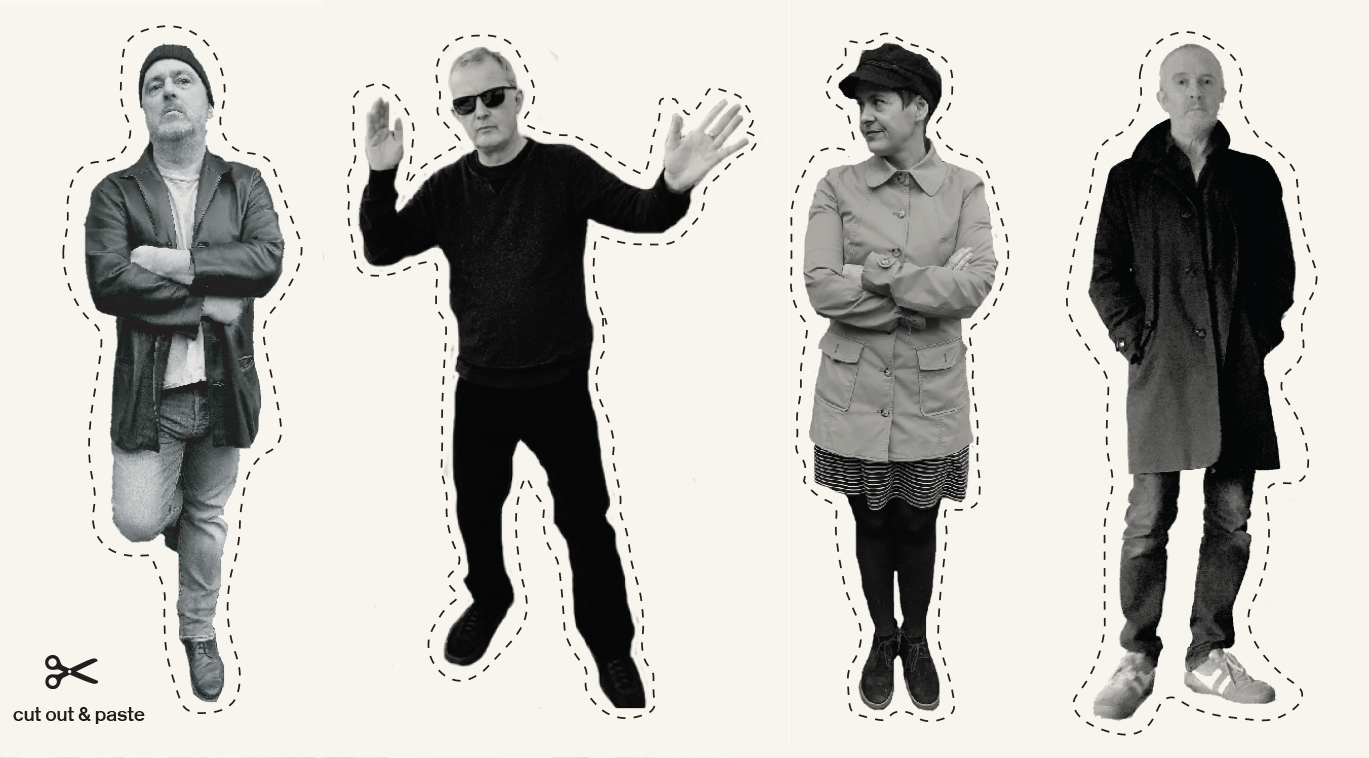


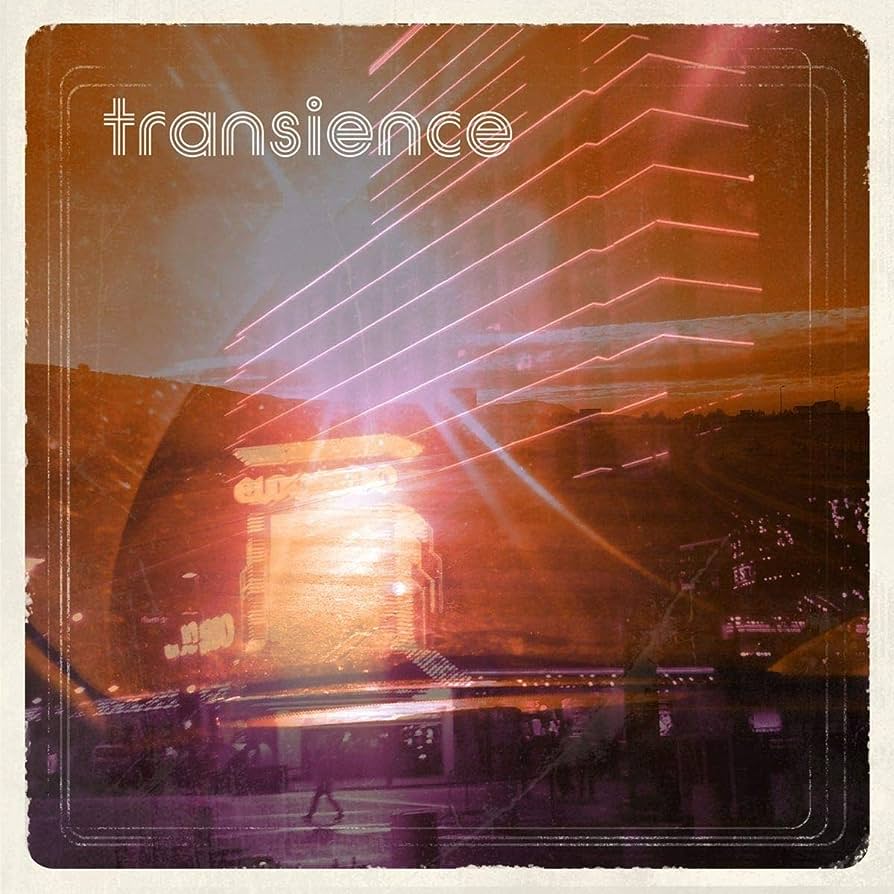


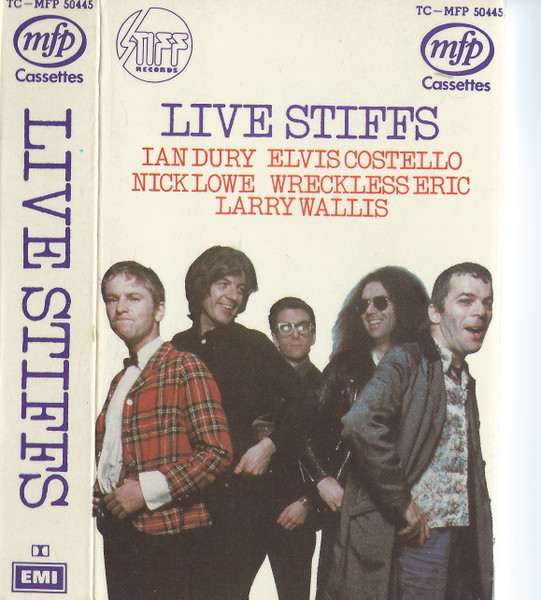


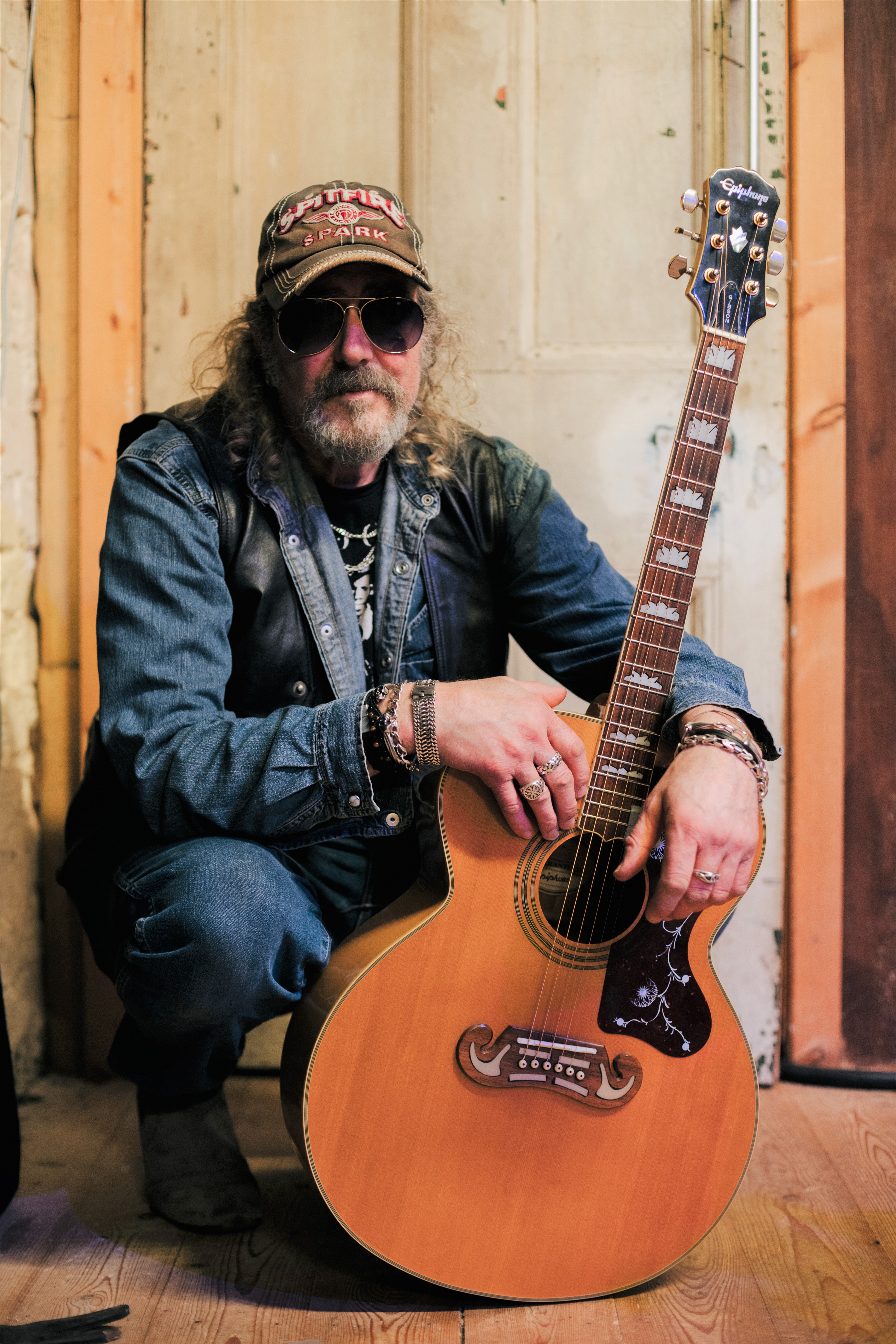

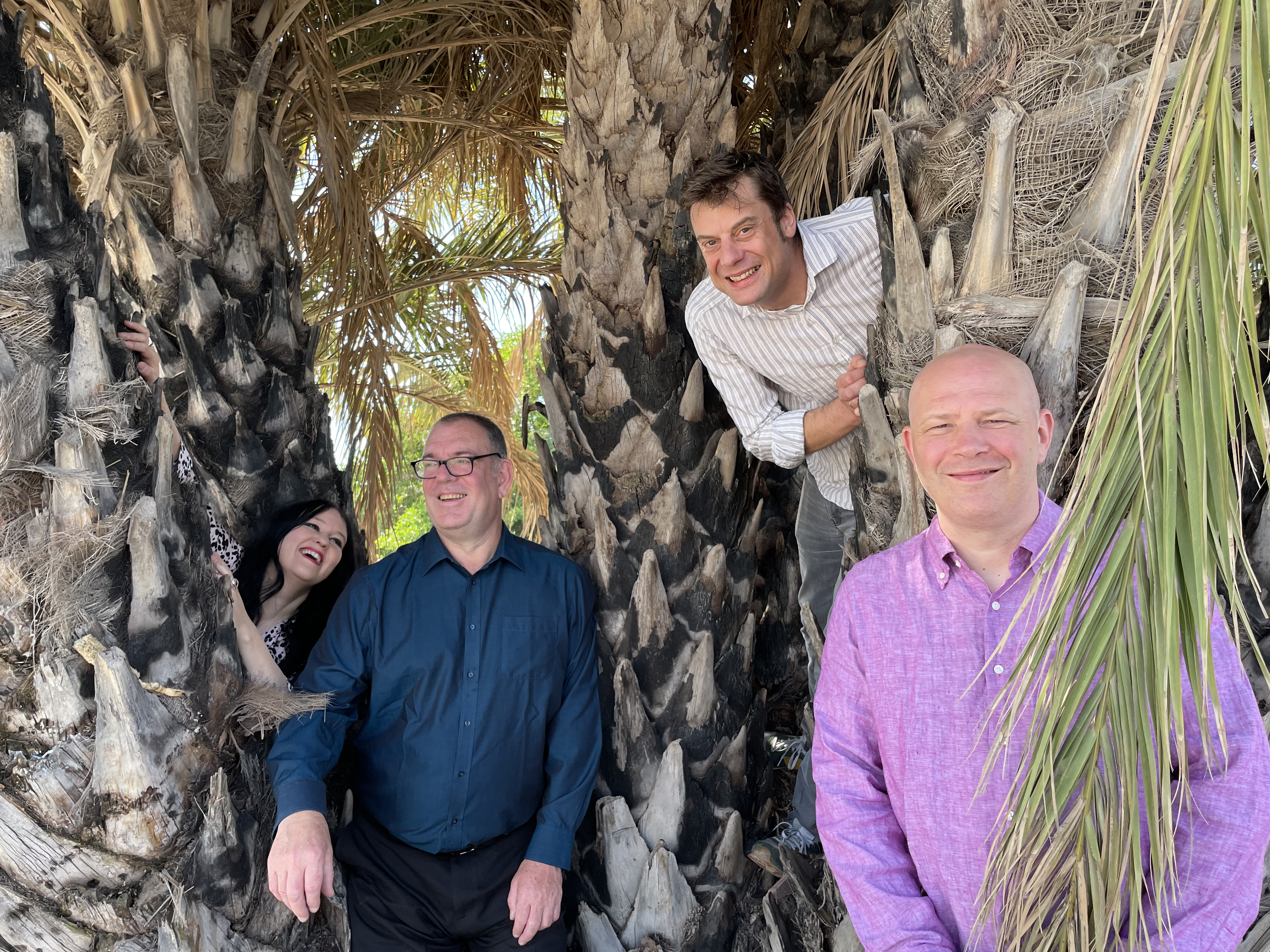

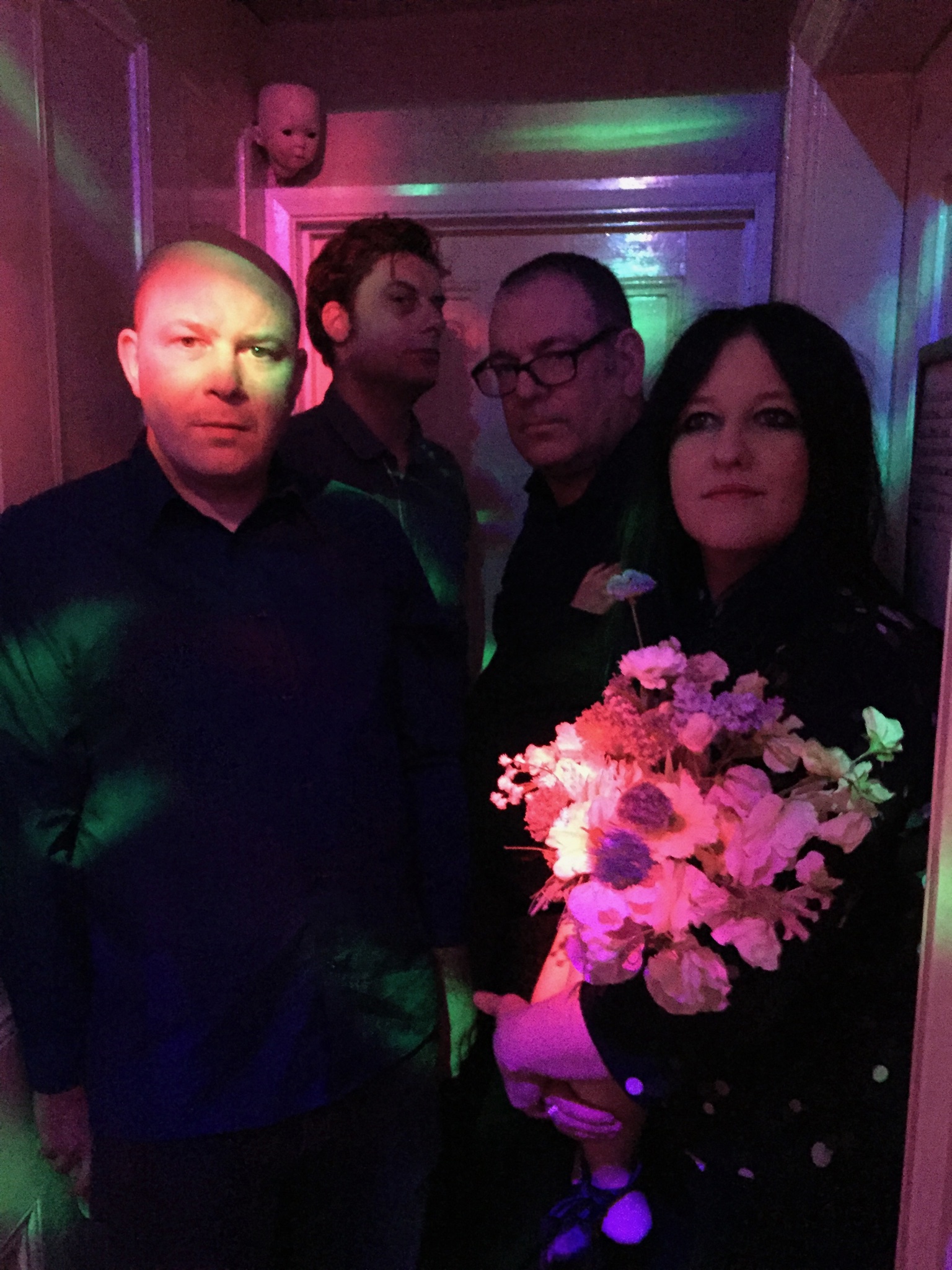


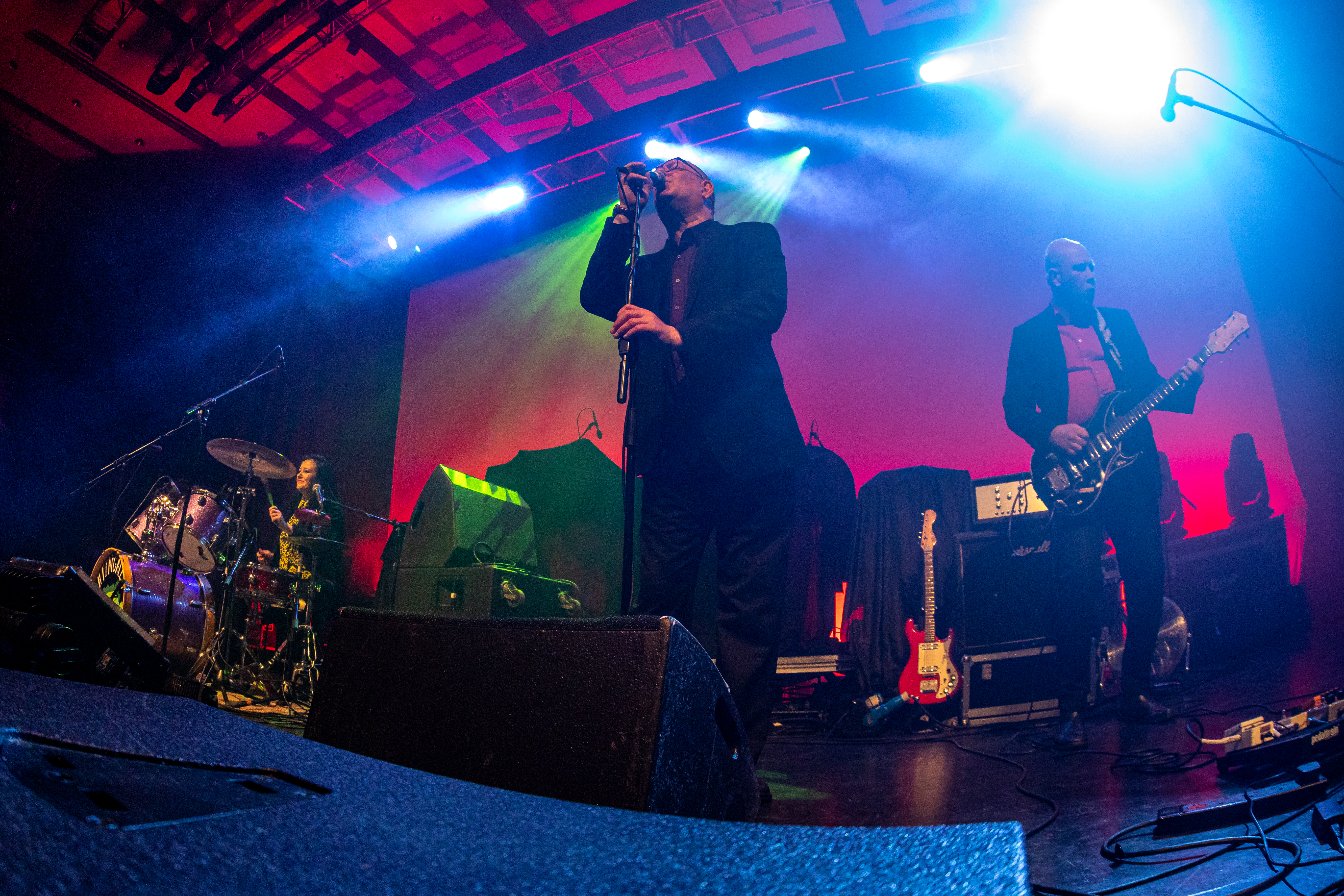


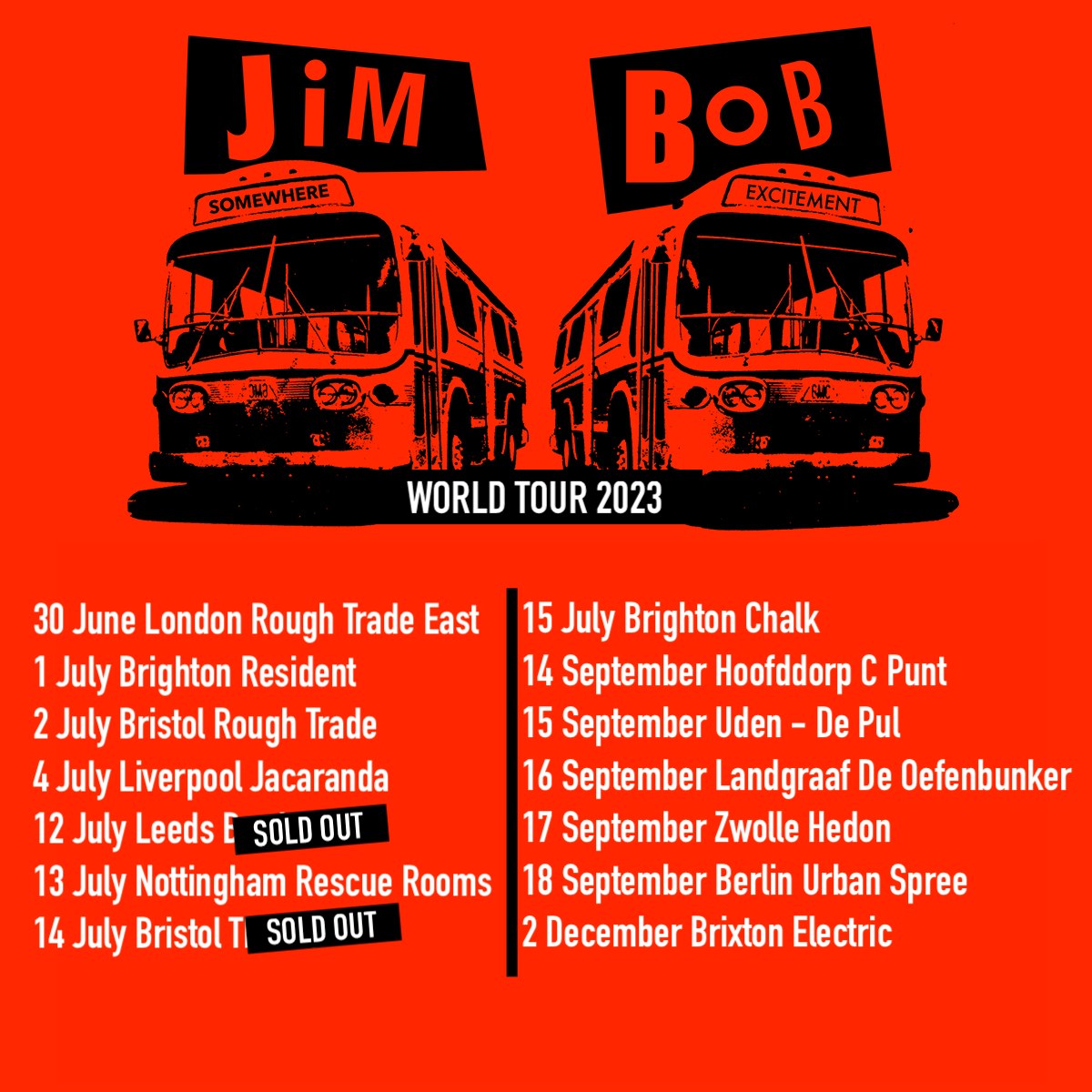










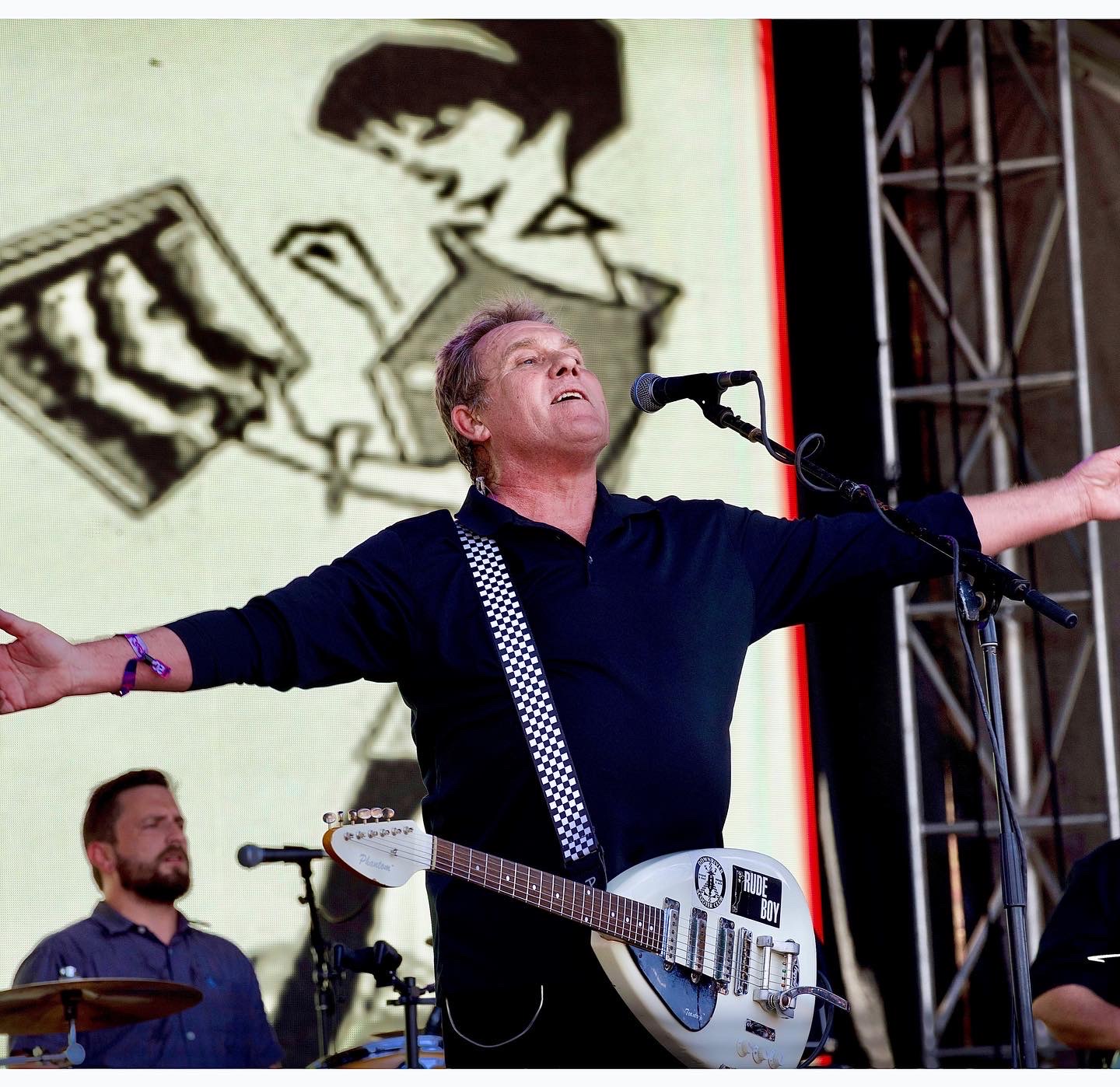
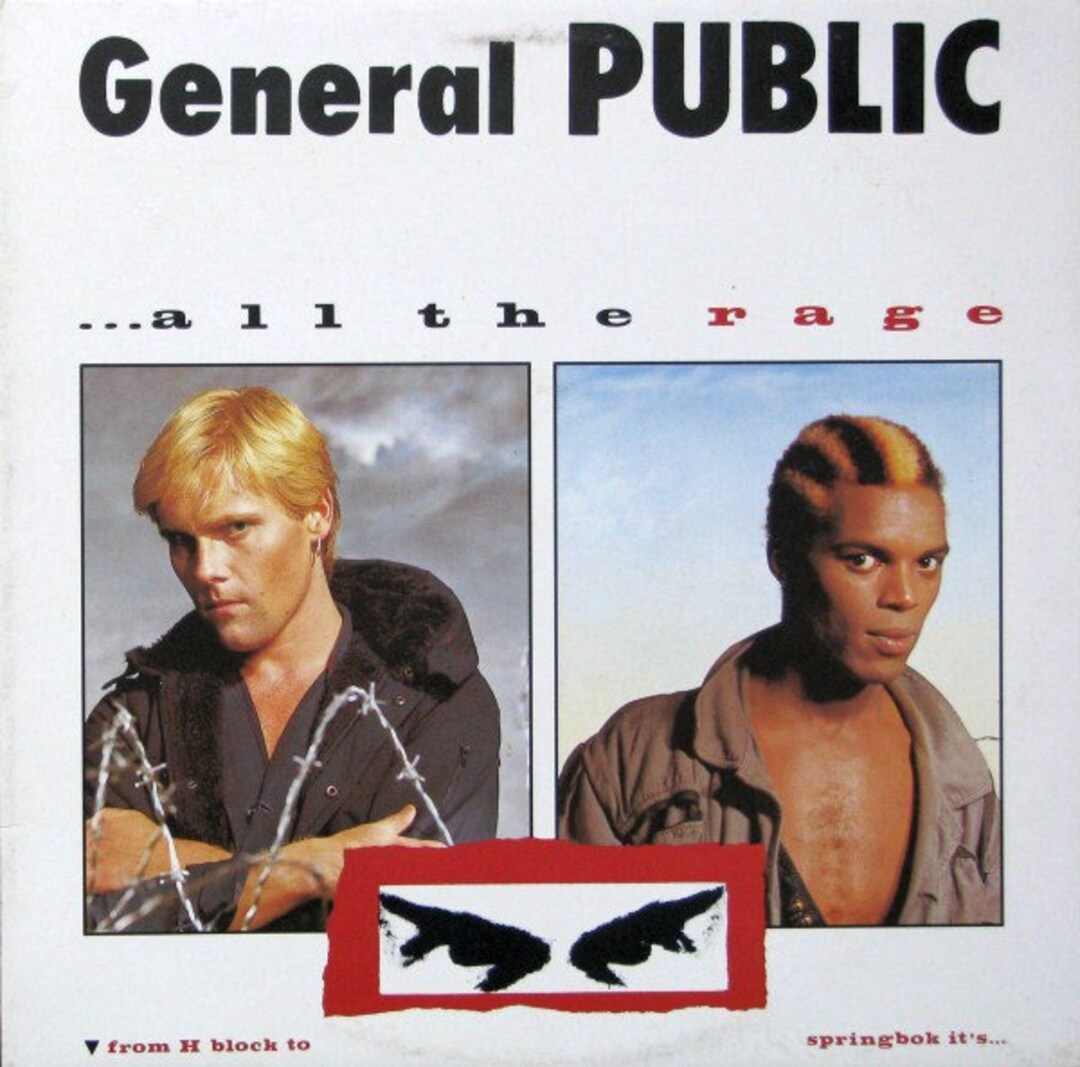


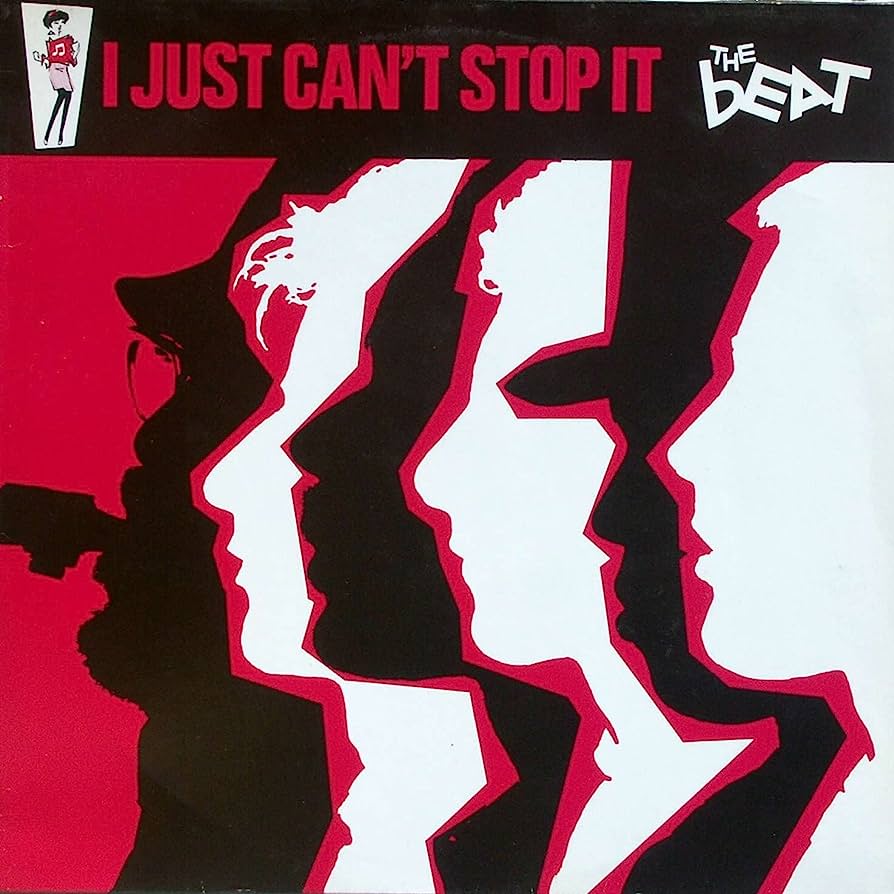
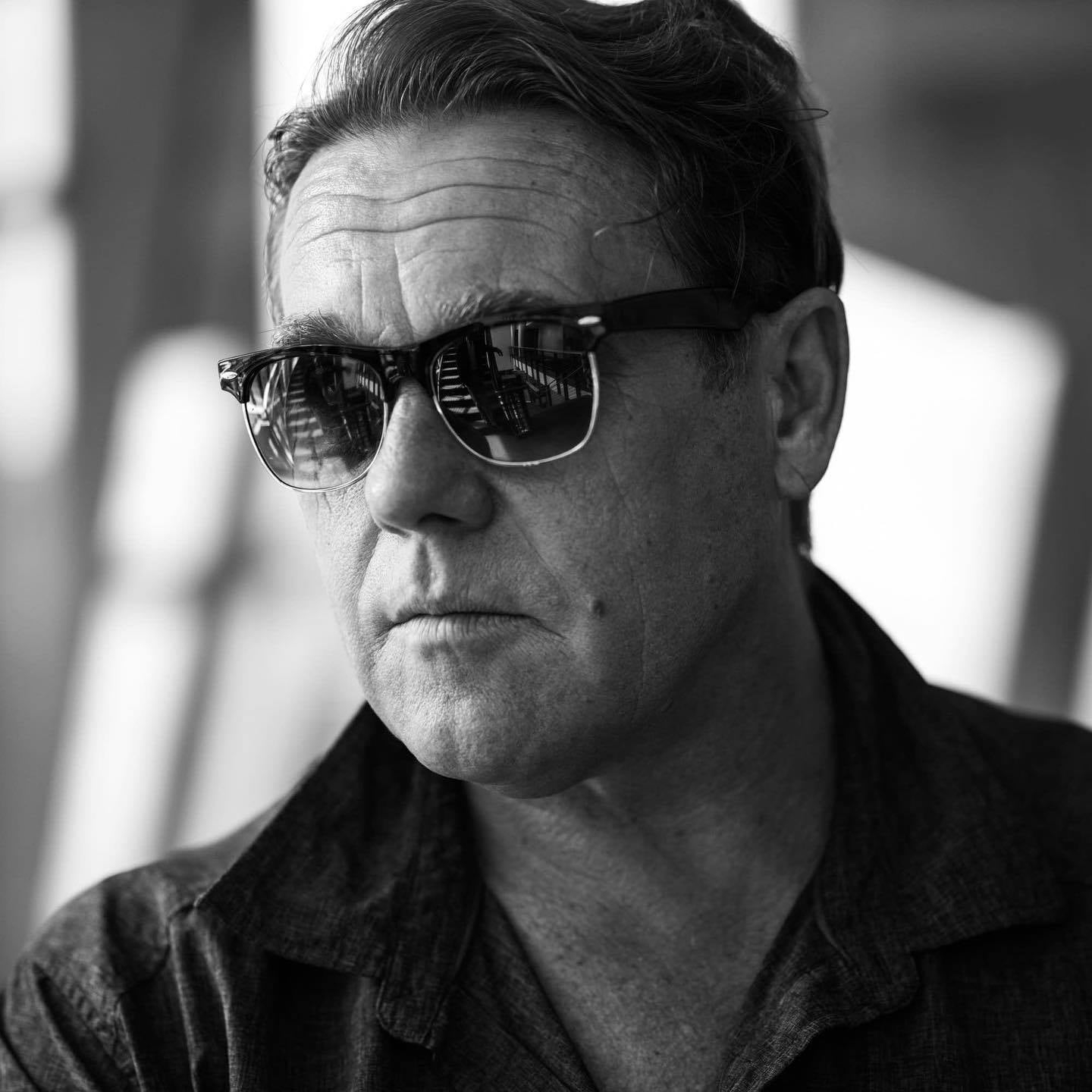
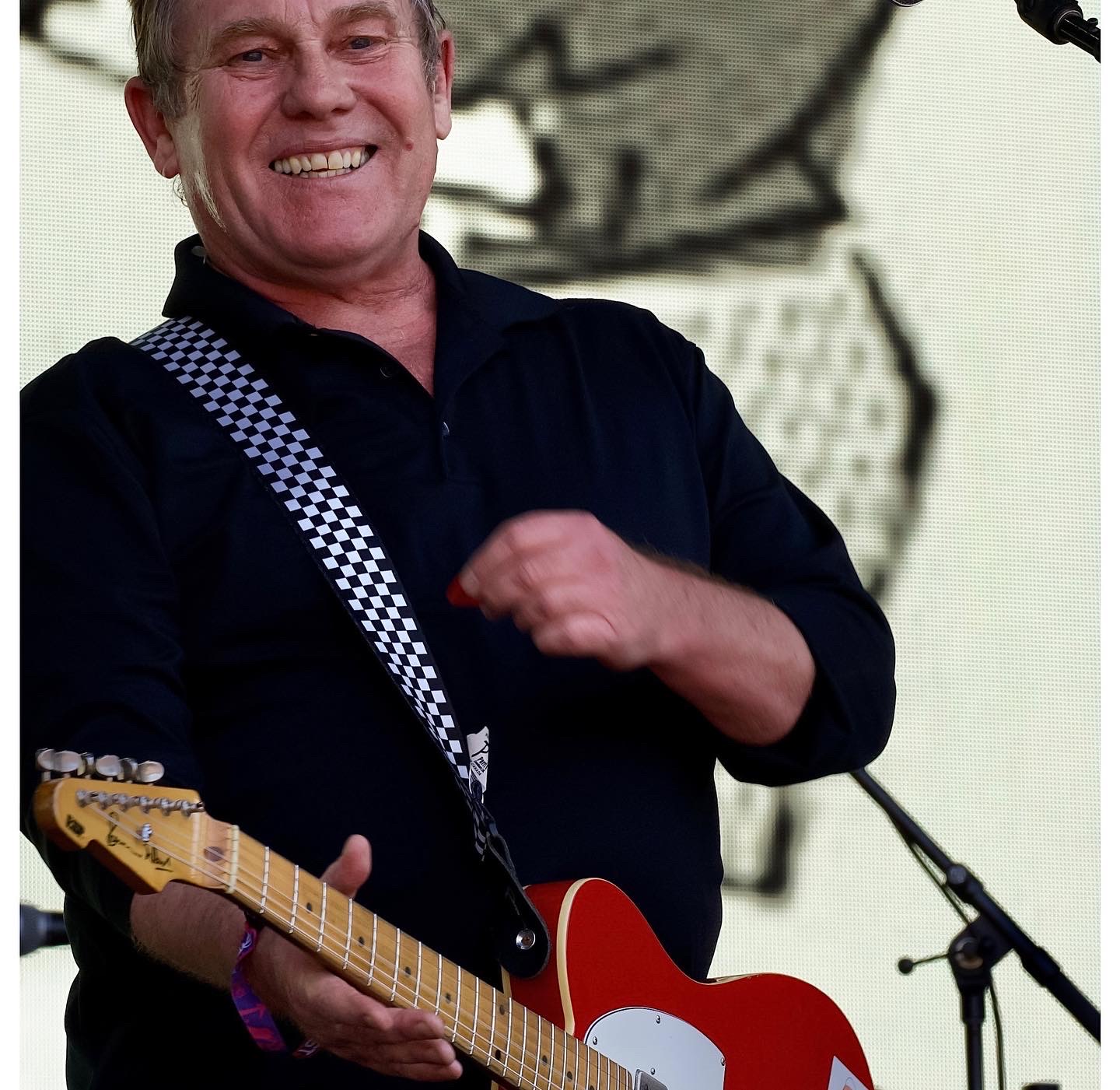
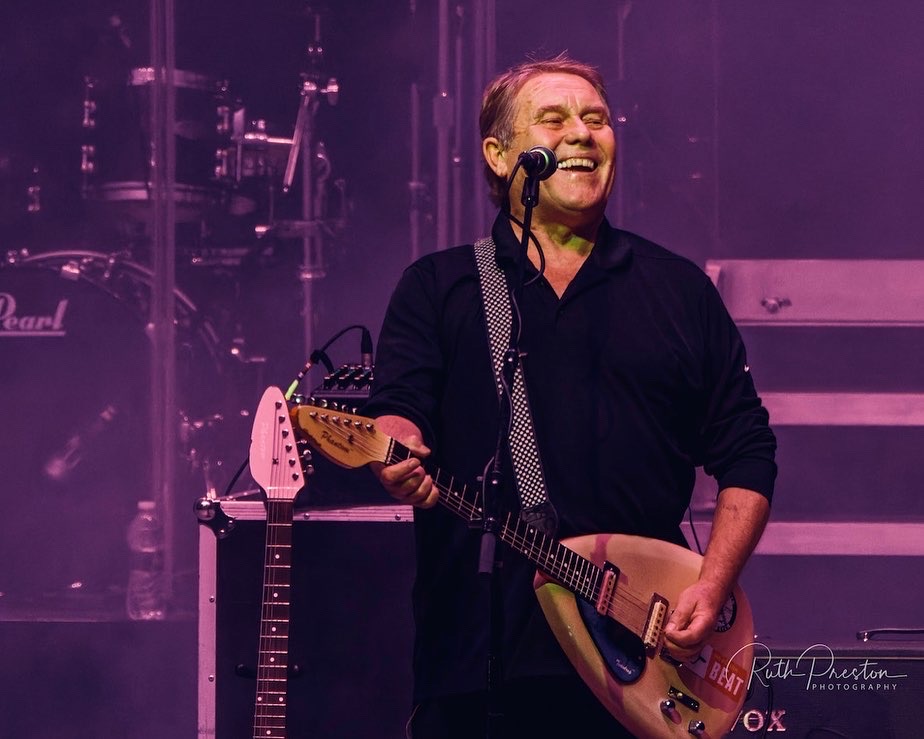

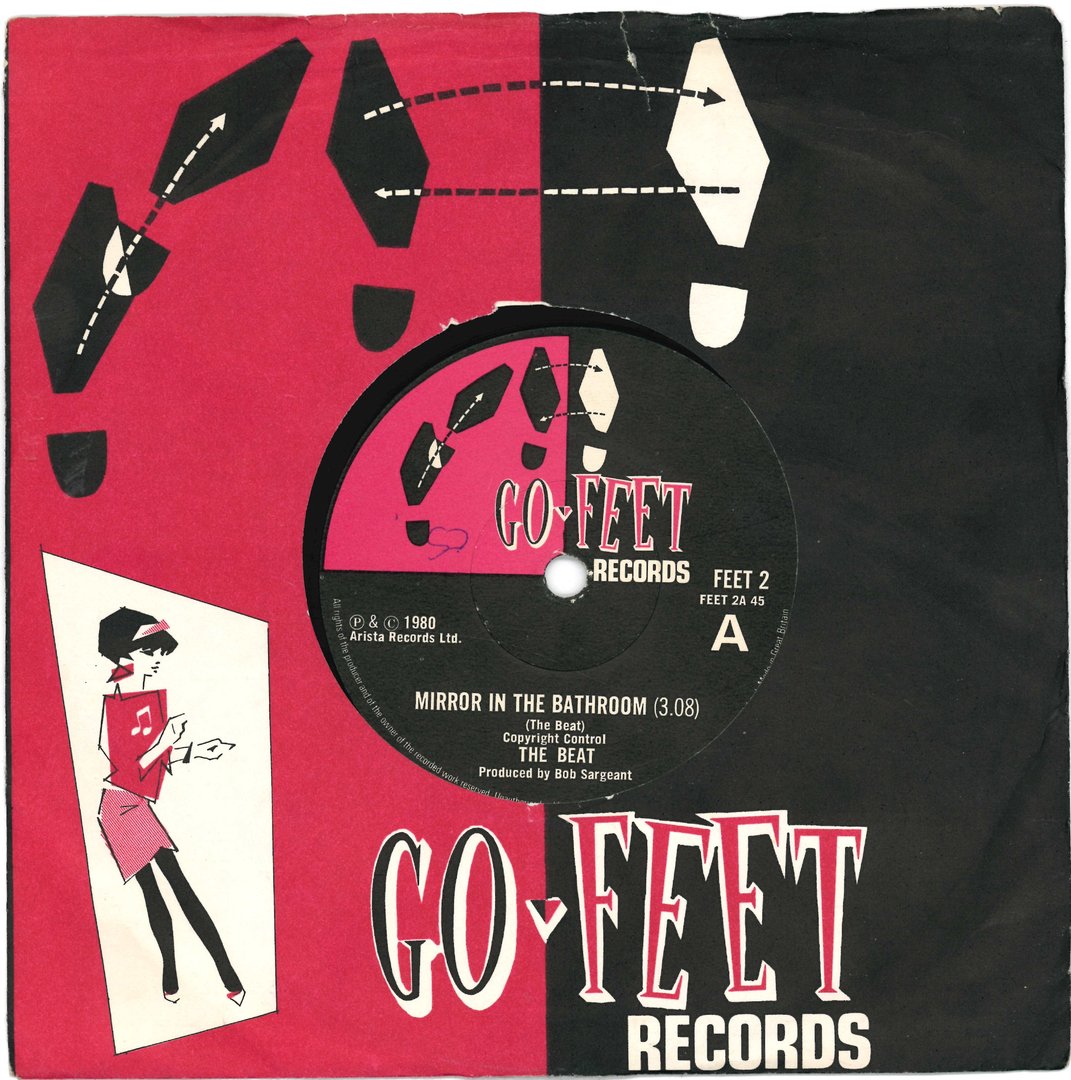


 writewyattuk