WriteWyattUK’s quotes review of 2022, part two – July to December

July

Chris Hewitt on Jeremy Beadle involving him in 1972’s Bickershaw Festival, ultimately setting him on his career path:“Jeremy was targeting all the colleges and universities, contacting social secretaries, saying you can have free admission if you help work on it, entice students to come. That’s when I got the phone call at the SU office at Rochdale College, asking if I could come and work on tickets and flyers, and travelled down to Bickershaw to meet him. Discussing the festival with Jeremy in 2007 he told me he had wanted to create what he envisaged as an English Woodstock, and although he was managing to achieve many of his objectives, he was forever chasing cheques for everything, including his own wages. To think Jeremy had a gargantuan commitment to pay artists and site contractors and was faced with his main financier/businessman going to jail with three weeks to go, it’s testimony to Jeremy’s amazing ability and self-belief that the event was such an artistic success, given the weather and underlying financial problems. He later told me he always, because of his fight to overcome his disability earlier in life and go into showbusiness, had a firm belief in backing the maverick outsiders of life, supporting crazy ideas. It was this self-belief – to recreate Woodstock with West Coast American bands in a field halfway between Manchester and Liverpool – that saw the festival succeed artistically.”

Katy J. Pearson on her folk roots:“For ages I was kind of jumping around about what I would define my genre as. But if I really think about what I was listening to growing up, it was very folk-orientated. And I kind of forget to kind of mention that and every time I see the word folk. I get a bit annoyed, thinking of Three Daft Monkeys playing at Wychwood Folk Festival, kind of gypsy folk and party folk. When, actually, folk is such a broad term that I can accept I’m in that realm. Growing up, I was into a lot of James Taylor and a lot of Crosby, Stills and Nash era Americana folk-rock. And recently, I’ve listened to a lot of Vashti Bunyan. I’ve just read her memoir, she says she doesn’t like to be referred to as folk … but there’s a side of her that is. In that kind of realm, I’m happy to be defined as that.”

The Chesterfields’ Simon Barber on ‘Our Songbird Has Gone’, a tribute to former co-frontman Davey Goldsworthy: “When Davey died, his ex-girlfriend, Catherine said, ‘I think you should have this.’ I hadn’t seen it before. It’s a little black book, A6, he’s written on the side of the pages, ‘The Slits’, and what really touched me was that it has all the words from the Kettle period to all our songs – he’d written all my lyrics in there as well. I was always in awe of him and his words, and think I became a better wordsmith as a result of being in the band with him. So to see that was quite a thing really. I wrote that song on my birthday, in lockdown, May 2020, the first time I’d walked out to meet my daughter, who lives eight miles away. We both walked four miles, she brought the kids, we had a picnic, it was a gorgeous day, and on the way out, that rhythm got into my head and the words started landing. I’d been thinking about Davey, and sang it into my phone a few times. When I got there my granddaughter, Lexi, nine at the time, pulled a ukulele out, she’d been learning ‘You Are My Sunshine’, and they all sang that to me before the picnic. If I hadn’t sung the song into my phone I might have lost it … another tune in my head. And pretty much, a couple of days later, it was done.”

Music book author/editorand Manchester City fan Richard Houghton on the continuing allure of the Rolling Stones, having publishing two books on the band in 2022:“Quite simply, I’m a fan. I’m not embarrassed to admit I’ve collected over 200 different books about the Stones over the years, and whilst I haven’t quite gone to the lengths of some of the uber-fans out there who’ve got every album, DVD and t-shirt ever produced, I’ve seen them over 30 times and my travels have taken me to the States, Brazil and Europe … and Anfield, which shows just how dedicated I am!”

August

Stockholm-based ABBA biographer Carl Magnus Palm contemplating how love for the band shows no sign of waning:I remember 30 years ago people said to me, when I was working on my first book, ‘You better hurry up, before the ABBA revival dies down.’ Ha! They’re like The Beatles now, in the sense that they’re part of the culture … it’s a reference point, it’s everything else, you know. You don’t have to compare it on any other level, but in that sense, people are always interested.”

Phil Barton on his working relationship with former Beautiful South/Housemartins singer Dave Hemingway in Sunbirds and previously The South:I’ve got to know Hammy well, being on tour and everything, you end up spending a lot of time together. Our life experiences have been extremely similar. And there really is a bond there that isn’t just a kind of professional collaboration. It’s deeper than that. When I send him a load of songs, I don’t give him any clues as to who wrote them. I like to get a genuine reaction, without it being prejudiced. I send him stuff I’ve done and that means a lot to me, and I might send something that’s quite pretty that I co-wrote, more written to order for what we’re doing. That sounds terribly cynical, but there’s a real art in that as well. And the ones he picks out are always the ones he has a connection with. There’s a wavelength thing going on.”

Guitar virtuoso Elliott Morris on ‘Tonnau’ (Welsh for ‘waves’) on 2022 LP, Something Worth Fighting For: “It’s about those things I was missing in lockdown, being in those places where you feel that sort of grounding. Not to say I don’t feel at home in London – it’s my home and I love it to bits, I’m very lucky in the part of London I am to have that green space and can’t imagine what it would be like living in a tower block in the centre of town. And London did become very peaceful – you’d go out into parks, and it would be so quiet, and you’d be like, ‘Oh, wait, I remember why it’s this quiet, and why there are no planes going over.’ It was weird. But I grew up in Carmarthenshire, lived there 10 years, and didn’t go back as much as I wanted to. Then, around 10 years ago, I got an email from a guy who runs a pub called the Pentre Arms in Llangrannog, and remember getting there, thinking, ‘I’ve been here before.’ It was deja vu but more certain than that. I spoke to my Mum and Dad, and they said I went there on school trips. It was just very circular to end up back there, gigging, and that’s one of those I look forward to in the diary every year I play there.”

John Scally on The Orchids’ early days alongside fellow co-founders Chris Quinn and James Hackett, aka the Penilee Three: “We grew up together, lived in the same street, went to the same school, going all the way through to secondary school, and at 14 and 15 – getting into music – it kind of transcended from there. Obviously, there was Postcard Records, stuff like that. But I’d always been a huge Beatles fan, and from 13 or 14 was into early Simple Minds, back to things like ‘Empires and Dance’. James was into things like Steel Pulse, Chris was into New Order, Joy Division … a whole load of things. We were really lucky, because in the early ‘80s the Barrowlands reopened, and there would be something every week to go and see, like Aztec Camera, Echo & the Bunnymen … and at that time the Splash One happening in Glasgow.”

September

Queen of Country Noir, Gretchen Peters, on how the pandemic underlined her decision to quit the road:“I had plenty of time and did a lot of thinking about it. And there’s a certain thing I figured out, a few years ago. When you’re touring, there are nights you’re really tired, or nights when you have something going on, personally, or whatever it might be. And I learned at some point that you bring whatever you have to the stage, and try to channel that into your performance, rather than tamping it down, pretending it’s not there. I don’t know what’s going to happen on this tour, or what’s going to happen tonight, but I have a feeling it’s going to be quite emotional, and I’m welcoming that with open arms, because I know I’m going to feel that way after all this time, seeing those people and hearing them. And if there was one thing that really came home to me during the period when we weren’t able to tour, it was how important being in the same room with people is. Online concerts are great in lieu of nothing, but they’re not the same at all.”

Evan Dando reflects on The Lemonheads’ path to success:“It’s one of those things where we weren’t fully formed when we were making records. We made records just to get gigs, paying for it with our high school graduation money. We came at it backwards, whereas a lot of bands are at their peak when they make their first record, and it’s really hard to beat that. Luckily, we kind of stumbled into it, so we’ve still got room to get better. We ought to make a real mind-blowing one this time. The stakes are high! And it’s so much fun.”

Manchester-born, Derry based singer-songwriter Adam Leonard on music punctuating his leisure time:“I love it. As people like doing sports, it’s a really keen interest. I find it really satisfying. Even last night, I spent about three hours dealing with a track until it was all finished. Every spare moment I’ve got, outside wanting to spend time with family, my wife and kids. It doesn’t pay the bills. I do get some money from it, but not enough to live off. It would change it if I had to do it for money. I’ve spoken to a number of people like that, painters especially, doing commissions, suddenly losing interest in what they were once passionate about. There’s a massive danger of that.”

Neil Arthur on why he’ll never be content just churning out past hits with Blancmange: “A lot of people are frightened of the future and are quite happy to have a repeat of something that was done before. But it’s just not for me. Looking forward you’ve got a hell of a world to try and navigate through at the moment. We’re all moving forward – so we’ve got to try and find some answers.”

Paul McLoone on The Undertones’ post-reformation compilation, Dig What You Need, and the prospect of a new record:“I would absolutely love that. I didn’t really know about the compilation when it was first mooted. But I’m really glad we did it. It makes a lot of sense, displaying the songs in a possibly better context. I don’t want to speak for the others, but with me it’s reignited the idea of maybe doing another. John’s been busy with side stuff, Damian’s got an instrumental album coming in a week or two, which is brilliant, also on Dimple Discs. But maybe next year, the smoke will clear a wee bit. I don’t want to put all the pressure on John, but he’s the instigator.”

October

Cass Browne on Senseless Things’ remastering landmark second LP, The First of Too Many LP: “We found a lot of conflicting frequencies, like with the acoustic guitar. We were still really young and didn’t really know everything. We were still finding our feet. A lot of the frequencies for Mark’s original chord guitar was really piercing, and drenched everything, and we’ve spent a lot more time with this version of the record than we did originally.”

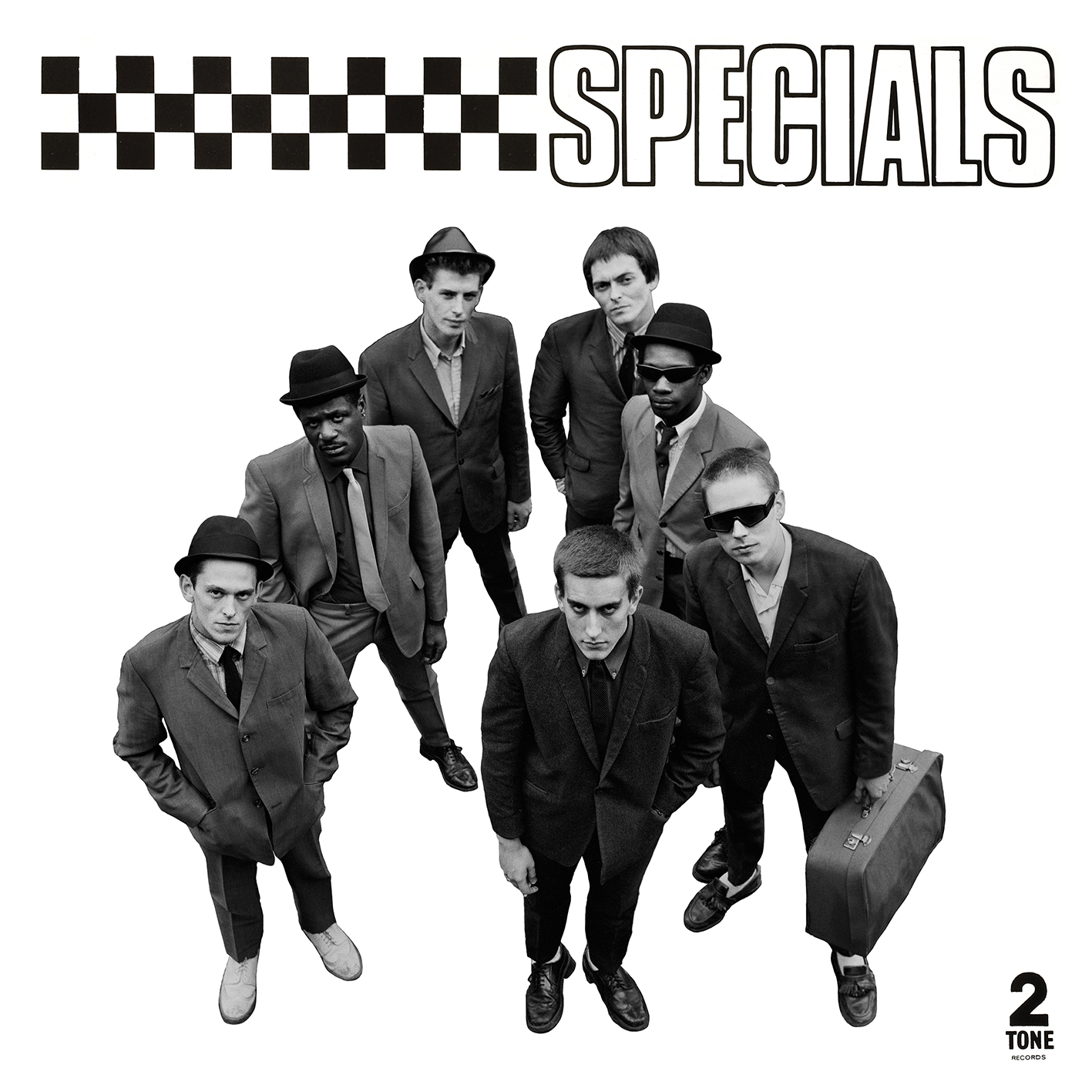
Lightning Seeds creator Ian Broudie on working with Terry Hall again, speaking just weeks before The Specials’ legend’s passing: “Terry’s one of the greatest talents I’ve had the pleasure of working with. We started working together when I produced a couple of things for him …I think the first thing we worked on was The Colour Field, and we struck up a friendship, really … I’d say a bond. And it’s been lovely seeing his career re-blossom with The Specials. Then there was The Fun Boy Three, and … he’s done so many things that have been great. I think he’s brilliant.”

Syd Minsky-Sargeant on Working Men’s Club’s second LP, Fear Fear: “One of the talking points within the tunes is the shift in the way that society had to operate, being a young person within that. I think that was quite a big topic within the record, but it was tied up within an emotive side of that as well. So yeah, I was just trying to make it slightly conceptual, in a way, but also try and keep it personal in another sense.”

November

Fairport Convention’s Dave Pegg pays tribute to Sandy Denny, now 44 years gone:“It is bizarre, but she’s always kind of represented with Fairport when we do gigs. We could never replace Sandy Denny, that’s why we never got a girl singer again. Like you could never replace Richard Thompson, which is why we never got another guitar player. But Sandy’s still there, because we play some of her wonderful songs, like ‘Fotheringay’, and of course, ‘Who Knows Where the Time Goes?’”

California-based ex-Mighty Lemon Drops guitarist David Newton on how his Black Country roots proved perfect for an eclectic taste:“One of the great things about growing up in the UK at that time, another thing you can’t convey here in America, is that you were into everything. I used to buy Northern Soul records and the first records I bought were by Slade, Sweet and Mud. And soul was big, and reggae too. It was great, this mixture of all these kinds of things. The other thing in the States is that radio’s kind of formatted here. You get a rock station, a soul station, a pop/top-40 station … With the BBC, you got a real cross-section.”

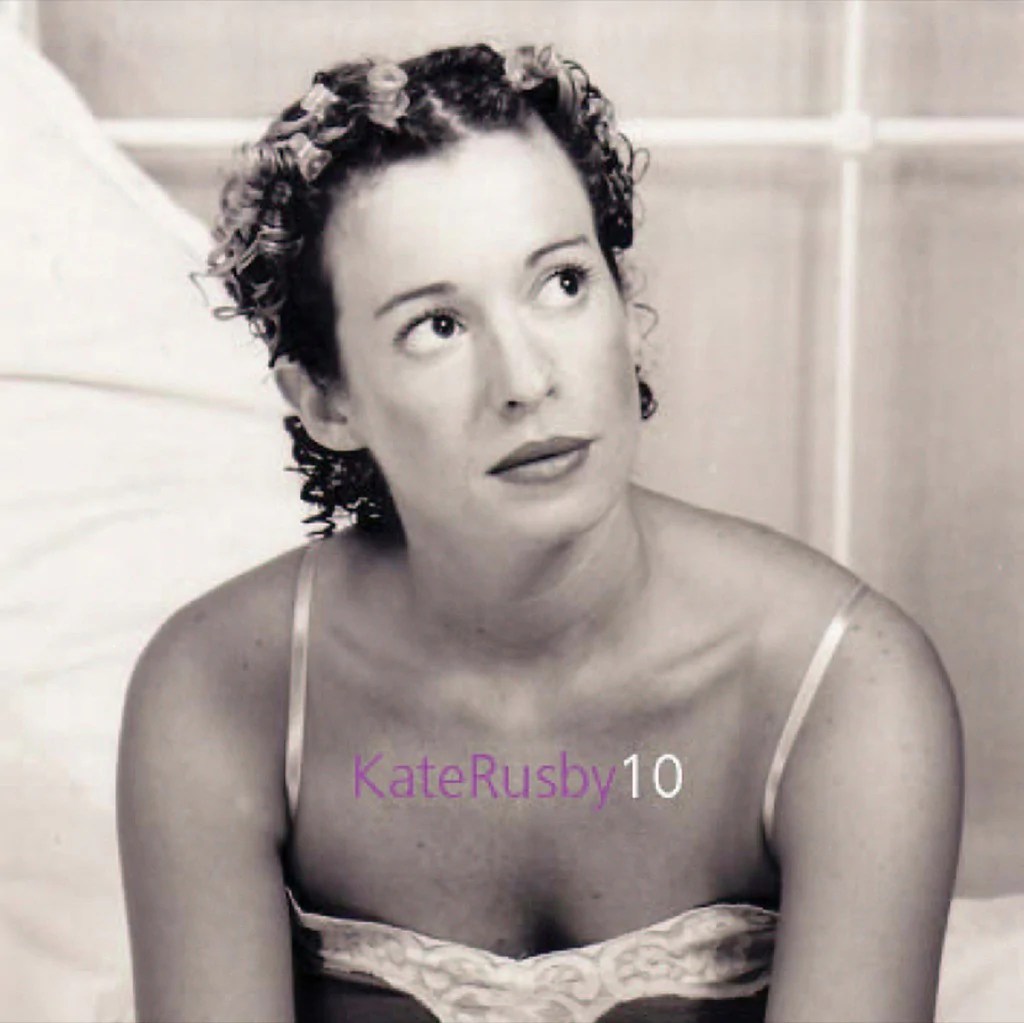
Kate Rusby on duetting with fellow Yorkshire leading light Richard Hawley on ‘No Names @30’: “I think he’d been there five minutes when there was this power cut, so we all sat around in the studio, around a candle, singing through the song, him learning it, getting used to it, then the lights came on and he was like, ‘Right, come on, let’s go and do this.’ He started singing, and we were just in bits – he just hit the nail on the head. Asking me about it, we had this lovely chat, him saying, ‘When I sing somebody else’s song, I like to get right inside somebody’s head, and it’s like going through the front door and having a walk around the house.’ What a lovely day we had. It was brilliant.”

December

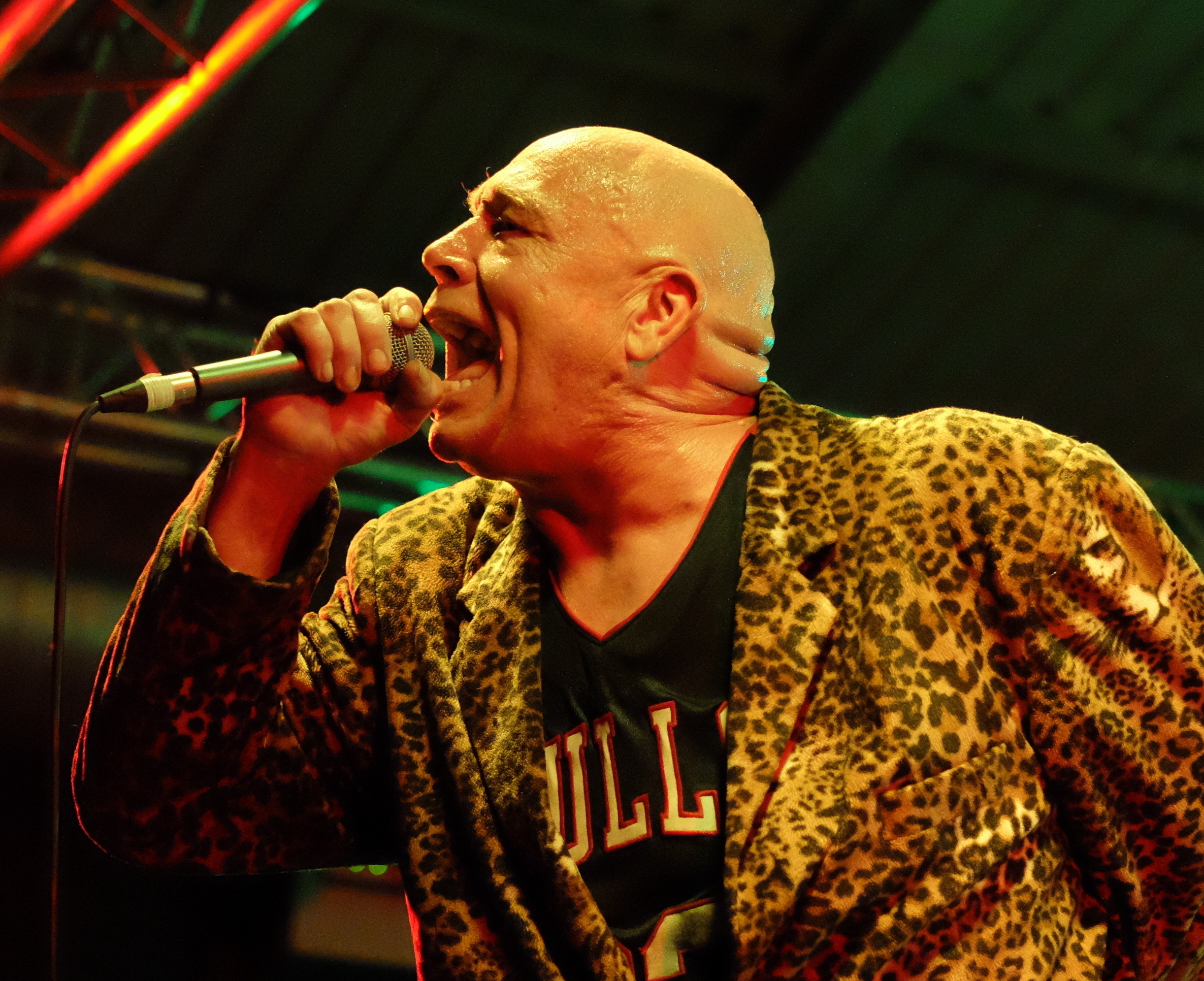
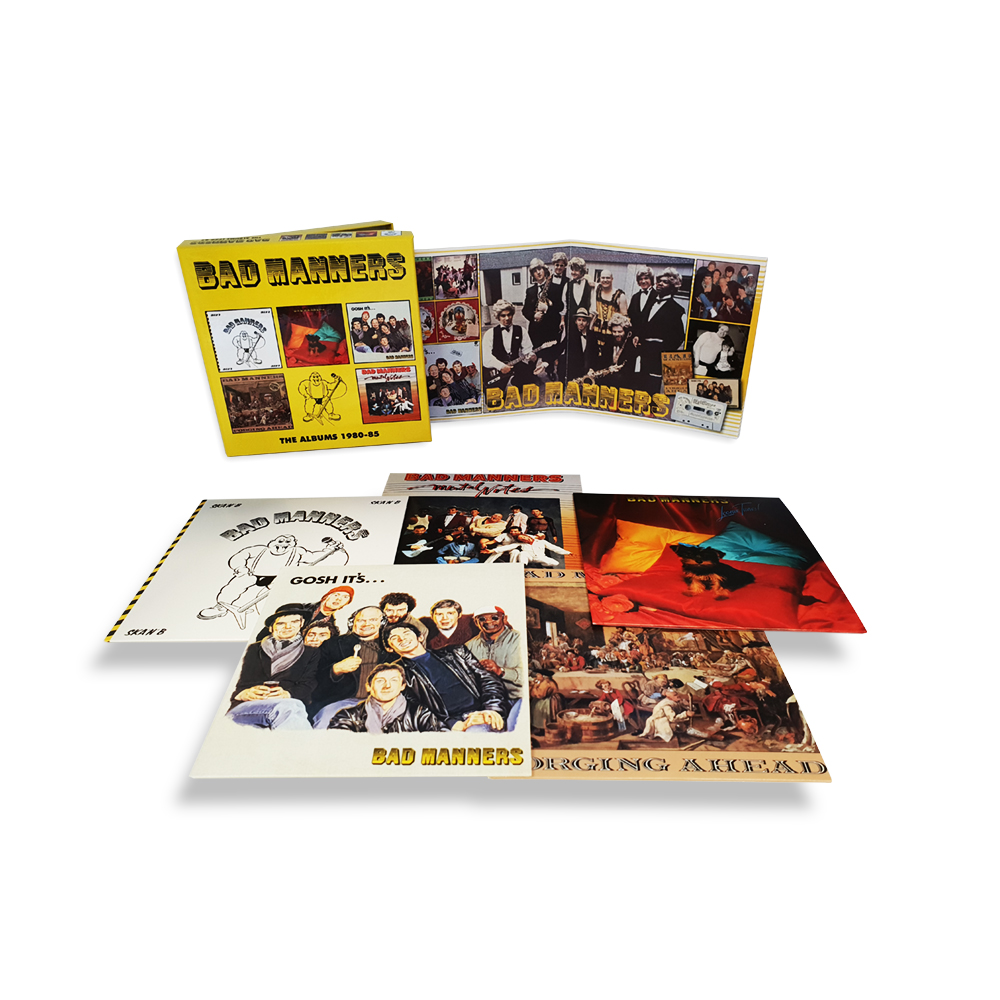
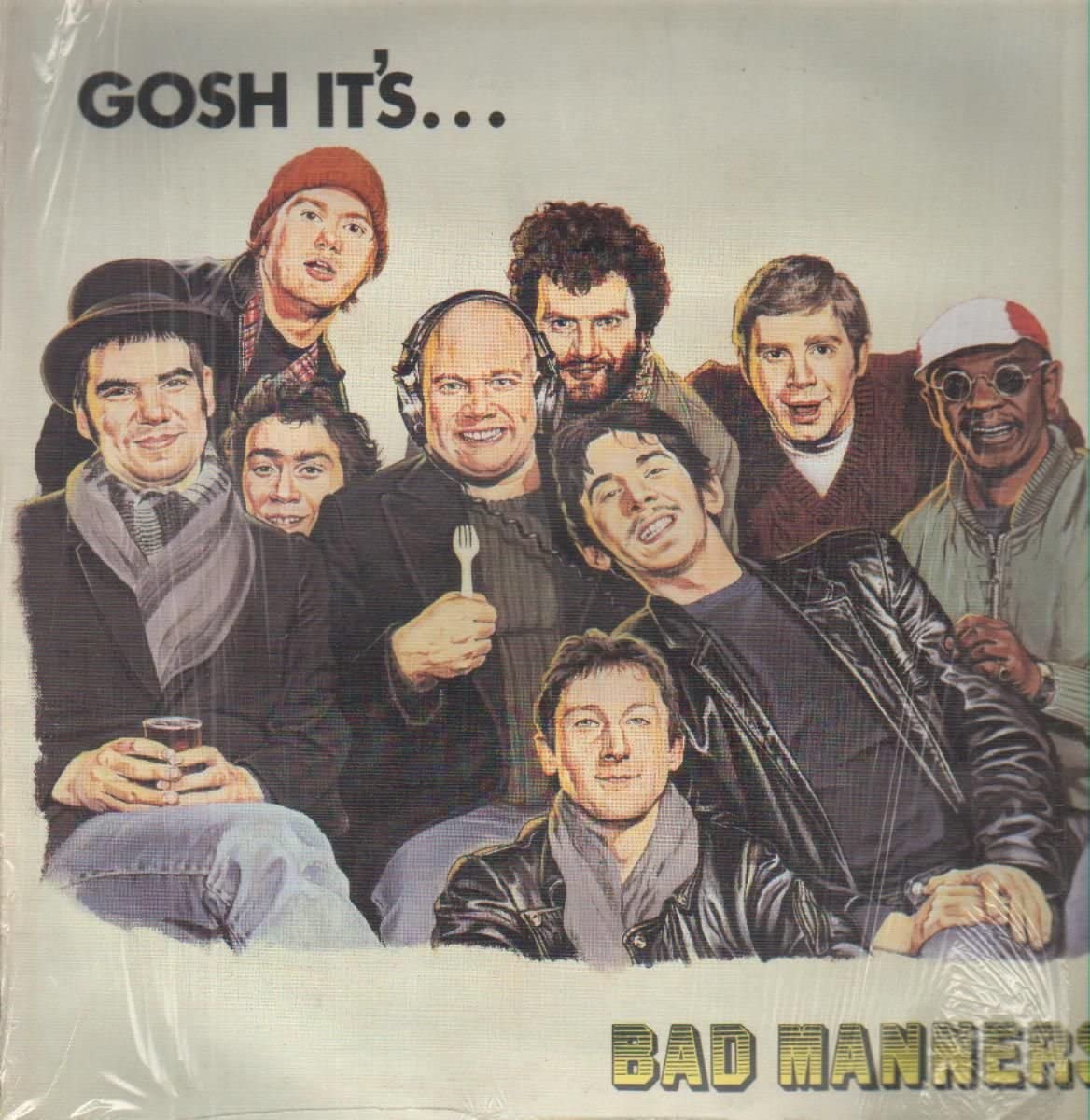
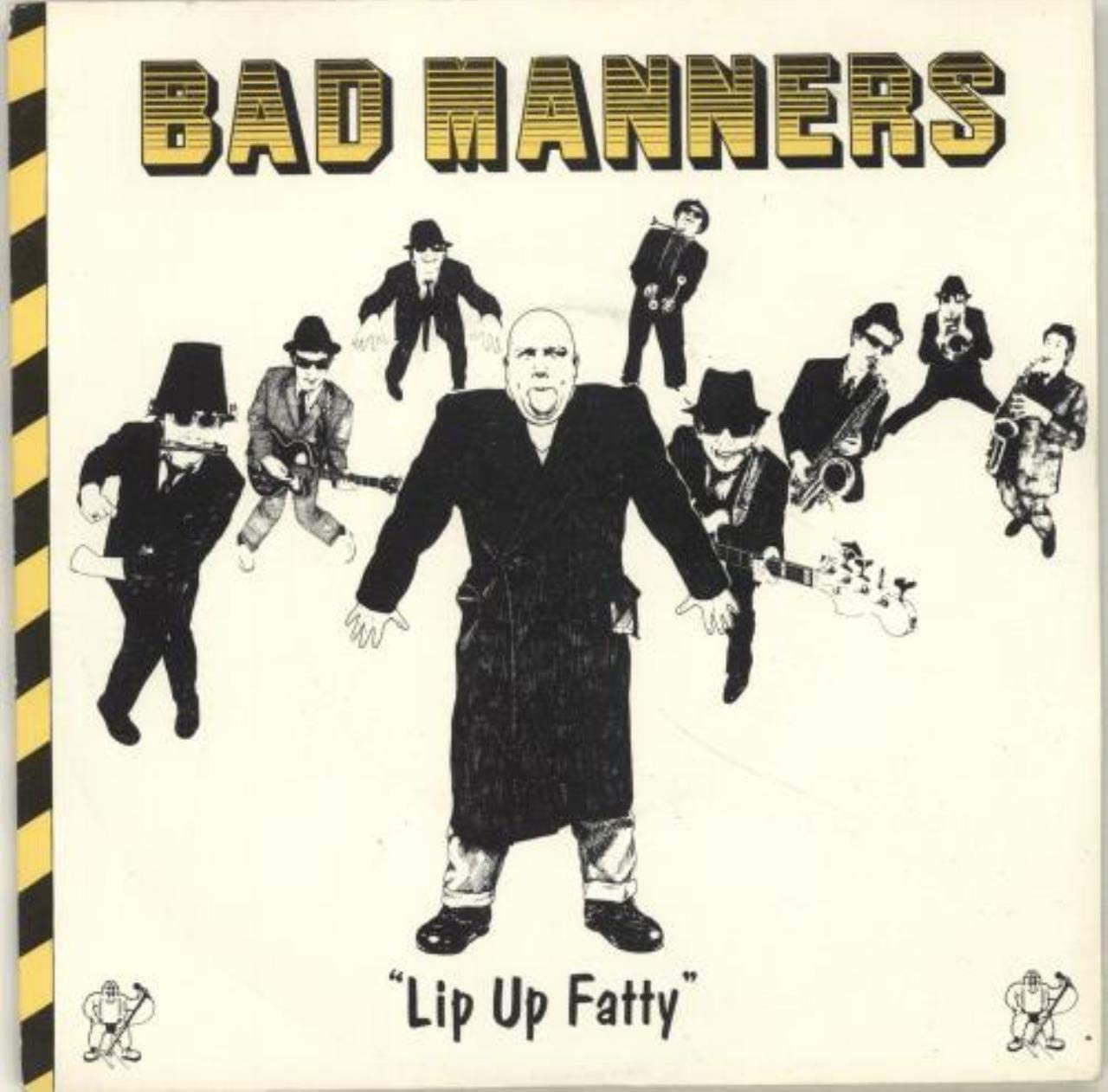
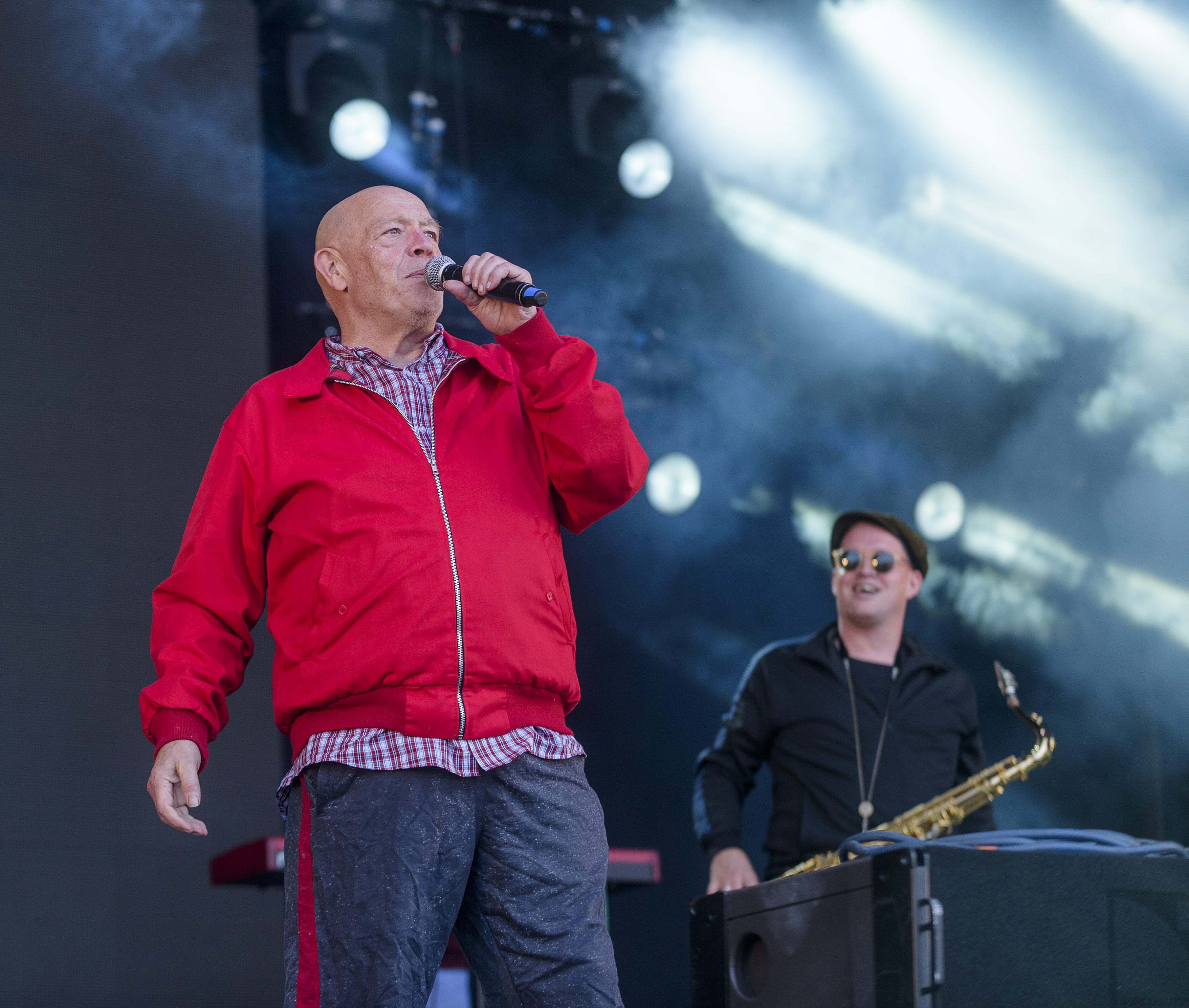
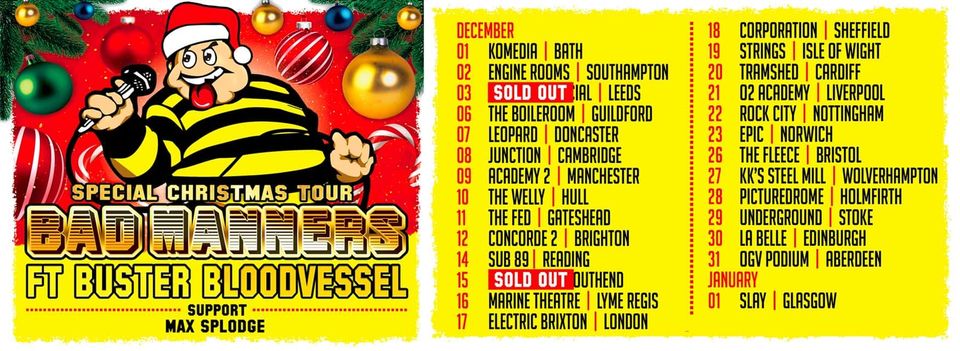
Ska veteran Buster Bloodvessel on the bonus of reaching the big time with Bad Manners: “When we actually started to hit the charts, we couldn’t believe it. It was unbelievable that they would take us seriously, that they’d allow things like ‘Ne-Ne Na-Na Na-Na Nu-Nu’ into the charts … It then became the longest-lasting single that year, to come in and out of the charts. I was so knocked out.”

The Catenary Wires and Swansea Sound co-driver Rob Pursey recalls rock’n’roll excess alongside partner and long-time musical collaborator Amelia Fletcher with indie darlings Heavenly: “I guess my most vivid memory is of the Sarah Records Christmas Party, where Heavenly played. Hair grips were tossed to one side, spectacles were dropped and trodden on, cardigans and anoraks were ripped. It was wild.”

Haircut One Hundred lead guitarist Graham Jones on recording debut LP Pelican West using revolutionary digital techniques at Roundhouse Studios, Chalk Farm, with Bob Sargeant: “There were lots of problems and there was an in-house engineer there to fix the thing, with all these funny little digital blips and hops going on. There was always someone there with a screwdriver. ‘Hang on, we’ll just have to wait for an hour while what’s-his-face gets his head in amongst the wires.’”

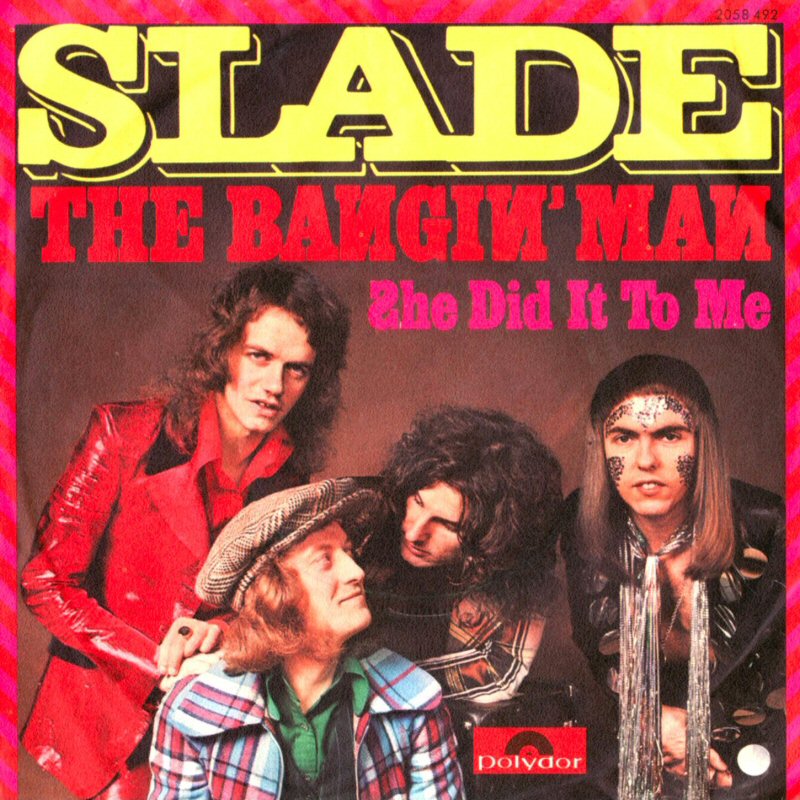
Legendary drummer Don Powell recalls frontman Noddy Holder’s 1966 audition for the band that became Slade: “The first song we played was something we knew and Nod was playing with his band, ‘Mr Pitiful’ by Otis Redding. And it worked straight away. We just looked at each other, started laughing, and just went into other things the four of us knew. It worked so well, and we thought, ‘This is it, this is the one!’”

For WriteWyattUK’s quotes review of 2022, part one – January to June, head here.

That’s it for the year, and thanks for reading, folks. It’s fair to say you can expect a change of pace on the feature/interview front in 2023. Stay tuned for that, the next interview already set up and not so far off publication, and several more lined up. Until then though, Happy New Year one and all, stay safe, keep the faith, and cheers again for your support.

Posted in Books Films, TV & Radio, Music | Tagged , , , , , , , , , , , , , , , , , , , , , , , , , , , , , , , , , , , , , , , , , , , , , , , , , | Leave a comment

WriteWyattUK’s quotes review of 2022, part one – January to June

January

Vinny Peculiar celebrating his 14th solo LP Artists Only, and a magpie’s approach to songwriting: “Those chords have been used by everyone. But you get to a certain point in life when you think, well, everyone’s used them, so I’ll use them as well. That really is the story of songwriting. There’s only so far you can take it, unless you want to get into the world of augmented fourths and triads and strange jazz tempos, and then it becomes almost impossible to relate to.”

John Power reflecting on Cast’s classic 1995 debut LP, All Change:“We weren’t looking for riffs. We weren’t writing in the studio. We had it all, every song was ready – waterproof and bullet-proof! It had all the riffs, all the drums, and we were tight as anything. So it went down like that – probably a big reason why it sounds so fresh and why all the parts work on it.”

Rising indie star Dana Gavanski revealing her musical roots:“I did listen to a lot of radio, you know, like R&B and pop, then I heard Joni Mitchell for the first time and her album, Blue, and then only listened to ‘60s and ‘70s music, mostly folk, until I was about 25. I didn’t listen to any contemporary music and didn’t know anything about anyone until when I was about 27 or 28. I was like, ‘Ooh, who are these people? What’s indie rock? I don’t know what that is.’ Then I listened to a lot of the weirdo soundscape stuff Brian Eno did, then cell music. And I love Meredith Monk. I just think I’m such a slow learner and late bloomer. It takes me a long time to sit with something and realise where I need to go next.”

February

Joe Mount on the pandemic informing Metronomy’s seventh album, Small World:“I wasn’t really wanting to make a record about Covid. But I ended up finding quite a lot of inspiration in all the things that were happening around me and my family, finding out things about myself. Then, towards the end of making the record, I felt it would be unfair to sort of mine the last two years for good inspiration and ignore the reality of it. It’s a bit exposing and embarrassing trying to write something about the experience of it all, but I also feel you shouldn’t shy away from things because they’re embarrassing. So in a way, it’s an attempt at acknowledging all the bad stuff.”

Brick Briscoe on the September 11th, 2021 album launch show in Indiana that almost became his last ever gig: “We were playing our release show on a rooftop – a Beatles thing – in Evansville, Indiana. A city of 140,000 people probably. We were surrounded by these amazing big buildings, playing with 100 or so of our local followers. We were playing the last song. I remember looking up thinking, ‘Gosh, what a great night! This is just the best. We’re having so much fun’. Next thing I know, I hear a clang and I’d fallen face-first on my guitar. Next thing I know people are trying to revive me. Luckily, two EMTs (emergency medical technicians) happened to be in the audience and they tried to get me to settle down. Very soon I was in an ambulance. I had a 230 beats-per-minute heart rate. I was in distress, but I got it. I knew what was happening. You think you’re having a heart attack or something. That wasn’t the case, but they stopped and started my heart, got it to go back into a rhythm. Next thing I know, I’m in hospital for six or seven days, and don’t make it back home for 11 days, because I’m in a safe house near the hospital for a short period of time.”

(Martin) Noble reflects on Sea Power, the band previously known as British Sea Power, in their breakthrough period, around the time of 2005’s Open Season:“That was a good period, taking us a few places. We went to Cornwall, did an event, made this giant human fruit machine – your arm in Bacofoil, and you had to pull that. Three of us were inside and had loads of bananas and apples to put up randomly. Martin Clunes was walking through the car park. ‘Martin! Come and have a go!’. It was 1p a go. He gave us a pound. He tried to get away after three goes, but we were like, ‘You’ve got another 97 goes!’ The horror on his face!”

Clare Grogan recalls the Glasgow punk scene and how it inspired the formation of Altered Images:“There really was a kind of group of what I describe as baby punks, and we all gravitated towards each other. Although none of us were at the same school, we became a little tribe of people that went to see all those acts, which we loved. Originally, when we heard Siouxsie and the Banshees were doing a Scottish tour, we got in touch with the fan club and asked if we could open for Siouxsie, support her on tour, and they said yes! And I’ll never quite understand why … but they did!”

March

Mickey Bradley on The Undertones being out on the road with ex- Stranglers singer Hugh Cornwell in 2022, and past dates with the band that made his name:“I’m a bit nervous, I think he’s gonna be brilliant. We need to up our game … or else maybe nobble him, de-tune his guitar, nip all his strings! The Stranglers were great. We supported them in 1978 in Ireland, before ‘Teenage Kicks’ came out. They were very considerate, made sure we got a soundcheck, made sure doors were kept closed till we had our soundcheck. Really encouraging. And they had Jean-Jacques (Burnel) jumping into the crowd to beat up somebody who was spitting all night! I still remember that. He jumped off, ‘boom!’, then jumped back up on stage, carried on.”

Bob Hardy on leaving West Yorkshire for Glasgow, paving the way for the birth of Franz Ferdinand: “I moved here ostensibly to study at the art school, because the painting department was really good and I wanted to paint. I was either going to London or Glasgow, but didn’t really fancy London. Glasgow was more appealing. We always came to Scotland on holiday when I was a kid. And the music scene was a big draw. As a teenager in Bradford, I was an obsessive music fan, a huge fan of Glasgow bands like Belle and Sebastian, Mogwai, The Arab Strap, The Delgados … that whole Chemikal Underground scene. And it seemed very manageable, because of the size of the city. I had friends that came the year before, I came to visit, the energy was great and you’d see people from bands I’d been a fan of since I was 15 … in the pub! I felt, ‘This is amazing!’”

Jaz Coleman contemplating what makes Killing Joke tick, all these years on:“It’s one almighty clash of wills and personalities. But when it locks in, it’s monstrous! Everybody, I can guarantee everyone … probably except Youth … is going through massive stress at the moment. Because it is stressful before we all get together, every time. I don’t know why, but it just is for everybody. But one thing you can be certain of is that however bad you feel, it’s worse for the other person. Haha!”

Sleeper’s Louise Wener on her family decision to leave the capital for the south coast:“I was pregnant with my second child, we needed more space, and it was like, ‘Bring up our kids by the seaside, that’d be a really cool thing to do’. And Brighton’s a great city … a little town really – quite compact, easy, very relaxed. It took a while to settle. I’d say, ‘I miss London!’. Now, when I go there to work, I relax on the train going back. The air’s different, and I love living by the sea.”

April

Mark Kingston on the difference between writing songs for The Farmer’s Boys and their modern incarnation The McGuilty Brothers:“I come up with ideas, play them to Barry (McGuilty), because he’s got to sing them, make sure he’s happy with the words I’ve written, then we go to the band, say, ‘This is the key’. And because they’re so good, they pick it up straight away. Back in the day, we’d sit in a room for hours, noodling until something came up, and that was probably the wrong way to do it. The songwriting bit was quite hard, trying to come up with something in a democratic way.”

Neil Sheasby contemplates the thinking behind Stone Foundation’s Outside Looking In LP:“When creating music, the goal is to recreate the sound you’re imagining in your head. Sometimes it’s achievable, sometimes you fall short. With this record I believe it’s the closest we’ve come to realising what we set out to achieve. It was important to push ourselves, not get caught up in a musical cul-de-sac of complacency. It had to sound fresh, a leap forward into uncharted territory. I think the songs reflect that.”

Simon Fowler, asked for his thoughts on Ocean Colour Scene’s Brit Pop heydays and how he views them now: “Oh, with great fondness. And quite a bit of pride, to be honest. It was as good as you can imagine, really. Did I get to enjoy the experience? Oh God, yeah … far too much! Haha! I’m glad we did. We did the whole rock’n’roll show. We were just about young enough. I was in my early 30s. Me and Oscar are four years older than Steve (Cradock) and Damon (Minchella). But the idea of that lifestyle now fills me with utter horror! Ha! The idea of going to a nightclub fills me with dread!”

Phil Odgers on coming to terms with losing The Men They Couldn’t Hang co-frontman Stefan Cush in early 2021:“As life gets closer to ‘normal’, you’re constantly reminded of places you’ve been, things you’ve done. Because we were going to do a new album and were talking about an acoustic album, we had a Zoom get-together, our first, and it was four days after that I got the call. We couldn’t believe it. Because of lockdown it was as if someone in Australia had gone. If that had been the case before, we’d have gone round, seen everyone … but you just couldn’t do it.”

May

Simon Wells on how meeting fellow songwriter Boo Hewerdine led to the creation of Simon and the Astronauts: “I met Boo in a pub, and we just talked about music and songwriting. He said, ‘I’ve got a weekend of songwriting, come along’. For me, he’s one of the best singer-songwriters in the country. And over the years, I’ve got to know him, being on residential weeks with him and people like Darden Smith. And through all that, I met Ben one weekend. Boo said, ‘Let’s try and do one song together, see if it works out’. We met Chris Pepper, this recording engineer in Cambridge, Boo suggesting we just do one song at a time, as live as possible. We’d literally write something in the morning, then record it in the afternoon. We didn’t really know if it would work out as a project. And Boo can do that, drive that along. Originally, that project was going to be called Jason and the Argonauts, but I thought I could put a spin on that. When they said, ‘Your name’s got to be on it,’ we became Simon and the Astronauts, because of my love for sci-fi and cartoons and comic books, taking that imagery. And the first album has a booklet where everyone’s got a job title, and what they do on the spaceship.”

James Douglas Clarke explaining how The Goa Express’ mutual love of The Brian Jonestown Massacre informed and inspired the band’s direction: “We all went and saw them when we were like … I don’t even know, we were definitely way under-age for going out in Manchester, going to parties all night! We were probably 16. We got the bus up, and it was just one of them coincidental moments where every single one of us had a ticket. We were already all into music, but after seeing them we were like, ‘This is what we should do!’. And to this day we still love that band. I think they’re on tour soon, and when they play in Manchester, I assume we’re all gonna be there again.”

The driving force behind The Crazy World of Arthur Brown on the Long, Long Road album marking his 80th birthday and how he planned to tour it:“The Human Perspective concept is the exploration of our inner selves while trying to navigate the external world. The God of Hellfire meets The God of Purefire, if you will. This is the live show I always wanted to perform with Kingdom Come in the 1970s, but technology at the time meant it wasn’t possible. But now I’m able to fully realise my vision. It’s something I’ve been looking forward to for a long time.”

Rising indie pop star Alfie Templeman on how the pandemic inspired his Mellow Moon album:“I think people assume I’m this easy, outgoing person, but there’s actually a lot more layers to me, and this record shows that. Writing songs like ‘Broken’, ‘Take Some Time Away’ and ‘Mellow Moon’ were like therapy. It was me asking ‘What’s wrong with me?’ and ‘How am I going to get better?’ and just figuring things out in real time. I had therapy but there were still things unresolved in my mind. So I turned to music for the answers.”

June

Mercury Prize nominee Gwenno explaining the rationale behind Cornish language LP, Tresor:“We live in a chaotic world and what impacts on our ability to make positive decisions is largely circumstantial. The song is about trying to connect with our ability to do the right thing at a point where everything is in flux, in crisis, and the foundation of our society is changing. How do we connect with our responsibilities and instinct to commit to the collective in a largely individualistic society? ‘Tresor’ is an homage to an older, analogue world, the soundtracks to European cinema, and a final fair farewell to the 20th Century.”

Miles Hunt on The Wonder Stuff’s golden days:“Eight years, in each other’s pockets. I don’t care what walk of life you’re in – whether it’s friends you went to university with, got your first job with, first signed on the dole with, whatever – almost every day for eight years … and we were a strange bunch.”

Mick Shepherd on The Amber List co-headlining with West on Colfax and Red Moon Joe at early July’s Ukraine relief fundraiser at The Continental, Preston, Lancashire:“Seeing all the suffering and pain this invasion is causing prompted us to act. We can barely imagine what the Ukrainian people are going through, and putting on this benefit not only shows our solidarity and support, but hopefully will raise money to help those most in need of assistance.”

Broadcaster/ex-music promoter Tony Michaelides on artistic development and a certain Dublin outfit he chanced upon in their early days: “Take as an example when me and Mark Radcliffe went to see U2, 31st May 1980 – I’ll never forget the day. They weren’t that good, they were third on the bill to Wah! Heat and Pink Military at Manchester Polytechnic, most people talking at the bar. You probably had about 20 people watching them. But you were gonna know what that band was called and remember that singer, and were going to be reminded of it over and over again. When U2 played in front of a small crowd, they played to them like it was a stadium. And when they play to a stadium now, they remember what it’s like to play to a small crowd. You bring those people in, so there’s a connection, and great frontmen grab your attention. U2 came out after that gig to meet every single person. We’re only talking a few people, but me and Radcliffe were so impressed. I brought the local radio DJ, playing their type of music on his show, and they were starstruck.”

Part two of the WriteWyattUK annual quotes review – covering July to December 2022 – will follow very soon.

Posted in Books Films, TV & Radio, Music | Tagged , , , , , , , , , , , , , , , , , , , , , , , , , , , , , , , , , , , , , , , , , , , , , , , , , | 1 Comment

Waiting for the family to arrive – back in touch with Don Powell

If it’s Christmas, it must be time for another chat with a member of glam-rock legends Slade. And it seems that drumming colossus Don Powell has had another happening year.

While the credits on 1973 classic ‘Merry Xmas Everybody’ read Noddy Holder/Jim Lea, it’s fair to say that record, as the band tend to address it, shaped the lives of Don and guitarist Dave Hill too.

A long-time resident of Denmark, having clocked up 76 years on the planet, it’s fair to say Don’s as fired up about music today as in Slade’s 1970s heydays. But a little housekeeping first, your scribe telling his distinguished interviewee he hopes he can hear him properly. I still had a croaky voice, a few days after succumbing to the latest flu-like cold virus doing the rounds.

“I can hear you fine, Malc. Are you getting better, mate? Or is it one of those things that’s gonna be there forever?”

Well, you never know, do you. And that’s a rather typical start to a conversation with Donald George Powell. He’s been through no end of life-challenging health episodes down the years, yet wants to ensure I’m getting over my cold.

“I tell you what, it’s been like that over here as well, Malcolm. I’m not feeling ill, but just drained, if you know what I mean.”

I tell him that getting up at stupid o’clock in my mid-50s to change nappies doesn’t always help.

“Yeah, the usual! Been there with grandkids, mate. They always want to get into our bed about five o’clock.”

It’s been another busy year for you.

“It’s been fantastic, and I love it with things on the go all the time. I really get off on that.”

And all these years on it appears there are still festive chart battles going on. But it’s not Slade vs Wizzard or Elton John like in ‘73. It’s Don up against former bandmate Jim Lea in the UK Heritage Chart – Don Powell’s Occasional Flames (also featuring old pals Paul Cookson and Les Glover) following success with ‘Just My Cup of Tea’ and ‘I Won’t Be Playing Wonderwall Tonight’ with a festive resurgence of ‘It Isn’t Really Christmas Until Noddy Starts to Sing’ while Jim follows a run with ‘The Smile of Elvis’ with ‘Am I the Greatest Now’.

“I tell you what, some few weeks ago I was in the UK, Jim was doing some solo things, and he asked me to do some drums for him. That was really nice, the first time we’d worked together in that sense for many, many years. And it was great fun, exchanging lots and lots of memories. Everybody else in the studio looked totally blank, not knowing what the bloody hell we were talking about!

“And it was a nice place, near where he lives, part of a farm, pretty well isolated, so there’s no problems with noise, if you know what I mean!”

Ah, you boys and your noize. And Jim seems to be doing quite well with his health at present. It’s a similar tale with you, I guess, after all those recent scares.

“Yeah, Jim seems okay. And I’m fine, since the doctor kicked me out of hospital, saying, ‘You ain’t normal, get out!’ It’s weird. I mean, with the stroke, it was like in in my drinking days. But luckily, our daughter’s a doctor, and said to my wife – her mum – ‘If he was my husband, I would send him to the hospital.’ I couldn’t hold a cup or a glass, things like that. I was sitting upstairs watching TV, and wanted to change the channel, but couldn’t hold the remote. My wife straightaway talked to her, and sent for an ambulance, and they did some testing inside. It’s incredible, all this equipment they’ve got now. And yeah, everything there’s okay now.”

Then there was a cancer scare …

“That was weird. I had a real pain on the right-hand side of my stomach. My wife said, ‘Go and see our doctor. She was a bit concerned and sent us to this specialist hospital about an hour’s drive away, and they put me on one of those beds to the X-Ray department. They said everthing’s all right on the right side, but bad news – we’ve found a tiny cancer, the size of a pea, on the left colon. This was on the Tuesday, and I asked, ‘What shall I do now?’ And they said, ‘Well, you’re booked in for Thursday to have it removed. Be here for six in the morning.’

“They did the operation and kicked me out on the Saturday, bringing it out through my stomach – and it was the size of a golf ball from the size of a pea in less than two days.”

Someone was clearly looking after you, not least with that mystery ailment that flagged it up.

“I know, mate. Like my wife said, ‘You’ve used your nine lives, mate. Be careful.”

I was looking this week at the UK’s Christmas chart from 50 years ago, featuring so many records I recall first time around (I’d just turned five) – Little Jimmy Osmond’s ‘Long Haired Lover From Liverpool’ topping the pile, followed by Chuck Berry’s ‘My Ding-a-Ling’, T-Rex’s ‘Solid Gold Easy Action’, John & Yoko’s ‘Happy Xmas (War is Over), The Osmonds’ ‘Crazy Horses’, and Elton John’s ‘Crocodile Rock’. And what do you reckon was at No.6?

“Err … was it us?”

It was indeed. ‘Gudbuy t’Jane’. Its sixth week in the top 10, having peaked at No.2.

“Wow! That’s it. You just reminded me. I think it was ‘My Ding-a-Ling’ that kept us off the top.”

You got it.

“I must tell you, we were on the same show that Chuck Berry recorded that. In Coventry. He was top of the bill, and there was also the Roy Young Band. Do you remember them? They were actually his backing band. He’d turn up about 10 minutes before and say, ‘When I want you to start, I’ll raise my arm, and when I want you to stop, I’ll stamp my foot.’ Everybody knew his songs anyway. We opened the show, and if I remember right, we were all still skinheads then. Then came Roy Young, then Chuck Berry, and he hardly sang, he just let the audience sing. And when that show finished, they cleared the stage, and an hour or so later Pink Floyd were on, doing Dark Side of the Moon. And I’d never seen anything like that. What a bill that was, eh!”

Promoters wouldn’t dream of putting those acts together today, surely. But bearing in mind Chuck’s novelty hit recorded that night, in retrospect maybe if you’d gone backstage and tweaked with the electrics, it might never have happened, and Slade could have had another No.1 that year.

“Yeah, and of all those incredible songs he’s written, and everybody’s recorded, he gets to No.1 with bloody ‘Ding-a-Ling’!”

As it was, a truly momentous year followed, Slade doubling their tally of UK No.1s, the sixth being the festive classic Don prefers to refer to as that record. And in a way it was very much a golden year for the band.

“Yeah, it was that year that we were on a world tour, and had just finished a big American tour. We had a week off before we went on to Australia. And Chas Chandler, our manager and producer, said, ‘Do you have anything? If you have, we can go in the studio, do something.’ I remember Nod and Jim saying, ‘We’ve got this Christmas song.’ They played it to us, and Chas said, ‘We’ve got to do this!’ So we booked the Record Plant in New York City, the Summer of ’73, 100 degrees outside, and there we were, singing that record. And would you believe now that when we finished it, we didn’t want to release it? Chas thankfully said, ‘I don’t care what you lot say, this is coming out!’

I don’t reckon it’s been out of the top 100 at this time of year since.

“Oh, it’s phenomenal! Everybody must have this bloody record, but it keeps on selling. The funniest thing is, when I’m in a supermarket when it’s playing and I’m getting my groceries, all the attendants are singing it at the top of their voices.”

Fast forward to December 1982, 40 years ago, following the release of the Slade on Stage LP, and I finally got to see you live for the first time, Slade headlining one of two memorable nights at Hammersmith Odeon in December 1982. That was such a key show for me, the atmosphere so special, even across the road at the Britannia pub before. I was barely 15 then, yet loving every moment … and pint.

“I think we had three nights. And that was a great gig. I loved that gig. Lovely memories, eh.”

By this time in 1992 it was all over though, Noddy Holder officially quitting, and Jim Lea following. Yet if I recall right, there may still have been live shows for Dave Hill’s Slade II outfit come December. Were you on board with him again by then?

“Well, it wasn’t Christmas, but he did come round. My then-wife ran hotels and I was just helping out, you know, when he came down and said there’s an opportunity for us to get back on the road. I said yes straight away, and that was it. We started touring. And what was nice about that particular line-up, we managed to get to places like Russia, which we could never get to in the ‘70s. That was a great experience. We did a lot of the old Eastern Bloc, and that was really interesting.”

And this year Don was back in tow with Jim, sharing a stage and a few old stories for a sold-out, live-streamed Q&A at Wolverhampton Art Gallery, forming part of the Black Country Beats exhibition.

“That was great. We could laugh amongst the two of us, only things us know. It was nice to reminisce about lots of stuff in the early days that nobody else would know about … and maybe we could do a tour of the country of those shows.”

That would be brilliant. I’ll wait by my phone for confirmation.

“I tell you what, Malc, I’ll keep you in touch about that.”

I really enjoyed the in-conversation tour show Noddy Holder did with Mark Radcliffe, so that would make for a perfect follow-up.

“I never saw that show with Nod. But I heard it was a good one.”

One story I recall was them talking about you and Dave recruiting a singer one day, Nod contemplating coming along in disguise and auditioning. And that prompted another memory from Don, in pre-classic four-piece days with The Vendors.

“Dave and I were with this particular line-up, and he was with the Memphis Cut-Outs, who became Steve Brett and the Mavericks. Even then, Nod reminded me of a John Lennon type. I remember saying to Dave, ‘I tell you who’d be good …’ But Dave didn’t rate him at the time. It was just a pure coincidence that Dave and myself were in Wolverhampton and bumped into Nod, went and had a coffee in the local department store, and mentioned all that. We’d already recruited Jim Lea by then, but had this rehearsal in this pub opposite where Nod lived with his mum and dad, the Three Men and a Boat. They used to have gigs there. We played there a few times before we met him.

“The first song we played was something we knew and that Nod was playing with his band, ‘Mr Pitiful’ by Otis Redding. And it worked straight away. We just looked at each other, started laughing, and just went into other things the four of us knew. It worked so well, and we thought, ‘This is it, this is the one!’”

Speaking of which, at this time in December ’62, six decades ago, you were in an early line-up of The Vendors with frontman Johnny Howells (who also met Don and Jim at Wolverhampton Art Gallery in early August) and Mick Marston (guitar), before Dave Hill joined you.

“That’s right, just playing weddings and youth clubs. I remember one time when they had Saturday morning matinees at the cinema for kids, and there was one around the corner from where Johnny lived with his Dad, where we were just miming along to three or four songs. Then John came to us and said, ‘I’ve got us a gig, we’re playing this wedding reception … and we’re gonna get paid!’ I looked at him, said, ‘We’re gonna get paid for this?’ We were getting £6 – £2 each. That was incredible. We could have a bag of chips each!”

Were you working then?

“Yes, in the laboratory of this foundry. Then we were just sort of gigging, local pubs and clubs. In fact, I kept in touch with my boss – another Don – until a few years ago. He was really helpful to me. He found out I was in a band – I kept it quiet – but I managed to keep my job. One of the kids in another part of the factory saw us the night before in a local battle of the bands, telling my boss. But he just said, ‘You never told me you were in a band.’ He was great and if need be, he’d let me finish early, the van picking me up outside the factory. Lovely memories.”

As for Wolverhampton in December 1952, what would a Powell family Christmas have involved for six-year-old Donald George and his family, while Al Martino’s ‘Here in My Heart’ was topping the very first official UK festive chart?

“Well, music was far from my mind then. It was basically me, my brother and two sisters, Christmas Day a big family thing in our house. Me and my brother were sleeping in the same room, in a council house, trying to keep awake to catch Father Christmas. We never did though – we never caught him!

“There’d be Christmas wrapping paper all over the house from unwrapping our presents, Dad would go over the pub about lunchtime for a couple of pints, while my mum and eldest sister got the Christmas lunch together. And it’d be all around the table with crackers and party hats then, watching whatever film was on that afternoon. Lovely memories.

“I never knew my grandfathers, but I knew my two grannies, mum’s mum only living a couple of hundred yards away. I remember Gran with a glass of stout and Vimto.”

And will you be in Denmark this Christmas?

“Oh yeah. This is my home now. Nearly 20 years now. And we’ve got six grandchildren. Everybody will be here for Christmas Day lunch, and (Don’s wife) Hanne’s mum and dad, all around the table, then the kids go to their fathers the day after or the day before. It’ll be a lovely Christmas Day and we’ll all be doing the tree in a few days. And over here there’s a special song on Christmas Day where we hold hands and dance around the tree. It’s a Danish tradition. I don’t know the song, but I’ll dance around the tree with all the kids and all the family.”

Chewing gum as you go, yeah?

“No, that’s another story! I don’t do that anymore. It started fetching my fillings out! My dentist kept saying, ‘I can’t keep rebuilding your teeth!’ But he built a gum-shield for me, which is fantastic. And it really works. And when we’re doing a show, you see all the kids down the front looking, pointing at this brilliant white gum shield. I wanted the dentist to black one out, but he wouldn’t do it!”

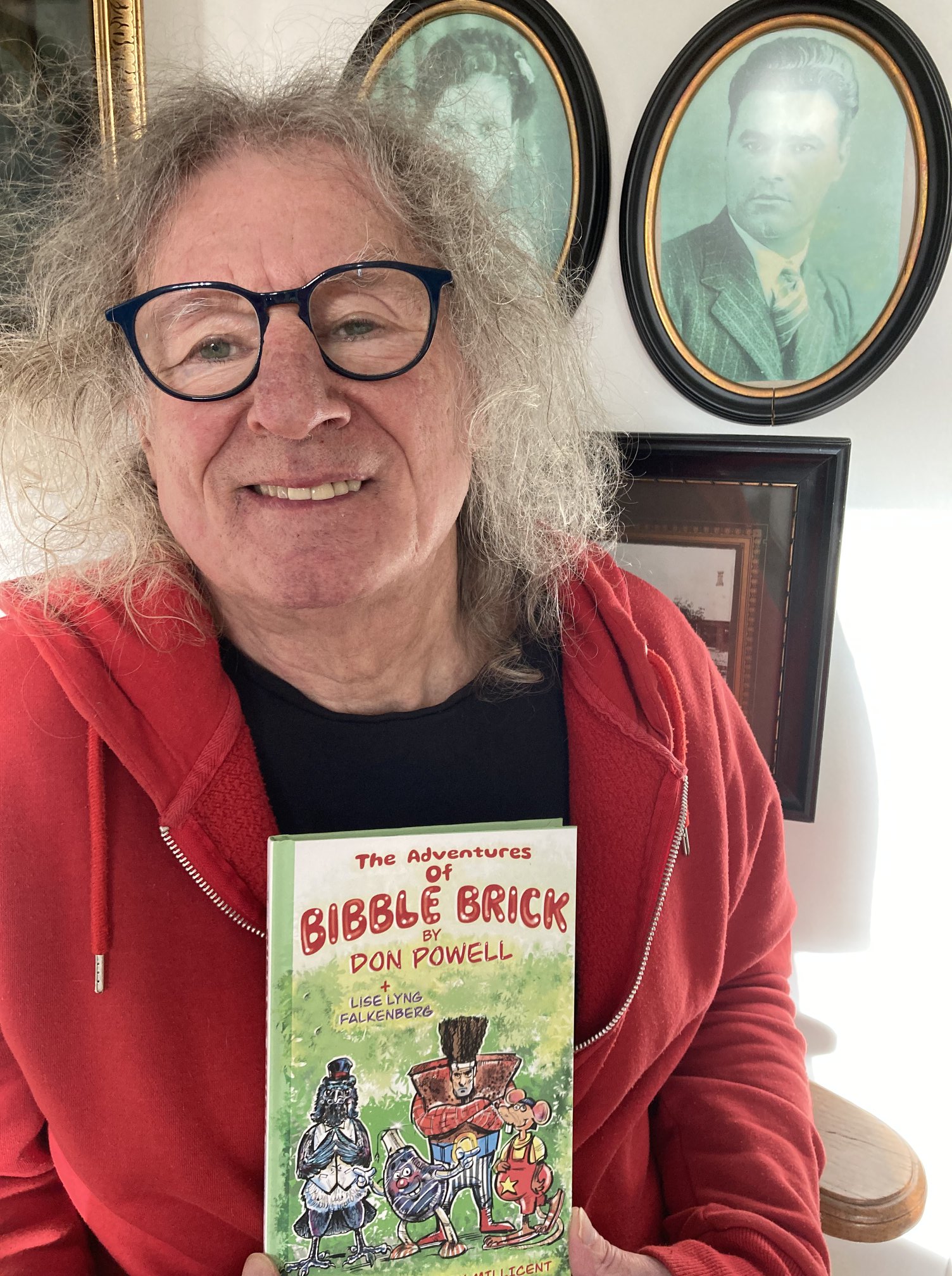
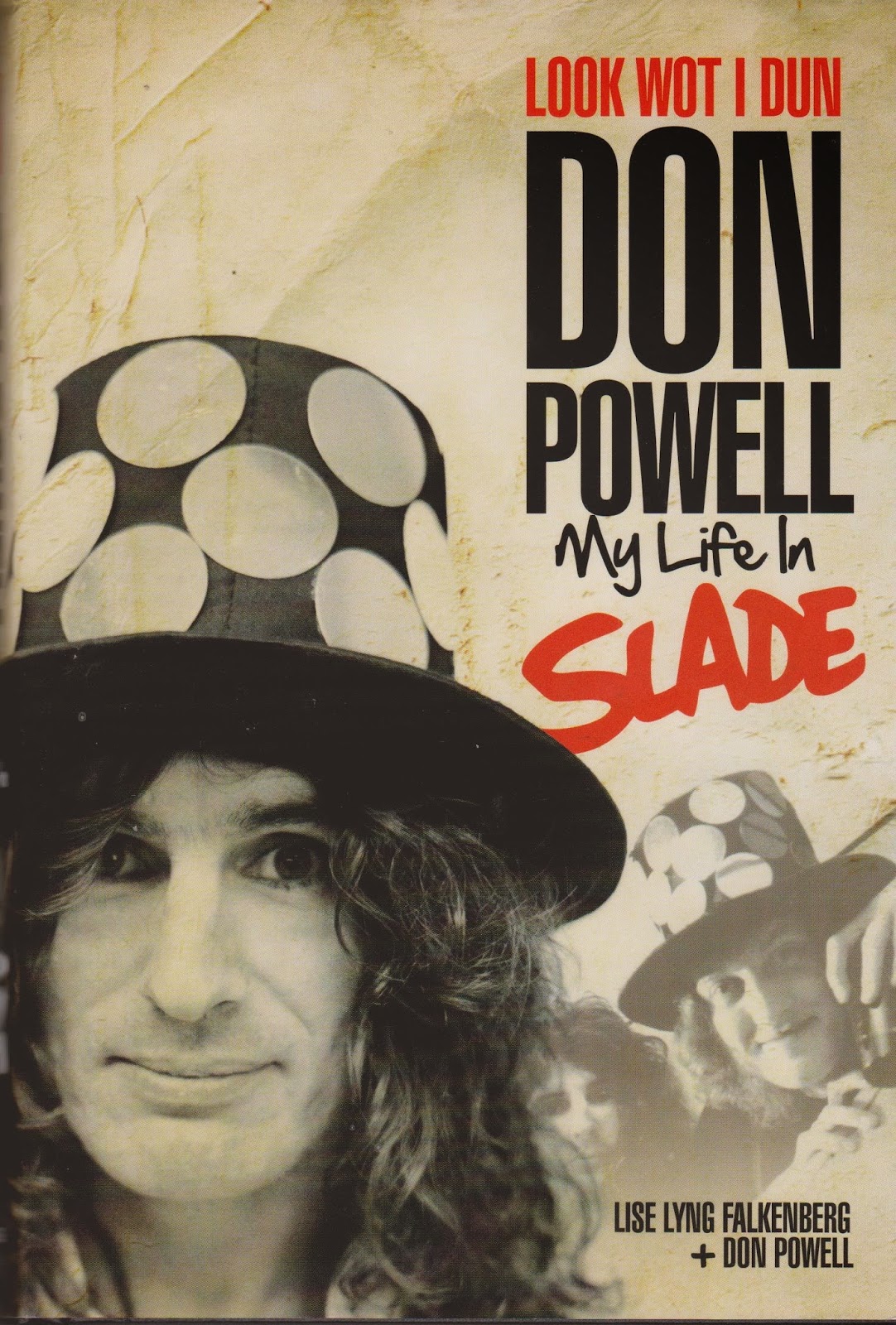
And will you be reading your younger grandchildren your children’s book, The Adventures of Bibble Brick, written with your biographer and friend, Danish writer Lise Lyng Falkenberg?

“Actually, I never thought of that. They don’t really understand so much English, so I’d have to get one of the parents to read it for them. But I actually wrote that book in the late ‘60s, it got shelved and I never thought anything of it. But I just mentioned it to Lise, in conversation, and she said, ‘Let me read it.’ I got the manuscript, she dotted a few i’s and crossed a few t’s for me, it was taken on, and it’s doing alright. I’ve noticed on my bank statement I’ve had some royalties from Amazon, so yeah – it seems like it’s cleared its costs.”

As for his next studio projects, don tells me he’s recording with some Danish musicians at present.

“We’ve released a version of ‘Far, Far Away’, the Slade classic, calling the band Don and the Dreamers.”

Brilliant. And sometimes it’s hard to keep up with, what with Don Powell’s Occasional Flames, and The Don Powell Band too.

“I know. I’ve got different hats for different things. But I’ll keep you in the loop, and have a great Christmas. I really enjoyed that. Thanks, Malc!”

And with that he was gone, no doubt to practise his moves around the Christmas tree. And if he’s not decked out in one of his one-piece outfits with the cutaway sleeves on the big day, I’ll be very disappointed.

Did you ever get to see Slade, the Black Country legends that claimed the world, live? Do you go back as far as The ‘N Betweens, or even The Vendors or Steve Brett and the Mavericks? Were you around when they made the classic film, Flame? Did you get along to its premiere in Sheffield? Ever catch them on the set of Top of the Pops? Were you there to see them at London’s Command Theatre Studio in 1971, Earl’s Court in 1973, or Reading Festival in 1980? Did you attend any of their memorable mainland European, North American or Australian shows? Have you an entertaining tale or two of bumping into Nod, Jim, Dave or Don down the years that you want to share in print? Or did you just want to tell us about your love for Slade and how important a band they were (and remain so) to you, and the joy of buying that treasured copy of ‘Cum on Feel the Noize’ or Old, New, Borrowed and Blue? And have you any good quality photos of those meetings that you have copyright to use? If so, we’d love to hear from you via thedayiwasthere@gmail.com, ahead of a new publication lined up for early 2023, those memories sharing the pages with a history of the band and their key releases, plus interviews with band members, the latest in Spenwood Books’ A People’s History series, following titles covering Cream, Fairport Convention, Queen, the Rolling Stones, and Thin Lizzy.

For December 2020’s WriteWyattUK feature/interview with Don Powell, and links to past Slade-related interviews and features, head here.

Posted in Books Films, TV & Radio, Music | Tagged , , , , , , , , , , , , , , , | Leave a comment

Taking the Westway to the sea with Graham Jones – talking Haircut One Hundred, Boys Wonder, and more

Haircut One Hundred are back, celebrating their 40th anniversary with a live show and special edition of Pelican West, the debut LP that saw them on their way all those years ago.

And that was all I needed by way of an excuse to get back in touch with guitarist Graham Jones, who left London for Cornwall in 1990 but is very excited about a 2023 Shepherd’s Bush Empire show that sold out in a matter of days.

But before we get on to that, let’s go right back, Nick Heyward (guitar, vocals) and Les Nemes (bass) setting the ball rolling as early as 1977, although it was only after they relocated from Beckenham, Kent, to central London that Graham (guitar) came on board, the band soon adopting its distinctive name.

“The old story we keep trawling out is that our girlfriends, who were best mates, were the connection. Nick and Les were already doing this band, Moving England, and making demos. I was doing my own punky stuff, not too far away from where they were. Our girlfriends went to the same school.”

I’m guessing you’d been playing guitar for a while.

“Yeah, I was in a band called Strobe Effects, with mates from Forest Hill School, Dacres Road {South-East London}. My mate used to live three or four doors away from the school and we’d rehearse in his converted garage.”

A proper garage band. And as you were born in 1961 and on the doorstep for London, I see you as being right time, right place for punk rock. Were you into prog before getting bitten by that particular bug?

“Not prog. I was always a Sweet, Slade and T-Rex fan, the rockier side of pop, I suppose. And there is there is a little Slade story linked to Haircut One Hundred, because when we recorded Pelican West at the Roundhouse, in the next studio was Girlschool, the heavy metal band. And who was producing them? Jim Lea and Noddy Holder!”

That was Girlschool’s fourth LP, released in 1983, a couple of years after their winning Headgirl collaboration with Motorhead on the St Valentine’s Day Massacre EP.

Meanwhile, it all seemed to come together really quickly with Haircut One Hundred, taking off after recording debut single, ‘Favourite Shirts (Boy Meets Girl)’ at that same Roundhouse studio in Chalk Farm.  

“I think the reason Roundhouse was chosen was because it was one of the first digital studios, using the 3M digital {multitrack} recording device. Before that, everything was done on analogue 24-track. The Beat had just done their first album there {I Just Can’t Stop It}, produced by Bob Sargeant. And that’s why we ended up there, because we were using Bob Sargeant, in the early days of when digital was just being trialled.

“There were lots of problems and there was an in-house engineer there to fix the thing, with all these funny little digital blips and hops going on. There was always someone there with a screwdriver. “Hang on, we’ll just have to wait for an hour while what’s-his-face gets his head in amongst the wires.”

And were you soaking this all up? You have your own home studio now, and I imagine Nick and yourself in particular watching very carefully, taking it all in. Did you all have an interest in that process, or were you just about making the music?

“I think some of us took more interest in the engineering side. I definitely did. I didn’t understand what I was looking at, but I kind of picked up the basics, which I’ve carried with me to this day, which I still deal with, recording here at home. And ever since going to the professional studios I’ve always had some kind of recording machine. I’ve always had a four-track machine. And it must have been in the late ‘90s, when recording software became available on computers.”

Have you still got copies of those early demos you made when it was the three of you (Graham, Nick and Les) plus Patrick Hunt on drums?

“Well, I wasn’t using a four-track machine then, not until towards the end of the Haircuts.”

Do any of those early demos appear on this new Pelican West expanded reissue?

“No, but there’s another album if people wanted to hear any of those. But in those days, we went to a normal eight-track studio and you handed over your money, recorded three tracks and went home again. And people recorded over those master tracks. They didn’t always put these things on the shelf, because they’re so expensive. They’d probably sit there a couple of months, then another band would come in and they’d wipe it and record over.”

Did you stay in touch with Patrick?

“I haven’t seen Patrick for a while. He did appear in Cornwall a few years ago, but I don’t know where he is. He went on to work with Sade, I think.”

Was it all a bit of a blur? Because it all seemed to happen so quick, from the first single and album onwards, not least when the teen pop mags took an interest. Did you have time to enjoy it?

“I think with anything in the music industry, you’re either on or off. You’re either a struggling musician, or it’s all full-bore. And once people recognise you’re on the upward trajectory, everything gets chucked at you. Whether you want to do these things or not, a lot of them are part of raising your profile. There’s a lot of things we did which we really loved and a lot of things we did, which we retrospectively look back and think, ‘Oh, no!’”

But you were all so young. You were barely 20 when Pelican West came out.

“Yeah, I remember my 21st birthday, we were off to New York for a gig at the New Music Seminar, I think, right in the middle of Manhattan. Those days, because you’re full of enthusiasm, that’s what drives the band, the enthusiasm for the music.”

I don’t want to muddy any waters, go into any perceived negatives, but for North of a Miracle, Nick was barely 21. I loved that album from the start, and have since gone back to your post-Nick follow-up Haircuts LP, Paint and Paint, and there’s some good stuff on there as well. You were a talented bunch. But part of me wonders if you were listening to Nick’s debut solo LP, thinking, ‘That should have been ours’?

“Unfortunately, when things did fall apart, we already had a body of material ready for a second album, which forms part of this re-release. We’ve got the missing tracks that were unfinished, and some still are unfinished, but it’s impractical – the studio costs for getting it back completely are not really viable.

“Going back and putting stuff on it now would sound a bit weird. And that’s exactly what everyone else thinks. I don’t think Nick would like to sing over a backing track from the ‘80s. But on North of a Miracle there are a couple of tracks which were originally done by the Haircuts, and they’re featured on Pelican West 40.”

Those tracks were Nick’s first solo hit, ‘Whistle Down the Wind’, and ‘Club Boy at Sea’.

“We had Paul Buckmaster in to do the string arrangements. I think some of the parts were replaced by other musicians for Nick’s version. But the original version is on Pelican West 40.”

Those both involve rather sweeping orchestral arrangements on Nick’s debut LP. I kind of assumed that wasn’t the case with the originals.

“We decided there were two tracks we were going to use the orchestra for – those tracks – but it’s an expensive thing to do, to hire a string arranger and an orchestra. You’ll hear these tracks and hear how the band was developing. But we were getting pulled in 50 different directions at once.”

That seems to have been the tipping point for Nick. And I’m guessing it all got a bit too much for everyone.

“Nick would say exactly the same thing, due to those demands for producing a second album, being asked to tour. You know, do you record, do you tour? And being the youngsters we were, we were trying to please everybody, instead of saying, ‘Sod you lot, we’ve got to finish this. Forget about the touring, or do the touring and forget about the album. And in the end, I think if it was too much for Nick.”

When you first heard North of a Miracle, was it a case of, ‘Bastard!’, all a bit raw, or were you ready to face it by then?

“We were kind of under the impression that, you know, there was interference happening, with outside sources. And it’s a really difficult thing to know who’s telling the truth within the industry. It’s a difficult one to answer.”

I guess it was mostly down to the corporate machine and big, bad music industry. You were close friends before and remain so now, right?

“Absolutely. We were always friends. It’s only the industry really, and the things done within the industry are always the downfall of any band.”

Was it a one-album deal with Arista? Only your second record came out via Polydor, I see.

“I think we had a bigger initial deal with Arista. So there was more work that could have been done, but I think we had to change our dealings and record companies after Nick had gone. We had to extract ourselves from Arista just to see what we could do as a second incarnation, if you like. But that wasn’t what we necessarily chose to do. It’s where we ended up.”

Was Marc (Fox) nailed on to be frontman of the reconvened band, post-Nick? Only that was a bit of a surprise that he stepped forward.

“We actually auditioned people, and we had the singer from Secret Affair come along, and interviewed a few other people, putting an ad out. We auditioned a few people around at Phil’s house, but it just wasn’t working. So we thought, why should we bring in someone outside when we could pull someone in-house?”

And there are some lovely moments on that record. It’s just a shame it got lost, really.

“It’s one of those albums … it has got some great moments on it. It’s not a masterpiece by any stretch of the imagination, but it’s what kept us busy until we all decided this is obviously not the master plan really. We’re just kind of making the best of what we’ve got.”

Was there a big gap between that and where you went next? Was it just the fact that it wasn’t a commercial success that made you think to knock it on my head?

“Like I was alluding to, it wasn’t the thing we’d planned to do. Because we weren’t doing it with Nick, it wasn’t like the authentic article, really. While we were in this kind of situation, I think the band members were probably looking at their futures and whether it was fulfilling their artistic needs or not.”

You clearly made some good mates along the way. For instance, you had that link with Glen Matlock.

“That came later, after Boys Wonder.”

I was coming on to those years, that band having released one album, 1989’s Radio Wonder, and five singles between 1987 and 1990. How did that project come to pass?

“We knew Ben and Scott {Addison} from Boys Wonder back in my punk days, before I joined the Haircuts. We crossed paths in those days, going to a few local punk gigs in London. And we actually asked them to come and do some backing vocals in the Haircuts, part two. They came on tour and did some vocals with us. I think at that point we said, ‘Do you want to join us, do something?’ And they said, ‘Actually, we’ve got our own thing, Boys Wonder, maybe you want to come with us. So I did a bit of an audition with them, ending up going that way instead.”

Do you think you deserved a bit more success there?

“Well, they were kind of the complete opposite of what I’d just come out of.”

Which is what you needed, in a way?

“It fitted my guitar style a lot better. I was kind of going back to my roots, regarding musical influences.”

Our mutual friend, Pete, saw you play a charity show in Cornwall told me when he heard you play it was unmistakably you, despite the passage of time. And you do have that very distinctive style.

“Well, I don’t think so. All I’m doing is chucking my own influences in there. My musical influences were Steve Jones of the Pistols, Mick Jones from The Clash …”

Neither related to Graham, despite their respective London roots … far as I know. Sorry, carry on …

“… Stuart Adamson from the Skids, 100,000 other punk bands, Derwood {Bob Andrews} from Generation X was a huge influence on my playing …”

“I alluded to it earlier that you got the chance to see a lot of those bands in their pomp.

“Yeah, I did, because I used to work in the West End, in ‘77. I was a little too young and just missed on seeing the Pistols, but that’s when I picked up the punk thing at school, but around ‘77 I was buying and going to see The Clash all over the place, Generation X, the original {Adam and the} Ants, the Ramones, The Rezillos …”

Fantastic days, so to speak. The latter two alone, I love their live LPs, really felt like I was there. And you probably were.

“I was at the New Year’s Eve concert …

“At The Rainbow?

 “Ramones, Generation X and The Rezillos, I think, were on the bill.”

Marvellous.

“Yeah, I’ve been to some great gigs and picked up some amazing influences, which is what I put into Boys Wonder and the Haircuts as well – it’s a completely different thing that I bring to Haircut One Hundred. I kind of bring … I don’t know, you’d have to tell me what I bring to them!”

I was going to say – same as I put to Nick a few years ago – you never had the kudos of the Postcard bands, for example. A lot of contemporaries were seen as a lot cooler. But maybe it was the fact that the teen mags and young kids latched on to you more, screaming at Nick and so on. Yet there were so many great influences at play there, and what you were doing wasn’t so far off what Edwyn Collins was doing with Orange Juice, alongside Zeke Manyika and co., a real mix of influences involved. And it worked so well.

“Well, you hit the nail on the head there. We were a lot edgier when we started out and we were cooler in many respects than we might have been perceived to be later. A lot of our early influences were Orange Juice’s, and we had a connection later on, Nick’s girlfriend and my girlfriend both from Glasgow, and they used to love us up in Scotland, along with Aztec Camera and Orange Juice.”

I believe you got to know Jimmy Pursey and Edward Tudor-Pole from your working days in London’s West End too.

“I think that’s when Nick and Les came to see me play. I used to work in a photo lab and one of my friends who worked with me, Phil Payne, was in a band called The Low Numbers, kind of a post-punk /early Mod kind of band. His drummer was a really keen football fan, and I could play drums – I learned drums at school – so whenever their drummer disappeared off to see Arsenal, it was, ‘Derek’s gone off to the football, can you come up and drum for us?’ So I’d jump on the train and go up to the youth club in Great Portland Street.

“Around that time, I was also learning to play guitar and played with The Low Numbers with Jimmy Pursey and Chris Foreman from Madness. And Eddie Tenpole as well. We did a fundraiser for that youth club, where we were rehearsing, a place for the kids on the local estate to hang out. I think it was a Christian club. The bloke who ran it was a really good bloke, always out for the youngsters, this youth club he used to run so passionately in this basement.”

Returning to Boys Wonder, how long did that continue? I see you moved down to Cornwall in 1990. Was it still happening around then?

“With Boys Wonder, it was a real comet. You always hear that analogy about things burning fast and bright, and we were on a really high and fast trajectory, with a following on the fashion scene, our girlfriends and friends all connected with fashion or music, the girls making our clothes for us – Ben drawing the designs and the girls making them, adding their influences. Then we had our musical influences, which was a lot of the punk stuff, a lot of T Rex, while Ben and Scott were interested in jazz, and musicals – there was a lot of Oliver in there – and Anthony Newley, all this stuff being rolled up in Boys Wonder, the creative process.

“The press didn’t get it, there was a very strong underground movement, but we couldn’t get out of that and convince anyone the songwriting was far more superior than what they were perceiving at the time. We were signed by Sire in America, but weren’t really backed to any extent that would enable us to spend more time and more money on it.”

Were you working by day again at that point?

That wasn’t the case with the Haircuts.

“We were all working, trying to get by.”

“No, we were all professional musicians. With Boys Wonder it was completely different, almost going back to square one again, proving ourselves as a band, which we kind of did to some extent. But we ended up as a bit of a cult band as opposed to other bands alongside us, good friends at the time like {Doctor and} the Medics, who got to No.1. But good for them.”

There were so many great bands from that era who missed out on the big time, but were later cited by those who broke through with Brit Pop and so on as big influences. In that case, perhaps the right place but the wrong time.

“Yeah. And we were most definitely pioneers, and we do get quoted by other bands. But that’s the luck of the draw in the music industry. You do your damnedest and then nothing happens.”

As long as you’re having fun doing it though, and have stories to tell your kids about, that’s great, surely.

“Yeah.”

And you did get to play in Glen Matlock’s band and support Iggy Pop in Europe in your next venture.

“Yeah. Well, at the time there was another band called Lightning Strike, and Crazy Pink Revolvers, with Theatre of Hate, CSM 101 … There was a group of bands doing various things at the time. And the singer of Lightning Strike, Dave Earl, writing something for his girlfriend, who wanted to be a singer, and they asked me and another Boys Wonder member to do a bit of backing to record something to see if we could get her a deal. We did that and asked Glenn to play bass on it. I said, ‘You can’t ask Glen!’ But this manager of ours said, ‘If you don’t ask …’ So I asked, and he said yeah.

“He did it, and liked what I was doing, so asked me to join his band. I think at that point Boys Wonder had gone as far as it could go. We kind of hit that rock brick wall again, nobody taking us seriously, kind of going round in circles. So I joined Glenn’s band for a short while and did this tour around Europe, which was good fun. And I was in the band with Steve New {later Stella Nova}, also from the Rick Kids, Glen on bass, Dave on drums, me on guitar, and Justin Halliwell, currently playing with Glen again. We supported Iggy for a bit, but I think at that point Steve was going downhill with his addictions, and I liked being in the band but didn’t really want to go round the whole thing again.”

And you were already heading down to Cornwall a lot in your spare time by then, right?

“I was, I was visiting here since the mid-‘80s, a seasoned traveller to Cornwall and already going surfing, coming back to visit friends here for Christmas and Easter. My life has already taken a turn.”

The heart was clearly pulling you towards Porthtowan.

“Yeah, I think I said to Glen in 1990, ‘Once I’ve done this tour, I’m going to move to Cornwall,’ which I did, and then I kind of stopped music as a profession, just to do something different for a bit.”

You always kept your hand in though, from teaching guitar and everything else, setting up the studio and all that.

“And there’s nothing to prove anymore, is there. It doesn’t really matter. Music should be a creative process and shouldn’t be there for any other reason. It’s an art, and it’s the reason why we started in the punk days, in the early Haircuts days, because we were all enthused and all creating something. We didn’t want a record deal at that time. I mean, everybody dreams about being on Top of the Pops, but you don’t do it for that reason.”

With quite a few of the musicians I speak to, the ambition was just to get a John Peel radio session or make one single, even those who ended up doing far more.

“Well, nobody plans for anything bigger than that, because it doesn’t happen to most people.”

You clearly have that parallel love for Cornwall, something we share, you’re a keen supporter and fundraiser for Surfers Against Sewage {SAS}, and aways had that love of surfing and surf music. It was all meant to be, it seems.

“Yeah, Jan and Dean, Hot Rod music, ‘50s rockabilly, it goes partly hand in hand with the surf culture … not really in the middle of winter though!”

Are you out and about on a board still?

“No, I go in bodyboarding in the summer sometimes, but I decided I was a better guitarist than a surfer, so I let the surfers carry on and get the waves while I’ll go in and enjoy myself if I feel like it. I’ve had some great times surfing, but most of my surfing took place in the late ‘80s and early ‘90s.”

“And as you know, the SAS is still going, and I helped set up first surfers’ ball down here.”

It’s a proper community where he is too, and the day we spoke Graham was getting ready for that evening’s Porthtowan Surf Lifesaving Club Christmas Awards at the village hall, along with his wife, Bertha, the pair having met not long after he moved to Cornwall, recently organising a fundraising campaign for a rescue long board made by former British longboard and shortboard surf champion turned ‘shaper’, Ben Skinner, in memory of local former lifeguard and keen surfer, Neil Walters.

“There’s a real connection there, with the surf club, and our daughter’s a lifeguard as well.”

Graham has two sons too, the older lad also a guitarist, working for the RouteNote music company in Truro, the other based in Wales. And while a Londoner through and through, Graham was born in Bridlington on the East Yorkshire coast, his Dad serving in the RAF at the time. But perhaps the call of the sea was always there.

“Maybe.”

And are you looking forward to or secretly dreading that Shepherd’s Bush Empire date with Haircut One Hundred?

“Not dreading it at all. It’s going to bring a lot of people together, a lot of friends who haven’t seen us for a while, and a lot of people looking forward to the release of the unheard material. And we were quite surprised it sold out so quickly.”

Is there a likelihood of a second night being added?

“Erm, I can’t really say. I expect something will follow on from it, and because things sold so quickly, that’s going to prick up the years of other promoters.”

Well, maybe the surfers’ ball next year will feature the Haircuts down at Porthtowan.

“You never know.”

Any details on who’s going to feature in that Shepherd’s Bush show?

“No, we’ll keep it to ourselves.”

Fair enough. At that point, Graham reminded me of his involvement with another band in more recent times, The Continental Lovers.

“I met the singer when he was on holiday in Porthtowan, we got chatting and I ended up being invited to play on a few tracks just to see how it would go. Joe, the singer, was really pleased with it and I really enjoyed playing on it, because it was kind of down the Boys Wonder route as opposed to down the Haircuts route.

“They’re based in Gloucester, so it’s not really practical for me to get involved, and they’ve got another guitarist playing my parts now, more their age group, someone who fits in and has got all the tattoos and everything! But playing the music came quite naturally, and they’re definitely a bunch worth looking out for.”

And if you could just pick a highlight of your days with the Haircuts, in the studio or on stage …

“I think for all of us, probably, going to the States was a massive bonus. For me personally, it definitely was.”

Do you still pick up the phone and talk to each other now and again?

“Yeah, we do.”

And is that easy conversation, old blokes being nostalgic?

“There’s always nostalgia, and you go over old ground and remind each other of the stupid things you did and who we met. That’s all part of it. But we kind of look to the future with a positive and a new vision. There’s no guarantees there for anything.”

That’s one thing with the pandemic and so on. That taught us a few things about the fact that you can’t take anything for granted. I wonder if that formed part of your resolve for getting this together – the whole reunion, reissue and live project.

“Yeah, the reissue was bound to happen because of the 40-year anniversary. But the company that decided to take it on have really done a good job, they’ve been really supportive, and they wanted the band to be completely included. They haven’t done anything that we’ve disagreed with. They haven’t just bulldozed in, licenced the tracks and released any old crap. They’ve really tried to include the band, and the Shepherd’s Bush Empire show is part of promotion for that release.”

The super-deluxe edition of Haircut One Hundred’s debut LP Pelican West – originally released in February 1982 and spending three months in the UK top-10 album chart, 10 weeks of which were it was in the top five – includes non-album single ‘Nobody’s Fool’, added to the CD and 4-LP set, the new version of the LP featuring a remaster of Pelican West, all the 12” mixes and B-sides, a live set from Hammersmith Odeon, and for the first time, demos for their unfinished second album, given the provisional title, Blue Hat For A Blue Day.

Over four CDs, there are 54 tracks, of which 24 are unreleased, including nascent versions of later Nick Heyward solo hits ‘Whistle Down The Wind’, ‘Blue Hat For A Blue Day’, and the ‘lost single’ ‘Sunny Boy, Sunny Girl’.

The 4-CD set features a 44-page booklet with 10,000-word sleevenotes featuring an oral history of the time with all six members, interviewed by the set’s curator, author and DJ Daryl Easlea. The booklet also includes memorabilia and exclusive photographs from the personal collection of Haircuts guitarist Graham Jones and bassist Les Nemes. Pelican West 40 is also available as a half-speed master vinyl LP as well as a 38-track 4-LP edition containing the new half-speed cut of the album along with the unreleased second album tracks and a collection of 12” mixes. For a track listing and details of how to pre-order, with the new package set to be released on February 24th, head here.

Posted in Books Films, TV & Radio, Music | Tagged , , , , , , , , , , , , , , , , , , , | Leave a comment

Missing You – a tribute to Terry Hall and Iain ‘Tempo’ Templeton

“Love, there was so much love, enough to last a hundred years.

Laughs, we had so many laughs, how come they turned into tears?”

I wasn’t sure it was common knowledge when I got the sad message from Iain ‘Tempo’ Templeton’s sister Claire on Monday evening that we’d lost him, a day which ended with equally awful but more widely received news regarding the wonderful Terry Hall. And then came more grim news yesterday concerning Martin Duffy, of Felt, Primal Scream and Charlatans fame, barely a few months my senior. All that on the back of losing – over the last couple of months alone – his namesake, Brian Duffy, aka Stranglers legend Jet Black, and the hugely inspirational Wilko Johnson, rock’n’roll icon Jerry Lee Lewis, and evergreen singer-songwriter Christine McVie.

Regarding Terry. so many truly lovely words have already been posted about him by so many of you on that front, and for me he was an integral part of my musical journey, key to so many winning combinations around my formative years, an early love for The Specials’ debut LP (one that never waned) leading to having my eyes opened by what he did with Lynval Golding and Neville Staple in Fun Boy Three while Jerry Dammers continued to carve out his own direction with the original concept, neither option any less enlightening. Then there was a further step forward with The Colourfield, followed by Terry, Blair & Anouchka … and I’ve barely touched the first decade there. Often hard-hitting, but with plenty of moments of pop mastery en route.

In fact, talking of great songwriters, he came up in my most recent Ian Broudie interview a few weeks ago, the pair having co-written the Lightning Seeds’ return to form, ‘Emily Smiles’, 28 years after bringing us the wondrous ‘Lucky You’. Ian said at the time, ‘Terry’s just one of the greatest talents I’ve had the pleasure of working with. We started working together when I produced a couple of things for him. It’s been lovely seeing his career re-blossom with The Specials. Then there was The Fun Boy Three, and … he’s done so many things that have been great. I think he’s brilliant.”

No arguments there. Sadly, I never got to chat to Terry, but I at least got to share some priceless stories with many of his old tourmates, not least former bandmates Neville Staple and Roddy Radiation, expressing my love for all they brought us.

As for Tempo, I studied for my Master’s with his older sister, just over a decade ago, yet somehow – not being the mouthy kind – she never mentioned him. I knew her by her married name, and it just never came up – his amazing, rich history in the fledgling La’s, and of course Shack, as well as Michael Head and the Strands. But it certainly wasn’t from any sense on her part of anything less that pride in his amazing talent. And when she finally introduced me to him a few years down the line, there was an instant bond, from a truly loveable guy as well as a great musical talent. He was fragile, I could tell, but also so funny, so passionate, and so talented, as the many unpublished songs he put my way confirmed. Lockdown projects, really, from this true one-off.

I’ve double-checked with Claire that it’s okay to share her initial message to me, one simply reading, ‘I wanted to let you know that my lovely brother died today. He succumbed to the alcoholism that dominated his life since lockdown. I’m so grateful for the interview you did with him and how you made him feel. That was wonderful. He was a complex human being but a brilliant drummer. I’m so very sad but also feeling a sense of relief that he’s no longer plagued by those demons.’

I’d been so absorbed elsewhere that I hadn’t realised I’d not ‘seen him’ online for a fair while. And I should have thought more of him lately … not least in a year when Shack lynchpin Michael Head was (quite rightly) getting so much positive traction for his latest LP. I so loved the music Tempo sent me … even if the accompanying video was a bit in the face. But I guess that was him … at least the public persona. Hopefully, someone will now step up in the right circles and give the recordings I heard (and I gather many more have followed, his positivity shining on through) the true acclaim and wider reception they require.

Until then, Terry, Iain, Martin, I salute you with this Blair Bronwen Booth/Terry Hall classic single from 1990, one that resonates to this day …

“The rain is falling, and I’ve tried calling,

But I just can’t get through to say I’m missing … missing you.”

And for my feature/interview with Ian ‘Tempo’ Templeton, from February 2021, head here.

Posted in Books Films, TV & Radio, Music | Tagged , , , , , , , , , , , , , | 2 Comments

A Christmas gift for you from Swansea Sound – back in touch with Rob Pursey

This time last year, Swansea Sound were reflecting on a happening few months, this indie-pop supergroup of sorts, founded remotely mid-lockdown, not even having met in person until their late August 2021 debut at Lancashire’s Preston Pop Fest, yet soon proving as fast-paced as some of their punk-influenced numbers.

They saw out that year with acclaimed if not over-honestly titled debut LP, Live at the Rum Puncheon, with more dates lined up before spring, those buying the album also receiving a vinyl and digital-release alternative Christmas single, the limited edition 7” version selling out very quickly.

And now they’re not far off a follow-up long player, while the tracks on the festive single – ‘Happy Christmas to Me’ and ‘Merry Christmas Darlings’ – are newly out in CD format, a three-track EP led by a fresh composition called ‘Music Lover’. What’s more, those buying via Bandcamp have the option of the included Christmas card being signed by the band, or left blank so they can write their own festive messages to loved ones.

The band has (rather complicated, if I’m honest) links to indie darlings The Pooh Sticks, Tallulah Gosh and Heavenly, with vocalists Hue Williams and Amelia Fletcher joined by guitarist/bass player Rob Pursey and drummer Ian Button, the latter three also key these days to The Catenary Wires, another band I first caught (at that point featuring just husband and wife Rob and Amelia) treading the boards at the same venue that hosted Preston Pop Fest, supporting The Wedding Present at The Continental in the summer of 2017, Amelia well known to fans of the latter for her winning contributions to a fair few of their seminal late ‘80s tracks.

For Swansea Sound’s first live shows, they were joined by Kent-based guitarist Robert Rotifer, seeing as Rob played guitar and bass on the first recordings, and even he can’t manage both on stage. And it’s Bob Collins adding guitar on ‘Music Lover’, this anti-corporate outfit’s ‘punkpop tribute to Daniel Ek’, releasing the song ‘as a festive gesture’ on Ek’s Spotify digital music platform among other streaming services, ’so he receives most of the financial benefit.’

For those that missed it first time around, ‘Happy Christmas to Me’, described elsewhere as ‘the Christmas song the Buzzcocks would have written’, sees the band’s yuletide feelings to Ek also dedicated to Twitter boss Elon Musk, Facebook/Meta co-founder Mark Zuckerberg, and Amazon chief Jeff Bezos. Meanwhile, ‘Merry Christmas Darlings’ is their glam-rock cover of a song by Cheap Trick, its closing party sequence seeing ‘the four billionaires reunited, jovially exchanging corporate mission statements with each other.’ Have you spotted a theme yet, readers?

So how did Rob, speaking to me from his Kent base, think 2022 went for the band. What were his highlights?

“It’s mainly consisted of writing and recording songs for our second album, which will come out next year. We did finally play Swansea though! And Newport and Cardiff.”

Yes, I should point out at this point to the uninitiated that Hue has links to that part of South Wales – the Vale of Glam, as he likes to put it –  and they took their name from Swansea’s lost radio station after it was re-branded by new corporate owners, even using its abandoned logo, what they see as part of their ‘wider protest about the culturally stultifying effect of corporatisation’. 

As for ‘Music Lover’, well, that’s another breath of fresh air, in typical Buzzcocksy-Wiresque style … with the kind of anti-corporate sentiments we expect from Swansea Sound. Go on then, the floor is yours, Rob. Have you got a problem with Spotify?

“Yes, we have a problem with Spotify. Not with the technology – there’s nothing wrong with digital music. The problem is with its ownership and control. It’s not just Spotify who have perfected a ‘trickle down’ corporate model on the back of digital technology. 

“If you’re a cab driver you may have a similar feeling about Uber. If you’re a retail worker you’ll maybe feel the same about Amazon. If the CWU don’t get their way the same thing could happen to Royal Mail. It would be naff to make songs about that – we aren’t cab drivers and we aren’t postal workers – but Spotify is something we can talk about, because it affects us directly. Not all our new songs are going to be on that theme – I realise it can get a bit dull banging on about the same thing too often. But it needs to be said.

“Another group recently claimed it was only ‘old bands’ like us who complain about Spotify. And that ‘the kids’ like using it, which somehow means it’s all fine. It’s worth noting that the group in question are even older than us. But I don’t buy that, it’s a geriatric argument. It’s like saying ‘stop moaning about the water companies, a bit of sewage never did us any harm.’”

And yet you’re releasing the single on that self-same platform. Isn’t that like flicking vees to Elon Musk on Twitter and Mark Zuckerberg on Facebook? Or buying a toaster from Amazon and leaving a rude note for Jeff Bezos?

“Yes, this time I thought it would be good to have a song that’s directly about Spotify on Spotify. We obviously didn’t make the decision for the money. You’re right, all gestures are compromised these days – the single is advertised on Facebook, and on Twitter. That’s the problem with digital oligarchy. You can’t operate outside it.” 

Like all good Christmas singles, this has been (at least two-thirds of it) out before. How many of those original 7”s are out there now? And will Record Collector coo about the price of them in years to come?

“The two Christmas songs came out a year ago on a Snowflakes 7” single. They sold out quite quickly. So it seemed fair enough to put the songs out again. Also, I’ve this theory that if you release a Christmas song often enough it become a ‘classic’. So maybe we’ll put ‘Happy Christmas to Me’ out again next year, and the year after that, until people accept it’s as essential as ‘White Christmas’.”

No arguing with that twisted logic, and we dearly need more of this agit-punk stuff. What have Swansea Sound heard around them in 2022 which appeals, music-wise? Are there enough bands out there carrying the Spirit of ’76 and all that?

“The most recent thing I bought was a CD by punk band C.O.G. It’s pretty good, like Killing Joke … not the daft, Gothic, later version … and they have this great idea – the CD itself is free, but you pay for it by doing a random act of kindness. I like that, it’s anarchistic and humane at the same time.”

What have those cross-border cousins of yours, The Catenary Wires, been up to in 2022? Can we expect a new record from them – after the excellent Birling Gap – as well next year?

It’s been a bit quiet on that front. There are some more tunes, but the deal with The Catenary Wires is that me and Amelia are supposed to write the songs together, and we’ve not had much time to do that. Also, it’s a lot more challenging to record Catenary Wires songs because we rely on other musicians – for example, Fay Hallam on keyboards – who are more talented than us, so it’s logistically harder. With Swansea Sound, it’s easy, I write all the songs, we record them at home, and it doesn’t require so much, er… finesse.”

There seems to have been a bit of burrowing into your indie pop past too, celebrating your Heavenly days. Tell me more.

“That’s probably the other reason The Catenary Wires have been quiet. It takes ages to restore the artwork for the albums, all of which we are re-releasing, and Amelia has been doing most of that.  We’ve also decided to play a couple of Heavenly shows next year, and we’ve started rehearsing for those. It’s not too onerous for me, the basslines aren’t hard to work out, but Amelia’s got loads of lyrics to remember. And she has to work out how to play guitar again, not having done it for two decades.”

Apart from turning the amps up and letting rip with Swansea Sound, what else grips your attention in a festive way, music-wise? You seem to carry the spirit of The Greedies on these tracks. What Christmas records do you need to put the needle on to get in the festive spirit?

“If I’m honest, I really like old-fashioned Christmas carols best. Old tunes. My favourite modern Christmas recording is ‘Silent Night’ by The Only Ones.”

What was the first Christmas single that grabbed your attention, when was that, and where were you at the time?

“I’m pretty sure it would have been seeing Slade on Top of the Pops when I was a little kid. That is a great song, and I think that for a lot of people of our generation it’s now old enough – and has been repeated often enough – to have achieved ‘carol’ status. It’s a perfectly designed vehicle for nostalgia.”

What was the first Christmas you recall as working band members? When and where were your first festive dates, and was there a raucous after-party? It’s time the tales were told.

“I am sure The Five Year Plan would have done some kind of Christmas gig in Bristol when I was really young, but I guess my most vivid memory is of the Sarah Records Christmas Party, where Heavenly played. Hair-grips were tossed to one side, spectacles were dropped and trodden on, cardigans and anoraks were ripped. It was wild.”

I bet. And what should we do with Elon, Jeff and co. this Christmas? Is there a rocket with their name on it? And where should we set the coordinates for?

“I think they’d actually really like to be on a rocket together. So I’d put them in the Antarctic with bicycles and invite them to cycle back to freedom. If they survived, they would only be allowed to resume their lonely greedy lives if they agreed to sign forms that guaranteed paying income tax at 98%. They’d still be way richer than all of us. Actually, make it 99%.” 

What’s the ratio so far with regard to requests from buyers of the CD EP package with a Swansea Sound Christmas card thrown in? Has anyone specifically requested you don’t sign it, so they can send them to friends and relatives instead?

 “Yes, we’ve had a few like that, but most people seem to want the signed version. Bad news for us.”

Are there still copies of Live at the Rum Puncheon at the back of the Swansea Sound HQ garage?

“Yes, there are. Please buy them! We realise now that the album title may have been an error. A lot of people think, quite reasonably, that it’s a live LP. Actually, it was recorded to a very high standard on our laptop and Hue’s iPhone.”

Will there be a Swansea Sound Christmas party this year? Any live dates, or is it just about bawdy dinner parties?

“We’re all meeting next Friday for a Christmas party and signing ceremony. I will make a festive meal. And then we will do what we have promised, sign the Christmas cards, get them in the post.”

And once the tinsel has been put away, will work commence on finishing that new Swansea Sound record? And will there be an inevitable tour to go with it?

“We really hope to get the new songs mixed over the Christmas period. There’s more than enough for an album. A tour, I don’t know about that, but we’ve just agreed to play Birmingham and Sheffield next March. That’s nearly a tour, isn’t it? And we will definitely be playing in Wales again.”

For the latest from Swansea Sound, check out their social media updates on Facebook, Instagram and Twitter, and also via Skep Wax Records at www.skepwax.com and www.skepwax.bandcamp.co.uk.

Posted in Books Films, TV & Radio, Music | Tagged , , , , , , , , , , , , , , , , | Leave a comment

Blancmange / Alice Hubble – Lancaster, Kanteena

Admittedly, I should have got this review together a while back … but sometimes life gets in the way. Instead, consider this as much a heads-up to two of my long-playing highlights of 2022, each deserving proper recognition. Besides, with just two Blancmange dates remaining on the tour, surely I can’t be accused of plot-spoiling at this late stage. It’s not as if we’re talking a production of The Mousetrap.

Lancaster’s Kanteena was a new venue for me, and a cracking one at that, its quirky sense of character in keeping with the spirit of the acts passing through on this occasion.

There was a laidback feel on arrival, so much so that there was no one on the door at that point (we did have tickets, honest), reminding me of one of the few previous occasions that happened to me – for Emmylou Harris’ Red Dirt Girl tour visit to Manchester’s Bridgewater Hall, late 2003. As if the fact we’d shown up was enough to suggest I had legitimate attendance.

Also, for a second live show running I was too busy talking (to the merch team this time) to realise the support set was underway. And that’s embarrassing for someone for whom people chatting during a live set really gets his goat. As it was, there would be a fair bit of that on the night, Blancmange’s main man Neil Arthur somewhat pissed off about it. But it didn’t detract too much for those of us in the thick of it out front. What it must be like though to have that much ready cash that you can afford to go to a gig then babble away to your mates mid-performance. Worse still, in this case, proclaim, ‘Play one we know’ while the headliners weave their way through a winning set. Ignorance.

While the dancefloor before them seemed largely empty for much of their tenure, Alice Hubble and fellow London-based live show co-pilot, Tom Hilverkus (previously half of Lower Saxony’s The Happy Couple), soon somewhat nonchalantly seized our attention.

Alice, real name Alice Hubley, was previously half of Arthur and Martha, described by her London-based Happy Robots label as ‘cutie krautrock or tweetronica, using toy/playground electronic gizmos, battered old Casios and Korgs and cheapo drum machines to create gentle, tinny yet poignant pulsebeats that move their achingly pretty, minor-chord melodies along.’ And it’s clear those qualities carry through to this project, much of her impressive set drawn from second LP, Hexentanzplatz, its title continuing that Saxon link (and I’m not talking Biff Byford’s metal outfit), its singles ‘Power Play’ and ‘My Dear Friend’ – among tonight’s highlights – having received BBC 6 Music airplay of late. The same goes for earlier 45, ‘Goddess’, somewhere between The Cure’s ‘In Between Days and New Order’s ‘Temptation’ for these ears, Alice’s sweet vocal setting it apart.

My eldest daughter, joining me on the night, reckoned she was getting a druid vibe, and I kind of got that. If druid electronica is not already a genre, maybe now is the time. As a first-time live attendee without access to a setlist, I can’t be sure of the specific numbers, but I’ve had chances to wallow in the latest LP since, a trans-Pennine road trip proving perfect for a cinematic outfit capable of evocative soundtracks, a journey from Tebay to Scotch Corner neatly framed by Hexentanzplatz and its bonus tracks, not least the sweeping, majestic title track and its ‘Oh, what a beautiful mountain’ line.

At times, I got Debbie Harry reborn in an early ‘80s New Romantic band, while on ‘Numb’ there’s something of the other-worldliness of Tubeway Army, a gateway for many of us into that world. As for the gloriously climactic ‘Gleichfalls’, that’s part New Order, part Public Service Broadcasting, a great way to end the LP in question, even if three extra numbers add something else again, not least the disco stomp of ‘Lux’, the sweet hippiedom of ‘White Horses’ and ‘Willow’s Song’ fusing with a Bronski Beat backing, and trance-like trip-hop finale ‘Midnight in Paso Robles’, with its rather lovely false ending.

As for the headliners, their latest LP, Private View, also formed part of that later personal road trip, and again fitted the bill perfectly here, album opener ‘What’s Your Name’ also the starting point on this occasion, followed by two eminently danceable numbers written four decades apart, the 2022 composition up first, ‘Reduced Voltage’ a contender for single of the year, its ‘Boy, am I tired’ line all too resonant lately, its vibe somewhere between Bowie, John Foxx, Grace Jones, and … Blancmange.

For while Neil Arthur has always ploughed forward, there’s always a healthy regard for Blancmange’s past, and 40 years after its arrival, Happy Families still gets the exposure it deserves, evergreen floor-filler ‘Feel Me’ never disappointing, leading to the more dreamy ‘I’ve Seen the Word’, 2020 LP title track ‘Mindset’ then reminding us of more recent accomplished output, but again with a resonance to where it all began, Commuter 23’s ‘Last Night (I Dreamt I Had a Job)’ and Wanderlust’s ‘Not a Priority’ also hitting that high benchmark.

In fact, there was plenty of evidence here for those only now getting up to speed with Blancmange’s reformation works of just how good a compilation we could get from later years alone. What say, London Records, now you’ve got them back on board?

Joining Neil this time were Chris Pemberton (keyboards/‘crazy synths’) and Liam Hutton (electronic drums), both on the money from the off with old and new material alike. Speaking of which, ‘Waves’ will always be in my all-time top-20 (there are probably 40-plus songs in there any given week, but that’s not the point), while Unfurnished Rooms’ ‘What’s the Time?’ would be among my first choices for that ‘somehow not hits’ compilation. Deep (well, who’s ‘the most invisible’ person you’ve ever known?), pensive (‘list all the things you’ve never said’), yet capable of bringing smiles to faces and a swivel of hips on the floor.

The somewhat pensive title track of the new record was next, a brief diversion back to Memory Lane allowed for ‘That’s Love That it Is’ before we headed to a trading estate in Altrincham for 2017’s ‘We Are the Chemicals’ – another filmic number dripping in imagery, always good to hear – then made for an equally atmospheric ‘Take Me’ (and I don’t just use that description because I’m reminded of Joy Division classic ‘Atmosphere’), the new record’s rather splendid finale.

Further Mange Tout cut ‘Game Above My Head’ provided another rummage into the back-catalogue, ‘Blind Vision’ not far behind, the oh so poignant, of the moment ‘Some Times These’ between them, a ‘Heroes’-like number (and let’s face it, Bowie is never far off Blancmange’s creative process) serving as yet another reminder that this is no ‘80s tribute act, the quality still very much intact since Stephen Luscombe stepped back.

As for the final two choices … no surprises there, ‘Living on the Ceiling’ having the place properly pulsing before they returned for ‘Don’t Tell Me’ following Neil’s genuine address to the assembled, sharing the love with some well-chosen words before that mighty last number, enough to make me think it was as much a subtle reference to Stephen as it was to everyone who’s stayed close to the band all these years.

Blancmange’s Private View tour ends this coming weekend with dates at The Venue in Worthing (Friday, December 9th) and Islington’s Assembly Hall (Saturday, December 10th), with Sheffield’s Stephen Mallinder (of Cabaret Voltaire fame, his other projects including Wrangler, alongside Neil Arthur’s co-conspirator Benge) on fine form in the support role at present. For more details, check out the band website and follow Blancmange via  Instagram, Twitter and Facebook.

For the latest from Alice Hubble, head to her website, and keep in touch via Facebook, Instagram, Twitter, and Soundcloud.

And for this website’s most recent feature/interview with Neil Arthur, and links to our previous feature/interviews and Blancmange live reviews, head here.

Posted in Books Films, TV & Radio, Football | Tagged , , , , , , , , , , , , | Leave a comment

Still walking in the sunshine – celebrating five decades of Bad Manners with Buster Bloodvessel

Ska legends Bad Manners are out and about again this month, veteran vocalist Buster Bloodvessel and his band bringing their stage prowess and hits catalogue to 27 UK venues, allowing himself just five nights off before New Year’s Day’s Glasgow finale. 

Forming the band that became Bad Manners with friends from Woodberry Down Comprehensive School, Finsbury Park, North London, in the mid-1970s, they became live favourites on their patch before taking that next step, true entertainers of the ska scene, Buster known for his energetic live antics. Rising to prominence during the late-‘70s ska revival, they gained wider exposure with help from 2-Tone Records package tours and their appearance on live documentary Dance Craze.

Born Douglas Woods to a single mum in Stoke Newington in 1958 (his surname changed to Trendle after adoption by a great-aunt of that name), Buster took his stage name from Ivor Cutler’s bus conductor character in The Beatles’ 1967 Magical Mystery Tour film.

Bad Manners signed to Magnet Records in 1980, scraping into the UK top 30 straight away with debut single ‘Ne-Ne Na-Na Na-Na Nu-Nu’, a cover of a Dickie Doo and the Dont’s rock’n’roll song released the year Buster was born, follow-up ‘Lip Up Fatty’ making it to No.15 before ‘Special Brew’ reached No.3, a highly successful first year finishing with ’Lorraine’ reaching No.21, with both debut LP Ska ‘n’ B and rapid follow-up Loonee Tunes each going top-40.

Their 10 UK top-40 singles also included 1981 top-40 showings with ‘Just a Feeling’, ‘Can Can’, ‘Walking in the Sunshine’, ‘Buona Sera’, alongside third LP, Gosh, it’s … Bad Manners, while their cover of Millie’s ‘My Girl Lollipop’ reached No.9 in the summer of 1982, the band spending more than 100 weeks in the singles charts in those first three years.

And 40 years later, they’re still going strong. At least, Buster and his current Bad Manners line-up are, now deep into their fifth decade, with no sign of stopping, having relentlessly toured the UK and mainland Europe, America, Japan, Australia and New Zealand. And as I put it to the main man when we spoke, he hardly seems to have been off the road down the years.

“We have done more than most, I must admit! But during the Covid period – which killed every band that was – I’ve never been so lazy in my life.”

Did that enforced break not suit you, give you a chance to take stock?

“No! I couldn’t stand it. I grew a beard and long hair, and I just wasn’t me. When people saw me, they said, ‘Why are you like this?’ I said, ‘Really, I’m on strike. Until I can do another gig, I’m not going to shave my head.”

Did the confidence come back straightaway afterwards?

“Yeah, once you’ve got the touch … I’ve been doing it that long.”

True enough, but even the most prolific of acts started over-thinking it all, worrying that they might not be capable of performing again.

“Well, that crosses your mind. But once you’re actually in front of an audience, that’s your job, that’s what you do, and you fall back into it.”

You certainly bring the party, wherever you play. And I don’t think anyone could accuse you of giving less than 100%. I guess you still get your kicks from live music.

“Oh, absolutely, and not just my own music. Seeing bands live still does do it for me. And I love performing. It’s in my blood.”

So where’s home these days? North London? Hertfordshire?

“I’m actually in Bulgaria.”

Blimey, is this going to cost me? Is that where I’m calling you?

“No, you’re calling me in West London. I’ve got a houseboat, but I live in Bulgaria.”

Why Bulgaria? How did that come about?

“It’s cheap, there are nice people there, lots of sunshine. It’s such a great place, and the pound goes a long way there.”

Clearly still walking in the sunshine then. Is Sofia home, or are you closer to the sea?

“Veliko Tarnovo.”

Ah, wrong on both counts (that’s around three and a half hours west by car from the capital, my online map meister tells me).

“It’s in the centre, and it was their second capital. It’s surrounded by castles, and it’s just a wonderful place.”

So you’re not a regular down at Hartsdown Park these days, watching The Gate (Buster was the main sponsor of Margate FC in the 1990s and once owned a hotel in the Kent resort called Fatty Towers, specifically catering for larger customers, its features including extra-large beds and baths, closing in 1998 when he moved back to London)?

“Not anymore. Unfortunately, not. I used to enjoy them times.”

Are you watching football out in Bulgaria instead?

“Erm, at this moment, I’m watching Mexico versus Poland (in the World Cup). But I don’t go to any football games in Bulgaria. I follow my Arsenal.”

So to speak.

“Well, we’ve had a good season this year, so far.”

It certainly seems that way. And what became of your old houseboat in Hackney (Buster licensed the Blue Beat Records name and logo in 1988, running the label from there for a couple of years)?

“Oh, that was a long time ago. It got put back onto the river. It was in my back garden for a long time, then got put back onto the river after a couple of years, I wasn’t on it often, and it sprang a leak and sank, so they had to come along, take it out the water, the cost of that enough to have it cut up. Not a very good ending, unfortunately.”

That’s sad. I bet that had character.

“It did, and we ran all the various labels and bits and pieces from it.”

You were a bit of an entrepreneur in those days.

“I was. I enjoyed mucking about with records.”

When you mentioned the houseboat springing a leak, I had The Clash in my head, Joe Strummer having no fear, ‘London is drowning, and I live by the river’.

“Yeah!”

Do you wince a little at the novelty favourites label your publicists tend to use, or is that part of what you’ve always been about? There’s never been any pretence, it seems.

“No, not really. I think it’s extremely hard to be able to be put in that bracket and survive for a long period, because it’s almost the kiss of death when you get that tag around your neck. But I don’t mind. If people want to think of us as a novelty band, so be it.

“We are a hard band to beat live. I don’t know many bands who can compete with us live. And we’ve played with them all. Some of these great bands you see, we slaughter them on stage.”

Before calling you, I glanced back at a 2004 festive edition of Never Mind the Buzzcocks, the contestants – including Noddy Holder and Phill Jupitus – having to guess your Christmas covers from the intros. I was howling at that, but at the same time admiring the power of your brass section. There’s comedy value, but you’re clearly a tight, hard-working band.

“Well, I suppose the only other band we’ve sort of aimed at that is similar to us would be somebody like the Bonzos, even though we carry more an element of pop. It was more about albums with them.”

As I’m writing a version of this feature-interview primarily for a North West newspaper, are there past performances around Lancashire, Manchester or Liverpool that spring to mind when venues are confirmed on your tours?

“It’s always good for us because of the scooterist connection up in that part of the world. They stick together, and they’ve stuck with us for many years, so I really like playing that area. Manchester, I’ve always had great times going out to dirty old pubs in Salford. It’s a shame they’re almost turning trendy … but not the ones I go to!”

You broke through with the ska revival, but it wasn’t a bandwagon jumping exercise. That love of Blue Beat, ska and reggae was always important to you.

“Very much so. From a very early age, and when we started it was definitely ska and rhythm ‘n’ blues. That’s what we based our style of music on.”

Who turned you on to that? Or was that what you were hearing around your manor?

“It was the area I came from. I come from a Black area, so listening to ska and reggae was easy for me. Then there was the R’n’B connection, which was more listened to by white kids. I enjoyed both, so I wanted to play both. I still liked all the commercial things like Slade though, so always had an ear for that too.”

You tend to prove that with the way you crossed over, not least those early ‘80s hits.

“Yeah, quite a lot of them.”

When you left school in the mid-’70s, was it always going to be a career in music and performance for you? Were there ever any real-world day jobs?

“There were. My first job was as a photographer, and for my second I was relaying tracks on the railway, quite a strenuous job. But at school I got my friends together and said, ‘We’re going to have a band.’ People went off to learn their instrument, then we’d get together and play. We rehearsed first at school. It was in 1975 when we actually got our band together, even though ‘76 is when it officially said we were Bad Manners.

“There was a year before that where we were dreadful, but we were learning, and we enjoyed it. And my great idea at the time was that we would be the best of friends in school, then we could go out, play music in pubs, get paid, meet girls, eat food, drink beer …”

What’s not to love there? And was there a belief that you’d make it big?

“No, never. Not when we started. Definitely not. When we actually started to hit the charts, we couldn’t believe it. It was unbelievable that they would take us seriously, that they’d allow things like ‘Ne-Ne Na-Na Na-Na Nu-Nu’ into the charts … It then became the longest-lasting single that year, to come in and out of the charts. I was so knocked out.”

Was it a bit of a blur, particularly those big chart years from 1980-83, or did you have time to savour some of those mad times?

“Erm, not really a blur, I enjoyed everything that went on and still have good memories of everything that went on. And the band. And one day, when I go to prison, I will actually write a book. But until I go to prison, I won’t.”

Let’s hope you don’t then. There was a lot of touring from the start. Did you hone that stage show as you went along, or were you pretty much a fully-formed act from the start?

“I always believed that I just had to come crazy on stage and outdo everyone I’d seen, vocally. Singers I saw just standing there, I thought, ‘How crap is that?’ I just had to move, and being such a large person, it wasn’t the easiest, but it’s something I thought I’ve got to take to my advantage.”

The first version of the band came to an end around 1987 (after a less commercially successful second period, this time with Portrait Records, ended), but you were soon back in the saddle.

“We never actually ended. It’s just that people left. We reformed straight away. First, I stole members from another band I had – Buster’s Allstars. I then swapped Buster’s Allstars for Bad Manners. I almost trained them up, so when people did finally leave, in ‘87, I thought it’s not such a bad thing, because I’ve got all these young lads who want to play.”

There was also a brief acting career around then too, including roles in 1987 films Out of Order and Sammy and Rosie Get Laid, and a part in TV drama Boon in 1990. Did you enjoy those days?

“Erm, you know, my whole existence was to be an actor, I felt. And stage was a very important part of it. I never got any acting parts on stage, but I got a lot of film parts. I don’t think I portrayed anything I wanted to in characters, so I’m very disappointed with my acting career. But never say die, because you never know. I might have to change career at some point, and acting I could do. I still think I’ve not achieved my acting ability.”

Do you remain in touch with the band from those early days?

“Occasionally we meet people, although it seems to be getting less and less as years go on. But no hard feelings with anybody – people just move on. I’ve always respected that, and I encourage my musicians to go off and do whatever they want with whoever they want. To me, it’s like trapping a bird. You can’t do it. I find it’s very important that musicians do what they want to do. I certainly get to be doing what I want to do.”

In fact, just before I went to press, I read the sad news that that original Bad Manners harmonica player Winston Bazoomies, aka Alan Sayag, passed away this week, Buster paying tribute to a ‘complete one-off and unmistakable sound.’

Who’s in the band on this tour? And have they been on board for quite a while?

“Most people have been in the band quite a while. I mean, it’s a long list – you really want me to go through them? There’s an A-team, a B-team, and a C-team.”

How many players are we talking?

“I would say 30 players. Maybe more, maybe 35. And I would say most have been about Bad Manners at some point in some position in the last 10 to 15 years. And that doesn’t include abroad. There’s a Japanese Bad Manners, an Australian Bad Manners, an American Bad Manners, a South American Bad Manners … there’s a lot of Bad Manners – ha ha!”

I’m guessing they’re not all standing by the phone waiting for your call.

“They are! They drop everything when I want them to. Because they know it’s such a great gig for them. They have fun, and never is there an argument or quarrel in Bad Manners. Because I’m the money and I look after them all, I don’t allow that to happen. If I see any signs of it, I’m on it. I’ll encourage them to go out and fight each other if they have to. We don’t want bad feeling in the band.”

Do close friends and family still know you as Doug or Douglas, or is that only when you’ve been naughty?

“No, no, no … well, I’m always naughty. But most people still call me Doug … and many people call me Buster – that’s all I’ll ever be known as in the public eye.”

Is there a difference between Buster and Doug? Is it a persona?

“Absolutely. Once he’s on stage, he’s a completely different character.”

Before I let you go, none of us can take anything for granted, not least after these last few years of the pandemic, but you’re not so far off 50 years in music now. Is that a goal to reach? You’ve had a few run-ins with your health (Buster has struggled with morbid obesity and underwent laparoscopic gastric bypass surgery in 2004, his weight dropping from 31 to 13 stone, and in early 2001 fell seriously ill during a concert in Perugia, Italy. What’s more, a recent date in Dublin was cancelled – now rescheduled for late January – late on, Buster having to go into hospital with issues relating to his heart, kept in overnight). Is there a finish line as far as you’re concerned, or will you carry on, instinctively knowing when it’s time to stop?

“There’s definitely not a finish line, but 50 years has been a goal for quite a few years. Passing the 30-year mark, I thought, ‘How long is this going to carry on? And are people still gonna want this?’ But they do, and new markets are still opening for us.

“And I can’t wait for next year, because I believe there are more new markets opening …”

Bad Manners’ December 2022 UK tour dates: Thursday 1 – Komedia, Bath; Friday 2 – Engine Rooms, Southampton; Saturday 3 – Brudenell Social Club, Leeds (sold out); Friday 9 – Academy 2, Manchester; Thursday 15 – Chinnerys, Southend (sold out); Saturday 17 – Electric, Brixton; Wednesday 21 – Arts Club, Liverpool; Thursday 22 – Rock City, Nottingham. Tickets on sale here.

Posted in Books Films, TV & Radio, Music | Tagged , , , , , , , , , , , , , , , , | Leave a comment

First-class return to Holly Head, and beyond – the Kate Rusby interview

After a successful 2022 on the back of her most recent LP, 30: Happy Returns, Kate Rusby is rounding off the year with her latest festive tour, hailed as the start of Christmas for many.

The ‘Barnsley Nightingale’ will be entertaining audiences across the land with her adaptations of carols traditionally sung in the pubs of South Yorkshire at this time of year, her band including husband, Damien O’Kane and the Brass Boys quintet.

And this Mercury Prize nominee and four-time BBC Radio 2 Folk Awards winner clearly knows where she’s at, having sat in the corner of those crowded public houses as a child, feeling the songs she brings to these shows are ‘in her bones’.

For more than 200 years, from late-November to New Year’s Day, North Derbyshire and South Yorkshire communities would congregate on Sunday lunchtimes to belt out their takes on familiar carols, some frowned upon by the church in Victorian times as ‘too happy’.

Kate has long since appealed to fans beyond the folk scene and her Yorkshire roots, headlining in the UK and internationally, performing with major music stars across various genres, with a number of TV, radio and film credits to her name, plus her own label, Pure Records, and festival, Underneath the Stars. 

Born into a family of musicians in 1973 in Penistone, in Yorkshire’s West Riding, learning to sing, play guitar, fiddle and piano from a young age, Kate was already playing local folk festivals before a spell as lead vocalist of all-female Celtic folk band The Poozies.

Then, 1995 saw the release of her breakthrough co-release, Kate Rusby & Kathryn Roberts, with a close friend and fellow Barnsley folk singer. And two years later, Kate released her first solo album, Hourglass, going on to acclaim at home and overseas, her family continuing to guide her professional career behind the scenes.

She also joined folk group The Equation with Kathryn, invited by Devonian brothers Sean, Sam and Seth Lakeman, a major deal with WEA following before she went her own way, Cara Dillon taking over.

By late 2004, Kate’s ‘Wandering Soul’ had featured on the soundtrack of BBC television series Billy Connolly’s World Tour of New Zealand, while in a busy 2006 she scored a first mainstream hit, her duet with Ronan Keating on ‘All Over Again’ reaching No.6 on the UK singles chart, contributed to Idlewild lead vocalist Roddy Woomble’s debut solo LP, and saw her cover of The Kinks’ ‘Village Green Preservation Society’ become the theme tune to BBC sitcom Jam & Jerusalem.

It was in 2008 that she released her first album of reinterpreted traditional Christmas songs, with Sweet Bells followed by four more, the most recent, 2019’s Holly Head, only now receiving a vinyl release.

And then I’ll fast forward to 2020, the release of Hand Me Down coinciding with the pandemic lockdown, Kate reinterpreting a number of popular songs, including Taylor Swift’s ‘Shake It Off’, Coldplay’s ‘Everglow’ and The Cure’s ‘Friday I’m In Love’, reaching No.12 in the mainstream UK album chart.

As for this year, May saw the release of 30: Happy Returns, Kate celebrating three successful decades as a professional musician, re-recording self-penned favourites from across her career, her guests on the record including Richard Hawley, KT Tunstall, and Ladysmith Black Mambazo.

That said, perhaps it wasn’t my best opening gambit, letting slip while asking how she was doing that I was calling from Lancashire.

“Lovely. Absolutely brilliant … apart from you said the word Lancashire. Apart from that, it was a good call.”

Is it better or worse to admit I’m originally from Surrey?

“Do you know what? That’s loads better. We’ll go with that!”

Excellent, and if December is around the corner, there must be another Kate Rusby tour coming up.

“Absolutely, and it’s been the start of getting all the Christmas songs out in our house. So yes, even my girls are playing Christmas music constantly. We feel like we’re already in December.”

I have an issue with any publicity about Christmas before my late October birthday, but beyond that I guess I can handle it.

“Well, we like to get Hallowe’en out of the way, then Bonfire Night, but if it’s a year that we’re making a Christmas album, I’ll be doing Christmas music the whole year. I’ll be writing and researching, then recording it in the height of summer. You just have to get on with it.”

There’s something in that. I mean, Slade recorded ‘Merry Xmas Everybody’ in searing late summer heat in New York in 1973, part-way through a US east coast tour.

“Yeah, because to have them ready for that end of the year, you’ve got to record them out of season. It takes a long time to get over that thing of everybody saying, ‘No, it’s bad luck if you play Christmas music at this time of year.’ But in our studio, we have this tiny Christmas tree that whenever we’re making a Christmas album, we put in the middle of the floor and we all have to sit round it, get in the Christmas spirit.”

Tickets are going well for this tour, not least selling out the Union Chapel in North London, among the dates rolled over from last year when Damien and another bandmate followed Kate’s lead and caught Covid, both having avoided the dreaded virus until then. But this time, ‘hopefully, fingers crossed, touching word,’ she’s hoping all will go to plan.

“We did a big tour in the spring, through April and May, and then the festival season felt quite lovely and normal, so hopefully … we can’t wait to get back out on the Christmas tour.”

We like to think we know what we get from you these days, not least at this time of year, an intimate show guaranteed, with brass in tow. In fact, when chatting to Katy J. Pearson in late summer about her LP, Sound of the Morning, and a song on there, ‘Storm to Pass’, with added brass, I suggested to her it was ‘Rusby-esque’. As far as I’m concerned that’s an official description now.

“Yes! I will own this – I will own that lovely little brass band thing!”

It’s a great song too, from one of my albums of the year. Maybe you could perform it together at some point. I’d recommend a listen.

“Ah, I will do. I’ll write that down.”

And while I’m talking of LPs by solo female artists, you have my sympathy over the timing of Adele half-inching your album title a few months before you could release your own 30.

“She bloomin’ did! I think she was taping us, or something? Yes, I was absolutely raging. Actually though, we already had a subtitle to ours – Happy Returns.

“The 30 album is in the same ilk as the 10 and 20 albums – a reflective look back – so it was a happy return to songs and it was so lovely to take them all to pieces, do brand new versions of them. But also, it was happy return to touring. So it all just kind of fitted, and hopefully nobody got muddled up and listened to me instead of Adele!”

Well, she could do with the added publicity, a slice of your superior record-buying traffic. And there were a few of your inspirations on that album that you got to record with, not least local-ish, lad, Richard Hawley. Is that someone you’ve kept an eye on, career-wise, for some time?

“Yes, we have mutual friends in and around Sheffield, and he’s asked me to do a thing he does at Christmas in Sheffield every year, featuring three or four bands. But every December we’re always so full on that we’ve not made it, because of our Christmas tour. We had those links already though, and I just love his voice – the most deepest, mellowest, loveliest voice. I was looking for somebody to sing the male part of that song, and it was, ‘Oh, I know the perfect man!’

“I was thinking there’s no way he’s gonna do this, but he said yeah, and he was free, so he came along to the studio. I think he’d been there five minutes when there was this power cut, so we all sat around in the studio, around a candle, singing through the song, him learning it, getting used to it, then the lights came on and he was like, ‘Right, come on, let’s go and do this.’

“He started singing, and we were just in bits – he just hit the nail on the head. Asking me about it, we had this lovely chat, him saying, ‘When I sing somebody else’s song, I like to get right inside somebody’s head, and it’s like going through the front door and having a walk around the house.’ What a lovely day we had. It was brilliant.”

Like yourself, Richard oftens turn up on the soundtrack of a documentary or drama, it seems, offering poignant moments here and there.

“Oh, it’s always lovely when somebody uses your music for something, and quite often you don’t even know it’s happening – it’s only after the fact that you find out. And to have that emotion seen in a different way, how it fits into whatever show they’re using it for …”

I must admit I was relatively late to the party, regarding your back catalogue, working backwards after hearing you duet with Paul Weller on ‘The Sun Grazers’.

“Oh, wow. Yeah, that’s 10 years old now, being on my 20 album. And again, it’s so lovely when you’ve been touring for 30 years, you meet so many other musicians and singers, whether at festivals, or do’s, or award ceremonies or things like that, and mostly you get on great with people. Then, rarely, you leave each other going, ‘Oh, we need to stay friends and record something one day.’ And Paul was like that.

“He came to a folk club gig I did, years ago, and I remember there was a raffle. He even bought raffle tickets. I don’t know what the prize was … it was probably a meat raffle! But he stayed in touch, in and out of what we were doing, and all that. And again, when we got in touch to say, ‘Do you fancy doing it? I know, you’re busy …’ It’s kind of such a small thing, compared to his world, but he accepted and just did it, and it was so lovely, it really worked.”

You suggest a fellowship of friendship between musicians, and that’s something I put recently to Dave Pegg, of Fairport Convention fame, someone who’s worked with many friends and on ex-bandmates’ solo records and so on, playing or producing. And that’s not just a folk music kinship.

“Yeah, I think musicians and singers are fans of other people’s music. If you love music, you mostly love all music … mostly! When you come across somebody else’s music that you really like, it’s natural that you kind of gel in a different way with people. It’s the music that talks then, and it’s a lovely thing to be able to work with other people.”

I like the idea of your 2020 LP, Hand Me Down, reinterpreting in your own style well-known songs – what traditional folk music was about – but in this case what you could argue are the folk songs of today, from Prince to Ray Davies numbers, Taylor Swift to Cyndi Lauper, Robert Smith to Bob Marley.

“Yeah, as I said on the sleeve notes for that album, what we do as folk musicians is take existing songs and reinvent them each time. That’s why there are so many different versions of lots of old folk songs – people have made them their own, changed bits, passed them on, they’ve been all around the world and back again, and that’s something we do day in, day out.

“I had a list of 200 songs in the first instance, possibilities, but wanted to make sure we had ideas for the songs we ultimately chose, to make them a little, make them our own, but hopefully not upset the people who wrote or performed them, or the people that love listening to the original versions. Thankfully, hopefully, we didn’t upset too many people. And on some our girls were with us as well, singing in the studio.”

Will they be part of this tour, outside school commitments?

“There are quite a lot of weekends, so they might come to some of those. Mostly this summer, when we’ve had festivals, they came with us, got up and sung with us, like on ‘Three Little Birds’. So they’ve been earning pocket money. They take after my dad, who managed me for years before he retired from our record company. When we’re in the studio, and also when I’ve asked them to sing at gigs, first thing they say is, ‘Alright, mum, how much?’ And I’m like, ‘Ooh, you’re just like your Grandpa!”

How should we address fan letters these days? To the Barnsley Nightingale, the UK’s First Lady of Folk, or something else? What do your posties know you as?

“Ha! I’ve been called all sorts. I get letters every now and again that just say ‘Kate Rusby, Barnsley’, and they actually find their way, which is lovely!”

While born in Craigavon, Northern Ireland, fellow Mercury Prize nominee – and fellow past WriteWyattUK interviewee – Hannah Peel was brought up in Barnsley. Perhaps there’s something in the water around there.

“Oh right! Do you know what, I know so many musicians from around here, and when we were kids there was a session scene around here, people getting together and playing tunes, and the folk clubs around here, and also those South Yorkshire carols being sung in pubs. There’s so much music, and especially that South Yorkshire carol thing is just going so strong. You can’t get in many of the pubs now unless you queue. It’s so lovely that they’re still going strong.”

And you’re bringing that vibe to the nation now, good news for those of us who can’t get into those pubs.

“Yeah, I grew up going to those carol singing sessions, because my parents took us as kids, and we’d be just sat with the other kids, colouring, eating crisps, drinking pop, you know, in the tap room while all the adults were crammed in, singing away. From a really young age we were hearing the songs, learning them without even realising we were. It was only in the first 10 years of touring, talking to people as we toured around Christmas time, saying, ‘Do you know this version of ‘While My Shepherds Watched’?’ and them going, ‘There’s more than one version?’

“It was that that really set the Christmas thing off. ‘Crikey, people really don’t know these songs!’ And it’s in my blood really – part of our family Christmas in the Rusby household, down the years. It was so fabulous to get some of them songs, make them our own, Rusby-fy them, and now we have the brass quintet with us as well. It’s a full band.”

Rusby-fy? I’m claiming Rusby-esque, but you can have Rusby-fy. That’s great.

“Thank you very much! Also, we’ve been doing that tour for, I don’t know, 17/18 years, something like that, and we’ve done five Christmas albums to date, but there are still so many songs to go over. And it’s so lovely when we go back to theatres now, even really far down south, and they’re singing choruses back at us from these South Yorkshire carols. That makes me very happy!”

You’re clearly making an impact. Do you see your true arrival as the day debut album Hourglass was released in 1997, when you reached the UK top 40 for the first time with Awkward Annie a decade later, got even higher with 20 in 2012, or before all that? Was there a moment you thought, ‘I can do this!’ or ‘We’re doing this!’?

“It was really organic. When I look back, I really believe music chose me. I grew up in a musical household, my parents both sing and play, there were always instruments, they were teaching us songs when we were young, and me, my older sister and younger brother all started the fiddle when we were six or seven. But the stories in the songs are the thing that intrigued me. I always found them like mini-films, and we had them for bedtime stories.

“When I was growing up, I remember GCSE and A-level time, everybody seeming to know what they were going to do. I was kind of just drifting about, thinking, ‘How do you know though? Does it come to you in the night?’ But I went to performing arts college in Barnsley, did a BTech in performing arts, majored in drama. I did a bit of music, some dancing, and technical – my dad was a sound engineer – so thought, ‘I’ll have a go at that.’ I wasn’t very good at all, but loved my time there, and it really gave me a confidence to stand on a stage and play and sing.

“It was while I was there that a friend running Holmfirth Folk Festival called at my folks’ house, and I was sat in the garage at this piano. I’d begged mum and dad for a piano, and dad bought it from this pub – it absolutely stank of cigarettes and booze, mum like, ‘No, that has to stay in the garage,’ but I loved it in there, because the reverb was brilliant.

“Anyway, she came around to visit, stuck her head in the garage and said, ‘Ooh, you’re getting quite good at that.’ I used to make up chords to songs I made. She said, ‘Do you fancy playing at the festival? Bring your piano, your keyboard and guitar, come and do us a spot.’ I kind of nodded, and soon as she left the garage was going, ‘What on earth am I doing?’

“But I went along and did it, played for about half an hour, was nearly sick with fear, came off and went, ‘I’m never doing this again.’ Half an hour later, somebody from another festival came up and said, ‘Do you fancy playing our festival in a month’s time?’ And again, I said, ‘Oh, yeah, alright,’ then told myself, ‘Shurrup, stop saying yes!’ And it just went like that – every gig I was doing, somebody else would say, ’Do you fancy doing a slot at our folk club?’ It just grew and grew, really steady.

“Then we made our first album, me and Kathryn Roberts, the first on our record label. At the time, my dad was looking for something new to do. He was lecturing at Leeds College of Music, and the politics of it had all kind of gone a bit downhill for him.

“A good friend from Barnsley, Dave Burland, a folk singer – Uncle Dave, we called him – was saying, ‘Just be careful, if you’re going to make an album, don’t be signing anything,’ and ‘They’re going to rob them girls.’ So we decided to set up our own label, and never looked back. With each gig, we would go back to the same town, and it grew and grew, really steadily, really gently. Then we moved on, me and Kathryn. She carried on with The Equation, I left and went solo. I’m like the least ambitious person in the world. My dad always said, ‘Can you not just be a bit more ambitious?’

“But at every stage, we’ve felt so lucky, and kept it in the family. My mum did the accounts for the record company for years, my sister now runs the record company and has worked for us 20-odd years, and my younger brother Joe did sound for me until recently. So really, it’s our little family thing, and 30 years later, we’re like, ‘Oh, crikey, this is so lovely that we can still be doing it.”

I chatted this time last year to fellow Mercury Prize nominee and BBC Radio 2 Folk Awards winner Seth Lakeman, and wondered if you felt those days were as much an apprenticeship for you as him? Were you taking it all in back then?

“He’s a bit younger, and I’d already been doing some solo stuff, then ended up getting together with Kathryn, doing duo gigs. There were the three boys, and I think quite a lot of gigs and venues said to them, ‘We don’t want to book you, because you don’t have a singer.’ Back then, Seth wasn’t singing, he was just playing.

“They rang, asking if I fancied joining the band. I said, ‘Possibly, but I’ve just started this duo with Kathryn, and I’m really into it, really loving it. I don’t really want to split that up … but we could both possibly come up – have two singers, see how it goes.’ They said, ‘Absolutely, that would be amazing.’ So we joined up with them, but then it went down a different route for me. I wasn’t enjoying the music at the time, nor some of the company.

“A five-album deal is like so many years, and they were laying all that stuff on thick that I’ve never believed, being brought up in Barnsley. You know, ‘You can have Bjork’s photographer and these people …’ I’m just sat there, going, ‘This is not for me, and I don’t believe you!’ I chose the folk side for me, and I’m so pleased.

“Kathryn decided to continue, and she’s had such a lovely time, she married Sean, and they’ve got two girls. I still see her every now and again, bumping into her at a festival up in the lakes recently, had a right good chinwag, catching up. It was lovely to see her. It’s funny how things go in different directions.”

Speaking of past working relationships, is Ronan Keating still in touch? Might we see you co-present The One Show when Alex Jones is off?

“Ha! I don’t think so. Do you know what, Ronan is somebody I haven’t really kept in touch with over the years. I’ve still got numbers for him and his manager, but … It was such a privilege to have a peer into that kind of world though. You know, that pop music world was amazing. I really enjoyed it.”

And when this tour’s done and dusted following your December 21st finale in Nottingham, where will you spend Christmas? I’m guessing home is still near Barnsley.

“Absolutely. We live in a village where Rusbys have dwelt for generations and generations, and there’s still lots of my family in that village. Christmas Eve is mum and dad’s wedding anniversary, so we always get together then, and because we’re all in the same village, we start at one person’s house, then everybody goes to the pub, we have dinner at somebody else’s, then back to the pub, then call in at somebody else’s if we haven’t all fallen asleep.

“There’s not one household that has to host the whole thing. It’s great. We sing all day, including those South Yorkshire carols, and I just love Christmas. Also, it’s my birthday in December. It’s my favourite time of year.”

How long are you off this year? Is it straight back to work afterwards?

“I think this time around, when the girls go back to school in January, we’ll carry on with the new Christmas album we’re working on. So we’re gonna be doing Christmas until June! Ha!”

I was going to ask if there’s a possibility of you being Christmas’d out, but I’m guessing not.

“It’s never gonna happen! I absolutely love it.”

As for the rest of 2023, maybe you could rush out your 40 LP nine years early, get your own back on Adele, get in there first while she’s swanning around in Las Vegas.

“Ha! That’s exactly what I should do. That is a good idea. And I’ll patent the name!”

Get it done.

“We’re gonna start the Christmas album, and there are a couple of festivals in January, like Celtic Connections in Glasgow. I’ve played that for years and really love going back, and we’re doing an ‘and friends’ gig at the end of this 30 celebration, so there will be lots of people playing with us, including Jason Manford. We’ve known Jason a few years, I was on a track of his on his album, and he was at our festival this year. He’s absolutely brilliant, what an amazing voice. Jason’s doing it, and Eddi Reader, and Beth Nielsen Chapman. There’s also Trad Fest in Dublin in January. Then we’re back in the studio, and we’re touring all the way through April and May, then there are the festivals … and before you know it, it’s time to be rehearsing for Christmas again!”

Probably recording your next but one Christmas album by then.

“Absolutely, and on it goes! All the happiness. And if we’re lucky enough to keep going, that will do me fine.”

Kate Rusby’s December 2022 dates: 9th – Bath, Forum; 10th – Birmingham, Town Hall (matinee and evening shows); 11th – Liverpool, Philharmonic; 12th – London, Islington, Union Chapel; 14th – Bradford, St George’s Hall; 15th – Gateshead, Sage; 17th – Cambridge, Corn Exchange; 18th – York, Barbican; 20th – London, Croydon, Fairfield Halls; 21st – Nottingham, Royal Concert Hall. For ticket details and all the latest from Kate, visit her websitewww.katerusby.com. You can also follow her via Facebook at officialkaterusby, Twitter at @katerusby, and Instagram at @katerusby, with examples of her work via YouTube at katerusbyofficial.

Posted in Books Films, TV & Radio, Music | Tagged , , , , , , , , , , , , , , , , , , , , , , , , | Leave a comment

Moving Inside Out with The Mighty Lemon Drops – the David Newton interview

A look at my (mostly trusty) list of live shows attended reminds me it was 37 years ago this week (November 17th, 1985) that I first chanced upon The Mighty Lemon Drops, supporting That Petrol Emotion at The Agincourt in Camberley, Surrey.

The very first Buzz Club show (before Jo Bartlett’s club night moved to Aldershot’s West End Centre, where I became a regular), I was there for the headliners, having seen them several times that summer and autumn around the capital. But I was impressed enough to keep tabs on their Black Country openers and caught them again in the same support role with the Petrols at the Klubfoot, Hammersmith Clarendon on Valentine’s night in ’86, a cracking bill also including The Wolfhounds.

It’s tricky to come up with specifics all these years on, but what you got was more or less always the same with that no-nonsense four-piece, namely Paul Marsh (vocals), David Newton (guitars), Tony Linehan (bass), and Keith Rowley (drums). There was clearly an Echo & the Bunnymen meets The Teardrop Explodes vibe atop a Velvet Underground backdrop, and they seemed effortlessly cool, the short-cropped hair and all-black, ‘60s biker leather chic as dependable as the guitars, bass and drums were powerful.

By the end of that breakthrough year their star had definitely ascended, my next Droppies sighting involving them topping the bill at the Astoria in central London, 36 years ago next week, every line and riff from their Happy Head debut LP – released that September – already firmly etched upon me.

I next caught them with the wondrous Stars of Heaven closer to my patch at the University of Surrey in Guildford in May ’87, by which time they’d got closer than ever to a mainstream hit – ‘Out of Hand’ stalling at No.66 on the UK chart – and saw them again the following February at the same venue, as at The Astoria with The Wild Swans, this time for the release of second LP, World Without End.

I enjoyed that album too, and dutifully bought third LP, Laughter. But I’d already moved on, and it never quite craved the same intimate attention from me … as was the case nationally, more’s the pity. I soon lost touch, but I’m listening again now via a quality new five-CD Cherry Red Records anthology out next week, a great excuse to track down and talk old times and new via Zoom with California-based David Newton, who co-wrote the songs on the first two records with Tony Linehan, stepping up some more from there.

David’s been in America since 1995 – ‘28 years in January’ – but is back at least once a year, give or take the odd global pandemic, and plans on returning next month, ‘fingers crossed.’ What does he miss most about his English and Black Country roots?

“Oh, man, lots of things. I lived in Wolverhampton until 1990, got married in ‘89 and we later moved to London. I was in South-West London until I moved here. When I go back now, I still have a lot of friends in the Midlands, but my social life became a bit – I hate to use the word – London-centric. A lot of people I knew ended up moving there. I still have friends and family in Wolverhampton though, so even on a shorter trip we’ll put in a daytrip to Birmingham.”
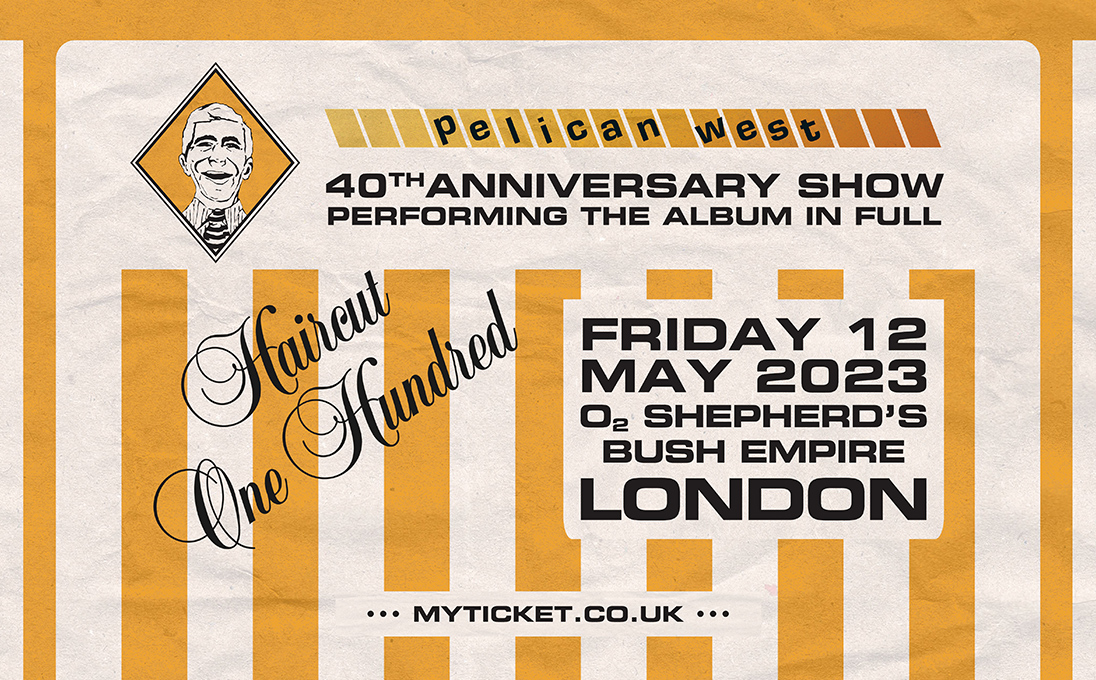
The new Inside Out boxset anthology celebrates their 1985/1990 output, featuring 97 tracks in all, including Happy Head, World Without End and Laughter, plus non-album singles, B-sides, bonus tracks, US radio mixes, previously-unreleased demos and rare session recordings, this guitar-driven band, somewhere between post-punk and neo-psychedelic, having appeared on the NME’s hugely influential C-86 compilation before signing with Geoff Travis’ new Chrysalis subsidiary Blue Guitar.

Happy Head, ‘a collection of uncluttered songs with a chiming Rickenbacker sound’, was described by Sounds as one of the 50 best albums of 1986. I had it far higher. Then came the more mature World Without End, which peaked at No. 33 in the UK and reached No. 1 on the US college chart, preceded by further near-hit ‘Inside Out’. As for Laughter, that was described as ‘by far the band’s best’, their sound continuing to evolve, the well-crafted vocal arrangements and sophisticated musicianship duly noted, as well as plenty more memorable melodies.

The latest anthology includes extensive sleeve notes compiled with assistance from David, who also recently contributed to Whatever Happened to the C86 Kids? by Nige Tassell, something else bound to generate renewed interest. In those sleevenotes, David also mentions JBs in Dudley, and I get the impression he was visiting Birmingham for his music fix from a young age.

“Yeah, I first went to JBs when I was 15. I was still in secondary school and started a fanzine with a mate of mine. I really liked the Mo-dettes, they were playing there, and I was like, ‘I wonder if I can find a way to interview the Mo-dettes for my fanzine?’ and somehow be able to get into JBs, under-age. I somehow had the nerve to write to the Mo-dettes manager, and they put me on the guestlist. That made me doubly nervous – not only interviewing these pop stars, also getting into an 18-and-over club. But I managed to pull both off, and from then on it was rare on a weekend not to visit JBs. I got to see so many live bands.”

That was certainly a venue that always seemed to be in the NME gig guide, so important to us in those pre-worldwide web days.

“I know! It’s amazing how we functioned without the internet! I think about that quite often.”

We talked some more about David’s days around his adopted Roehampton patch, me mentioning my own visits to nearby Putney’s Half Moon, seeing the likes of Geno Washington, fond memories stoked of trips up the A3 from Guildford.

“We were looking around Putney, but it was a bit out of our price range. We had friends that lived around Mortlake and Barnes, but Roehampton was an interesting place, a small village, with one of the first big project council estates, in a beautiful area, walking distance to Richmond. We were able to find this gorgeous 1800s property converted into flats. And that was where we stayed.

“The band was still in existence until the end of ‘92 / beginning of ’93, with Marcus {Williams, the bass player who took over from Tony Linehan and featured on the third LP} also ending up in Roehampton, with the others in the Midlands.”

I recall Marcus in Julian Cope’s band at one stage and have it in mind he had a spell in The Blue Aeroplanes, another band I loved.

“We both were! The Lemon Drops were still going but we had the same management. I liked the band anyway and we knew them, and in early 1992 there was a bit of a falling out and half of the band kind of went away but had scheduled gigs lined up, so they scrambled together, put together this emergency line-up, myself and Marcus in there.
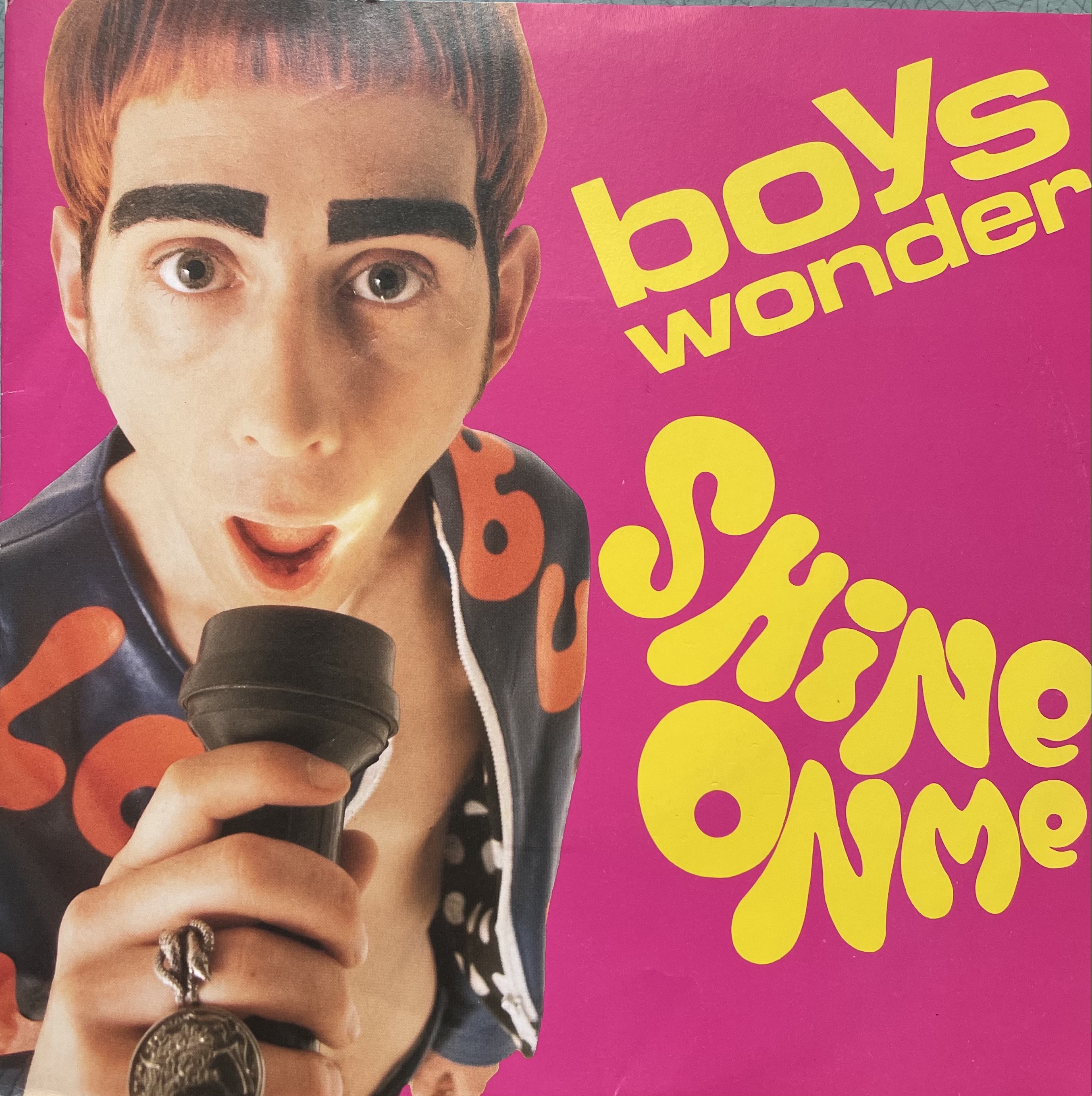
“Another band with the same management company was The Katydids, fronted by Susie Hug, and she also featured, so you had this bunch of friends who all knew each other. It was a great time, even though there was work to be done.”

I saw The Katydids twice, first supporting Jim Jiminee at The Marquee in May 1989, then two years later – July 11th, 1991 – at Camden Underworld … supporting The Blue Aeroplanes, that very same line-up David mentioned. But I only checked that out later. The ‘Planes were a visual delight too, I suggested.

“Ha! There was this one concert we did, at the Town and Country Club {later The Forum}, which was filmed at the time and on TV. I didn’t even know. I was looking at the internet one day, saw it came out on DVD a couple of years ago. It’s got me, Marcus and Susie on.”

The sets always seemed to end with a gloriously chaotic version of Tom Verlaine’s ‘Breaking in my Heart’, I recall.

“That’s it, and Pat Fish, who sadly passed away quite recently, features on that too. And Adam {Seymour} from The Katydids, who ended up in The Pretenders.”

The second time I saw the Droppies live, in February ’86, was the last That Petrol Emotion show before heading to Rockfield Studios, South Wales to record Manic Pop Thrill. I’m guessing you weren’t far behind with your debut LP (also recorded at that famed Monmouth studio).

“We’d not got a record deal at that point. But Dan Treacy had put out our Like an Angel EP on his label, Dreamworld.”

That was December ’85, shortly after I first saw them in Camberley. And funnily enough, it was at one of Dan’s promotions upstairs at the Enterprise in Chalk Farm, one of his regular Room at the Top gigs, that I saw my second ever Petrols show that previous July, before I’d even heard of your band.

“That’s how we met. And we owe a lot to Dan. When the band first started in Wolverhampton, we had nothing. We were rank outsiders. We had no management, no record label, nobody looking over us. It was just me and Tony, Paul and Keith. I just sent some tapes out – one to Dan, when it {Dreamworld} was still Whaam! Records; one to Alan McGee at Creation; and one to Martin Whitehead at Subway. Creation as good as passed. Martin Whitehead said, ‘I really like it. I haven’t really got a label at the moment but let me think.’ And Dan got back and said, ‘Yeah, I really like it!’

“He didn’t offer us a deal at that point, but said, ‘I run a club in London, do you want to come down and play?’ We stayed at Dan and his girlfriend Emily’s flat in Clapham, had two gigs. We supported the TVPs on the Friday {at Deptford Crypt}, then Saturday night at Room at the Top, supporting The Membranes.”

Ah, the one where the floor collapsed!

“Yeah! Haha! And that got written about in the NME by The Legend – Everett True. Completely out of the blue. We played this gig, packed up our gear, drove back to Wolverhampton, and two weeks later, still living at home with my Mum at the time, 20 years old, the phone rang, and it was Dan, saying, ‘You’re not gonna believe this, but there’s a review in the NME of your gig!’ The Legend with this amazing review.

“And that was the start of it. The phone started ringing, all these record companies ringing up, us thinking, ‘You’ve not even heard us!’ We weren’t arrogant, but we were level-headed really. We just thought, ‘No, they can come and see us live.’

“That gig was also the day of Live Aid. Tony had a Volkswagen caravanette camper van, and Dan let us park outside his flat, so we slept in the van. I remember in the morning Dan woke us up, he’d made us all a tea, and said, ‘Do you want to come in? Live Aid’s on. Adam Ant’s on. So we went into Dan and Emily’s flat and watched Live Aid before the gig that night.”

Apparently, Dan changed the label name from Whaam! Records to Dreamworld after a request from a ‘similarly monikered chart-topping duo.’ And while I’m adding a little trivia, Dan’s girlfriend Emily Brown was later with indie band The Hangman’s Beautiful Daughters. As for The Mighty Lemon Drops, it’s fair to say they hadn’t been together too long by then.

“Only March, really.”

Schoolmates David and Paul had met Tony and Keith at JBs, the latter pair already playing together in The Pow, a ‘raucous post-punk power trio’. Meanwhile, David was in high school punk bands The Lowest Class and Gang Warfare. From there, Paul, David, Tony and drummer Andy Barker formed Active Restraint, their sole single released on Wolverhampton’s The Sticky Label, garnering airplay from John Peel and Kid Jensen on BBC Radio 1, David also moonlighting with labelmates The Wild Flowers, making two singles and an album before regrouping with Paul and Tony in early ’85, becoming the Sherbet Monsters with the addition of drummer Martin Gilks, who was replaced by Keith that August, but ultimately saw success with The Wonder Stuff.

While only embarking on their first UK tour (supporting March Violets) in March ’86, they had their first NME cover by the end of May (Adrian Thrills calling them ‘probably the hottest unsigned band in Britain … practically every leading label in the country falling over its chequebook in a bid to sign them’), and the following month made their Glastonbury debut on The Other Stage, played the NME’s Rock Week at the ICA, and recorded BBC Radio 1 sessions for John Peel and Richard Skinner.

The industry exec race was on by then, leading to those twin Blue Guitar and Sire deals in July, the subsequent recording of the debut LP, then the release and tie-in tour, the UK stint culminating in that November headline show I witnessed at the Astoria, followed by European dates, an amazing year rounded off by a festive homecoming at The Powerhouse, Birmingham, with fellow locals Pop Will Eat Itself and Balaam and the Angel. But David played all that down.

“Well, we were a little careful. It seems a short space of time now, but when you’re younger, it seems like a long spell. We didn’t jump into it. We had a harder time finding management, because we had all these record companies circling around us. We had one person who didn’t work out, then had all these managers and people circling, and felt, ‘Enough already!’

“Eventually, two friends of ours putting on gigs at Bay 63, who put us on a few times and we got on really well with – same age as us, they were music fans – one day came up to us when we were playing a gig, and said, ‘We’ve never actually managed a band before, but …’ One was working at Rough Trade, helping Geoff Travis out, and we actually liked these guys.

“We had this thing about whether we could sit in a van, drive from London to Glasgow with this or that guy. But these, we could tolerate them. Eventually, our record label sorted it out, around June/ July, a collaboration between Rough Trade and Chrysalis, with a different American deal signed with Sire Records.

“Geoff Travis was at our early gigs, and just the nicest guy, and it didn’t feel like he was a record company type. That was what was great. There wasn’t any bullshit or lingo. It was lovely having him as our go-between, someone we could talk to. We could tell him what we would feel, and he would translate it for the record company. It was perfect. And it was great in America, with a lot of the people at Sire Records. I’m still friends with a lot, either college or alternative radio types. They weren’t record company bigwigs. We had the best of both worlds really. Chrysalis Records were good but more corporate, more business-like. I can’t even remember the names of people there. But Geoff was our person to deal with all that.”

I was only at Bay 63 a fortnight before that first Buzz Club date, seeing That Petrol Emotion … although it was far later that I realised it was the same Acklam Hall location – later renamed Subterrania, where I saw both The Wedding Present and That Petrol Emotion (February and March 1990, respectively), and then Neighbourhood – where The Clash played two shows at Christmas 1979.

“Well, being an old punk, I knew!”

And it was the venue where Crisis, from my hometown, played a rather infamous Rock Against Racism show exactly six months prior to The Clash’s visits, a riot following – some dodgy Nazi skinhead types trying to gain admittance, wanting to confront the politically outspoken headliners.

“Ah, I still have a few Crisis records, ‘No Town Hall’ and ‘Holocaust’, and a mini-LP.”

While I was born in ’67, too young to catch all that, I was fairly well placed to catch the C-86 indie movement, including yourselves. And while I didn’t follow your later days so closely, I was pleased to see your continued success, not least Stateside. I get the impression John Peel felt you were too big for him by then though.

“I think so … I mean, that’s kind of a normal thing … like a fanzine thing.”

They build you up then knock you down?

“That is true. We did a Peel session {August ‘86}, but were a little bit known by that time. The first BBC sessions we did was for Andy Kershaw {Manchester, November ’85, around the time I first saw them}, and Janice Long {Golders Green, London, January ’86, with another in April ‘87} …”

There were also sessions for Richard Skinner, Simon Mayo and Nicky Campbell. But how did that Peel date come around …

“We went to a Mary Chain gig at Hammersmith Palais, Peel was there, and I think we just went up to him and asked. I think he liked that {approach}.”

As for Happy Head, produced by Stephen Street, that was in my top dozen or so LPs of all time back then.

“Oh wow!”

I felt it was a great document of where you were at and of what I saw in you at the time. Instant nostalgia, in a sense.

“That’s good to hear. We weren’t sure at the time. Looking back now, I can see Stephen Street did a really good job. We’d done our first record, the Like an Angel EP, in a matter of hours, so were a bit worried when we did the record with Stephen. His job was to capture the energy but also make it palatable for … well, I don’t really want to go there. At the time, we were like, ‘He’s toned us down, took the edges off. But looking back, it’s a good balance.”

Definitely. And ‘Like an Angel’ … what a debut single. No.34 in John Peel’s Festive Fifty that next year, it certainly stands the test of time, and it’s also among the tracks featured on another great new Cherry Red compilation, C85, celebrating the best of the burgeoning indie scene from 1985, that particular 45 recorded for £96 at Electro Rhythm in Hornsey, North London, using vintage equipment, a crack in Keith’s snare drum helping create its big sound (apparently).  

And because you mentioned Janice Long, I still love your cover on that first session for her of The Teardrop Explodes’ ‘When I Dream’. Is that on this compilation too?

“All the Dreamworld stuff is on there, and even earlier stuff, including the first recordings we ever did, with original drummer Martin Gilks, who went on to The Wonder Stuff. Keith, the Mighty Lemon Drops drummer, and Tony were in a band before the Lemon Drops, with Keith our first choice of drummer, but he had a job at the time, and had a lot of other things going on. Martin was recommended by a friend and together we recorded five songs in one studio and a couple of others in another, so put together a mini-cassette album … all we could afford.

“Then when we started doing alright, Keith was kind of wishing he’d been in the band. We got word of that and actually got him in the band. Thankfully it didn’t take Martin long to find The Wonder Stuff, so everything came off for everyone.”

‘When I Dream’ is not on the compilation actually. Perhaps it’s a licensing issue. Ah well, you’ll find it online. And if 1986 was an eye-opener, the following year saw the momentum continue, starting with a 27-date North American jaunt with The Chameleons and that fresh crack at the charts with ‘Out of Hand’, its promo video directed by Derek Jarman. The second Janice Long session followed, then that Spring tour and Glastonbury Pyramid stage debut, before they returned to Rockfield, this time working with Tim Palmer on that second LP.

The Droppies opened 1988 with a Simon Mayo session at London’s Maida Vale, before ‘Inside Out’ was released, as seen on BBC TV’s Saturday morning show, Going Live, another major tour ensuing, another ending with prestigious Astoria and Powerhouse bows as World Without End grazed the top 40, doing even better stateside, the year’s other highlights including dates in Brazil and high-profile arena shows supporting The Mission.

As 1989 dawned, they were back at work with Tim Palmer again, Tony soon moving on and David stepping up to primary songwriter, Marcus on board by the time they regrouped at Peter Gabriel’s Real World Studios, Laughter not far off, the LP and accompanying singles promoted by more live dates, culminating this time in two sell-outs at London’s Dominion Theatre, a few days before that Nicky Campbell session, the ‘80s almost done.

While Laughter failed to chart in the UK, again they scored a US college radio chart-topper, also entering the Billboard 200 in March 1990, a four-month 100-plus Laughtour following. But on our side of the Atlantic the water turned cold, the Chrysalis/Blue Guitar deal done, two further LPs released by Sire largely ignored here, the band calling it a day after a late ‘92 US farewell tour. And while a December 2000 one-off reunion back in Wolverhampton, with Tony back in the fold, followed, there was nothing more forthcoming … until now, I guess.

So what about the rest of the band, David? Are you all still in touch?’

“Yeah, mainly I see Tony, who lives in London, and Keith, who lives in Birmingham. I haven’t seen Paul in person for a while. The last gig we’d played {pre-2000} was in ’92, and that seemed a long time … but now it’s been another 22 years!”

So this anthology marks 30 years since you originally called it a day.

“Erm … wow, yeah … it is …”

Will there be another reunion gig? Are you saying ‘never say never’ in a Noddy Holder style?

“It is ‘never say never’, you don’t know, but I don’t think at the moment … just because of the logistics. But we get offered things all the time, festivals like Shiine On, and something last year with Ned’s Atomic Dustbin. They were playing the Civic Hall and were asking if we’d like to do a kind of co-headline thing.”

I never really thought of you and The Wonder Stuff and Ned’s being part of the same set, until you reminded me about that link with Martin Gilks.

“And the Poppies.”

Yes, Pop Will East Itself too, of course.

“Again, there was that JBs, Dudley connection. They were regulars at the same time.”

I saw the Poppies at Glastonbury in ’87. But I missed you.

“We did it twice – in ’86 on the second stage … I think the Petrols were on around the same time.  The thing I remember about that time was a game of football – a Go! Discs team, with Billy Bragg and Andy Kershaw, versus The Mighty Lemon Drops and Friends. They were really good. Then we did it again in ’87 on the big stage. That was crazy, but a tough one – we went on before Husker Du. Can you imagine that? I think we went on after World Party, and New Order headlined that same stage.”

That reminds me why I missed you. A smashed windscreen in nearby Castle Cary on Friday evening meant we turned up too late to see anyone but New Order that evening.

“I do remember that New Order flew in by helicopter. Fucking hell – punk rock!”

That weekend marked the first time I saw both The Blue Aeroplanes and future Blue Aeroplanes bandmate Rodney Allen, who opened the Pyramid stage set on Saturday, a truly memorable moment, just this young lad with a guitar, playing to thousands upon thousands.

Anyway, going back to the beginning, you and Paul were at school together, yeah?

“Yes, Parkfield Secondary. I got to know him when I was about 12. He was a year above. We all got to know each other, these punks, really. We weren’t hardcore, but living in the USA since ’95 it’s hard to kind of explain how it was then, with bands like Buzzcocks in the charts, on Top of the Pops and all that. In secondary school there were kids into punk and kids into Rush and AC/DC, and older kids still into Northern Soul.

“One of the great things about growing up in the UK at that time, another thing you can’t convey here, is that you were into everything. I used to buy Northern Soul records and the first records I bought were by Slade, Sweet and Mud. And soul was big, and reggae too. It was great, this mixture of all these kinds of things. The other thing in the States is that radio’s kind of formatted here. You get a rock station, a soul station, a pop/top-40 station … With the BBC, you got a real cross-section.”

Were you a Wolves fan amid all that?

“Absolutely! They’re not doing too good this season though. It’s great that they’re doing better now than when I first moved here though, when they were in the second division. People would hear my accent and say, ‘Hey buddy, who’s your team?’ I’d say Wolves, and it was, ‘Say that again?’ I’d say it again, and they’d be like, ‘Manchester United?’ But finally, I can now say it, and they’ll know.”

We’ll talk more on this at some point, but I guess Slade were important to you growing up, flying the flag for your hometown.

“Well yeah, and growing up in Wolverhampton, you always knew somebody that knew someone connected with Slade. It was great that they were kind of like our band and one of the biggest bands in the country at that time … And when I was a little older, in the early ‘80s, there was this great pub by us called The Trumpet, in Bilston. It was actually The Royal Exchange but had that nickname because there was a lot of live jazz in there – quartets would play there. And Noddy was a regular. You’d go in on a Tuesday night, and he’d be having a pint. You’d never see him sitting down, he was always just leaned up against the bar, and you’d just be on nodding terms. That was up until he moved to Manchester. When they got big again in ‘82 or ‘83, you’d still see Noddy in there.”

Were you playing guitar at school? Or did you pick that up later?

“I was given one of my uncle’s old guitars when I was a kid. Two strings on it! Me and my neighbour across the street had a pretend band in the early ‘70s, and I used to make pretend records out of bits of cardboard. We were originally called Pop Slop!

“By the time I’d progressed to having actually put six strings on it, I know it sounds like a cliche, but I saw The Adverts on Top of the Pops doing ‘Gary Gilmore’s Eyes’ and realised I could actually play that! So me and some mates at school formed a punk band, The Lowest Class. Then we changed our name to Urban Kids after the song by Chelsea, and played a gig at our secondary school. That was like 1978, my first proper gig, and it was packed – 150/200 kids. We did all our own songs and covered a Skids song, ‘TV Stars’.”

They still do that to this day.

“Ah, but we changed the words in the verses to all of our teachers!”

What you said about The Adverts – that’s what it was all about, surely. Punk took away the pretentiousness – you felt you could play those songs, which wouldn’t have necessarily been the case if you were copying Steve Howe from Yes or Steve Hackett from Genesis. You’d see bands like The Clash and think, ‘I reckon I could play that!’

“You took the words out of my mouth. Yeah, and punk really made sense, you know. The first band I was really into that got me into punk was early Eddie and the Hot Rods. It was like a sped-up Dr Feelgood. I bought the Hot Rods’ Live at the Marquee EP with my pocket money, summer of ’76, and used to buy records from the out-of-chart box in Woolworth’s, Bilston. I think I got 50p a week pocket money, and 7-inches were 25p, leaving 25p. I bought ‘Anarchy in the UK’ from the ex-chart box for 25p, and was really disappointed because it wasn’t as fast as Eddie and the Hot Rods! But that was my introduction to what became punk.”

Did you know the basic chords, and just tried to play along?

“Yeah, when you’re younger, you’re hearing the entire thing but unable to differentiate between the instruments that are making that noise. But punk clearly made me realise, ‘That’s the guitar … that’s the bass ….’ It kind of broke it all down. It was great. Now you hear about all these bands that met at these music colleges.”

It’s a different world, of set lessons and YouTube tutorials and stuff like that.

“Yeah … the idea of being taught that at school. But I wouldn’t change a thing. I think it was healthier then. That’s why you get all these generic indie bands now, that all sound the same – they probably all went to the same music school with the same teacher that taught them the same bloody generic indie rubbish!

“My one attempt at keeping up with what’s going on in modern music – my wife works in the music industry for a TV network – is going to South by Southwest {SXSW} in Austin, Texas, each year. It’s great for me – I see like a year’s worth of 30/40 different bands and artists in five days, although the last couple of years have been harder because of the pandemic.”

Home for David and wife Bekki is Burbank, a suburb of Los Angeles, ‘a 10-to-15 minute drive from Hollywood.’

“It’s great, just out of town. It doesn’t feel that much different to living in the UK, being a suburban street. There’s a film and TV and music industry around here, but it’s far enough away that it’s not like living in Hollywood or downtown Los Angeles, although things have changed in the 27 years I’ve been here. Burbank is its own little city, with its own shops and local pub.”

As we’re talking, I spot a framed photo of Blur on his wall.

“You know the reason I’ve got that? It’s actually taken at a cafe in Wolverhampton. My wife saw it, and funnily enough one of their first gigs outside London was at JBs, Dudley, before ‘She’s So High’. Now and again, you’d walk into JBs to see a relatively unknown or heard band, and it was one of those gigs where you thought, ‘Wow, they’re really good!’ I had no idea they’d become as big as they did though.

“I don’t see as many bands now as I used to, but I saw a lot of bands and they had everything. They had the songs, they sounded good, and they were good looking lads and could fucking play. They had energy, Damon Albarn climbing up the PA. And he was still playing that Farfisa organ. They reminded me of … I don’t know, Radio Stars, the way Andy Ellison used to play, and they had the energy of a punk band. My missus was with me at the time, and we both thought, ‘Fucking hell, that was great!”

How did you and Bekki meet?

“At a Primal Scream gig at ULU in 1987. Bekki was 18. I was 22. She was going to school in London. She’d just moved there, she’d only been there about six months. We played gigs with the Primals, and I was living in Wolverhampton at the time. It was a Friday night. The Lemon Drops had a couple of days off, so me, Keith, the drummer, and a couple of our mates decided to go down to London, went to see Primal Scream, and I just bumped into Bekki. I had no idea she was American – originally from Los Angeles – and it turned out she knew somebody I knew. That’s now 35 years ago. She actually moved up to Wolverhampton for a while.”

As you do. It wasn’t like Brix moving in with Mark E. Smith, then? That major culture shock of an LA lass experiencing Prestwich, Greater Manchester?

“Ha! It wasn’t quite that … and I didn’t quite have Mark E. Smith’s lifestyle!”

I’m reminded of Brix’s tale, enquiring on her arrival where the milk was for a cuppa, Mark telling her it was kept outside on the window ledge.

“Well, we didn’t have a fridge until the mid-‘70s. I think the neighbours came round and had a look!”

These days there’s Dave Newton and the Mighty Angels. Is that you keeping your hand in, gig-wise?

“I haven’t done any gigs for a little bit, but because of my day job really. When we moved here, we got this house, and there’s a two-car garage out back. I didn’t have a job, but was always into the recording side, watching what the producers of the Lemon Drops were working with. I used to do my own demos at home, had a little 4-track. I was always intrigued by that and turned our garage into a recording studio, recording my mate’s band around 1997. That turned out all right, they released it, then told somebody else, and before I knew it, I ended up producing bands.

“That was 25 years ago, I was scraping a living doing that, and I’ve got to work with a few bands, mostly Los Angeles based, a couple of them picked up. Heavenly Recording picked up The Little Ones, and they did quite well in the UK, and also The Soft Pack. We both knew Jeff {Barrett} from the label when he was putting gigs on around ‘86.”

I loved Happy Head, liked the follow-up and its singles, but for whatever reason lost touch with the band from there. So I’ll be interested to go back to Laughter now, see what I make of it. It does seem clear though that you became bigger in America than in the UK. As if they ‘got you’ more.

“I think so. And by the time Laughter came out, the climate had changed so much – the dance culture element really kind of merged with the guitar and pop thing. It’s funny really – The Stone Roses would come to our gigs. I remember them being on the guestlist when we played the International in Manchester. There was an element of what they were doing that wasn’t really that different from what we were doing. But we never really embraced the dance culture element the way a lot of those bands did. And even C86 bands like The Soup Dragons did.”

A fair point. In fact, listening back to Happy Head before finishing this feature, I hear the influence they may have had on Inspiral Carpets. And like many bands of their era, they missed out on the adulation that would surely have been afforded them if they were around slightly later and seen as part of the Brit Pop phenomenon.

“You don’t know, that’s the way it is, but yeah, quite possibly. But I can’t complain. And in the US, we weren’t really linked in any particular scene but were kind of alongside – and Sire Records had bands like the Bunnymen, Depeche Mode, The Smiths over here – bands we weren’t aligned with in the UK. We toured with Love and Rockets, who didn’t sound anything like us, and even Gene Loves Jezebel and Flesh for Lulu, all bands more popular in the States than in the UK.”

All in all, it was one hell of a ride, and something you can feel immensely proud of … and there are a lot more recordings we haven’t really talked about here.

“Yeah, we did an album called Sound, then did one more called Ricochet in the States, when we were given free rein to do what we wanted. I think that kind of stands up. I can listen to that. I can’t listen to Sound, to be honest. Laughter is a good album though. There’s some good stuff on there.”

The Mighty Lemon Drops: Inside Out – 1985-1990 is priced £27.99 and out on November 25th, with more details here.

The band also feature on the same label’s C85 triple-CD clamshell boxset, celebrating the burgeoning indie scene from 1985, also including tracks from The Jesus And Mary Chain, The Stone Roses, That Petrol Emotion, The Woodentops, James, Del Amitri, and The Housemartins, with details of that 72-track collection here.

With extra thanks to Matt Ingham at Cherry Red Records.

Posted in Books Films, TV & Radio, Music | Tagged , , , , , , , , , , , , , , , , , , , , , , , , , , , , , , , , , , , , , , , , , , | Leave a comment