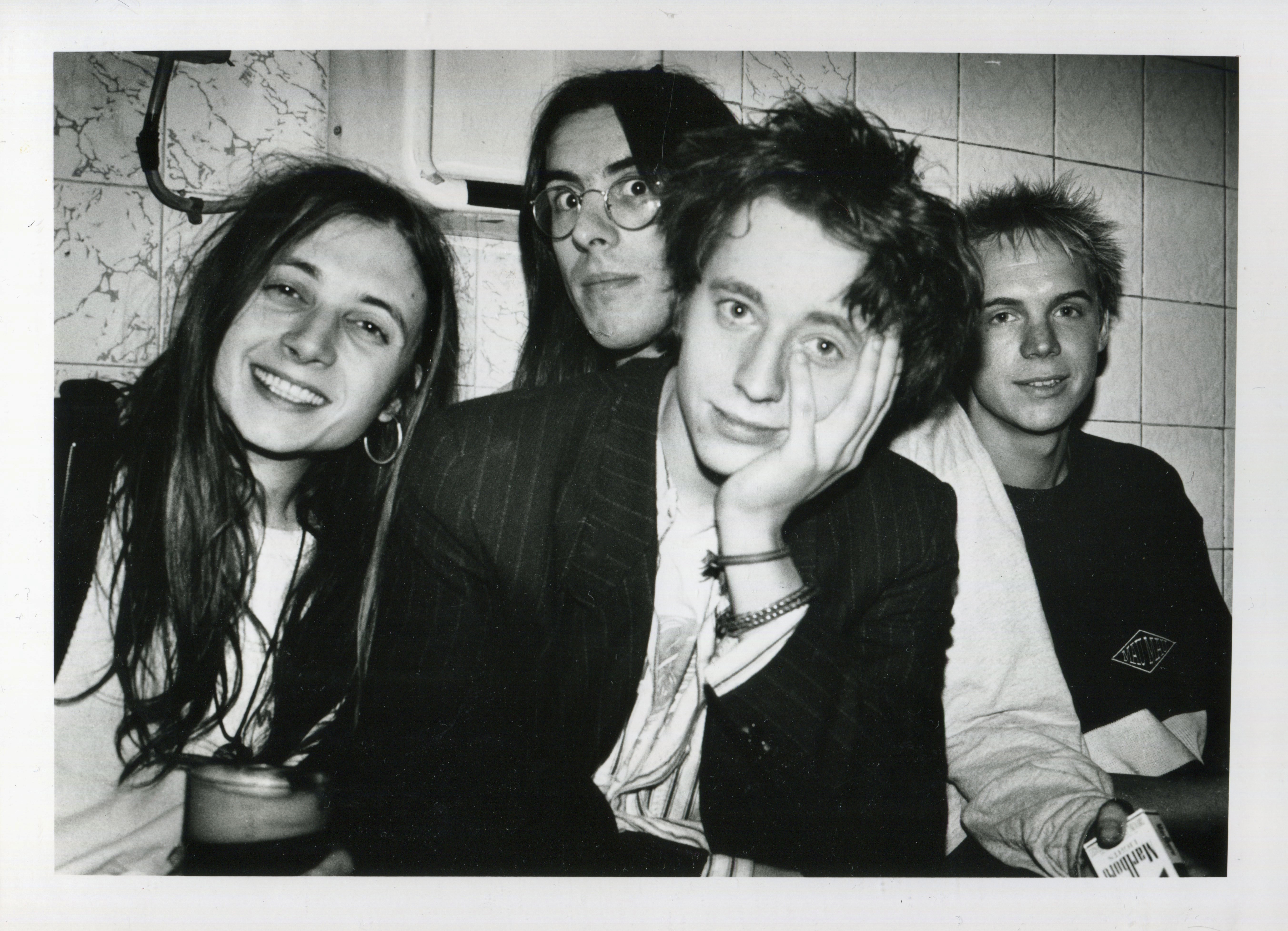
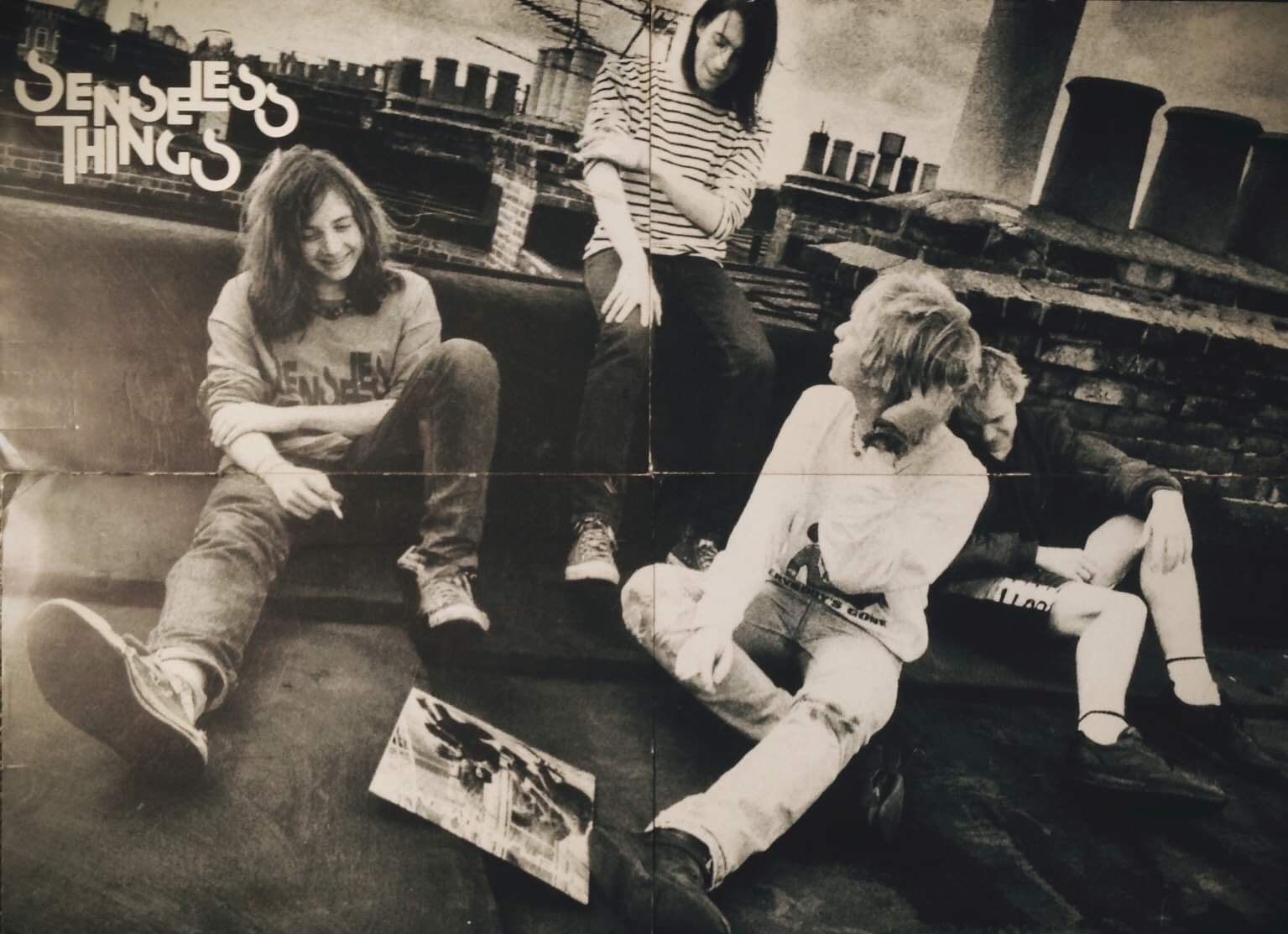
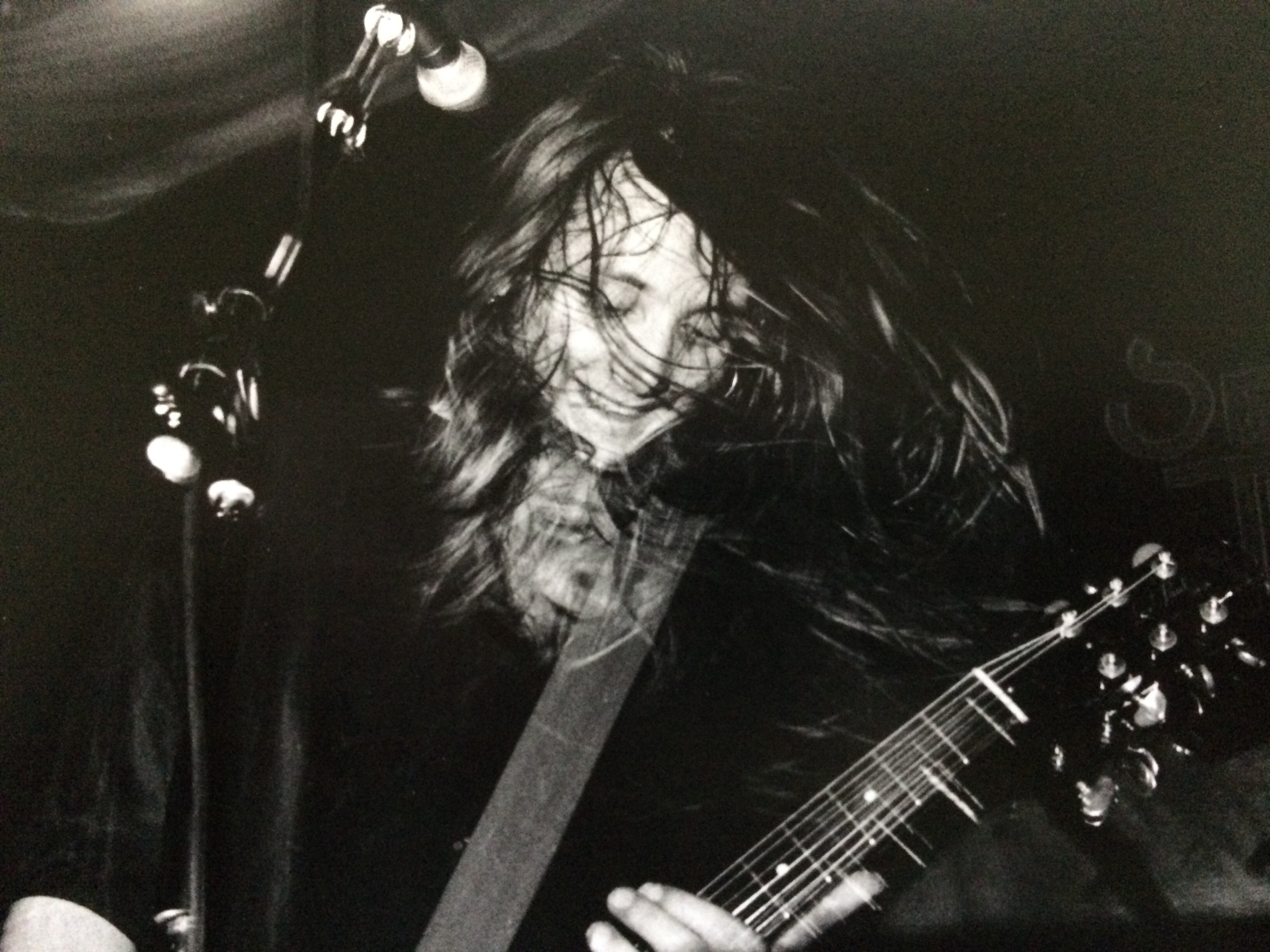
What we still do on our holidays – talking Fairport Convention, Cropredy, and much more with Dave Pegg

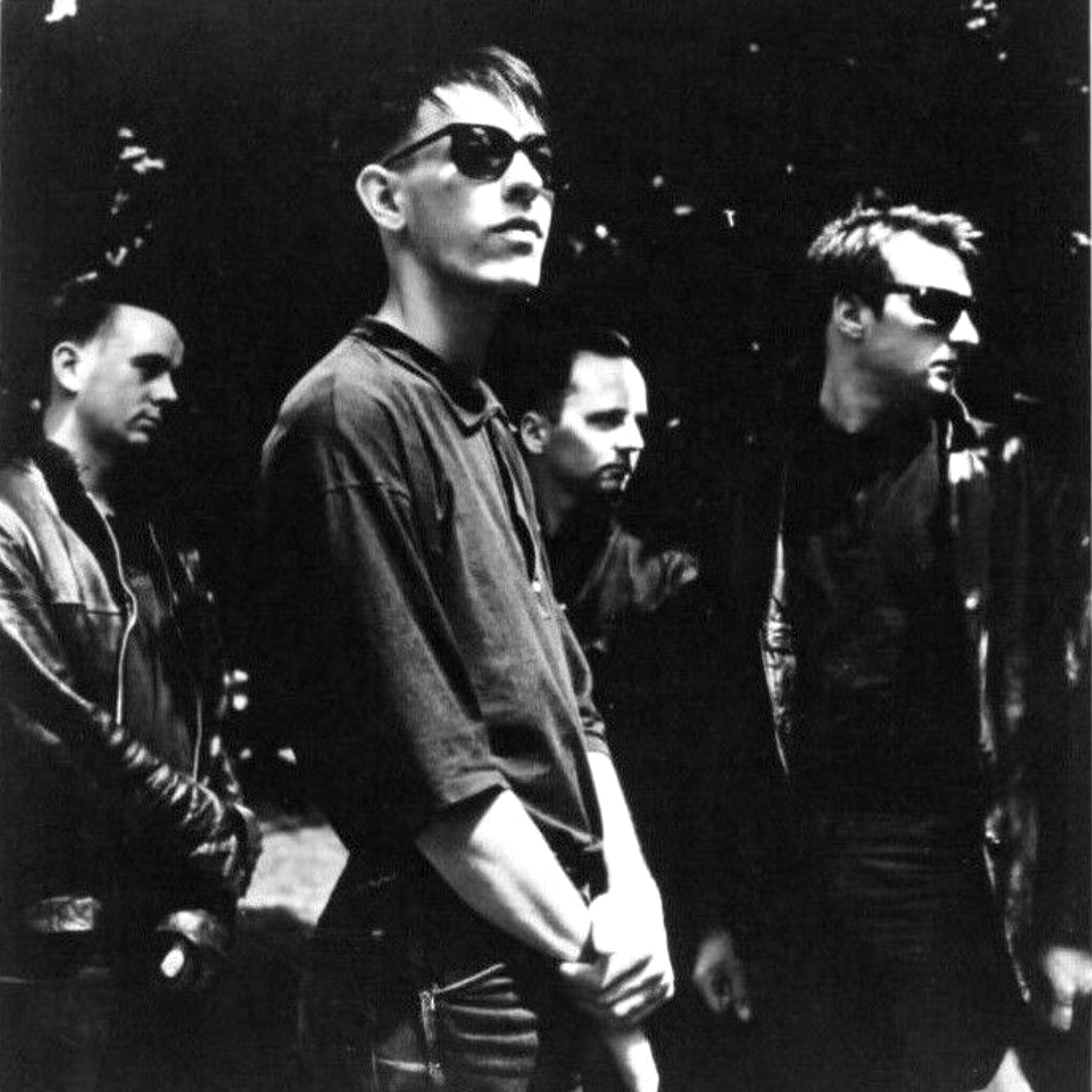
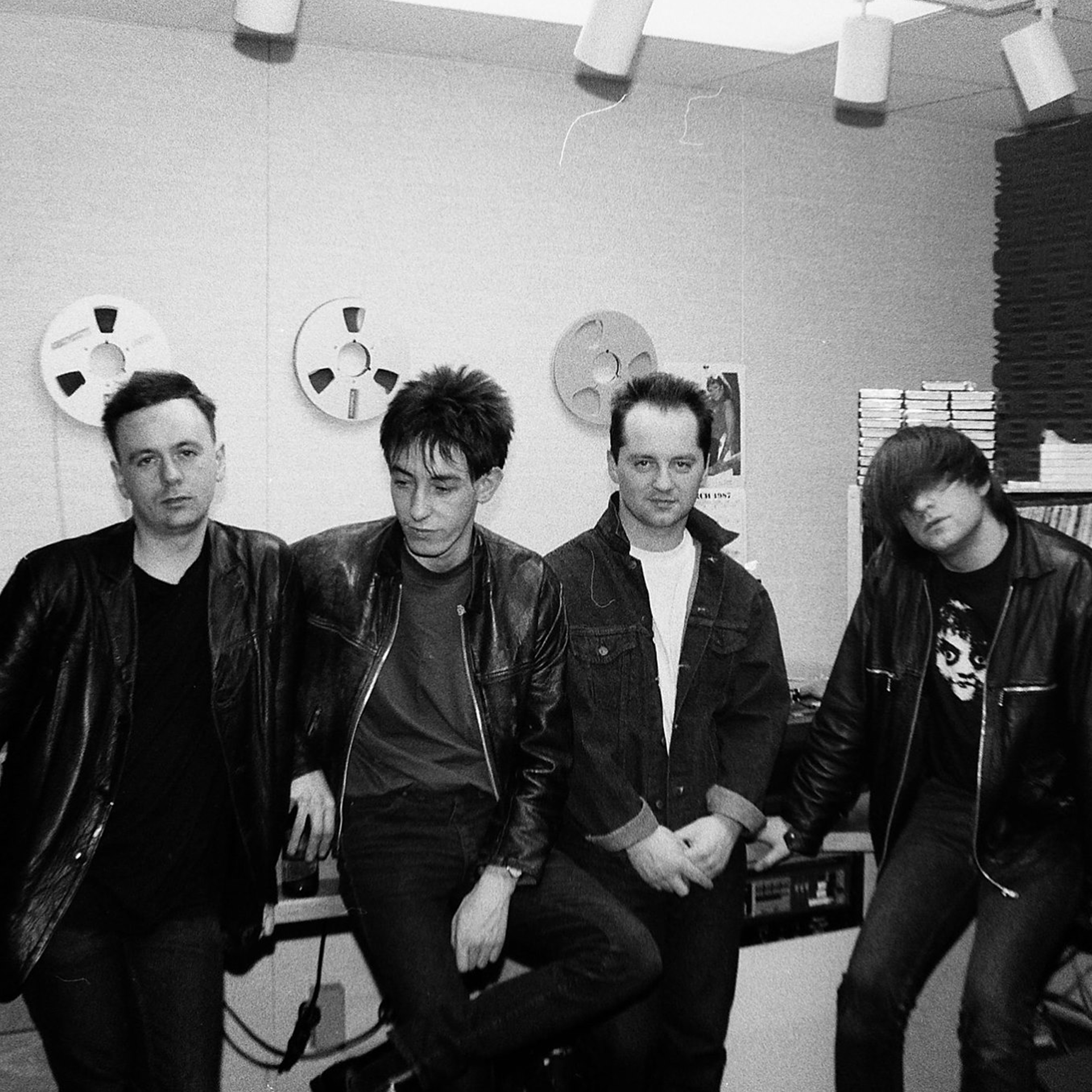
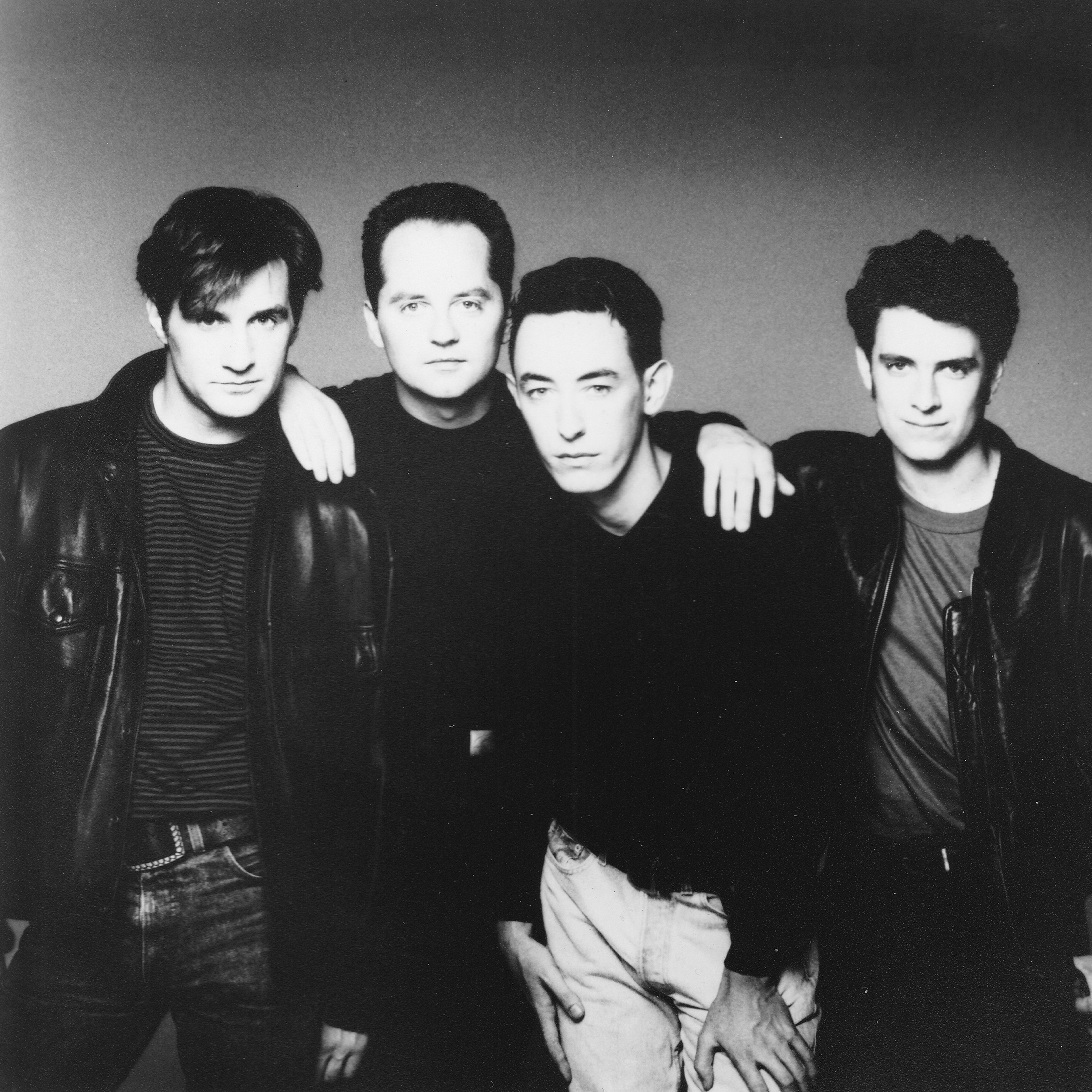
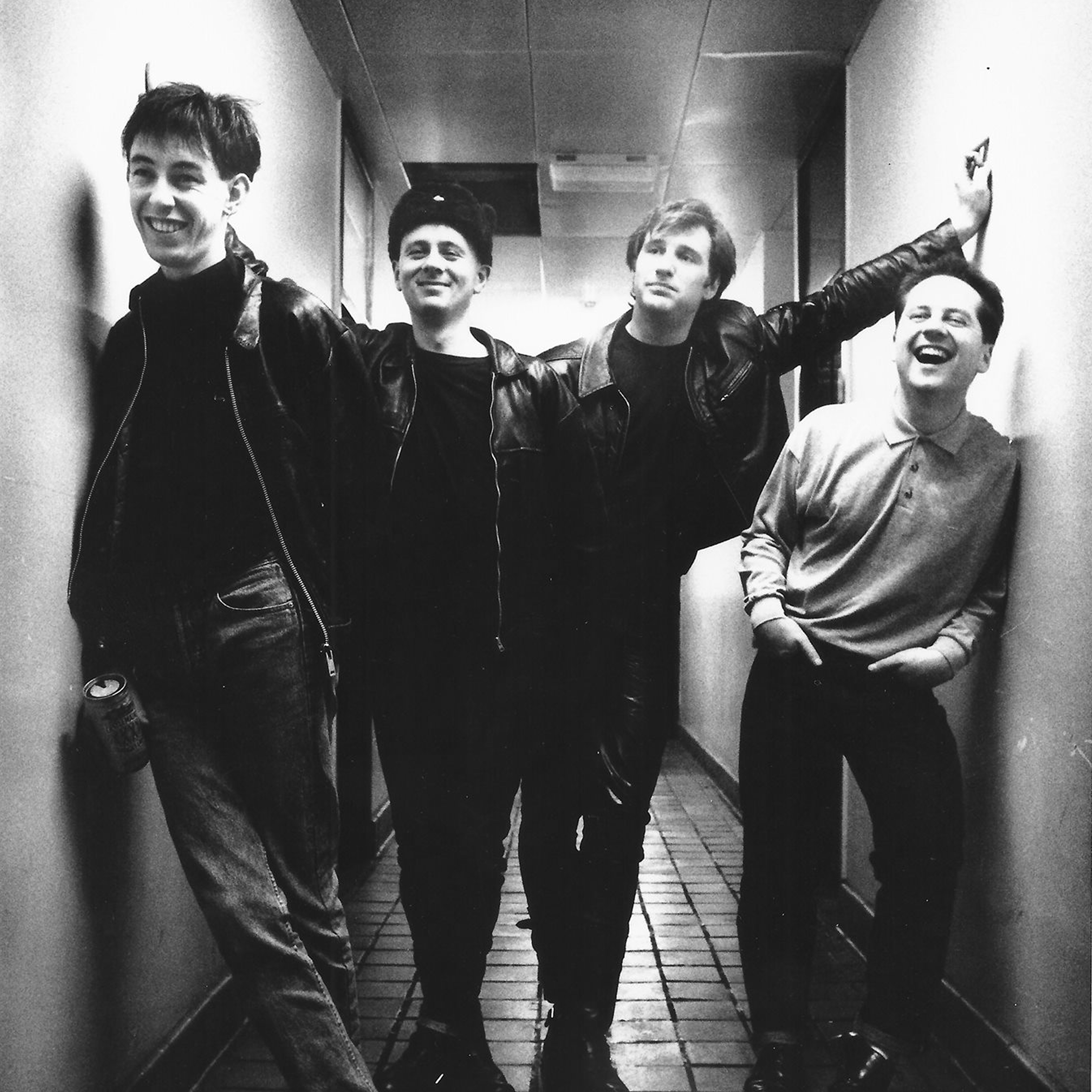
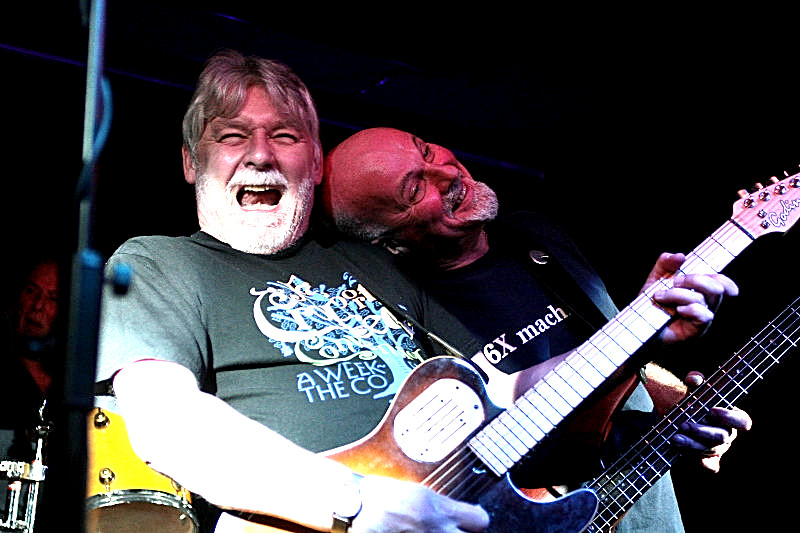
Legendary bass player Dave Pegg marked his latest big birthday in style recently, turning 75 with lots of good friends at Dudley Town Hall, a date that also marked 53 years’ involvement with British folk-rock legends Fairport Convention.

“It was fabulous. We had a great time, lots of my mates turning up. Ralph McTell came and sang, Anna Ryder … a fantastic night.”

Also marking the occasion for the Birmingham-born multi-instrumentalist and producer was his ex-Fairport Convention rhythm buddy, drummer Dave Mattacks, over from America especially, and also lined up for the band’s next winter tour in February 2023.

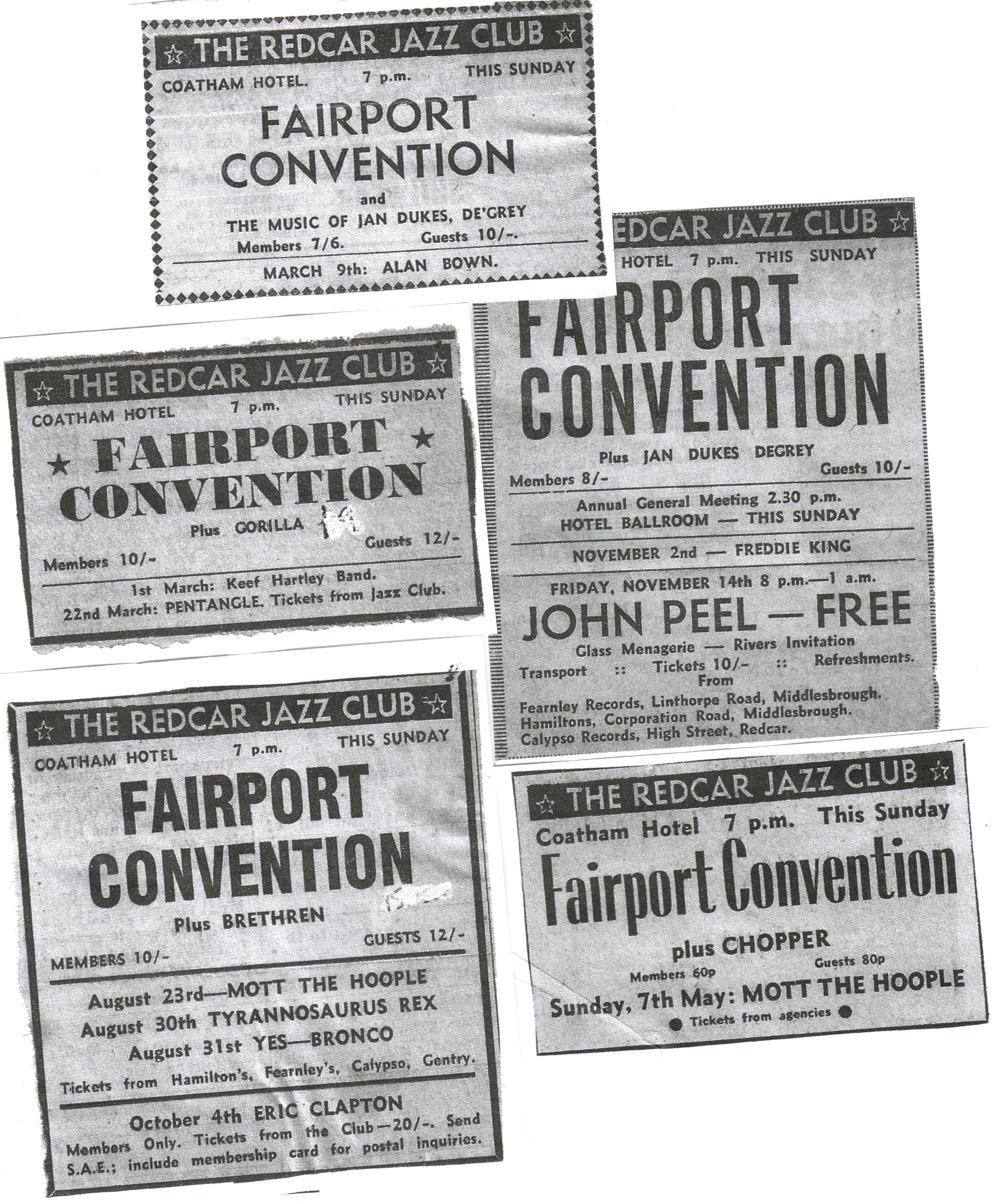
Founded in 1967, two years before ‘Peggy’ joined, Fairport Convention are clearly not ready to retire, these folk-rock pioneers going strong 55 years on, after 29 albums and thousands of gigs, alongside many solo and collaborative projects by current and former members, with the annual Fairport’s Cropredy Convention attracting 20,000 people to ‘Britain’s friendliest festival’.

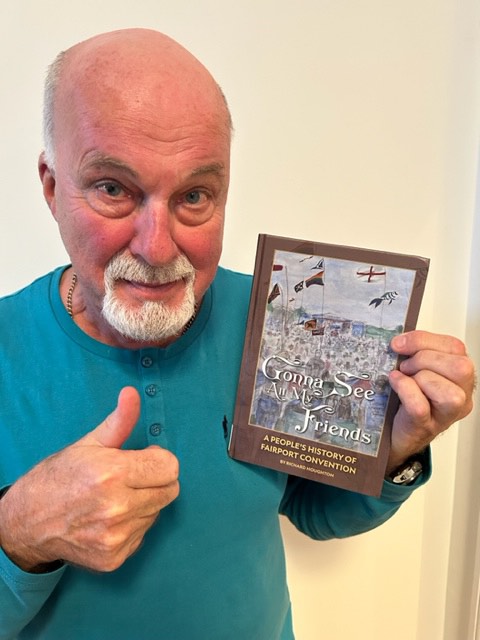
The affection and regard in which they are held is highlighted in new authorised book Gonna See All My Friends – A People’s History of Fairport Convention, which features memories from more than 250 fans, friends and collaborators, Jethro Tull’s Ian Anderson and Doane Perry, Ralph McTell, producer Joe Boyd, BBC broadcaster Michael Billington, and many folk luminaries among them.

Taking its title from a line in Richard Thompson’s Fairport anthem to enduring friendship, ‘Meet on the Ledge’, this 384-page publication – including full colour photos and memorabilia – was compiled by Manchester-based music writer Richard Houghton, his past works including those on the Rolling Stones, Cream, Jimi Hendrix, and Jethro Tull.

And as well as Peggy’s own words, contributors also include surviving founder member Simon Nicol (guitar/vocals, 44 years’ service), the line-up these days completed by Ric Sanders (fiddle, keyboards, ukulele, since 1985) and Chris Leslie (mandolin, bouzouki, flute, since 1996).

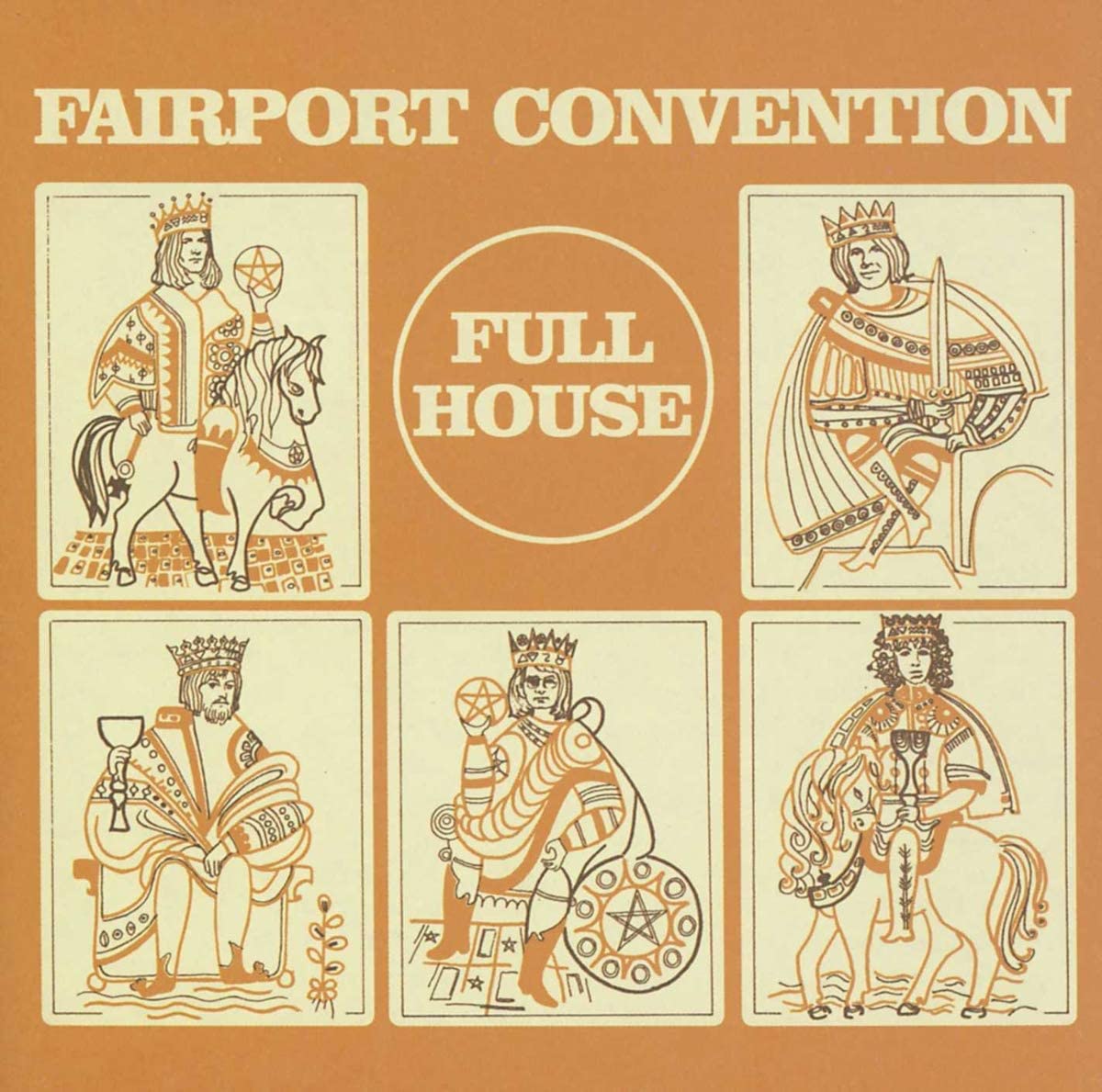
As for Peggy, who has put in 47 years’ service with Fairport Convention since 1969, I soon mentioned how if he’d only popped up among the playing personnel on 1970 LP, Bryter Layter, I’d be in awe, let alone everything else he’s played on down the years, that session with Nick Drake around the same time he recorded Full House, his first Fairport Convention LP.

“That was a fantastic period for music for people of my age. I joined Fairport Convention that year and got to play with lots of other people coming up, people like Nick. And that’s one of my favourite albums, Bryter Layter.

Quite right too.

“And I got to play on Solid Air, the John Martin album, as well.”

That 1973 LP was another I was going to mention, and I get the impression it’s fundamentally about a fellowship of friends with Dave, working with those artists, in and out of their bands, including projects with ex-bandmates Richard Thompson and the late Sandy Denny and Dave Swarbrick.

“Exactly. I’ve played in Richard’s band, and with Ralph McTell, producing his album, Slide Away the Screen. There were times when there was an awful lot going on, all the ‘folkies’, if you like, big buddies – playing on each other’s albums. It was one big band, and some people wrote their own material – like Sandy, Nick, John … – and those of us that managed to survive are still great mates.”

Your online profile has you down as multi-instrumentalist, bass player, producer … what do you see yourself as, first and foremost?

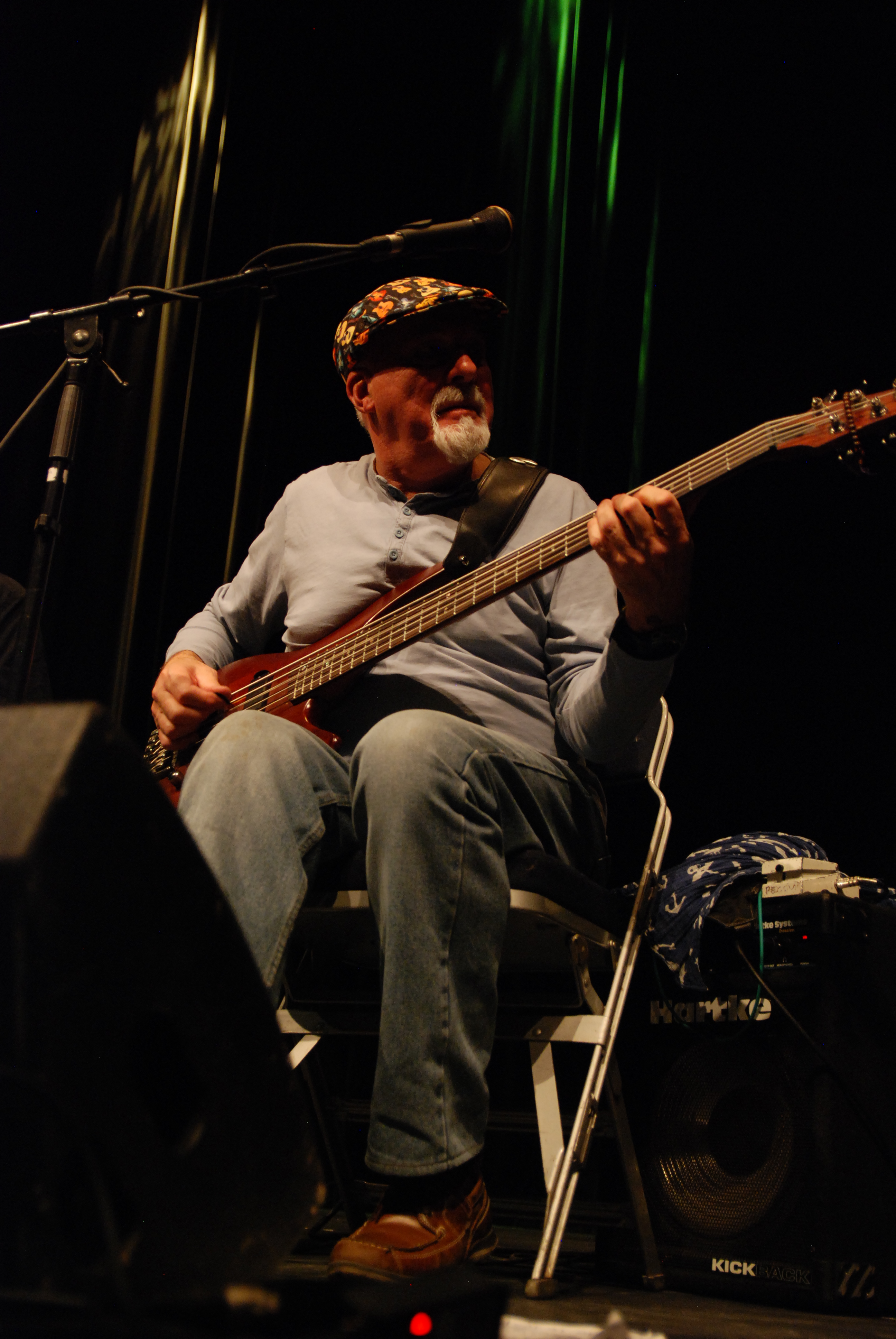
“Well, I’m a bass player. Bass guitar is my instrument. I play the guitar and the mandolin, and I started learning the cello a couple of years ago, during the lockdown. I’m pretty crap at the cello, but I love playing it!”

While missing out on three seminal Fairport LPs featuring Sandy Denny, Peggy worked with the revered singer-songwriter as a solo artist and when she returned for 1975’s Rising for the Moon. And it’s striking to me all these years on that Sandy was the same age as you, yet she’s been gone 44 years now.

“It is bizarre, but she’s always kind of represented with Fairport when we do gigs. We could never replace Sandy Denny, that’s why we never got a girl singer again. Like you could never replace Richard Thompson, which is why we never got another guitar player. But Sandy’s still there, because we play some of her wonderful songs, like ‘Fotheringay’, and of course, ‘Who Knows Where the Time Goes?’”

The latter is among my all-time favourites.  

“Well, it’s a song that everybody knows, and quite rightly so. I think it was voted the best folk song ever written, and we have a nice arrangement of it. We don’t do it every night, but (we have while) we’ve been out in October doing some little gigs up in Scotland and down in Cornwall, which we’ve enjoyed a lot.”

Funny you should mention Cornwall. I’m just back from a few days in Perranporth and read in my advance copy of Richard Houghton’s Gonna See All My Friends the story of how you ended up playing the Memorial Hall there in late 2019. You’ve clearly brought so many memorable nights to unexpected, often remote venues down the years.

“Yeah, well, the band’s been going since ’67, so we’ve kind of covered … I mean, we still do a lot of gigs, but because we’re getting on, we try and put all our work into concise periods. So everybody gets some time off. We’re not doing a spring tour next year, but we’re doing about 25 gigs in October. And we’re doing a winter tour which starts on February 1st in Tewkesbury, and we’re probably doing 25 or 30 gigs. We have Mondays off. Ha!

“We try and cover the whole country as much as we can. Then of course, on August 10th, 11th and 12th we’ve got Cropredy, which is something we started quite a while back.”

That’ll be more than 40 years in itself.

“That’s the highlight of our year. We had a fantastic one this summer, apart from the heat, which is the first time we’ve ever complained about having constant sunshine for three days at Cropredy!”

Yes, this isn’t Mustique during a hyper-successful band’s tax year out. We’re talking North Oxfordshire, amid increasing global warming.

“Yeah, absolutely.”

There’s been many a big name involved at Cropredy down the years, not least your old pal, Robert Plant.

“He’s played Cropredy a few times. He was up in Scotland last night. Our mate, Tristan Bryant, our agent and tour manager, went up to see him because he sometimes works with Saving Grace. And they’re a great band. Robert really enjoys doing that, and I hope he’ll keep it going.”

You only have to hear his output in the last decade or so to know he’s still got that love and the music comes first.

“Yeah, and I think that goes for most musicians of our age. When we started, it was for the love of it, all our roots the same – first The Shadows, then the blues and American R&B … And while you’re physically able, you can’t just stop. It doesn’t matter how successful you become. You still want to be out there playing.

“That works for everybody. People like Macca, and a classic example is Bob Dylan. I saw him last week and it was one of the best gigs I’ve ever seen.”

Heady praise from the fella behind his own Dylan Project a couple of decades ago, and clearly with a long affinity to His Bobness (and of course, Fairport Convention ‘and Friends’ released their A Tree With Roots covers LP in 2018).

“Yeah, we were all Dylan fans. But the worst concert I’ve ever seen was Bob Dylan in Birmingham a few years ago – the last time I saw Bob before last week. It was just horrendous, but Rough and Rowdy Ways (his 2020 LP) is just such a fantastic piece of work, and it was just a brilliant gig. He sang like an angel, the sound was incredible … and I was right at the back of the arena. The band were fantastic, and your man … an hour and three-quarters of just joyous music. It was fantastic. If you’ve got the chance, get a ticket. Don’t miss it!”

Talking of musical heroes and inspirations, you mentioned in your afterword in the book how you were inspired by The Shadows, particularly Hank Marvin’s playing, and The Beatles … but also Joe Brown.

“Yeah, and Joe lives in Cropredy now, and sometimes in America. We see him quite often, and I saw him at our festival last year. And he was such an influence on people. I mean, he was the first English rock star, if you like. He played in Eddie Cochran’s band when he came over, which is amazing. He’s an incredible guy.”

Dave served his own musical ‘apprenticeship’ in Birmingham with The Crawdaddys, Roy Everett’s Blueshounds, and the Ian Campbell Folk Group, led by UB40 stars Ali, Duncan and Robin Campbell’s father.

I’m guessing in your formative playing days, everything was a learning experience, on stage but also making notes on the many bands passing through Birmingham at the time.

“Oh, absolutely. When I started, I used to play lead guitar. So I played in blues bands. Crawdaddys was a great little band and Roy Everett’s Blueshounds, which had a fantastic saxophonist, Mike Burney, who went on to play with Roy Wood’s Wizzard.

“You just pick up influences, and Birmingham had such a great scene. We had the Spencer Davis Group, with Steve Winwood just a genius when he was like 16 or 17, doing gigs. An amazing performer. We used to play at the town hall. We did an all-nighter one year, our band, The Crawdaddys, on first at 7.30 and finishing at 7.30 the next morning. We did the first and the last spot! And in between there was the Spencer Davis Group, John Mayall with Eric Clapton, Chris Farlowe and the Thunderbirds, with Albert Lee. All these great guitar players.”

If you weren’t learning from that lot, there was little hope for you.

“Yeah, and I saw Cream seven times in and around Birmingham. And that was a fantastic experience. There’s a book about Cream that Richard Houghton put out. That’s how I got to know about Richard. He sent me the Cream book, which I really enjoyed, and I wanted to be in that book if I’d known that was coming out. Having seen them so many times, I had some good stories about seeing Cream.”

Then there was time with the afore-mentioned Robert Plant and his former bandmate, John Bonham. With another twist of fate, could Peggy have featured in Led Zeppelin?

“Knowing Bonzo, I’m sure I’d have got a mention. Actually, their manager, Peter Grant phoned me one day to see if I’d join Bad Company. Which I didn’t because I was already in Fairport. But I’d be no match for John Paul Jones. Without him, I mean … He wasn’t just a bass player. He was such a phenomenal musician … still is. His keyboard work and his arranging … it’s a different league to me!”

You’re being very modest, but I know what you mean.

“He’s also a monster mandolinist. I think he took up mandolin after seeing Fairport at the Albert Hall, when we did Full House. We’d do a mandolin duet on ‘Flatback Caper’, myself and Swarbrick, and John was in the audience.

“I may have that wrong, and of course, the mandolin on ‘The Battle of Evermore’ … well, when John Paul Jones was at Cropredy, playing with Seasick Steve, I said, ‘John, I loved the mandolin on ‘The Battle of Evermore’, and he said, ‘it wasn’t me, Peggy, it was Jimmy (Page)!’

Your early days with the Ian Campbell Folk Group saw you closely aligned with the folk scene, but you were clearly a rock fan alongside that. And seeing as there’s a mention from Christine {Dave’s ex-wife) in the book about a heated debate around the time you first saw Fairport Convention in Birmingham in ’69 as to whether it was right to mix folk and rock – four years after Dylan’s ‘Judas’ moment at Manchester’s Free Trade Hall – I get the feeling that didn’t bother you.

“Not at all. When I joined the Ian Campbell Folk Group, I played electric bass on one of their albums, The Circle Game, and they invited me to join the band, but I had to take up the acoustic bass, like double bass. And that was when I took up the mandolin as well. I was with them for about a year and was never a great double bass player, but I really loved the music they did. It was very Scottish influenced, obviously, because the family were from Aberdeen.

“But I learned an awful lot about traditional music there, and also an appreciation for Dave Swarbrick, who’d left the band when I joined, but I used to go and see him with Martin Carthy, who was and still is a formidable singer. He’s just the best, a great guitar player, Martin. I saw them about seven times as well.

“And after I went to Mothers that night, I couldn’t believe it when Dave Swarbrick phoned up and said, ‘Ashley Hutchings has left, will you come for an audition?’ And it was exactly what I wanted to do at the time.”

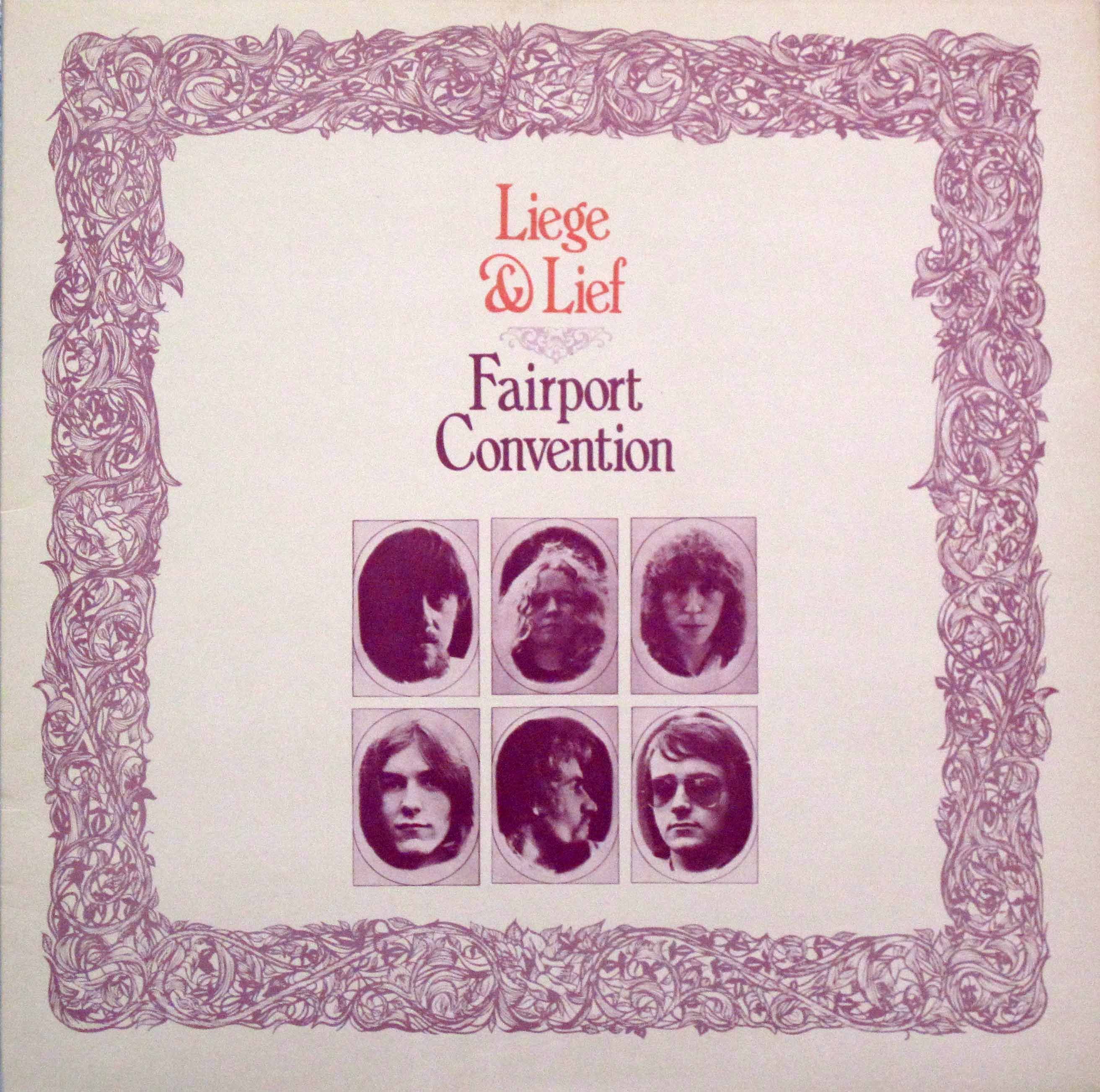
It seems that Dave already had an advance copy of Liege & Lief when he caught Fairport Convention that previous night in Birmingham on his 22nd birthday in 1969.

“I don’t know where I got the copy from. I wouldn’t have bought it from a record shop. I know that much. I don’t know how I was able to learn the tunes, but I know I’d listened to ‘Matty Groves’. I don’t know whether Swarbrick gave me a copy.”

You clearly gelled with the rest of the band, early doors. How important was it for you all to move into that pub in Little Hadham, Hertfordshire, in your case moving down from Birmingham?

“It was the way of the band ostensibly being all together, ‘getting it together in the country,’ which is what people like Traffic were doing at the time. But The Angel, I described it one night on stage as a hovel, and Simon (Nicol) said, ‘It wasn’t that good!’ There was literally one toilet, with a little cistern to get hot water. You could get a bath from it once every five hours. And there were about 12 of us living there! In my family, we had our daughter, Steph, and my wife Chris, at the time. Swarbrick had a wife and a child, and there were a couple of so-called roadies. It was like a hippie invasion of Little Hadham.

“We weren’t really hippies, but to the neighbours – and there were seven millionaires living there – we were looked down upon for a long time. It took us a while to establish ourselves. But eventually they got to know us and got to like us. We had a lorry crash through the house one day. The driver was killed. It crashed into the bedroom downstairs where Dave Swarbrick was. He was very lucky not to be killed. But the neighbours all mucked in and really helped us out. And they still have a little festival in the next village, at the Nag’s Head pub in Much Hadham.  We played there at a concert to raise money for the Policemen’s Benevolent Fund.”

Was that an attempt to ingratiate yourself with the local bizzies so you could have pub lock-ins after hours?

“It was so we didn’t get tickets on our van when we parked in Bishops Stortford! They gave us a washing machine for doing the gig … which just shows you what they must have thought of us. Ha!”

That initial chance to audition with Fairport Convention must have been a bit of a mingle-mangle moment. And there have been a few such fateful twists, it seems. Yet it was clearly meant to be.

“Yeah, it’s like when I joined Jethro Tull. That came at a time when Fairport had literally split up, Swarbrick had got hearing problems … he never seemed to have them when it was somebody else’s round at the bar though! But he was suffering a bit and we were paid not to make any more albums for Vertigo, a record label that was part of the Phonogram group. Because they couldn’t sell our albums.

“They said, ‘We don’t want anymore,’ and we said, ‘But we’ve signed a four-album deal. We want paying for the next two.’ And they went, ‘Okay, we’d rather give you money not to make music than have you give us your albums.’ That’s when you know how successful you are, Malc!’

Is that how your Woodworm Records label came about?

“It was indeed. We got £7,000 each, which paid for the cottage I bought, moving to Cropredy. And because I was unemployed, I thought I’m gonna set up a little studio. We had a little studio in the back garden shed. Then we decided that if nobody wanted to put our albums out, we’d have to do it ourselves. So we set up Woodworm, and that was the reason that the longevity of Fairport is still there. We were one of the first cottage industries, and from that came the festival as well. We started to promote Cropredy, which at first was just a get-together, like a reunion gig for ex-members who just wanted to get up and play for a bit of fun.  But it’s turned into such a great event.”

When it came to August 4th, 1979, playing Cropredy, was there a proper feel of finality about that show? Or was there always that feeling that you might one day be back?

“No, there was a feeling of finality. We didn’t have any real plans to do anything else. We played with Led Zeppelin in the morning at Knebworth. They invited us to be the first act, which was quite scary – 100,000 fans of Led Zeppelin, and us guys playing jigs and reels and slow ballads! But we went down very well. And it was just the fact that we were all still mates.

“And we’d started this little label and we were building up a mailing list with people – obviously before the mobile phone and faxes and everything like that.”

It’s difficult to think how it used to work then, thinking back, in these days before the internet, social media, and so on.  

“Everything was done from the post office in Cropredy – all the letters and invitations. And we thought while we were doing this, we could have a get-together. We knew the farmer, having used his land for our farewell gig. So we thought, ‘Yeah, we can do this.’ That’s how it all started, and now it’s a great event. We’ve had some fantastic bands playing at Cropredy. We’ve had Alice Cooper, we’ve had Brian Wilson, Status Quo, who I loved, Little Feat … we’ve had some great bands and, of course, all the Fairport folks and Richard Thompson, Robert’s been a few times, Steve Winwood …”

There’s a nice story in the new book about a fan who came up to you and Robert Plant at Cropredy, asking for a photo … then requesting that Robert take it of you and the fan. I liked that.

“That was a classic moment. You just you had to be there!”

I loved Ralph McTell’s story about his double-five finish in an impromptu darts contest in your crowded cottage (you’ll have to buy the book for that one).

“That’s true. I’ve read the book, it’s really good, and all credit to Richard … and Ian Burgess who got all the photographs and got it together. There are some very funny stories and some very sad ones as well.”

There are certainly a few gruesome moments in there too … quite a few of them involving the excesses of alcohol. But the socialising has always been up there with the music.

“Yeah, well, there’s the Krumlin festival story (Barkisland, near Halifax, for the Yorkshire Folk, blues and Jazz Festival, August 1970), with Elton John there, before he was very well known. I mentioned this the other night to one of my mates. We were talking about Elton John, and I mentioned how I went to see him with Ian Sutherland, of the Sutherland Brothers (in later years). Dave Mattacks and myself were playing on one of his albums, and he’s a big mate of Reg (Dwight, aka Elton John).

“He said, ‘Peggy, he’s at Birmingham NEC … or whatever … come along.’ So we went along, the first act finished, and just before the interval, Ian said, ‘Come backstage, say hello to Reg.’ I went, ‘Oh, I can’t, I’m too embarrassed.’ So he went back, then came back and said, ‘Elton says hello. He said he remembers you well from Krumlin. You taught him how to drink.’ That’s my claim to fame, Malcolm!”

One of many, surely. One story in the book in particular made me wince though, one about what you thought was a tick in your leg you wanted removing at Cropredy … but turned out to be a varicose vein.

“Oh, yeah, Well, I missed 10cc. I was in the ambulance. They started ‘I’m Not in Love’ as the ambulance pulled out of the field.”

So I gather … off to Banbury, where doctors struggled to stem the bleeding for two hours.

Meanwhile, you say in the afterword how you told yourself if you ever made it in this business, you’d always be ‘as nice to fans as they were to me’. There are lots of examples within suggesting that’s the case. And that sums up the band ethos really, doesn’t it?

“Well, yeah. I mean, without the fans … we’re all fans, I’m a fan myself. Not necessarily a Fairport fan, but of other bands. And I’ve met some fantastic people who I worship, like McCartney – a classic example to everybody about how nice you can be … even when you’re Paul McCartney. He’s just lovely.

“I’ve only met one person – and I’m not mentioning who, but he’s a bass player, he’s American, a very highly respected jazz bass player, who my son worshipped as well. I wanted to get his autograph for my son. I bumped into him in a hotel somewhere in America – he was staying in the same hotel – and I said, ‘Oh, I’m a big fan of yours, any chance of getting an autograph for my son? He’s a bass player too.’ And he was very short with me. He said, ‘Just ask reception to put a note in my pigeonhole, by the key, and I’ll do it.’ And nothing, he never did it. But that’s the only time I’ve been blanked.”

There are many legendary tales of bands who go that little bit further for fans, all good examples of people treating fans right. And you’re part of that.

“Well yeah, times have changed, obviously, and there are health and safety and security issues, insurance, you know, it’s a different time to be out there playing music and you have to be more careful nowadays. But we go out, my partner, Ellen, and myself, we try and sell merch when we’ve got something new to sell, and I love meeting people, because you get really good feedback about what they think of the show and what they’d like to hear. And it’s beneficial to the band, and I’m sure that helps.”

It must keep you on level ground as well. Although I get the impression you’ve never been one to get above your station.

“Well, I’m still waiting to get there, Malcolm!”

A major rant followed about Brexit Britain, Dave headed for Brittany when the book lands, complaining, ‘You can’t post books to Brittany, because apart from the cost of the postage, thanks to Brexit and all those tossers that voted for Brexit … somebody bought a book from Oxfam for me, it was 50p, it cost them £4.50 to send it to Brittany, then I had to pay nine Euros duty on it.”

Then there are all the bands who can’t afford to play mainland Europe right now, what with added red tape, hoops to jump through, and so on, a potentially lucrative market for musicians ruled out.

“Well, yeah, because of paperwork costs, and so on. Hopefully that’ll all change, but it’s really messed up. You know, there’s just no point trying to go to Europe to do any gigs. We’ve stopped going to Europe.”

Which is sad in itself. You’ve clearly got a good fan base there.

“It’s a shame. But we say, ‘Okay, come to Cropredy.”

They know how to find you … as long as they keep their heads down, in case Ralph McTell is playing darts at the time.”

“Ha! Indeed … and he’s so proud of that.”

Well, it’s been lovely to talk to you, and I was gonna say ‘keep on rocking’, but maybe that sounds a bit too Slade-like.

“No, that’s alright for me. I’m of an age!”

Gonna See All My Friends – A People’s History of Fairport Convention, priced £19.99, is available via this Spenwood Books link, and https://www.fairportconvention.com/, where you can also find future dates and news of the band and Cropredy Festival.

Posted in Books Films, TV & Radio, Music | Tagged , , , , , , , , , , , , , , , , , , , , , , , , , , | Leave a comment

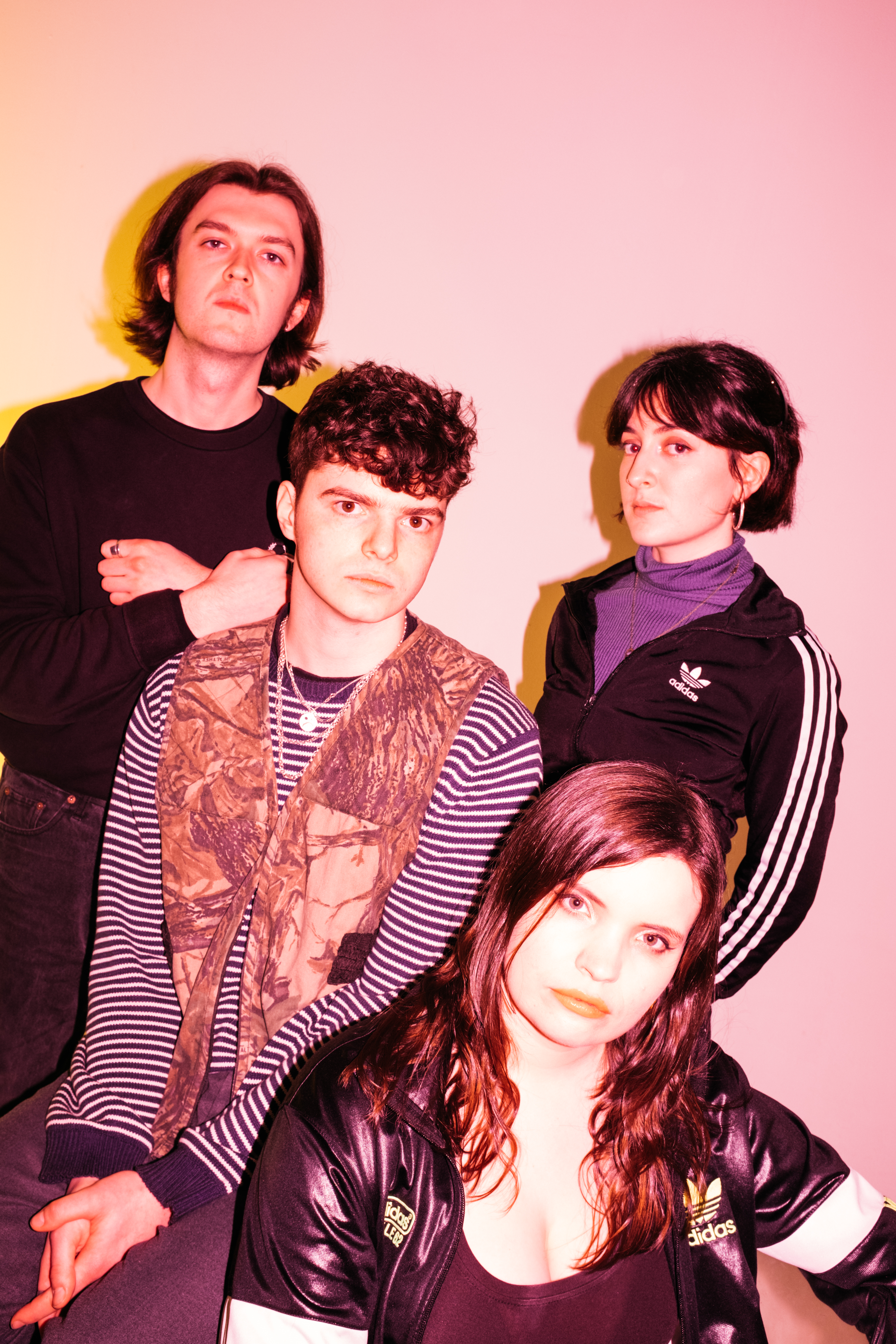
Running around my soul – talking Working Men’s Club with Syd Minsky-Sargeant

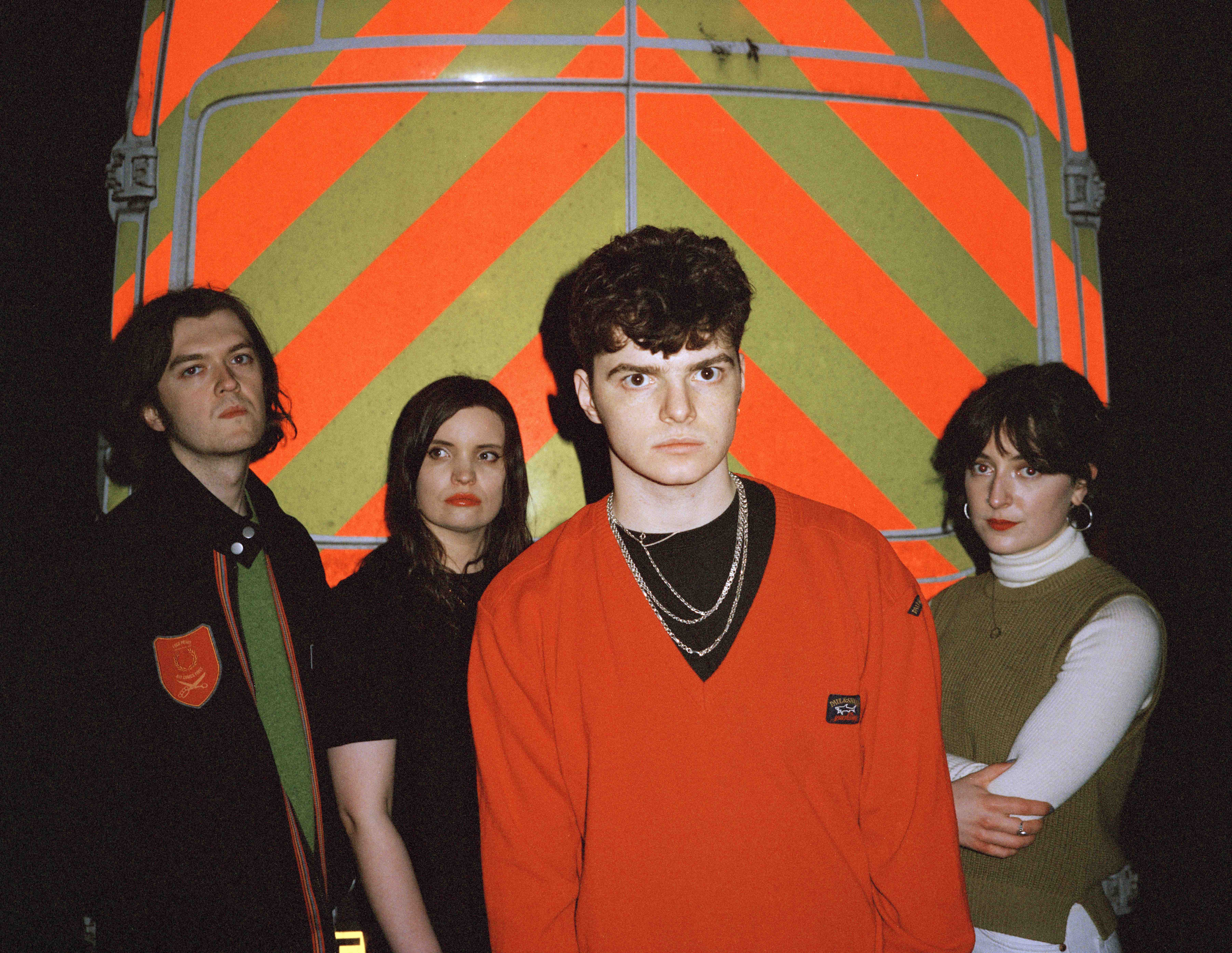
Three months after its initial release, Working Men’s Club’s cutting-edge second album, Fear Fear, returns in a deluxe edition next Friday (October 28th), this fast-rising Heavenly Recordings act having reached No.11 in the UK LP chart on its release, amid glowing reviews on both sides of the Atlantic. 

And having sold out both Manchester Ritz and Brixton Electric last year, the band are stepping up again, all set for their biggest UK and Irish tour to date, those shows on the back of triumphant appearances at this year’s Great Escape, Tramlines, Bluedot and Primavera festivals, intimate performances at key UK independent record stores during release week, and last weekend’s successes at further festivals in Leeds and Sheffield.

The new Fear Fear package includes the five-track Steel City EP, featuring various remixes of its tracks from South Yorkshire-based producers Toddla T, Charla Green, Diessa, Warp originals, Forgemasters, and Ross Orton – who recorded, produced and mixed the latest LP – the EP previously only available on CD for those who bought the album via Bear Tree record shop in Sheffield.

Talking about the LP and how they’ve moved on from their self-titled debut album, released after a four-month pandemic-related delay in October 2020 and itself reaching the UK top-30 LP chart, the band’s ever-present singer/songwriter Syd Minsky-Sargeant explained, ‘The first album was mostly personal lyrically. This is a blur between personal and a third-person perspective of what was going on. I like the contrast of it being happy, uplifting music and really dark lyrics. It’s not a minimal record, certainly compared to the first one. That’s because there’s been a lot more going on that needed to be said.”

It’s certainly been a busy couple of years for the band, named after the wood-panelled, community-run venues an under-age Syd sneaked into in his hometown of Todmorden, West Yorkshire, those formative years providing much of the subject matter for the first record. As he put it at the time, then just 18, “There’s not much going on, not much stuff to do as a teenager. It’s quite isolated. And it can get quite depressing being in a town where in the winter it gets light at nine in the morning and dark at four.”

That initial eponymous collection of songs was seen as ‘equal parts Calder Valley restlessness and raw Sheffield steel,’ as it was across the Pennines that Working Men’s Club’s hard-edged electronic sound was forged under the watchful ear of the afore-mentioned Ross Orton (The Fall, M.I.A., Arctic Monkeys) – ‘guitars locking horns with floor-filling beats, synths masquerading as drums and Minsky-Sargeant’s scratchy, electrifying bedroom demos brought to their full potential by Orton’s blade-sharp yet sensitive production.’

In the space of a year, their label reckons they went through more than most bands do in a lifetime. Two original members lighter and three new ones the richer, Fat White Family took them under their wing, two singles receiving love from the likes of BBC 6 Music, the NME, The Guardian, and Q, while tours with Fat White Family, Mac De Marco, Bodega, and a sold-out headline tour culminated in a 600-capacity rave-up in Manchester.

And while lockdown curtailed plans, the band made the most of the situation, streaming a 21-minute ‘Megamix’ of album tracks which they subsequently performed live, including one at YES in Manchester, becoming one of the first acts to play a full-band virtual show in those testing times. 

The band was formed in mid-2018 by Syd (vocals/guitar), Giulia Bonometti (guitar) and Jake Bogacki (drums). But after the release of debut single ‘Bad Blood’, they evolved somewhat towards a more electronic sound, with Bonometti and Bogacki leaving, replaced by Liam Ogburn (bass) and multi-instrumentalists Mairead O’Connor and Rob Graham, the latter leaving prior to the release of the second album, his replacement, multi-instrumentalist Hannah Cobb, also playing in Preston-founded, Manchester outfit Dream English Kid with Liam,

Considering the story so far, you’d be forgiven for thinking Syd might have now left his hometown for that there London, or perhaps Manchester or Sheffield. But he told me he’s still based on the West Yorkshire side of the Pennines, sticking with his Todmorden roots.

It’s been an amazing couple of years for the band, post pandemic lockdowns, hasn’t it, Syd?

“Yeah, it’s been interesting.”

Just seeing the places you’ve played – with festival and regular gigs all over the UK, mainland Europe and America – would suggest you’re having the time of your life.

“It’s been wicked, and I’m very grateful.”

Ahead of this interview, I returned to Robin Turner’s …Believe in Music, 2020’s 30-year celebration in print of the Heavenly Recordings label, launched around the same time as the first Working Men’s Club LP, wherein both the author and label founder Jeff Barrett – who also introduced the band to Ross Orton – rave about Syd and the band.

Robin writes, ‘Working Men’s Club are a group who fuse the energy of the dancefloor to the ecstasy of a rock‘n’roll gig, and they do it very, very well … they are a lifeline thrown from the north of England just when it needs one.

‘At a point where music appears to have fractured and rearranged into algorithmic playlists, where no one knows anything but pretends they know every damn thing, and nostalgia remains the strongest currency, along comes a group to make you dance, sing … anything. A group to fall for, to follow, to believe in.’

As for Jeff, he adds, ‘Working Men’s Club are without doubt one of the most exciting groups that have ever landed in my life. And that precedes Heavenly. They’re one of the most exciting groups I’ve ever worked with, I’ve ever liked, I’ve ever seen. Syd is one of the most talented kids I know. He’s got a strong work ethic, a vision and a total belief. He’s so beyond his years.

‘That first time I watched Syd perform, I could tell that he had it. He looked great, like a young Tim Burgess or a young Billy Mackenzie. A pin-up pop kid. They hadn’t been going very long – a matter of months. They obviously weren’t anywhere near fully formed, and I didn’t realise just how un-fully formed they were. There was something special there though. I left that show with a lot of people saying, ‘Bloody hell, that was a bit good, wasn’t it?’ But that wasn’t what I got. There was something I couldn’t put my finger on, but my instincts told me there’s something not just really good in there, there’s something potentially really amazing.

‘I came home and I slept and they were on my mind. I woke up, they were still on my mind … I said, ‘I think I’m going to work with them.’ I just had a feeling, and you don’t get that many like that.

‘The thrill of working with Syd and with his band is extra special for me because 30-plus years on from getting the buzz I got when I started out, seeing the Mary Chain and Primal Scream in the mid-’80s, then East Village and then Flowered Up at the start of this journey – the same buzz I got hearing Andrew {Weatherall) DJ – I’m having it again. And you know what? After all this time, how good is that? I’m still believing!’

Jeff Barrett certainly gives the impression that you were always driven, having that work ethic from day one. Arguably, lots of us have that push and belief. But to actually do something with that and fulfil those dreams, that’s perhaps something else.

“I guess so. It’s a combination of a few things, really. A lot of people work very hard and do a lot of really good things. Whether they get heard or seen is another matter.”

Did you have a clear vision of what you wanted to do from the early days? Only it sounds like it was something that evolved as time went on.

“Yeah, I still don’t have a clear vision … I think. The thing that excites me the most is what hasn’t happened yet … if that makes sense. Music that hasn’t been made, or records that aren’t finished yet. And I was trying to stay in that mindset.”

Is that sometimes about listening back to the first rough recordings of new songs or something that comes into your head? Is it coming off the stage and seeing the elation from bandmates and your audience? Or is it a mix of all that?

“I guess it’s more about creating something that’s not finished, thinking, ‘I’ll go and finish it properly.’ Sometimes, not even that – not even having anything a template, going into the studio, working on something … it really depends. That’s definitely what excites me the most though, creating the tunes. Playing them always tends to be a completely different thing.”

You’ve explained that this album, in comparison to the debut LP, carries more of a blur between the personal and the third person perspective. You clearly felt you had a lot to say, coming out of that first stage of the pandemic.

“Yeah, there was a lot going through my mind. I just didn’t feel like I fully said what I wanted to say on the first record and wanted to follow it up fairly quickly.”

And is that still the case? I’m not putting the pressure on you, but, well … how about what Billy Bragg would call that ‘difficult third album’?

“Yeah, again, I think it’ll just be different technical stuff. I think enough was said on that second album, to be honest.”

I wonder if there’s a part of the first LP telling the story of this lad growing too big for Todmorden and the second one about this lad breaking into the bigger world. And that’s not meant to sound patronising, but all those influences are out there. For example, you’ve mentioned working with Ross Orton, and now we have the Steel City EP included with the deluxe edition of Fear Fear, something else signposting how Sheffield remains influential for you.

“I guess so, to a point, but it still felt like I hadn’t really seen much of the world. So it’s, I guess, an insight from growing up through technology, a big part of it for me. And one of the talking points within the tunes is the shift in the way that society had to operate, being a young person within that. I think that was quite a big topic within the record, but it was tied up within an emotive side of that as well. So yeah, I was just trying to make it slightly conceptual, in a way, but also try and keep it personal in another sense.”

I’m not sure if this has ever been put to you, but maybe due to the geographical aspect, I see something of Neil Arthur’s on-going work with Blancmange in you with Working Men’s Club, albeit with him 40 years ahead (and still making great music, I might add) and with his formative years being on the Lancashire side of the border. Could you see yourself going down that road he has in four decades?

“Yeah, I’d like to. That’s the dream. We’ll see.”

On this second album, from the moment we head into opening track, ‘19’, I get the impression we’re getting a call to arms, your intentions all there, setting the premise for what unfolds. And there are elements on this record of lots of ‘80s and ‘90s outfits I appreciate, from A Certain Ratio and Depeche Mode to Gary Numan, New Order, even the Pet Shop Boys, and yet you straddle between genres to the point where maybe you’ve created your own (read their Discogs bio and .

“Yeah, I guess so. I think going forward, even more so. And without sounding arrogant, I just try and stay in my own lane. That’s why I like working with producers without necessarily immersing myself with other artists too much. That’s nothing against people, it’s just kind of trying to stay on my own track.”

Were you listening to a lot of ‘80s and ‘90s electronica, growing up? I know you’re younger than that, but …

“Not really, I mean, it was kind of just listening to what most of us were – pop music and my parents’ records – lots of Bowie, Pixies and I guess a lot of guitar bands as well.”

Was that where your parents were coming from?

“Yeah, but loads of stuff, including jazz … quite an eclectic taste, but mixed in with what kids listen to at school.”

Were you picking up instruments at school? Or did that come later?

“I’ve played guitar all my life, and kind of faffed around on piano … which seemed to sound a lot more cohesive when I got hold of synthesisers.”

You’ve just had those Leeds and Sheffield shows, the tour following next month, including Manchester Academy, whereas last time it was the Ritz, and in the capital there’s The Forum in Kentish Town, whereas last time it was Brixton Electric. These are significant steps up. And while we’re on that, what was the first venue you played in Manchester?

“Err … Night People. A sick gig.”

Those are the kind of nights that makes you, aren’t they.

“Yeah, definitely.”

I’m guessing that while you’re keeping that upward momentum, you still strive to retain that feeling of intimacy with an audience. I don’t see you as a stadium outfit.

“Ha! Yeah. I know what you mean.”

If you had to pick one amazing post-pandemic moment when you realised this was definitely going where you hoped it was going, is there anything that jumps out, be it in America, mainland Europe or wherever?

“I think going back to France, playing there, is always really nice for us, because people seem to really get it over there, playing in Paris and doing French festivals, stuff like that. It’s great. And we had a really good show in New York. Moments like that are really nice when it resonates with people that are far enough away from where we’re from.”

For me, ‘Widow’ and ‘Cut’ are the tracks that really jump out at me from this album. In fact, I see ‘Widow’ as Gary Numan at his more recent best, and that comes through on ‘Circumference’ as well. But ‘Cut’ is a really good example, I think, of where you seem to be at, at least in my head. It starts as kind of early OMD, then the guitars come in and it’s more resonant of New Order, then you’ve got that A Certain Ratio feel. At the same time though, it’s distinctively Working Men’s Club. And I’m guessing that’s where it needs to be.

“Yeah, I guess so, but I think that’s the last time we’ll do a song title like that. But it was a nice place to leave it. It’s an extension, just showing the mixture of stuff we can do on that second record. For the third, we’ll have a bit more creative freedom for a more experimental side of it.”

I guess that thinking shows on numbers like the title track, a brave song to put out front, really.

“Mmm, yeah.”

Heavenly Recordings have something of a reputation for taking leftfield suggestions and moves on board. I’m not so sure bigger labels would for a band at your stage of the game. With that in mind, have you still got that close working relationship with Jeff Barrett? Do you talk to him quite a bit … or do you just deliver the songs?

“Err … I just deliver records. Yeah.”

Because I mentioned your Todmorden roots, I get the impression that – as with your music – you straddle those county lines, and that helps define you – you’re not Manchester, you’re not Sheffield, you’re on the outside of both scenes, with your own identity. Was that how it was for you growing up too? Were you part of a gang or were you your own man?

“Mm … yeah, I guess so. I mean, I’ve always written my own tunes and I’ve found going from place to place is a lot more exciting than staying in one spot. The reason I like Todmorden is because you can get to a lot of places, but it’s also a very nice place to stay when you’re really tired out!”

And, with no pressure from me, when do you think that next album will land then?

“I’ll have an album out next year … but whether it will be Working Men’s Club will be another thing.”

Working Men’s Club UK and Irish tour dates: November – QMU, Glasgow ** (18); Boilershop, Newcastle ** (19); The Mill, Birmingham * (20); Chalk, Brighton *** (22); SWX, Bristol* (23); Academy, Dublin * (25); Academy, Manchester * (26); Junction, Cambridge * (27). December – The Forum, Kentish Town, London (25). * with Scalping ** with W.H. Lung *** Stephen Mallinder DJ set. For tickets, head to www.workingmensclub.net.

For more about the band, you can check out their Facebook, Twitter, and Instagram links. And to pre-save the deluxe edition of Fear Fear, head here.

Posted in Uncategorized | Leave a comment

Tally Ho to your New Modern Homes – The Chesterfields / The Amber List: The Talleyrand, Manchester

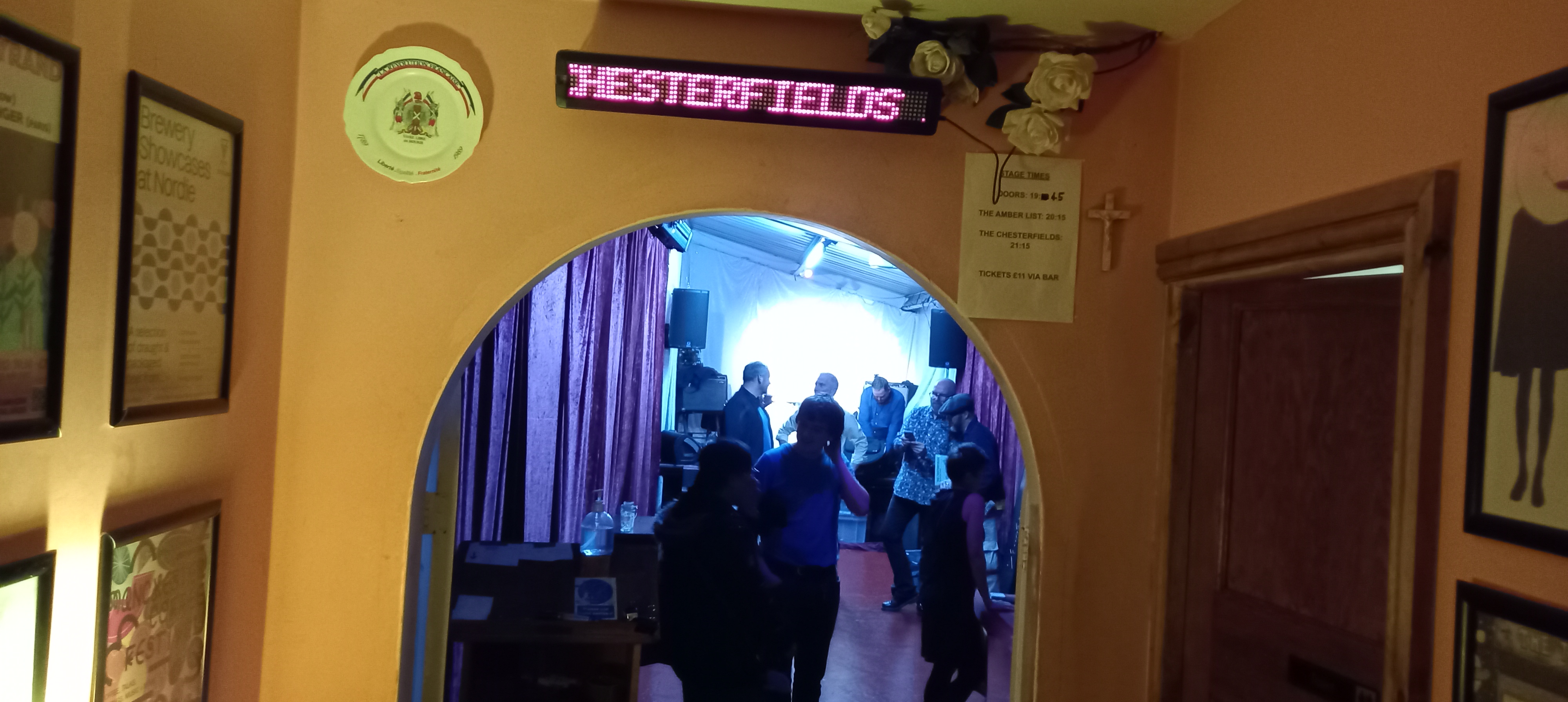
A new venue for me, and a cracking one at that. Initially set up as a bar with in-house art gallery and performance space, The Talleyrand – around four years on as a venue, give or take the odd break for pandemics – certainly proved far more appealing than the journey there on a foul autumn night, Lord SatNav sending me a long way round the M60, coming in via Stockport East, my eldest daughter arriving in the opposite direction via a city centre train to Buxton.

In case you’re wondering (and even if you weren’t), it’s named in honour of Charles Maurice de Talleyrand-Perigord (I guess they couldn’t fit all that on the sign outside), who in the early 1790s headed for Levenshulme to escape Madame la Guillotine, sticking around a couple of years before heading back to become Napoleon’s crafty chief diplomat, Monsieur Bonaparte later elegantly dubbing him ‘shit in a silk stocking’. Or was that a demand?

And while there’s probably a neat line I could work in there to seamlessly bring me to the history of The Chesterfields, I’ll just have to admit I’ve missed a trick and make do with the fact that they decided not to play ‘Storm Nelson’ on the night (from the LP, Bouilloire).

My second live show in five days, and a perfect follow-up to The Undertones with Hugh Cornwell in Lytham, both The Chesterfields and The Amber List (new rule: all support bands should include a Cornwell) gave committed performances suggesting they’ve come a long way recently. And I don’t just mean the Isle of Wight, Dorset and Somerset in the case of the headliners.

I’d struggle to find links between West Country indie darlings The Chesterfields and their Lancashire-based support too. In fact, despite visiting my better half in Lancashire since 1989, the year in which Amber List frontman Mick Shepherd’s band, Big Red Bus released their self-named debut LP on cult Preston label/shop Action Records, I wasn’t aware of them until this century. I did however catch the original Chesterfields live for a second time that year, Davey Goldsworthy having left at that point, sole ever-present Simon Barber sharing vocal duties with brother Mark that time at the University of Surrey.

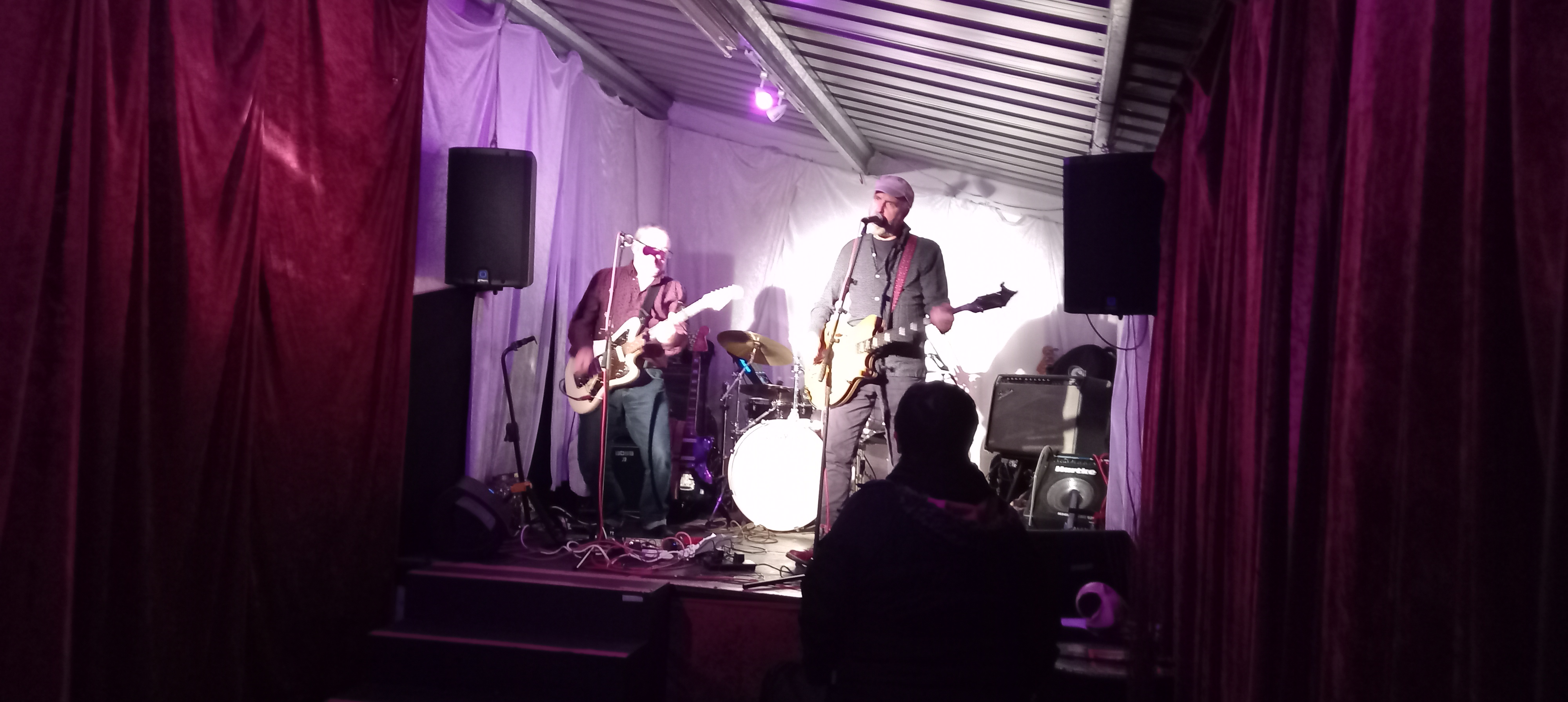
But The Amber List certainly impressed on my second sighting of their honed down three-piece, perhaps the right size of combo for such a narrow stage, just enough room for Tony Cornwell’s lead guitar amblings and Mick’s DMs, which drew the eye at times. There were just three of us in the room when they opened with ‘Red Lines and Promises’, that Jo Cox-inspired number seemingly ever more relevant with this shit-show of UK politics we have right now. But quite rightly the room soon filled up, that one of just four songs featured from splendid 2021 debut LP, The Ache of Being, indicating how fast they’ve evolved, having the confidence to do that.

Those songs were accompanied by two numbers from a pre-pandemic debut EP, and several new ones helping highlight their formation switch. The original four-piece line-up worked well, but this combination – completed by drummer Simon Dewhurst – works even better, appearing to offer more freedom to experiment and, erm, rock out.

While they finished with ‘New Day Calling’ and the mighty ‘Home’, new tracks such as ‘Did It Really Happen?’, ‘Slowburn’, ‘First Steps’, ‘Devil and the Deep Blue Sea’, ‘White Lies’, and ‘Half a Life’ also impressed. And although I’ve cited the like of Gene and The La’s before now as possible influences, I was also getting heavier references now, including mid-term That Petrol Emotion.

I’m pleased to say the harmonies remain sublime as well, all three pitching in, and while Tony denies knowledge of any Neil Young & Crazy Horse-type guitar fixation, I could see them pull off a winning take on ‘Cinnamon Girl’ at the Amber List office Christmas party. Time will tell.

On to the headliners, and the first of four confessions. ‘Shame About the Rain’ was always perhaps my favourite Chesterfields song. It appeared on more of my compilation tapes than any others. But today’s take leaves me wanting it sped up, and it doesn’t help when they start the set with it. Maybe build up to that, then ramp it up a bit. And now I’ve got that out of the way, here comes the praise … and plenty of it.

From the moment they hit new LP opener, ‘Bitesize’, they were on great form, any nerves seemingly dispelled. And as with the support, the word confidence is important here, as is the case – ditto The Amber List – with the harmonies, Simon and ‘out front’ bandmates Helen Stickland and Andy Strickland (I get bored of mentioning this, but yes, different surnames, nearly but not quite the same) on form throughout.

My second confession? First time I saw this version of The Chesterfields, perhaps nostalgia saw me through. Privately, I felt they were trying just that little too hard, as if subconsciously apologetic for considering resuming without Davey, killed in a hit and run accident in 2003. But they stepped it up between Preston’s The Continental in February 2017 and Manchester’s Night & Day in September 2019. And three years on, it’s even better.

That sense of guilt I felt was under-scoring it has long since gone, any mentions of the former lead singer (Simon also sang lots of songs, but I don’t think he’d take issue with that description) mere celebrations, recalling halcyon days and a true force of nature.

The fact that Andy featured with the band briefly in ’87 helps with regard to keeping the right to the name, but that’s immaterial anyway. They’re their own being now – if the various permutations of Simon and Davey-led outfits were The Chesterfields, Mk. I, and the Simon and Mark-led line-up was the Mk.II take on the band, this Mk.III collective – completed by dependable drummer Rob Parry – has now truly earned its place in that story, the strength of the newly-released New Modern Homes LP all the proof needed, and these live performances a bonus.

Andy’s past in The Loft and The Caretaker Race speaks for itself, Rob’s steady input from the back seals his rightful place, and Helen’s certainly come into her own, as I guess the band always hoped would be the case, her vocals, harmonies and songwriting proven in the studio and live arena (even if the word arena is not the one that springs to mind considering the last two Manchester appearances).

Andy’s skills with a pen as well as a guitar are further enhanced on the LP and his live delivery, his first offering on this occasion, ‘You’re Ace from Space’, somewhere between the Velvets, The Go-Betweens, and The Loft. I’m sorry now that I missed out on The Caretaker Race first time around, if the quality of songwriting here is anything to go by. And that contrast with his voice – as was so important with past line-ups – complements his winning way with hooks and licks, so to speak. In fact, the last line on that song brings to mind All Things Must Pass-era George Harrison. Praise indeed.

Confession three. I wasn’t initially convinced about ‘Mr Wilson Goes to Norway’, despite loving the idea of a song from the wondrous Kettle being afforded the ‘where are they now?’ treatment. But having seen them play it live, and now catching it in the context of the LP, I see how good it is.

They delved further back then, with first flexi-single ‘Girl on a Boat’, then gave us ‘89’s pre-break-up single, ‘Fool is a Man’, Simon tempting fate by letting on how he’d got the first line wrong singing it in front of his brother – the song’s author – on the previous date in Bristol. He was word perfect this time though, and it’s a number that’s stood the test of time.

Then came what’s become something of a Chesterfields standard of late, Andy’s sublime Caretaker Race hit that got away, ‘Anywhere but Home’, as good as ever on this evidence. Meanwhile, band and audience alike supplied pretend brass in lieu of a horn section on the mighty ‘Goodbye Goodbye’, which I always imagined – and don’t disappoint me, Simon – was a tribute to Karen Carpenter (‘She said goodbye to love, but she didn’t want to go’), while Helen’s ‘Year on the Turn’ was operfectly delivered. And am I the only one that sees it as this LP’s answer song – from a female perspective – to Davey’s ‘Besotted’ on second album, Crocodile Tears?

Four further cuts from the new LP followed, starting with Simon’s quirky ‘Oh My Ampersand!’ and perhaps my evening highlight, Andy’s ‘Postpone the Revolution’ a late addition, dedicated to his niece on the merch desk. That was followed by a rather raw ‘My Bed is an Island’ before an emotional take on the lead single (the reason for that New Modern Homes title, and among my top-three singles this year), ‘Our Songbird Has Gone’ introduced by a choked Simon in tribute to his former co-frontman, and went down a storm.

There was still time for two crowd-pleasing late ’80s indie golden oldies, the Kettle back on, ‘Simon’s ‘Ask Johnny Dee’ followed by a celebratory, heartfelt and well executed ‘Completely & Utterly’. Or should that be electrocuted, bearing in mind those electric guitars in their hearts? Either way, the crowd called for more, but time was against them, and I reckon they’d scaled the heights already. A triumphant return to Manchester before taking that ‘Last Train to Yeovil’ in preparation for their seven-date autumn jaunt finales in Frome and Winchester.

And confession number four? I feared the overall quality of this LP before it landed. I wondered if ‘Our Songbird’ had set unrealistic expectations. But the follow-up 45s also impressed, then – in the week of this appearance – I got to realise the quality runs through the 12 tracks of New Modern Homes. They came up with the goods, song-wise, made a cracking job of putting them down in the studio, then headed out on the road to deliver them live, in style. Can’t say fairer than that.

I won’t go into details on the other tracks missed off the setlist. Find out for yourself. But I look forward to more of the same from here on in. No pressure, mind.

To keep in the touch with The Chesterfields, and see about ordering New Modern Homes, you can follow their Facebook and Instagram pages.

For this website’s July 2022 feature/interview with Simon Barber, head here. For a February 2017 feature/interview with Simon, head here. And for the follow-up from September 2019, head here. Meanwhile, from May 2021, Andy Strickland talks The Loft, The Caretaker Race, The Chesterfields, and much more here.

For July 2021’s feature/interview with The Amber List, when they were still a four-piece, head here. And for more details about the band, their physical and digital releases, and other live shows, head here and check out the band’s BandcampFacebook, Instagram and Twitter pages.

Posted in Books Films, TV & Radio, Music, Uncategorized | Tagged , , , , , , , , , , , , , , , , , , , , | Leave a comment

Dig Yourself that Lytham rhythm – The Undertones / Hugh Cornwell: Lytham, Lowther Pavilion Theatre

Two Undertones / Hugh Cornwell nights out in six months? In a year in which I’ve caught just nine live shows? Monsieur, with zis you are really spoiling us.  

Actually, with Derry’s finest it’s more Mars confectionery than that nonsense Ferrero Rocher serve up at ambassadorial parties, the real deal allowing my inner male model a chance to say, ‘I’ll take those.’

And that’s a rather long-winded way of saying a great night was had by all last weekend on the Fylde coast, the headliners and their special guests on fine form at the Lowther Pavilion Theatre, putting the rhythm back into Lytham, as latter-day chief Undertones warbler Paul McLoone put it.

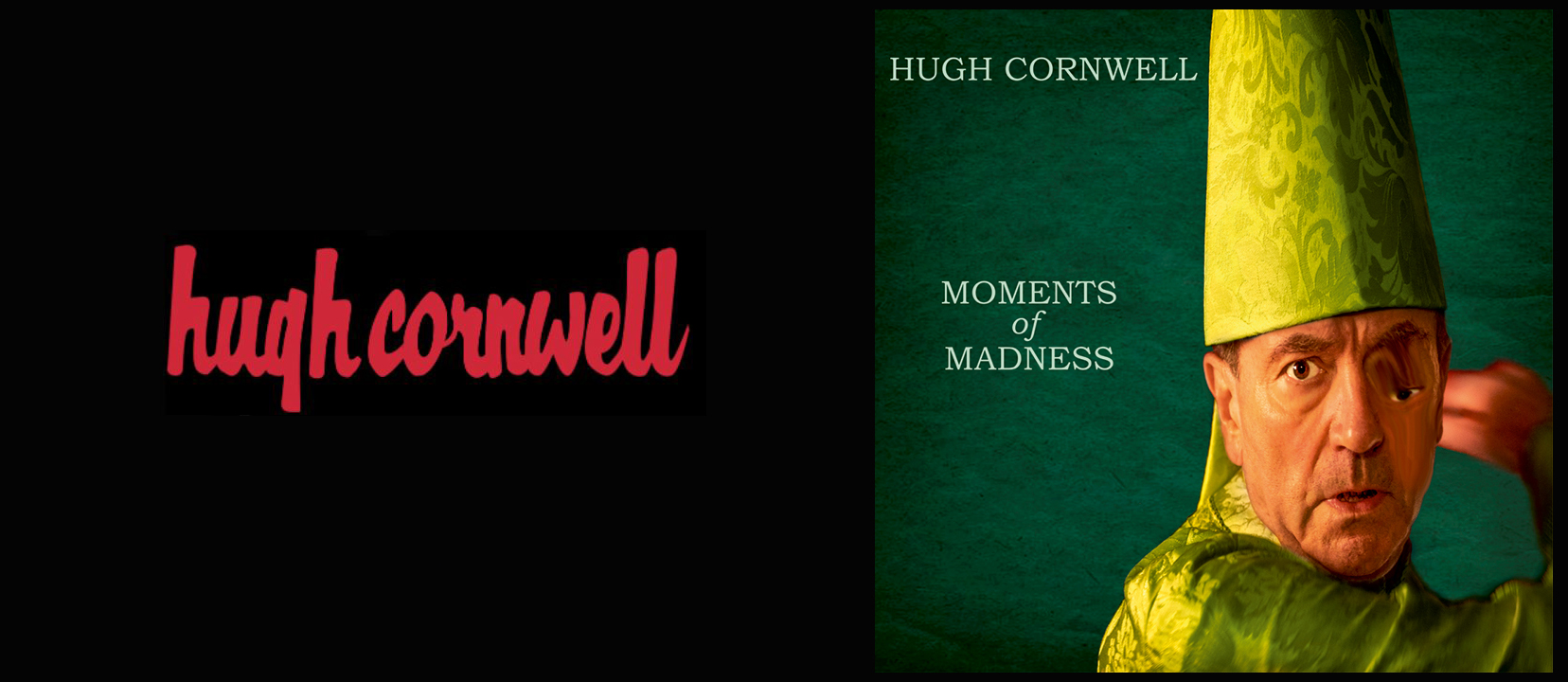
The knock-on effect of a bypass crash as we skirted around the west of Preston meant we missed the first couple of songs, but there was plenty to savour from Hugh, joined again by the very talented Pat Hughes (bass) and Windsor McGilvray (drums), hairs up on the back of this scribe’s neck for ‘Always the Sun’ on a night of Stranglers nostalgia punctuated by solo years’ moments. Post-Stranglers highlights included two tracks from the splendid Totem and Taboo, somehow now a decade old, with ‘Stuck in Daily Mail Land’ and ‘Bad Vibrations’ especially resonant after another week of Tory freefall; while 2018 LP title track ‘Monster’ and latest single, the ‘Wild Thing’ like, rather raw post-lockdown Bowie knife cut, ‘Coming out of the Wilderness’, from the forthcoming Moments of Madness also impressed.

Going further back, ‘Strange Little Girl’ appeared on the setlist in ’74 (though it was another eight years before it became a single), while Rattus Norvegicus’ ‘London Lady’ was an unexpected joy, staged as it were one estuary higher than the Mersey tunnel. And although the subject matter of ‘Five Minutes’ seems too graphic for nostalgia, that also provided a blast from the past. As for ‘Skin Deep’, that provided another big sing-along-a-strangler moment, and ‘Walk on By’ gave us a thrilling showstopper. Yes, Burnel and Greenfield’s artistry made it a perfect cover, but this trio are also capable of a leftfield twist on quality Bacharach & David fare.

Since my last Lowther Pavilion visit, a statue’s turned up outside the venue, commemorating local light Bobby Ball, leading to the afore-mentioned McLoone’s mention of memories of catching Adam Ant on LWT’s Cannon and Ball Show back in the day. I looked it up, and that was 40 years ago, performing ‘Goody Two Shoes’, just a few months before The Undertones’ ‘The Love Parade’ became the fourth of their last six singles to miss out on the UK top-40, the writing already on the wall.

But if there was already disquiet in the camp in mid-’82, The Undertones Mk. II have had no such issues, the Bradley/Doherty/McLoone/O’Neill/O’Neill lineup now 23 years to the good and on typical belting form here (as Bobby may have conceded), in what turned out yet another night of end-to-end classic songs. There were, as ever, too many to mention by name,  but – without thinking too hard about the setlist – ‘Hypnotised’, ‘True Confessions’, ‘Tearproof’, ‘ Top Twenty’, ‘Wednesday Week’, ‘Billy’s Third’, ‘Oh Please’, ‘Here Comes the Rain’ on the back of ‘Here Comes the Summer’ (rather ironic on the first day that week I’d not got drenched at least once from dog-walking or nursery runs), and ‘Mars Bars’ on the back of ‘More Songs About Chocolate and Girls’ did the trick.

And yes, punk pop kids, the chocolate’s only there to keep the set the right length. That said, a wee bit of extra time at the close led to our visitors sticking around for one more song, giving us that evening’s second rendition of their classic Peel-loved debut 45. I’d have preferred a lesser-known classic, and they missed a trick seeing as this show landed so close to the 50th anniversary of the release of Nuggets in not throwing something in from that highly influential 1972 Lenny Kaye compilation. Not necessarily from the Chocolate Watch Band either. I’m not complaining though. I do love ‘Teenage Kicks’. Just maybe once a night will do though … unless it’s preceded by an audio recording of Peelie telling us he’s about to play it again, as heard at The Forum, Kentish Town in 2016.

Besides, a Lytham sing-along-an-undertones bash at ‘My Perfect Cousin’ had already done the trick, that self-same golden oldie aired again six nights later on our telly screens, the boy Sharkey (Feargal, rather than recent ‘Tones drumming stand-in, smart boy Kevin) leading a cross-pub rendition in Clonbur, County Galway on Mortimer and Whitehouse; Gone Fishing, a celebratory series finale for a BBC TV joy of joys. Slàinte, indeed, even if you’d have to walk a fair way out across the beach before you even reached the sea, heading due west for Ireland from this venue.  

As for my eldest daughter – subjected to so much Undertones music since her arrival in early 2000, the year the new line-up played their first shows this side of the Irish Sea – she declared her thankfully not much too late ‘Tones debut a winner as we headed back, a newly purchased advance copy of Damian O’Neill’s latest solo LP, an crann, making for good company on the way.

For this website’s recent interview with Paul McLoone, head here, where you’ll find links to plenty more Undertones-related features, interviews and reviews.

The Undertones’ Autumn 2022 dates conclude this coming weekend at the Waterfront, Norwich (October 20th); the Apex, Bury St Edmunds (October 21st); and the De La Warr Pavilion, Bexhill (October 22nd), that final date also including special guest Hugh Cornwell’s trio. For tickets, try here, and for more information check out The Undertones’ website and keep in touch on social media via FacebookTwitter, and Instagram.

Look out for more on Damian O’Neill’s latest solo record, an crann, out on November 25th but also available while stocks last on tour, on this website soon. And for more about that release, head to http://damianoneill.bandcamp.com or http://ffm.to/damianoneill.

Meanwhile, for details of the new Hugh Cornwell LP, Moments of Madness, head to his website or follow this link. And if you follow this link, you’ll find the most recent WriteWyattUK feature/interview with the man himself.

Posted in Uncategorized | Leave a comment

Star treatment – back in touch with Ian Broudie, talking Lightning Seeds

It seems a negative way to start this feature, but other than reaching No.1 in the UK singles chart three times with David Baddiel and Frank Skinner with ‘Three Lions’ (in 1996, 1998, and 2018, for a song seemingly everywhere during this summer’s Women’s Euros, as the Lionesses memorably brought football home), you have to go back to the last century for the last time Lightning Seeds made the UK top-40.

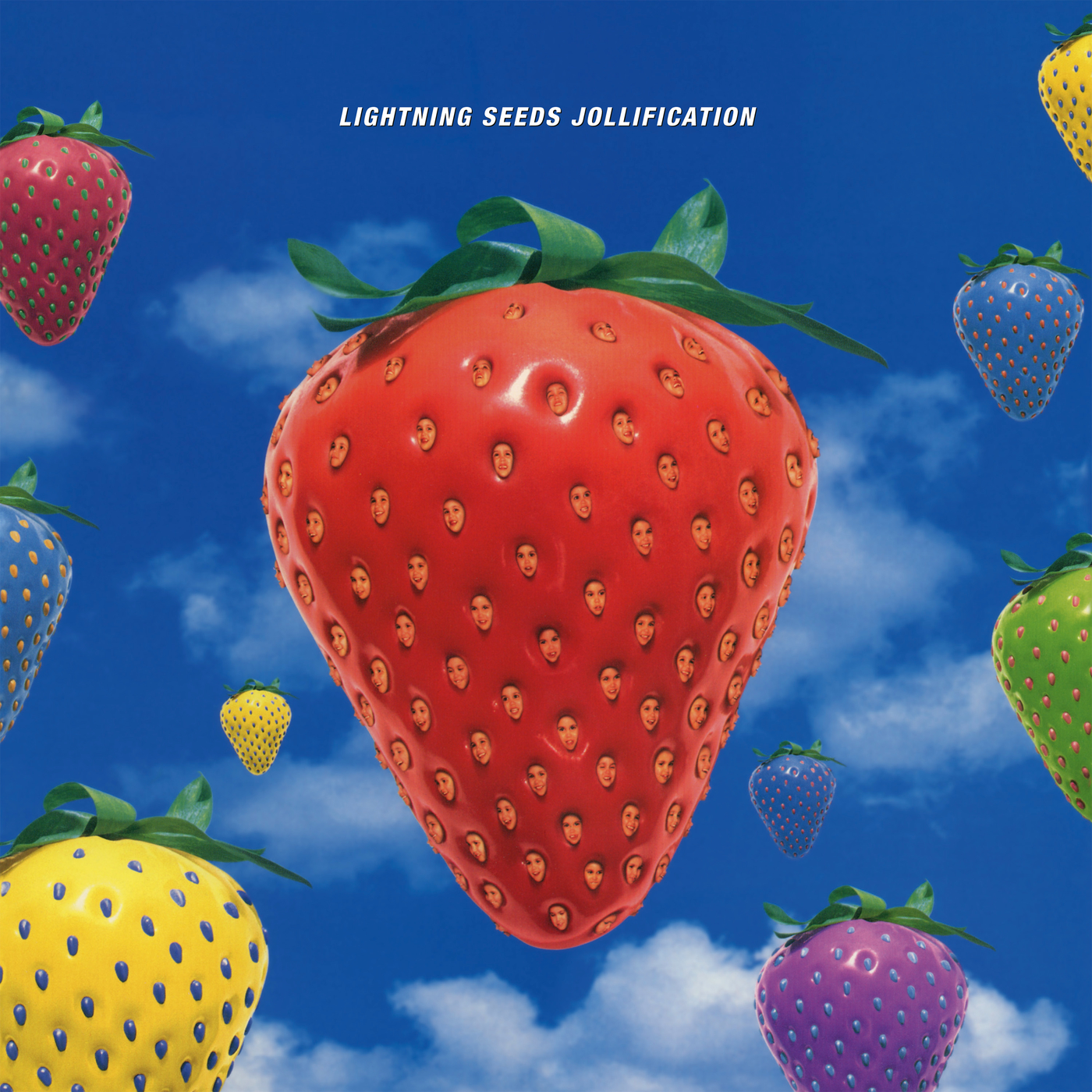
A minor hit in 1999 with ‘Life’s Too Short’ followed 11 other singles chart successes over that previous decade, and despite platinum and gold certification respectively for 1994’s Jollification – eventually celebrated with a sold-out post-pandemic 25th anniversary tour last autumn – and 1996’s Dizzy Heights, rather surprisingly there were no UK top-10 albums either.

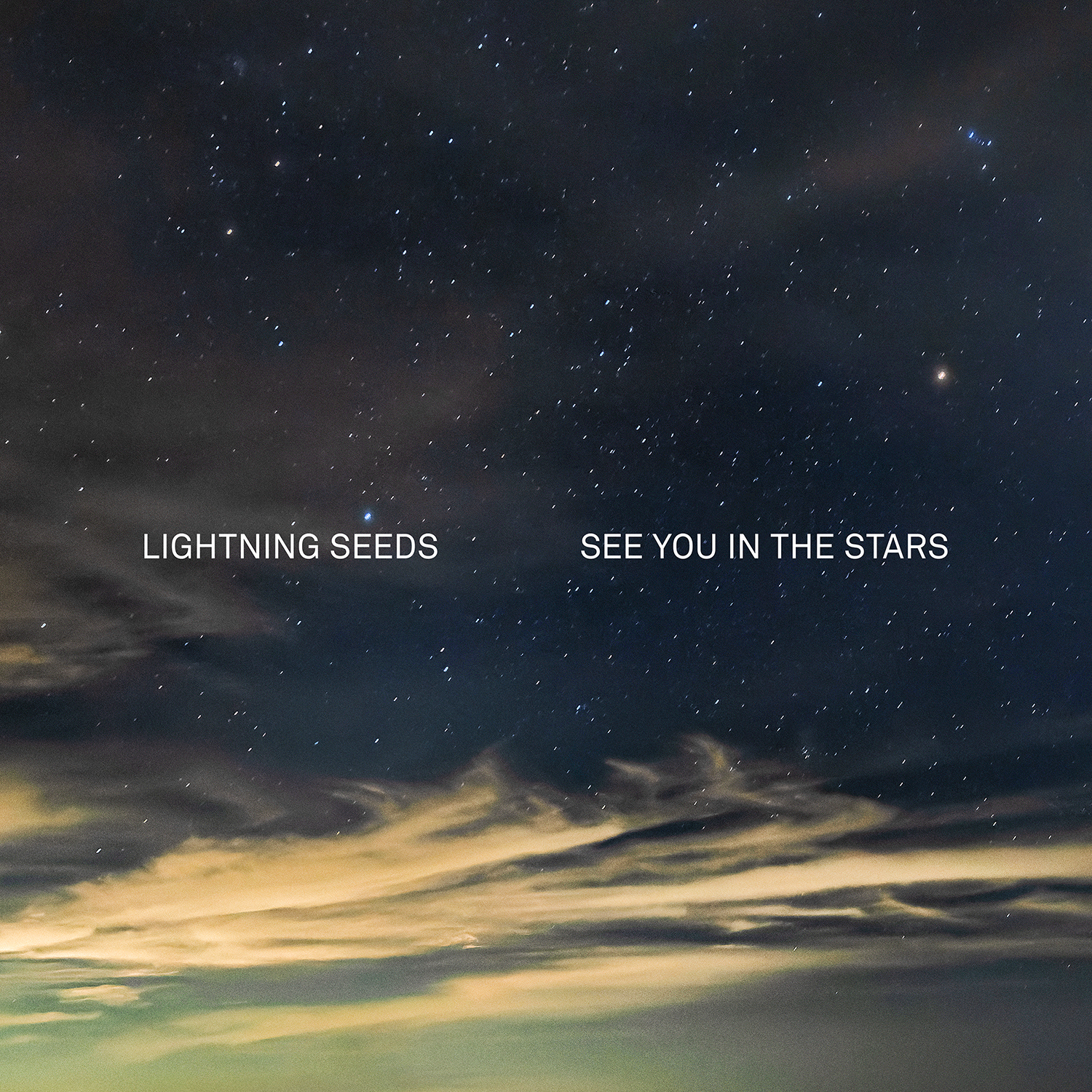
But one thing’s for sure, Lightning Seeds’ chief sound architect, Ian Broudie, never lost his ability to craft classic pop, as is apparent from the three singles so far released from new LP, See You in the Stars, out this weekend, his first for BMG. What’s more, there’s at least one more sure-fire hit tucked within those vinyl grooves. We’ll get on to that later though.

After radio-friendly lead single ‘Sunshine’ and worthy follow-up ‘Walk Another Mile’, came the, erm, marvellous ‘Emily Smiles’, co-written – as was 1994 hit ‘Lucky You’ – with Specials/Fun Boy Three/Colour Field legend Terry Hall, described as a ‘a big, infectious tune with a tight focus: human connectivity,’ Ian adding, “Emily Smiles is about miscommunication and lives being changed by small moments and random events. It’s about desperation and the distances between us being unlocked with the magic inside a smile.”

And overall it’s fair to say that See You in the Stars – completed at Ian’s West London home studio earlier this year – is nothing if not tunefully and emotionally uplifting, its 10 songs written and recorded in short bursts over the last three years, the first of those tracks recorded – ‘Great to be Alive’ and ‘Live to Love You’ – co-written with The Coral’s James Skelly a year apart back in Liverpool.

I’ve had a few listens this week, opening track ‘Losing You’ a great way in, straddling Tales Told-era Broudie and the grand ol’ Lightning Seeds. There are more polished songs on the LP, as Ian puts it, but perhaps that’s why it stands out for me. A late addition, more erm, pure and simple. 

Polished does work when it’s as good a song as ‘Emily Smiles’ though. Infectious, and I could so hear Terry Hall’s own take. Not sure I’d allow many modern pop starlets near it, mind, even if that would inevitably lead to wheelbarrow-loads of added royalties for its authors. It’s certainly on the right side of pop fare, Mr Broudie telling us this is him, ‘trying to get out of that cloud and be me again.’

Talking of commercial, ‘Green Eyes’ provides a sonic link to the early days, Ian remarking, ‘I felt like it was a postscript to ‘Pure’ – so I thought I’d shadow it with that little melodic line. Because, in a way, it’s about the other end of that relationship.’ And it’s not just his own past conjured up. I could hear this on a late ‘80s or early ‘90s Pet Shop Boys album. Not sure which, but one I probably bought dirt cheap from some market stall in Thailand or Turkey.

Then comes the delightful, ever so catchy ‘Great to be Alive’, one for full cast and city centre flash mob treatment in Lightning Seeds – The Musical perhaps, James Skelly’s input keeping it the right side of acceptability, street cred-wise.

I wasn’t sure about ‘Sunshine’ at first. There are hints of vocoder pop and catchy Clean Bandit-isms. It screams, ’We need a hit!’ But somehow Ian gets away with it, and I couldn’t possibly begrudge him that hit. And if it also suggests an ‘80s feel, why not? He was there in the thick of it first time around, after all. In his own explanation, he adds, ‘ultimately it’s about retaining your sanity. It’s a worried but hopeful song. It also reminded me of my first band, Care, and the Bunnymen, and producing The Pale Fountains. I thought I want to write like it was me, then.”

‘Fit for Purpose’, with added strings, is another that could play its part in a tie-in musical (want me to help script that, Ian?), and perhaps because I mentioned Pet Shop Boys, I’m contemplating their partnership with Dusty Springfield, concluding it’s a shame Cilla Black’s not around anymore to guest on this. I could so hear her duetting with her fellow Liverpudlian. Maybe it’s that ‘anyone with half a heart, anyone who has a heart …’ line putting that in my head.

Lyrically, it’s another deeply personal number, from a writer with an older brother who took his own life after battling depression, and a mum who had to live with polio. But again – in the words of John O’Neill, it takes the positive touch, his mum’s words of advice and comfort taken on board on ‘blue days’, the dreamer of the family living up to her ‘you can be anything you want’ philosophy, determined not to ‘let that darkness take over’.

As for ‘Live to Love You’, written a year after ’Great to be Alive’, that gorgeous guitar and the sheer class within lets me know this is another Broudie/Skelly number, while ‘Permanent Danger’ carries a darker air, and I love it all the more for that. Apparently, the last song written, that backs up my instinctive feelings about the LP’s opening number – don’t over-think these things, Ian, sometimes you just need to deliver in more raw form. There’s a big sound incorporated, and the usual sense of songcraft, but I get the feeling this is Broudie exposed, down to bare bones.  

He’s back in outwardly jollified mode again with second single, ‘Walk Another Mile’, and it seems like this was sprung from Ian’s ’90s vault, but it’s stood the test of time and is as soulful as it is fresh and catchy. In fact, it was borne out of a love of Northern Soul and an appreciation of songwriters who write proper stories within songs – its author suggesting Squeeze, The Kinks, and Eminem. And his take on that is a tale of ‘two imaginary people arguing about the end of a relationship and blaming each other’.

Then we’re away on perhaps the most poignant number, neatly fitting our collective pensive, post-pandemic narrative, but never over-egged. Reflective but subtle, a ‘see you later’ to a close friend who died, Ian paying tribute to someone who lifted his spirits when he faced his own dark days, saying, ‘He’d make me go out and play shows. He helped me back into the world …’ adding, ‘The idea of seeing you in the stars is not mordant – it’s hopeful. It’s saying: nothing ends. It’ll carry on. Keep on, stay strong.’

In effect, this is his seventh Lightning Seeds LP, 13 years after the last, but even that is debated, Ian seeing 1999’s Tilt as its true predecessor, despite having followed up 2004’s splendid Tales Told solo long player during  a period of much personal anguish with Four Winds for Universal in 2009, something he saw as closer to another solo offering. He bowed to record company pressure at the time, but on his own terms, refusing to promote it live, feeling it didn’t have that necessary band feel, not least that positive message he strives for.

He certainly has this time though, the finished product very much a feelgood statement in places, sometimes in spite of everything. And maybe that’s what we need in these dark times, I suggested.

“I think one of the reasons I haven’t done anything for so long is that I felt emotionally I wasn’t able to write a Lightning Seeds tune. The last album I did, I felt wasn’t that, so I sort of disowned it. And I think what Lightning Seeds tunes are … they have this innate positivity. I hope this {album} really has that. It’s hard to write positively without writing quite vacuously, somehow the Lightning Seeds lies amid all that, and I wanted it to be a positive album. But I know what you mean about ’in these times’ – these times are so strange. Not just the pandemic, y’know … the world … the country, really.”

Yes, Brexit Britain, where Joe Public’s misguided dream of UK independence from Europe led all too easily to economic freefall, an increasingly fragile NHS, Government support for draconian measures and public service cuts, less protection for our rights, our waters, our wages, our wildlife … all going hand in hand with bonuses and tax loops for the rich. Not as if I ranted much of that with my interviewee. Just a few key words. But he gets it.

“And no one will admit it. Without taking a side, it’s the lack of the value of truth at the moment. It’s an unsettling time for everyone, because there is no truth. It’s like if you say something enough, it’s a bit true. So I think it is kind of a good time to maybe just … I don’t know, I feel like it’s an open album, you might say. I’ve tried to be quite direct. Sometimes I get a bit shy and cover up things. I’ve tried not to do that. I hope it gives you that feeling.”

It does that. And certain songs, for instance the title track, are deeply personal, it seems. But you still offer that positive take on difficult situations. You don’t seem to dwell on negatives … at least not on record.

“I don’t know, I’m kind of a blue person, I suppose. But I do try and see the beauty in things, if I can …  sounds a bit wet, that, but I think when you’re bombarded with negativity … you have to kind of try and find the way to do that.”

One of the artists you’ve co-written with on this record, Terry Hall, was arguably seen as the rather glum, miserable face of 2 Tone, yet here the two of you come up with the highly infectious ‘Emily Smiles’, in a similar way to delivering ‘Lucky You’ back in the day.

“Yes, although lyrically, ‘Lucky You’ is a bit darker. But I think Terry’s just one of the greatest talents I’ve had the pleasure of working with. We started working together when I produced a couple of things for him …

Was that initially with The Colour Field?

“I think so. I’d met him before, but I think the first thing we worked on was The Colour Field, and we struck up a friendship, really … I’d say a bond. And it’s been lovely seeing his career re-blossom with The Specials. Then there was The Fun Boy Three, and … he’s done so many things that have been great. I think he’s brilliant.”

Mind you, as a Manchester United fan, that seems to go against this notion of you working with so much Liverpudlian talent down the years. 

“That’s his main fault!”

I must also mention James Skelly from The Coral, also integral to this record, co-writing two songs. That’s someone else you go way back with, in that case producing his band’s early albums.

“I started working with James when they were an unsigned band, and we stayed working together from then, developing them into … well, I did the first three albums. And again, I tend to work these days with people I know I have some sort of affinity to. And with James, it’s kind of shocking to think we started working together 20 years ago.”

Indeed, their self-titled debut album released in 2002.

“Yeah, so probably a bit longer, and again, we’ve always remained friends, really in touch friends – The Coral and I, the Bunnymen and I, Terry … certain headlines in your life go beyond a sort of resume.”

Last time we spoke was in Summer 2018, and so much has happened since. Back then, we got on to the subject – and it’s something you’ve alluded to again – of the Lightning Seeds LP you didn’t really get behind. So I wonder how you felt this time. Did you know instinctively these were Lightning Seeds songs, rather than Ian Broudie songs?

“Well, once bitten, twice shy, really. And the reason I didn’t do one {a Lightning Seeds album} for so long was because I felt the songs I was writing didn’t fit the bill. But I feel these do fit the bill. I’m very proud of this. It’s kind of funny, they could be Ian Broudie songs, but they’re Lightning Seeds songs. It’s almost like the two things have almost become the same thing. Does that make any sense?”

It does indeed. And with regard to you sat there with Terry Hall and also James Skelly, for example, does that come easier to you now, 30-plus years down the line? Have you always been keen on collaboration? That mighty production CV of yours suggests you work well in the studio with others.

“I don’t say this with ego, but I never wanted to be a producer. I’ve always ended up convinced to produce things. And usually people I’ve worked with before are keen to work with me again, so that must mean something, in a way – it must mean I’m okay at collaborating.

“I think one of the things that’s always annoyed me about producing is the fact that it’s called producing. If someone said to me, ‘Will you collaborate on a tune?’ ‘Anytime!’ Know what I mean? But being a producer, it’s like, I don’t know. it’s just soulless.”

It kind of suggests you’re making a product … which doesn’t strike me as what you aspire to do.

“Yeah, and it’s excluding you from a certain part of the process which you might be good at.”

For whatever reason, Steve Albini prefers the term engineer.

“Yeah, and it’s not an inclusive term. It’s an exclusive term, so that’s why I don’t want to do it.”

I wasn’t exaggerating when I mentioned a mighty production CV, Ian’s credits ranging from Echo & the Bunnymen (Crocodiles, 1980, then Porcupine, 1983) through to Miles Kane (Don’t Forget Who You Are, 2013), the latest in a long line of Merseyside musicians benefitting from the Broudie Touch in the studio, also including The Pale Fountains and their successors, Shack, plus The Icicle Works, The Coral, and The Zutons.

And there are several other personal favourite LPs with his name on, including works by The Bodines, The Fall, Dodgy, Sleeper, and I Am Kloot. But let’s get back on track. There are a few nods to Ian’s past on this LP, one jumping out straight off being ‘Green Eyes’, with its nod to ‘Pure’ in the brass synth effect.

“Definitely, and it was obviously intentional, yeah.”

You add in the notes it’s perhaps a continuation, a part two.

“Yeah, it might not be a part two. I think I did say that, but … It just reminded me of that tune and the way words were sort of gushing out – it just felt related to that. It’s definitely connected.”

You seem to have lost nothing of your pop craft, ‘Sunshine’ a prime example of radio-friendly fare here. Two decades after your last chart appearance other than for regular ‘Three Lions’ re-presses, do you think you needed those years in between to get back there again, writing commercial pop?

“It seems I have needed that, in my mind. I think a lot of it was reluctance. And I am in two minds doing this. I don’t mean this interview, I don’t mean it as specifically as that, but you’re sort of opening this door – and it sounds dead spoiled when you say it – you’re not sure you want to open again. There’s loads of stuff beyond that door that is great, but it also requires something you’ve got to be willing to give, really. Y’know, I can’t be less vague than that – it is a vague feeling!”

Last time we spoke, I suggested perhaps originally you were happier in the shadows, hence going with that Lightning Seeds name for what was ostensibly just you. You said you always wanted to be part of a band. How about the 2022 version, including your Riley? How much of a collaboration is it these days?

“I think it’s still mostly me on my own creative process, but it feels like I’m buoyed massively by Riley’s enthusiasm and talents, and also the rest of the band, who I’m very fond of and feel very much a part of.

“When you’re not a band, and it’s a person – which is kind of me – you have good and bad bands, and if you lose focus you can become not so great live, quite easily. I described it as going to the bottom of the Championship then fighting back up to the Premier League. I think live we’re really good now … possibly better than we’ve ever been. And I think that inspired me in some ways – thinking it would be a shame not to make a record. We’re in such a good moment, live, y’know.”

I told Ian I took that on board, but that analogy needed work for a Woking fan, my club three rungs down from the Championship, yet loving it there. Grass-root approaches can work too. Accordingly, a discussion followed about Disney Plus documentary, Welcome to Wrexham, following Hollywood stars Rob McElhenney and Ryan Reynolds’ takeover of National League side Wrexham. And from there we briefly got on to Marine AFC, the subject of 2001 Granada TV documentary, Marine Lives, both myself and Ian – with his brother – having visited Rossett Park, Crosby, in the past. Furthermore, Ian spoke with warmth about occasional visits to Luton Town with his pal, Rob, talking about, ‘a different kind of … almost obstinacy, really. It’s very English, isn’t it?’

As well as Riley Broudie (namechecked in 1992 hit, ‘The Life of Riley’, now 31, playing guitar and Dad’s manager), Ian’s joined by Martyn Campbell (bass, backing vocals), Jim Sharrock (drums) and Adele Emmas (keyboards, backing vocals) these days, his band rehearsing this week for in-store and radio appearances ahead of tour rehearsals for the real deal. At the grand age of 64, can he ever see himself not involved in all this?

“I think I’ll always be … I mean, I’m not going to retire or something.”

I wouldn’t have used that word.

“I think for me, and with the generation I’ve come from, certain people in my generation and the generation before felt they’d be in a band, then at 26 they wouldn’t be in a band and wouldn’t be doing music. And in some ways that’s pretty cool – burn brightly, and move on. Then there’s others who think this is a vocation, and I’d say I’m one of those. I think music’s not really a job, and I can’t imagine myself not doing it really. Even when I’m not making albums, I’m doing it all the time – playing gigs, writing, maybe a bit of production.

“I did think about not doing it anymore at a certain point when there were a lot of things going on in my life that were negative, and I felt, ‘Should I be sitting in a dark room worrying about drums?’ That’s not the best way to spend your life. But in the end, I felt this probably is what I enjoy doing.”

Last time we spoke, I mentioned seeing you at Lancaster Library, yourself and Starsailor’s James Walsh doing solo sets. Going back to that footballing grass-roots analogy, maybe you needed those low-key live shows to remember what you’re in this for.

“Yeah … I don’t know, maybe I’d rather be someone who was exploring the Amazon or sailing on big boats. But I’m not really, I’m a bloke who likes making music.”

Arguably, as a creative you can explore all that via your music career anyway, hopefully. At least in your imagination.

“Yeah, although I don’t think it’s the same as going. But y’know, everyone has their lives to lead. I think everything’s {about} balance. And balance is tricky.”

Maybe like Serena Williams, it’s not about retirement so much as evolution.

“I think so. I think everything changes around you, and you probably change. It’s different as a sports player – they either win or lose. Whereas with the arts, it’s more vague, subjective. But like I said, everything changes around you, and you change. And sometimes you’re in sync, and sometimes you’re not. You just can’t worry about that after a certain point. You have to worry about that when you’re 18. I’m not sure you do at this point, although it’s lovely when it clicks a bit.

“I mean, this has been interesting, having been away for so long and not making a record. In the past that would have been an advantage, but it’s a real disadvantage, completely, because everything’s now an algorithm, there’s no previous algorithm, and all these things work on continuity in product, continuous product.

“It’s a real different world, and one that benefits the career rather than the vocation. Now, I think it’s easy to manufacture careers and celebrity. I’m not saying, ‘it was better in my day,’ it’s just different, and throws up amazing things. I think music’s probably never been as good and creative. People seem so talented and so able to focus, almost like they’ve been taught how to focus.”

There’s probably a YouTube tutorial for that.

“Yeah, I’m just saying it’s different. And I think you function better as someone armed with knowledge and a career as a kind of hazy, vocational Nick Drake type.”

Getting back to this record, ‘Great to be Alive’ impressed straight away. Is that a track you’re holding back on for a pre-Christmas hit?

“Looking at what record companies tend to do now, and again, it’s different for me – It’s a different world and might not suit me, to be honest – it seems that when the album’s out, that’s the end of job. It seems to be all about a chart position on week one for the album … which I find mystifying.

“I never looked at a chart, I had no idea who’s in the chart. The only people who know who’s in the top-10 seem to be the record companies. The focus has shifted away from selling albums to kind of a trophy position, which seems mad. The industry seems very focused on that kind of thing. Whereas you and I … I feel like ‘Great to be Alive’ would be a great single to bring out next. No one’s said they won’t, but I just wonder if that’s in their system.”

Well, hopefully people will read this and know they need to hear the album. And seeing as we mentioned chart positions, it was only when I was putting questions together that I reminded myself that afore-mentioned breakthrough single, ‘Pure’ was out the summer I met my better half … and now we’ve been together 33 and a third years. Maybe there’s something in that.

“Well, congratulations. That’s great. And it’s funny that even in those days, chart positions … with ‘Pure’, we only had a few pressed up, so it could never chart {at first}. Even in the end when I did Top of the Pops, they ran out of records. It could never go past No. 16.”

Wasn’t it initially a 500 run?

“I think it was 200, actually.”

Have you still got a copy?

“I’ve got one somewhere. I think I’ve got a cassingle!”

That initial deal was with Rough Trade, Ian’s first single eventually requiring re-press after re-press. After many months and lots of graft, their modest grassroots campaign took off, that eventual top-20 slot here (and in the US) leading to a higher profile for debut LP, Cloudcuckooland, a major deal and second album, Sense (1992) following, including ‘The Life of Riley’. They were on their way.

“It is quite funny, y’know. ‘Pure’ was a song where the chart position doesn’t reflect what it was, really. And I think Jollification, our biggest selling album, sold a million or something in the UK … although it never got into the top 10. And yet, everything is kind of facts and figures.”

For this website’s Summer 2018 interview with Ian Broudie, head here.

Lightning Seeds are set to embark on a 14-date UK tour, with ticket details here, calling at Cambridge, Junction (Thursday, October 27th); Oxford, O2 Academy (Friday, October 28th); Frome, Cheese & Grain (Saturday, October 29th); Southampton, The 1865 (Thursday, November 3rd); London, O2 Shepherds Bush Empire; Leeds, Stylus (Saturday, November 5th); Glasgow, Old Fruitmarket (Sunday, November 6th); Birmingham, Town Hall (Thursday, November 10th); Newcastle, Boiler Shop (Friday, November 11th); Liverpool, Olympia (Saturday, November 12th); Brighton, Chalk (Thursday, November 17th); Cardiff, Tramshed (Friday, November 18th); Manchester Albert Hall (Saturday, November 19th); Sheffield, Leadmill (Saturday, November 26th).

See You in the Stars is available on CD and standard Forest Green vinyl. For details of that and a limited-edition transparent midnight blue vinyl LP available from the official artist store, HMV and independent retail, head here. And for the latest from Ian Broudie and Lightning Seeds, head to his website |and check out his Facebook, Instagram and Twitter pages.

Posted in Books Films, TV & Radio, Music | Tagged , , , , , , , , , , , , , , , , , , , | Leave a comment

Stay to the End – from Senseless Things to Loup GarouX via Gorillaz, Delakota and Deadcuts, with Cass Browne

Considered Senseless Things’ classic album, The First of Too Many has received the triple CD and double 12-inch coloured vinyl LP expansion and revision treatment, three decades after its initial release. And it serves as a fitting tribute to lead vocalist/songwriter, Mark Keds, who died in early 2021.

This delayed 30th anniversary edition of a second album hailed by AllMusic for its blend of ‘bubblegum pop’ and ‘gob-stopping hard rock’ – likening the band’s sound to The Who, Buzzcocks, and The Replacements – has been a work in progress for some time now, drummer Cass Browne and bassist Morgan Nicholls proud of the finished product.

Remembered for their intense and passionate approach to touring, this South-West London four-piece – with Mark, Cass and Morgan joined by Ben Harding on guitar and vocals – played relentlessly across the UK, mainland Europe, and beyond. At the time of the release of this, their second of four albums, they were supporting Blur in the States and visiting Japan for the first time, the latter trip including an appearance on talent show Ika-Ten.

Forming in 1986 and calling it a day in 1995 (albeit briefly returning in 2017 for reunion shows), the cover art for the band’s first two albums and single releases around that period was provided by comic artist Jamie Hewlett, creator of Tank Girl, the cult comic strip later adapted for an American movie in 1995, and co-founder of Gorillaz with Blur frontman Damon Albarn, with both Cass and Morgan  going on to play substantial roles in that major multimedia success.

And it was Cass and Morgan who returned to the original master tapes of The First of Too Many for this project, the resultant Cherry Red Records package including not only the revised LP but also the original 1991 mix and a never-before released blistering June ’91 live show from the tie-in tour at the Camden Palace, recorded on a 24-track mobile recording unit, the tapes rescued, restored and given a full new mix again by Morgan.

I was lucky enough to catch Senseless Things three times in 1989, each time supporting close friends and North Hampshire favourites Mega City Four. In fact, it’s difficult for me to separate those bands, not least with both releasing cracking debut LPs in 1989, the year Mega City Four frontman, Wiz did a piece for the third edition of my London and South-East based fanzine, Captains Log.

Around the time he died, I dug out correspondence from Mark, hand-written in his particular scrawl, complete with full address – his flat in Twickenham – and phone number, while requesting a copy of my fanzine and asking if I’d be interested in a feature. He added a tape of Senseless Things’ explosive current double-A-side single ‘Girlfriend’/’Standing in the Rain’ and a demo recorded at the same time. I’m hoping that cassette’s still around. He added, ‘By the way, are there any venues anywhere near you?’

I’d seen them already by then, twice within a week in early January ’89 at Brixton’s Canterbury Arms and Fulham’s Greyhound. They were young and raw, punky, infectious, and refreshingly explosive live, your scribe at the time only half-joking that they might be the Buzzcocks’ kid brothers.

I also recall a chat at the bar with them the next time I saw them, closer to my patch at the University of Surrey in Guildford in early December that year, by which time they were already on their way. But above all else – and the first two LPs got lots of spins from me – I loved the singles they did for Way Cool Records that year, the afore-mentioned ‘Girlfriend’ and ‘Too Much Kissing’, the latter also closing quickfire classic debut album Postcard CV, on that same indie label, another long player that received the revision treatment through Cherry Red, in that case in 2010.

They were definitely in the frame for the ill-fated Captains Log IV. A few interviews were done (including The Beautiful South, BOB, The Chesterfields), but events overtook, and I was soon planning long weekends away and world travels instead. Around then, Mega City Four also started a fairly meteoric rise, Senseless Things thriving in their slipstream, arguably surpassing their success in the long run.

And hearing Mega City Four’s ‘Miles Apart’ and ‘Clear Blue Sky’ from ’88, Senseless Things’ 7″s from ’89, and each outfit’s debut albums takes me right back to two bands full of energy and promise, properly going places.

As it turned out, Senseless Things recorded the first of two sessions for John Peel in late February 1990, and by 1991 were with Epic Records. The following year they scored two UK top-20 hit singles, with ‘Easy to Smile’ and ‘Hold It Down’, the latter Morgan Nicholls song appearing on third LP, Empire of the Senseless the following year, their sole UK top-40 album. Like Mega City Four (two top-40 hits) they deserved more, but what they achieved at such a young age, and the adulation with which fans held them tells its own story.

As it turned out, we lost Wiz from Mega City Four far too young, aged just 44 in 2006, and then came Mark’s departure, 15 years later, at just 50.

I’d just had my first listens back to The First of Too Many for quite some time in the days before my interview with Cass. At that point, I hadn’t gone back to the original LP to play ‘spot the difference’, but the revised edition certainly sounded fresh. How did Cass the difference between the record then and now – the recalibrated version – with regard to sound and feel?

“With the original, I think all the performances are really good, with the kind of energy we wanted to catch. But – and we always felt that, it wasn’t a kind of slow revelation, we knew at the time – It seemed thinner when it was mixed and mastered. In our memory and as a live band in terms of the records we made before and after, the whole weight of it seemed to be kind of missing. So it was always in the back of our minds to revisit it, and the process.

“It was something we’d been thinking about for quite a while, even before the {2017} reunion show. The process of these things, of revisiting and finding the original tapes, getting everything digitised in order to look at a mix, let alone sourcing them, making sure that was a faithful thing … it was a long process, but within that process we found varying takes we didn’t know were on there, a lot of us talking between, and found so much colour and light in there, so much humour.

“The tapes were digitised then sent over to Morgan, and he’s a great mixer – myself and him have another band, Circle 60, a very psychedelic, Dukes of Stratosphear type band, and he mixed all that. Nothing was replayed and nothing else was touched, it was literally about making the whole thing more faithful to the vision we had when we first made it. And I’m really pleased with the energy, everything’s still there but it sounds wider and huger.

“{for example} we found a lot of conflicting frequencies, like with the acoustic guitar. We were still really young and didn’t really know everything. We were still finding our feet. A lot of the frequencies for Mark’s original chord guitar was really piercing, and drenched everything, and we’ve spent a lot more time with this version of the record than we did originally.”

I get all that, but I’m also a fan of debut LP, Postcard CV, although perhaps that’s as a bit of a romantic looking back on how I remember you back in the late ‘80s, this energetic live band I first saw around that time. And as it was very much a live recording in comparison, it seems. I wonder if perhaps this second LP was more of a debut album in a proper studio environment.

“Err, well … Postcard CV was done at a studio, in Southern Studios {London N22}, but …”

I get that, but it definitely had a proper live energy to it.

“Well, it had to be. We recorded that in one day, all 10 songs … unbelievably fast! And I have to add that we haven’t just digitalised The First of Too Many {this time}, we found a lot of things we recorded, one of which is coming out with this release, a live show from that tour, which I’d forgotten about. We spoke to Harvey {Birrell}, our studio engineer and live sound guy, who recorded Postcard CV, and he remembered having recorded it with a mobile recording unit. He said we played great on the whole tour, but for some reason we came off the stage that night and Mark said, ‘Lose that – bin it!’ But the difference between a good and bad concert back then would have been very much how we were feeling about it on the night. And there was probably quite a small difference between those performances. Looking back, it wasn’t anywhere near as bad as we remembered.”

Thankfully, Harvey had the presence of mind to actually put it aside for later, despite that request.

“Yeah, and when we spoke to Sony {the owner of Epic Records} and they gave us access to their archives, that includes recordings from when we first went into a proper studio, because we used to go to a lot of demo places – I mean, we did some recording when we were about 15. We tried to record five songs and the engineer said there’s only room for four. Apparently, you can hear us going into a corner and talking, coming back and going, ‘We’ll do five – we’ll do the last one much faster!

“And with Postcard CV, it was essentially live with no overdubs, but it had to be with songs like ‘Too Much Kissing’.”

A discussion followed – mostly from me, gushing, no doubt – about my love for that song and ‘Girlfriend’ from those days, songs that will always take me right back. In fact, as I put this together, I’ve just had a look back at the 1993 live footage for ‘Too Much Kissing’ at a packed Finsbury Park in North London in 1993 for the XFM concert, and also the rendition for the finale of that highly emotional (and that’s not just in retrospect, contemplating Mark’s passing) Shepherd’s Bush Empire show in West London in March 2017. Not a dry house in the sea, or something like that. Anyway, carry on Cass.

“I think The First of Too Many was the first time we’d gone in with the idea of making an album, so to speak. There’s a lot of fondness for Postcard CV, but I think The First of Too Many was probably us going, ‘This is our first proper album.’”

Thinking about it, that album title was perhaps somewhat confusing for those who didn’t fully know their way around your song catalogue.

“We definitely had a history of screwing the names around! The First of Too Many was originally titled Should Have Signed to Geffen. I think Mark came up with that, but it turned out that Sony really loved the title and said, ‘Yeah, go with that!’ At which point, Mark went off the idea!”

Going back to the very start, am I right in thinking Mark and Morgan went to the same school?

“Me and Mark went to school together, and Morgan we met locally. I met Mark when I was five and he was six. His Mum used to drive me into school. We met Morgan down at the adventure playground when we were 10, I think.”

That was in Twickenham, and from there I told Cass more about my own introduction to the band, and that past correspondence from Mark, a feature with Wiz of Mega City Four proving the catalyst. I also mentioned that line about them being like the Buzzcocks’ kid brothers back then.

“I’ll take that! And we supported the Buzzcocks when they reformed in 1989. We were lucky enough to get that tour, but we’d been together quite a while before. We were playing together in 1985, but I would have been 13 then.”

Funny you should say that. I recall chatting to a couple or maybe three of you at the bar at the University of Surrey in my hometown, Guildford, in late ‘89, and it struck me then that you were only kids. I was only 20 or 21, but you were 17 or 18, which seemed a big difference at that age.

“Well, we never quite got over the fact that Ben, our guitarist, was six years older! But yeah, the Buzzcocks. Our first single’s cover was actually done by Steve Diggle’s brother. Mark and I tracked him down and went to see him. I was only 14, Mark was 15, but we used to play down at the Clarendon in Hammersmith. You started off downstairs, and when you were big enough, you would reach the glorious shrine of the Klubfoot upstairs, where everyone we knew went.

“We played so much there, there are gaps where we didn’t recall if we’d seen a band or supported them, like with Soul Asylum and The Lemonheads. Only later did we find flyers that told us we played. Mainly because it was actually cheaper and better for us – instead of buying tickets to see a band – if we asked to play. That way we could see the band for free. 

“With the Buzzcocks we were playing downstairs at the Clarendon. Steve Diggle had his band, Flag of Convenience, and we booked the venue under our own name then got Steve’s band to headline instead of us so we could support them, and say we’d played with Steve Diggle from the Buzzcocks. We were only about 14 then.

“Mark was so autonomous, so driven, and he would hustle. He’d book all those early gigs himself. And he set up the PO Box and the first self-release we made for this label, Way Cool, but that was because Mark and myself were selling bootleg tapes on Pete’s stall in Camden {the owner of the label}, selling bootlegs of live bands. I think we were 12 then, but Mark got it together for us to go and record and put this record out. He was really industrious with booking all the gigs, making sure we could play up and down the country. He was quite relentless with that.”

Am I right in thinking Mark and Morgan were in earlier version of the band, Wild Division, before you were on board – the in-between band called The Psychotics – though? How come you weren’t involved then?

“Because I didn’t know how to play anything. Mark was my best mate and got himself a guitar, started writing songs. Morgan originally was the drummer of Wild Division, then moved to guitar, and I joined on drums. I only learned drums in order to play with my friends. It was the only vacant opportunity, and I didn’t know how to play guitar or bass. My dad bought me a drum kit from a junk shop up the road. I kind of learned that, then joined their band, Morgan switching to guitar before his dad said he couldn’t be in the band, he had to do his O-levels.

“And when Morgan returned, we already had a guitarist, so Morgan returned on bass, which is why a lot of his bass style is kind of John Entwistle guitar style.”

Ah, that makes sense, thinking about it. And talking of styles, listening back to ‘Everybody’s Gone’, the first single off the second LP, there’s Beatles-style bass on the chorus in particular, as well as that kind of Buzzcocks-like guitar.

And I was taken back to the thrill of those guitars on ‘Best Friend’ and (second single) ‘Got it at the Delmar’ in particular. But there are different elements throughout this album, and ‘Radio Spiteful’ … that’s probably the closest you came to being The Clash, right?

“Well, it’s not! I found a song from very early on called ‘I’m Moving’, which came out on a flexi-disc, I listened to it the other day, and can’t believe no one picked up on the fact that’s just a straight rip of ‘What’s My Name?’!”

“But musically, everything went into it. And Mark loved classic songwriters and was a massive fan of Squeeze, as we all were – the Difford/Tilbrook thing he really loved – and was very focused on lyrics. He didn’t write stuff that was throwaway. But sound-wise, when we were really young it was very kind of The Cure, Magazine, Wire, Buzzcocks. Then gradually a lot of American hardcore stuff – Minor Threat and Dag Nasty, Descendents, The Replacements. Fugazi … I was very into Sonic Youth, and that got thrown in too.

“If you listen to something like ‘Homophobic Arsehole’, I was buying £30 guitars from Record and Tape Exchange, using them to just smash up and make weird noises with, get a 4-track and distort stuff, then sample and put it over it. So the American stuff came in, but again, Mark was still very kind of … he loved Paul Westerberg {ex-Replacements}, and Dave Pirner from Soul Asylum. He still leant towards the ‘singer-songwriter with band’ aesthetic.”

What also strikes me listening back, and maybe I just didn’t think about it so much then, are the harmonies, like on ‘Lip Radio’. Come to think of it, ‘Wrong Number’ is almost more Beach Boys than Ramones.

“Ha! Well, I don’t know, but The Beach Boys were an absolute go-to after gigs in the van. We’ve got endless recordings and video footage of us singing along, picking a different harmony. We’d do all The Beach Boys’ stuff.”

Well, there you go. Maybe it rubbed off in a subliminal sense.

“Ben was very good with his harmonies. I remember Mark and Ben would that work out, and if they struck gold with one harmony, Mark would get really excited. I don’t know about The Beatles, but we were very into The Rutles. Ha!”

Another break-out discussion followed as to our mutual love of The Rutles, and the music of late great, Neil Innes. But moving on …

“With The First of Too Many, we were so young, and it was before that kind of disaffected melancholy came into guitar music. But there was still a lot of that in the stuff we listened to a lot – Yearning and stuff like The Replacements and Husker Du, and of course we toured with the Megas {Mega City Four) a lot. I think Wiz and Mark found a real kinship in the fact that they were they were both singer-songwriters genuinely swerving the more negative aspects of the music industry, just touring and taking stuff straight to bands and fans.

“Which is why Mark was so positive with connecting with people who came. He would listen to tapes, send stuff back out, personally run off tapes for people he’d made connections with and rough demos to people. I still got a lot of messages and emails from people who received these little packages from Mark.”

That’s the mark of the man, I guess. He certainly came over as totally genuine.

“He genuinely was. Coming from the backgrounds myself Mark came from, to have found a kind of really good, personal way out that could own – our band – where we didn’t have to pay lip service to anyone else in order to do what we needed to do, was completely autonomous. And for that being our kind of ticket to other countries and ticket to making records, it was the way we communicated and the way that we played. Also, we were so steeped in it – all we talked about was music, all we watched was music. We absorbed it all and then we had our own thing.

“And Mark really was relentlessly prolific with songs. When I look back at the dates we played, there were so many, but we were writing between them, then recording and rehearsing and whatever else we had to do. One year we had just one day off, and that wasn’t Christmas … which is the kind of regime a little boy band would have.”

Was Mark a galvanising force in making sure that commitment was there, for that out of the way date or whatever? Or was it across the board enthusiasm?

“I know that we never cancelled any gig in all that time apart from one, which was my doing – it was a gig in Inverness in ‘93 or ’94, when I’d bought tickets to see Prince and just went, ‘No, I’m not doing that one.’ That’s one of one and a half thousand shows. We would play if we were ill. Mark was relentless with booking gigs and tours and stuff, but I can’t remember there being any resistance from any of us. I think most of the pushing came between myself and Mark.

“I would oversee a lot the artwork and stuff to do with prints, posters and merchandise, and Mark would be more on the live side. But we were definitely rehearsing if we weren’t playing. And that would be Mark. I’d be like, ‘Why do we need to? We’ve just played this four times over?’

“The other marked difference then was that … nowadays and with every band I’ve been in since, we record an album and make the album how we want it to sound first, then go and play. Whereas with Senseless Things, the cycle was very much write, rehearse, go on tour for a couple of months, then when we know how to play the songs, record. Back then, making the albums seemed like a document of what we had done once we had toured. But playing songs live just changes their nature anyway.”

Seeing as you mentioned overseeing record covers, am I right in thinking Jamie Hewlett used to come and see you?

“Jamie did come to a couple of gigs, but there was a TV show called Transmission, and they showed the ‘Girlfriend’ video. Jamie and Alan Martin used to do Tank Girl in a magazine, Deadline, and at the bottom of each episode, would say they were listening to when they drew it, and one time they said that week’s soundtrack was Senseless Things. I think Mark contacted Jamie and asked if he would do a cover. He ended up letting us use a segment from one of his strips for ‘Too Much Kissing’.

“After that I used to travel down to Worthing where Jamie lived with Glyn Dillon, Alan Martin, Mat Wakeham, Philip Bond … there was this whole kind of little comic industry there. I totally loved all those people, would go down and we’d chat about stuff, Jamie ending up drawing lots and lots of stuff for our covers, up until The Empire of the Senseless. I think by that stage we were … ah, taking ourselves very serious, and thought maybe it was time to move on from the cartoon thing.”

You went on to tour with Blur. Was your route into Gorillaz through that earlier link with Damon Albarn, or through your friendship with Jamie?

“Er … myself and Jamie would phone each other at night, have ridiculously surreal and stupid conversations. But Senseless Things did tour with Blur in 1992. There was the Deadline connection, but both of our bands used to drink in London, usually a place called Syndrome, and we were always running into each other. The route into Gorillaz actually came, I think, when Jamie phoned me, he was working with Mat {Wakeham}, part of the Worthing group, and they were just beginning to do Gorillaz. Jamie asked me to pop into the studio and say hi, I had a look around, and they asked me to do the voice of one of the characters. But the actual call came from Damon when he was putting the live band together. Nothing had been released at that stage, but because Jamie’s and Damian’s studios were in the same block {West London}. I would go and rehearse, then go to Jamie’s.

“Really early on, there was this problem of how these fictitious characters were going to be able to do interviews. It didn’t really work with Jamie when they were trying to pretend to be the characters. So things were conducted by email, but then they didn’t really want to write the thing, so one evening I said, ‘Give them to me, I’ll do them.’ I’d done a million interviews and knew how a fucking obnoxious band would sound!

“That led to myself and Mat doing animation scripts for Gorilla Bites. And then we made a documentary. When Mat left, I took over doing the interviews and radio stuff, and if they were doing any DJing stuff or award ceremonies, I’d write the scripts, then we’d get in voice actors.”

There was more to it than that too, Cass also penning 2006 band autobiography, Rise of the Ogre. Some ride, all in all. And it was clearly meant to be.

“Yeah, it was … until it changed. But there you go.”

Was it rather surreal working with Clash icons, Mick Jones and Paul Simonon at one point?

“Well, I love Paul, and we kind of knew him before Plastic Beach. He came to a couple of Gorillaz shows and we kind of started hanging out really. He’s a really cool guy. Mick, I’d met a couple of times, bumping into him around Portobello Road. I actually played with Paul first, I think in 2006. He asked me to play drums with Patti Smith and Lenny Kaye, who were doing a covers album at the time. It was a track called ‘Satta Massagana’ by The Abyssinians. I worked with Paul then, and that was real fun. As a rhythm section we lock in very easily.

“And when he came to join in the Plastic Beach thing, there was definitely a different kind of … being a huge fan anyway, it went from it being nice playing with Paul, and ‘I fucking love The Clash’ to ‘Oh look, it’s half The Clash!’ There were definitely a couple of bits where I felt, ‘Fucking hell. That’s mysterious!’

“Mick’s a lovely guy too. They both are. And the Plastic Beach tour with Gorillaz was fantastic, because there was Bobby Womack on there, Lou Reed made a couple of appearances, there was the National Orchestra of Syria, Hypnotic Brass {Ensemble}…”

To name but a few. You can add Snoop Dogg, Neneh Cherry, De La Soul, Mark E. Smith, Little Dragon, Shaun Ryder, and Gruff Rhys to that impressive list, the tour opening at Coachella in Palm Springs, California, and also including memorable headlining spots at Glastonbury, Roskilde, and Benicassim.

Outside many landmark moments with Gorillaz and his first band, 51-year-old Merton-born Cass formed new band Delakota when Senseless Things split in 1995, touring with them for a couple of years, also featuring as Damon Albarn’s drummer on 2002’s Mali Music, and briefly for Urge Overkill. He then rejoined Mark Keds in 2016 in East London outfit Deadcuts, and there was the afore-mentioned Circle 60 alongside Morgan Nicholls.

Then in 2019 he co-formed ‘alternative rock supergroup’ Loup GarouX wth Mercury-nominated Ed Harcourt and The Feeling’s Richard Jones, the trio delivering debut LP Strangerlands late last year, Cass clearly remaining on a creative high with that ensemble. In short, it’s been a mighty journey so far. But Senseless Things was his way in, big as Gorillaz were. Is that how he sees it?

“I dunno … it goes in and out. I don’t get stopped very often, but when people do, it’s usually because of Senseless Things. But of course, Gorillaz is something recognisable from the cartoons. You didn’t see the band for a long time. And that was one of the absolute joys in the beginning.

“I did Senseless Things, then my own band, Delakota after that, I don’t know if I was burned out, but the thing is to start and dream up a band, trying to kind of get something together that feels exciting and new. There’s a certain amount of naïve petrol behind it that propels you forward. And then the reality of kind of coming out of the dream state, actually executing some of this is quite draining, and at the end of each cycle you kind of feel a little burnt out.”

Well, you did nine years or so as Senseless Things, which seems to be the maximum for many fine bands.

“Yeah, I mean, I look back on the pivotal span of The Clash, or the pivotal span of the Bunnymen, one of my favourite bands, and with them that killer run from 1980 to 1985. And this was a band that’s apparently lackadaisical. In actual fact, they put out four or five masterpieces.

“And going back to the Buzzcocks, when they reformed it felt like that was an event that would never have happened. They’d been gone so long that it was unthinkable that they would ever reform. In actual fact, between them splitting up and reforming was something like seven or eight years. And for Massive Attack, that’s tuning up a hi-hat!

“When they reformed, age-wise they would have been early 30s, and by our reckoning – being 18 – it was like, ‘Fuck! These guys! They’re back from the dead. What are they doing?’ But now, it’s like, ‘That’s nothing!’ Especially coming from where I am now. But with my current band, Loup GarouX – with Ed Harcourt and Richard Jones – it’s amazing. I wish I’d found them earlier. I’m so pleased and proud of the album we’ve just done, and that’s the most substantial piece of lyric writing and production I’ve done in quite a while.”

Agreed, on the basis of what I’ve heard so far. Admittedly, a catch-up exercise for this scribe, but yes, another special entry on the Cass Browne far-bigger-than-a-postcard CV. Anyway, where were we?

“The thing about Senseless Things … you go through those seismic life-defining changes or events. When we started, we were 10. I joined when I was 12 but Morgan and Mark had played together for two years, which at the time I thought there’s no way I’m ever going to be able to catch up or join this band because they’ve been going for so long, and I’ve only just learned how to play drums!

“But, you know, you go through puberty, you go through your first girlfriends, your first gigs, your first drinks, your first drugs, moving out, and in my case my father passed away … and all these things are so defining and resonant. And that goes for the audience as well, because, you know, it’s not just us going through those things. It’s also that audience’s first gigs, their first girlfriends, their first drinks, their first out of town experiences … and the sound of the records and the look of it – everything gets literally entwined into your synapses. It’s those evocations of early music.

“For me, this is why I still listen to the Buzzcocks, The Who, The Stranglers, because they’re ingrained. And while most of the bands I’ve done since have in some way been bigger, Senseless Things is probably still the most powerful in terms of those early memories.”

There was that four-song return at Islington Academy for Wiz, but then another 10-year gap before the proper return. Was 2007 a bit too early for any reunion?

“Well, the 2007 thing was … I hadn’t seen Mark for a long time. He did duck out, and for a lot of different reasons. So I hadn’t seen him, but he phoned me and said he was doing this thing for Wiz, billed as Mark Keds, although I think the other bands playing were billed as their bands. Mark said, ‘Would you want to do it?’ I said I would, and it would be great to play with him. Then he said, ‘Should we ask Ben?’ I said yeah, but Morgan I think was away in Japan, otherwise he would have done it. But we had one rehearsal and despite the fact that even then it’d been 10 or 12 years, everything was note-perfect. We’d played those songs to death, so we knew them.

“After that, me and Mark talked for a while about not necessarily playing again together but how he had some tracks, and I said, ‘Maybe I can produce them.’ I remember saying, ‘Do you remember Pete Shelley’s Homosapien album?’ It was a lot more like a Luxuria, or Wire when they went a little more digital. I said, ‘Maybe you should do a solo thing, and I should produce it.’ He seemed like he was up for the idea. We made a date to get together, but he never turned up, and I didn’t see him again until …”

The Deadcuts project?

“Well, it was a little before then. We hadn’t spoken for a while, but I saw The Replacements had reformed, and Senseless Things supported them on their last tour in 1991. We played at The Marquee under the name, The Stand-ins, because we weren’t allowed to use our own name. But then they reformed for this tour, and I got Mark a ticket to go and see them at The Roundhouse. That’s when myself and him started talking again. He asked me reasonably quickly to kind of join Deadcuts, and I was like, ‘Mate, we’re just talking again!’

“But the Deadcuts stuff, I also really liked, and it was very different to Senseless Things. Funnily enough, it was a lot more like what me and him were listening to right at the beginning, kind of The Psychedelic Furs and The Only Ones. He asked me to play one gig because their drummer dropped out. Then he said, ‘Can you do this other one?’ I said, ‘Yeah, I’ll do that, but that’s it.’ Then it was like, ‘Sebadoh are playing, and I really want to do this tour …’ While we were doing that, we started writing in the soundcheck, then suddenly, it’s like, ‘Can you record drums?’ Then, fucking hell, that’s how it happens! You’ve got to be very careful, and alert, unless you end up in another band! Ha!’

I won’t dwell too much on Mark’s passing. You’ve probably been asked a few times. But I’m guessing you were in touch quite late on. When you look back now, I’m guessing you’re proud of everything you achieved with Senseless Things, but at the same time, when you think of Mark, do any particular memories jump out at you, live or in the studio, such as recording this album we’re talking about?

“Erm … I’ve said this somewhere else, but the thing is, the guy I grew up with, and the guy I recorded with and toured with, was different to the guy I ended up playing with in Deadcuts. And there was a lot of difficulty in Deadcuts. There was still a lot of fun, but the thing is, a lot of time had gone past and certain neurological pathways had changed, you know.

“I do like that Deadcuts album we made. It’s good. It’s different. But you can’t listen to more than one side at a time.”

Maybe there are too many memories wrapped up in that for you right now.

“Maybe it’s too soon, yeah. But my thing with the Senseless Things is … it was fucking really good fun. We’ve got films of us touring – Morgan had 30 hours of this footage, cut down to about two hours, and it might come at some point. And the thing is, in every single shot, we’re laughing … or usually smoking. But it was really positive, really furious, really confident, really silly, and just visceral … and the guy I would rather remember is that one.

“He was really sweet and charming, possibly too shy for his own good. And he was the guy I grew up with, and we were friends. He left home at 15 and came to live with me and my dad, but within the same week I left home, so Mark was living with my dad and I was living in a bedsit in Kingston! We were still rehearsing and playing, and we had a lot of kind of entwinements, but overall, the guy I remember and love and think is honoured by this record for his songwriting, his charm, and his ability to encapsulate moods, that’s the guy I want to remember.”

The triple-CD and double 12-inch coloured vinyl LP anniversary edition of Senseless Things’ second album, The First Of Too Many – expanded and revisited – is out on Friday, October 21st, with more details and pre-sale links at https://www.cherryred.co.uk/product/senseless-things-the-first-of-too-many-3cd-expanded-edition/.

And for more on Loup GarouX, head here.

Posted in Books Films, TV & Radio, Music, Uncategorized | Tagged , , , , , , , , , , , , , , , , , , , , , , , , , , , , , | Leave a comment

Like the open sky above me … – talking The Undertones, The Carrellines, Derry, Dublin, and much more with Paul McLoone

I realise that most of you reading this know The Undertones’ back story full well, but humour me and read on, even though it’s one of those situations where people say, ‘This band needs no introduction,’ then waffle on for several paragraphs all the same, doing exactly that.

Emerging from Derry, Northern Ireland, in 1976, The Undertones continue to exude the spirit of punk rock 46 years on, the last half of those years with their Mk.II line-up.

When John O’Neill and younger brother Damian, Feargal Sharkey, Billy Doherty and Michael Bradley set out, with no local bands worth watching they learned by listening to records bought through mail order, reading the few copies of the NME that made it to their locality, and listening to John Peel’s influential nighttime BBC Radio One show.

It was Peel’s love of their debut single, ‘Teenage Kicks’ that provided their springboard to success, John O’Neill’s classic 1978 single recorded for Terri Hooley’s Good Vibrations label in Belfast so loved by the legendary DJ that he played it twice in a row one night.

On signing for America’s Sire Records, ‘Teenage Kicks’ was re-released, a first appearance on Top of the Pops following. And for five years from there, John continued to craft gems, Damian and Michael also pitching in, and Billy too coming up with some cracking tracks, Derry’s finest recording four acclaimed LPs before Feargal – these days best known for environmental campaigning – left to pursue a fairly successful solo career in 1983, the remaining members deciding to call it a day, the story of that amazing stint told so well by Mickey in his highly (family) entertaining Teenage Kicks: My Life as an Undertone memoir (Omnibus Press, 2016).

But The Undertones reconvened in 1999, Feargal’s place taken by fellow Derryman Paul McLoone, his vocal prowess and electric onstage presence quickly convincing floating voters. And after much consideration, the reconfigured five-piece released the first of two further LPs of original material, 2003’s Get What You Need and 2007’s Dig Yourself Deep proving this accomplished outfit had not lost the art of writing short, sharp songs.

Furthermore, the reconfigured band’s first single, ‘Thrill Me’ inspired John Peel to repeat history, playing that 45 twice in a row on his show as well.

From there, the focus has largely remained on live shows, although in 2016 they released vinyl remasters of their first two LPs, alongside a 7” vinyl remix of 1979 single ‘Get Over You’ from Kevin Shields, of My Bloody Valentine fame. Then, to mark the 40th anniversary of ’Teenage Kicks’, there was a 2018 vinyl boxset containing their 13 singles from 1978-1983, while last year saw a vinyl best of compilation for the post-reformation LPs, Dig What You Need issued on the Dimple Discs label.

And still the love for this remarkable band remains, their current nine-date autumn tour including several guest spots from former Stranglers frontman Hugh Cornwell’s three-piece. What’s more, my interviewee Paul McLoone is loving it all, this month alone starting with dates in County Down, County Donegal, and Barcelona. Not a bad life, eh?

“Spot the odd one out there!”

Is it County Down?

“Absolutely … a non-European date, that! No, it’s been really good since everything came back, thank goodness. We’ve been having a great run of it. And we’re really enjoying it. I mean, it’s just great to be doing it again, because, you know, it’s in the back of our heads, but of course, I have to say it out loud. Two years ago, we were kind of going, ‘Did we just do our last show?’ Your brain really was in that sort of place, so yeah, it’s great to be back. Of course, Covid hasn’t gone away. The repercussions of it certainly haven’t gone away, and the logistics are pretty challenging at the minute, so there’s all that side of it.”

Similarly, post-Brexit, playing in Europe’ no doubt. Even a band of your size.

“Well, yeah, it’s not even so much bureaucratic, it’s just the actual logistics of getting about. The flights are still a bit crazy, with delays and cancellations. And some of the infrastructure is still in recovery. For instance, when you hire buses, some of those businesses are just gone. I mean, they’re coming back, but they’re still playing catch up to an extent. So you’re noticing little things here and there that are still going on. But that’s to be expected. You know, the world’s been through a crazy, mad period …

“Why am I saying, ‘has been’? The world’s in the midst of a crazy mad period! And I’m a little premature in saying we’ve come out the other side of anything, it’s a challenging kind of period. And it’s probably going to remain that way for a while. But that’s all on the negative side of the ledger, it’s great to be back, it’s great that people are showing up and still coming to gigs, as money is even less abundant. “

I imagine those couple of Covid years gave you as a band a chance to think about whether you really wanted to carry on. And it seems that you concluded that you were happy to carry on.

“It was very much that. In fact, I’ll go further and say you don’t miss something until you can’t do it, you know? Certainly, I was raring to go, absolutely chomping at the bit, and I don’t want to speak for Michael, but I know he’s said he’s really enjoying gigging again, you know, whereas I think if you’d asked him maybe two or three years ago, he’d have said, ‘Yeah, fine.’ I think it really underscored how much we were enjoying it, and I think maybe that came as a bit more of a surprise to some of the other guys in the band. I was dying to get back out there.”

Pre-pandemic I recall having a similar conversation with John (O’Neill), who always struck me as the one who perhaps doesn’t really feel that compunction to keep playing live these days, in the same way that he was the first to walk away from That Petrol Emotion. Yet here was a fella telling me he was loving it then more than ever. And it shows on stage.

“Absolutely. I totally get what you’re saying there. John, I think in his own little quiet way, has been rocking. And I think he’s really enjoyed being back. We’re all loving being back. Billy as well, even though he had his own issues. It’s great to have him back as well. It’s all good, despite the challenges.”

And you’ve got your own Sharkey on the bench as well.

“Exactly – the super-sub! Yeah, Kev was great to step in those couple of times…”

Including a Manchester Academy appearance on April 1st that I loved (with my review here), another show also featuring Hugh Cornwell‘s trio.

“Ah, great … and thanks so much! You know, it’s been great having him waiting in the wings… but you know, I’m sure he won’t mind me saying this, but hopefully he won’t be needed too often! We can’t be too careful with Billy, but it is what it is. We had a couple of little scares, but he’s fine. He’s 100% and in great form, playing out of his skin, to be honest with you.”

I don’t think he’d be able to play any other way, to be honest back at you.

“That’s very true.”

Incidentally, since we spoke the band’s autumn tour has got underway, with winning shows at Birmingham’s O2 Academy 2, Castleton’s Devil’s Arse, and Holmfirth’s Picturedrome. And this year also saw the release of the Dig What You Need compilation, a best of those two post-reformation LPs on vinyl. Any chance of you completing a treble soon, making another record?

“I would absolutely love that to be the case. And I’m not saying it isn’t or it won’t be. I didn’t really know about the compilation when it was first mooted. I kind of went, ‘Why?’ But I’m really glad we did it. It makes a lot of sense and kind of displays those songs in a possibly better context.

“I don’t want to tempt fate, speaking for the others, but certainly with me it kind of reignited the idea of maybe doing another record. John’s been busy with side stuff, and Damian’s got another solo record – an instrumental album coming out in a week or two, which is brilliant, also on Dimple Discs – but maybe next year, the smoke will clear a wee bit. I don’t want to put all the pressure on John, but he’s the instigator on that score.”

Well, that’s what I thought until the last LP, which carried a lot of very good Michael Bradley compositions.

“Oh, they are, but John starts it off, then Mickey will go, ‘Oh, I better write some now.’ John sort of sets the tone, no pun intended, then the rest of us get behind it. And it is a group thing. So hopefully, we’ll be in a place next year where we can get a bit of time to consider it and kind of go, ‘Let’s take a month and maybe try and get a record together.’ I would absolutely love to, but I don’t want to say it’s happening, because at the moment … well, it’s less unlikely now than it was before we put out the compilation.”

The Undertones’ story effectively goes back to 1976 at St Mary’s Scout Hall in Derry, winding up  initially in 1983, the band having originally called it a day 40 years ago next year.

“That was before I was born, of course.”

Indubitably. I’d like to say me too, seeing as Paul’s just a few months older. But I could have sworn I was at Guildford Civic Hall, the Lyceum in London, then at Crystal Palace FC for the UK finale with Feargal. Then of course came those Nerve Centre shows in Derry in 1999, and now Paul’s been part of the band for three times as long as his predecessor, 23 years and counting. What’s more, I’ve seen him out front with the band 12 times, and only saw Feargal fronting the band four times.

Yet the fella with the golden warble has been back in the spotlight of late, proving a mighty fine orator, giving inept politicians and utility firm bosses a hard time on TV and radio, running rings around them and voicing environmental concerns so perfectly.

“Well, absolutely. And, you know, things are in a dreadful state all over, but the way they’re treating the environment generally and the water in the UK, particularly, it’s an absolute disgrace. There’s no other word for it. This gang of clowns, this Government the UK has at the moment, seriously, it’s beyond parody, it’s beyond satire, it’s genuinely criminal right across the board. So Feargal, for getting out there, using his profile the way he has, and being so clever on social media, choosing his moments, he’s doing great, doing something necessary and really important, and more power to him. I think he’s really carried himself brilliantly, saying things that need to be said.”

And a Derry lad at that.

“Absolutely, and I genuinely don’t know him at all, but I’m behind what he’s doing and wish maybe a few more people in genuine positions would wake up to what’s going on, because with all due respect, it’s pretty easy to characterise environmentally concerned campaigners and whatever as these sort of Jeremiah figures, but it’s really, really important, you know?

“Generally, we’re in an environmentally threatened period, and globally things need to change. But I think the water thing is indicative of this almost Dickensian age these people want ordinary people to return to, to further their own interests and those of the corporations and rich people pulling their particular strings. I really think it’s symptomatic of and a little part of that broader vandalistic agenda of these people that really needs to be stopped and dealt with and reversed urgently.

“Things have reached a point now where it just can’t go on. I wish I was a bit more like Feargal, to be honest. I’m a wee bit backwards in common forwards, as we say over here, but really think what he’s doing is very admirable.”

Seeing as this Autumn tour includes a show at Lytham on the Fylde, on the subject of the Dickensian age idea, there was Jacob Rees-Mogg on the telly the morning we spoke, talking about relaxing fracking constraints, a move that if it happens could have a devastating effect on that part of the country.

“I mean, where does it stop? Drop the legal age for children working? We clearly have … or should I say you clearly have a Government that doesn’t care about anything, any precedent that’s been set, any rule, they’ll just tear it up and flush it down the toilet. And If you have guys like that in charge – where if they don’t like a rule, they’ll just change it – we’re in deep, deep trouble. There’s a word for it, and it’s going that way, and people need to really, honestly, wake up.

“I don’t despair, but sometimes look at what’s going on and wonder, is nobody paying attention? These people don’t care about you. I don’t care whether you voted for Brexit or not, fuck that, but do you think these people actually give a shit about you and your life, and how well you’re doing or not doing, or whether you’ve got money or a home? And there’s more food banks than McDonald’s in the UK now.”

Home’s been Dublin for Paul since as long as he’s fronted The Undertones. He clearly likes it there.

“Well, I hate to just throw stones at the UK and suggest everything’s perfect over here. Far from it. But it is home. And what passes for my friends are here!”

Paul has two sons, one in Dublin, the other in Glasgow. Have either of them followed his road to rack and ruin, his rock’n’roll path?

“Not to the same detrimental extent, but they’re both musicians on the side. They both play, they’re both guitarists.”

As far as I recall, I’ve not seen you up on stage with a guitar strapped on.

“No, they wouldn’t let me! Actually, it’s really funny. I don’t know if this is going to look interesting in print, but I’ll tell you now, Mickey has a real problem with singers playing guitar. John would love me to play guitar because it would take a bit of pressure off him. I’m not so sure if it would work either, just in terms of what I do on stage with The Undertones ….”

Prancing about, mostly, yeah?

“You used a very polite word there. My Terpsichoral skills, darling, would be somewhat inhibited! But I’d be very interested to hear what it sounded like with three guitars. I think it was me that said it, although it might have been Mickey – but I’ll take it anyway – we’re not Radiohead. Two guitars are enough. I actually did play when we did a wee acoustic tour in Holland. A long time ago now. It wasn’t all of us. It was me, John and Damian. Kevin Sharkey joined us on a bit of percussion. It wasn’t really The Undertones, but it was Undertones songs and a few covers, and kind of interesting. I played guitar on that. So strictly speaking, it’s not unheard of, but it’s unlikely to happen.”

Did I hear a whisper that your pre-Undertones band, The Carrellines (an early ‘90s Derry four-piece, also featuring Billy Doherty, named the Carling/Hotpress Band of 1990, no less) are coming back?

“You did! Word travels! We’ve been threatening – not publicly, mind – each other to do this for 30 years. Now it’s eventually happening on December 29th in Sandinos, Derry. Now we’re dealing with the reality of the fact that we haven’t rehearsed and don’t know the songs anymore, everybody kind of terrified! {Bandmates} Aidan {Breslin} and Damien {Duffy} are kind of the organisers, getting the tickets and social media together. And it’s all a pathetic display of denial – we don’t want to face the fact that we’ve got to get together, stand in a room and actually play these songs. But we really need to get the finger out, get that organised … because winter is coming.”

Before I called, I was listening back to your single, ‘Bridesmaids Never Brides’, and it incorporates a mighty sound, with a lot going on. It sounds fresh, a cracking song. What surprises me is that if I hadn’t seen 1990 on the label, I’d have assumed it would be commemorating its 40th anniversary now. It sounds like it was from a different era.

“It kind of was really. It is kind of an Eighties thing. It came out in 1990 but we were an Eighties band, 100%, and were all big fans of synth. We didn’t really have an idea what we wanted to say, but what we eventually became was a synth-rock band … a bit closer to New Order than maybe Erasure … put it that way.”

Although listening back I was kind of getting classic – and I mean pre-big hits – Simple Minds, OMD, even Heaven 17.

“Very much, and Aidan and Damian are huge Simple Minds fans, and I’m a big OMD fan. In fact, Andy McCluskey and I are mates now, which is kind of surreal. I love OMD, and Simple Minds as well. I got into them after the fact but love those first five or six Simple Minds records. Yeah, that would definitely be a big influence. Well spotted, hopefully a bit less bombastic than the way that turned out with Simple Minds, but definitely an influence.”

Paul was a great ambassador during the emergence of Dublin outfit Fontaines DC in his DJ-ing days at Today FM. I’m guessing they don’t need him so much now they’re as huge as their fifth single.

“Yeah … how are they doing? Are they doing alright?”

Last time I heard, they were doing okay. But while I’ve liked everything they’ve done, I still hold tightly to the memory of witnessing their first LP promo tour short set at Blitz, Preston, just before they properly took off. I’ve no doubt they’d be great at a big venue, but that’ll do for me. That however is clearly not my approach with The Undertones, having seen you so many times down the years.

“If only Fontaines DC could take a leaf out of our book, they could do much better – they’d be getting a lot of repeat business. Funnily enough, I saw them at Ivy Gardens, a park in Dublin where every summer they have a bunch of gigs. Fontaines headlined one. Actually, they did three nights. I was kind of reluctant, thinking, ‘Can they do this?’ But they totally did. And without doing all that  – and please God, touch wood – all that stadium rock kind of bullshit. Yeah, they’ve got the ability to hold a big crowd.”

Talking of Dublin bands, I dropped my youngest daughter off at The Continental in Preston to see Inhaler, and that was quite an occasion, not least wondering how the hell they got their huge splitter-bus into the car park there. I get the feeling they’re destined for huge stuff, and sound so big. Dare I say it, like early U2.

“There’s genetics for you! And do you know what? When your dad’s Bono, people are going to have a few cracks at you, and that’s really unfair. I I like Inhaler. I think they’ve got some great songs, and that kid {frontman Elijah Hewson, son of Bono} seems a really genuine, good man. They’re a good band and fair play to them. And you know, what, if you get a leg up because your Dad’s who he is, who cares? If you don’t like it, don’t listen to it. And if you don’t like it, don’t have a go at the kid. Grow up.”

I do find the U2 baiting rather tiring.

“In general, it is. It’s kind of dull. We get it. If you don’t like it, shut up. Maybe actually step back and think, ‘You know what …’ You might not like the last couple of records, but they have some fucking great songs. They’re doing something right, you know? Live and let live. I get it if you’re 18 years old, and it’s cool, having a knock at the establishment or whatever. But men my age? Seriously, there are actual other things going on to worry about, rather than Irish rock stars.”

Well, next time perhaps we’ll take this further and defend Phil Collins.

“I’ll tell you what, I was at a Phil Collins show in Croke Park, and it was great. Ha!”

Well, there you go. He lived across the tracks from me in my home village, albeit not on my council estate, and made his first solo records there. So I have a fair bit of affection for him, not least as he regularly drank in my friend’s pub. I still get sentimental hearing Genesis’ rather poignant ’Follow Me, Follow You’. There, I’ve said it.

“I love that too, and do you know what, I’ve never met Phil Collins, but he’s probably a good bloke. He’s always come across as a decent sort.”

Paul’s entertaining stint on Today FM in Dublin ended around the time of the pandemic. I see he’s been compiling Spotify playlists and so on. Is he DJ-ing again?

“No, I’m actively seeking employment. That’s the truth of that. I really miss being on air, and I’m still very much available for that line of work. I can’t say much more about it, to be honest. I didn’t want the show to end, but it did, these things happen in radio – a very cruel place sometimes. I’d seen it happen to many others, and, you know, eventually it’s your turn. Like politics, I guess. It’s kind of ultimately, you know, it’s gonna happen …”

Well, there’s a good title for a song.

“… You get knocked off your perch, but hopefully I can sneak back into something. I have been trying to get back in there.”

Do you have a home studio setup?

“I don’t, I never had to do that. That was the slightly ironic thing – I got through Covid, then next thing you know you’re out. It wasn’t really anybody at Today FM. It was corporate stuff, new owners, big changes. That’s what happens, you’ve just got to live with that.”

Meanwhile, there’s still the rather marvellous Mickey Bradley Record Show on Radio Foyle, with Paul a guest on Northern Irish radio recently too.

“I did a wee Radio Ulster show a couple of months back. That was fun, sitting in for Steve McCauley. It was great, actually at BBC Radio Foyle, where I started out in radio a very long time ago. It was kind of surreal being back in studios completely changed beyond recognition from when I worked there. The setup is good there. And it’s nice to keep your hand in, you know.”

We’ve spoken about The Undertones’ past before, but remind me, did you get to see the band before that initial 1983 split?

“No, I was a fan, but when ‘Teenage Kicks’ came out, I was only 11, and by the time I was old enough to go to gigs, they’d just about split up, and hadn’t played in Derry for a long time. At the end, they didn’t play in Derry. I was only 16, just about getting into gigging, but they weren’t doing any locally. It always annoyed me. Long before I ever dreamt of joining The Undertones. As a young adult It kind of bugged me that I never got to see them, although I got to see the Petrols. So it’s kind of funny the way things turned out.”

Your first show on this side of the Irish Sea, at the Mean Fiddler, Harlesden, North West London, Summer 2000, is among my favourites, if not the favourite itself. That setlist was amazing, including several songs no longer being played when I first saw the band. And I guess I never ever thought I would see the day.

“It was different back then. I think bands played for a shorter time, generally. They always wanted to play newer stuff. There used to be a thing where bands would sort of be a little grudging or even resentful of their early stuff. I remember seeing The Smiths in ’84, one of my earliest gigs, in a little sports hall in Letterkenny, basketball hoops at either end, a small room. I was a big fan, and it would be one of my top five gigs, probably for nostalgic reasons – I was 17 and it was The Smiths at the absolute height of their … Smithdom. Johnny Marr played the intro to ‘This Charming Man’, everybody went mad, then he just stopped, going into something else instead. And that was in ’84! Kind of, ‘Yeah, we’re not playing that one anymore.’”

Well, with The Undertones, I finally got to see the band playing all those classic songs of yore, so thanks for your part in that.

“Oh, it’s an absolute pleasure. I remember that gig very well. Funnily enough, with The Carrellines back in the day, the first gig I did in England was also at the Mean Fiddler, in ‘87. On that occasion we were just over and back, that was the thing back then. If you didn’t do that, you probably weren’t going to have much of a swing at it. We never relocated.”

And when you get back to Derry now, is there still a good feeling about the place that maybe wasn’t there when you left just over two decades ago? I wonder how you see it now, post-Good Friday Agreement and all that.

“Yeah, it’s an interesting perspective. I always love being back in Derry, and always notice something new, or maybe something I hadn’t noticed before. Without being too Tourist Board about it, it really has come out of the shadows. There’s still a lot of issues, still a lot of problems, like everywhere at the moment. But that notwithstanding, I think the place is looking really good, with a real little buzz about the place, like that little sort of artisanal sort of hipster-ish kind of thing. I love that.

“I think it’s great that creatively, not just in a musical context but generally, there’s a DIY kind of funkiness about the place that I’ve noticed here and there. And musically, there are some great young bands, across genres and across genders. It’s brilliant, that side of it is all good. Derry is still of course dealing with its legacy, but I think it’s moving in a fairly positive way.

“As usual, it’s probably coming off the worst, and that’s the last thing it needs. Derry doesn’t need a non-functioning executive. It’s had enough as it is, and is always at the back of the queue when it comes to certain things. It’s probably always been that way. But despite that, I’m really proud and really impressed with what I see when I go there, which isn’t often enough.

“It’s always a pleasure and always great to see the progress being made. And you know what? They’re the best people in the world! It’s just great to be in Derry, hear Derry voices and that unmerciful Derry sense of humour, and general kind of Derryness! It always moves me, and it is home in my heart … without sounding corny about it. I live in Dublin but the home in my heart is Derry, and always will be. And it’s great to see it come on, you know.”

For this website’s Spring 2015 conversation with Paul McLoone, head here. And for a Mrs Simms’ shed-load of past Undertones features, interviews and reviews from WriteWyattUK, just type in the band name from there.

The Undertones’ Autumn 2022 dates resume this week, calling at the 1865, Southampton (October 6th); the O2 Academy, Oxford* (October 7th); and the Lowther Pavilion, Lytham* (October 8th). Then there are three more dates beyond that, at the Waterfront, Norwich (October 20th); the Apex, Bury St Edmunds (October 21st); and the De La Warr Pavilion, Bexhill* (October 22nd). Dates with an * include special guest Hugh Cornwell. For tickets, head here. And for more information on the band, check out The Undertones’ website and keep in touch on social media via Facebook, Twitter, and Instagram.

Posted in Books Films, TV & Radio, Music | Tagged , , , , , , , , , , , , , , , , , | Leave a comment

I guess you’ve heard he’s seen the word: talking Blancmange’s 40-year recording odyssey with Neil Arthur

Before I picked up the phone to call Neil Arthur, I had another listen to latest Blancmange single, ‘Reduced Voltage’, ahead of the release of the new album, Private View, which followed yesterday (Friday, September 30th).

And as I put it to the East Lancashire born and bred frontman and sole ever-present of this influential electronica outfit, I don’t know if it’s just in my head because I knew Blancmange featured at her recent Meltdown festival at London’s Southbank Centre, but I hear Grace Jones covering that track.

“Wow, that would be brilliant, wouldn’t it! Flipping ‘eck. I’d love to hear Grace Jones doing that. And I might get to sit on her knee again.”

Now there’s a story, one involving Neil and former bandmate/Blancmange co-founder Stephen Luscombe, ending up in Grace’s dressing room while supporting her over two shows at Drury Lane Theatre in 1981, taking her to a club night in Charing Cross that second night, learning some handy stage craft along the way, a tale Neil recently retold on Twitter. Anyway, how was the aptly-named Meltdown for Blancmange?

“It was the hottest day so far of the year. In June. It was stifling. But the gig itself, we were lucky enough to support a good friend, John Grant.”

That will be the acclaimed Michigan singer, songwriter and musician, a Blancmange fan boy, the latest single accompanied by a remix from this long-time co-conspirator, who recently enthused, “I have loved Blancmange for close to four decades, so it’s such an honour to be asked to remix a track off the new record. It was a blast.”

Meanwhile, Neil’s back to his Meltdown tale.

“We supported John, the three of us on stage, but it was so hot in the dressing room, you really couldn’t go in it. It’s a beautiful building, but there was no air con working, and the fan in our room wasn’t working. So we stayed anywhere we could find in the shade, trying to keep cool. We did a soundcheck and the lads, Liam {Hutton} and Finlay {Shakespeare}, doing the electronics, they had shorts on. We have a secret ritual before we go on stage. I won’t go into it. We make a bit of noise, and something goes on. But they turned up looking like they’re about to go on the beach, and I’m there with my bloody suit on …”

At this point, Neil lost his train of thought, amid a wail of sirens far removed from something you’d expect at his adopted rural base in Gloucestershire. And with good reason, for he was taking my call while signing CDs and vinyl in the boardroom at London Recordings in the capital, a label with which the band goes back many moons.

“Anyway, there’s me with a suit on, and I looked around to see them in their shorts, like they joined A Certain Ratio or something … who I love, by the way, me with a blasted suit on during the hottest evening. It was a great gig though, and we were absolutely honoured to be asked to go and do it.”

Neil certainly remains prolific, some 41 years after that first Grace Jones engagement, when him and Stephen were working across London from each other, the big time not so far off. Now 64 (not the album, although a quick check revealed Blancmange’s wondrous ‘Don’t Tell Me’ did show up on Now That’s What I Call Music 3 in 1984), I make it 15 new Blancmange records he’s released in just over a decade, since the band returned.

“Yep … keeping myself in trouble. Ha!”

I get the impression you’re not one to dwell on the past or stick to the heritage ‘80s act circuit. You clearly still have that drive to keep making new music … and quality new music at that, as your latter-day releases prove.

“Well, obviously, everybody reminisces, and there’s a lot of reminiscing going on with this album. But what I’m doing, I’m kind of looking back to look forward, really. I’m looking at the stuff that’s passed, I’m looking at the things that are passing, and there’s quite a lot of stuff going on.

“There’s a lot to reflect on, much further back, and then I’m projecting forward. There’s a song on this record called ‘Everything is Connected’. And it is, even the little bits. The title track also deals with all that, reminiscing and dealing with how you feel about what’s past, and what is to come … because we’re going there, whether we like it or not.”

He explained that further elsewhere, how he uses the past as a trigger to create new ideas and build fresh momentum, not as somewhere to linger. 

“A lot of people are frightened of the future and are quite happy to have a repeat of something that was done before. But it’s just not for me. Looking forward you’ve got a hell of a world to try and navigate through at the moment. We’re all moving forward – so we’ve got to try and find some answers.”

At time of going to press your scribe had yet to hear the full album, but if the three advance singles were a pointer as to what we can expect – and I’ve no doubt that’s the case – we’re in for another treat. The aforementioned ‘Reduced Voltage’ is electro-sonic perfection, pitched somewhere between Eno and Vangelis, so evocative and so Blancmange, 2022 style. Then there’s the Sign of the Times that is ‘Some Times These’, carrying the air of a lesser-known early ’70s hit rediscovered on a misplaced Top of the Pops archive reel. There’s the spirit of Roxy Music and Heroes-era Bowie in there, and a monster riff hiding just beneath the surface, and so much more. As for reflective album closer, ‘Take Me’, imagine a New Order take on Joy Division’s ‘Atmosphere’, freshly reinterpreted, not so much pastiche as an old friend you can’t quite place.

The release of the new LP will be followed by an extensive UK tour, running through to December 10’s London Assembly Hall appearance, with an impressive array of special guests – namely Sheffield-born Cabaret Voltaire co-founder Stephen Mallinder, Oblong, Rodney Cromwell, and Alice Hubble – at various dates. And it’s a mighty tour schedule he has have lined up, his biggest for a while, I’m thinking.

“I think it’s the longest tour I’ve ever done – 28 dates, with a warm-up at Rough Trade East in London, launching the album, then starting in Coventry. And we’re going all over the place.”

There are some interesting venues involved. I guess the Subscription Rooms in Stroud will be the nearest to a home fixture these days.

“Yeah, and there’s Bristol.”

The latter is at The Fleece, The Blue Aeroplanes’ venue. And the band are on my old patch too, playing the Boileroom at Guildford.

“Yes, Blancmange haven’t played in Guildford since the ‘80s. I’ll be looking forward to that.”

And on his old North-West patch, there’s Kanteena, Lancaster (November 11th, ‘I’m looking forward to that. I haven’t played there before, I think it’s a new venue.’), Gorilla, Manchester (November 18th) and Hangar 34, Liverpool (November 19th). Will he get a chance to climb those moors around his old haunts in Darwen?

“I’m not sure I will this time. But I normally end up going to Townsend {Records} to do our merch, with some brilliant people there, and there may well be some more signing to do up there. The last time I managed that, after I finished, I went down to Ewood Park to have a think and look at my beloved Blackburn Rovers … and reminisce.”

You’ve not switched allegiance to near-neighbours Forest Green Rovers then?

“I’ve been to see them. I went to see them play Coventry a couple of seasons ago, and that was absolutely brilliant. The ball went out a few times, and it actually went into a field where they had sheep. It’s a brilliant ground.”

At this point we get on to Neil’s own sporting prowess, playing in an FA over-50s seven-a-side league. He’s also started playing in an over-60s league.

“I’m very lucky. I’m reasonably fit, I’m not a good footballer, but I’m keen and I’ve played a long time. And I get to play with men who have played professionally at that level. It’s like with music, keep your mind open and you’ll learn. Even in football, you can still learn at 64. Sometimes, Dale Vince plays {chairman of Forest Green Rovers FC, and the green energy industrialist behind Ecotricity}, although at the moment he’s crocked. But I love it. It’s brilliant, with a really nice camaraderie. And the ethos is that if you foul somebody, you help that up.”

Not in a Norman Hunter style?

“Nah, when we go down, we go down in instalments these days!”

And how’s his beloved Parson Russell terrier, Audrey?

“If you go on Blancmange’s Instagram page, you’ll see how well Audrey’s doing. She should be 17 in October. She’s amazing. I absolutely adore that dog. As {does} anybody that’s met her. She is incredible.”

I think that compares to 119 human years. And if you head to that Instagram account you’ll see Audrey bounding across a field to a soundtrack of Jackie Lee’s theme song for The White Horses. Marvellous. Anyway, regarding those support acts on this tour, they’re clearly acts he admires, hand-picked for the occasion, although he informs me Jez Bernholz is no longer involved.

“Yeah, Jez and I worked together on the Near Future project, but unfortunately he isn’t going to do that date in Coventry {late update: nor is Neil and co., that show cancelled – check with the band regarding the new date}. But Rodney Cromwell is, and he’s doing some of the other dates. He’s brilliant, his music is absolutely amazing. And Alice Hubble is coming along too, wat a gang we’re going to have! And Mal, anybody who knows his music knows they’re in for a real treat, he’s incredible. And of course, there’s Benge with his project, along with Sid, Helen and Dave, coming along as Oblong. That’ll be terrific. What a gang that is … never mind Blancmange, come along and see that lot!”

I did a double take when I first saw that bill, not least as I thought it included country star Rodney Crowell. But then I realised there was an ‘m’ in there.

“Ha!”

So who’s in your band? Is David Rhodes (who has also featured down the years with Kate Bush, Peter Gabriel and Scott Walker, and returned as Neil’s guitarist on the new LP, having previously performed with the band on 1982’s debut Happy Families, as well as several other Blancmange albums) out on the road with you?

“No, David recorded with us in the studio, but live we’ve got Chris Pemberton and Liam Hutton. Chris is playing keyboards. He’s played with, amongst others, John Grant and James Blunt. He’s coming out, doing the crazy synths, and Liam will be on electronic drums again. He’s played with us many times. And me in the middle somewhere, making some strange vocal noises, hopefully some in tune … with approximately the right words.”

Ah, ever modest. And clearly you still work well with Benge (producer Ben Edwards, who has also featured with John Foxx and the Maths, and works with Neil on their Fader studio project).

“Yeah, we love working together. It’s a privilege to work with Benge. He’s a very open and creative person, with amazing knowledge on all appliances and synthesisers, and brilliant to work with. We have a hell of a laugh working. Obviously, there’s light and dark with Blancmange in terms of the emotions and the sounds and subject matter. Having said that, we have a right good time putting all this together, and it’s the same with Fader, but the other way around. With Blancmange, it always starts with me. I write and then send the stuff to Benge, while with Fader he comes up with the ideas, sends them to me.”

And this album, like the most recent ones, was made down at his studio in Cornwall?

“It was. I wrote it at my man cave and sent the ideas down to Benge, and he kind of undoes it and says, ‘Right, we’ll change that for real analog synth, and blah blah blah,’ with a bit of backwards and forwards like that. Then I go down there, and we carry on working on the synth and drum parts and stuff like that, and maybe I’ll do some backing vocals, then we’ll work together and mix it down there.”

And how’s Kincaid (Neil’s son’s artist name) going?

“Our Joe? Yeah, he’s done a couple of remixes for this album. I mentioned John Grant, but Joe’s done a couple as well, which have gone down really well. And he’s doing his own music, with recent releases on Well Street {Records}, a great label.”

So you’re keeping him young, yeah?

“Ha! Well, we’ve been writing material for what hopefully will turn out to be a Kincaid featuring Blancmange album, having had one of the proudest musical moments of my life standing on stage with Joe when we supported Creep Show at the first night in Liverpool {Arts Club, October 2019}, that was an immense moment.

“And talking about proud moments, the cover of this album is inspired by a painting my daughter, Eleanor, did. She’s at art college in London and did a series of paintings of the backs of people looking out. You saw the back of them and what they were looking at, but you then start thinking about what they’re thinking of, and it seemed like a good image to manipulate … which I did.”

Back on the subject of his current impressive rate of artistic output, Neil recently said, “I don’t know whether I’m on a roll, but I feel something in me has been released. I used to hold back and didn’t trust myself. While I’m still full of self-doubt, I’m now quite comfortable with it. This is it. We’ve only got one time around the block, so make the most of it.”

And across the new LP, we get Neil’s trademark deft marriage of futuristic electronica, his deep vocal hooks, and songs veering from buoyant and joyful to dark and brooding. Private View is a record that manages to capture an artist potently in the moment when it comes to creating new work, while drawing on 40 years’ worth of knowledge, experience and built-in intuition. 

“I’m really lucky to be able to make the music completely on my own terms. Within myself there are no limits, there’s a massive palette inside and I will try anything.”

There have been further health issues of late for Neil’s former bandmate, Blancmange co-founder and comrade-in-arms, Stephen Luscombe, who stepped aside in 2011 after the release of comeback album, Blanc Burn, as fans will know all too well via social media. Has Neil managed to see him lately?

“Normally we text and exchange email and chat on the phone, sometimes getting to see each other, but recently Stephen has sadly been very seriously ill. I love him dearly, I’m just hoping he gets better very soon.”

That clearly goes for us all. And finally, it’s now 40 years since Happy Families. When he thinks of that album now, is there a particular memory that jumps out at him on hearing certain songs?

“Well, I’ve got fantastic memories of it and I’m very proud of that piece of work that Stephen and I did together, with an amazing producer called Mike Howlett. If that had been the only album we ever did, it was a heck of an experience. And to see that it’s 40 years ago is something that’s quite difficult to comprehend.

“Also, this new album comes out almost 40 years to the day of that. And to come round to be a full circle, I’m sitting in the boardroom at London Records, signing this album … it’s quite strange.”

Not least because most labels from that day have long since disappeared.

“Well, I’m glad they’ve had faith in this project, and to go along with this. The support for this album is wonderful, and I’m a lucky man.”

And with that, we say our goodbyes and I leave him to sign on, so to speak, getting those new LPs ready for your listening pleasure.

For the WriteWyattUK verdict on Blancmange at Darwen Library Theatre in late 2018, head here. And for this site’s last interview with Neil Arthur, head from Autumn 2018, head here, at the foot of which you can find more past Blancmange encounters.

Private View UK tour: October – 1st, Rough Trade East, London; 7th, The Junction, Cambridge – w/ Oblong; 8th, Subscription Rooms, Stroud – w/ Oblong; 13th – Arts Centre, Colchester – w/ Oblong; 14th – University Y Plas, Cardiff – w/ Oblong; 15th – Cheese and Grain, Frome – w/ Oblong; 20th – Sub 89, Reading – w/ Oblong; 21st  – The Level, Nottingham – w/ Oblong; 22nd  – Glassbox Theatre, Gillingham – w/ Oblong; 27th – The Fleece, Bristol – w/ Alice Hubble; 28th – The Boileroom, Guildford – w/ Alice Hubble; 29th – Tivoli Theatre, Wimborne – w/ Alice Hubble. November – 4th – Exeter Theatre, Exeter – w/ Rodney Cromwell; 5th – The Brook, Southampton – w/ Rodney Cromwell; 10th – The Mill, Birmingham – w/ Alice Hubble; 11th – Kanteena, Lancaster – w/ Alice Hubble; 12th – The Forum Theatre, Barrow-in-Furness – w/ Alice Hubble; 17th – Corn Hall, Diss – w/ Rodney Cromwell; 18th – Gorilla, Manchester – w/ Stephen Mallinder; 19th – Hangar 34, Liverpool – w/ Stephen Mallinder; 24th – The Wardrobe, Leeds – w/ Stephen Mallinder; 25th – The Leadmill, Sheffield – w/ Stephen Mallinder; 26th – The Riverside, Newcastle – w/ Stephen Mallinder. December – 1st – The Lemon Tree, Aberdeen – w/ Stephen Mallinder; 2nd – The Liquid Room, Edinburgh – w/ Stephen Mallinder; 3rd – Queen Margaret Union, Glasgow – w/ Stephen Mallinder; 9th – Concorde 2, Brighton – w/ Stephen Mallinder; 10th – Islington Assembly Hall, London – w/ Stephen Mallinder.

Blancmange’s new LP, Private View, is out on vinyl, CD and digitally on September 30th via London Records 2022, with a pre-order link at https://blancmange.lnk.to/privateview. And you can watch the Harvey Wise-produced video for ‘Reduced Voltage’ at https://youtu.be/l3vittpvjp8

For more information, check out the band website and follow Blancmange via InstagramTwitter and Facebook.

Posted in Uncategorized | Tagged , , , , , , , , , , , , , , , , , , , , , , , | Leave a comment

Way beyond The Implausible Man – crossing the Irish Sea with Adam Leonard and Invaderband

Prolific is the word that springs to mind when describing Adam Leonard’s output these last couple of decades. Head to his Wikipedia entry, missus, and you’ll see a stream of releases since 2003 debut LP, How Music Sounds, and he’s certainly kept himself busy with Derry-based Invaderband of late.

As his latest press release puts it, he’s ‘quietly – and noisily – tinkered at the edges of eccentric English folk, electronic music, and garage art rock with Invaderband, issuing numerous albums, singles and EPs of original music, to much critical acclaim.’

Working with boutique labels such as The Great Pop Supplement, Northwestern Recordings, Tectona Grandis, Polytechnic Youth, Castles in Space, Bibliotapes and The Dark Outside, on formats including 7”, 10” and 12” vinyl, cassette & compact disc, he’s maintained a somewhat low profile, yet he’s still managed to achieve two further Northern Ireland Music Prize nominations.

Following an Album of the Year shortlisting in 2017 for the self-titled debut Invaderband LP, and another in 2021 for Single of the Year with the gloriously spikey ‘I Won’t Remember You’, this week the four-piece were long-listed for this year’s awards with long player, Peter Gabriel, finding themselves up alongside the likes of Hannah Peel (with Paraorchestra), SOAK, and Van Morrison, and fellow corking single, ‘Cheese Slices’, for which the prize competition also includes David Holmes, The Divine Comedy, TOUTS, and Two Door Cinema Club.

What’s more, frontman/singer/guitarist/songwriter Adam and bandmates Chris McConaghy (guitar), James Cunningham (bass) and Tom Doherty (drums) have received repeat plays from BBC Radio 6 Music’s Steve Lamacq, Gideon Coe and Tom Robinson in recent times, that support replicated elsewhere in the UK and Ireland from the likes of national radio channels BBC Radio Ulster, RTE2, Today FM, and Radio X.

And as well as all the praise put Invaderband’s way for Peter Gabriel (among Danny McElhinney’s top 20 albums of 2021 in The Irish Mail on Sunday), there’s Adam’s solo electronic side-project, A Farewell to Hexes, releasing the Rendlesham album, and Echoes in Rows, his collaboration with analog synth and drum machine operative David Ansara, their Click Click Drone six-track mini-LP drawing on a deep love and understanding of late ‘70s/early ‘80s electropop, heavily influenced by John Foxx‘s 1979 electronic masterpiece, Metamatic.

But before we got into all that, I asked Adam to explain how this Manchester lad ended up in Derry, Northern Ireland, enlisting local musicians to ‘voltage-enhance his dystopian postpunk songs’.

“I was born in Manchester, in 1969, but when I was about one or two we moved. We lived in Clayton, pretty central, but my dad got a good job as a welder so we moved out to the country … well, pretty much the countryside, near Ashton-under-Lyne. And when I was older, I lived in Ashton a bit, East Manchester.

“Then in 1997, out one night in Manchester, I met my wife, as she is now. She was at university in Manchester, and was in the Star and Garter pub, where they did Smile nights. It’s still there, of course. We went back for one of our anniversaries, and there was a punk night on upstairs, featuring a band called Spunk Volcano. We’d never heard of them, but they were absolutely fantastic. Lots of Mohicans and jumping around. Fantastic!”

Well, you can’t beat a romantic night out topped off by Spunk Volcano.

“Exactly! She lived with me for a while in Ashton, but she’s from Derry and always wanted to move back, so in 2000, we moved over to Northern Ireland. Does that clarify the situation?”

It certainly does. And looking at your output since 2003, there have been a lot of releases so far. You’re clearly not one to sit back crowing about the last release.

“I love it. As people like doing sports, it’s a really keen interest of mine. I find it really satisfying. Even last night, I spent about three hours dealing with a track until it was all finished. Every spare moment I’ve got, outside of wanting to spend time with family, my wife and kids. But any spare time I’ve got …”

It’s not a full-time vocation though, Adam telling me – rather mysteriously – his day-job is as an ‘IT drone’.

“It doesn’t pay the bills. I think that would change it though, being paid. I do get some money from it, but not enough to live off. It would change it if I had to do it for money. I’ve spoken to a number of people like that, painters especially, doing commissions, suddenly losing interest in what they were once passionate about. There’s a massive danger of that.”

Regarding that prolific output, one set of releases that jumped out was 2014’s Octopus Project. I was impressed when The Wedding Present released a single each month in 1992. But releasing eight albums in eight months, that’s pushing it.

“Well, it wasn’t really me producing eight new albums – it was stuff that was either a very minimal release or hadn’t been released, and a few new ones, cover versions, all sorts. Just clearing the decks really.”

It’s a lovely idea, all the same.

“Well, I’m still doing it. There’s the Octopus Pt.10 album out next month, on October 10, with 10 tracks on it.”

Are you an all-rounder, musically?

“I started off as a bit of a folkie, big into Bob Dylan when I was a teenager. I had the acoustic guitar and the harmonica around my neck.”

A bit of busking too?

“No, never … I might do now though, to get a bit of money. Ha! One of my daughter’s friends was out busking, and within about 10 minutes was given a £20 note. I could do with a bit of that!”

Well, we’ve all got obscene utilities bills to settle, it seems. And Adam has a wife and children aged 22, 18 and nine to support, after all. He’s certainly had proud moments with his music though, not least involvement in his adopted home’s 2013 UK City of Culture celebrations.

“I was telling my daughter about that today. I sent her the song. Working on Octopus 10, I found a song from 2000 about becoming a father, written for my son. I remember a friend saying at the time it’s too saccharine and soppy, and I decided not to do anything with that. It just sat there for 22 years, then I listened to it this week and thought, that’s not bad at all. I was telling my son, who’d never heard it, sent it to him, and he came up to see me in tears. We had a bit of a moment. That was so sweet.

“I’ve since written a song for my youngest daughter, which is also going to be on Octopus 10, a great song. I also wrote one for my wife for the UK City of Culture. My older daughter’s now complaining that there’s no song written for her!”

Seeing as she’s now a music production student in Derry, maybe it’s time he got that together. And then there was soundtrack work in 2011 for Claudia Heindel’s award-winning independent film, Lucky Seven.

“Yeah, I’ve a poster of that up here in my office, with my name on it.”

Did that lead to more opportunities on that front?

“I was asked to. I did that purely for enjoyment. I was paid £50! I was offered more work, and said I’d do it, but I’d need to be paid properly … and therefore the offer went away.”

You work with a lot of other musicians too, and clearly enjoy doing that.

“I do, although when I’m songwriting I usually just do it on my own, the way I’ve always done it. But James – in Invaderband for around a year – is very keen to write collaboratively, so we’re gonna give that a try. What I’ve done a lot is people send me music and I do like a Morrissey, put words and vocals on, and occasionally the other way around, but it’s always done separately. So maybe that will change.”

As for that on-air support too, he tells me, “I’m totally amazed at that. It started with the second single in 2015. I sent a CD to Steve Lamacq and was absolutely amazed he played it … a couple of times. And all for the price of a stamp!”

The three singles from the latest NI LP prize nominee – its cover a painting of the eponymous star by Luke Haines, of The Auteurs fame, no less – certainly give a grand introduction to what Peter Gabriel has to offer, so to speak, starting with the afore-mentioned ‘I Won’t Remember You’, all Devoto-era Buzzcocks and Wire-esque new wave thrill and Graham Coxon-like charge, with a mighty chorus to boot. And like all the best singles, it doesn’t outstay its welcome.

Or as they put it themselves, ‘a punk-pop nugget … accentuated with razor-sharp guitars and a singular voice … cut from a strain of garage-leaning art rock that embraces idiosyncrasy and eccentricity, à la Supergrass, Super Furry Animals, or Modern Life Is Rubbish-era Blur.’ More or less what I said, from the pen of a self-confessed ‘world class forgetter’ with a terrible memory.

Then came ‘Handcuffed Man Shoots Himself’, which they feel suggests ‘an unlikely pairing of The Stranglers’ belligerence and the darker storytelling of Ray Davies … a muscular postpunk anti-anthem on police brutality, featuring minimal synth layers, brutish guitars, a pulverising rhythm section and a (he repeats) singular voice … cut from a strain of intelligent punk rock musique vérité, à la Gang of Four, Swell Maps, the aforementioned Stranglers and more recently, Blur.’

Are you getting it now? Actually, I hear a bit of Adam’s love of early ‘80s electronica in there too, as if Heaven 17 were pairing up with The Undertones. And although they clearly talk the big talk, they also deliver the promised goods on that front. As for the subject matter, while the sleeve shows Derek Chauvin, the policeman who killed George Floyd, the title is ripped from a headline regarding another disturbing case, that of a 21-year-old in Arkansas, ‘arrested, handcuffed and placed in the back of police patrol car … searched twice for a weapon (none was found) … when the dashcam was (conveniently) switched off the detainee somehow managed to obtain a gun and fatally shoot himself in the head, all whilst cuffed with his hands behind his back…. or so the police officers claimed.’ And as Adam puts it, we’re talking ‘the same kind of story, a ‘one-off incident’ which just keeps happening again and again … and again.’

As for current NI 45 prize nominee, ‘Cheese Slices’ is ‘a song drenched with cynicism,’ Adam ‘taking aim and pulling the lyrical trigger onan unnamed self-regarding band, urging them to ‘Stop making music please … you’re as interesting as cheese’.

He sees similarities to the premise behind Morrissey’s ‘We Hate It When Our Friends Become Successful’, and reckons it’s his ‘Positively 4th Street’, ‘but with added processed dairy squares’. Personally, I feel it also has Wire undercurrents and Buzzcocks guitar, and no shortage of melodic punk pop hooks.  

As for his latest release, his John Foxx-inspired electronica project, how long has this influential Chorley-born and bred ex-Ultravox frontman been on your radar?

“Well, I started buying records when I was 10, always liked music as a child, and when I saw Gary Numan on TV … I think it was ‘Cars’ – would that be ‘79? That was like, ‘Oh my God, what is this? Who is that alien?’

“I loved the music and even performed as Gary Numan in a primary school music show. Everyone else was doing ABBA and people like that, and there was 10-year-old me with eyeliner on, singing ‘Complex’, with a little pencil mic!

“From that I got into all the synth bands, but John Foxx’s Metamatic from 1980 blew my mind. Stunning. I still love it to this day. So that’s what Echoes in Rows is all about, trying to sound as much like that as possible, to write lyrics like that, trying to replicate John Foxx.”

How did David Ansara fit into all this?

“That material was recorded 10 years ago, but I’m just doing a release of six of those tracks now. David approached me because of the song ‘The Implausible Man’ on the first Invaderband album {their 2015 debut single}.

“I wrote that for an official Ultravox website forum competition, for an original song in the style of Ultravox, pre-Midge Ure, and it won the competition for the best original, best overall and best something else. I couldn’t get my head through the door! Because of that, David approached me and asked if we could cover it in a Metamatic style. He sent me the music, I sang over it, the collaboration starting from that, him sending me other tunes, me doing the words and singing.”

Apart from Adam Leonard, what do Peter Gabriel and Brian Alldis (the subject of the atmospheric, somewhat dark second track on Click Click Drone) have in common?

“Oooh, is there a link?”

I’m sure someone will tell us if there is. But why those name-checks for Peter and Brian?

“I love them both, and Brian is my favourite sci-fi author. I love his stuff. I remember going to the library when I was a kid, getting a lot of sci-fi out, with Brian Alldis the best by a long shot. That was in Mossley, where I grew up.”

Echoes in Rows’ Click Click Drone is clearly some way removed from Adam’s Invaderband incarnation, but certainly works, and not just for Foxx and Numan devotees, offering something of a ‘hurtling through the vortex’ return to a heady scene. Think Depeche Mode, Visage, The Human League, and more. And opening track ‘Shoot Me Like a Scene’ in particular is a thing of beauty, all that he promises on the tin pulled off, to metamatically mix a couple of metaphors. In fact, there’s not a duff track on there.

Back on the subject of the latest Invaderband LP title though, I upset Adam at this point, telling him I walked out of Crystal Palace FC before Peter Gabriel’s headline slot in July 1983, myself and a few friends only having bought our tickets to catch Derry legends The Undertones’ afternoon set, their UK farewell. We’d seen the band we wanted to, so left, feeling we’d already got our £8.30’s worth. The gate security warned us we wouldn’t be able to get back in, but we told them we weren’t bothered, still in mourning for the band we came for.

I should put that in more context. I like Peter Gabriel, and love so many of his songs, but at the time we felt we weren’t going to stick around for some old hippie (he was 33 at the time, I was a mere 15). I tell Adam this, and he sounds incredulous. I reckon he’s smiling though.

“That’s madness. I’m not sure I can talk to you anymore, to be honest.”

The line doesn’t go dead though, and we move on, me wondering if his mini-Irish tour for the Invaderband in June – playing in Dublin, Belfast, and Derry – will be followed by more live dates.

“Just one, but it can’t be announced yet.”

We’ll keep that under wraps then, apart from adding that it’s pencilled in, and will take place in Northern Ireland, for an event soon to be announced. Meanwhile, he reckons there will be more English and Scottish shows, ‘hopefully next year’. And knowing Adam’s intensive output, he could well be plugging the album after the next one.

“Erm … I don’t think the next Invaderband album will be out by then, but it won’t be far off. I’m already halfway through writing it, and it shouldn’t be up to me to say this, but the other band members are saying it too – I think it’s going to be the best one … easily.”

And who will he be name-checking next time?

“Let’s see … Elon Musk gets a mention … Jeff Bezos gets a mention … Richard Branson. All in the same song.”

The sooner they all head off in a rocket the better, surely.

“Mmm … who else? Ooh, it’s controversial, the next one. I might get attacked.”

The other three names are controversial enough, arguably. He’s still pondering though.

“Mmm … Scientology is dealt with in one song.”

A side-conversation follows, too complicated to go into here, touching on the wonders of WriteWyattUK favourites the Dubious Brothers and their on-stage dress code, our topic loosely related to the idea of rich men in space, or as Gil Scott-Heron put it, ‘Whitey on the Moon’. All that with a fella who’s been known to use Richard Avedon’s Jean Shrimpton as Astronaut in his band publicity, that classic shot namechecked in my interview with Louise Wener, of Sleeper fame, in March.

All of which led to a late-doors confession from Adam.

“I like a bit of dressing up on stage, myself. Did you see the sort of spacesuit alien thing I used to wear?”

Maybe that goes back to this love of Peter Gabriel.

“I suppose it could do really. I wasn’t consciously thinking of that, but … I’ve still got the outfit here in this room, and I’m thinking of putting him on stage, with Jeff Bezos’ face in the visor.”

Well, we heard it here first.

“Exclusive, yeah!”

Meanwhile, confirmation has yet to be received as to whether Peter Gabriel’s next album will be titled Adam Leonard. But it’s only a matter of time, surely.

For more information about Adam Leonard and his music, head to the Invaderband website, and follow him via FacebookTwitter, BandcampSoundcloud, and Instagram.

Posted in Uncategorized | Tagged , , , , , , , , , , , , , , , , | Leave a comment

The Lemonheads: still giving reasons for being around – the Evan Dando interview

Three decades after their first proper breakthrough this side of the Atlantic, The Lemonheads have lined up a 17-date UK and Irish tour to celebrate fifth LP, It’s a Shame About Ray, playing the album in full.

The Boston outfit released that influential album in the summer of 1992, sole Lemonheads ever-present, frontman Evan Dando, having co-produced alongside brothers Dee, Bruce and Joe Robb, gaining rave reviews on its release and beyond, the record proving one of the defining forces of the early ‘90s, its chief songwriter rather modestly telling me he feels it’s ‘aged pretty well’. 

It took me a while to get through to Evan at his Martha’s Vineyard island base, your scribe at first puzzled by a lengthy answerphone message, one he admitted when I finally made contact was to deter unwanted callers.

“Oh yeah, it’s a long-winded one, designed to make people not leave messages!”

Not a bad idea, the Essex, Massachusetts-born guitarist and vocalist long since back in tow with the group he helped mould, and who retain our interest 36 years after Evan and initial bandmates Ben Deily and Jesse Peretz started out as teenagers. And he’s happy to be back out front, the latest dates starting at Opium in Dublin on September 22nd and running through to a visit to 1865, Southampton on October 12th.

“Oh, yes, I’m raring to go. Any touring since this annoying global pandemic has really reminded me how much pleasure and how important it is to me. I really like it, and that’s just reminded me more.”

Do you still get, or did you ever get pre-tour nerves?

“I definitely used to. The night before, I would do sleepwalking stuff sometimes, like on the first tour we ever did. It’s definitely a shift. It’s exciting and daunting to go on tour, but it’s also really hard to get off tour. Some people will stay in a hotel for four days to wind down – that’s like the Bono way … and apparently it works.”

How was the European leg of the tour earlier this year? Was that a blast?

“It was great. We were in all these places in beautiful springtime, in Vienna, over in Zagreb, and so on. It was fantastic, really fun.”

I see you have around a month beyond your dates here before a couple of dozen US shows, ending the week before Christmas in Boston. Will that be something of a homecoming for you?

“Yeah, and we added another show at the Paradise, which sold out quick, and we’re always excited to go there.”

Do the memories flood back when you’re playing on your old patch, and where The Lemonheads’ story began?

“Yeah, they do. There definitely are memories, and playing the Paradise, where I used to go see SS Decontrol, Gang Green … you know, hardcore matinee shows. So that place goes back for me, and standing outside because I couldn’t get in, listening to Robyn Hitchcock one time – I was too young and they wouldn’t let me in.”

While Boston, barely an hour from his Essex, Mass. roots, was the city where The Lemonheads formed, Evan has been based for more than a decade now offshore on Martha’s Vineyard, south of Cape Cod.  

“I’ve been here since about 2011, and I love it – it’s the best. Although there’s almost too many people now, again because of Covid-19. Everyone was like, ‘Run to the hills!’ and all the houses got bought. You can’t buy a house now. It was bad, now it’s prohibited. It’s ridiculous – I think there’s four houses under a million dollars. It’s a challenge that way, but I’m renting right now, so we’ll see.”

While you were there from day one, there have been a lot more names on the credits down the years, in the studio and in your live set-ups, playing at least a bit part in The Lemonheads’ life, so to speak.

“There are!”

So who’s in the line-up for this tour? Yourself and Farley Glavin on bass for two, I’m thinking.

“Yeah, Farley’s become a real member of the band. I love working with him. I couldn’t find a better person. He’s ideal. He’d play at a sort of ‘60s collective called Peacegate, and we had the run of that place, a basement where you cannot bother anyone if you try, noise-wise! It’s got a great vibe. We can record there. We both live on the island, and Mikey the drummer comes down a lot too.”

That’s Mikey Jones, who has also featured with Swervedriver for the past decade. And it sounds to me that this latest line-up might be making a new Lemonheads record at some point.

“Yeah, we wanted to get it done this summer, but Farley’s on a tour with Willy Mason right now. But we did do one thing for my friend, Adam Green, from New York – from the Moldy Peaches. He’s doing a tribute record for himself! He asked me, and we’ve done that down there. We did ‘Losing on a Tuesday’, which came out great, it’s got to be mixed, then that’ll be coming out sometime soon.”

Looking back, at what point did you first think you had something special with The Lemonheads? What was the song you wrote where you felt you’d properly arrived?

“It would be things like ‘Stove’ and ‘Ride With Me’ from Lovey. And maybe ‘Mallo Cup’ and ‘A Circle of One’ on our earlier stuff {from 1989’s third LP, Lick}. Even something like ‘Don’t Tell Yourself’ from Hate Your Friends {the 1987 debut LP}.

“It’s one of those things where we weren’t fully formed when we were making records. We made records just to get gigs, paying for it with our high school graduation money. We came at it backwards, whereas a lot of bands are at their peak when they make their first record, and it’s really hard to beat that.
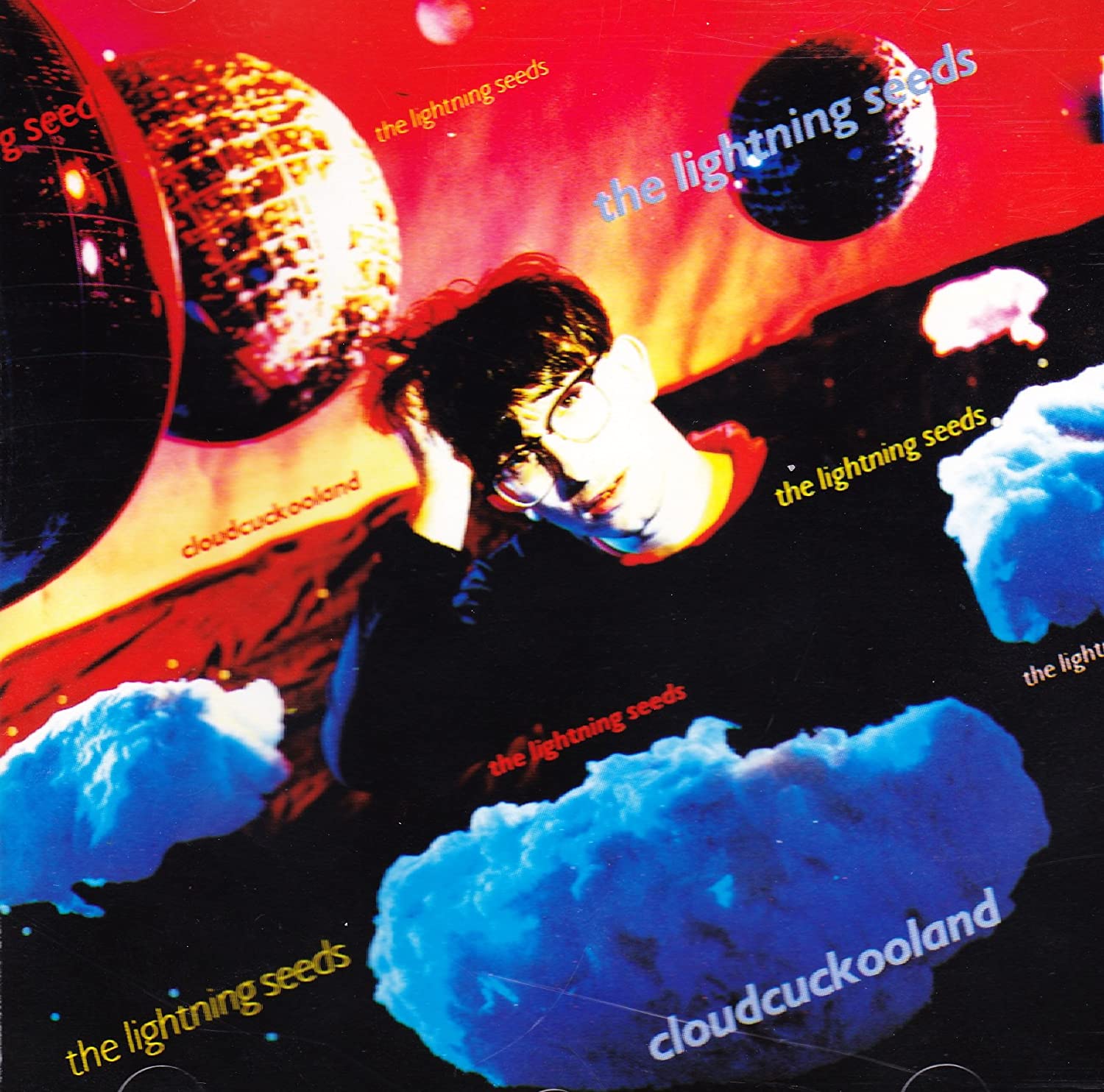
“Luckily, we kind of stumbled into it, so we’ve still got room to get better. We ought to make a real mind-blowing one this time. The stakes are high! And it’s so much fun.”

It’s been nine years since I caught Evan live, seeing a pared down but still powerful one-man Thursday night set at the University of Central Lancashire’s 53 Degrees venue in Preston, Lancashire in June 2013.

“Wow! Preston, yeah!”

I mentioned that you were off shortly after to play Glastonbury Festival, and wrote at the time (with my review here) that on the evidence of that performance you still had so much to offer.

“Ah, and my friend Nigel Mogg was there, from the bands Nancy Boy and this other metal band … The Quireboys. Nigel was my tour manager on that. But yeah, I remember Preston. A nice place. I enjoyed that gig.”

He was a man of few words that night. We got little more than the odd ‘thank you’ between songs. But it wasn’t an issue. The bulk of the songs came from the LPs that turned so many of us on to his band, It’s a Shame About Ray, and even bigger follow-up, Come on Feel the Lemonheads (a No.5 hit in the UK on release in late 1993). And he managed to get through 30 songs in barely an hour and a quarter.

“Yeah. I do a tantric thing where I don’t like to stop. I just keep going. It builds up better that way. Sometimes you’re talking, sometimes you don’t, and it’s better not to sometimes.”

Are you still avoiding playing the cover version which proved to be the band’s second biggest hit over here (peaking at No.19 in the UK over Christmas ‘92, the following year’s ‘Into Your Arms’ reaching No.14 the following October), and soon tagged onto later pressings of It’s a Shame About Ray – your splendid, shambling take on Simon and Garfunkel’s ‘Mrs Robinson’?

“Oh no, if we’re in a good mood, we’ll play that.”

On that occasion in 2013 we at least got its quirky, country-flavoured B-side, ‘Being Around’ (as included on the following album).

“Ah, that’s pretty much like a mission statement. That’s a very important song to the band … a theme for the whole thing.”

Your choice of covers suggests you wear that heart on your sleeve at times, from takes on Gram Parsons to Lucinda Williams, Neil Young, Nick Cave, John Prine … even The Eagles.

“Yeah, The Eagles one was one my girlfriend at the time was insisting on … but it came out more scary than anything else. It could be in a horror movie, it’s a sort of pale, weird, brittle performance! But yeah, don’t be afraid to state the obvious, come out and say those things, and wear your heart on your sleeve sometimes. I definitely go for that.”

Was that love of Americana, country, or whatever you want to label it, always beneath the surface? Or is it something that’s come out more in recent years?

“I’m always thinking maybe I should just move to Nashville and really kind of get into that, however sleazy and weird that is. I may go down there and try that. I really love it. My ancestors are from South Carolina, so there must be something in that. I think so.”

Listening back to It’s a Shame About Ray, I now clearly hear Elvis Costello in your delivery and songcraft, not least on the title track and songs like ‘Kitchen’ and ‘Alison’s Starting to Happen’.

“Please, yeah! Oh, come on! Even trying to hide it, I was onto myself! I was too into that. Even consciously trying to hide it, it came through anyway. I guess, using the name ‘Alison’, you’re gonna get that anyway, you know!

“When you think about it though, Elvis Costello, for me, is a cross between Doug Sahm and Fred ‘Sonic’ Smith, the way he sings and the way he writes songs. I’m reading his autobiography. I haven’t come to that part yet, where he admits that his delivery is a mix between those two!”

With that, Evan starts singing, giving me a quick burst of, ‘Little Orphan Annie and Sweet Sue too, they’ve been coming around …’ from MC5’s ‘Shakin Street’.

“And Doug Sahm’s ‘I Don’t Want to Go Home’ – if you hear that … Anyway, Elvis Costello I have massive respect for.”

Another good call from Evan, that. And how much of an influence would he say some of that music we offered on this side of the Atlantic was? For there are further clues, like the inclusion of his take on ‘Fragile’ by Wire on Varshons (2009).

“Well, we were crazy for Slaughter and the Dogs, The Adverts, X-Ray Spex … We loved all that stuff. Satan’s Rats {who became The Photos} … we really loved that punk rock. My friend Jesse {Peretz} eventually eclipsed everyone else, and we just let him buy all the singles. He had them all, and we would tape them.

“We were really into the English punk thing … super into it. We’d also play The Users’ ‘Sick of You’ … and Jesse’s helped me with this book I’m trying to do, with photos. He’s a real gifted photographer, and a director now, makes movies. And I still hook up with Ben {Deily} as much as possible.”

Speaking of past personnel, going on to that next key stage of The Lemonheads from your beginnings with Ben and Jesse, did you see the addition of Juliana (Hatfield) and David (Ryan) as the real turning point?

“It was really good. It was something about going to Australia and meeting those people in June 1991, a little before Nevermind and everything was about to explode. I went with Fugazi in October, I loved it, met people that inspired me, and it was from there that myself, Juliana and Dave would practise for an hour a day for about a month and a half.

“That was it, an hour, so your ears don’t get too badly hurt. They say the ears give up and get really harmed after that, but you can pretty much be loud for an hour. It was very serious but fun, moving out to LA to make it. That was definitely a coalescing moment.”

For that 2013 Preston show I mentioned, your 2003 solo LP, Baby I’m Bored also got a strong showing.

“Yeah, I was super-proud of that record. I think of that as my Some Girls. You gotta dream, you know! Because Some Girls was so important for the Stones. They really needed to sync then and work, and that record does it for me every time. They had so much extra stuff when they made Some Girls that they had two more albums from those sessions. They re-recorded ‘Start Me Up’, which was a reggae song.

“I used to go to Jamaica to Keith (Richards’) house, back around ’95, and there was a big cabinet full of about 150 cassettes, with weird rough mixes of those three records. I would just sit there all day, get stoned and listen. I never had so much fun!”

I can’t believe almost 20 years have passed since Baby I’m Bored. Where have those years gone?

“It is crazy!”

And it was 25 years over the August bank holiday weekend since The Lemonheads’ Reading Festival date that marked your band’s 1997 farewell.

“Yeah, the long goodbye! I have no idea. It’s funny. That’s just as weird as how fucked up things are now – the time passing. Put them together and it’s time to go on tour, I guess.”

My most recent outing for It’s a Shame About Ray was on the afternoon of our early evening (UK time) interview, and it was good to be there, transported back down the years. I reckon it’s as fresh today as on my first spin.

“Nice. Yeah, I think it’s aged pretty well. I’m happy about it. The funny thing is that the 2006 record which got reissued (The Lemonheads) sounds even better than it did when I first recorded it.”

Maybe I should return to that next. And going back to ’92 and It’s a Shame About Ray, I’m invested from the moment Evan, Juliana and David burst into ‘Rockin’ Stroll’, the cracking ‘Confetti’ followed by a rack of fine tracks that continue to prove the trio’s melodic worth, the title song followed by ‘Rudderless’, the beautifully crafted ‘My Drug Buddy’ and ‘The Turnpike Down’, before the band step up a gear for the wondrous ‘Bit Part’ and ‘Alison’s Starting to Happen’, the reflective ‘Hannah & Gabi’ then leading to a mighty finish with ‘Kitchen’ and ‘Ceiling Fan in my Spoon’ before a gear-change encore on Hair’s ‘Frank Mills’. Wonderful stuff.

And that LP marked the beginning of a highly productive period for Evan, Nic Dalton added to the mix (although Juliana was still very much involved on the vocal front) for the next big LP, another winner. On many an occasion, the peerless ‘It’s About Time’ sneaked onto my compilations around then … and beyond. But I’ll save all that for another time, other than finishing by asking Evan if he’ll be back again next year to mark 30 years of Come on Feel The Lemonheads?

“Well, that is the big question. We found the really good cover we wanted to use. Like the Blind Faith thing where they couldn’t have the pubescent chick on it, we get to change the record cover. So you can judge the record by its cover next time. And then we’ll be there, yeah!”

Tickets for The Lemonheads’ It’s a Shame About Ray 30th anniversary shows are available now. For more information, head to the band’s website and check out their Twitter and Facebook links.

  • For Jason Torchinsky’s August 2022 story behind the Evan and the Scimitar pic, try this link.
Posted in Uncategorized | Tagged , , , , , , , , , , , , , , , , , , , , , , | Leave a comment