Ready to plant my feet on solid ground – contemplating life off the road with Gretchen Peters

‘I work the high wire in the centre ring
Defying gravity, that’s my thing
Guess I never wanted no regular life
I couldn’t stand to be nobody’s wife.’

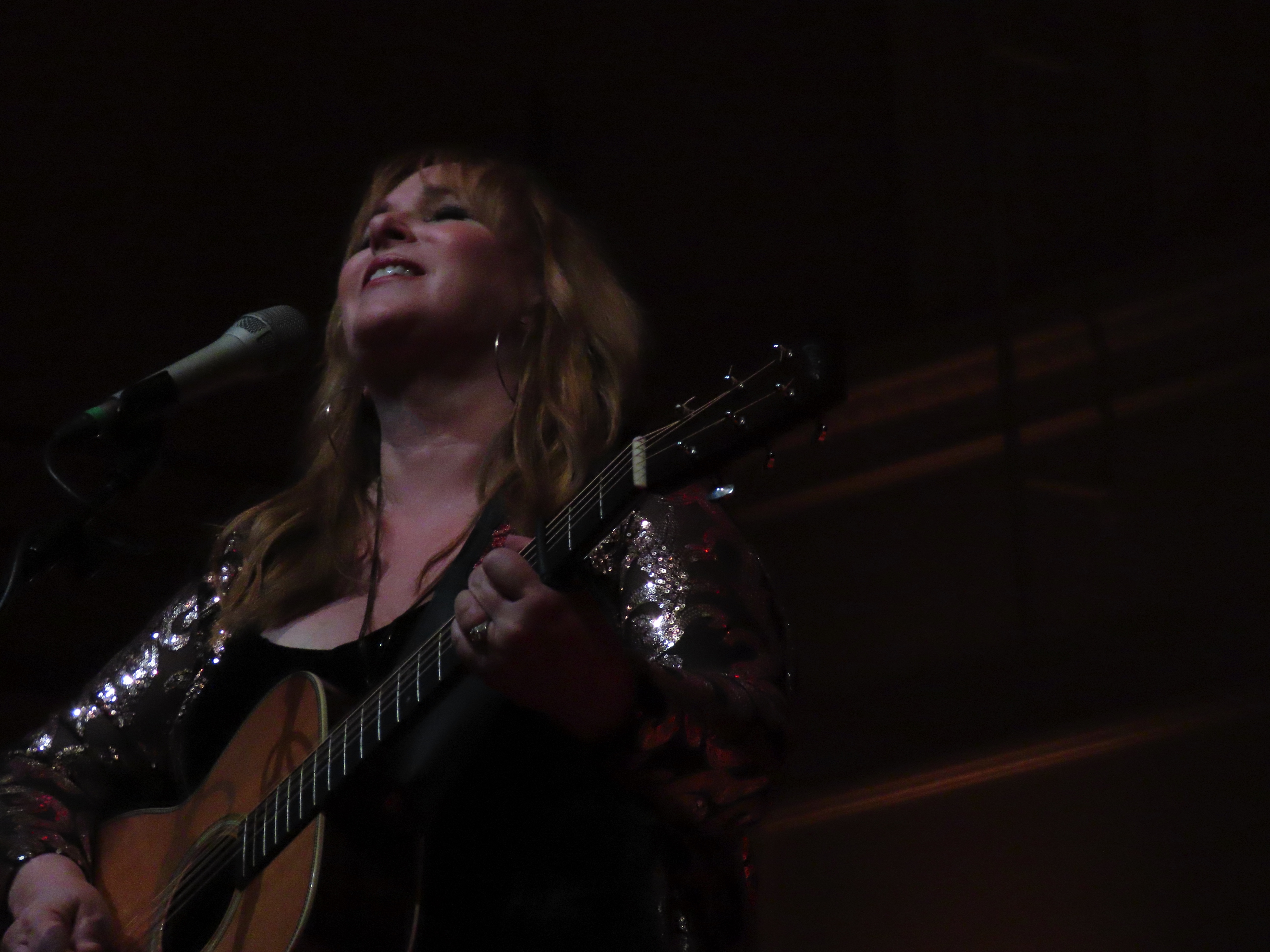
This year marks the 25th anniversary of Gretchen Peters’ first UK tour, and she celebrated this week back over here for the first leg of a two-part farewell tour.

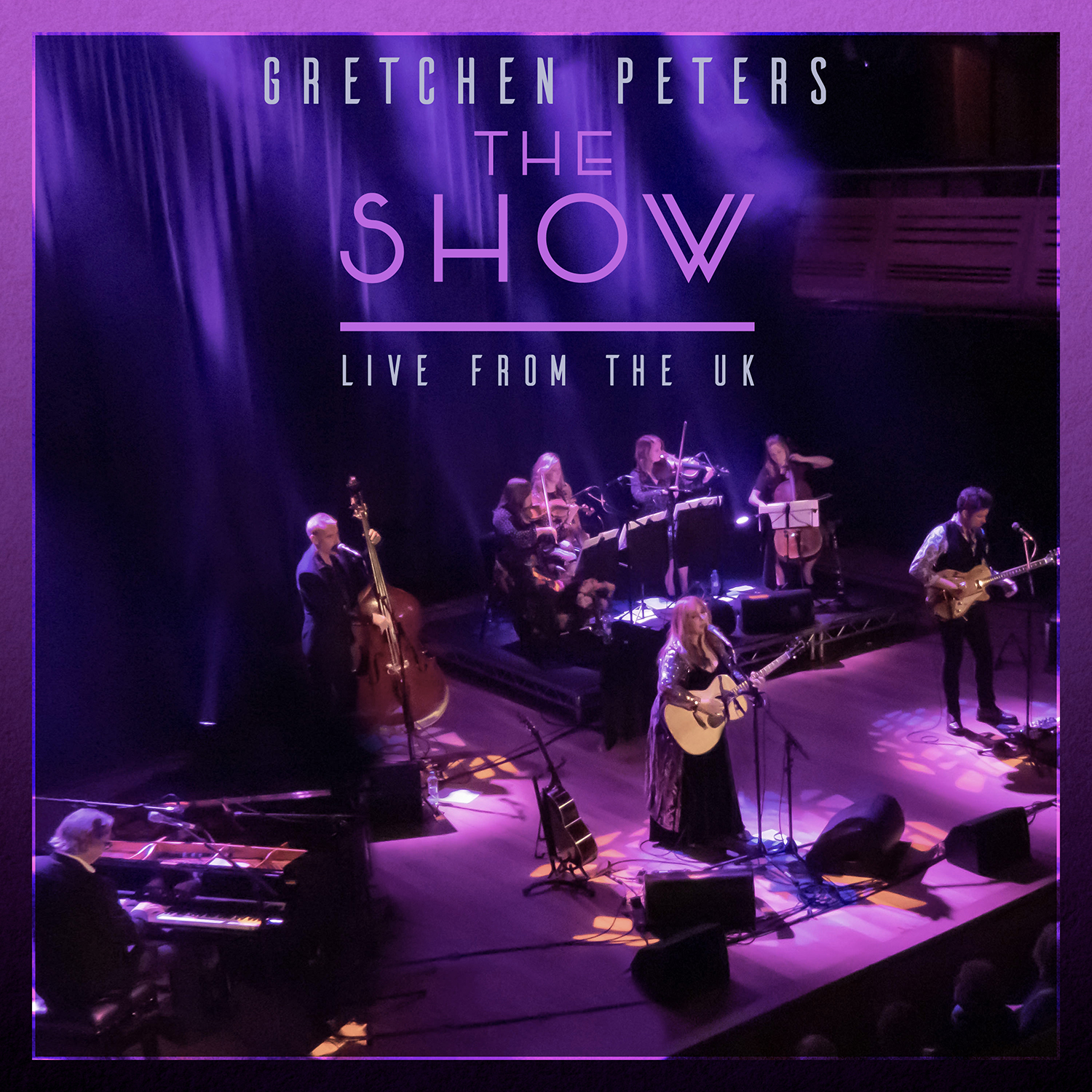
The Nashville-based, New York raised Queen of Country Noir was sharing stories and songs from her early touring days here, alongside favourites from her most recent repertoire, on the back of releasing The Show: Live from the UK, recorded on tour here in 2019 with her band – including long-time partner Barry Walsh, who she first worked with in 1990 and has toured with since 2001 – and an all-female Scottish string quartet.

Soon championed by the likes of BBC Radio 2 presenters Terry Wogan and Bob Harris, a few dates promoting debut LP The Secret of Life proved the foundation for what turned out to be an enduring relationship with fans on this side of the Atlantic, one renewed by regular returns down the years.

‘Some people tell me that I’m livin’ their dream
But things in the circus ain’t what they seem
Believe me darlin’ it’s a lonely world
It ain’t easy for a circus girl’

But just ahead of this latest visit, Gretchen revealed that this two-part UK tour would be her last. In an emotional announcement put out via social media, she wrote, ‘Music has been my church for as long as I can remember, and live performance has always been the thing that brings me closest to losing myself in the beauty and mystery of it all. Of all the aspects of my job, performing is the most ephemeral, the most of-the-moment. You can’t do it while you’re watching yourself. It’s a highwire act – and for a circus girl, that’s a nearly irresistible thing.

‘Nonetheless, after several years of soul searching, questioning, and yes, grieving – I’ve come to the conclusion that it’s time to say farewell to touring life. It has been an absolute joy to play on stages from Sydney to Aberdeen to Portland, Oregon. It has been a privilege to sing my songs for you. It has been my deepest pleasure and I will miss so many things about the road. But I am ready to stop.

‘Without a doubt, the thing I’ll miss the most is you. You’ve kept my spirits up and my wheels rolling for decades. You’ve been willing to follow me through some rough territory, song-wise, knowing that we would find beauty together in the darkness – literally and figuratively. You’ve shown your big hearts over and over again, whether donating to a cause when I asked, or sending your love and concern when I lost a friend or family member or a beloved dog.

“Seeing some of you become close to each other, even while separated by oceans, has given me so much pleasure – to have been the catalyst that brought you together is an amazing thing. Together we’ve celebrated and grieved births, deaths, marriages, divorces, heartbreaks – just like any family. What an unexpected joy.

‘Barry and I will stop touring in June 2023, but we will not stop making music, and when the opportunity presents itself we may play a live show here and there, or a livestream from home. But we are saying goodbye to the kind of touring we’ve been doing for over 20 years now. We’re ready for a new chapter, one that involves less doing and more being. We’re looking forward to less time on social media, more time at home. Less carbon footprint, more footprints on the hiking trail.

“While I’m on the subject of Barry Walsh, I need to say once again what I’ve said for over 30 years now: there’s no one on earth I’d rather make music with. Since the first recording session of mine he played on in 1990, since the first tour we did together in 2001, his sensitivity and intuition has been nothing short of inspiring. I still get a thrill waiting to hear what he’ll play next. It’s never the same, and it’s always just right.

‘The music business has become increasingly, relentlessly demanding of artists. The pressure to release new “content” (not a synonym for art), to churn out singles and albums and videos and reels and posts on a prescribed schedule, often utterly out of sync with the artist’s internal one, isn’t producing more or greater art. It’s just increasing the noise and exhausting the artists. As someone who has always needed to let the field lie fallow in between creative bursts, I understand the pressure on young artists – and I hope they will resist.

“We need better songs, not more of them. We need artists who want to make art that lasts, not content that’s digested in the time it takes to scroll through your Instagram feed. I’m so grateful to have found you, an audience who understands this and has given me the grace to create on my own clock. My deepest thanks and love to all of you who have been coming – for years, and even decades – to share that sacred space in the dark with a song.’

Inducted into the Nashville Songwriters Hall of Fame in 2014, Gretchen has accumulated many awards and accolades en route, writing songs for artists as diverse as Etta James, Bonnie Raitt, The Neville Brothers, George Strait, Bryan Adams (receiving a Golden Globe for ‘Here I Am’), and Faith Hill.

Her song ‘Independence Day’, recorded by Martina McBride, won a CMA Song of the Year awardin 1995. also landing the first of her two Grammys, the other following a year later for Patty Loveless’ take on ‘You Don’t Even Know Who I Am’.

What’s more, 2015’s career-defining Blackbirds was an International Album of the Year and Song of the Year for the UK Americana Association. And that year The Telegraph named her as one of its 60 greatest female singer-songwriters of all time.

Blackbirds was followed by 2018’s similarly feted Dancing with the Beast, ahead of the pandemic, the international tour for her most recent studio album, The Night They Wrote the Song: The Songs of Mickey Newbury, delayed accordingly, although the LP was still released in 2020, praised by Rolling Stone as ‘mesmerizing’, Gretchen offering her own spin on 12 numbers from the catalogue of a respected Texan songwriter (he died in 2002, aged 62) perhaps best known for ‘An American Trilogy’, as popularised by Elvis Presley, who along with Johnny Cash and Roger Miller was one of the first to rebel against the conventions of the Nashville music society, with John Prine also among his fans.

But now she’s finally back out on the road concentrating on her own song catalogue, Gretchen getting ready for that night’s opening UK show when I called, one of two at King’s Place in King’s Cross, London that bookended the first part of a two-legged tour (the second tonight, Friday, September 2nd) she is set to complete next year. Were there still nervous moments ahead of her tours, all these years on? Were Gretchen and her band excited?

“We are, especially because it’s essentially three years since we’ve been back, because of Covid. So it’s almost like it’s happening for the first time. There’s a combination of excitement and, ‘Oh, my gosh, how do we do this? Ha!”

I’m thinking the muscle memory should kick in on the first, second or third song though.

“I think you’re right.”

I make it nine dates this time, with another 10 starting next May. Have you been over a few days, acclimatising?

“Yes, in our old age we’ve learned a few things about doing this. We now give ourselves a couple of days to acclimate … because I don’t absorb the jetlag the way I used to. It takes a little longer to get over it.”

We first spoke in 2015, then again in 2018, and 2019. And I last got to see you live and meet you in May 2018 at the Royal Northern College of Music in Manchester, on what proved a memorable night.

“Ah, beautiful!”

Who could have guessed what was coming next though, with the pandemic and so on?

“I know. I think at that time we had our 2020 UK tour already set. We were anticipating that and knew the dates. And then … but here we are, two years later.”

Am I right in thinking several of these dates were already pencilled in for the proposed UK tour promoting The Night They Wrote the Song: The Songs of Mickey Newbury

“Yes, we were planning a tour around the release of that album, and never got to do it. And since then, we’ve released another album. It was really difficult to put that album out in the middle of lockdown and everything. But I will say there was one sort of silver lining, that the album did really well, considering. I mean, fans bought it, and I think in some kind of way, people at that point – May or June 2020 – really needed music. It was a lifeline for people, and I really fought for keeping our release date because of that.

“(That lockdown) served all kinds of purposes – it was cathartic; and it meant there was some kind of connection with people outside your bubble … wherever your bubble was. I think music always helps people to feel, and we were all feeling an awful lot at that point.”

There was a lot of overthinking for lots of us as well, perhaps. But maybe part of being back on the road is about finally putting those worries about ‘how do I do this?’ aside.

“Yeah, I had plenty of time and did a lot of thinking about it. And there’s a certain thing I figured out, quite a few years ago. When you’re touring, there are nights when you’re really tired, or there are nights when you have something going on, personally, or whatever it might be. And I learned at some point that you bring whatever you have to the stage, and try to channel that into your performance, rather than tamping it down, pretending it’s not there.

“I don’t know what’s going to happen on this tour, or what’s going to happen tonight, but I have a feeling it’s going to be quite emotional, and I’m welcoming that with open arms, because I know I’m going to feel that way after all this time, seeing those people and hearing them …

“If there was one thing that really came home to me during the period when we weren’t able to tour, it was how important being in the same room with people is. Online concerts are great in lieu of nothing, but they’re not the same at all.”

Her reputation growing year by year, it must have taken some soul searching to decide to stop touring after this two-part tour. Was that down to having more time on her hands to think that over, or was she already thinking that way – pre-pandemic – with regard to announcing this final two-legged farewell tour?

“I’ll put it this way, I was definitely entertaining the questions, even before Covid happened. Even in 2018 and 2019, I was feeling the amount of work I was doing and the amount of touring we were doing was unsustainable in the long run, and I had to make some adjustments. And just dealing with the question of, ‘who am I if I’m not doing this?’ because I’ve been doing it for so long.

“But I definitely believe the pandemic put those questions in stark relief. It also gave me a lot of time to see what life looks like when you’re not constantly moving, and that was very educational. I think it certainly probably hastened my decision, or at least solidified it.”

I get that. That happened with so many of us, not least questioning what we were doing with our time, working out what was most important for our own wellbeing, ourselves and our loved ones.

“Well, so much of the time we operate on momentum – we just keep going, doing the same things we did. And I think one of the things that happened for a lot of people is that pause in life was the first time we looked around and said, ‘Okay, I do these things, but why do I do them?’

“That was really key for me to start thinking about what was burning me out and what was feeding me, and to try and turn towards the things that were feeding my creative self, my soul, and so forth. And away from the things that were in danger of burning me out, which was really too much work, without being intentional about it.”

In my case, like with many others, it was time to reappraise priorities in your life, taking stock.

“There was a lot of that going on, for a lot of people. I was no different. I was definitely going through the same sorts of things.”

‘It’s just that sometimes I get so tired
Of goin’ nowhere on that little wire
I’d like to plant my feet on solid ground
But God have mercy it’s a long way down’

I get the impression your decision to quit the international touring circuit was no spur of the moment judgement call, and this will be no Frank Sinatra-style retirement – you know, ‘Offer me enough dough, and I’ll be back.’

“Ha! Well, I did say, and I will stand by this, that we’re done doing the sort of touring we’ve been doing for 20 years or more, playing 10, 15 or 20 cities at a time. However, it doesn’t mean an end to us making music and, you know, we may pop back for a festival, a one-off show or even, I don’t know what, but it’s not going to look like the long tours covering the entire country, like we did before.

“That’s the thing for which we decided we’re done. And we’ve loved it. We’ve incredibly grateful to the people. I mean, for 25 years, people in the UK have been coming to see us, and I still see a lot of people on the front rows at shows that were at those little venues 25 years ago, so it’s with a lot of gratitude and a lot of warm feelings about all that. But we decided that for our own lives, sanity and health and everything else that was part of it, it wasn’t sustainable for us anymore.”

‘So I climb that ladder right on up to the sky
I don’t look down and I don’t ask why
And just for a moment I’m on top of the world
Just for a moment I’m a circus girl’

I guess there will still be travel opportunities though, because travel and meeting people is a key part of what makes you tick. I’m guessing the guitar will still be loaded in the back of the truck from time to time, given the chance.

“Possibly, yeah, but we don’t love carrying the guitar and accordion around, I have to tell you! But definitely, with Barry and I, travel is a big part of what we love. So that’s not going to stop, although I will say travel is not as much fun as it used to be. Maybe that will improve. It’s pretty horrible right now, but maybe we’ll find some kind of new equilibrium.”

So, it’s not necessarily time for the Queen of Country Noir to hang up her plectrum, so to speak?

“You just never know. What I’m really trying to do is make space for whatever’s next. That’s kind of what I’m focused on, but I wanted to share my decision with people, because for one thing I sort of selfishly want to have a chance to say goodbye.”

Your online announcement inspired me to look back at something you told me in 2019, when I asked about new songs and whether they came to you on the road, you responding that they were, ‘Just little glimmers – they’re little fireflies in a jar at this point. They’re not real songs. The thing I do on the road that I am able to do is catch ideas and write them down and squirrel them away. The thing I’m not able to do is flesh them out, finish and edit them. That’s really a kind of hammer and nails aspect of it, and that’s the thing that really requires that downtime.’ I’m guessing you’re looking forward to exploring that additional downtime come next summer.

“Yes, and I think the other thing about it is that the key is to have that downtime this time without expectation, because that’s already given me such a sense of freedom. I could write something other than music if I wanted to. I don’t know what I’ll do, but just to have that feeling that it’s wide open and there’s no schedule and no expectation … that’s something I haven’t felt for a really long time.”

With your lyrical qualities too, I can see a novel coming next.

“Well, you never know. And I really mean that – I’m not being coy, I have no idea what will come, but I have a feeling that with some downtime and time to think about and sort of process everything that’s happened, there’ll be some sort of an itch to write something!”

Clearly, your domestic, studio and touring soulmate Barry is key to all this, but it’s also good to see Kim Richey back on the road with you, having gone down well last time around in the UK, opening for you. You’re sisters out there on the road, aren’t you?

“We are, and we’re so happy to have her out with us again. I mean, she’s so much fun. Not to mention the fact that just having her sing with us elevates everything. She is one of the greatest singers I know. And everyone loves her. It’s such a … you know, it’s having three cherries on top instead of one, to have her out, so people can hear her songs, and for us to have her sing with us. We’re really looking forward to that. And she’s a lot of fun on the road.”

I gather this year marks the 25th anniversary of you first setting foot on a UK stage, plugging your first LP. Where was that first gig? And how was the turnout and crowd reaction?

“Oh, gosh, it was actually 26 years ago that my record came out (The Secret of Life). I think I did a couple of little gigs at that time, but it wasn’t really a tour. So technically, my first tour was 25 years ago. I want to say there were four shows, and one of them had to be London. I’m sure that that was true. I’m pretty sure we played Glasgow, and I know we played Sunderland as well.

“I’m not sure where the other one was, but I think the Sunderland show might have been the first. It was tiny. It was a bar. I had no expectations. It was my first tour, it was a very small venue, but it was a respectable turnout. There were probably, I don’t know, 50 or 60 people there. The sound was great, and it was fine with me.”

I’m pretty sure there will be people coming up to you before and after shows, letting you know exactly where those first shows were.

“Oh, they’ll have photos of their ticket stubs! I get corrected all the time, online, because my memory’s not very reliable when it comes to stuff like that. But I see those familiar faces, every show almost, and it’s so wonderful – we have a history together, and it’s great. They feel like part of the family to me.”

And you’ll be sharing a few stories between songs, stirring up some grey matter.

“It’s gonna be as much of a challenge for my memory as it is for everyone else. But yes, I hope to, especially as this tour we’re doing right now is about half with our band, then half with just Barry and me, and then Kim. Especially the ones that are sort of the unplugged shows, as I’m calling them. But I will have the time and the freedom to tell some stories and talk about our early years a little more, because I’ll have the flexibility to do that. So that’ll be fun.”

Finally, it’s nice not to have to talk so much about Old Man Trump in the White House. I know (worryingly), he hasn’t gone far away, but it’s great to be talking about more positive aspects of life … in America, at least.

“Yeah, we’re still locked in a death struggle over there, but I have reason to feel a little more optimistic these days. I hope that’s not misplaced. And honestly, at this point, I’m choosing to be optimistic, because I think that’s the right thing to do.”

But you’re over here now, and no doubt you could already see the parallels with our own broken system and Government.

“Oh, I’m paying attention, there’s no question, because, you know, we’ve gone on parallel paths, our two countries, and I think it’s not only that I’m just interested, but also I think it’s educational to watch what’s happening, because we have definitely followed those parallel paths. It’s informative. But here’s sending out a positive thought for both of us.”

Lyrics from ‘Circus Girl’ by Gretchen Peters © 1993 Sony/ATV Tunes LLC/Purple Crayon Music, found on The Secret of Life (1995).

Gretchen Peters’ latest UK tour dates, with Kim Richey as special guest, kicked off last week in London’s Kings Place and Wimborne’s Tivoli Theatre, and Leeds’ City Varieties, returning to Kings Place tonight (Friday, September 2). She then joins Beth Nielsen Chapman and Dan Navarro  on an eight-day Danube cruise from Budapest in October, with a few US dates before she returns to the UK and Ireland next year, on that occasion visiting The Mac in Belfast (May 3), Lowther Pavilion, Lytham (May 4), The Sage, Gateshead (May 5), Liverpool Philharmonic Hall (May 6), followed by four dates in the Netherlands before a UK return to play Bury St Edmunds’ The Apex (May 17), Buxton Opera House (May 19), Birmingham Town Hall (May 20), Bexhill’s De La Warr Pavilion (May 21), Cardiff’s St David’s Hall (May 23), Swindon’s Wyvern Theatre (May 24), Exeter’s Corn Exchange (May 25), and finishing at London’s Cadogan Hall (May 26). For tickets head here, and more information on Gretchen Peters, the new live album, and her past releases head to her website. You can also keep in touch via Facebook, Instagram, and Twitter.

Posted in Uncategorized | Tagged , , , , , , , , , | Leave a comment

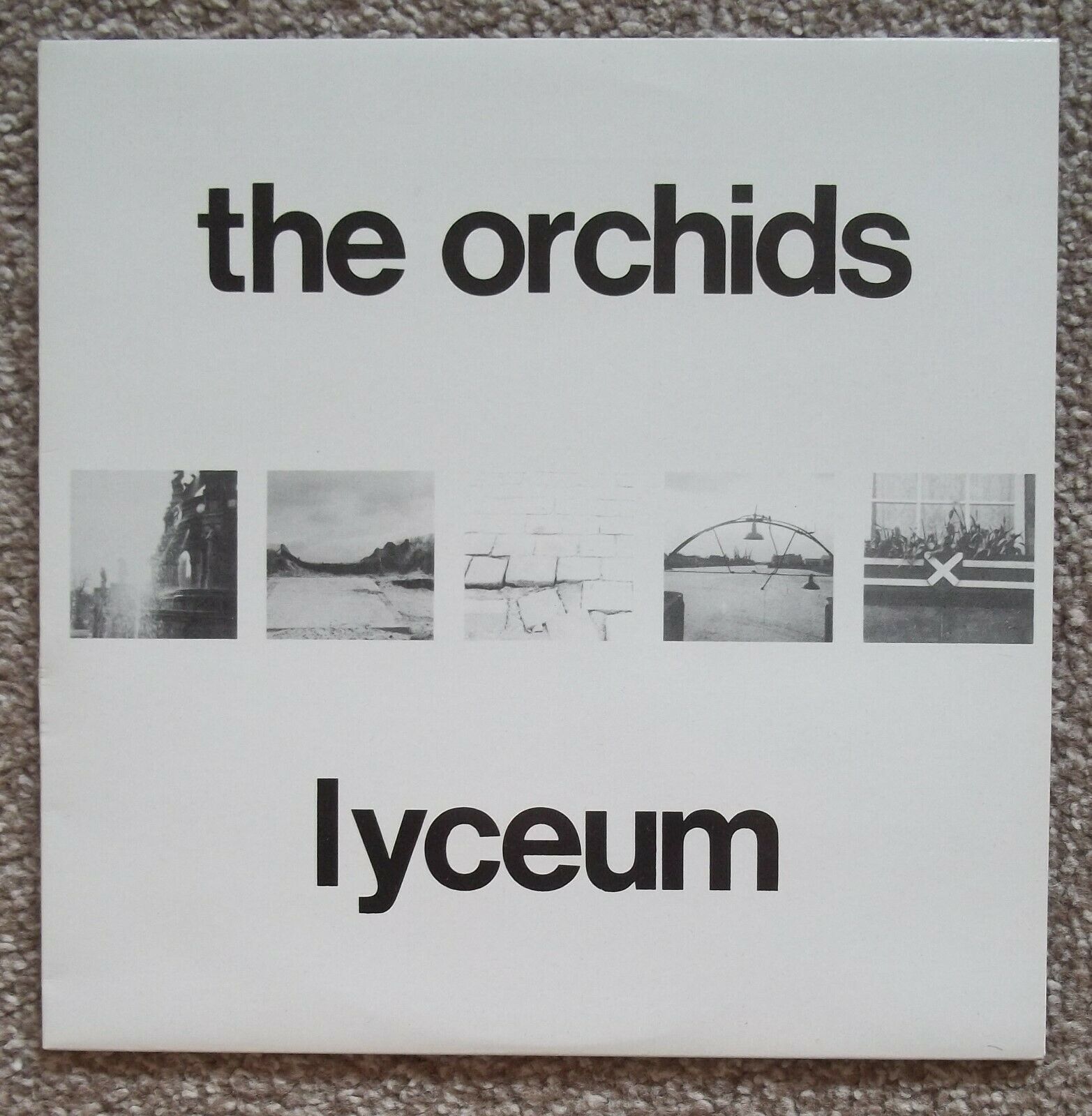
Dream on – catching up on The Orchids with John Scally

It’s always a pleasure to discover a band you previously knew little about, but instantly chimes with you. And that was the case for me in early 2017 when I chanced upon The Orchids live for the first time.

When these cherished purveyors of sophisticated Caledonian indie pop played The Continental in Preston, Lancashire, I knew the name and a bit about the Sarah Records label they once recorded for, and had it in mind that legendary BBC Radio 1 broadcaster John Peel was a keen supporter (from the moment he aired their first single in 1988, in fact). But that was as far as it went.

I turned up chiefly to see the reformed Chesterf!elds that night, but was smitten by the headliners too (the review is here), and I’ve been catching up ever since … albeit three decades late. And thankfully they continue to make great music and put in occasional live appearances, this Glaswegian outfit about to deliver a seventh studio LP, Dreaming Kind.

I heard a couple of tracks from the new record when they returned to the Conti a year ago for the Preston Pop Fest three-dayer, where it was clear that here was a band about far more than churning out old indie cult classics, near-hits and should-have-been-hits.

And it turns out that Amelia Fletcher and Rob Pursey, playing the same event that weekend with both The Catenary Wires and Swansea Sound, were similarly impressed … to the extent that they decided there and then they’d like to release the next Orchids LP on their Skep Wax label.

As Rob put it, “The first gig we went to after lockdown was the Preston Pop Fest. It was an emotional occasion. Many bands were playing for the first time in two years. The Orchids were really special that night. We were surprised to hear so many new songs, and such great new songs too – really powerful.”

Amelia and Rob were also with Sarah back in the day, as key components of Heavenly, and dwelling on The Orchids’ past, the label insisted, ‘Their songs were as emotionally pure as anything else on Sarah Records, but they were always a step ahead of their peers in terms of song arrangements and musical ambition. With a casual, unpretentious air they made writing perfect pop songs seem easy, almost accidental, several great releases following.’

They weren’t alone in seeing and hearing that, The Orchids having soon secured a passionate following – ‘people knew a good thing when they heard it and they hugged it close.’ A loyal fan base it is too, judging by the numbers still catching them where they can. And now it’s hoped more folk will be let in on the secret. Besides, after a couple of listens, I’m already convinced about the quality of Dreaming Kind, the promise of advance single ‘This Boy is a Mess’ and opening track ‘Didn’t We Love You?’ duly met.

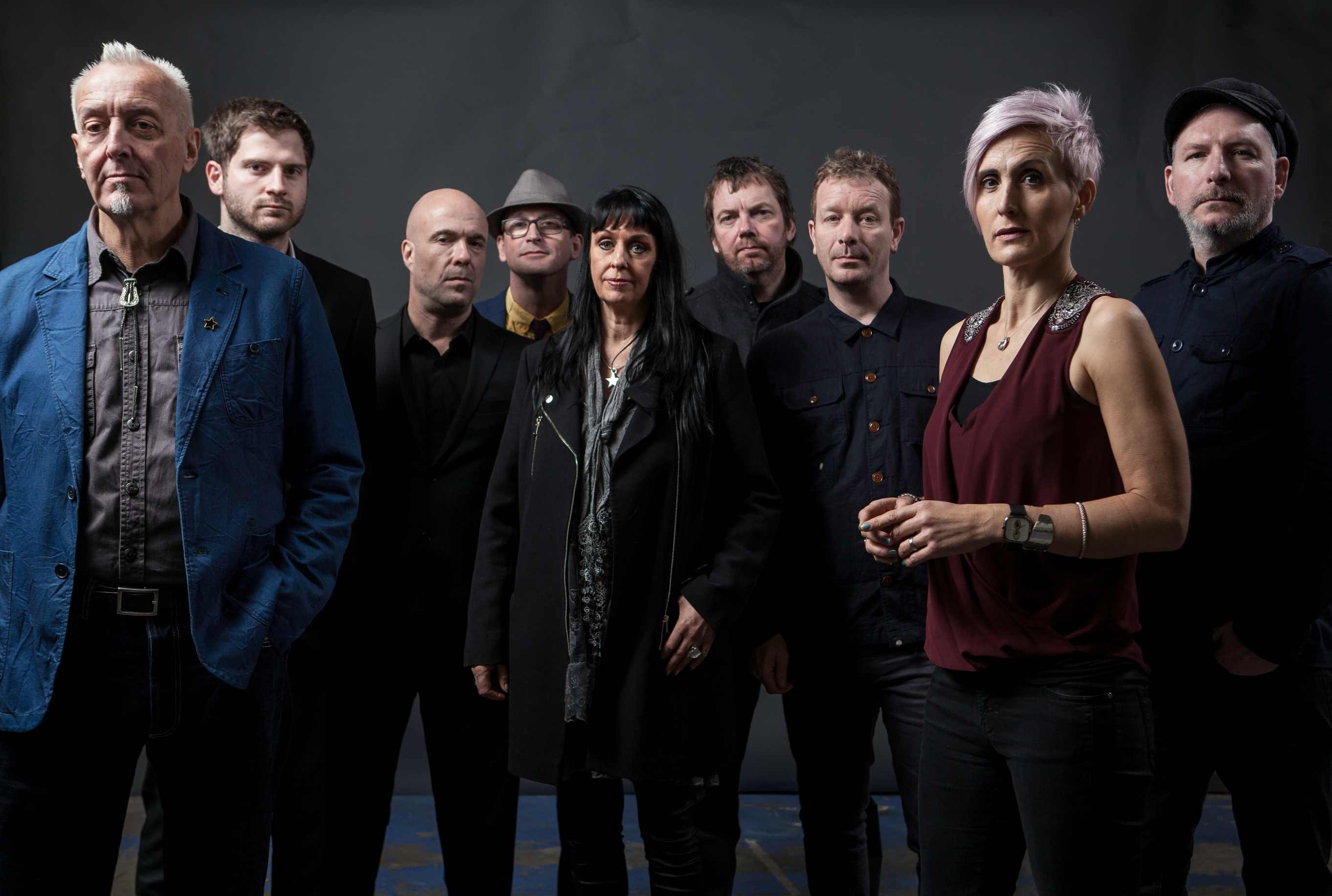
The Orchids’ line-up these days comprises originals James Hackett (lyrics, vocals, acoustic guitar, melodica), John Scally (lead guitar/keyboards) and Chris Quinn (drums, percussion, his older brother Paul also adding percussive touches on the new LP), plus Ronnie Borland (bass, keyboards, guitar, backing vocals), who joined briefly in ’93 and has remained involved since they reformed a decade later, as is the case with Keith Sharp (rhythm guitar).

Listening back now, I know I should have fallen for this South-West Glasgow combo from the start. But by the time they were on my radar, I’d started to drift away from the world of jangly indie pop. That went for my perception of much of Sarah Records’ output, perhaps to some extent scared off by the withering attitude of some of the established music press. My loss.

Now I hear 1989’s ‘It’s Only Obvious’, 1990’s ‘Something for the Longing’ and 1991’s ‘Bemused, Confused and Bedraggled’ and ‘Peaches’, I know how far up my proverbial street they all are. I also hear Go-Betweens traces on tracks like ‘Tiny Words’, ‘What Will We Do Next?’, ‘Magic in Here’, and the gorgeous, Velvets-like ‘Welcome to my Curious Heart’. Move along, nothing not to love there. As for later pearls like 2007’s Another Saturday Night’ and 2014’s ‘Something’s Going On’, how did I miss those first time around?

The afore-mentioned John Scally is a social worker by day, working for a mental health charity, around 30 years in his line of work behind him. Were The Orchids ever a full-time career option?

“Erm … way back when we were younger, students and that. But then we would just take time off work, and never actually reached a point that we were full-time. Myself, Chris and James always had jobs … since we were kids. We never had the luxury of being full-time. They never made us an offer!”

Were Chris, James and yourself ‘the Penilee three’ who put the band together?

“Yes, we grew up together, lived in the same street, went to the same school, going all the way through to secondary school, and at 14 and 15 – getting into music – it kind of transcended from there.”

What was floating your boat back then, musically?

“Obviously, there was Postcard Records, stuff like that. But I’d always been a huge Beatles fan, and from 13 or 14 was into early Simple Minds, back to things like ‘Empires and Dance’. James was into things like Steel Pulse, Chris was into New Order, Joy Division … a whole load of things.”

That eclectic taste makes sense, judging by the wide canvas of influences colouring your output. And you seem a cultured bunch.

“Again, we were really lucky, because in the early ‘80s the Barrowlands had reopened in Glasgow, and there would be something every week to go and see, like Aztec Camera, Echo and the Bunnymen … and at that time the Splash One happening in Glasgow.”

For the uninitiated, the latter was a short-lived indie scene at 46 West George Street from 1985/86, homegrown acts such as Primal Scream, BMX Bandits, The Pastels, The Shop Assistants and Jasmine Minks joined by feted cross-border visitors such as Sonic Youth, Wire, and The Loft.

John’s not ventured so far from his roots, these days based down the coast in Prestwick, a 40-minute drive away ‘on a good day’ (and closer by train) from the city. And he tells me, ‘Life on the Ayrshire coast is good. It’s quite cosmopolitan, it’s got a high street about two miles long, and 10 pubs. It meets the criteria!”

Are you a social bunch as a band? Do you meet outside rehearsals, recording and live shows?

“Oh aye. Not as much as we used to, but when we have rehearsals, we have a pub we meet up in, going for a pint before.”

I’m only a few listens in, but the new LP is already resonating. I’m guessing you’re pleased with the results.

“We are! It’s been a long haul. It always takes time to get an Orchids album together these days. We started with very good intentions of having it finished for some point in 2020, but then Covid happened.”

Our interview fell on the first anniversary of the band’s return to The Continental for the Preston Pop Fest, and there were a few songs then which were new to me.

“I think we played two new songs. We played ‘Didn’t We Love You?’ that night.” 

When I first caught you at the Conti in 2017, I was there first and foremost for The Chesterf!elds. You were a name to me, but I missed out on the Sarah Records bands as a live phenomenon. But your following that night certainly seemed to know all the words, helping you through.

“It’s a funny thing, a musical journey – if you discover things at a different time in your life and they bring you joy and excitement … that’s just life. There’s lots of stuff you discover at an older age and think, ‘How did I not discover that years ago?’

Similarly, it took me a while to realise producer Ian Carmichael (keyboards, rhythm programming, and arguably the band’s sixth member) has proved integral to your story, knowing him chiefly through his collaboration with Dot Allison in One Dove.

“Yes, and again, it’s one of these things. Ian always offers his service, and we can’t really knock him back, because we don’t really pay him much! Ha!”

What does he add to the band through his studio craft?

“Well, the songs on the album are ours, but we give Ian credits because he’s involved in some arrangements and so on. And if he was to send us a bill for the amount of hours spent on this album …”

… You’d be working until you’re 75 to pay him back, yeah?

“It would be a hefty bill! But I guess this makes it an equal partnership. If we end up with a No.1 hit that makes a couple of thousand pounds, he’ll get some money!”

Let’s hope so. I’ve written so many times down the years that this or that track should have been a chart-topper in a perfect world, but clearly have little idea of crossover potential. What I find refreshing though is how many bands from the ‘80s and ‘90s back out there now are doing it for all the right reasons, concentrating on a love of playing live, recording and hanging out rather than chasing contracts and hits. And that often shows – as is clearly the case with The Orchids – in the quality of the songcraft.

“As I say, we all have jobs, so a lot of the time we fund the band. Don’t get me wrong, we still get money coming in, but if we play gigs, we have to subsidise it. And we love to go in luxury these days. We don’t like driving!”

You’re not still using that cool VW bus then, all piling in and heading for the seafront like you did on the ‘Another Saturday Night’ promo video?

“Ah, It’s one of those things. I’d love to get back in the campervan, but you can’t go anywhere, it seems, without finding a bus lane or triggering a congestion charge.”

I think a few of us have fallen foul of that in strange cities before now. Talking of your past, I also see long-time associate Pauline Hynds Bari (vocals) is on this record too. Another key link to the band’s rich history?

“She is, and when we need a backing vocalist, Pauline’s always there, the first we go to. But she’s out on Barra, about five hours away by boat, so it’s not easy to get hold of her at times! She’s been there for maybe 20 years.”

This will be your seventh studio album and your first since 2014. That doesn’t sound too long ago in my head, but I guess it is between releases.

“It is, and a lot’s happened between the years. In late 2015 I took really ill, ending up in hospital, needing heart surgery. I had a bacterial disease, a really rare thing that attacked my heart valves. That put me out of the game for the whole of 2016.”

In fact, that February 2017 date in Preston was their first outside Scotland since that forced break. Is John back in good health now?

“I’m fine, it was one of those things. I just have to be really careful with medication, things like that.”

As it was, his band were seemingly among the few Preston Pop Fest attendees who avoided catching Covid that weekend. But he tells me he finally succumbed after seeing Simple Minds at Glasgow Hydro (in the company of a 15-year-old nephew who had recently discovered the South Side big-hitters) in April.

Like Jim Kerr, Charlie Burchill and co. before them (in 1979 and 1982), The Orchids recorded two sessions for John Peel’s highly influential BBC Radio 1 show in 1990 and 1994, the legendary broadcaster first playing them in 1988, helping them on their way.

“Oh, straight away he was giving Sarah Records airplay, and kept that up. And those two sessions with him are about to be re-released on vinyl by Precious Records. They might come out before the end of the year, depending how fast the record plants are all working.”

Both sessions were recorded at Maida Vale. I realise he rarely got down to his sessions, but did you ever meet Peelie?

“No, but Dale Griffin was the producer/engineer, so that was pretty good. I was into Mott the Hoople and told him ‘Roll Away the Stone’ was one of my favourite songs when I was about eight.”

How did that Sarah Records link-up come about, not least with them being Bristol-based?

“We had a friend, Karen, involved in Glasgow fanzines, and she corresponded with Matt (Haynes) and Clare (Wadd). She sent off one of our demos – she didn’t tell us until after – and told us, ‘They want to do a flexi single and they’d like to put this song on it.’ That’s when it kind of snowballed.”

Were they a good label to be with?

“They were great. Matt and Clare are great people, so straight down the middle, very flexible with what you wanted to do, and it fitted in with everything we wanted to do. We were just happy somebody wanted to put out our records, everything a 50/50 equal share.”

Now it seems to have come full circle, former Sarah labelmates Rob and Amelia stepping up through the Kent-based Skep Wax label. I’m guessing you knew each other from their Heavenly days, so to speak.

“Yeah, and in recent years we saw Rob and Amelia when we played the Madrid Pop Fest, and we’d often see them at gigs. It was maybe just prior to Preston, corresponding. They were writing new songs and looking for places to book, Rob said he was going to start a label, and we mentioned that we were trying to get an album finished.

“He said they might be interested, keep us in mind. When it all came together, it fitted perfectly and just seemed the right thing to do. We were keen to try to talk to other labels, but Rob and Amelia seemed to have an idea of what they wanted to do and how they were going to do it, and we thought that sounded easier. And The Orchids always go for the easy option we’re quite lazy when it comes to those things!

“And I have to say, so far Rob and Amelia have generated so much interest for the label. We were saying the other day, after they sent an up-to-date press update about how many people wanted an interview and had showed interest in the album, we’d not had that in years! It was like, ‘Another interview?’

“It’s brilliant, and the (Skep Wax) compilation (Under the Bridge, with The Orchids one of 14 acts featured) has done really well. It’s just about sold out, and they’ve sold all the CDs, far as I know.”

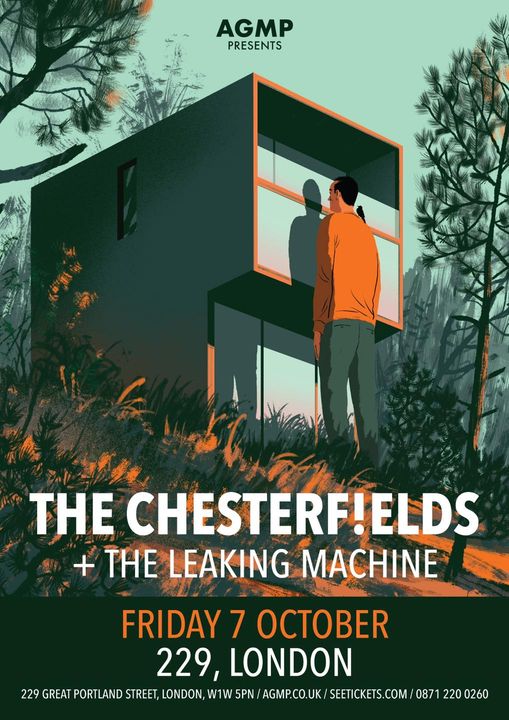
There are live dates lined up, I see, including an album launch at 229 in London. Is there a Scottish launch date as well?

“Yeah, we’re hoping to have a Glasgow gig the week before. We’re just waiting for that to be confirmed.”

If the Barrowland Ballroom will have you?

“Oh aye! That’d probably be the last gig The Orchids would ever do, I think! But nah, it’s never beckoned. And we’ve never been asked for a support slot. I don’t know what we’ve done wrong!”

Well, they don’t know what they’re missing. I was looking at the excellent Toppermost website’s Orchids tribute, where Rob Morgan writes in a neat appreciation of the band (linked here) how you’d ‘quietly released some of the best pop music of the late ‘80s and early ‘90s.’ There’s definitely something in that.

“Ah, it’s just one of those things. We were just a bunch of guys who were really happy to be offered gigs, and in the early ‘90s we were really happy to be invited to play Switzerland and Germany, all expenses paid trips. And that will do for us.

“We never really courted major record deals or anything like that. At one point there was maybe talk that Chrysalis Records and Go! Discs or something like that were interested. But again, we didn’t really show any ambition. And hey, this is part of life.”

You certainly have loyal support. That struck me the first time I saw you. There you were, 190 miles from home, and it was like a Glaswegian takeover, the crowd more or less an extension of the band.

“At Preston? I have to say, we were really overwhelmed by that, our first gig in a number of years, and we had no idea what The Continental would be like. I think it’s one of the best venues I’ve ever played. And Rico is an amazing guy, a lovely man.”

That’s Rico la Rocca, aka promoter Tuff Life Boogie, who put together 2022’s Preston Pop Fest, seemingly against all odds in Covid times, yet somehow pulling it off.

They’ve not long since rocked the happening Glas-Goes-Pop indie festival too, And I guess it’s easy to play the geographical card, as so much I hear in The Orchids reminds me of so much I admire about so many bands from their patch and thereabouts, from Aztec Camera to The Go-Betweens and so on, the latter adopted Scots, of course …

“Yep, The Go-Betweens are a big part of The Orchids. We love their albums and saw them numerous times in Glasgow.”

Then there’s Lloyd Cole and the Commotions, Orange Juice, and Teenage Fanclub in more recent years, and even next generation bands like Camera Obscura.

“Yeah, all bands that are in the mix.”

And while on that first time I saw you it was more of a ‘best of’ set, we now see how strong the new songs are as well, as hinted at in last year’s return, that trademark mix of melodic and sometimes lilting and dance-edged songcraft truly evident. What also grabs me is the never-OTT delivery – the guitars, rhythm section and James’ vocals, always subtly effective, working so well. I’m sure it’s not the case, but it seems that you’re hardly breaking sweat at times.

“Erm … I don’t know about that. It depends how many beers we’ve had!”

All the same, the quality of the songs shines through, and you seem at ease with it all.

“I think it’s one of these things, because we all have busy family and work lives, it’s not like we rehearse every week. But for the gigs coming in October we’ll probably start to rehearse in the next few weeks, and we make the best use of the time we have.

“We just need to focus on what we need to do and how we do it. I guess we have a formula, and it works for us, but we do try and throw things in the mix, and see what works, because we like to be different. I’m a big Van Morrison fan and some of his albums are very much the same, but for The Orchids we’ve always tried to make the next song a bit different.”

That breadth of style is incorporated on this new LP. And what was the thinking behind the title, Dreaming Kind? Is there an overriding manifesto or theme?

“I think it’s about everything that’s happened in the last couple of years in terms of Covid and mental health and people’s wellbeing, and the title is in one of the lyrics of the songs (‘What Have We Got To Do?’).

“We spent ages debating album titles. In The Orchids, we probably spend more time on album titles than we do writing songs … going back and forth! Dreaming Kind was in the mix and kind of stuck, and we decided to go with that.”

Well, again, it fits perfectly. And will there be a North-West England date this time?

“We would love to. We don’t like driving anywhere, but can get a train, so Preston’s perfect. We have tried to get promoters in Manchester interested, but it just doesn’t seem to work. But we’re always looking for options. It’s just getting to places. We’re going to London in October, but how we’ll get there, I don’t know, given the train situation.

“One fan asked, ‘Why do you always play gigs abroad?’ Well, because they make us offers. And it’s always nicer to be going to Barcelona than it is to go to Bradford.”

For pre-order detail about Dreaming Kind, available via the Skep Wax label (Skepwax007) in LP, CD and digital formats on September 2nd (CD, digital) and October 14th (LP), distributed through Cargo (EU/ROW) and Redeye (US), and the band’s upcoming live dates, head to their website. You can also keep in touch via their Facebook and Twitter pages.

And for more about the Skep Wax Records label, check out their Bandcamp page and follow them via Facebook, Instagram, and Twitter.

The original Orchids band photographs used above were ‘borrowed’ from the splendid Sarah Records official website, which can be found here.

Posted in Uncategorized | Tagged , , , , , , , , , , , , , , , , , , , , , , , , , , , | Leave a comment

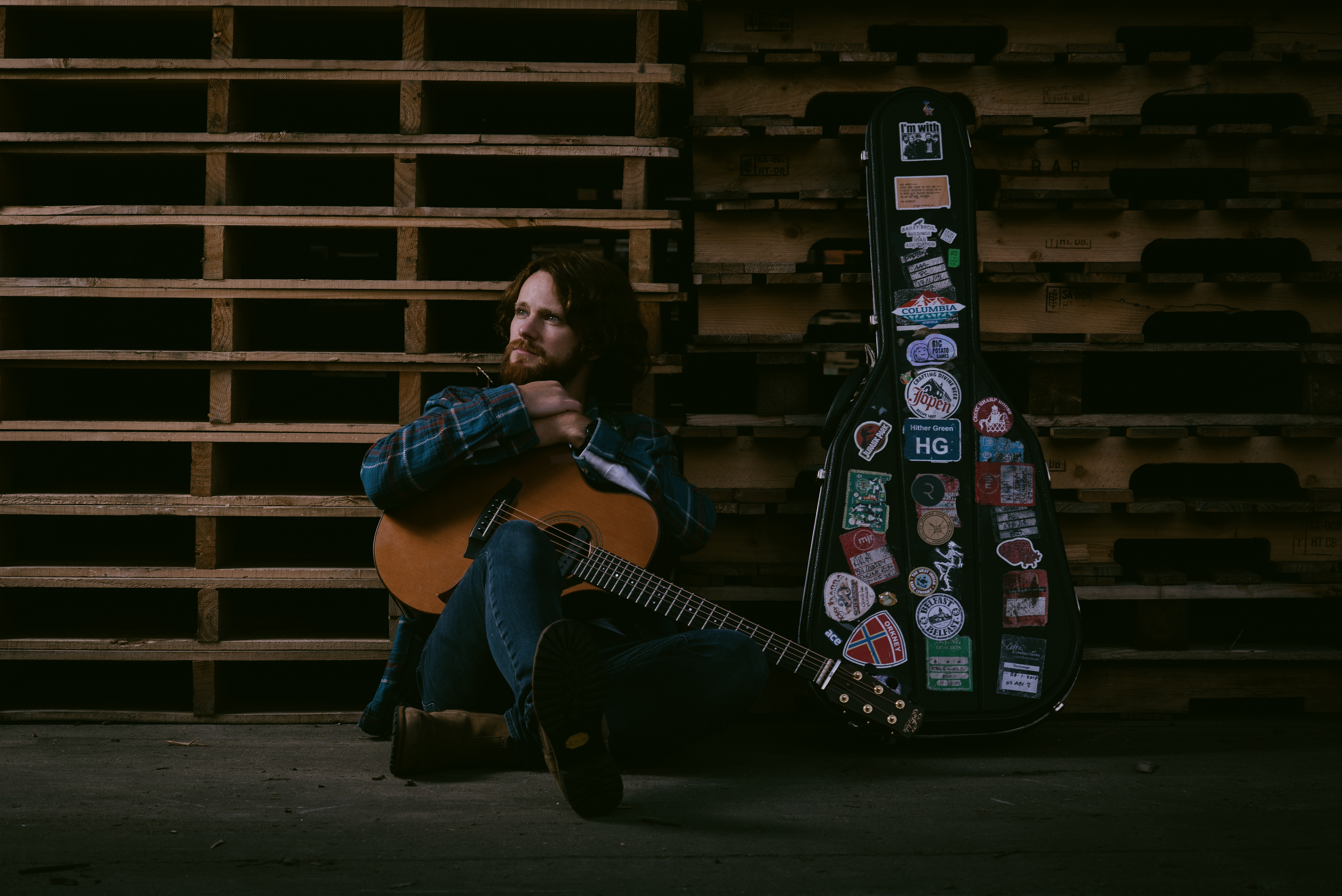
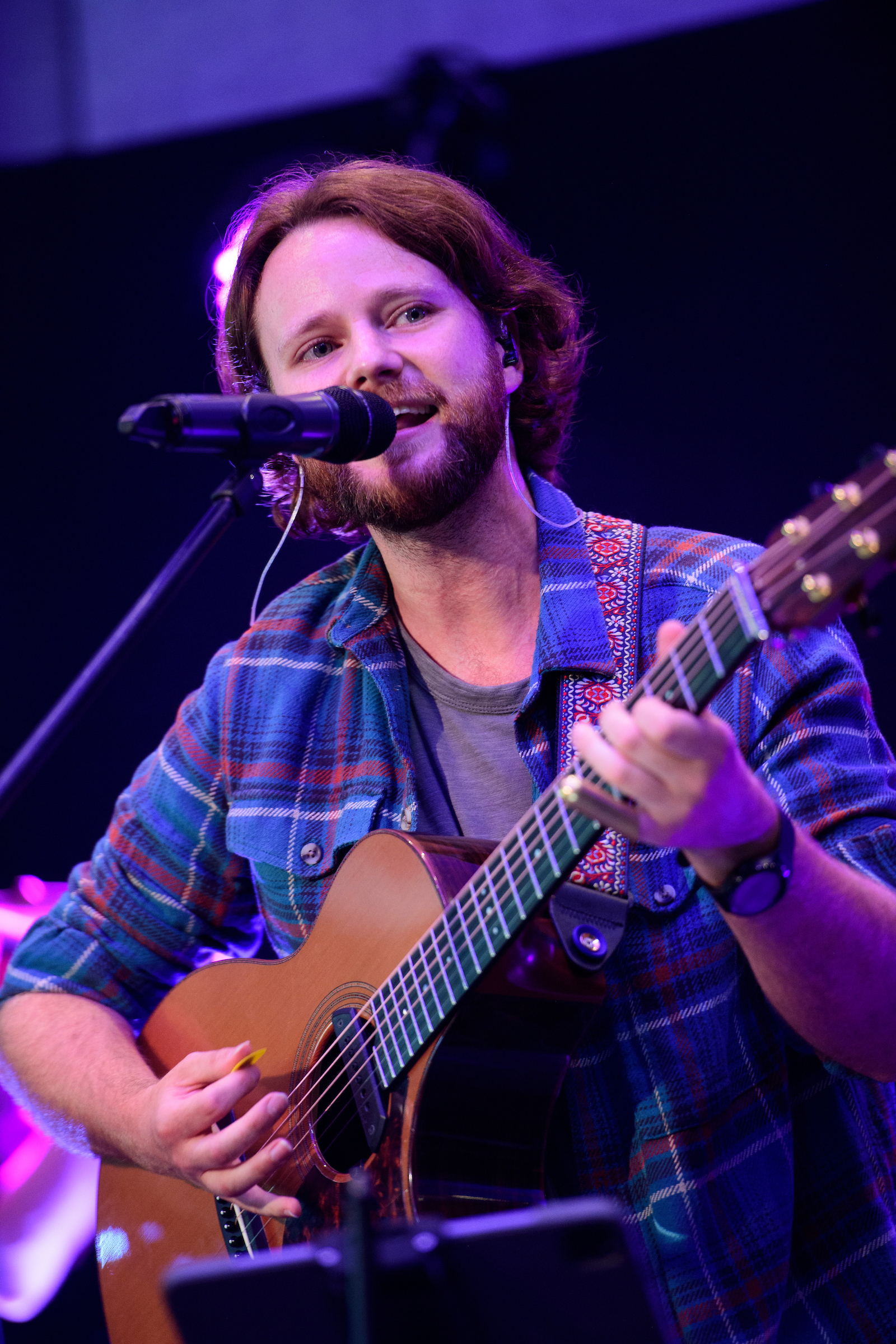
Reigniting the Spark – back in touch with Elliott Morris

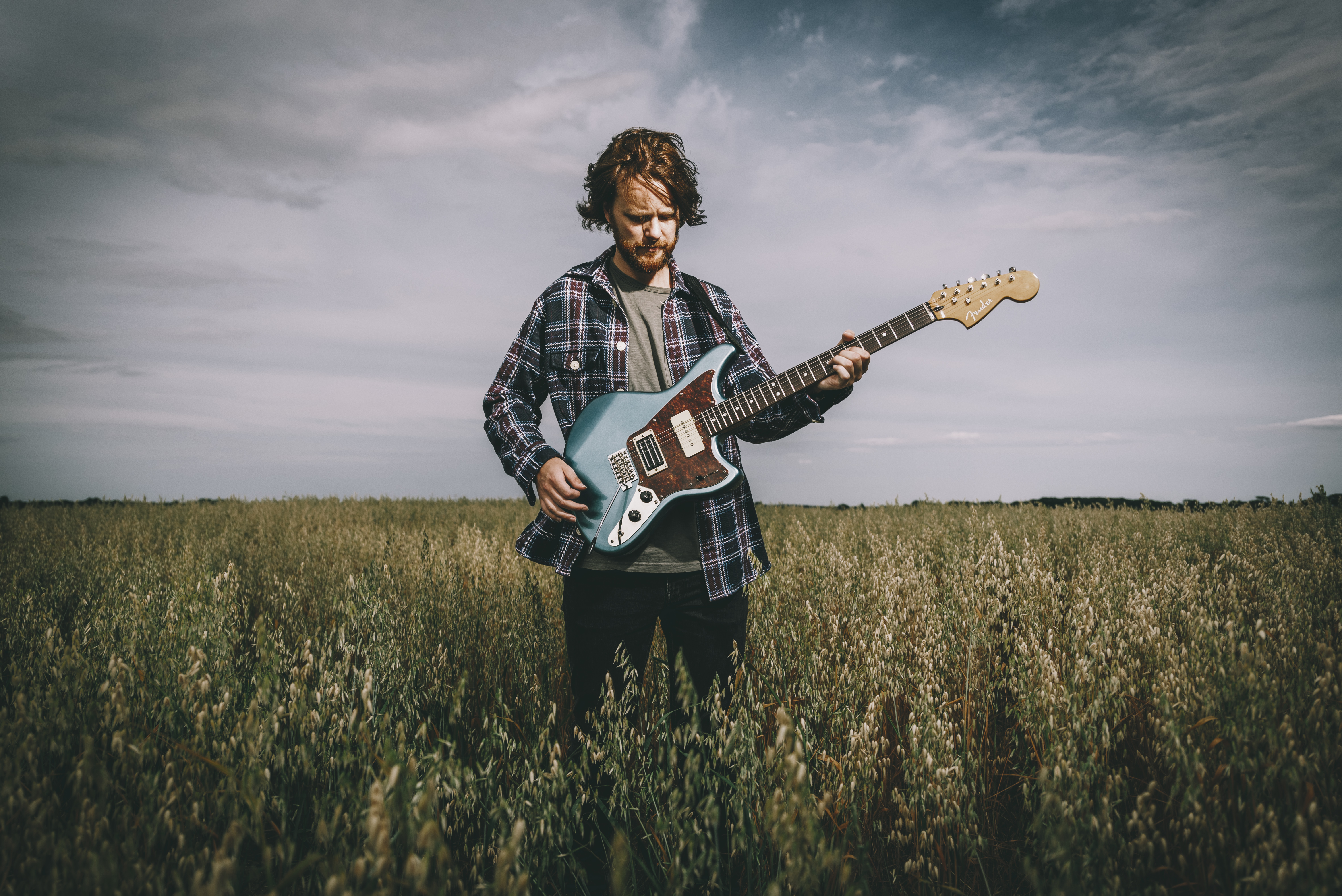
It was November 2014 when I first chanced upon virtuoso guitarist and singer-songwriter Elliott Morris, his engaging playing and personality during a short set supporting Paul Carrack at Preston Guild Hall (reviewed here) making a big impression.

I first interviewed Elliott in the summer of 2016, as he looked to spread the word ahead of the release of his debut LP, Lost & Found subsequently landing in 2017, followed by The Way is Clear in 2019, his star steadily rising.

Then came the pandemic, but while the regular live engagements were halted, this travelling troubadour – ‘half-English, half-Scottish, raised in Wales and Lincolnshire’ – remained busy, determined not to lose momentum, online lockdown-era streamed shows supplemented by guitar tuition and a little ‘noodling’ in his home studio in South-East London.

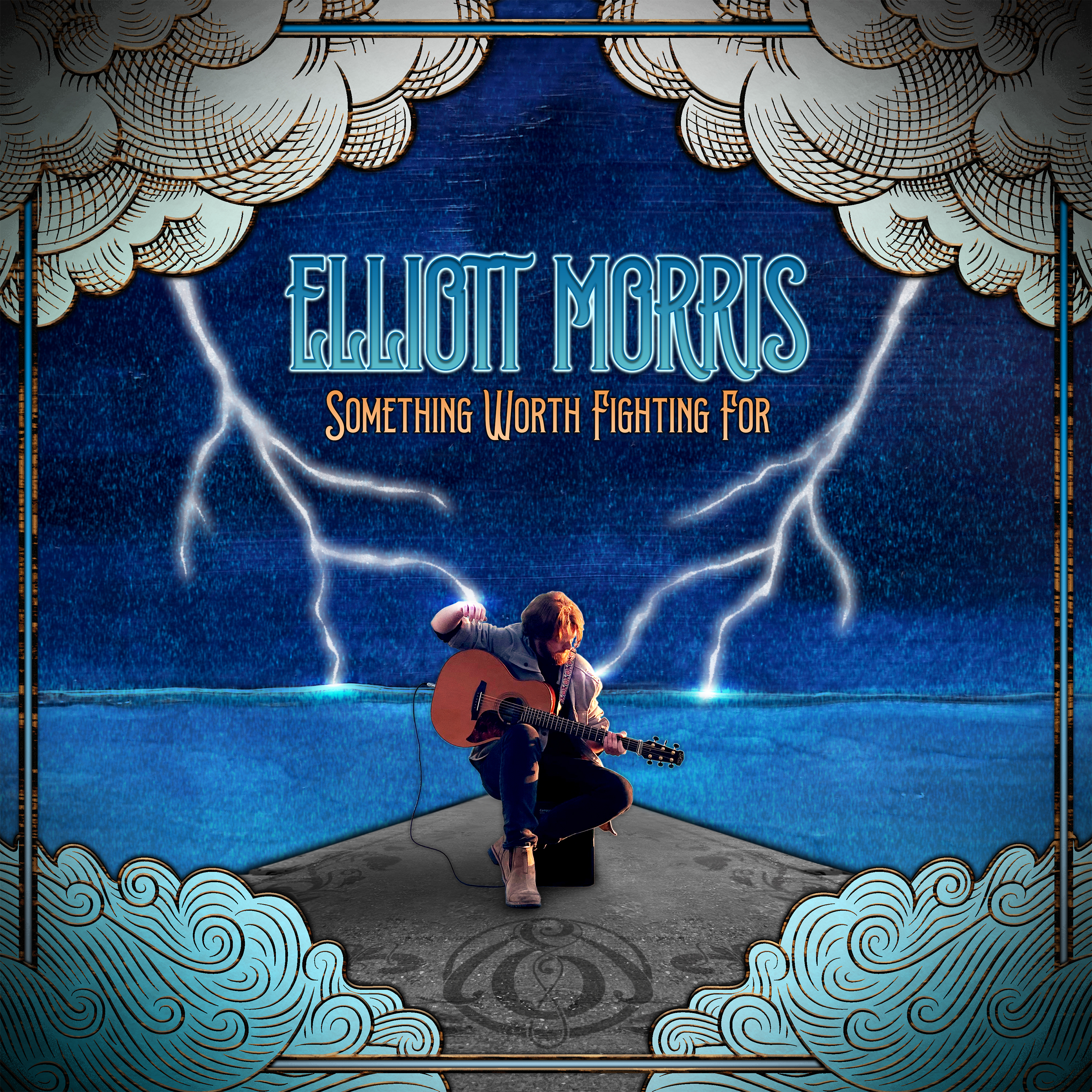
And the result is Something Worth Fighting For, due out on September 1st, further showcasing his ‘signature acoustic percussive technique, swooping soulful electric lines and explosive, distorted slide-guitar solos’, and Elliott’s songwriting and vocal abilities, its genre-spanning guests including the afore-mentioned Paul Carrack (Ace, Squeeze, Mike + The Mechanics, Eric Clapton) on Hammond organ.

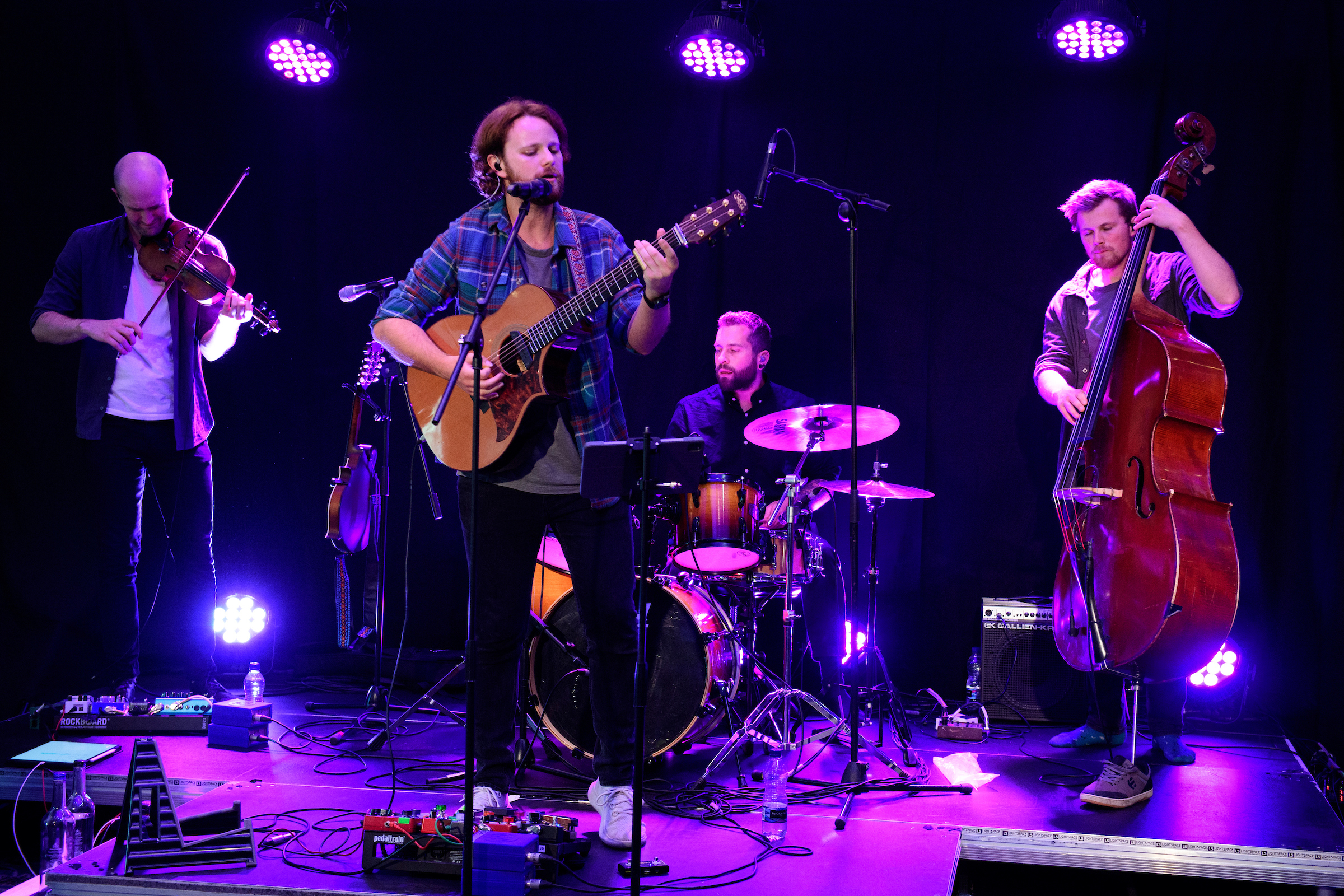
As it is, Paul’s son Jack Carrack (drums) features in Elliott’s band, along with fellow mainstays Henry Webster (fiddle) and Elliott’s brother Bevan Morris(double/electric bass), their contributions on the new record complemented by those from Michael Manring (bass), Gráinne Brady (vocals/strings, also co-writing with Elliott), and Adrienne Nye(vocals).

On a 10-track album also featuring co-writes with Jack Shaw and Andy N. Taylor, Elliott promises a ‘celebration of love, hope and friendship,’ one written and recorded during and after lockdown, initially in his spare room, ‘a bit of gritty angst thrown in for good measure,’ the songs hopping between blues rock and folk, plus those soulful playing and slick acoustic guitar moments his fans have come to expect.

It was too soon for me to delve too deep into the record when we spoke, but I was already sold on the instrumental ‘Tonnau’, inspired by the Welsh coastline, apparently fast becoming a crowd favourite at live shows, described by Elliott as ‘a big chunk of fuzzy-Celtic-electro-dance-stomp-rock’.

“Ah, tonnau means waves in Welsh. It’s about those things I was missing in lockdown, being in those places where you feel that sort of grounding. Not to say I don’t feel at home in London – it’s my home and I love it to bits, I’m very lucky in the part of London I am to have that green space, and I can’t imagine what it would be like living in a tower block in the centre of town. And London did become very peaceful – you’d go out into parks, and it would be so quiet, and you’d be like, ‘Oh, wait, I remember why it’s this quiet, and why there are no planes going over.’ It was weird.

“But I grew up in Carmarthenshire, lived there 10 years, and didn’t go back as much as I wanted to.

Then, around 10 years ago, I got an email from a guy called Mike who runs a pub called the Pentre Arms in Llangrannog, and remember getting there, thinking, ‘I’ve been here before.’ It was deja vu but it was more certain than that. I spoke to my Mum and Dad, and they said I went there on school trips. It was just very circular to end up back there, gigging, and that was one of those I would look forward to in the diary every year I play there.”

In fact, Elliott had the Pentre Arms lined up for his next show when I went to press on this feature.

“There’s also an instrumental on my last album, the closing track, ‘The Pentre’, written about my gigs there. I’ve played there so many times – solo, as a duo with Jack, and us two with my brother as a trio … and we’ll have Henry as well this time.

“That track reflects that journey when you’re on the way there. Pentre means village in Welsh, it’s got this real community feel, and it was another of those places I missed in lockdown. And tonnau means waves in Welsh. Besides, you can only have one song called ‘The Pentre’!”

“What’s mad is that ‘The Pentre’ is a song we’ve played together probably over 100 times, yet Henry’s never been there. It will be really nice to finally play it on that stage.”

There’s plenty of catchy riffs, infectious rhythms and ear-worm choruses across the new LP, from an artist that’s grafted out something of a reputation on the acoustic scene, honing his craft from Orkney to Jersey, Belfast to Clonakilty, including headline shows as far afield as Germany, Holland, Ireland and Canada. Then there are all those major venues where he’s supported Paul Carrack, further supports including those with Frank Turner, Andy McKee, Seth Lakeman, Lau, Damien O’Kane and Ron Block, Albert Lee, Big Country, The Levellers, Ed Sheeran, Cara Dillon, and Eddi Reader.

​Elliott was in Hither Green last time we chatted, but tells me he’s now ‘about half a mile up the road’ in Lee, ‘the other side of the tracks … under the bridge, a little closer to Blackheath.’ And he also gives guitar lessons at a school in Blackheath on afternoons, as well as teaching privately, online from home (something he feels wouldn’t even have been a thing pre-pandemic, but has continued despite the lifting of lockdown).

“That was really good. I don’t know what I’d have done otherwise. In those early days when people were kind of finding their feet with all of it, I’d log on for a lesson with one of my students – I teach students of all ages, from complete beginners to those doing their grade eight, and adult learners that have come back to the instrument – and they’d be surrounded by the rest of the family, because I was an outside face coming into their home! I’d have parents going, ‘Can we hang on a little longer after the lesson so I can do a bit?’ I’d be like, ‘I can’t, I’ve got another student!’ But I’d end up dialling back once their kid had gone to sleep, and they’d grab their child’s guitar, have a lesson themselves!”

The promo video for the new record was shot in an idyllic spot on the Isle of Skye, a regular stop-off for Elliott, one he was more than happy to take up the offer of performing at, post-virus restrictions.

“Having that long pause, people had either booked you prior to the pandemic or got in touch, saying, ‘When things can happen again, please come and visit.’ It was very odd dipping your toes back in the water, and I didn’t actually know how to book a gig anymore!’ Even this summer, so many festivals are still honouring 2020 lineups. If you email them, they say, ‘We’re still owing people gigs booked 18 months before the pandemic hit.’ For a while I couldn’t even begin to fathom how I would book tours or structure this the way I used to.

“The flipside is that it’s more flexible than it used to be. You can book at shorter notice, people still happy to come, because we’re in this sort of honeymoon period – we’ve missed it for so long. Although they’ve never heard of this or that guy, they’ll take a chance on them, see what’s what. And there was a gig on Skye where they contacted me, mid-lockdown, and said, ‘Please come up and see us.’ I booked that at the beginning of the year, off the back of finishing recording the album. I spent a couple of days there, and that (video) was recorded at the end of this little shingly beach, outside one of the venues I was playing (the Stein Inn, Waternish).

“They realised it’s quite far from London, so said, ‘Stick around a bit. I wanted to make myself a bit more useful than just doing the gig itself, and thought, ‘This place looks stunning, it’d be rude not to film here! So we did that and another couple of things we’ll put online these next few weeks.”

It’s been six years since we last spoke, and since then there have been three LP releases. How do you feel your recordings have changed over that period?

“I would say this one is certainly a natural progression from the last two. I feel it’s a bit ballsier, more powerful and gritty in places. I guess there’s a perfect storm thing happening, in part, between the fact I was wanting to experiment and come up with something new and fresh, but at the same time kind of borne out of necessity. I didn’t want it to be extremely explicit. It was recorded at home, but part of the parameters of recording this was that I needed to do something, so how am I going to make this possible? The subject matter and I guess my frustrations were then reflected in a slightly more DIY sound.

“I honestly wasn’t expecting it to be album worthy. It was just, ‘Let’s just make some noise, try and do something again.’ When things were going back to normal, I spoke to Mattie (Foulds), the producer, and said, ‘Can we see what’s here, and mix it?’ And he felt it didn’t sound like a lockdown album or iPhone notes. I mean it wasn’t iPhone notes, but you run the risk of it sounding a little too ‘homemade’ when recording in your spare room for the first time! Luckily, according to Mattie, I passed the audition!

“At the same time, I think there was a perfect storm between the subject matter mixed with the parameters of recording at home and a progression to want to be a little louder, a little bigger in sound, and I think some of that was missing playing with other people. I was like, ‘When I get back on stage, we’re gonna make so much noise, this is gonna be great!’”

As well as regular solo live streams, mid-lockdown, Elliott also kept himself busy by putting music on in care homes, additional needs schools, and so on via the Live Music Now charity.

“Luckily, I live very near to Henry (Webster). We’d only done one proper gig before lockdown, then the charity got in touch, said schools are going back, but don’t have anyone visiting. We can make it safe for you guys to meet up and perform livestream concerts, streaming into schools. That kept us fresh, and we also wrote an album as a duo that we’re going to record very soon.”

What’s more, after coronavirus restrictions were lifted in Summer 2021, Elliott’s band filmed a recording session in the bedroom of Jimi Hendrix’s late-‘60s Georgian flat in Brook Street, Mayfair, West London (opened to the public five years earlier after Heritage Lottery funding, along with the flat next door, where G.F. Handel lived and composed for 36 years), something he also shed light on.

“That was lovely, another of these mid-lockdown ‘what if’s. We’d been talking to them (the Handel House Trust), and they said, ‘Come and do some recording.’ We then got an email in June saying the museum was opening again, then closing from September for an enormous re-set (it re-opens next Spring). It’s Jimi Hendrix’s flat, left as he would have lived there. We were invited to film some videos, recorded a few songs, and it’s phenomenal.

“The magnitude of where we were didn’t really sink in while I was there, because we were recording, but afterwards we put some of his records on a vinyl player there, built to his spec, and just being in that space, then seeing videos of us playing there, that was very special – essentially going from writing and recording songs in my bedroom to writing and recording them in his bedroom. So yes, I guess the first time I recorded and played live with Jack and Henry for 16 months was actually in Hendrix’s bedroom! That still feels crazy saying it now, but at the time it was just the next step. It was what was possible at the time. How mad to think that the way it was possible to make music together and share it with people at that point in time was to record it in Jimi Hendrix’s bedroom!”

This LP campaign was very much an indie enterprise, it seems, and I see you’ve carried on with a crowdfunding initiative, despite being previously involved with the now defunct PledgeMusic direct-to-fan platform. Did you lose money back then?

“I lost about a grand, which wasn’t nice, but some bands lost £30,000 and never made that album, never recovering from that – not just financially, but being so disheartened, your entire fan-base getting behind you and remaining sympathetic but also having been burned by it and therefore understandably hesitant next time around.

“Luckily, my first campaign was absolutely fine, I had a really good campaign manager who loved it, and that’s kind of what you pay your commission for – having someone on your side, to hold your hand through a process that might be relatively new. I’d released EPs before, so knew the work going into it and what it was like to record in a studio, so it wasn’t completely alien, but it was nice having someone to help you talk to your audience, how to ask for funding or present yourself.

“With the second album, I needed less help, but the campaign manager changed about halfway through, the contact getting a little looser. Then – and I regret this so much – they managed to pay me twice for part of the process, which was thousands of pounds. I had this stupid honesty to send it back and say, ‘I think you’re wrong here.’ And they said, ‘Oh yeah, thanks. So sorry about that.’ Then the company folded, and the final amount of about £1,000, to cover the postage, unfortunately I never got back. It was awful, but I was able to fulfil every order.

“And here I am now with Indiegogo, and it’s the best way as an independent artist to get those pre-orders. And I don’t want anyone to feel like their money could be at risk and they wouldn’t get the product.”

As for Paul Carrack’s contribution, did your link with his son, Jack come through Paul, or was it Paul setting you up with Jack?

“A bit of both. I did two full tours with Paul and was the ‘go to’ support guy if they didn’t have anyone. He has a lot of say in who he chooses. Quite rare for a headliner. So I’m chuffed he calls on me!’ Jack played those two tours, we started playing together as a duo, and I remember arranging Lost and Found and saying to Jack, ‘I feel it needs something like what your dad does here,’ And he was like, ‘Why not just ask my dad?’ I didn’t want him to be like, ‘Oh, so that’s why you wanted to jam’ because that totally wasn’t the case! I love Jack’s playing! But he said, ‘why would you need to look for anyone else?’

“Paul’s very, very kind with his time and when we got to recording parts it would just be exactly what the track needed. And with this album, with me recording at home then people sending their parts, Jack recorded his drums at his dad’s studio and while he was there, Paul recorded his.

“I was up in the studio with Mattie, mixing, when Paul’s part came for a tune called ‘Come Back to Me’, which begins as more of a sort of Fleetwood Mac thing, kind of R&B bluesy thing, then rises up and is a bit more bit more rock‘n’roll. I remember Mattie going, ‘There’s nobody in the world that could play on this track better than he does! You’ve got the guy here that plays organ for Eric Clapton!’ When you’re in a studio, going through takes, there are bits where you’re like, ‘We should probably take that out’, or ‘They overplayed on that’, or ‘This fill’s slightly out of time.’ But when you get a tape from Paul Carrack, you drop it in at the start, click play, play it to the end, and it’s just spot on!”

(As it happens, four days after this feature landed, and eight days after we spoke, Elliott was back in tow with Paul Carrack again, called on late doors to support him at Southend-on-Sea’s Cliffs Pavilion. I’d like to think it was all down to the powerful influence of a WriteWyattUK plug, but can’t be so sure.)

Then of course there’s your brother, Bevan. In fact, all your core bandmates are clearly integral to all this.

“Yeah, in lockdown, it was so hard to knuckle down and write anything when there was no gig on the horizon. I was feeling starved for inspiration and kind of lost that sense of direction. But that was okay because everyone had, and I guess I did a lot more improvising and playing guitar for fun, just nonsense noodling, really good for exercising that guitar muscle, but at the same time very loose.

“Every so often, I would record a voice note or little idea and maybe ping it to my brother, or Jack or Henry, saying, ‘Is there anything? Is this anything?’ And because it was an exploration and I didn’t have gigs on the horizon a lot of the time, I was like, ‘Have I heard this before? Does this sound like me? Does it fit with my set and other stuff I’ve written?’ But then I told myself, ‘There is no set at the moment, there’s no gig, there’s no trying to sneak in a new song amongst the old, so just write for the sake of it!’.

“And it wasn’t until coming out of that, going, ‘Okay, I’m going to gig again,’ that I found this folder on my computer, and realised there was a whole album there. I recorded all of it as a scratch demo, sent it through to Jack, Bev and Henry, the core band, and said, ‘Does this work together? Is this an album?’ And the general consensus was, ‘Yeah, let’s get this down!’

For all the latest from Elliott Morris, fresh from recent UK dates with Henry Webster and Jack Carrack at Stroud Brewery Bar and the Pentre Arms, Llangrannog, then a trip to Germany with Henry, Jack and Bevan Morris to play B&B Fiddler’s Inn, Neuruppin (Friday, August 26th), including forthcoming dates, latest news and release details, plus Something Worth Fighting For pre-order links (the album comes out to pre-order backers on September 1st, with a full digital album release on December 2nd), head to www.elliottmorris.co.uk. You can also keep in touch with Elliott via his Facebook page.

And for this website’s September 2016 interview with Elliott Morris, head here.

Posted in Uncategorized | Tagged , , , , , , , , , , , , , , , | Leave a comment

Cool to be Kind – talking Sunbirds and The South with Phil Barton

When The Beautiful South split in 2007 after a highly successful two-decade run, it seemed that the end of the party had come too soon for co-founder Dave Hemingway.

Hammy, as he’s known, was there from the outset, joining forces with fellow Housemartins singer (and genius songwriter) Paul Heaton. But when the latter went his own way, he was keen to keep going.

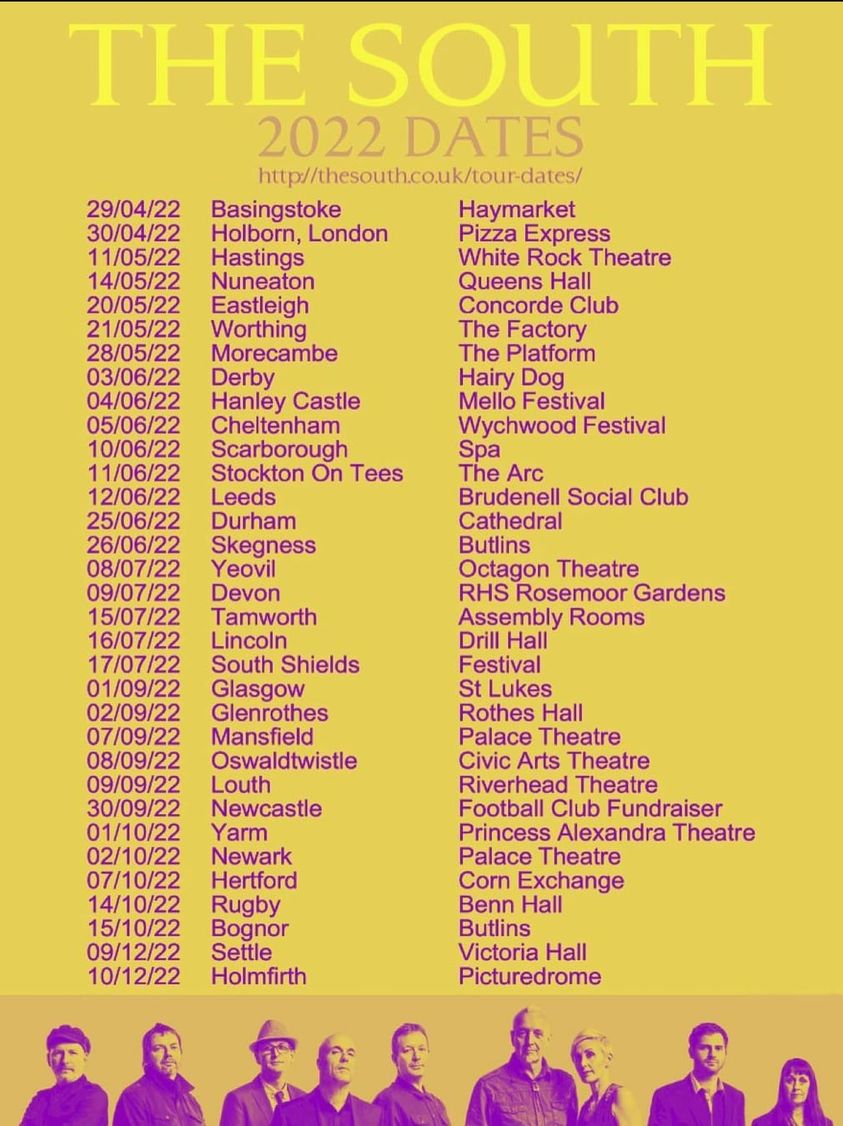
As a result, along came The South, Hammy joined by latter-day Beautiful South co-singer Alison Wheeler and long-serving bandmates Gaz Birtles (sax), Damon Butcher (keyboards), Dave Stead (drums) and Tony Robinson (trumpet), putting together a formidable nine-piece act that soon became regulars on the live circuit, their set built around The Beautiful South’s hit-strewn 18-year recording career.

Then, in 2012, an LP landed, Sweet Refrains, one suggesting this outfit were moving in a new direction, guitarist Phil Barton co-writing seven of the tracks while holding down a full-time job in the NHS. As it was though, despite plenty of (rightful) acclaim for that record, The South continued to concentrate on their live profile, and at the end of 2016 a seemingly frustrated Hammy departed (Alison and Gaz now the sole originals remaining), in time announcing a new project, Sunbirds, which also happened to feature the afore-mentioned Phil, the pair joined by Laura Wilcockson (violin, vocals) and Marc Parnell (drums).

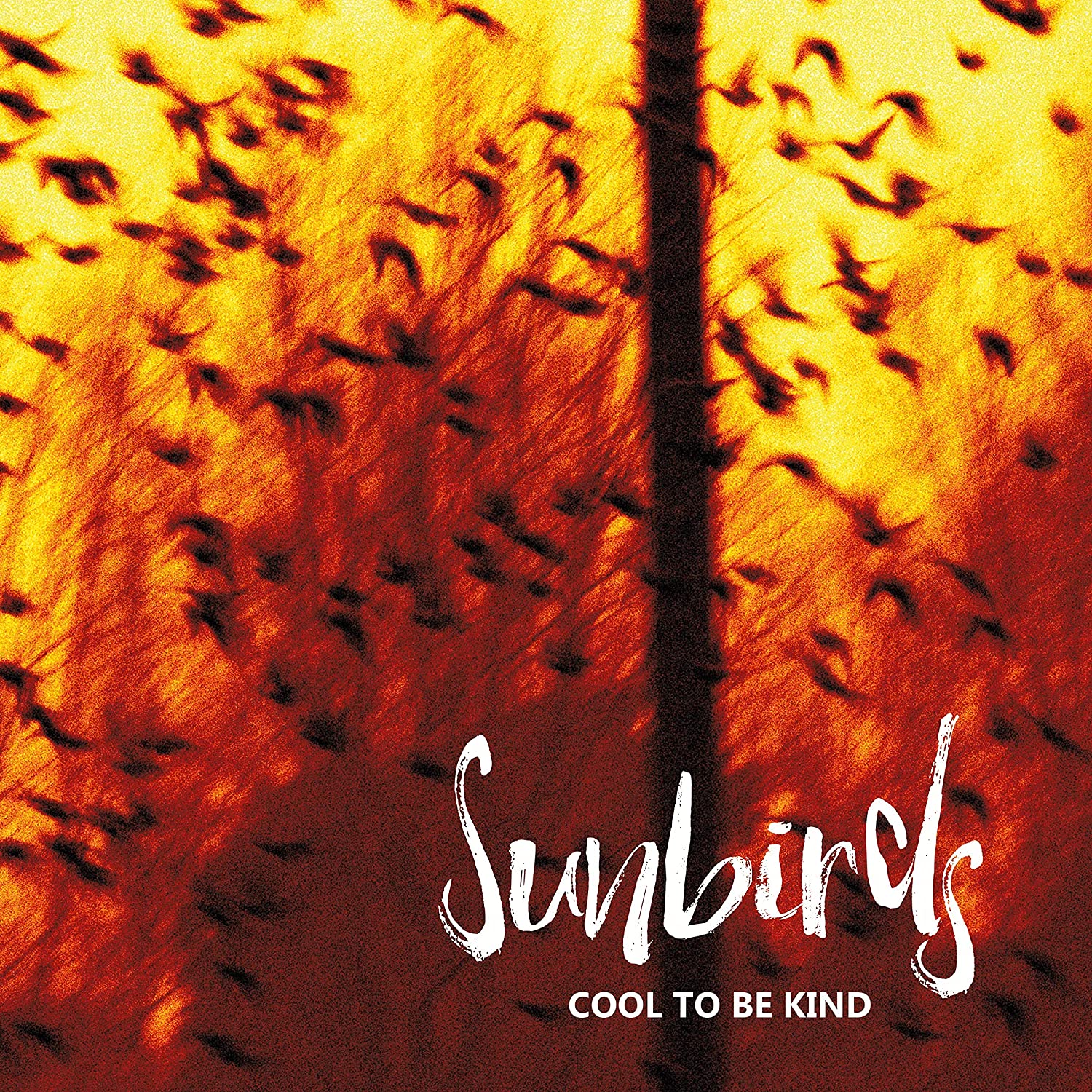
Initially a studio concern, the Sunbirds’ debut LP landed late in 2020, Cool to be Kind proving to be a finely-crafted record which seemed to follow on from Sweet Refrains. And public and critical response to that LP has clearly seen their confidence increase, recently expanding to a six-piece, Jerry Jobson and Chris Offen joining on bass and guitar/keyboards respectively, the band currently working on a new record as well as setting up live dates.

All good reasons to track down Phil to his base in Upminster, East London, not least as he’s been behind so many great songs for both outfits over that last decade, and continues to feature for each band. And I started by asking if he’s still managing to fit in working in IT for the NHS.

“No, I managed to escape. I had three tunnels on the go.”

He left to ‘give the music a go’ full time. And so far, so good. What’s more, from my most recent interview with bandmate Hammy (from August 2020, with a link here), I understand the far-flung Sunbirds (Phil, Marc and Chris are London-based, but Jerry’s on the south coast, Laura’s in Nottinghamshire, and Hammy’s now in Yorkshire) rehearse at his when they can.

“I’ve a little studio at home. It’s always been a condition with my wife to get at least one room, wherever we live. (Phil laughs) On this occasion, it’s the garage. I soundproofed it out. I’ve had various jobs along the way and as a sound engineer for a while, I learned all about that. It’s a nice little set-up, I can record drums, and it sounds quite good actually.”

Are you a bit of a multi-instrumentalist?

“Not really. Just guitar, but the production side always interested me.”

All bar one track on debut Sunbirds LP, Cool to be Kind, has his name on it, and on 2012’s Sweet Refrains, it’s the same for seven of 12 songs there.

“I’ve been writing songs all my life. It’s just a confidence thing – a few things happened in my 20s which meant I wasn’t really able to go down the path I wanted, ending up having to go into the real world. But writing songs is something I’ve always done … and I need to do it, otherwise I could go a bit potty.”

It came up in my October 2016 interview with Alison Wheeler (linked here) from The South, and prior to that The Beautiful South, that you had worked together before you joined.

“Yeah, I originally auditioned Ali. (Phil laughs) We were in a band called Junk, originally on the coat-tails of grunge but with a British twist to it, this sort of quite grimy, grungy music with very sort of twee, cutesy girl singing on it. And it worked quite well, basically going around the toilets of Camden.”

Was that always your patch (Camden, rather than its toilets)?

“I was born in South London, or the suburbs thereof … in Petts Wood, and went to school in Bromley, I went to the same school as David Bowie. I was watching this Bowie documentary, and he nailed Bromley completely brilliantly, as he did with most things, the idea that if a town was going to produce somebody like Bowie it would probably be Bromley, because it’s so painfully kind of straight.”

Wasn’t that also the territory for Chislehurst born and bred Susan Ballion, aka Siouxsie Sioux?

“That’s right, as part of the Bromley Contingent. Slightly older than me, of course, that lot. But there’s definitely something in the water, and always a bit of a subculture going on in these sort of places. We had the Bromley Musicians’ Collective, which put on local bands at the labour clubs and the HG Wells Centre … another famous name from those parts. That was a really good scene, a room people could use, turn up, bring your own bottle, putting bands on every week. I had a little band called Derek Nimmo’s Blues Band, a kind of mickey-take of all the blues bands around at the time.”

Had you learned guitar early?

“Oh yeah, I was self-taught from 16 or 17.”

Which acts inspired you? Are we talking the punk years?

“No, but I had an older brother – three years older – so I got to hear all the cool stuff. I’d hear about the Sex Pistols and everything like that going on. I remember sitting in a car with my brother and his mates. Somebody mentioned the Sex Pistols and his dad said, ‘We don’t talk about that sort of thing, if you don’t mind,’ quite upset that the children were talking about them. I remember thinking, ‘That’s pretty cool.’ (Phil laughs) Through him, I’d hear stuff I would probably never have heard otherwise, not just punk but Black Sabbath and whatever you want coming out of his room.”

I thought the latter was Status Quo.

“Well, I did quite like them at school, I’m not afraid to admit. I saw their original line-up in about 1981, one of the first gigs I went to, and there was around three days trying to get your head round just how good that was afterwards. You know how it is when you’re young, you start to see bands and feel, ‘This is it!’

Seeing as you called the first Sunbirds LP Cool to be Kind, I’m guessing there’s at least a nod to Nick Lowe too, from the other side of London, namely Walton-on-Thames.

“Definitely. That was an intentional doff of the cap. I mean, he’s fantastic, isn’t he? He’s one of my heroes, songwriting-wise. And it’s also a comment as to how things are in society at the moment.”

Regarding your friendship with Dave Hemingway, did you ever catch The Housemartins live?

“I didn’t. I was more into rock as a lad, and in my day it was very tribal in music, not like it is now where anything goes. You had to pick a gang then stick with it. It was in the very early ‘80s for me, when all the New Romantics was starting to fill the charts. And that didn’t do anything for me.

“Looking back now, they’re great songs, but when you’re a teenager, it’s a hell of a lot more tribal. And the gang I chose was rock. I was into rock in a big way, Pink Floyd, Deep Purple … I was getting into guitar, so liked good guitar players, tracing that back to Jimi Hendrix.”

Listening back to Cool to be Kind this morning, hearing ‘The Black Sea’, I felt there was a nod to Hendrix there.

“Yeah. good spot!”

That’s a good example of the depth of your songwriting on this LP. And for me, ‘The Black Sea’ is the first curveball, reminding me of a band I love called The Deep Season, a North Hampshire offshoot of indie cult heroes Jim Jiminee. Maybe it’s the chord structures and how it meanders into areas you might not expect. It seems to be about depression, and some might say it is depressing, but works on more than one level.

“I don’t find it depressing at all. I mean, The Smiths were fairly popular. (Phil laughs) And Pink Floyd weren’t exactly song and dance men, were they. You tend to be at your most emotional, honest and raw when the emotions are the other way around … when you’re sad rather than when you’re happy. It only stands to reason that the best music comes out of that.”

But then there’s ‘When I’m Gone’, arguably far more radio friendly, quality shining through again. However, Phil’s still tackling ‘The Black Sea’.

“I don’t want to get too political, but after the financial crisis, or whatever you want to call it … they took all the money out of public services. I had a very humble, simple job in the NHS, and won’t bore people with what I did but I was out troubleshooting around the hospital, fixing computers, and it went from being quite a good little job where you feel you’re doing – without being too self-righteous – something quite nice, helping people, even though you’re not really into the job, it’s just to pay the bills. I thought, if I’m gonna do this, it’s probably the best way I can use the skills I got. But then they stripped out a lot of the people on the ground floor.

“That’s what happens in companies, they don’t sack those at the top on the huge money, they strip out all the assets on the floor who don’t really have a say in it. So you end up with this top-heavy organisation, with too many chiefs. My workload went absolutely crazy, and I was doing The South at the time, so all my time off I wasn’t taking on holiday, I was going on tour. I was burning the candle at both ends for quite a few years, absolutely no chance of keeping up with my workload. On top of that, I had bosses cracking the whip, saying I wasn’t working hard enough. I was working as hard as I could, and it reached a point where I started getting panic attacks, things not going well. That’s what ‘The Black Sea’ was originally about.

“Rather than about depression, per se, it’s about having a panic attack and everything going on in my life at that time. It’s meant to sound discombobulating, and there’s a reason for that. And people who’ve experienced that … I’ve had a couple of people say, ‘Mate, ‘The Black Sea’, I love that.’ And I’ve had others say, ‘That’s a bit depressing, isn’t it?’ Well, that’s because you haven’t been there, mate!”

The way Hammy takes ownership of those songs suggests – even though there aren’t many songs with Barton/Hemingway credits – you work well together. It seems that he left The South because he wanted it to be about new material as well as old hits. And maybe that wasn’t the game plan beyond 2012’s Sweet Refrains. But arguably you’ve carried that on under a different set-up, Cool to be Kind in effect proving to be the follow-up LP.

“In a way, yes. But because we’re not tied down with this … Damon Butcher described the name, The South, as the ‘golden millstone’. A very good way of putting it, because it gives you an audience, which I’m very lucky to get, but at the same time you’ve put this label on it … and we couldn’t do ‘The Black Sea’ in The South. That’s not going to happen. The same goes for ‘When I’m Gone’. To me, those are much more personal, confessional songs.

“‘When I’m Gone’, I wrote for my daughter. I’d been wanting to write a song for her for years and years, yet it always came out as cheesy old nonsense. But one day, I just sat down and it came out. It’s lovely when you get songs like that. I put the phone on record, sang it, listened back, said, ‘That’s not bad.’ I felt I had to tweak the lyrics here and there, but it must have been something brewing a long time that finally came out. It’s not necessarily a love song, it’s a song to kind of reassure my daughter that, yes, it’s gonna be okay.”

I spoke with Hammy about final track, ‘Stars Still Shine’, another song he took ownership of, feeling it was written as much for him, yet it’s another credited solely to ‘Barton’.

“Well, I’ve got to know Hammy well, being on tour and everything, and you end up spending a lot of time together. And our life experiences have been extremely similar. And there really is a bond there that isn’t just a kind of professional collaboration. It’s deeper than that. When I send him a load of songs, I don’t give him any clues as to who wrote them. I like to get a genuine reaction, without it being sort of prejudiced. I send him stuff I’ve done and that means a lot to me, and might send something that’s quite pretty that I co-wrote, more written to order for what we’re doing. That sounds terribly cynical, but there’s a real art in that as well. And the ones he picks out are always the ones he has a connection with. There’s a wavelength thing going on.”

Have you also got a good voice on you? We don’t hear it much.

“I do a bit of backing vocals. But I’m not a singer. I can’t pretend I am.”

I don’t suppose that matters if you’ve got Alison, Hammy, Laura …

“Exactly. What’s the point! If it’s alright for Roger Daltrey to sing Pete Townshend’s songs, Lee Brilleaux for Wilko Johnson … If they can put the song across better than you can, it’s a no-brainer. And with Hammy, you’ve not just got a good singer, you’ve got a vibe. When he sang ‘The Black Sea’ in the studio, he did it in one take and we were blown away. He said, ‘Shall I do another one?’ I said, ‘Hang on,’ had a chat with Teo Miller, the producer, and he said, ‘We better get him to do another one, but that was brilliant!’

Hammy sings about his Hull roots on opening song ‘Meet You on the Northside’. Where’s your own Hessle Road? Where do you think about when it comes to channelling roots, like Paul Weller did with Stanley Road and his Woking youth.

“Well, that’s pure Dave. He came up with those places in Hull. And (we wrote that with) a guy called Kenny Grant, a lyricist and singer-songwriter, a Glaswegian living in Dublin I met through a mutual friend. He’s a virtual friend – I’ve never actually met him, we write over the internet. Jerry, who’s now the bass player in Sunbirds, put us in touch.

“After Sweet Refrains, I thought there was going to be a second South album, and the guy I was mostly writing with – Ronnie Westrip – decided he didn’t want to do it anymore, for whatever reason. So I was looking for someone else. On that LP, I wrote the music and worked with lyricists, maybe honing some of those lyrics. I felt with The South there was no point me singing about my life. I put an ad out on Gumtree back then, got hundreds of replies.”

That seems to be the way with a few songwriters these days, Boo Hewerdine springing to mind, writing with various well-known and not so well-known artists, from Chris Difford to Simon Wells, to use examples of recent interviewees of mine.

“It does, yeah … and doing it this way, you can dip into it when you’ve got time, rather than sitting in a room together, on the spot. Sometimes you need time for these things to ferment. But Kenny sent me some songs, and ‘Beautiful People’, for example, is mainly a Kenny song. I changed some of the arrangements , bits and pieces, but the original demo came from him on piano, singing it. It’s a great song and suited what The South were doing down to the ground – a great little pop song with a bit of social commentary.”

What also strikes me is that although you’re clearly a co-writer as well, the songs that really grabbed me – perhaps as with Hammy – are those with just your name on them, perhaps those most likely to involve you baring your soul.

“I suppose. Kenny was giving me really great lyrics though, so it’s silly to not do something with those. On ‘Holiday Monday’, he gave me the words and I put the music to it, and he’s got that sense of humour …”

Which is important if you’re channelling the spirit of PD Heaton, I guess, a few songs on Sweet Refrains almost written in his image.

“Well, you have to doff your cap to what’s gone on before. We can’t start bringing out drum and bass records! The way I saw The South, the songwriting, was as another sprig of The Beautiful South tree. And if you listen to what Dave Rotheray does on his own – he’s a genius songwriter, writing all those amazing songs – you know you’re going to get something sounding a bit like The Beautiful South.

“We weren’t trying to copy anybody, what we wanted to do was lend our own personalities. Take Damon, who was sort of like a fifth Beatle in a way, doing a hell of a lot on those records, but never officially a member of the band. A lot of that stuff is Damon – when you listen back, there’s so much of him on those records. And on Sweet Refrains I would demo songs with an acoustic guitar, give it to him, say ‘there you go’ and he would do what he does – just go off somewhere completely different. He’s amazing, the most musical person I’ve ever met. He’s incredible.”

He co-wrote ‘Insert Answer Here’ on the Sunbirds LP, I see.

“That’s right. He sent me over that lyric one day. I liked it, and it reminded me a bit of Ian Dury.”

What’s not to like there.

“That’s right, and I live in Upminster. I’ve always loved him, and feel this affinity with Ian here. I drive past the house where he grew up most days.”

I was also going to mention ‘Please Yourself’ as a highlight, and ‘Long Cuts’. Both jump out at me. And with the latter and ‘Big Moneymaker’, like ‘Stars Still Shine’, I hear shades of Americana. Is that another side of you?

“It’s a music I’ve only recently come to. I grew up predominantly into rock, because that’s the way the world was, but as you get older you start to embrace all these other things fashion meant you weren’t allowed to like. And country music was one. I’ve been through blues, funk, jazz, everything but country really. I love all styles of music, yet country always passed me by.

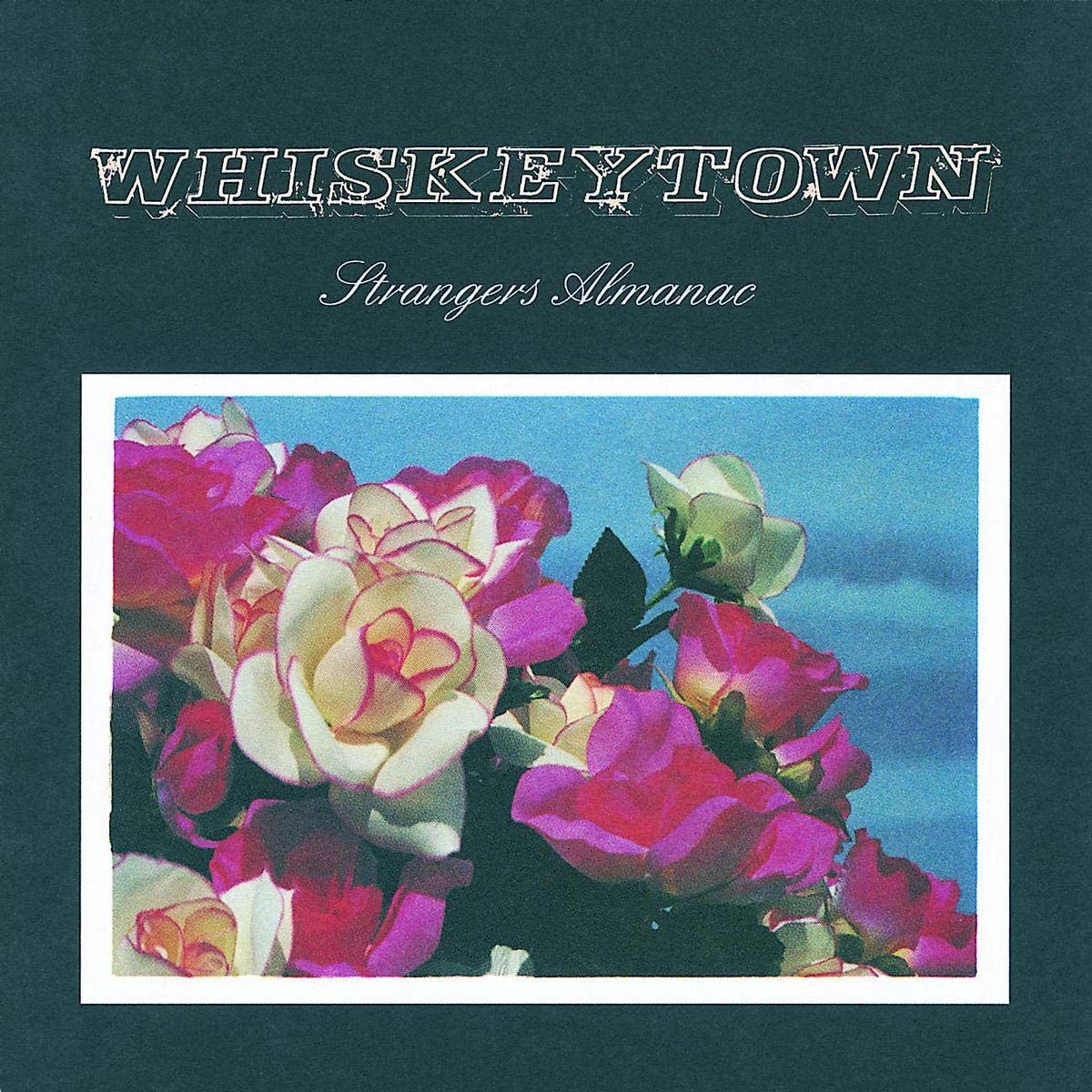
“But then you go to the Flying Burrito Brothers, Gram Parsons, Crosby, Stills Nash and Young … For me, it was a band called Whiskeytown, Ryan Adams’ first band, hearing the Strangers Almanack album (1997). For what I was going through at the time … I just couldn’t stop playing it. It really spoke to me.

“I think what they were trying to do at the time was mould Ryan Adams into being a country version of Kurt Cobain. He made this really polished album with Scott Litt, surrounding himself with all these great Nashville session players, and this really earthy young upstart kid from Jacksonville was writing songs straight from the heart, not censoring anything he wanted to say in the songs, a bit of punk attitude in there somewhere. Even though it was country, it was raw … and he sang it like it was.”

That could be Steve Earle for me, my own portal to that world.

“Yes, Steve Earle’s great, but I think he’s a bit more country than Ryan Adams. Keith Richards is a fan too. I don’t know if it was a deliberate label ploy to get this punky young kid from the South to be the face of the alt country movement, but he didn’t really want to be, understandably, like Kurt Cobain, so deliberately sabotaged it, went off and started making records by himself, doing what he wanted to do, rather than having some sort of corporate machinery.

“I was into a band called The Posies, out of Seattle, and Ryan Adams seemed to blend The Posies for me with this fantastic sound of country music pedal steel guitars, this very raw-edged music that didn’t use obvious chord sequences, a bit like the Foo Fighters’ first album when the influence of Nirvana was still in the music. It’s like a cross between Nirvana, The Beach Boys and Johnny Cash, I guess, maybe Emmylou Harris and the more traditional Nashville sound too … But I’m waffling on. I do apologise.”

Not a problem. Good to know the influences. And back to the Sunbirds, Marc and Laura are clearly a good fit, and now you’ve expanded, so to speak.

“That’s right. The band is now a six-piece, with Jerry on bass and Chris on guitar, keyboards and backing vocals. I originally knew Chris from school. I always knew he was good then. He was one of those guys who was streets ahead of everybody else. He’s a great guitar player and a multi-instrumentalist who also sings and plays keyboards in Sunbirds as well as guitar, and he can do a fairly good pedal steel guitar impression on guitar … when finding a pedal steel player for your band – unless you’re Emmylou Harris – is not going to happen. There’s not that many.”

Yes, although I see the legendary BJ Cole contributed to Sweet Refrains. Meanwhile, it seems like you’re looking at more live performances for the Sunbirds now.

“That’s where we’re at the moment. We just want to gig as much as we can, although it’s proving quite hard finding gigs.”

I got the impression the hardest part was enticing Hammy back to live performances.

“Yeah, when this project started, after he left The South, he got in touch and said, ‘Have you got any songs?’ When I said yeah, he said, ‘Send them over,’ then said, ‘Do you want to do an album?’ I asked, ‘Is this a recording thing?’ and he said, ‘I think it would just be an album.’ But fair enough – just to get to work with Dave and still be friends … and it already looked like The South weren’t particularly interested in a second album. And it’s gone so well, and the reaction we’ve had suggests we ought to go out and play these songs to people.”

Are you happy to remain in two bands, as long as you can fit both in?

“Oh, yeah. I mean, it’s worked out pretty well. I’m not doing anything other than music. And hopefully, the South will continue, because I think it’s a great band, and they’re a great bunch”.

And is there another album around the corner?

“Yeah, we’re writing at the moment. We’ve three or four new songs in the set, they’re going down really well, and I’m very pleased with how that’s going.”

Cool To Be Kind, on Nectar Records, is available via the Sunbirds’ website and various digital platforms, the band next in live action at the Smile Bar & Venue, Huddersfield (Saturday, 3 September), the British Country Music Festival, Blackpool (Sunday, September 4), and The Brook, Southampton (Thursday, 22 September). You can also follow Sunbirds via Facebook, Twitter, and Instagram.  

Meanwhile, The South – Alison Wheeler, Gaz Birtles (also the subject of a WriteWyattUK feature/interview, in March 2018, linked here), and Phil Barton joined by Steve Nutter (bass), Dave Anderson (drums), Karl Brown (percussion), Gareth John (trumpet), Su Robinson (sax) and Andy Price (keyboards) – are back on the road next month, playing Glasgow St Luke’s (Thursday, 1st September), Glenrothes Rothes Hall (Friday 2nd September), Mansfield Palace Theatre (Wednesday, 7th September), Oswaldtwistle Civic Arts Centre (Thursday 8th September), Louth Riverhead Theatre (Friday 9th September), Yarm Princess Alexandra Theatre (Saturday 1st October), Newark Palace Theatre (Sunday 2nd October), Hertford Corn Exchange (Friday 7th October), and Rugby Benn Hall (Friday 14th October). For tickets, try here, and check out their website from there. You can also keep in touch via Facebook and Twitter.  

Posted in Uncategorized | Tagged , , , , , , , , , , , , , , , , , , , , , , , | Leave a comment

Golden Years – celebrating ABBA at 50 with Carl Magnus Palm

I considered starting this feature/interview with the line, ‘Ring, ring, I stare at the phone on the wall’ as a build-up to tracking down Carl Magnus Palm, seen as the world’s leading historian for a certain legendary pop quartet from his home nation. But I don’t think I’ve properly encountered a telephone attached that way since the days my Mum would take herself off to the hall, perching at the bottom of the stairs while chatting to friends and family.

However, while technology, fashions, interior design decor and lay-outs change, ABBA remain a force to be reckoned with, half a century after their first English language recordings.

As for Carl Magnus, he has a new book about this Swedish phenomenon on its way, charting afresh the journey of a band that has clearly shaped his life, ABBA at 50 following the journey of that group formed in Stockholm in 1972 by Agnetha Fältskog, Björn Ulvaeus, Benny Andersson, and Anni-Frid Lyngstad from humble post-war Scandinavian beginnings to global superstardom.

It’s a band that needs no introduction, but I’ll offer one anyway, ABBA emerging victorious from the 1974 Eurovision Song Contest with ‘Waterloo’, quickly catapulted to fame, capturing hearts across the world over the next few years with their melodic, ever-so-catchy pop songs.

One of the most commercially successful acts in the history of pop music, they topped charts worldwide from that breakthrough year until – initially – 1982, their nine UK No.1s – among 20 top-10 singles – including classic hits such as ‘Dancing Queen’, ‘Mamma Mia’, ‘Knowing Me, Knowing You’, ‘The Winner Takes It all’, ‘Super Trouper’ and ‘Take a Chance on Me’.

Although ABBA never officially announced their break-up, their final public performance together came in December 1982 on Saturday night BBC TV show The Late, Late Breakfast Show, a satellite broadcast live from Stockholm, just a few weeks after a ‘read between the lines’ personal appearance with Noel Edmonds on that same show. But as it turned out, the story was far from over.

A decade on, the ABBA Gold greatest hits compilation became a global bestseller, then in 1999 their music was adapted into successful musical Mamma Mia! A feelgood jukebox rom-com film of the same name followed in 2008, its sequel, Mamma Mia! Here We Go Again, premiering a decade later.

Then, last November, after a 40-year hiatus, the band released their 10th studio album, Voyage, simultaneously announcing an accompanying ‘virtual concert residency’ – featuring their digital avatars, dubbed ‘ABBAtars’. Depicting the group as they appeared in 1977 in a motion-capture hologram show held in the ABBA Arena, a purpose-built venue within East London’s Queen Elizabeth Olympic Park, their 22-song set each night included two singles from their comeback LP and plenty of old hits.

And now, my interviewee, ABBA aficionado Carl Magnus, also the author of 2001’s Bright Lights Dark Shadows: The Real Story of ABBA (the first comprehensive biography of the band) and 2017’s ABBA: The Complete Recording Sessions (a revised and expanded version of the writer’s 1994 tome), is about to deliver a full-colour follow-up, neatly illustrated with 200 images, ABBA at 50 examining the group’s enduring legacy and much-loved musical repertoire, the fashions, and the toll commercial success took upon the private lives of their two married couples.

I caught up with Carl Magnus, who has also co-produced a number of television programmes about the band, contributed to his beloved home city’s ABBA The Museum, and worked as a consultant to Polar Music in their ABBA reissues project, earlier this week, and he suggested life was pretty good on the other side of the North Sea.

“It’s a nice, fairly warm day in Stockholm – not too hot, not too cold, so I’m not complaining.”

Was it another great moment having that finished book, ABBA at 50, in your hands?

“That’s always a thrill, you know, when you have a new book out, and it’s, ‘Oh, wow, it actually exists!’ Because it gets a bit … what’s the word I’m looking for? Abstract. When you work on a book … until it becomes a book.”

His English, I should add, is fantastic, putting us insular Brits to shame. Meanwhile, I tell him I can’t believe it’s five years since we last spoke, marking the publication of ABBA: The Complete Recording Sessions. And it’s been an extremely hectic 60-plus months since, no doubt. Has he managed to keep healthy amid the pandemic and all that’s thrown our way?

“As far as I know … and for me – and I guess it’s the same for you, at least to an extent – I’ve been working from home for 30 years, so things just continued as they always had, largely.”

I’m guessing ABBA at 50 has kept you busy for a fair bit of that time.

“I got the assignment early last year, I think, so I put that together. It didn’t really entail too much original research …”

Because you’ve done that groundwork for 30 or so years, no doubt.

“Yeah, I have, I mean it’s mostly just a matter of typing it out and finding the right tone for that book. It was a bit of a challenge, because I’m used to writing these really detailed books, but I only had 45,000 words, because that’s what they asked for … although I extended it to 50,000.

“But it was a nice challenge. It was good, because I could just concentrate on finding the right tone for it – a different tone from what I’m usually writing, being a bit more free. I really enjoyed that … a lot more than I thought I would.”

And not only is it now 50 years of ABBA, but soon you’ll be able to mark half a century of your own journey – your Voyage, I guess – with the band, in effect from that day as an eight-year-old you picked up your first ABBA single, ‘Ring Ring’.

“Well, yes, next year. I was born in ’65, so that was in the spring of ‘73.”

At this point I fell foul of shoddy internet research, telling Carl Magnus I was surprised to learn ‘Ring Ring’ was a minor UK hit before ‘Waterloo’. But he soon put me right, telling me that while it was first released in ’73 – the title track of their debut LP – it didn’t chart until just after their Eurovision success, subtly telling me, ‘That’s both right and wrong – ha!’

“That single was released in the UK in October 1973, but didn’t enter the chart at the time. Then ‘Waterloo’ was a big hit and a remix of ‘Ring Ring’ was released in the UK, and that was the one that went to No.32.”

Of course, most of us will always equate the proper arrival of the band with a certain event at The Dome in Brighton on April 6, 1974.

“Exactly! I mean, the group’s real 50th anniversary – when they started recording together English language pop songs – is this year, because it was 1972. But the big 50th anniversary is going to be in 2024. obviously, because of ‘Waterloo’.”

That first English language single was June 1972’s ‘People Need Love’, a top-20 hit in Sweden if nowhere else, at which stage they were recording as Björn & Benny, Agnetha & Anni-Frid. And it turned out to be the first of eight singles that appeared on debut LP, Ring Ring, which received a limited release in late March 1973.

And while that long player failed to make any real ground outside Scandinavia, their fortunes would change in Brighton barely a year later … big time. And all these years on, the hits keep coming, the Voyage LP No.1 more or less everywhere late last year, save for North America, it seems. And even there its No.2 placing in the US and in Canada proved a best-ever album performance. The global love for Agnetha, Björn, Benny and Anni-Frid clearly continues.

“It does. I remember 30 years ago when people said to me, when I was working on my first book, ‘You better hurry up, before the ABBA revival dies down.’ Ha! They’re like The Beatles now, in the sense that they’re part of the culture … it’s a reference point, it’s everything else, you know. You don’t have to compare it on any other level, but in that sense, people are always interested.”

Regarding Voyage, the sixth ABBA studio album to top the UK charts and their 10th chart-topping LP in this country altogether, last time we spoke you told me you had access to exclusive material that few had before, with official permission, when writing ABBA: The Complete Recording Sessions. Did you also have early access to the recordings on Voyage?

“I didn’t. I haven’t really been involved in Voyage in any way. I’ve only got information through the media, like, everybody else.”

It seems apt that Voyage came out – and straight in at the top of the charts – 40 years to the month after The Visitors seemed to signal the end of the story. And I’m guessing that even five years ago that probably would have surprised you, a new LP landing.

“Oh, absolutely. I never thought this would happen. Anytime people, everywhere, if I was interviewed about ABBA – and people inevitably asked if I thought there was going to be a reunion – at one point I would say, ‘There’s no chance whatsoever.’ But then I changed it to, ‘You should never say never, but it seems very unlikely.’

“Deep inside, I never thought they were going to do that, because the motivation didn’t seem to be there. But then the ABBA Arena and ABBAtars show came along, and all of a sudden they had a platform for it … or an outlet, I should say.”

Last time we spoke, we mentioned your 25 years of research as it was then, to add to that earlier love for the band, leading to the updated ABBA: The Complete Recording Sessions. Time clearly flies.

“It does. Yeah. It’s insane!”

And it only struck me this morning that we’ve also had Mamma Mia: Here We Go Again since we last spoke. The ABBA machine continues to function, and the industry around the band clearly continues to flourish.

“Yeah, it’s like ABBA has become, you know, a franchise. It can be a musical based on their melodies, and that musical can be a motion picture, and then you can take that musical and turn it into this dinner party concept, Mamma Mia: The Party. Now you have the ABBAtars. It’s interesting, and that’s the way it goes with these big acts, I guess.

“And ABBA seem to be more successful at doing it than anyone else. I mean, The Beatles, they have their albums, and they have the Love show in Las Vegas, but beyond that …”

Did you manage to get across to the Queen Elizabeth Olympic Park for any of the ABBAtar shows?

“Yes, I’ve been there. I saw the show three times when I was in London in May.”

Was that a big moment for you?

“Well, the problem when people ask me about this is that because of the nature of the work I do, people expect me to be super-excited about it. The other thing is that, because everybody else is so super-excited about it, and, ‘Ooh, it’s the best thing I’ve ever seen. I was in seventh heaven!’, my more, shall we say, normal reaction makes it seems like I’m putting it down … but I’m not really.

“I really enjoyed it. I enjoyed sitting there. I enjoyed all three nights. I wasn’t bored for one second. I thought it was well put together as a show.”

You didn’t have to send a Carl Magnus Palmatar across to attend in your place then.

“Ha! No, I was there in person and I really, really enjoyed it. I thought it was good.”

With regard to listening to the back-catalogue, it’s great to wallow in nostalgia now and again, but I’m guessing that’s just a part of your life. We can’t just live on memories, great as they might be. Is there a part of you still discovering new music?

“Sure.”

Who else do you listen to these days?

“If I’m being honest, I don’t listen to that much new music these days. I’m still discovering or rediscovering old acts from the from the ‘60s and ‘70s mainly. But of the bands that are around today, the ones that I’ve bought every album and everything are the Fleet Foxes. And I’m glad I’ve found a present band I can really get into and be excited about.”

And when you mention ‘60s bands, who’s floating your boat there at the moment? What’s the album you always have to reach for?

“Well, I’m a Beatles fan from childhood, so that’s what I listen to a lot. You’ve put me on the spot though!”

I’m afraid I have. If you had to name one Beatles album, which would you go for?

“That also varies, of course, but I usually come back to Revolver.”

That’s a very good answer. Personally, I’ll float between Revolver, Abbey Road, and maybe The White Album. So I’m with you there.

“I think it’s probably between the three of those for me as well.”

And what’s next? What are you writing at the moment, or working on?

“I’m working on a sort of companion volume to ABBA: The Complete Recording Sessions. And this companion volume has expanded to be very much a book in itself, and it’s taking much, much longer than I had hoped for. What it is, if I’m explaining it in simple terms, ABBA: The Complete Recording Sessions told the story of how ABBA wrote and recorded their music, while this book, which is called ABBA on Record, describes what happened to the music once it had left the recording studio.

“It’s very detailed stories about how the album sleeves were put together, it’s about chart success, it’s about how the record company people in the UK and the US primarily promoted or tried to promote their music. I interviewed people who used to work for CBS in the 1970s and who were involved with the ABBA catalogue, or putting together commercials, or running up to radio stations or whatever they had to do. There’s a lot about that, and it’s about chart positions, and I’ve gone through hundreds of album and single reviews from – primarily – the American and British music press, putting in extracts from that as well. So you can get a flavour of what people actually said about music at the time.”

It sounds better than the average internet search engine, that’s for sure.

“Ha! Yeah, and it’s actually turning out to be a really good book … even if I say so myself. I’m pretty pleased with how it’s turning out.”

Any idea of a release date?

“Well, sometime next year is what I’m shooting for.”

All part of the ongoing 50th anniversary celebrations then, I suppose.

“Yeah, for sure.”

For this website’s previous feature/interview with Carl Magnus Palm, from 2017, head here.

ABBA at 50 by Carl Magnus Palm, priced £30 in hardback, is available via Palazzo Editions on September 8. For more details and to pre-order, head to this Palazzo Editions website link and check out Carl Magnus’ website here.

Posted in Uncategorized | Tagged , , , , , , , , , , , , , , , | Leave a comment

Time Flashin’ By – discussing the everlasting allure of the Rolling Stones with People’s History author Richard Houghton

On the night Paul McCartney thrilled the crowd and a huge television audience at the 2022 Glastonbury Festival, a few of The Beatles’ celebrated ‘60s arch-rivals were giving it their all elsewhere, rocking Hyde Park, more than half a century after their first open-air show there. And among the crowd in central London was Stones aficionado Richard Houghton, a few days after catching his favourite band on honeymoon with wife Kate in Milan, on that occasion at the San Siro.

We’ve seen a few notable dates for the Stones – let alone Richard – this year, this month marking the 60th anniversary of their first gig at the Marquee, barely a mile from the site of that latest visit to the capital, and frontman Mick Jagger turning 79 (a year younger than Paul McCartney); while next month marks the first anniversary of the passing of legendary Stones drummer Charlie Watts, just beyond his 80th birthday.

Then of course – very much still with us – there’s Keith Richards, set to turn 79 in December, and relative new boy Ronnie Wood – the former Faces guitarist on board since 1975 – who reached 75 last month. What is it about these old stagers that lures recently semi-retired Richard, a mere 62, back every time, not least in his role as an author and editor of music books (having written 20 books on a variety of artists over the past seven years)?

“Quite simply, I’m a fan. I’m not embarrassed to admit that I’ve collected over 200 different books about the Stones over the years, and whilst I haven’t quite gone to the lengths of some of the uber-fans out there who’ve got every album, DVD and t-shirt that’s ever been produced, I have seen them over 30 times and my travels have taken me to the States, Brazil and Europe … and Anfield, which shows just how dedicated I am!”

Spoken like a diehard Manchester City fan, albeit one with a love for hometown team Northampton Town too, despite having lived in Chorlton, Manchester, for some time now. And it turns out he has two Stones people’s history publications landing this year, All Along the Line, tackling the iconic band’s 1972 North American tour, and an updated take on The Rolling Stones in the Sixties, covering the initial Brian Jones era (the original lead guitarist and major innovator died in July 1969, aged just 27, his replacement, John Mayall’s Bluebreakers guitarist Mick Taylor remaining on board until Ronnie Wood took over in the mid-70s), in limited-edition hardback (‘480 pages, 600-plus memories, one great band’).

The other key members from that classic ‘60s line-up are also fondly remembered in the latter – namely ground-breaking bass player Bill Wyman, who joined in late ’62 and stuck around until ’93 (also guesting in 2012); and co-founding keyboard player Ian Stewart, who later took on road manager and pianist roles (he died aged 47 in late 1985). And it’s good to see Charlie Watts featured on the cover, in an iconic image by Stanley Bielecki from 1964.

However, isn’t their legacy somewhat overstated (he asks, somewhat mischievously)? They wrote some cracking songs in the Sixties but surely they haven’t released a properly decent album since 1978’s Some Girls. Aren’t they just a golden oldies machine, recycling the same songs for the same adoring section of the concert-going public?

“You could level that accusation against any stadium act, whether that’s Queen with Adam Lambert, Bruce Springsteen, Metallica or whoever. And in that setting and with that audience, you haven’t just got the fan who wants to hear a few deep cuts but also the casual fan who only knows the hits that have been played on the radio.

“Mick Jagger understands that, and that dictates the choice songs they perform live. But I think what it is about the Stones that is worth remembering is that they’ve done more to shape modern music than anyone except perhaps The Beatles. The Stones pretty much invented stadium shows with the pyrotechnics, the lighting and the big screens, and which, like it or not, is the way many larger bands now choose to perform.

“And don’t forget that back in the Sixties, the Stones were the rebels, whereas The Beatles were very much in the showbiz tradition. In the same way Elvis ‘died the day he went into the army’, as john Lennon put it, The Beatles ceased to be a great live act when Brian Epstein took them out of their leather jackets, put them in matching suits and made them wear collars and ties.

“They appeared on variety bills with comedians and jugglers. They had great songs but weren’t really any more radical looking than The Shadows. They became the boys next door you could bring home to tea with your mum. The Stones were the ones who had fathers foaming at the mouth at the idea that these scruffy layabouts might come anywhere near their teenage daughter. If Mick Jagger and Keith Richards moved in next door to you back then, your dad was probably going to go out and buy an electric fence.”

When I hear that oft-repeated charge, I like to counter with Lemmy Kilmister’s quote (from 2004 memoir White Line Fever), ‘The Rolling Stones were the mummy’s boys – they were all college students from the outskirts of London. They went to starve in London, but it was by choice, to give themselves some sort of aura of disrespectability. I did like the Stones, but they were never anywhere near the Beatles – not for humour, not for originality, not for songs, not for presentation. All they had was Mick Jagger dancing about.’

But I only dug that out later, on this occasion allowing Richard to rant on. Wasn’t much of that ‘bad boy’ image made by then-manager, Andrew Loog Oldham, though, feeling that portraying them as rebels would work well in the media?

“It wasn’t just Andrew’s idea. The Stones took it beyond Andrew, who ceased to have an effective role as manager with the band from the mid-Sixties onwards. They were getting busted for drugs, they were wearing more exotic and outrageous clothes and they were still playing concerts and having audiences, particularly in continental Europe, rioting and smashing up venues.”

What made you decide – after the Sixties project – on a book about the Stones’ 1972 North American tour? I’m guessing you were still at school in Northamptonshire then, yet to hit your teens.

“I was, but that was exactly the time – when the double album Exile on Main St. came out and ‘Tumbling Dice’ was in the charts – that I became a fully-fledged Stones fan. The band were in their pomp, with Mick Taylor having replaced Brian Jones on guitar, and the tour that they undertook in June and July of that year was a ground-breaking one.

“And those were challenging times for the Stones. They were performing on American soil for the first time since the stabbing of a fan by Hell’s Angels at Altamont three years earlier. And with The Beatles having split up – and with Jimi Hendrix, Janis Joplin and Jim Morrison all dead – in 1972 the Stones embodied what was left of Sixties counterculture. The United States was coming to terms with 1970’s Kent State massacre and grappling with the Vietnam War, the draft and the civil rights movement.”

Robert Greenfield’s STP: A Journey Through America with the Rolling Stones (1974) captured some of that, but Richard – currently knee-deep into his next writing projects, covering The Stranglers and Fairport Convention – goes at it from a different angle, collecting memories of more than 300 people who saw that tour (as with several of his past books, including those on The Beatles, Hendrix, Led Zeppelin, Queen and Thin Lizzy).

“It has been written about, yes, but that’s where my Stones book is different because I’ve collected together the memories of over 300 people who saw that tour. As with the other books I’ve written – on The Beatles, Jimi Hendrix, Led Zeppelin, Queen and Thin Lizzy for example – it’s a different perspective on things.

“It’s not about backstage passes and meeting (acclaimed photographer) Annie Leibowitz. This book is about American teenagers falling in love with the Rolling Stones and doing whatever it takes to get hold of a ticket for a tour that was hotly anticipated. There was no internet then, but if there had been, it would have crashed the day the tickets went on sale. In New York, for example, people had to send in postcards and tickets were allocated randomly on a lottery basis to beat the touts. Some people sent in more than 50 postcards, or got every friend or relative they could think of to submit an application on their behalf.”

The Stones played 48 shows in 32 cities in 54 days to promote their new album on that occasion. What is it that marked this tour out from what had gone before, or has happened since?

“Well, they had a ground-breaking new stage show, with large mirrors so that lights behind the stage were reflected down onto the band. That was unheard of at the time, and of course we’re all so used to digital effects and full-on light shows, so some of this doesn’t sound that special now. But back then it was.

“More importantly, the Stones and their fans found themselves going head-to-head with the authorities from the outset. Concerts were marked by crowd riots in the clamour for tickets, starting with the very first show in Vancouver, and there were drug busts and tear gassings as a result of over-zealous cops at several stops on the tour.

“They weren’t just playing the usual cities that rock bands visited. The Rubber Bowl in Akron, Ohio, for example, had never hosted a band as big as the Stones before. And in Tuscaloosa they still talk about the visit by the Rolling Stones, not least because one of their own was in the audience that day and has been a Stones sideman for the past 40 years, in the shape of their keyboardist and musical director, Chuck Leavell.

“And in Rhode Island, Mick Jagger and Keith Richards wound up in police custody after an altercation with a photographer while miles away in Boston a full house waited expectantly for them to appear on stage.

“No one had toured the way the Stones did before, bringing their own crew with them. Previously, bands turned up with one or two crew and used local crew. Cream’s touring personnel in 1967 and ‘68, for example, consisted of three band members plus two other people. They didn’t have the fleet of HGVs that the biggest bands tour with now. The Stones had what was branded the ‘Stones Touring Party’. They were like a band of brigands roaming across the US, and of course the press interest in the tour, and the presence of a film camera crew, added to that.”

Ah, Robert Frank’s infamous Cocksucker Blues fly-on-the-wall tour documentary, which never saw a full theatrical release because of the scenes of, erm … general debauchery contained within. Isn’t that all a bit old hat now?

“Well, the Stones – and specifically Mick Jagger, because I suspect Keith Richards may have been too strung out at the time to have any real perspective on things – vetoed its release on the grounds that the overt drug taking it portrayed might mean they’d have trouble getting visas for entry into the United States. It would certainly have meant that they attracted more attention from immigration officials every time they entered the country.

“Don’t forget that Nixon was the US President, and rock ‘n’ rollers, and particularly British ones, were viewed as the enemy. John Lennon was living in America and trying to get a green card which would have legalised his residency in the States, and for the Stones, not being able to tour there would have meant the end of the band as a commercial entity.”

Back to the Stones in the Sixties, and there are far more details of the earlier version of the book on this very website, from my first feature/interview with Richard back in 2015. But Brian Jones and Charlie Watts clearly play a huge part in the first book, and no doubt it’s the same again with Charlie in All Down the Line. Those two certainly can’t be forgotten when you are talking about the Stones and their musical legacy.

“Absolutely. As longstanding Stones fans will say, ‘No Brian Jones, no Stones,’ because he was the first and founding member who brought Mick and Keith into his idea of the band. And his instrumentation on songs like ‘Ruby Tuesday’ and ‘Paint It, Black’ are what made those songs special.

“And of course Charlie was the backbone of the Stones until his sad passing last year. He is widely acknowledged as one of the best drummers in the world, with his own distinctive and yet unassuming style. And he was unaffected by fame, or as unaffected as anyone who has been in the most famous working rock ‘n’ roll band for the past 60 years can be. I cried when I heard the news of his passing, because it marks a step closer to the end of the Stones, and I have put him on the cover of the Stones in the Sixties book as a tribute to him.”

Finally, looking forward, how long do you reckon Mick, Keith and Ronnie can keep this going?

“Mick still trains as hard as ever for a tour to make sure he’s fit, and Keith has given up hard booze and hard drugs. Ronnie’s had a couple of cancer scares in recent years but, subject to them all staying healthy, they’ll keep going until they drop. And I, for one, will keep going to see them for as long as I can.”

For a link to this website’s original Richard Houghton interview, from late 2015, marking the release of the first version of the Stones’ Sixties book, head here.

Bill Wyman featured in an interview on this website in October 2013, with a link here.

Richard Houghton’s The Rolling Stones in the Sixties and All Down the Line are both available to order. For more details, head to the Spenwood Books website.

Posted in Uncategorized | Tagged , , , , , , , , , , , , , , , , | Leave a comment

The Chesterf!elds reveal the fine art of New Modern Homes – back in touch with Simon Barber

I do love a catchy indie pop song, and The Chesterfields have come up with the goods again on that front, ‘Our Songbird Has Gone’ released last weekend by Hamburg-based label Mr Mellow’s Music.

It’s a fine tribute to the band’s much-missed co-frontman, Davey Goldsworthy, who lost his life following a hit and run accident in Oxford in 2003. More than that though – because everything the band do these days is essentially in Davey’s memory – it’s also a tribute to that rush of ‘80s indie bands that shaped the band’s world … and mine, I guess.

First time I got to the two-minute mark of the new 45, it caught me out somewhat, bass player and co-founder Simon Barber joined by guitarists Andy Strickland and Helen Stickland (yes, different spellings, not a typo) in a singalong creatively namechecking in song a whole host of happening bands from yesteryear.

What’s more, the West Country four-piece, completed by drummer Rob Parry, are set to release a fourth studio LP, 35 years after cherished debut, Kettle and 28 years after what seemed to be their last hurrah, 1994’s Flood, with the latest addition to the catalogue, New Modern Homes, due in September.

Available worldwide on Spotify, Apple Music, Amazon Music, Deezer and Tidal, and with a limited-edition 7-inch vinyl version available from selected record shops while stocks last (as the pitch goes), the new single’s accompanying video from James Harvey was filmed at Black Shed, Sherborne, Dorset, and is guaranteed to bring smile to the faces of lovers of that particular genre. It did me, anyway.

And it seems that Simon, the band’s only ever-present, is chuffed with how things are going, currently making the most of the interest coming their way, alongside his day-job running West Country arts magazine Evolver.

“It’s brilliant. It feels like a major label, and Helmut really knows what he’s doing.”

So how did he get caught up with the delightfully-named Mr Mellow’s Music?

“It’s run by Helmut Heuer, who I first came across when he was still in his teens. He organised a tour for Basinger {formed by Simon after The Chesterfields initially folded} around Europe, we turned up, and it was just this kid! And he came with us. When Basinger came to an end, I stopped doing things and didn’t hear anything more of him for years. Meanwhile, he got involved in the music industry in Germany, ending up at BMG, working on Madonna’s account, things like that.

“He wanted his own label and now runs Légere Recordings, geared to jazz, MOR, smooth … But he did a show as Mr Mellow for London’s Soho Radio for two years before the lockdown, and one of his favourite LPs as a teenager was Kettle. So that’s what it took, and now he’s set up his own pop label, with us providing the first couple of releases.

Last time we traded messages, Simon was mulling over release options, the other of note being with Lee Grimshaw’s Spinout Nuggets label.

“That would also have been a brilliant option, and Lee’s set to release our second single, a double-A-side 7-inch in August, when the album comes out or just after. And that should be a nice fit too. Lee’s good at getting things about …”

I do wonder how he fits everything in, not least as he seems to spend a lot of time between his adopted base in Cornwall, his Kentish roots, and various music events.

“I know! He came around to my flat from Cornwall, but he’s often heading towards the Medway or London. I don’t quite know how The Chesterfields fit in, but Palooka 5 are on his label, again a little outside what he’d normally do, because it’s very much a Medway garage and Mod sort of thing. And when you meet him you realise he is that man. I really like him, and the energy is incredible.

“Tim from Palooka 5 knew he was at Shiine On last year and said, ‘Go and have a look at The Chesterfields’, and he saw the last half of the set and loved it, getting in touch immediately. That was based purely on seeing us live. Then he met me here, I played him the album, and he loved it.

“Knowing what was happening with the German label, he asked if he could put out something, just wanting to be sort of involved. And I think that involvement might continue, because it seems a nice fit. It’s great being on Helmut’s label and having someone here too – both those energies are good.”

As you mentioned Helmut’s love of the debut LP, I see it’s now 35 years since that key release that rather confirmed your indie pop credentials.

“Yes, 8 June 1987.”

I hadn’t realised – or had at least forgotten – that the time I saw you at the Coal Hole in Covent Garden, London, was so close to that date (Saturday, 6 June).

“It was! And we’d sort of half-collapsed then, because Brendan [Holden, guitar} had left. So Andy Strickland came in, and Rodney Allen played with us for some gigs. When Brendan left, he felt – and he was totally wrong – ‘Simon just wants to get his brother in the band.’ That wasn’t what we were thinking, but we used Andy and Rodney for a few gigs … then Mark did join the band!

“But it was lovely that Andy did join then, because it makes this line-up – and Andy did Glastonbury Festival with us that month – authentic for me and others. And I needed that, because without Davey …”

I guess it would be ‘Simon Barber, ex-Chesterfields and band’ otherwise.

“Exactly, and the fact I’d sung ‘Ask Johnny Dee’ really helped as well.”

Simon’s younger brother, Mark, incidentally, joined the band that year and left in 1989, re-joining from 1993-94. Furthermore, Andy confirmed after this interview that he didn’t play that Coal Hole date. However, he certainly made an impact a fortnight later at Glastonbury Festival, when I somehow missed The Chesterfields – featuring Simon, Davey, Andy and drummer Dominic Manns that day – despite planning to catch them there.

“Yes, although we weren’t on the flyer that goes around, as that was one of the early ones. It doesn’t have The Soup Dragons on there either, and quite a few other bands that got booked. That second stage had twice as many as were listed, including Automatic Diamini, John Parish’s band. Such a shame … but there’s a later flyer, and we were in the programme. There’s a lovely write-up.”

Fellow Somerset outfit Automatic Diamini also included Rob Ellis, who along with John also briefly featured with The Chesterfields. Meanwhile, Polly Harvey soon joined that outfit, both John and Rob later proving instrumental in the PJ Harvey years that followed.

That was The Chesterfields’ first Glastonbury, although Simon ‘had been there the two previous years as a punter, discovering The Go-Betweens there in ‘86 – the only time I ever saw them.’ More on that influential Brisbane outfit soon, but first …

“Andy’s favourite story from then is that he didn’t have a long enough guitar lead, so couldn’t get up to the microphone to join in on something. It was too short. But these two lads came on and moved his whole crate with his amp on much further forwards. A funny moment.”

With a nod to Kettle, there’s a track on the new LP called, ‘Mr Wilson Goes to Norway’, updating that debut LP’s ‘Oh Mr Wilson’. When did that song come into your mind?

“I’ve always really loved the fact that Buddy Holly wrote a song called ‘Peggy Sue Got Married’, and just felt we needed to find out what Mr Wilson had been up to. It’s got that Housemartins/ Chesterfields type beat, and we needed something on the album like that. And that’s the one Lee {from Spinout Nuggets} picked up on, wanting to be a single, with one of Helen’s songs, ‘Year on the Turn’ on the other side, which is fantastic. And our artist friend Debbie Lee has done an amazing animation for it.”

The promo video for ‘Our Songbird Has Gone’ was filmed in and around Helen’s flower farm in Sherborne, and I’m guessing you’re walking around that Dorset town in the ‘Mr Wilson Goes to Norway’ promo video I had a sneak preview of … rather than Telemark, where I’m guessing you didn’t quite get to.

“Ah, but James (Harvey, video director) did, a month after we filmed that! We weren’t going to film the walking around bit, but had a bit of time, we’d done a photo session, made the ‘Songbird’ video, then I asked, ‘Could we shoot a few little bits?’ I knew he was going to Norway a few weeks later and asked, ‘Maybe you could film us, then use some of your footage from Norway too?’ And it works so well.

“We’d already filmed on the flower farm, and he said, ‘Is there anyone else we can go?’ I said, ‘Why don’t we just walk down the town?’ There weren’t loads of people, it was a Sunday, but it was good fun!”

As for the first single, I didn’t know what to expect on my first listen, and I have to say it brought a tear to the eye. Not just because of the Davey link, but also that rollcall of indie influences, also acknowledged on the sleeve. It’s a lovely touch.

“Oh good. A lot of people are saying that, it’s brought tears to a few people’s eyes. A friend of mine, Wayne, who played in a band with Davey after The Chesterfields, saw us play it last year. I introduced it by saying, ‘This is a song about me and Dave,’ because it’s all about the excitement of getting a band together and things we were all into. And all those bands mentioned are ones Davey and I either came into contact with or loved, so it’s such a personal song for me and for people to pick up on.

“And {BBC 6 Music’s} Gideon Coe apparently loves it, and John Kennedy at XFM said it was brilliant and ‘The Chesterfields are back with a vengeance.’ And we’ve started getting played on radio stations all around the world now. Yeah, it feels good!

“There’s also a punky song Andy and I see as a classic 7-inch punk single with pink and yellow sleeve, called ‘My Bed is an Island’. He plays a solo that starts off like Captain Sensible but ends up like John McGeoch. Andy brought three songs to the album, and they’re all great. So yeah, we got lucky!”

The Go-Betweens get more than one mention on the first 45, but I was also impressed you managed to get a plug for your old label-mates The Beat Hotel too.

“Yes! And some of the bands are starting to get in touch, like The Darling Buds started following us on Instagram, while Phil Wilson (from The June Brides) got in touch, and Tim from The Razorcuts (the first band mentioned) messaged us on Facebook, saying it was really lovely.”

Since our chat, I’ve also seen a lovely message from Go-Betweens drumming legend Lindy Morrison, no doubt enough to make Simon melt in the following heatwave. Meanwhile, Simon reckons they’ve all properly memorised the words now, after a few teething problems getting to grips with it all.

“We can do it without thinking about it now, but you sort of think, ‘How did bands like REM do those list songs?’ I never would have attempted that … but actually, perhaps I needed to.”

Back on the subject of The Go-Betweens, what do you reckon you saw in them when you caught them at Glastonbury in 1986 that really appealed?

“At that time, because we started out as The Chesterfields around ’84 and ’85, we were one of those bands looking for, you know, purity in pop music again, against all the big drum sounds and all that sort of thing. We knew about Orange Juice, but … The Go-Betweens were sort of a bit awkward, but those songs you went away with in your head, which I really need.

“You see a band and think, ‘That’s great’ but if you’re not coming away with something in your head, that hasn’t done it for me. And they definitely did. It was early enough that they were playing things like ‘Lee Remick’. And once heard, never forgotten.”

The LP title, New Modern Homes, is a line from ‘Our Songbird is Gone’. Is there a theme across the record?

“Sort of. When you see the sleeve …”

I’ve seen a still of it at the end of the video.

“Well, I commissioned a friend of mine, Paul Blow, an illustrator for The Observer among other magazines, he heard the whole album and picked up on a few things. So the cover features a new modern home in Norwegian scenery, with the big man from Andy’s song, a songbird on his shoulder. And it works really beautifully.

How about that line, ‘And your little black book has arrived with the postman’ on ‘Our Songbird Has Gone’ – is there truth in that?

“I’m looking across at it now. When Davey died, his ex-girlfriend, Catherine said, ‘I think you should have this.’ I hadn’t seen it before. It’s a little black book, A6, he’s written on the side of the pages, ‘The Slits’, and what really touched me was that it has all the words from the Kettle period to all our songs – he’d written all my lyrics in there as well.

“I was always in awe of him and his words, and I think I became a better wordsmith as a result of being in the band with him. So to see that was quite a thing really.

“I wrote that song on my birthday, in lockdown, May 2020, the first time I’d walked out to meet my daughter, who lives eight miles away. We both walked four miles, she brought the kids, we had a picnic, it was a gorgeous day, and on the way out, that rhythm got into my head and the words started landing. I’d been thinking about Davey, and sang it into my phone a few times.

“When I got there my granddaughter, Lexi, nine at the time, pulled a ukulele out of her bag, and she’d been learning ‘You Are My Sunshine’, so they all sang that to me before the picnic. So if I hadn’t sung the song into my phone I think I might have lost it … with another tune in my head. And pretty much, a couple of days later, it was done.”

Was that the track everything else was built around?

“I don’t know, I felt it had something that people would pick up on, and that’s what people were telling me, but you never really know. But when John Parish heard all the demos – as I thought they were – he said, like others I played them to, ‘These aren’t demos, why don’t you just finish what you’ve got to do, I’ll come down to the studio, then come to mine and we’ll mix it.’ And that’s exactly what happened.”

Next year it will be 20 years since we lost Davey. Do you recall where you were when you heard?

“I’d had a phone conversation with him out of the blue a couple of weeks before. We’d just had a catch-up. I hadn’t seen him for several months, so when I found out … My friend Head, who does our sound and PJ Harvey’s – he had a recording studio in Yeovil back in the day – phoned me, asked if I’d heard, then people started contacting me.

“Everyone thought I was the person to contact. Which was weird, because I hadn’t really been in his life for a few years, but it was me they were expecting to tell others, and get the word out.

“I had a conversation with his mother, and she asked me to help her sort out a bench in Yeovil, on a hill where his ashes are. So there was this expectation I was going to do that too, and I was totally happy to be doing all that, and then organise a gig for all his family and friends to say goodbye to him.  

“Grief can do that – you just want to be getting on with things. Davey’s mum also asked me to choose the music for his funeral, and I chose an instrumental of ours, ‘The Berlin Walk’. That was the committal music, and people did appreciate it.

“And they had walked in to ‘Pop Anarchy’, which is pure Davey, yet I thought, ‘Is this going to be right? Is it going to work?’ And then we chose ‘The Berlin Walk’ for my mother’s committal as well, because it was ‘her boys’ – my brother was mostly responsible for it – and now everyone knows I want it for mine!”

And yet, for all that, this new LP is still something of a celebration album really, isn’t it?

“Sort of, but it wouldn’t have happened without Covid. My magazine is all about things people can go to, so suddenly I had no magazine. A lot of goodwill, luckily, meant people still paid for adverts in an edition that had just come out, but I was basically just sat here reading or playing my bass guitar, and songs soon started landing. So yeah, basically Rishi Sunak paid me to write this album!”

Oh, the irony.

“But I’m so glad I had the push that got me and Davey out of Yeovil. And my brother, Mark was one of those I played this album to – the same day as John Parish – and he’s totally supportive, and on the Bristol gig on the last day of the last tour he got up and sang ‘Sweet Revenge’ with us.”

When we spoke, there were plans afoot for the Orchard Popfest in Crewkerne, Somerset, hosted by North Down Orchard and the Electric Broom Cupboard, its impressive line-up including The Chesterfields, The Monochrome Set, The June Brides, Palooka 5, Helen McCookerybook, and The Rhynes. Unfortunately, that was pulled fairly late on though, that in the wake of the band having to pull out of the Isle of Wight Festival after Covid ruled them out.

“Ah! I was more gutted for Andy then, as he lives on the island. And he was going to be DJ-ing in that tent that Saturday night. We were going down on Wednesday, rehearsing on Thursday, then heading to the site on Friday, the best day, weather-wise. So that was disappointing, but pretty soon they told us we’d be pencilled in for next year, which did soften the blow.”

Things are definitely looking up now though, with the single out, another lined up, and the new LP on its way. And the band are set to announce live dates for around the time of the LP release, starting with record shop dates in Dorchester on Friday, 23 September, and Yeovil the following day, with an evening show that same day – Saturday, 24 September – in Bridport.

There’s also a Venue 229 date in London, supported by The Leaking Machine, on Friday, 7 October, followed by shows at The Tree House, Frome on Friday, 14 October, and The Railway Inn, Winchester on Saturday, 15 October, with others yet to be confirmed, Simon adding, ‘I’m hoping we might be announcing some more for next year.’

There’s also the chance of a date next May in Hamburg through their label, another positive in what’s shaping up to be another vintage spell for The Chesterfields … definitely back with a vengeance.

For details of how to track down ‘Our Songbird Has Gone’, head here, and to keep in the touch with The Chesterfields, you can follow their Facebook and Instagram pages.

For this website’s February 2017 feature/interview with Simon Barber, head here. And for the follow-up from September 2019, head here. Meanwhile, from May 2021, Andy Strickland talks The Loft, The Caretaker Race, The Chesterfields, and much more here.

Posted in Uncategorized | Tagged , , , , , , , , , , , , , , , , , , , , , , , , , , , , , , , , | Leave a comment

Awakened by the Sound of the Morning – the Katy J Pearson interview

Katy J Pearson is powering her way through what’s shaping up to be a huge summer for her, promoting new album Sound of the Morning, out now via Heavenly Recordings.

Having already delivered a string of well received record shop live dates, prestigious support slots and festival appearances – including her latest Glastonbury performances – this talented Gloucestershire singer-songwriter also has headline tours lined up in the UK and mainland Europe.

You may have seen her perform the cracking ‘Talk Over Town’ and rousing ‘Float’ on BBC 2’s Later…with Jools Holland in mid-June, and since then caught the promo video for ‘Alligator’, the latest single from a winning second LP released last Friday, including cameos from Paul McGann, reprising a somewhat familiar character from Withnail & I, and Tom Gould, of the band Pottery.

There was Sea Change in Totnes, Wide Awake in London, France’s Art Rock in St Brieuc, and Kite in Oxford on the lead-up to Glastonbury, and then a night guesting with First Aid Kit at the Lloyd’s Amphitheatre in her adopted home city, Bristol.

Written and recorded in late 2021 and available now in download, CD, regular and limited purple and clear vinyl LP formats, the new album was co-produced by Ali Chant (Yard Act), who was also at the helm for her debut, Return, and Speedy Wunderground’s Dan Carey (Fontaines DC).

Her previous album, released in November 2020, garnered plenty of critical acclaim too, Katy selling out shows up and down the UK and praised for ‘the arresting quality of [her] Kate Bush-meets-Dolly Parton vocal delivery’ by The Times, the single ‘Take Back the Radio’ described as ‘a whoop of pure joy’ amidst the bleak toll of lockdown in The Guardian.

Something certainly resonated, and Katy has already proved she can dip her toes into a multitude of genres, not least through guest slots on Orlando Weeks’ Hop Up LP and collaborations with Yard Act and trad-folk collective Broadside Hacks.

As for the follow-up, as her label put it, ‘It’s still Katy J Pearson (read: effortlessly charming, full of heart and helmed by that inimitable vocal), but it’s Katy J Pearson pushing herself musically and lyrically into new waters.’ 

On the new record she’s increasingly ploughing darker furrows, albeit with plenty of light within, Katy ‘taking the listener’s hand and guiding them through the good and the bad, like the musical equivalent of an arm around the shoulder.’ And as she added, ‘I want people to feel things with my music, but I don’t want to cause my listener too much trauma. Counselling is expensive, so you’ve got to pick your battles.’

She’d already put in a solo in-store lunchtime slot at London’s Third Man Records and appeared on James Endeacott’s Morning Glory for Soho Radio on the day we spoke, and was getting set for a full band show that night at the Fighting Cocks in Kingston. And the pace of that full-on itinerary continues for the rest of the year, it seems, her in-store agenda continuing from there with a mix of lunchtime and evening visits to Rough Trade, Bristol; Pie & Vinyl, Southsea; Resident, Brighton; Rough Trade, Nottingham; Jumbo, Leeds; Rough Trade East, London; and Friendly Records back in Bristol, the size of her band seemingly alternating throughout, presumably dependent on floor space.

“I feel like now’s when everything kind of starts kicking off. But it’s kind of nice, because last time {for the first LP} it was just me in my room doing all my promo through Zoom, then celebrating the record coming out with a Zoom party!”

How was your 2022 Glastonbury Festival experience (three years after her last appearance)?

“That was amazing. We did the Park Stage on Saturday, the Croissant Neuf stage, the Greenpeace stage … I also sang with Orlando Weeks, so did four gigs there then we drove back to Bristol on Sunday and supported First Aid Kit. Then I came back on Monday and went to Gatwick to go on holiday to Greece, getting back from Crete last night, straight into London.”

And beyond September’s UK tour, you’re off to mainland Europe.

“Exactly. I think I have a week or so off at the end of October, then I’m doing a European headline tour, with Pavement dates around it. I’m really excited though. It’s gonna be a big old hustle.”

My youngest daughter is certainly looking forward to seeing you at the Cornish Bank in Falmouth.

“Ah, I’m really excited about that show. A lot of my friends have played there and said such good things. It looks beautiful, it’s by the sea, and should still be quite warm when we play there, so I might have a little dip.”

It has to be done. And you’re a bit of a swimmer, aren’t you?

“I love it, yeah. I’m a seasoned swimmer!”

And when you’re not up and down the country and overseas, Bristol’s your home from home these days?

“Yeah, I moved there five years ago, and I’m going back tomorrow for the night then back on tour for the in-store dates. It’s a wonderful city to live in. I’m from about 45 minutes from there, but my parents are moving to Devon, so I’ll be able to jump on a train to Totnes and see them down there.”

The new LP’s getting better and better with every listen, and one of your many strengths for me is how you seem to confound expectations of what you might be about. You’re not so easy to categorise and put a label on.

“Ah, thank you. That is definitely the aim!”

Take for example the all-encompassing new day hug of opening track – and title track – ‘Sound of the Morning’, where I’m transported back – it’s probably Molly Shields’ flute that does it – to Nick Drake.

“Ah, the pastoral vibe, yeah. Haha!”

And who’s that with you, vocally, on ‘Sound of the Morning’?

“That’s Samantha Crain … who I love.”

There’s a bit of a Sandy Denny or even Merry Clayton thing going on there. Gorgeous, and your voices blend so well.

“Yes, she’s got a wild vibrato! It’s like, ‘whoah!’ I reached out to her and she happily obliged. She’s amazing, and her new record is really good.”

Recommendation lodged. And you go that way with soothing mid-point number, ‘The Hour’ too. Is that folk roots feel within you? Is that where you started out before heading for a full band sound?

“It’s interesting you say that because for ages I was kind of jumping around about what I would define my genre as. But if I really think about what I was listening to as I was growing up, it was very folk-orientated. And I kind of forget to kind of mention that and every time I see the word folk. I get a bit annoyed, thinking of Three Daft Monkeys playing at Wychwood Folk Festival, kind of gypsy folk and party folk. When, actually, folk is such a broad term that I can accept I’m in that realm.

“When I was growing up, I was into a lot of James Taylor and a lot of that Crosby, Stills and Nash era Americana folk-rock. And recently, I’ve listened to a lot of Vashti Bunyan. I’ve just read her memoir, and she says she doesn’t like to be referred to as folk … but there is a side of her that is. So in that kind of realm, I’m happy to be defined as that.”

You must also get plenty of Stevie Nicks comparisons, on account of that gorgeous voice. But there’s far more to you than that.

“Oh, all the time! Which I’m so flattered by, but I feel hopefully over time I can carve away from that comparison. Because she’s so great in her own right and I don’t want to feel like a reincarnation of her. I’m me!”

Someone else that springs to mind for me is Maria McKee, albeit more in Lone Justice days or on her first solo record. And as the writer of Feargal Sharkey’s big hit, ‘A Good Heart’, she clearly has pop pedigree, something else you share.

“I do feel it’s such a mixture of things. I can slide into the folk element and also really enjoy writing pop songs. And that’s where, when I first started taking it seriously with my old band, my label at the time wanted me to go and I kind of went with. Then I realised the real fine pop wasn’t for me, but I think I managed to find a happy medium between it all.”

While she says ‘band’, Katy started out alongside twin brother Rob – who remains integral to her current set-up – in ‘melancholic pop duo’ Ardyn, starting out as Kitten and Bear, this coming-of-age outfit’s first EP landing in 2015 via London indie label National Anthem.

And if you were in any doubt as to her crossover pedigree, look no further that ‘Talk Over Town’ – described as a track that attempts to make sense of her recent experiences, of ‘being Katy from Gloucester, but then being Katy J Pearson who’s this buzzy new artist’, and a contender for single of the year for this scribe.

“Ah, thank you! I like that song a lot. Although with that, I can’t remember even when that was conceived. I know I wrote it last year sometime, but …”

Towards the end, and this didn’t really come over when I saw you on Later … with Jools, when the backing vocals come in there’s almost a Nancy Sinatra and Lee Hazlewood vibe, deep in the mix. Maybe that’s a future direction for you.

“Ha! I wouldn’t have a problem with going in that direction. I wouldn’t mind writing something like ‘Summer Wine’. Such a banger!”

You’re on a cool label too, Heavenly Recordings, alongside the likes of Amsterdam’s Pip Blom. In fact, I hear a few similarities in delivery on a couple of the new songs.

“Yeah, she’s fantastic. She writes some really good kind of like grunge-rock pop songs.”

Then there’s Cardiff’s Cornish and Welsh speaking inspiration, Gwenno, on the label too.

“Ah, I love Gwenno’s new record – it’s amazing. I’ve been listening to it loads this past week. I’ve really warmed to it and I think it’s a really nice mixture of songs, with the production so tasteful.”

Talking of influential female acts, not least following her recent resurgence with the use of ‘Running Up That Hill’ on Stranger Things, I certainly hear Kate Bush in your work too.

“Oh, I remember hearing Kate Bush for the first time, my Dad showing me her when I was 14 or 15. I’d just come out of my pop vibes, having listened to a lot of Taylor Swift, a lot of Stacie Orrico, trying to work out who I was. I’d listen to her constantly on the CD player in my room. Then my Dad kind of realised I was growing up a bit and my tastes were broadening. I remember discovering Bombay Bicycle Club, The Maccabees, then finding Kate Bush, being like, ‘Oh my God, that’s what I want to be like!’”

I suppose in a way that takes me back to the Stevie Nicks comparisons, because I was surprised when I heard first you had Stroud, Gloucestershire links. I felt you had more of a US Eastern Seaboard sound.

“Yeah, a bit of a twang lingering! I remember when I was 15 or 16, being obsessed with Joanna Newsom, and kind of replicating her voice. And it kind of ended up where my parents were like, ‘You’re sounding a bit too … I think you should tone it down a bit. And I was like, fair enough.”

Who suggested you got Paul McGann involved for the ’Alligator’ video?

“That was my suggestion. Dad brought me and my brothers up on a lot of Mike Leigh films and the like, and in that similar kind of humour zone we’d watch Withnail and I almost religiously, my brother obsessed with it too. And when I played a show in Bristol for the War Child charity, Paul McGann was compering, and I freaked out, being such a fan girl!

“Then I met him just before going on stage, and after the show we had a little chat. I’d just read he lives in Bristol, and – now with his email address and number – thought I’d see if he wants to be in a video. He got back straight away, said yeah, came down, and was such a legend.

“We asked him to reprise his Withnail character, got him the jacket and glasses. Seeing him put on the glasses, look in the mirror, he was like, ‘I’m freaked out’. I was too! It was Withnail! And my brother snuck on the set and was following him around like a dutiful Labrador. But I was so shocked by that, the fact that I can watch the video and I’m like, ‘It’s Paul McGann!’.”

Regarding the song itself (another which I reckon gets better with every listen), written with Dan Carey at his studio in Streatham, South West London, Katy said it was inspired by her ‘worst morning ever’, Katy stressed after a £500 electric bill landed, in tears at the studio, the song soon surfacing, ‘born from the idea of dissociation when experiencing anxiety’ but wrapped up in a euphoric chorus, video director Edie Lawrence working on its themes of paranoia, anxiety and intrusive thoughts.

Mind you, as I put it to her, for me it’s somewhere between The Ting Tings and Sheryl Crow.

“Ha! I like that comparison! That’s a good one.”

The new album is teeming with quality, from the more reflective ‘The Riverbed’ (whisper it, there’s a Fleetwood Mac quality there too) to the ‘Wow’ factor, Kate Bush style, of the intricate, ‘80s synth-underpinned (with some glorious brass seeping through, but never over-played) ‘Howl’, Orlando Weeks repaying the favour of her contribution to his record with a vocal guest spot.

And I get the impression these songs are very personal to you, not least on ‘Confession’, where it seems Kim Wilde and Lene Lovich have sneaked into the studio to complement your Bush craft this time.

“I really felt that just the process of doing this, doing music and releasing the first record, gave me the self-confidence to be more outspoken. When you’re starting out, you kind of make sure you don’t speak out about things because you’re feeling it’s early days, but I think now I’m cementing myself more, I feel l have more of a platform, it feels right to be more open about my experiences in music as a woman and represent experiences for many women.

“When I wrote, ‘It was a very long time ago …’ the lyric represented for me when people are drunk at a party or confiding in someone, telling you something really traumatic but downplaying it, saying, ‘Oh, it was ages ago, it’s old news.’

“I think that’s such a representative thing of how the #MeToo thing spread across the film industry … but completely blindsided the music industry. There’s this weird kind of boundary in place, and I still don’t feel fully comfortable to rap out anyone. It’s not something I feel comfortable doing, but that song is a start in my way of trying to connect with other women who have similar experiences.”

Then there’s the afore-mentioned, multi-layered, bob-to-the-top ‘Float’, penned with long-time pal Oliver Wilde of Pet Shimmers. On my first listen, playing it quite loud, I told Katy that when that spoken voice came in towards the end, that discombobulated ‘float’ …

“That’s me! I was singing into this microphone that made it sound like it was on the radio, it was kind of like a megaphone that mimics a radio …”

… Well, I was getting immersed, and when I heard that I thought for a moment someone had walked into my house and was talking to me. You made me jump.

“Ha!”

As we head towards the finish line, the more straight-forward pop hook of ‘Game of Cards’, an earlier single, is followed by the glorious slow-build of ‘Storm to Pass’, which I feel carries an Emmylou Harris with Daniel Lanois vibe, the late roll-out of the brass taking it further into bright new morning territory, kind of where we started on track one. In fact, I could almost hear Kate Rusby (another Kate … they’re everywhere) or The Unthanks reinterpreting that. Maybe it’s the horns.

“Ah, I love The Unthanks! I think it felt like it needed to go somewhere ethereal. It kind of reminds me of a mournful Salvation Army band.”

I could certainly hear it tackled at a Christmas concert by one or other of those artists. As for the final track, that driving, motoric drum intro gives rise to a sumptuous, never too brash cover of ‘Willow’s Song’, which totally caught me out first time … in a good way. Is that a song you’ve known a long time?

“Not particularly. It’s a song I discovered about two years ago through Dad. Then I watched The Wicker Man when I had Covid, and loved it, and all the songs are amazing.”

It made me go back and read up again on that soundtrack, reminding myself about the band Magnet, and composer Paul Giovanni.

“It’s extraordinary, isn’t it. And I would love … one of my ideas is to kind of rework The Wicker Man soundtrack in a more contemporary way, maybe do one of those albums where contemporary artists cover each song. And I love that song.”

The original is sensuous and out there, of course (be still my beating heart), but you’ve made it yours, in a sense, quite an achievement in itself.

“I think I wanted to do that, and I remember when we finished tracking it, I was like, ‘Oh God, I hope there’s not a similar kraut-rock punk version! And luckily, I listened back and so many people have covered it, but not like that!”

I hadn’t realised until today how many cover versions there were … but yours is rather different.

“Yes, so I’m relieved that I didn’t cover it in such a kind of a cautious manner, I guess. And no offence to anyone else, but I’ve put some new clothes on it!”

You certainly have. Some might say that’s not Britt-ish, or what Ekland expects. As for your live set-up, what can we expect, line-up wise, on this tour?

“The main line-up is drums, bass, keys, lead guitar, three vocals, then we have trumpet. And for some shows we also have saxophone and flute, and another extra female vocal. So sometimes there’s eight of us, sometimes there’s five, sometimes six …”

Meanwhile, my mention of her Cornish Bank date led her to tell me she contemplated studying in Falmouth after art college on her old patch in Stroud … but then her music career took over.

“It was either go to university to do art … or take this record deal with a major label.”

Fate, I guess. And I think you’ve got the best of those two appealing worlds now, your artistic flair truly explored, coming out in your music.

“Yeah, exactly. And I’m very heavily involved with that, so I feel I’ve got a nice balance.”

Katy is next set to appear at the Bluedot Festival at Jodrell Bank, near Macclesfield (July 22nd), Latitude, Southwold (July 23rd) and Deer Shed, Thirsk (July 29th); Winterthurer Musilfestwochen, Switzerland (August 10th), Green Man, Crickhowell (August 19th), and Beautiful Days, Ottery St Mary, Devon (August 21st).

Then come her September tour dates at Trinity, Bristol (8th); Cornish Bank, Falmouth (9th); Cavern, Exeter (10th); Joiners, Southampton (11th); Chalk, Brighton (13th); Olby’s, Margate (14th); Electric Ballroom, Camden, London (15th); Brudenell Social Club, Leeds (17th); The Cluny, Newcastle (18th); Voodoo Rooms, Edinburgh (20th); Mono, Glasgow (21st); Gorilla, Manchester (22nd); Float Along, Sheffield (24th); Rescue Rooms, Nottingham (25th); Clwb Ifor Bach, Cardiff (27th); Hare & Hounds, Birmingham (28th), and The Bullingdon, Oxford (30th).

For tickets head to www.seetickets.com, for details on the LP, check out Katy’s Bandcamp page here, and for more about Katy, you can head to her Heavenly Recordings page. You can also keep in touch via Facebook, Instagram and Twitter.

Posted in Uncategorized | Tagged , , , , , , , , , , , , , , , , , , , , , , , | Leave a comment

Remembering the Bickershaw Festival, 50 years on – back in conversation with Chris Hewitt

With Glastonbury behind us for another year, give or take BBC iPlayer highlights, there’s still plenty to savour on the festival calendar, but in this feature I’ll head far further north and back 50 years, to one of the most influential outdoor music weekenders, when a host of happening acts descended upon a Lancashire mining village in 1972.

It was an event where 19-year-old John Mellor – soon restyled Woody, and later Joe Strummer – saw Captain Beefheart’s Saturday night headline slot as a lifelong inspiration, and where 17-year-old Declan MacManus – in time becoming Elvis Costello – felt The Grateful Dead’s Sunday night headlining set made him want to form a band. And it ultimately inspired Chris Hewitt to create the first of his legendary Deeply Vale Festivals in 1976.

Deeply Vale was memorably cited by veteran DJ/presenter Bob Harris as deserving its ‘place in rock history … the best loved and silliest rock festivals of all time.’ But proud as he is of that, Chris acknowledges he truly cut his teeth on the circuit volunteering for Bickershaw Festival, on a muddy site not far from Wigan.

And to mark that event’s golden anniversary, Chris has updated an expanded 2012 publication celebrating that May 5th/7th event, writing, compiling and honing an impressive A4-size paperback featuring lots of colourful detail, memories of the festival conveyed in words, rare photos, and ephemera.

When I spoke to Northwich, Cheshire-based Chris back in 2018 (with a link to that interview here), we focused on his triple-DVD/ hardback book combo put together to mark Deeply Vale’s 40th anniversary reunion, and his links with legendary broadcaster John Peel. And I mentioned to him first off this time that I saw this latest publication is ‘A Dandelion Records Book’, commemorating the label they were both involved with.

“Yeah, I managed the band Tractor around the same time I got involved with Bickershaw Festival, so also got to know (labelmates) Stackwaddy, Medicine Head, Bridget St John, and so on. And (more recently) I thought, nobody’s using the Dandelion Records name, so got permission from Peel to relaunch that label to issue new Stackwaddy and Kevin Coyne releases, and the Tractor archive.”

Among the book’s testimonials is one from the late Jeremy Beadle, who told Chris, ‘You have succeeded brilliantly. Like most people I’d forgotten just how awful and just how fantastic Bickershaw was.’

It was Jeremy Beadle who persuaded The Grateful Dead and a host of other West Coast US musicians plus some of the top UK rock acts to come to the unlikely setting of Naylor’s Farm, Bickershaw, in what provided Chris’ first hands-on involvement in outdoor music festival promotions – mostly selling tickets, handing out flyers, and putting up posters.

He was promoting music events at Rochdale College when a panicking Jeremy Beadle contacted him three weeks before the event, Chris one of several student union events officers around Manchester called upon to help, his experiences at Bickershaw seemingly inspiring him in a similar way to how 1969’s Bath Festival of Blues lit the touchpaper for Michael Eavis, sowing the seed for Glastonbury Festival.

Later generations recall Jeremy Beadle as a familiar face on UK television in the ‘80s and ‘90s, and it turns out that Chris got to know the London-based TV and radio presenter, writer and producer better in later days.

“The first thing I did (for this project) was a Bickershaw DVD, and I was trying to get in touch before I released that. I didn’t manage that, but after its release I got a phone call one Sunday afternoon saying, ‘Can I order a copy?’ I asked for a name, and the caller replied, ‘Jeremy Beadle.’

“I’d actually left him a note at a theatre he was appearing at in Northwich, asking if he could contact me, but it never got to him. I did get to meet him while he was working as a compere at Ken Dodd’s testimonial at the Liverpool Empire though.  

“He said, ‘Let’s meet up in March next year, come down to my house and I’ll do my first film interview about Bickershaw since the festival.’ Sadly, he died that January (2008), four years before I finished the book. But I got quite a bit of info off him about the contract and the concessions, and he put me in touch with a guy who did all the artwork for the posters, Trevor Hatchett.”

The Bickershaw Festival Company was originally set up in an antiques warehouse in Salford by Peter J. Harris and Harry Cohen, aka Bilkus (or The Count, on account of his customary top hat and Dracula cloak get-up), a Wigan market trader – originally from London – who also had a pub in the village.

The pair were soon joined by Jeremy, who had headed north to edit Richard Branson’s Time Out North West, a regional spin-off of the renowned what’s on listings magazine, until a lack of advertising revenue saw it fold after six issues.

And despite initial suspicions about Peter Harris, he felt the concept had potential, and following assurance from the co-creator that most of the finance was in place, he took over planning the festival’s music and artistic side, bringing in the afore-mentioned Trevor Hatchett, a designer, for the artwork, and architect Ian McCittrick to design an ambitious stage structure.

However, three weeks before the event, Peter Harris was arrested for previous business dealings, and later imprisoned, Jeremy having by then booked an impressive array of acts only to discover there was no money to pay them.

The festival HQ soon shifted to nearby former pub, the Forresters Arms, which backed on to the site, and it was around then that Chris came on board.

“Jeremy was targeting all the colleges and universities for people to go to the festival, contacting social secretaries, saying you can have free admission if you help work on it, entice students at your college to come. That was when I got the phone call at the SU office at Rochdale College from Jeremy, asking if I could come and work on tickets and flyering, and I travelled down to Bickershaw to meet up with him.

“Discussing the finances of the festival with Jeremy in late 2007 he told me he had wanted to create what he envisaged as an English Woodstock, and although he was managing to achieve many of his objectives towards it, he was forever chasing Peter Harris for cheques for everything, including his own wages.

“To think Jeremy had a gargantuan commitment to pay artists and site contractors and was faced with his main financier/businessman going to jail with three weeks to go, it is testimony to Jeremy’s amazing ability and self-belief that the event was such an artistic success, given the weather and underlying financial problems.

“He later told me he had always, because of his fight to overcome his disability earlier in life and go into showbusiness, had a firm belief in backing the maverick outsiders of life, supporting crazy ideas. It was this self-belief – that he could create recreate Woodstock with West Coast American bands in a field halfway between Manchester and Liverpool – that saw the festival succeed artistically.

“And even though the Bickershaw stage – one of the largest seen in the UK in the early ‘70s – was eventually scaled down from Jeremy’s original idea, it did come into use at later large outdoor concerts.”

Chris goes into detail on the stage setup and how some of those plans were common practice by the time of Live Aid and other huge events more than a dozen years later, albeit with set designer having learned some of the lessons regarding wheeled platforms negotiating heavy mud, and about certain ‘open to the elements’ concerns.

“The roof was left virtually completely open to the elements – a lot of equipment used by The Grateful Dead and American bands was stepped down from 240 to 110 volts, so there was less risk of fatal electrocution in the rain, but there was still 240-volt equipment in use some of the time.”

Chris was six years Jeremy’s junior, ‘only 13 when the first buds of flower power started to grow in the UK.’ But this Oldham grammar school lad soon developed an interest in that scene, and by the dawn of the 1970s was reading the music press and a regular gig and folk club attendee, intrigued on seeing Woodstock: The Movie at the flicks in 1970, on the back of the previous year’s Monterey Pop film.

“West Coast rock fanatics who lived in the UK were itching to get a taste of US style rock festivals, sleeping under the stars and watching outdoors some of those great bands from across the Atlantic. Jeremy Beadle told me in 1972, a few weeks before Bickershaw, he had no experience in staging a rock festival and had never really attended one, but he found the maverick-like challenge of taking on all the responsibility too exciting a challenge to resist.

“I may have felt slightly similar organising Deeply Vale Festival for the first time in 1976, but by then had helped out with Bickershaw, a couple of festivals for Rochdale Council, and hundreds of indoor concerts.”

It seems Jeremy had not been paid since late January 1972, living off petty cash and the £125 he’d received in wages since December. And later there would be financial implications regarding all those who jumped or ripped down fences to gain entry to the festival, or were let in free or unofficially by corrupt security men, the event’s financiers never likely to get their investments back. However, Chris was truly inspired by Jeremy’s positive approach under pressure, and what he saw unfold on stage.

“My experiences helping him at Bickershaw in the run-up to the festival and spending three days taking in all the bands in damp muddy conditions was a great grounding for putting Deeply Vale together from its start in September 1976. I also spent August 1976 at Rivington Pike Free Festival, and that beautiful West Coast hippie vibe permeated that site for the two festivals there in 1976 and 1977.”

Peter Trollope, a Liverpool Echo junior reporter who attended, wrote straight after the event, ‘After three days of muddy glory, Bickershaw (population 1,200) near Wigan, today slipped back quietly to obscurity while organisers of the festival met to consider whether to hold another one.”

It was expected to take at least five weeks to dismantle the fences, stage and site, and clear the 150-acre site, a reported £40,000 loss and the suitability of the site for such a happening clearly issues in the post-event discussions taking place as – according to the Echo report – ‘thousands of fans started a mass exodus from the site … after the last group finished playing … the roads to and from the tiny village … packed with fans walking home.’

That reporter went on to television, Chris saying he ‘ended up quite high in the BBC and ITV.’

“Peter did current affairs investigation programmes. He was also very friendly with Philip Norman, both coming from Liverpool. I think he went from the Echo to Granada, then the BBC.”

In his report, we learn that Jeremy Beadle blamed ticket touts for the festival’s ‘financial failure’, estimating ’about 50,000 paying fans had been joined during the three-day festival by at least 20,000 fans who had got in for free.’

One attendee quoted in the book pointed out that if they took around £60,000 in gate receipts and tickets were £2.25 each, ‘even allowing for the traditional attendance exaggeration, it’s clear a lot of people didn’t pay their way in’ That commentator added, ‘People were coming in, getting a pass out, then flogging their ticket back to someone else for a knock-down price. Worse still, the event cost £120,000 to put on. They should have paid more attention in maths class. The blokes doing the gate were the usual ‘wolf in charge of the sheep pen’ chancers, reselling tickets back to people, trousering takings – and all done with not so much a smile, more the threat of a busted head.’

However, Peter Trollope reported that the villagers were happy enough, many having ‘made considerable profits by selling drinks and food to the fans,’ adding that ‘one shop owner said, ’I’d certainly welcome them back next time. They were well behaved kids, and everyone seemed to enjoy themselves.’

That was backed up by local police praise for fans’ behaviour, reporting ‘about 32’ drug charge arrests, although another publication intriguingly added that police ‘could not confirm the story that, during Saturday night, a farmer with a field near to the festival site had all his cows milked. ‘But,’ said a spokesman, ‘We wouldn’t be surprised.’

Several newspaper reports are included in Chris’ book, for a festival where as well as Friday night headliners Dr John and the afore-mentioned Captain Beefheart and The Grateful Dead, an impressive lineup also included The Kinks (one punter recalled they threw a piano off stage and were ‘a little bit stinky and a very bit pissed’), Donovan, Wishbone Ash, Linda Lewis, Hawkwind, Brinsley Schwarz, The Flamin’ Groovies, The Incredible String Band, Cheech and Chong, America, and Al Stewart.

Meanwhile, Kinks drummer Mick Avory’s recollections included those of a shared caravan with Swedish actress Britt Ekland, in that period between memorable roles in Get Carter! and The Wicker Man.

And as one contributor concluded, ‘There were just 32 drugs arrests, a few drunk and disorderlies, and 18 Hell’s Angels nicked for breach of the peace outside. The weather was disgusting and the site in all honesty was simply unsuitable. Nonetheless, Bickershaw was great for the region and begat the well-loved Deeply Vale festivals later in the decade. Best of all though were the two belting performances from the Cap’n and the Dead – inspirations that day to Elvis Costello and Joe Strummer, and millions before and since, and still.’

Some of the quotes within are attributed anonymously, often as ‘other people’s thoughts’. What was your source there, Chris?

“There was a guy called Paul Rowley who worked for BBC Radio, a Wigan Athletic reporter, later a reporter for the House of Commons and on the Levison inquiry. He was at the festival as a youngster, and on the 40th anniversary did a one-hour radio show, later updated for the 50th anniversary.”

You can find that interview via Northwich-based CH Vintage Audio’s website, www.chvintageaudio.uk, where Chris, described by BBC 6 Music as a ‘musical archaeologist’, also details his company’s sound system recreations for various film and television projects, and equipment supply, hiring out ‘60s and ‘70s sound equipment, having amassed an impressive collection down the years.

Recently involved in recreating authentic sets for Danny Boyle’s TV miniseries Pistol, based on Sex Pistols guitarist Steve Jones’ memoir, his CV also includes work on 2019’s Elton John biopic, Rocketman, 2018’s Freddie Mercury biopic, Bohemian Rhapsody, 2017 Morrissey drama England is Mine, and – coming next – Steve Coogan-fronted Jimmy Savile drama, The Reckoning, and action movie Fast & Furious 10, past projects also having included a rebuild of 10cc’s original Strawberry Studios in Stockport.

“For the Pistols thing, I had to go to Hammersmith Odeon, because the opening of the film shows Steve Jones breaking in at the end of Bowie’s Ziggy Stardust tour, stealing their gear, cutting between original footage and my recreation of the stage set, with all the correct equipment.”

It’s been a busy career, Chris only 22 when he put on the first Deeply Vale festival, meaning he was barely 16 when he first booked bands at Rochdale College, and 18 when he got that call from Jeremy Beadle to help out at Bickershaw. And, now in in his late 60s, he’s clearly not slowing down.

“No, I’m speeding up!”

Incidentally, Chris has also published two volumes of his impressive The Development of Large Rock Sound Systems, another passion project.

“One covers the Isle of Wight and early Pink Floyd, and the next goes into the fact that last year we recreated the whole of the Pompeii PA here.”

That involved Floyd’s October ’71 Italian amphitheatre concert, filmed for a documentary film and released 11 months later, another 50th anniversary project.

“We should have gone out to Pompeii with the Australian Pink Floyd to do it, but because of Covid, it got scuppered, so we wanted to do something on the anniversary. I had all these pictures, and I’d just got Led Zeppelin’s old PA as well, so needed to do volume two. And I’m just starting on volume three now!”

Have you returned to Bickershaw in recent times?

“I’ve been back a few times. We were there a lot in 2012, and I’ve a friend in Leigh. It’s one of those where – because it was cold and damp that weekend – while all the sandwich companies on the site were making no money, the guy who owned the fish and chip shop stayed open and was able to buy himself a bungalow!”

I was wondering how recognisable the village would be today, with new housing developments and so on across the former coal belt area.

“That’s right, and seven years after Bickershaw, I did Leigh Festival, which featured Joy Division, The Teardrop Explodes, and everybody at Plank Lane. There was hardly anyone there, but it did become legendary.

“I did the stage, and was only a couple of miles over the soggy fields, full of subsidence and water. And they didn’t fence off any of the drainage ditches. There was that classic sign that said, ‘Danger – Crap in Water’, and people wanted to know if that was an instruction or a warning!”

For more details about Chris Hewitt’s Bickershaw Festival book’s 50th anniversary edition, and the two volumes of The Development of Large Rock Sound Systems, visit www.deeplyvale.com, heading to the music industry books section. Alternatively, call Chris on 07970 219701 or email hawkethos@gmail.com. You can also head to www.chvintageaudio.uk.

Posted in Uncategorized | Tagged , , , , , , , , , , , , , , , , , , , , , , , , , , , , | Leave a comment

Blessed is the Greek – the Tony Michaelides interview

It was barely 7am in Florida when I caught up with broadcaster and former music industry promotions high-flier Tony Michaelides. But he’d already walked his dog, still seemingly functioning on Manchester time, 18 years after leaving the North West for a new life, stateside.

It would take more than five hours to get to Key Largo from his adopted St Pete Beach base, but when he talks about soaring, clammy heat I’m transported to the Florida Keys with Bogart and Bacall in 1948, fighting the mobsters. Perhaps as far as you can get from Gatley, where young Tony kicked a football with his mates in the late ‘50s and early ‘60s, dreaming of running out at Old Trafford.

Humidity aside, all that talk of storms – ‘it’s the lightning capital of the world,’ he tells me – suggests he’s at least taken a little of that Mancunian rain across the Atlantic. And while home is now a Sunshine State resort just west of St Petersburg, it was the UK that shaped him, his loyalties remaining divided.

“With climate change and all that, summer started in May this year, when the family were here, and it was gruelling. I can’t complain. I used to come here with the kids, when I bought a place for vacations. I kind of knew what the weather was like, but I’ll never get used to the humidity. It’s just not normal. Then again, winters are beautiful, and when everybody else is freezing their ass off, we can sit outside a bar or restaurant. It is what it is.”

We soon get on to America today, with its sorry catalogue of mass shootings, the aftermath of Trump supporters’ post-election failed insurrection, and the recent overturn of the abortion laws. But while we’re on the same page there, I didn’t call Tony to get into all that. I was out to discuss Moments That Rock.

From the moment Tony first heard and was promptly seduced by Roger McGuinn’s 12-string Rickenbacker guitar sound on The Byrds’ cover of Bob Dylan’s ‘Mr Tambourine Man’, the writing was on the wall for this lad from South Manchester to embark on his own rock’n’roll fantasy.

Hopes of making it for Man United were soon replaced, his newly published memoir revealing how a love of Bowie, Cream, Dylan, Hendrix, Neil Young, Pink Floyd and Led Zeppelin ultimately led to a job opportunity not to be missed, one that effectively shaped his career path.

An interview with Transatlantic Records’ Ray Cooper in rainy Manchester city centre in August ’74 led to his first role in the music business, moving on from that Northern sales rep role to Anchor Records and in time Island Records, including a parallel career as a record plugger and DJ, Piccadilly Radio’s ‘Tony the Greek’, his most memorable interviewees on The Last Record Programme, the weekly show he presented after close pal and former lodger Mark Radcliffe (who wrote the foreword to Moments That Rock) left for BBC Radio 1, including those with REM, Leonard Cohen and an early line-up of The Stone Roses.

Going on to run a successful promotions and PR company, he’s barely drawn breath since, getting to know and help spread the word about some of the biggest names in the industry down the years, from Bob Marley, Peter Gabriel, The Police and Genesis to New Order and U2, his initial role criss-crossing the UK in a van selling LPs to record stores leading down the years to personal audiences with many of his heroes, including Steve Winwood. And then there was his dream role as David Bowie’s late-‘90s publicist.

Experiencing and overseeing key decades of change in the industry while amassing a wealth of great stories during that long career, he later started out again in the US, but shows no signs of losing his enthusiasm and hunger for new music, new experiences and new ideas, as au fait with the world of radio podcasts as the pirate stations of his youth, remaining a fan first and foremost all these years on, with plenty still to give and share.

And it’s a life he tells us, ‘I never could have planned, and neither would I have wanted to, but it was an incredible journey and a golden path to a life I deeply loved.’

However, while there’s plenty of opportunities for impressive name-dropping, that’s not his remit. Nor is his newly arrived memoir a warts’n’all autobiography of rock’n’roll excess. As he put it, ‘I wanted it to have purpose and be of value. I wanted it to resonate. It’s about what I learned in life and what 30 years in the music industry taught me. I saw the mistakes these people made, how they learned from them, how others failed.’

Moments That Rock is as much a ‘how to succeed’ manual as an engaging memoir, with dashes of down-to-earth humour, wisdom and homespun philosophy as he reveals his ‘lessons learned in rock’n’roll’. And it’s going down well, judging by the early feedback. What’s more, the experience of writing it all down and reliving key moments has proved good for his soul, post-pandemic lockdowns and a recent medical procedure that briefly saw him housebound again.

“It really helped, physically after my operation, and also inspiring me to get creative. And I enjoy writing.”

This being Tony, whose impressive CV – with further stop-offs at Circa, Arista, BMG, and Magic Leap – also includes past work with Whitney Houston, NSYNC, and Depeche Mode, we’re soon off-topic again. And believe me, this fella can talk. In fact, Mark Radcliffe reckons, ‘He talks more than just about anyone else I know.’

When he mentioned a friend who was Jimmy Page’s roadie, I asked whether he caught any Glastonbury Festival coverage, telling him about a winning set by one of his formative heroes, Robert Plant, with Alison Krauss, seeing as there’s a lovely tale in the book of Tony as a schoolboy getting backstage in June ’69 after Led Zep rocked Manchester’s Free Trade Hall.

Then we talked about Inhaler, the Irish outfit fronted by Bono’s son, guitarist/ vocalist Elijah Hewson, an act that for many rekindle memories of early U2, who Tony helped launch when they first crossed the water and got to know so well … in fact, as homesick young Dubliners they were regular guests at early-‘80s family barbecues at his Cheadle Hulme base (soon renamed The Edge), their manager, Paul McGuinness remarking on the back of Moments That Rock how Tony was ‘one of the UK’s foremost record promoters and undoubtedly one of the best that U2 have had the pleasure of working with.’

But soon we’re back on to the book itself, one I had the pleasure of helping edit, and the reaction so far.

“I absolutely love it, and think everything about it works perfectly. I did a post on LinkedIn, that’s had 5,000 views, and got more than 100 comments. That coupled with various shares … it’s really encouraging, because it’s genuine feedback. Some of these people I don’t even know that well. Even when I pick it up and feel and touch the book, it feels a bit precious to me. And once people get a copy, hopefully, they’ll make comments. Some have already sent me photographs of the book in their hands.”

That’s despite it not being readily available in the US yet, where it’s expected to get even more traction, Tony going on to mention future plans for an audio version, ‘especially here because people love the English accent.’

Then there are the podcasts he records and shares these days, and the two internet radio stations he helps out. Yes, he’s as busy as ever, it seems, despite this dad-of-two and grandfather-of-three being just one year off (whisper it) his 70th birthday. And apparently, he doesn’t even record his podcasts on C60 or C90 cassettes, confirming to me he’s ‘got all the right equipment and that.’

While he planned to have the book out last Christmas, he reckons the delay worked out for the best, coming out in the year which marked the 50th anniversary of Bowie’s ‘Starman’ and Ziggy Stardust, key recordings celebrated in the book by a fella who had his first indirect connection with Brixton-born David Robert Jones in 1969, first caught him live at the Hard Rock in Manchester in September ’72, and went on to look after the iconic performer’s press and publicity from 1997’s Earthling tour.

These days, Tony is happily settled with his partner Mary, originally from New York City (‘my Queen of Queens from Queens’, as he put it in the book’s dedication), the pair marrying on the beach to a handful of people (others watching around the world via the wonders of Zoom) two years ago, to the strains of Britney Spears’ ‘Oops! … I Did It Again’ (it was his third marriage, and Mary’s fourth, he told me). What does he miss most about England?

“I keep having these conversations with people. The thing is, America’s not the place I came to, now, with everything going on. We have conversations like, ‘Should we move to another part of America?’ but it might just be conversations. The other thing is people that helped build this city can’t afford to live here, with this mass influx from New York and so on.

“At the same time, I don’t think England is the country I left. The world has changed. And I came from a different era. I learned my communication skills on the school playground, and when I was a teenager discovering girls that I had to stand in front of them to ask out, fearing rejection, and those are the things that shape you – it’s got nothing to do with the music business.

“Theoretically, when I moved into sales in ‘74 with Transatlantic, I’d kind of been groomed – I was used to meeting people, I went to a lot of gigs as a kid, and had friends that shared similar tastes in music. And I don’t know whether that happens now. Music brings people together, but there’s a different type of person out there … I don’t want to sound like this boring old fart though. I’ve got to be careful when I’m doing interviews that I’m not talking about coming from a better time … although I did! Haha!”

That said, while it’s a very different music business now, the building blocks he used to make his way remain relevant, not least that enthusiasm he has, and ability to network with the right people and use his knowledge of the field.

“Well, with this book I’ve found myself picking it up, flicking through, reading certain things, finding myself subconsciously smiling. It’s not an egotistical thing where you smile at your own words, but if that can make you laugh, it makes me think maybe there’s people out there who will too.

“And while I’ve been historically shit at social media, already I’m a lot better, because I have a purpose now! I know a lot of people, so if I wasn’t telling them the book was out, they’d probably be pissed off with me. I’m not telling them to buy it. I’m just telling them it’s out.”

It’s been a full-on career. Is he slowing down now? Or is he still the eager bloke he must have been 40-plus years ago?

“I’m probably worse in as much as I don’t shut the fuck up or anything! And I don’t want to lose the excitable kid in me, because it got me through life and through the reality of working in a pretty cut-throat industry full of a lot of fucking horrible people … but with a lot of amazing people too.

“And I had the ability to pick out the great people that are part of my life still. I mean, Bowie, for example, will always be relevant. And even just to pick up the phone and interview (Mark) Radcliffe three times for my podcast, we’re reconnected. And when I see him (in the book) in a photo holding my daughter – he was there when she was born – it becomes very personal.

“But there’s that fine line with ‘sad bastard’, and I never want to be this bloke they bring out of the closet to talk about when the music industry was great.”

He’s soon on to another of his heroes, Neil Young, and how he remains relevant and above the constraints of the music industry, and from there we get on to another who falls into that category, Bruce Springsteen, as opposed to the rebirth of the (Dixie) Chicks and how he felt the industry conspired to try and end their career because of their political stand, the music business becoming all the more corporate and more answerable to shareholders, so few high-profile music artists speaking out, at least in America.

“I feel that now I’m learning a lot more than I ever did. Although subconsciously I was learning every day in my career, with the type of people I gravitate towards. And when I write about someone like Bowie I write about my own experiences. There are shit-loads of books about him, but to make it about those moments that involved you – like when we sat down and discussed promotion – makes it very personal and relative to what I’m writing about.

“I’ve said this before, but there really was a star man, he did come and meet me, and he did blow my mind. And that sends shivers down my spine – his words, but my life!

“On my podcast, Ian McNabb was talking about Will Sergeant’s Bunnymen memoir, and how – asked if he had any regrets – Will said he just wished he’d given himself more time to enjoy it. That really hit home with me, and my time to enjoy it is through indulgence in my book. And I’m enjoying the moment. When I was writing about being that 15-year-old meeting Led Zeppelin backstage, at that time in my life when all my friends at school had gone to the same gig and seen the same band but didn’t get backstage like we did, I was back there in that moment!

“And the good thing (about Moments That Rock) is that I’m not sat in every photograph with every person I worked with. But right behind me in the room where I’m speaking to you is what I call the bullshit wall, a load of gold, platinum and silver discs. Over the years I’ve given a lot away to charities for auctions and stuff, but these ones didn’t fit in the cupboard, so I stuck them on the wall, and they work as a great backdrop when you’re talking to certain people – it’s kind of an endorsement. I’m also looking at a Wonderland poster of David Bowie for the Earthling tour, ‘To Tony, Best Wishes, Bowie ‘97’, and David was leaning over me when he signed that – that’s so personal.

“And I have original artwork of Joni Mitchell, the (Steve) Winwood covers, and Peter Gabriel III … those are things that are personal to me because they’re works of art … and I’ve this amazing anvil for ‘Blue Monday’ – there’s only like seven of those in the world. Hooky sold his at an auction for eighteen grand.”

The anvil, incidentally, was commissioned by Factory Records, assigned catalogue number FAC 73, to mark half a million sales for that iconic single, my interviewee’s personalised edition inscribed ‘TONY FAC 73 500 000’. As for hooky, that’s New Order bass legend Peter Hook, of course, who Tony briefly managed around the time of his Revenge project. Anyway, he’s still talking, and I couldn’t have got a word in if I’d tried, but soon enough we’re back on track …

“I don’t live in the past, but I appreciate the time I was given, and there’s lots of things in the book that are inspiring. And when you think of all those friends that went to the same gigs and bought the same records, all had access to the Manchester Evening News, so any one of them could have applied for that job I did. But they didn’t, although there’s a certain part of it that means anything’s possible. And that’s a lesson learned from rock’n’roll!”

It’s now 48 years since that job interview set him on his way, a further segue following about his old friend – his Transatlantic Records interviewer that day in ’74 – Ray Cooper, the Virgin Records US president who also worked with Tony at Island Records, Anchor Records, and Magic Leap, and how when he passed away four years ago, many big names paid tribute in person or on video links at his Los Angeles memorial service – from Lenny Kravitz, Janet Jackson and Peter Gabriel to Victoria Beckham and Simon Fuller.

It’s a very different music industry now, but what advice would you give people coming into the business today?

“It sounds rather cynical, but I recall some speaker saying if you have talent, you’ll make it. I so disagree with that – it’s not enough now to be a great singer or guitarist. My answer would have been totally different 30 or so years ago, but so much that a record company did then doesn’t exist now. And maybe U2 in their current form wouldn’t be where they are without that support.

“There’s so much an artist has to do now that was taken care of, like artist development, which began at the label then overlapped with people like me. We’d plan campaigns with new artists, arranging interviews around various records, from regional TV to press and radio. And you had specialist radio shows – I did one myself – that were instrumental in artist development for those not getting daytime airplay.

“Take as an example when me and Mark Radcliffe went to see U2 on 31st May 1980 – and I’ll never forget the day – they weren’t that good. They were third on the bill to Wah! Heat and Pink Military at Manchester Polytechnic, so we’re not talking about playing to 40,000 people. Most people were talking at the bar. You probably had about 20 people watching them.

“But you were gonna know what that band was called and remember that singer, and you were going to be reminded of it over and over again. Because when U2 played in front of a small crowd, they played to them like it was a stadium. And when they play to a stadium now, they remember what it’s like to play to a small crowd. You bring those people in, so there’s a connection. And great frontmen grab your attention. You have to pay attention.

“I remember Dave Grohl saying that when Nirvana got together in the garage, they were so bad … but they too were so determined to be so good. And if you look at bands that have left a legacy – and I go back to people like Bowie and Zeppelin – people are sometimes now discovering those records in their grandparents’ collection.

“U2 came out after that gig at the Polytechnic to meet every single person. We’re only talking a few people, but me and Radcliffe were so impressed. I brought the local radio DJ, who was playing their type of music on his show, and they were starstruck. But can you imagine now Bono getting into that Transit van, driving four hours in pouring rain then getting on social media, connecting with 10 girls in Japan, going to bed, then waking up and all of a sudden there’s 100 fans, because those girls sent a message saying they’d met this amazing guy from Ireland, then they’d go check him out, and it becomes viral? He would be brilliant at that!

“So much of arts development is down to the artist now. You have to build that up yourself. I firmly believe a record company will not sign someone unless they have to. It’s not about likes, it’s about interaction, and engagement, and that’s the way it works with everything. I apply that to myself, on a much smaller level – my book doesn’t exist unless I turn up on social media and tell people I’ve written a book.

“Working with U2 in that infancy period, when ‘11 O’Clock Tick Tock’ came out (May 1980), Bono wanted to meet everybody. And Michael Lippman, who managed Matchbox 20 and was in his 60s when I met him, wanted to learn from everybody, know every part of the process. He came from working in variety in the ‘50s.

“And when I interviewed (Stiff Records co-founder) Dave Robinson, he said, ‘I learned from people like you, Tony.’ I said, ‘Jeez? You were managing director of Island Records and you learned from a plugger?’ But he said, ‘You taught me a lot about promotion.’ So there’s a guy in a much higher position, but honest enough to admit he still listens to people.

“Those things are still firmly in my mind and mean more to me now because of the current climate, where today record companies have to have a piece of everything – part of the publishing, the merchandising … because they don’t make money off the records.

“So yeah, there’s a certain ‘who you know’ in anything, but someone said recently it’s not just who you know – it’s just as important what you know about who you know! I love that, and it’s so true!”

For more details about Tony Michaelides’ Moments That Rock, head here. And for Tony’s website, head here.

Posted in Uncategorized | Tagged , , , , , , , , , , , , , , , , , , | Leave a comment